PHO705: Quiet protests

“To value photography as art is not however to denigrate photography in the service of different ends. We owe a debt to the cameramen who worked in Vietnam, for example. Photographs like theirs encourage us to resist what evil it may be in our power to correct.” [Adams 71:1996] 

Do environmental photographers, such as Edward Burtynsky and George Steinmetz produce meaningful images of protest or works of art that offer the viewer a means of escape? When looking at images of fauna in their natural habitats I find myself asking this question. By the simple act of exhibiting images in a gallery we now longer see them as referents for the evils of the world but art, and in doing so they lose their truth value. 

Steinmetz a photographer for the New York Times and National Geographic, who concerns himself with the subjects of remote landscapes, climate change, and humanity’s ever increasing need for food. Steinmetz’s practice is dominated by his aerial photography of grand landscapes, manufactured land, or agriculture in action.  The impact of which one first viewing may appear picturesque, abstract or alien but rarely disturbing. More impactful and immediate are Steimetz’s images we see from inside industrial complexes or farm facilities, workers in action or live stock in distress (figure 2). The presence of humans and their involvement in the distress of other, brings home the reality and truth value of the photograph. Without the accompanying text the aerial landscape do not hold the same weight as those that are more environmentally engaged, the obvious human intervention on the landscape or brutality towards livestock. There are two sides to Steinetz’s work, a disjoint, that of the commercial and the concerned.  

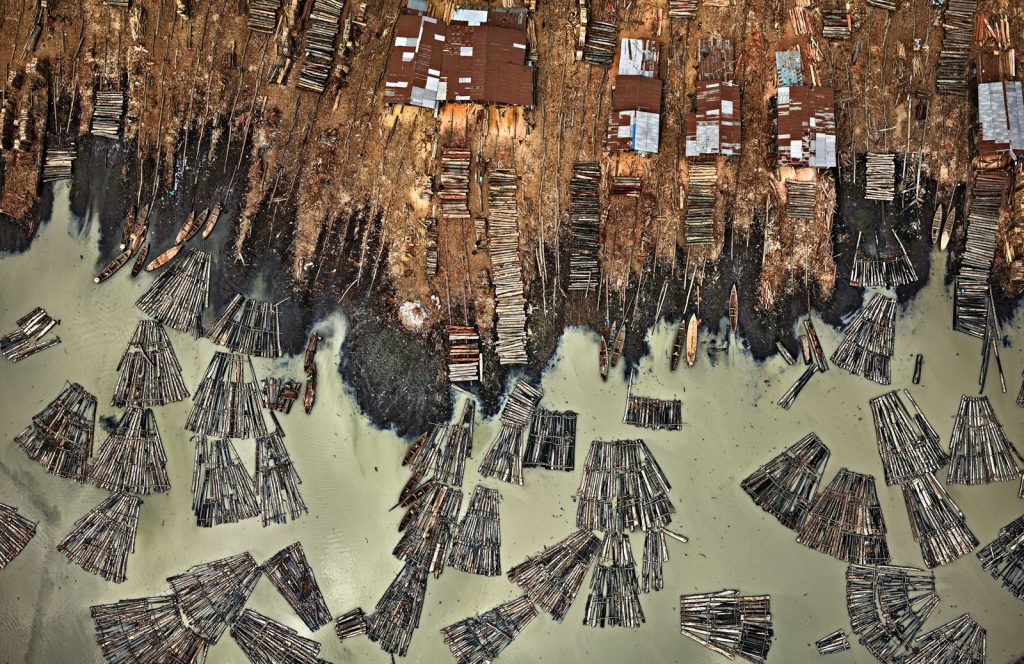
Meanwhile Edward Burtynsky offers us a more abstract of the world around us, as his concern for the world we are leaving behind us is that of a stripped landscape. These images offer us a alternative view of the world, something alien and yet there is something familiar. There is no question here that these are not photographs of protest, they do not shout at the viewer. What they do is offer the view the space to reflect, to stop and think. I his own words Burtynsky reflects on the impact of globalism and the needs of humankind: 

“But all these things have one thing in common, which is that this is the world that is necessary – in the background, humming away – to allow us to live the lives we do. When you buy that new thing, where does it come from? And where does it go when you’ve thrown it away? Because there’s no such place as away” [Burtynsky in Davies 701:2020] 

The work of Burtynsky reminds me of what Robert Adams states, in his essay “Photographing evil”: 

“Art can convincingly speak through form for significance bears upon the problem of nihilism and is socially constructive. Restated, photography as art does address evil, but it does so broadly as it works to convince us of life’s value; the darkness that art combats is the ultimate one, the conclusion that life is without worth and finally better of ended.” [Adams 70:1996] 

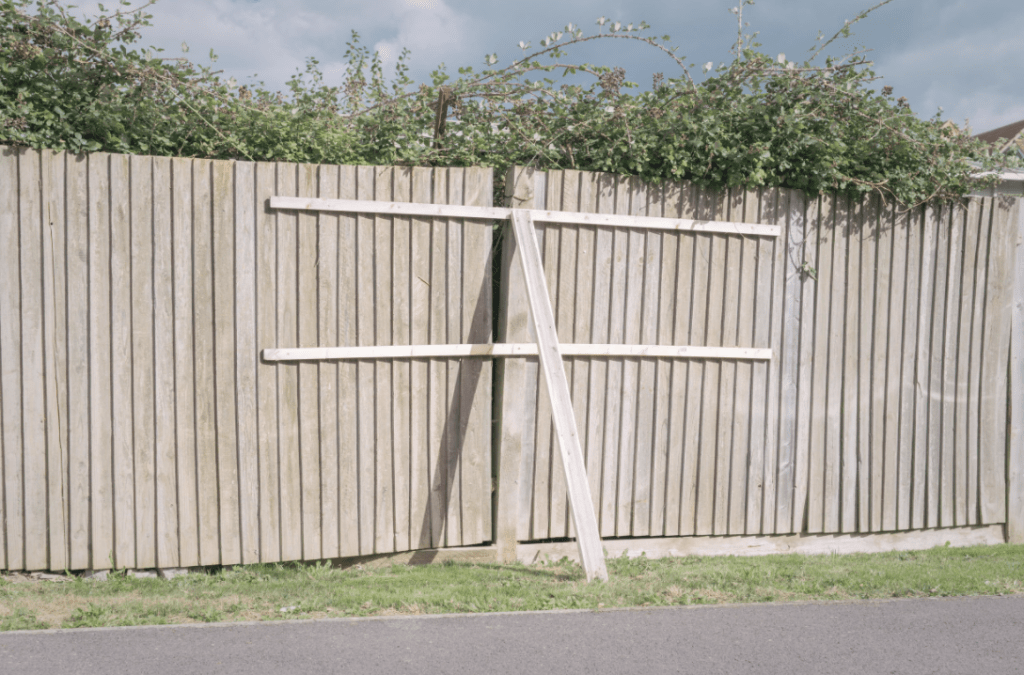
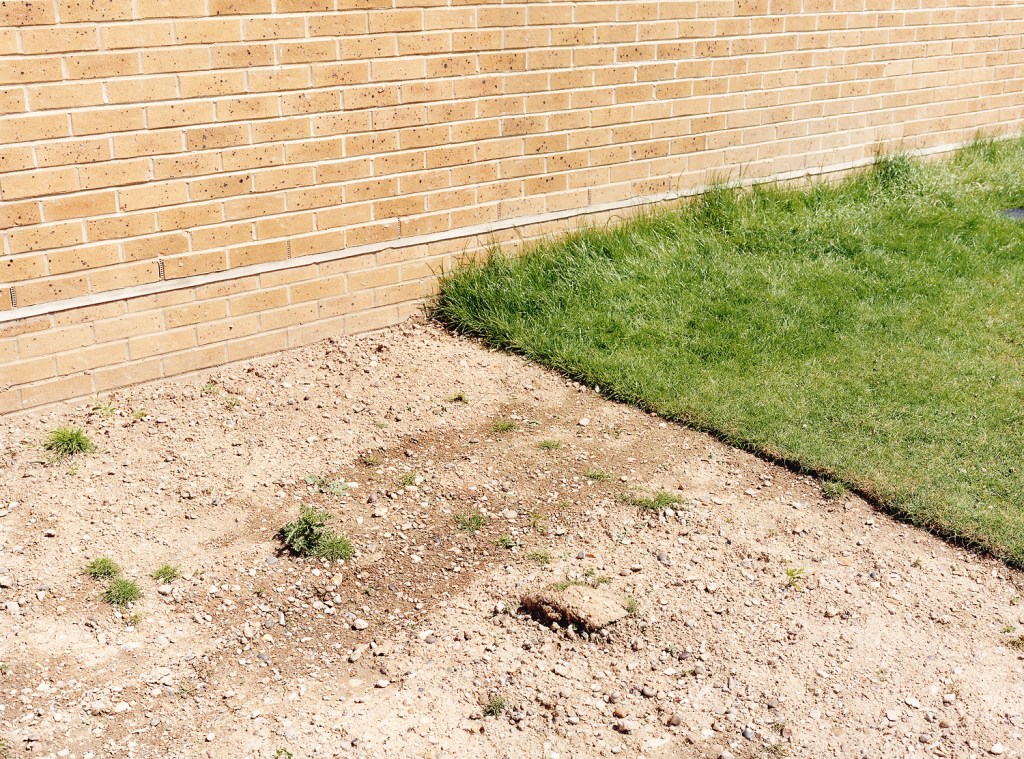
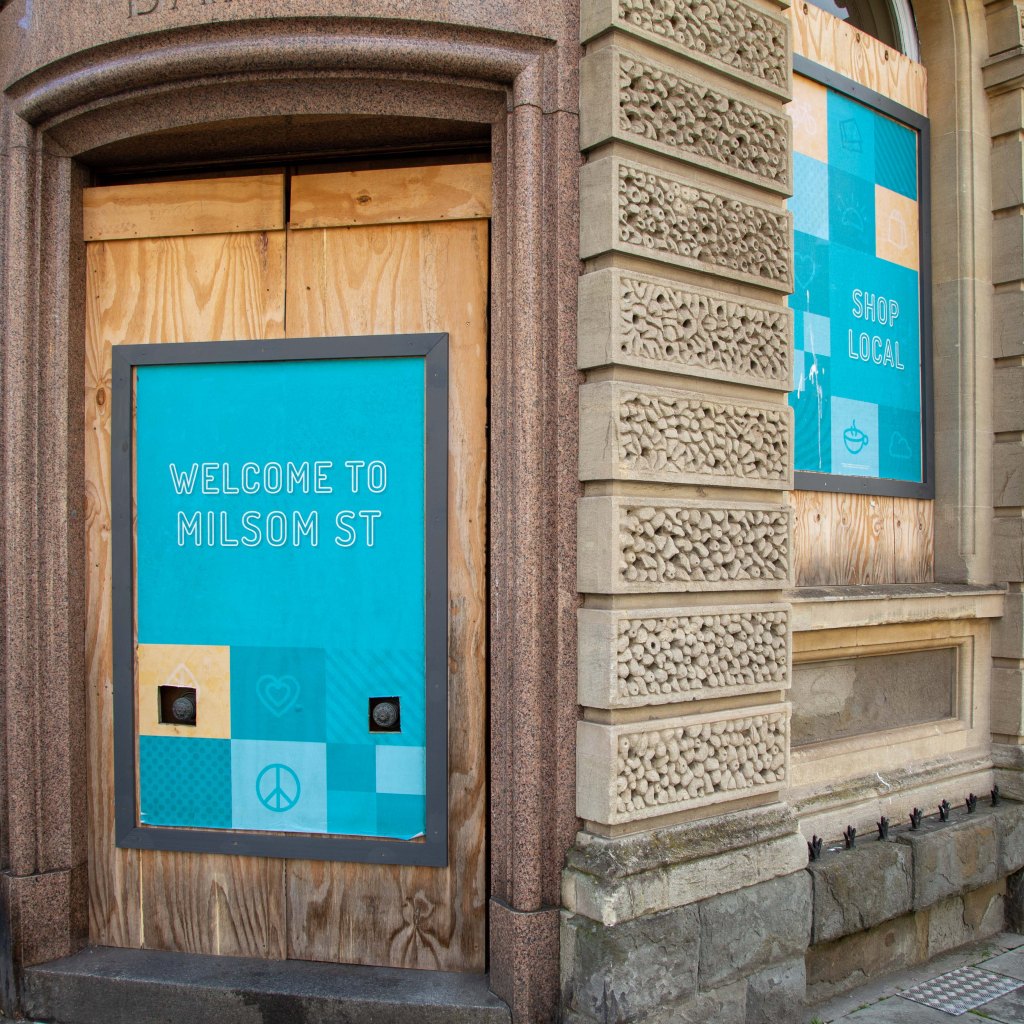
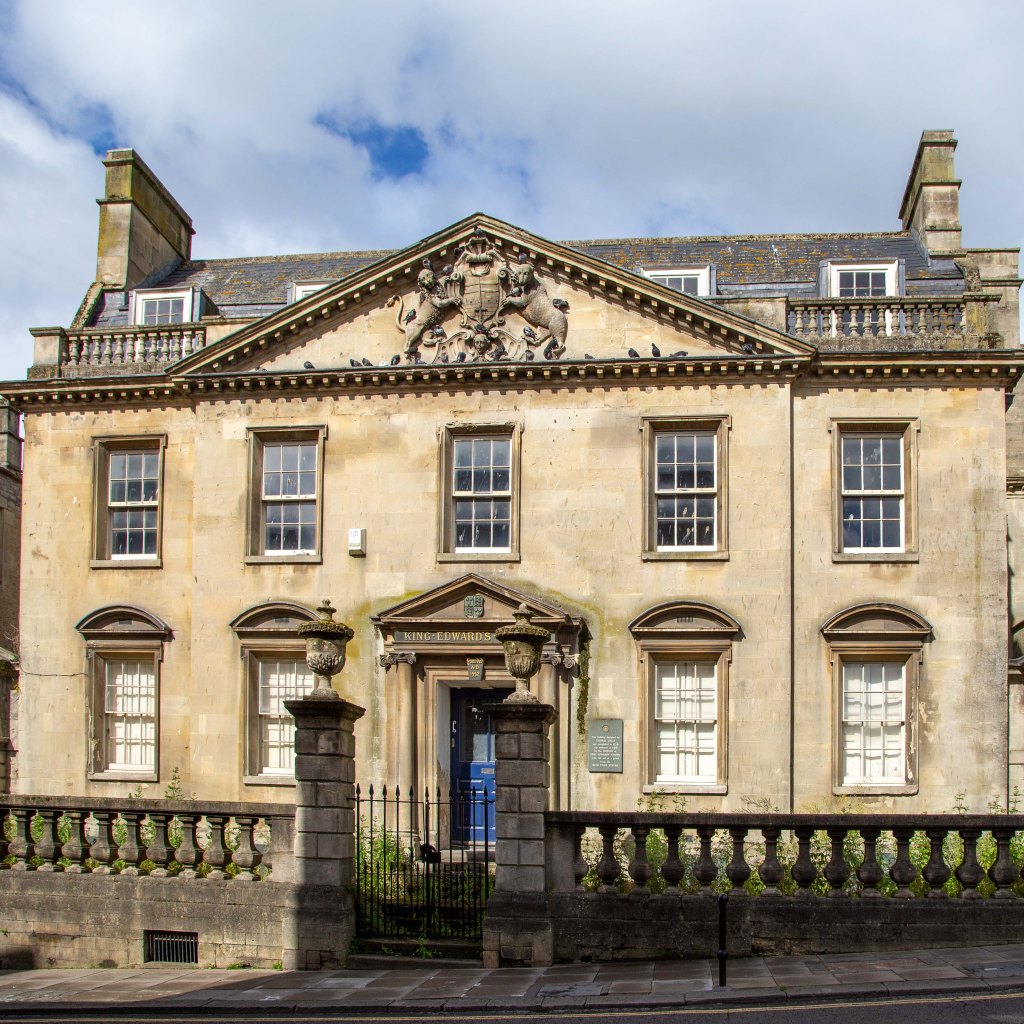
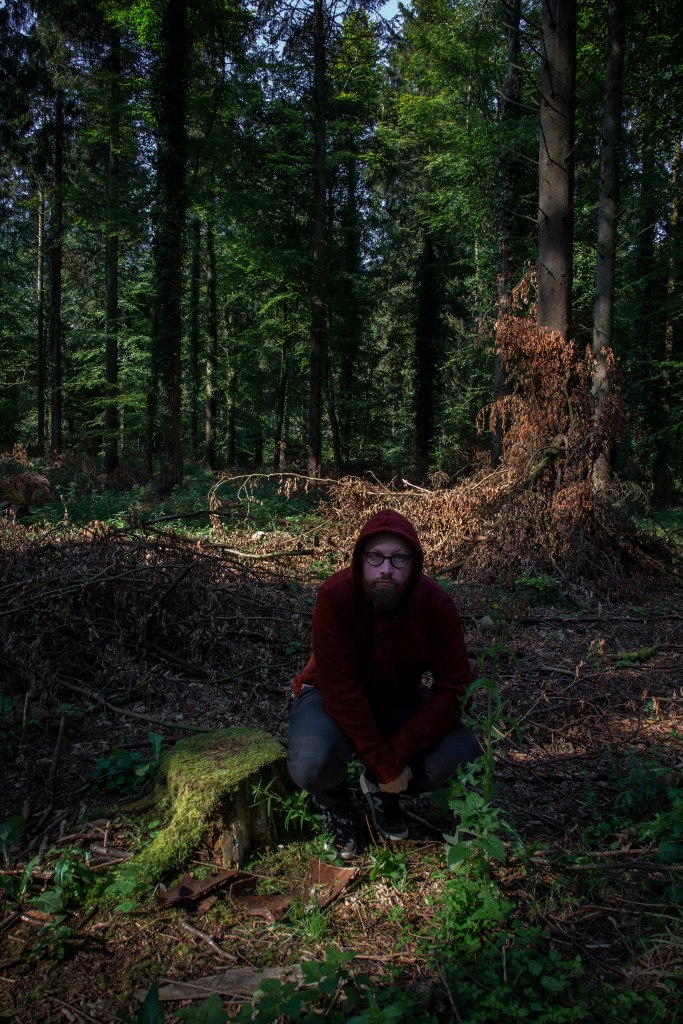
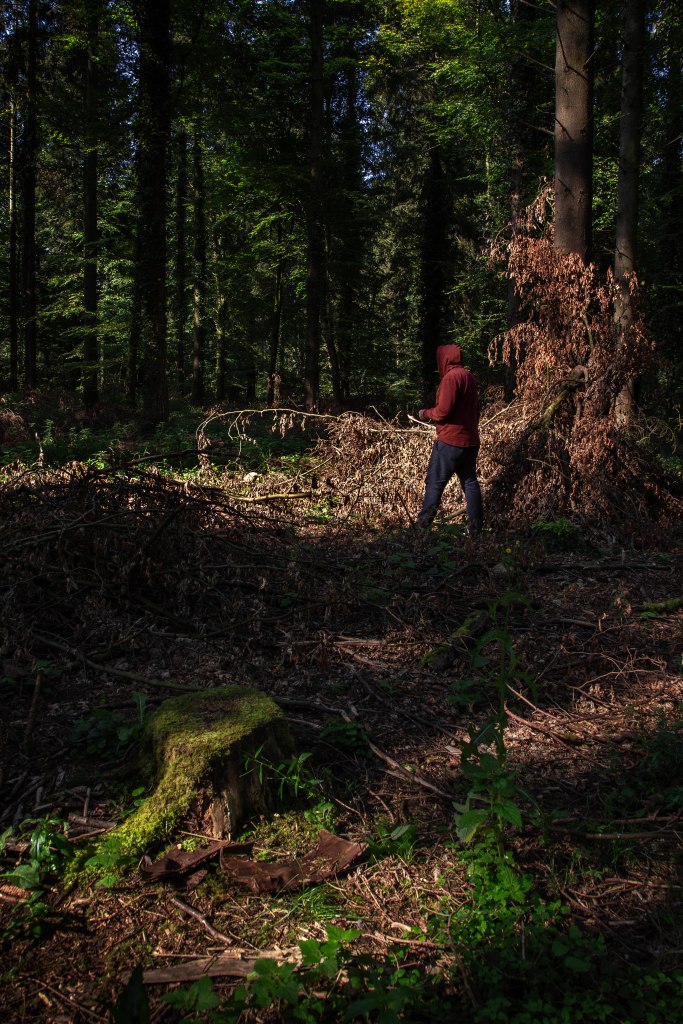
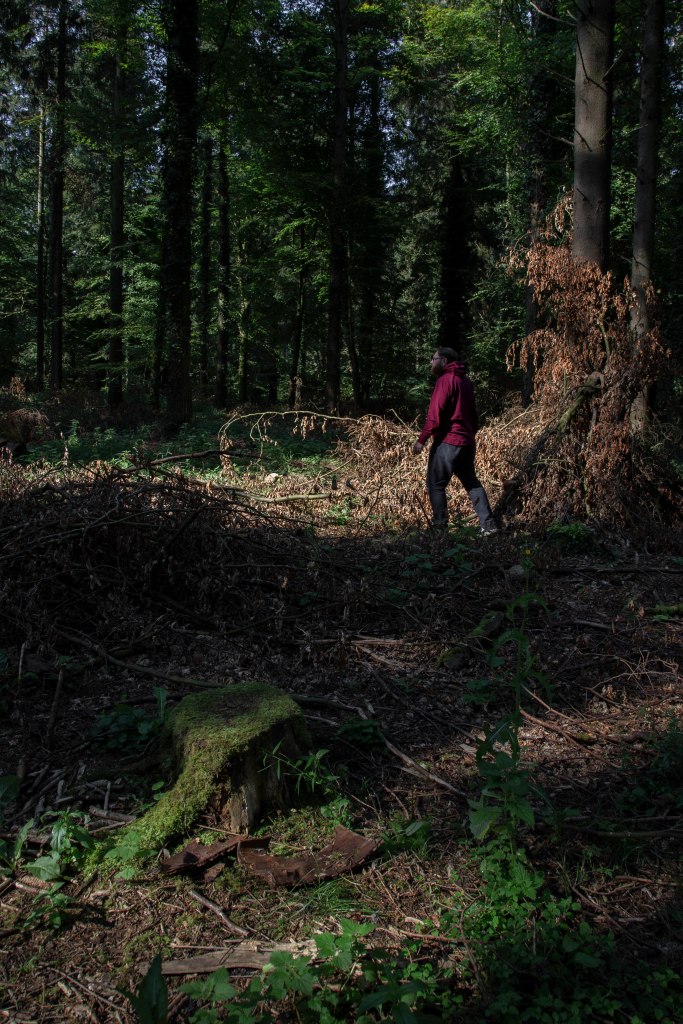
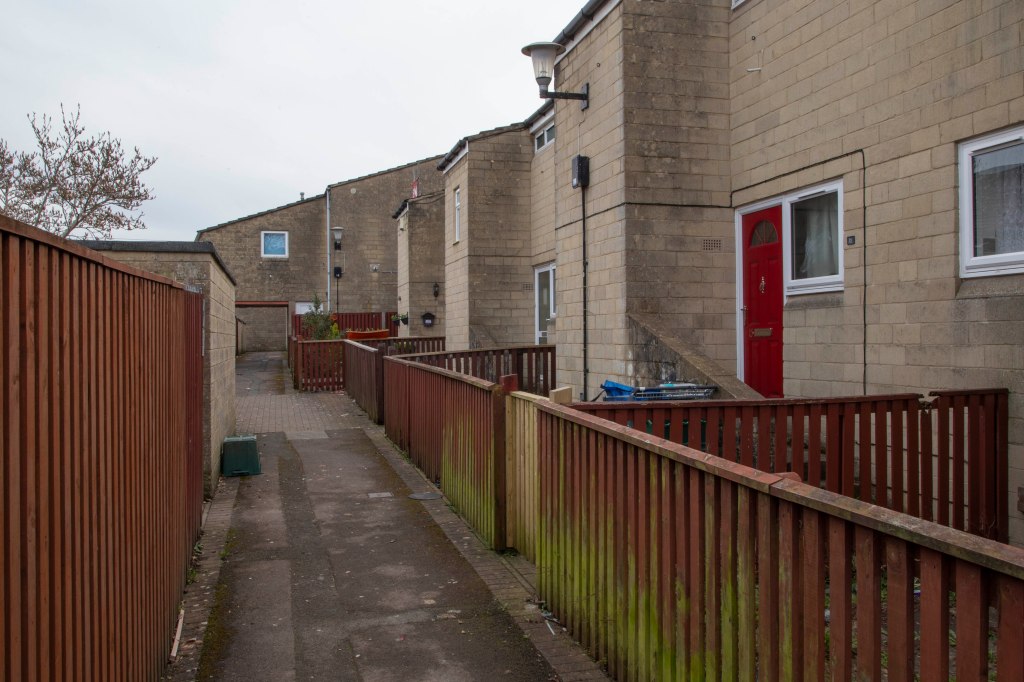
What makes for a greater impact when gazing on environmental photographs, landscapes, is when there is human presence. This give a scale to the thing; we can see and compare our reality against what we are being shown. Within my own practice the familiar landscape of vernacular buildings are used as metaphor for socioeconomic discord. I do not show off Bath’s grand Georgian architecture but the homes of the people who service the city and the millions who visit. When viewed I know that this is not art but documentary, it is a quiet kind of protest. 
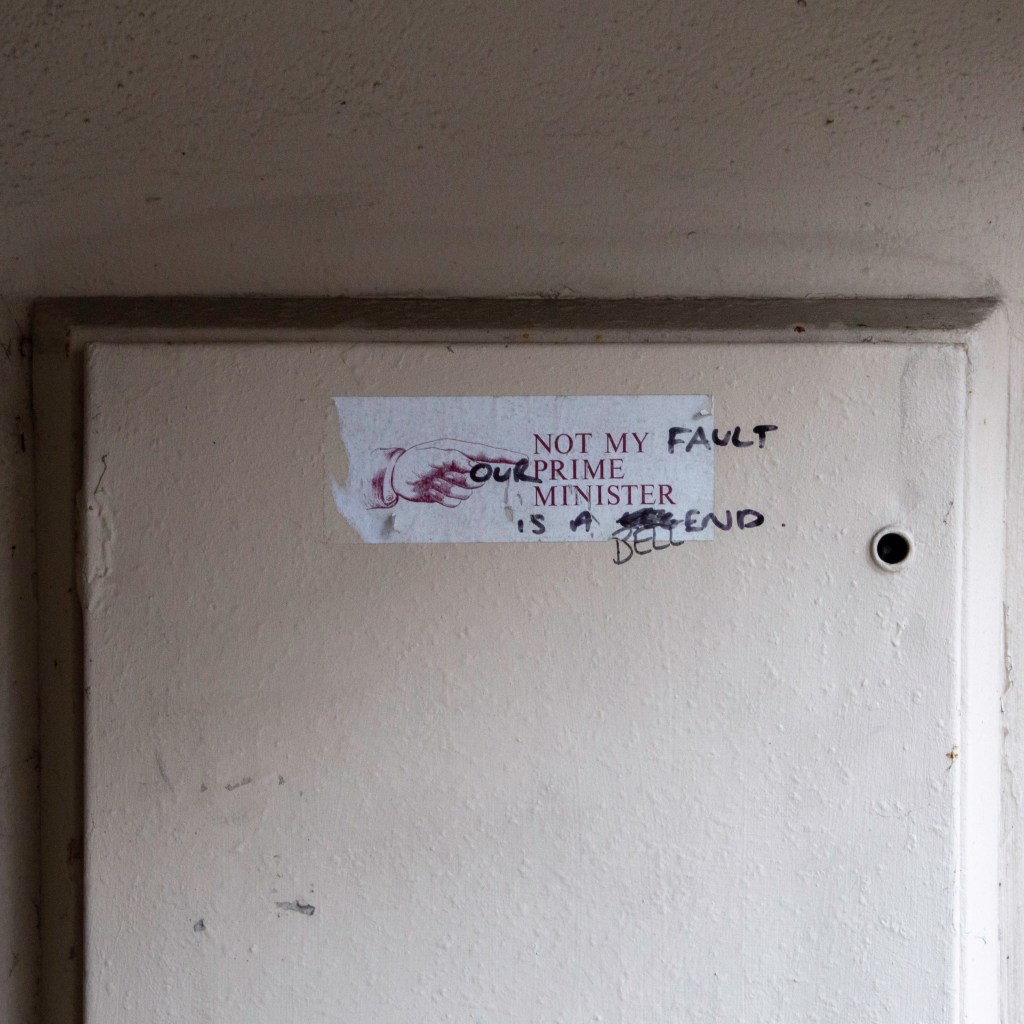
Figure 6 “Not our Prime Minister” 2021 Tim Beale

References 

Adams, R “Beauty in photography” 1996 Aperture 

Davies, L “Edward Burtynsky” The journal of The Royal Photographic Society Nov/Dec 2020 Vol 160/No.9 

Images 

Figure 1 Steinmetz, G  “The terraced Yuanyang rice fields in Yunnan province, China” https://www.canon-europe.com/pro/stories/george-steinmetz-storytelling-aerial-photography/ 

 Figure 2 Steinmetz, G “Feed the planet” https://georgesteinmetz.photoshelter.com/gallery/Feed-the-Planet/G0000lrER6EZBBQA/ 

Figure 3 Burtynsky, E  “Uralkali Potash Mine #4, Russia” 2017 https://www.format.com/magazine/features/photography/edward-burtynsky-photography-anthropocene-project 

Figure 4 Burtynsky, E “Phosphorus Tailings Pond, Florida” https://www.theguardian.com/artanddesign/2016/sep/15/edward-burtynsky-photography-interview 

Figure 5 Burtynsky, E “Saw Mills #1, Lagos” https://www.newyorker.com/magazine/2016/12/19/edward-burtynskys-epic-landscapes 

Figure 6 Beale, T “Not our Prime Minister” from The Right to this City series, 2021

PHO705: Typologies in Topography  

Three by five, three by four, three by two, five by six, these are but a few of the grid like combinations of images presented in the body of work called “Typologies” by Bernd & Hilla Beche that spans some four decades. Documenting the structures that sit within an industrial landscape like monolithic sculptures, the Becher’s ability to remove the often overlooked from its setting and place it down onto paper is in itself a work of art.   

“The Becher’s technical rigor is also exemplary, the strength of their work owing to their consistency of framing and evenness of the light on their subjects. The simplicity of their practical approach-and that of the other photographers from the ’New topographies’ exhibition-has endured within landscape practice as well as within other spheres of contemporary photography.”[Alexander 128:2015] 

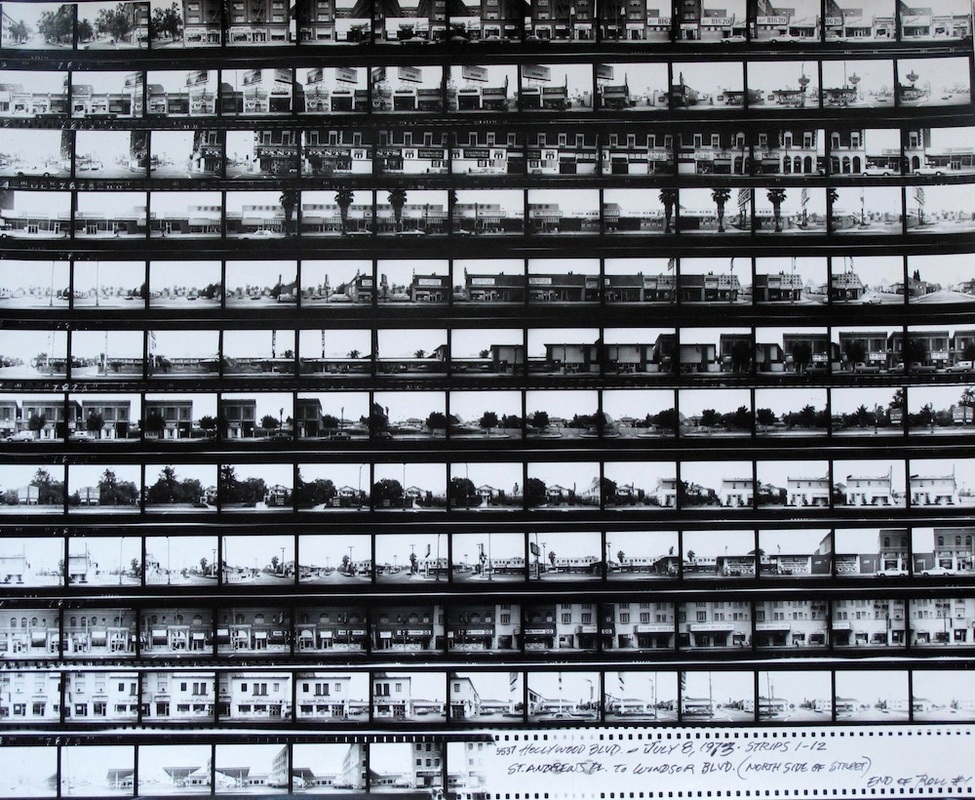
The concept of typologies within the medium of photography is not a new one, but is one that has been used to great effect especially when looking at the work of the likes of  Ed Ruscha. Ruscha uses the everyday, mundane and bland within bodies of work such as ‘Every building on the sunset strip’ as a method to create flow and a sense of movement as the viewer is transported along the strip, move from image to image as one would drive from building to building. However the way in which the Becher’s deliver their images is much more static, rigidly controlled, placed into grids, edited to emphasis the familiar, whilst allowing the viewer to consider the contrasts between each structure. 

Figure 2 “Every building on the Sunset Strip” 1965 Ed Ruscha

“After all, Bernd and Hilla Becher are not interested in the individual photo, but above all in what their way of seeing, restrictively defined in its way, actually makes possible, namely a comparison of appliance-like structures of a particular type, such as gasometer , halls and silos.” [Zweite in Becher 15:2014] 

It is not only the finished image that is controlled so to are the subjects, not so much the staging or composing of each structure but rather the construction. Each photograph is meticulously planned, the time of day, weather conditions, elevation of camera, and position of structure within the frame.  

“We precisely did not show pictures that we had composed but instead images that were already composed. We simply selected objects that could be captured and were thus there for the taking.” [Becher 7:2014] 

Discussing the “New Topographic: Photographs of a Man-Altered Landscape” (1975) exhibition, which featured Bernd and Hilla Becher’s ‘Topologies’, Jesse Alexander states: 

“Just as the subject matter in the photographs was commonly considered mundane or bland, the visual qualities of the photographs were simple and unembellished and were met by traditionalists with skepticism and perplexity.” [Alexander 127:2015] 

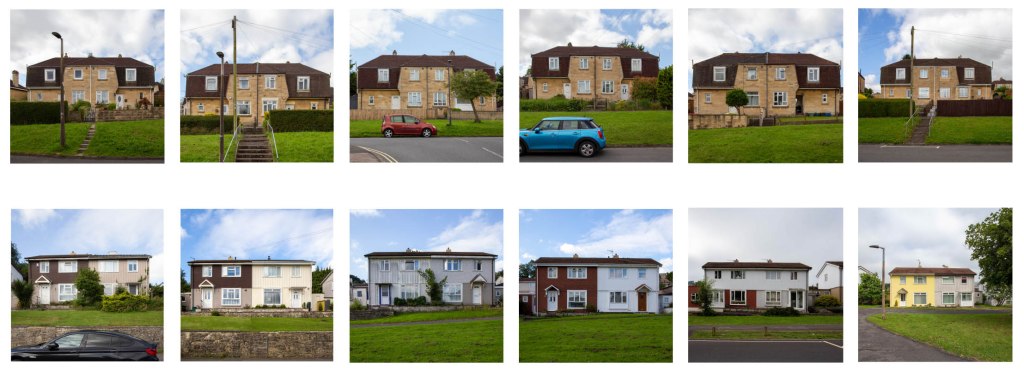
Figure 3 “The right to this city” 2021 Tim Beale
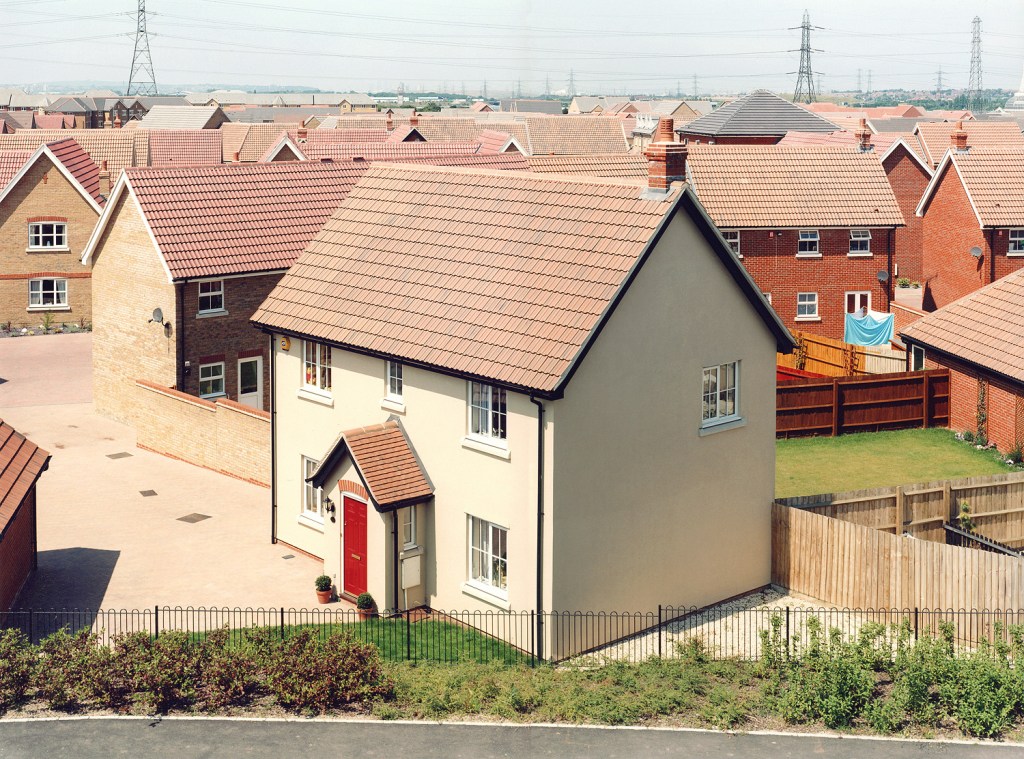
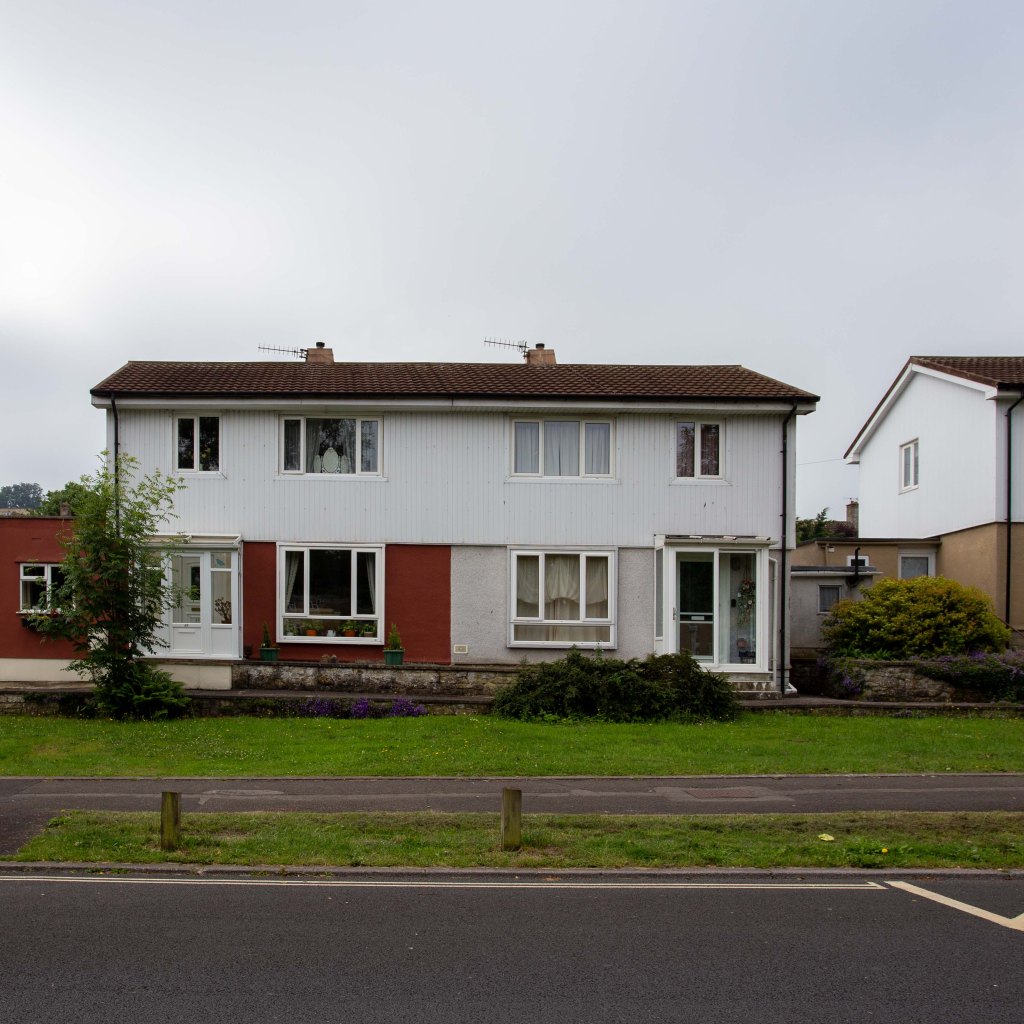
Within my own practice the use of typologies has been a useful tool to illustrate the uniformity of publicly funded social housing of the 1930s and 40s. To ensure each image created, for the topology series, had a uniform appearance I had to set several control factors. Each image needed to be taken during the same weather conditions, framed within the same space, and using the same camera setting such as f stop and aperture. This was particularly challenging give Bath’s topography, being built in a valley, many of its houses are built running along steep hills. Shooting straight on with a wide-angle lens gave me the best option to create uniformity with each photograph. The use of repeated images of mundane dwellings worked well for the series of early social housing but less so for more contemporary housing stock. As such, I chose to only adopt this method for a few typologies through the book “The right to this city”.  

References 

Alexander, Jesse “Perspectives on place: Theory and practice in landscape photography” 2015 Bloomsbury 

Becher, Bernd & Hilla “Typologies” introduction by Armin Zweite 2014 edition MIT Press 

https://www.photopedagogy.com/typologies.html [Accessed 30.10.2021] 

Images

Figure 1 Becher, Bernd & Hilla “Typologies”

Figure 2 Ruscha, Ed “Every building on the Sunset Strip” 1965

Figure 3 Beale, Tim “The right to this city” 2021
PHO705: Photographs of an unequal Britain  

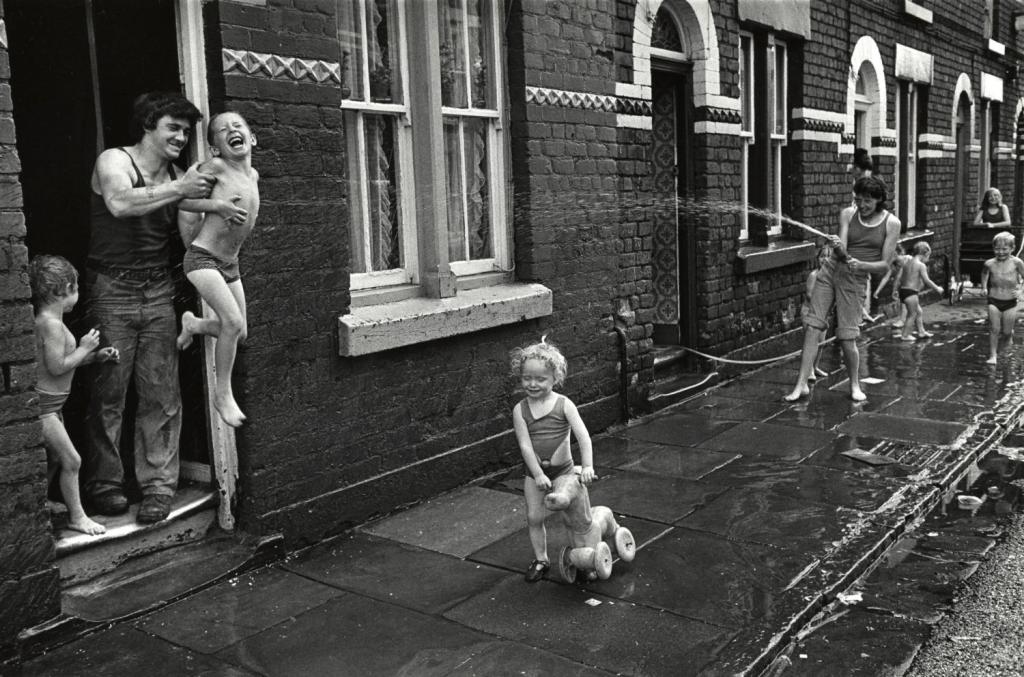
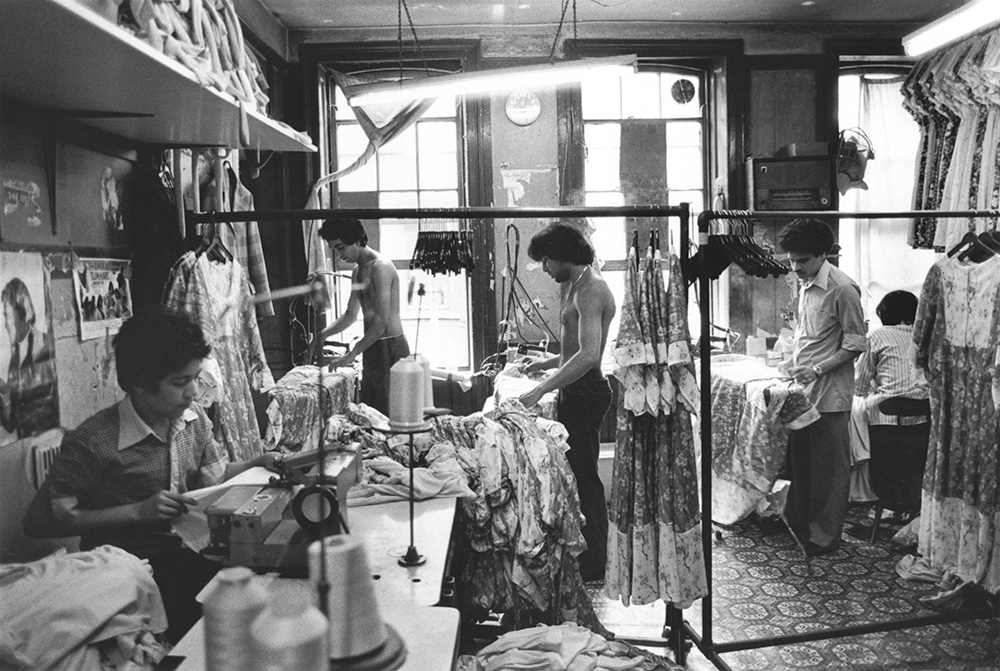
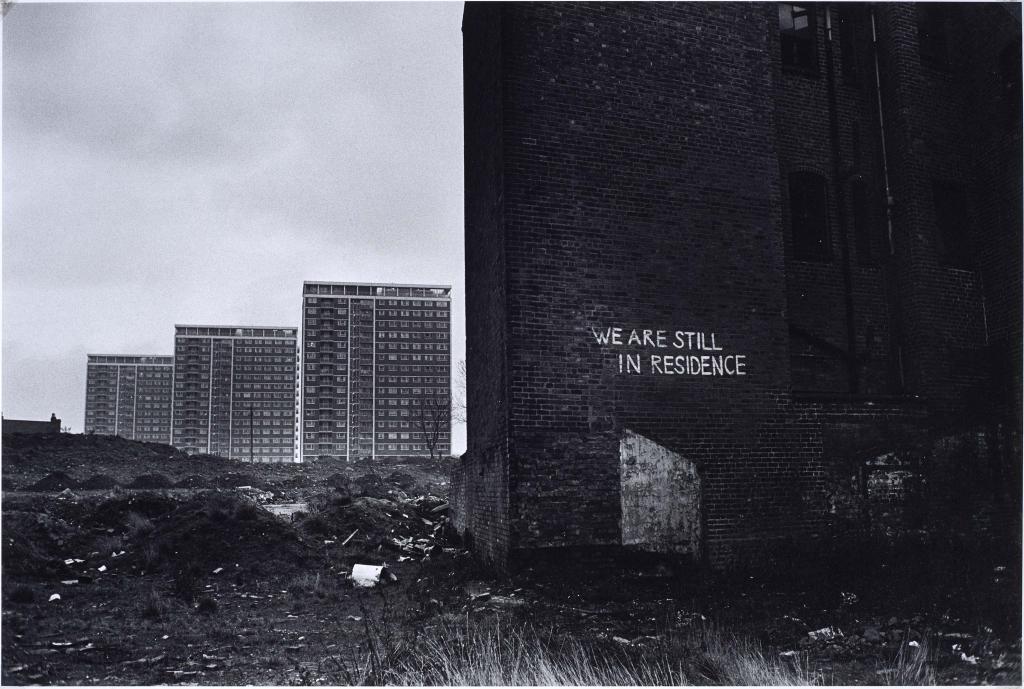
Photography in Britain in period between the late 60s to late 80s was one of protest and drive for change in a dystopian landscape created by endemic poverty and increasing inequalities in housing. Political upheaval during this time resulted in increased unemployment as a result of the privatising of publicly owned businesses and closing down of factories and coal mines. Charities such as Shelter and the Child Poverty Action Group worked tirelessly to raise awareness and funds to help those who were homeless, unemployed or living in substandard conditions. The director of the Child Poverty Action Group, wrote: 

“If civilised life is to continue, the rich must strike a new social contract with the poor to the extent of breaking the cycle of inequality.” [Field in Stacey 68:2020] 

Exit Photography Group (Exit) 

From 1974 the group was made up of the self-taught photographers, Paul Trevor, Nicholas Battye, and Chris Steele-Perkins. At that time Battye worked as a security guard at the Calouste Gulbenkian Foundation, the foundation funded the first half of the groups six-year survey of Britains inner cities,’Survival Programmes: In Britain’s inner cities’ [1982]. Exit had a keen desire to use photography to make a difference, key to this was their continual presence in amongst the communities they engaged with. The group would often revisit inner cities location with their prints to share with the people living their. As Trevor recalls: 

“People asked us for prints, and we gave them our reject prints and then we couldn’t give enough prints away, so we agreed to do an exhibition. There was an annual festival, E1 Festival, and we made the prints. I had to sneak into Regent Street Polytechnic, as it then was, because we didn’t have a dark room.” [Trevor in Stacey 71:2020] 

Exit were ever conscious of the politic of representation and often praised for their commitment to the groups ability to honestly represent the people in their photography, by having a policy of naming those in the photographs but of not crediting the individual photography generated praise from within the photographic community. The ‘Down Wapping’ project highlighted the way in which private and commercial development in the area damaged the community and further exacerbated unemployment. The project draw the attention of national press such as the Sunday Times and British Journal of Photography, this attention elevated the group’s presence which in turn enabled them to continue to produce projects of protest against Britain’s inequalities. The group worked closely with the East End Docklands Action Group to highlight the perceived destruction of a local community.  

 “To put this into context, redevelopment of London docklands generated fierce political debate between the Conservatives, who favoured private funding to develop the area for commercial purposes and provide private housing, and the Labour Party, which wanted state funding used to create public housing and employment opportunities for the existing community.” [Stacey 71:2020] 

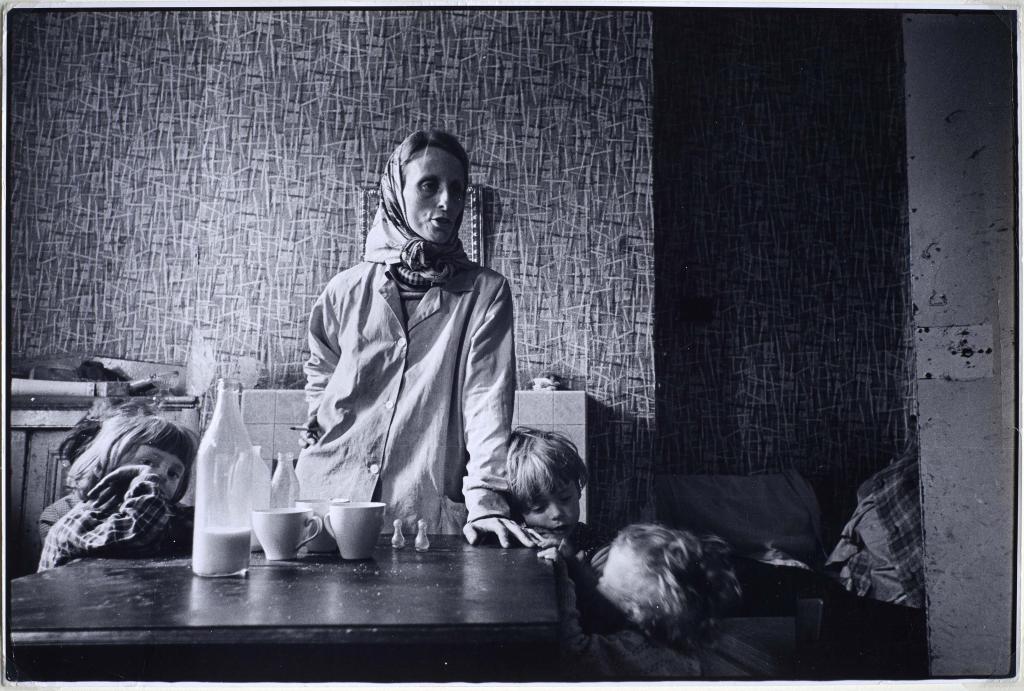
Nick Hedges 

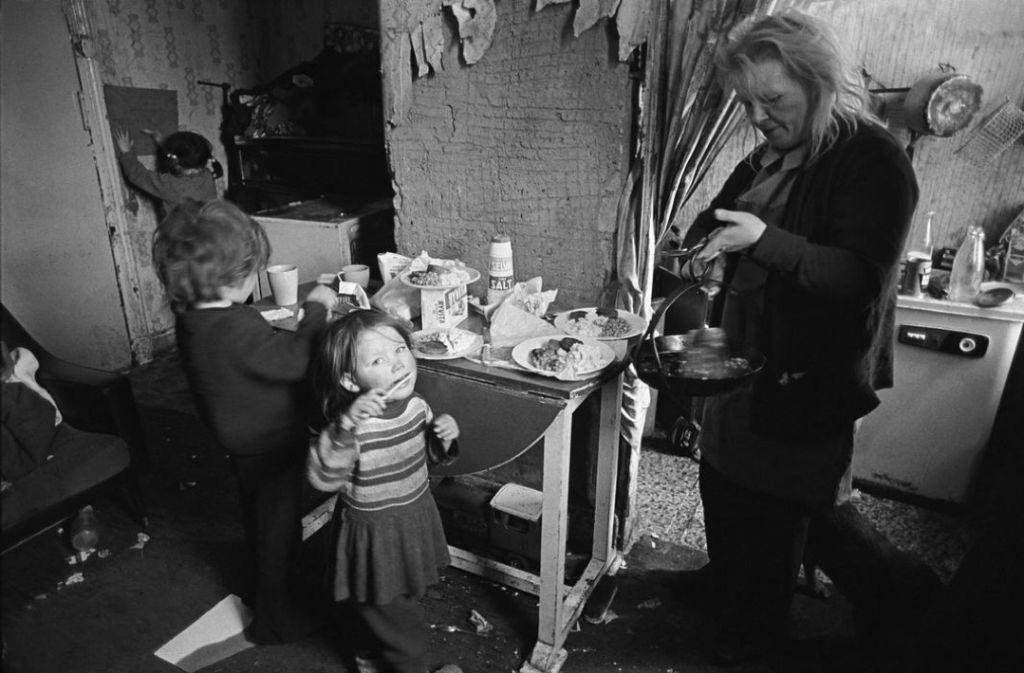
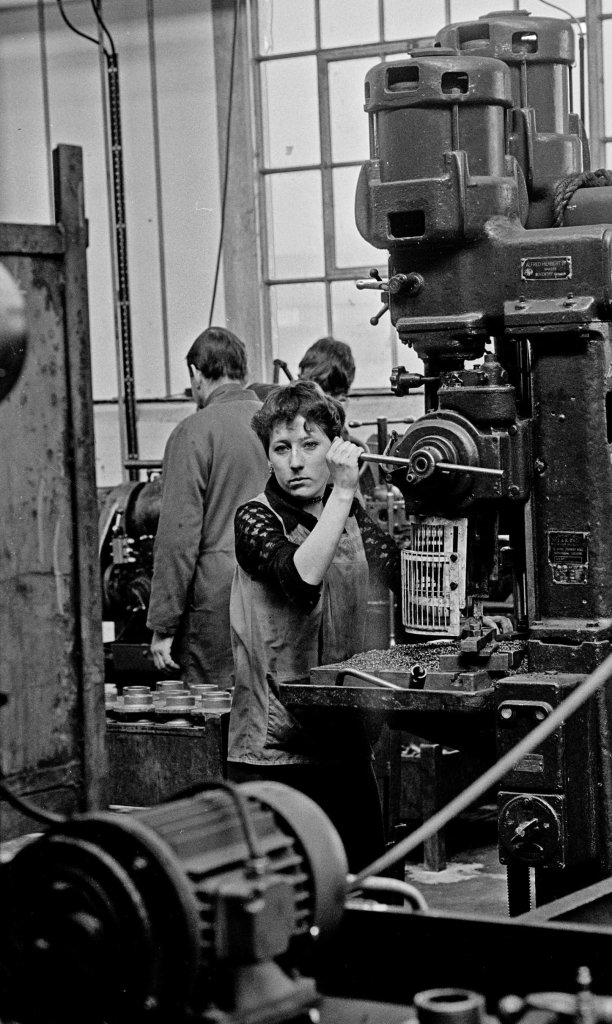
The work of Nick Hedges images from Birmingham in the early 70’s holds a special connection for me, as my early childhood memories are of my time living in Birmingham. I recall whole streets of boarded up terraced housing, awaiting demolition, how a handful of friends lived in the one or two remaining households in those streets. I also recall playing in abandoned houses, finding evidence of drug use, plastic bags of glue, used needles and empty pill bottles. These things were just part of life and we just didn’t question it. One of my earliest memories was visiting the factory where my dad worked, not unlike the factories featured in Hedges’ photographs, however, not long after that visit my dad, along with many others, was laid off as the factory fell victim to the politically driven economic turmoil the country faced.  

Talking at the Bristol BOP21 festival Hedges described how photography in the past (1960-1990’s for example) held much more power than today as we now view images with much more suspicion. As such the photobooks and pamphlets from those times can act as a way to revisit and reflect upon the past, helping to inform the present, as I find myself doing now.  

Growing up seeing the growing inequalities in Britain has informed my practice, as for these earlier photographers, I want to use photography to raise these issues, to bring to the fore the struggle not only faced by the poor but also by the working class. The evidence of this inequality can be seen in the very fabric of the city, the suburb, and town. Government policies have altered the environment we live and work in, the size and density of living space, the infrastructure, and the use of a city. Government has monetised, privatised and perverted our right to live and thrive in the places we want to live in. Much of what the likes of Exit and Nick Hedges, and many other photographers, have done to highlight these issues has created a narrative of social dystopia that has built and led to the current crisis we face in the form of housing and Brexit.  

References  

Stacey, Noni “Photography of Protest and Community: The radical collectives of the 1970s” 2020 Lund Humphries 

https://photoworks.org.uk/exit-photography-group/ [Accessed 30.10.2021]  

https://www.museoreinasofia.es/en/collection/artwork/mother-and-her-family-winson-green-birmingham [Accessed 30.10.2021] 

http://www.nickhedgesphotography.co.uk/ [Accessed 30.10.2021] 

Nick Hedges in conversation with Martin Parr, “BOP21 Festival” RPS House, 23.10.2021  
Images 

Figure 1 – Exit Photography Group images from “Down in Wapping” 1975 “Survival Programme: In Britain’s inner cities” Nick Battye, Chris Steele-Perkins, Paul Trevor 1974-82

Figure 2 Nick Hedges images from Birmingham between 1968 and 1972

PHO705: Photography and the city 

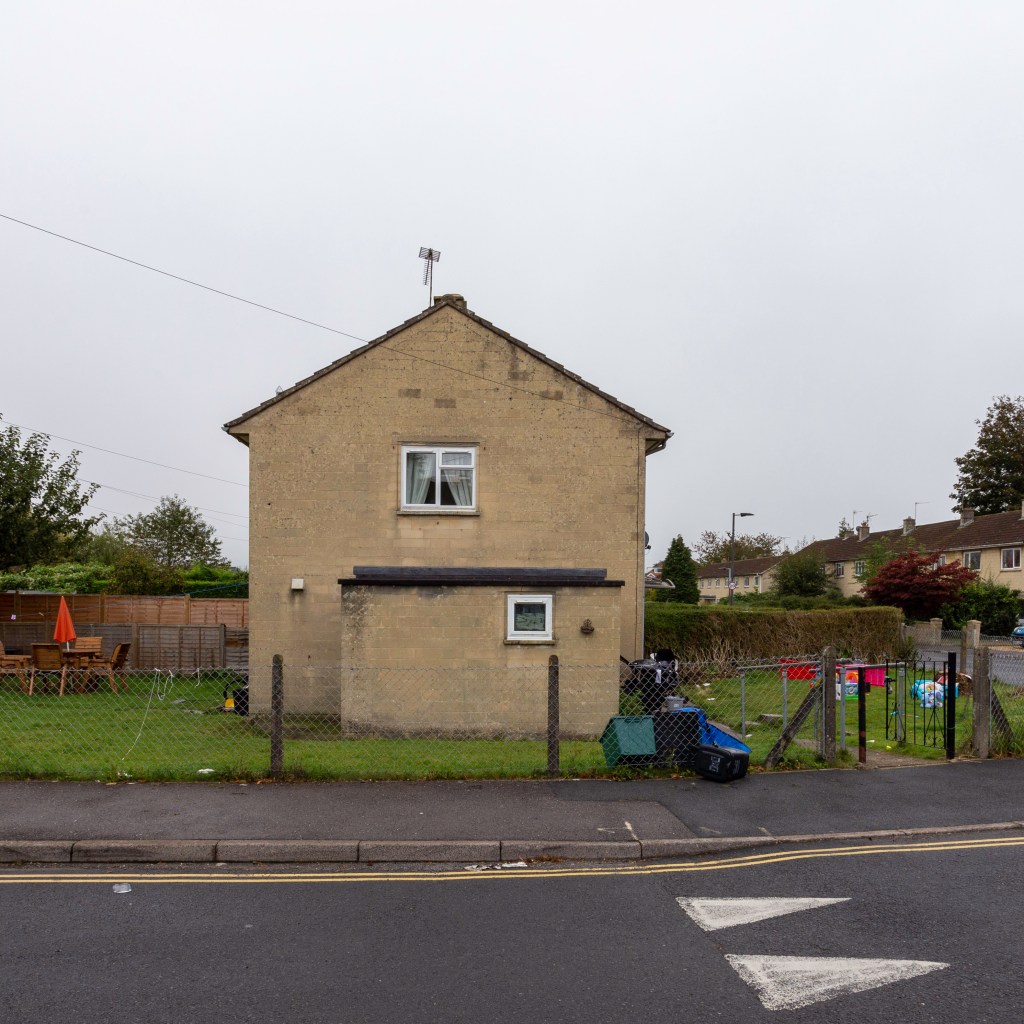
Fig 1 “Untitled” Tim Beale 2021
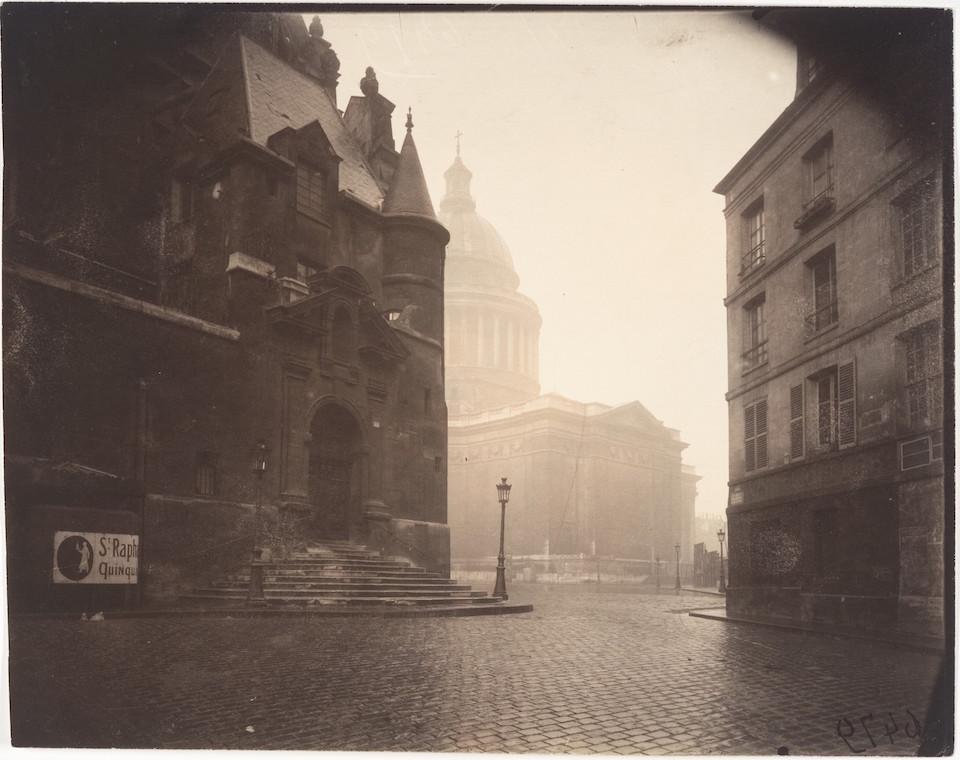
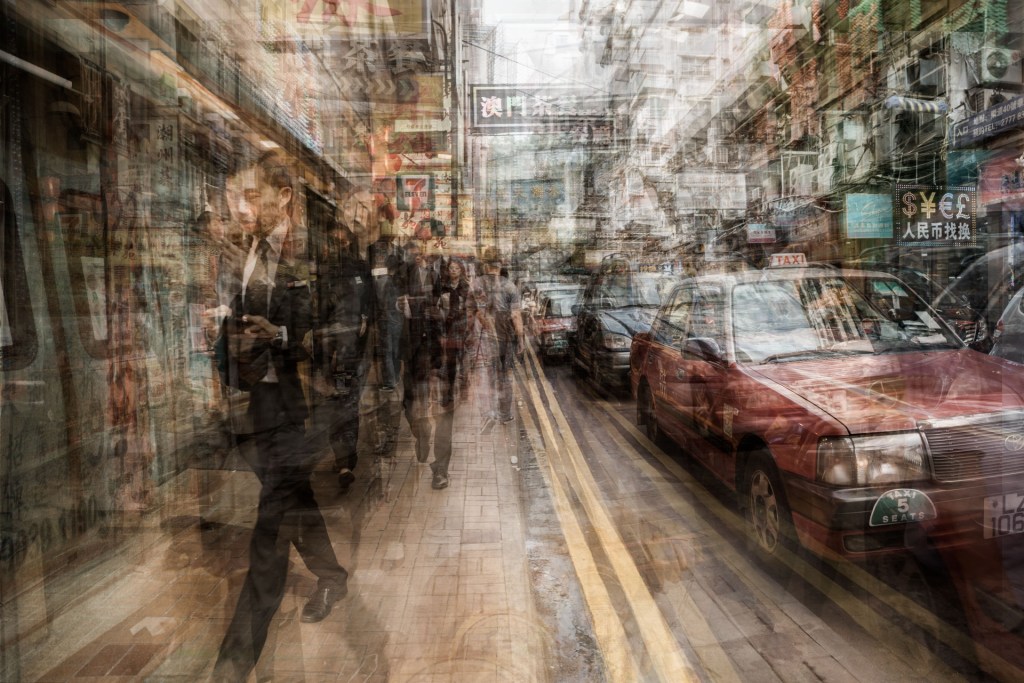
The very nature of photography lends itself to the documentation of the city, its structure, people and essence. Whether it comes from psychogeography or documentary the form of capturing a two dimensional representation of the space around us is one that is familiar, from the Parisian scenes of Eugene Atget to the bustling streets of Riccardo Magherini’s Hong Kong. The photograph provides a document of social, cultural and political concepts of the city. 

“Photographs display attitudes, agency and vision in the way a city is documented and imagined.” [Tormey xiv: 2013] 

The city is a social space, dominated by city structures that effect they way people live, interact and form social communities. Within my own practice I concentrate on the evolution of the city and how social and political changes influence the evolution of the manufactured space. Highlighting Urban and Suburban issues to engage and encourage cultural, social and political discussion. Framing and rendering the three dimensional city, in a two dimensional representation that conveys its culture, society, emotion and aesthetics.  

“Photographs can celebrate or critique presiding ideology and privilege. More specifically focused views can adopt metaphoric frames that serve to emphasise particular aspects of experience: the ‘institutional city’ and the place of power; the ‘everyday city’ of the street; the city of social practice or the site of diaspora’; the ‘hybrid or global city’; the ‘engendered city’; the ‘network’ or psysogeographic. Just as the city can be theorised in different ways, so it can be presented photographically in different ways: geographically – describing the evidence of its economies in the buildings and infrastructure; anthropologically in describing evidence of its culture; sociologically in describing examples of interaction.” [Tormey 26:2013] 

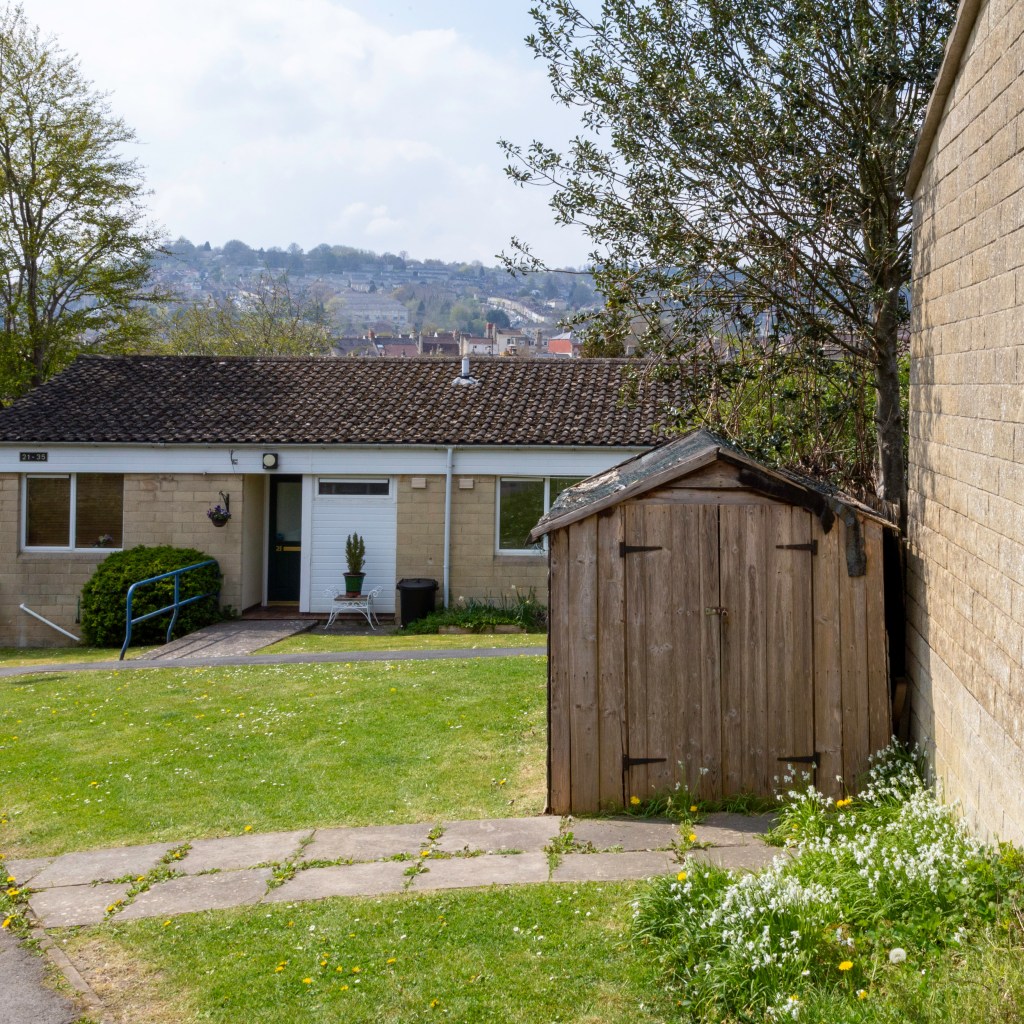
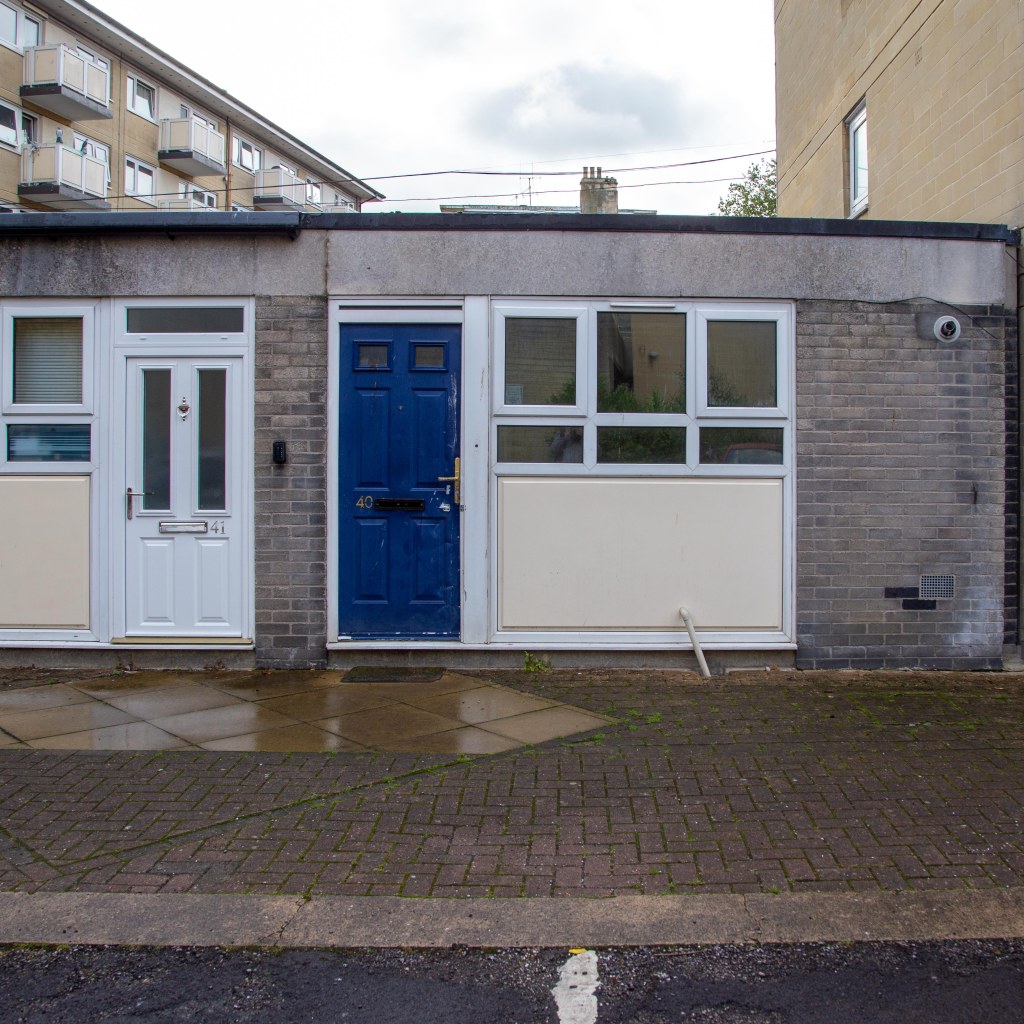
I am trying to convey an unexaggerated portrayal of the everyday city and its suburbs, the dwelling places of the everyday worker. The structures that create a city are also the structures that shape and define the people who live in them. As such, my practice concentrates on the simplest of dwellings, the mundane or overlooked. These spaces are no less important than the grand stately homes, treasured by the nation, in fact they are of greater importance as they are a fixed point of reference when we map social and political history.  When we look at these dwellings we start to see, not only, the decay but also the pride and sense of community. There is something about a common struggle that brings people together, reading the details in a home can tell this story. As with Robert Adams photographs that featured in the exhibition “New Topographic: Photographs of a Man-Altered Landscape” there is a simplest style and beauty to be read in these images.  

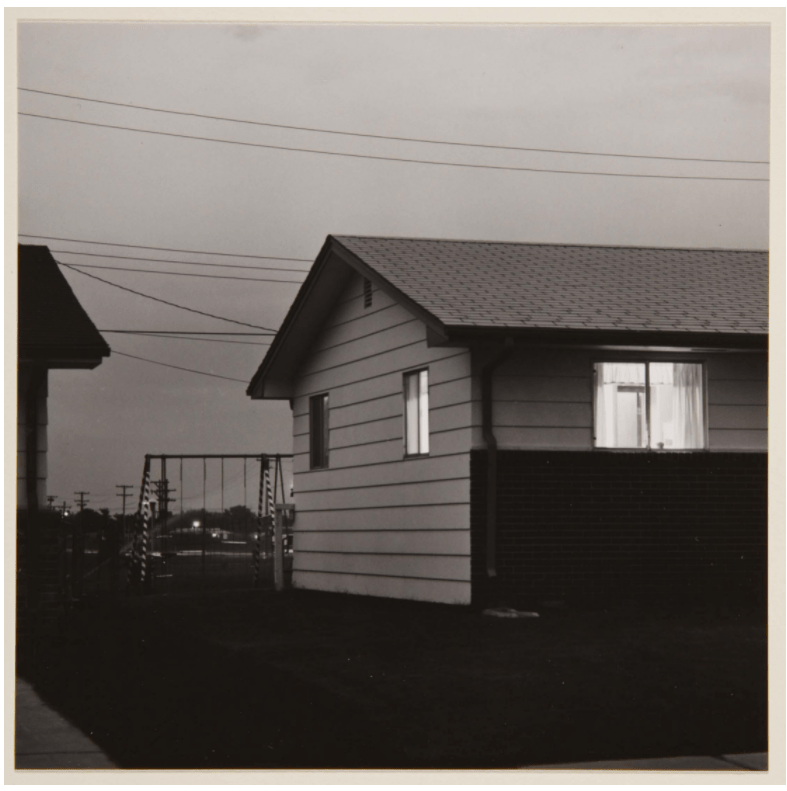
Fig 4 “Denver, Colorado” Robert Adams 1970

When we look at his photograph “Denver, Colorado” we see a dwelling, in the early evening as the sky is not fully dark, we can see there is a light on so can assume the home is occupied. We are also given a clue that there are children given the presence of the swing set. We only see a section of the dwelling but it is clear this is a single storey building, no fence delineates a front or back garden, in fact there appear to be no boundaries between properties. We can then imagine that this is not the home of wealthy occupants.  

As photographers we strive to tell stories in our two-dimensional images, we create seeds that we then plant into the minds of the viewer. Reducing a city down to a flat image of dwellings, challenges the viewer to create a mind map of the city, to follow the trail, join the dots and engage with the space presented by the photographer. This is what I aim to achieve in photographing the city.  

References 

Tormey, Jane “Cities and photography” Abingdon : Routledge 2013 

Images 

Figure 1 “Untitled” Tim Beale 2021
Figure 2 Eugene Atget https://www.moma.org/artists/229 

Figure 3 Riccardo Magherini “HK” http://www.riccardomagherini.com/fineart/portfolio/hk-series/ 

Figure 4 Robert Adams “New Topographics: Photographs of a Man-Altered Landscape”  (1975) https://www.pierremm.com/architecture-photographer/architecture-photography-famous-artists.php 

PHO705: Homeownership

Fig 1 Tim Beale ‘Untitled’ 2021

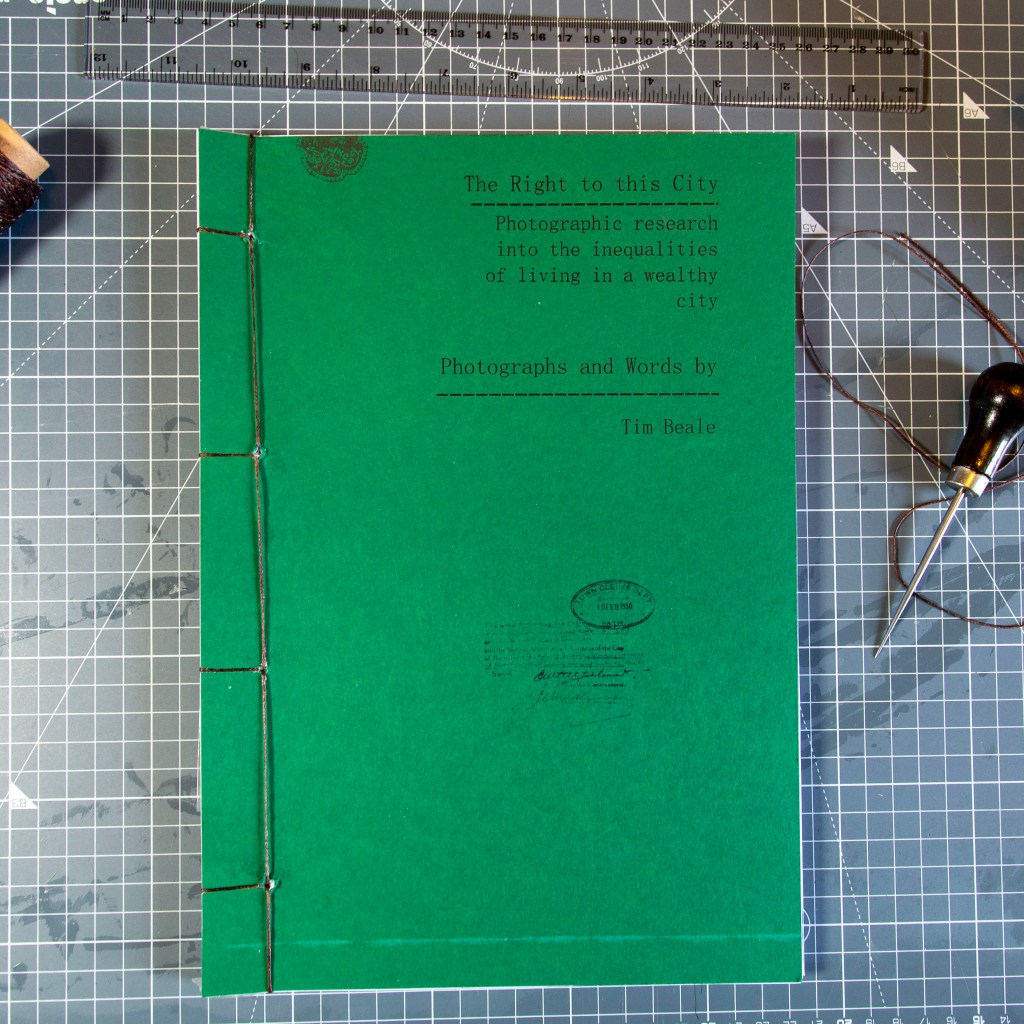
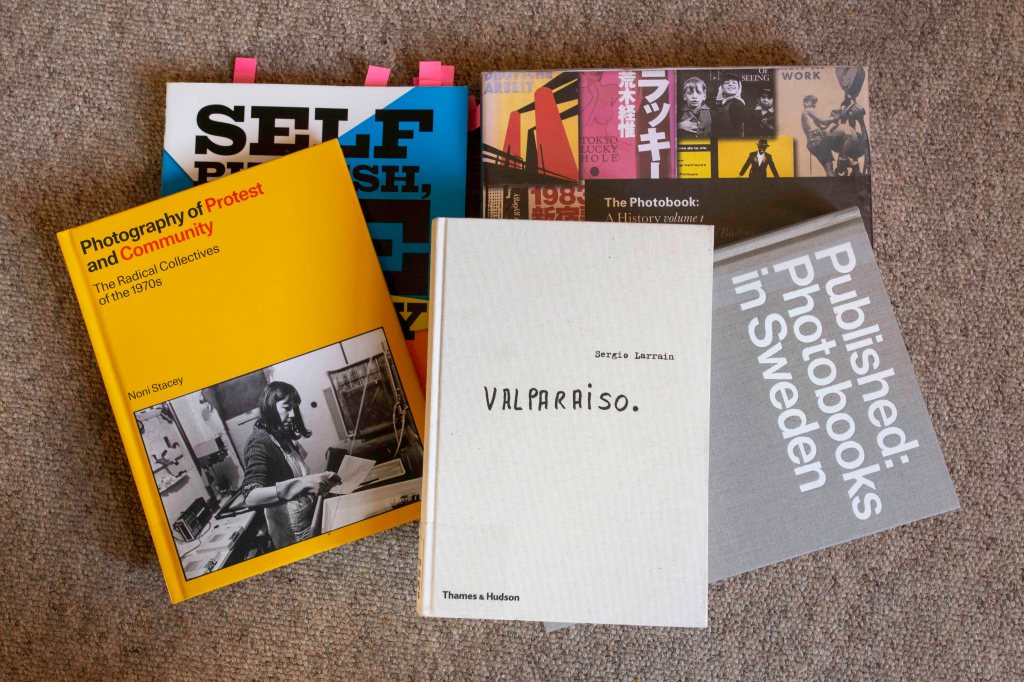
Lately I have been going down the rabbit hole of fonts and book layouts creating the bones of my book. However, a productive one to one with my project supervisor offered a chance to come up for air and to do a little research into what other photographers are doing and how.  

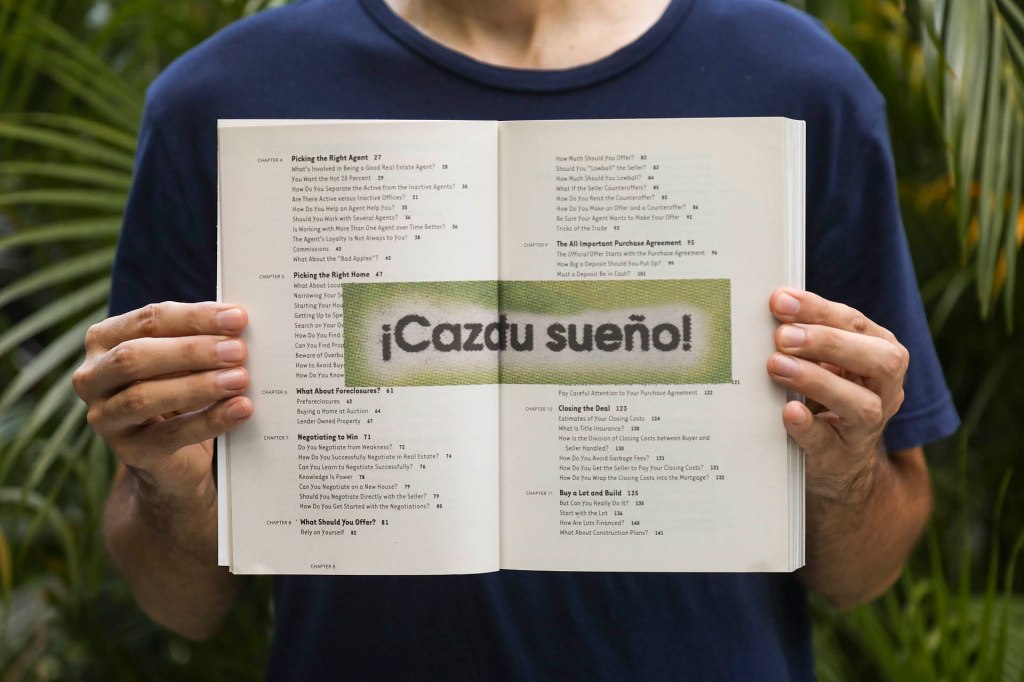
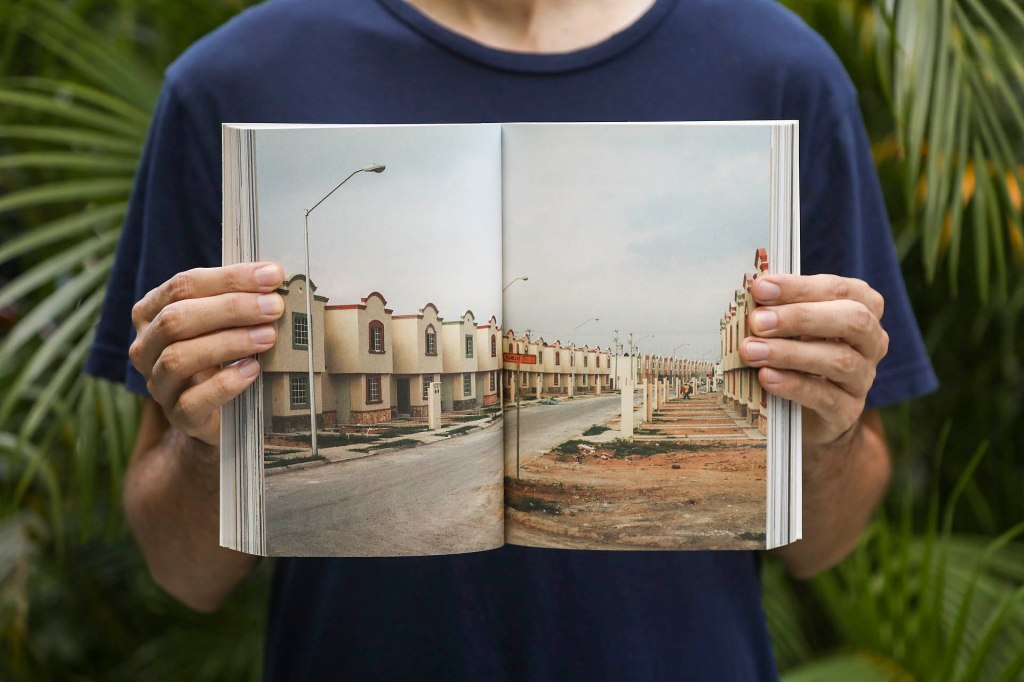
Revisiting the work of Alejandro Cartagena’s and in particular the book ‘A small guide to homeownership’ is a useful view of how a book can be constructed with a less formal way. Cartagena has crammed thirteen years of work into this book, including fragmented cities, which for me was, in part, inspiration for this project. The use of contemporary images set against kitsch vintage imagery, alongside the books text, offer the viewer immediate linkage to the idea of home and domesticity. The use of colour and black and white photography is used to identify the difference between historical, research images and Cartagena’s own photographs. This method only become apparent when properly viewing the book.  

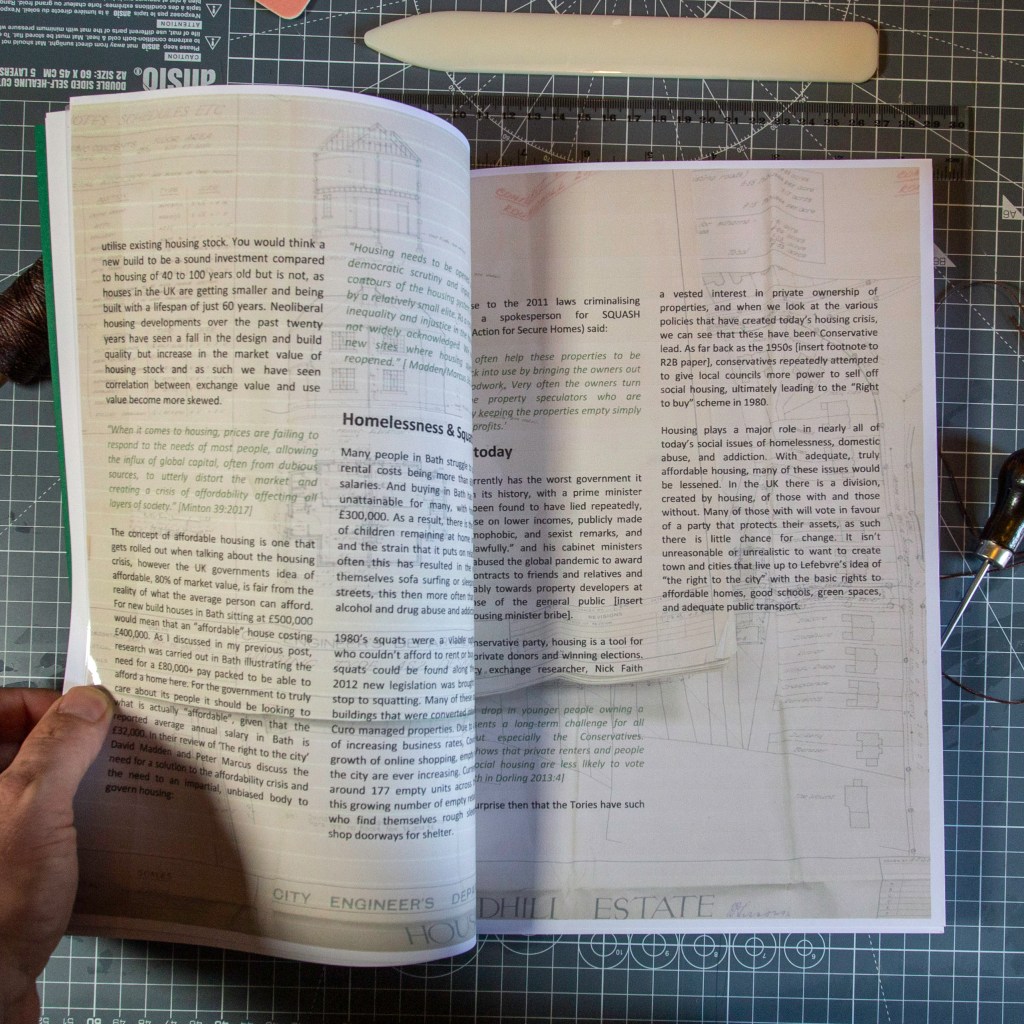
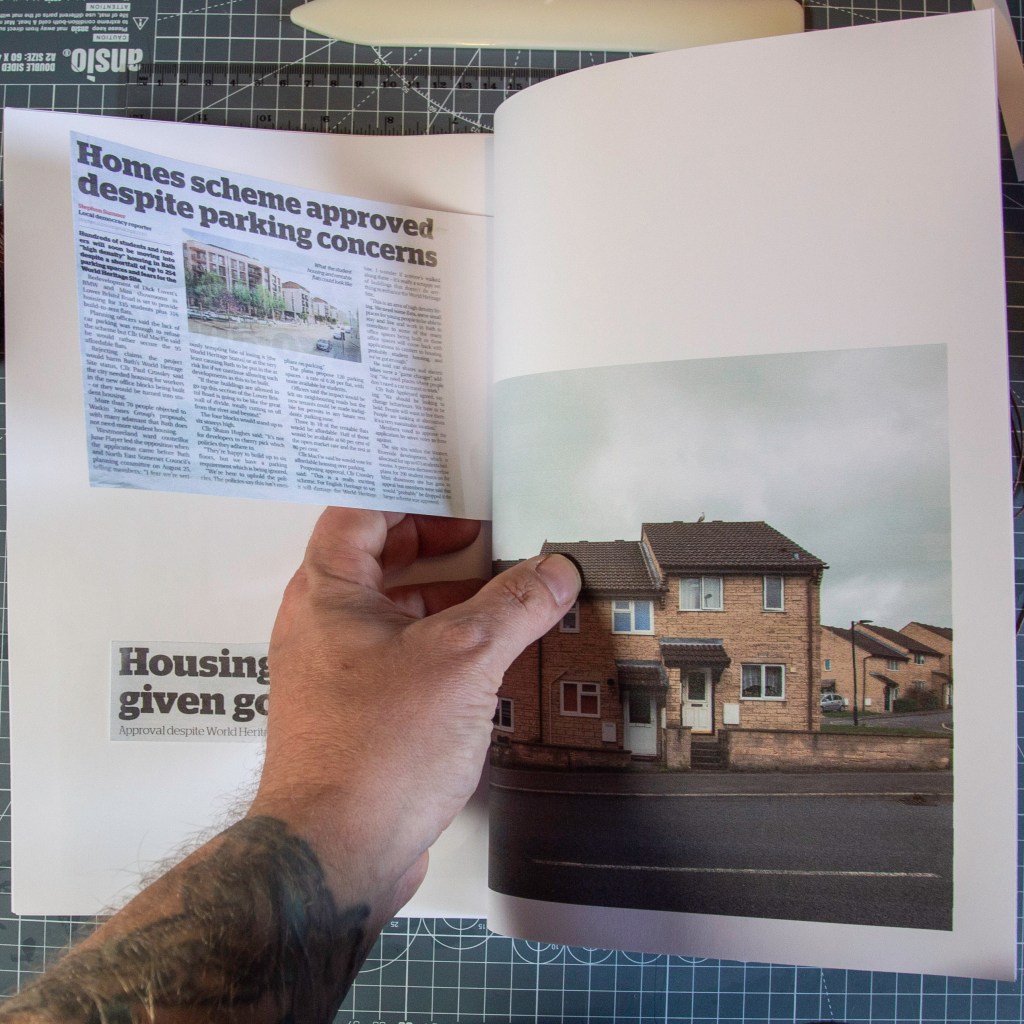
Within my own practice I draw upon many forms of research; historical documents, such as plans, tenders and contracts, research papers, books, and social media posts. Each have their own identity and as such I want to be able to show this in my work, this could simply be the use of the same font or layout to matching paper stock. Likewise, the positioning of text with photographs plays a key role, does the text sit above or below the image? Is this format too stale? The text I plan to use for this body of work is taken from the government English Housing reports, which links past housing policies with hard facts about our current housing conditions.  

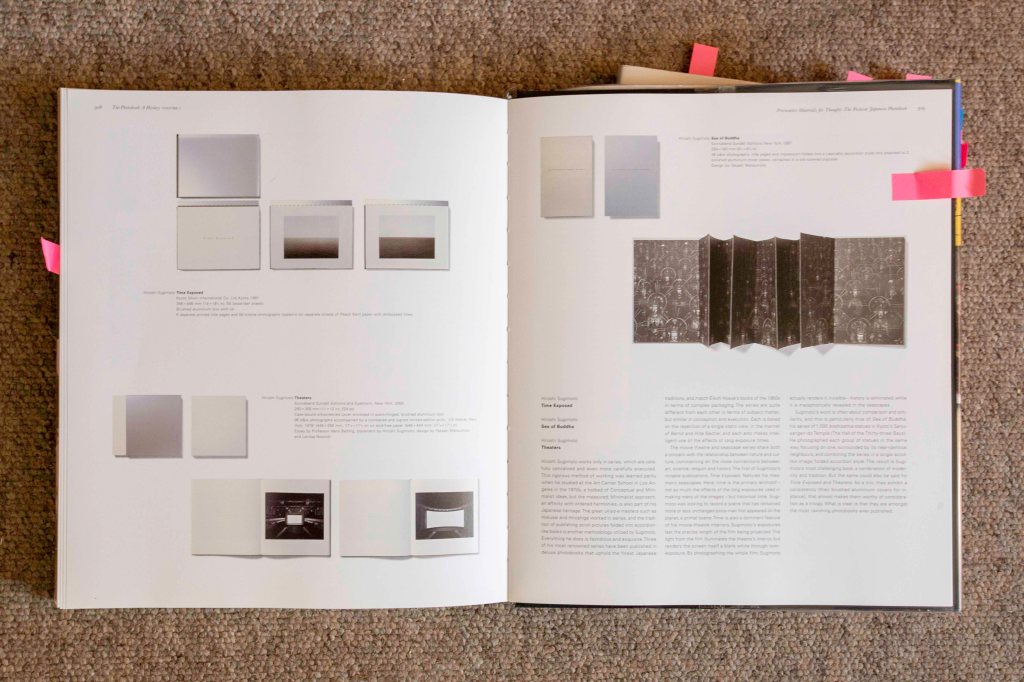
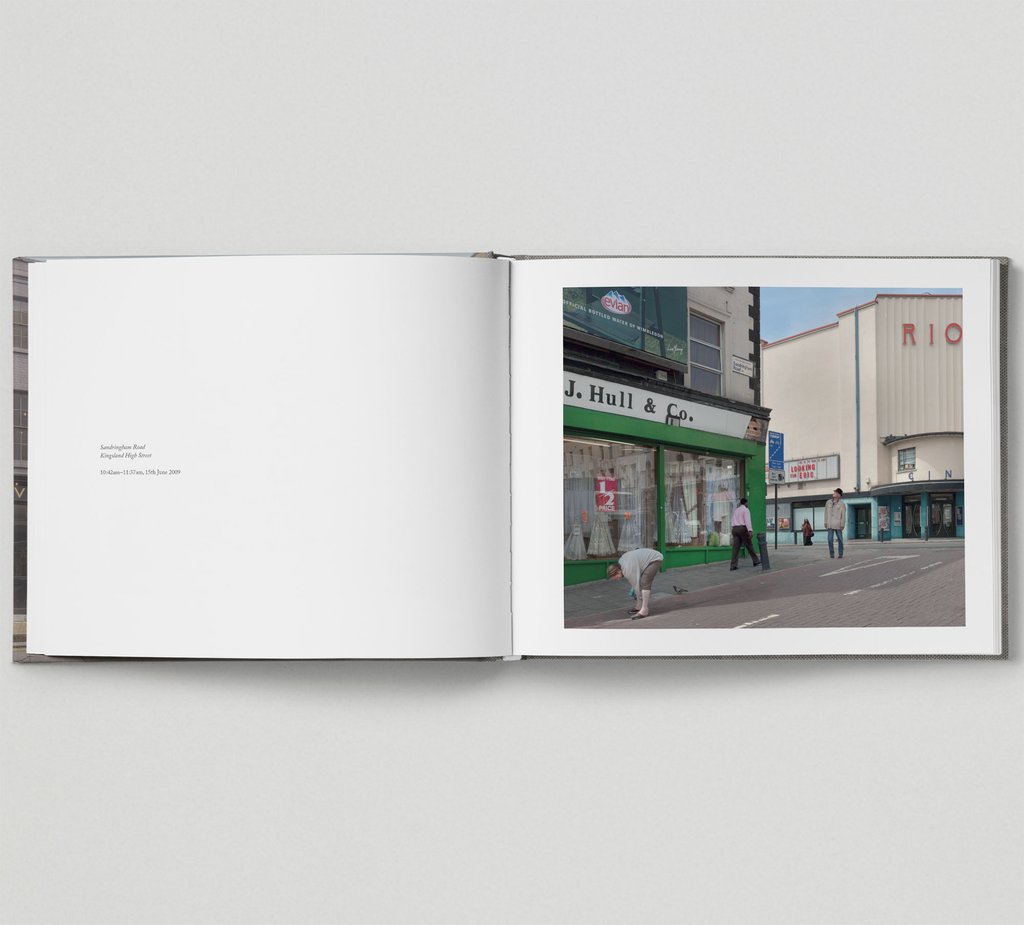
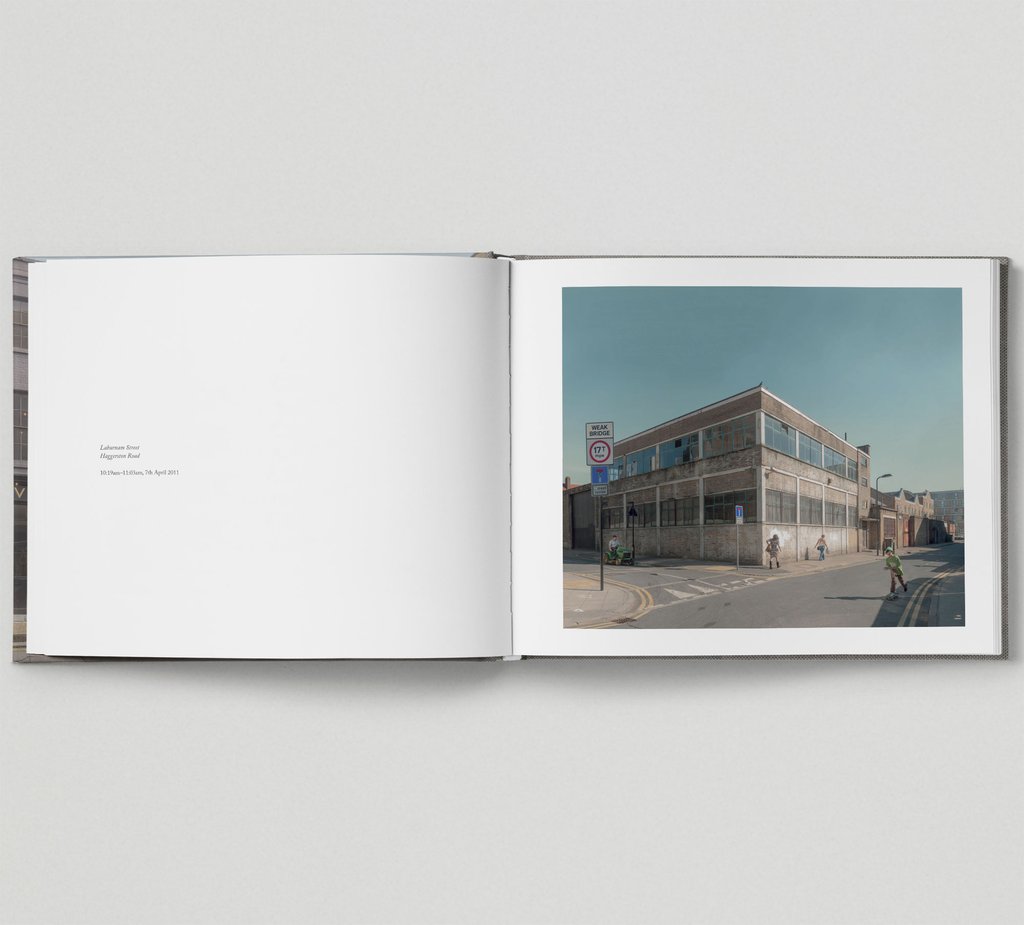
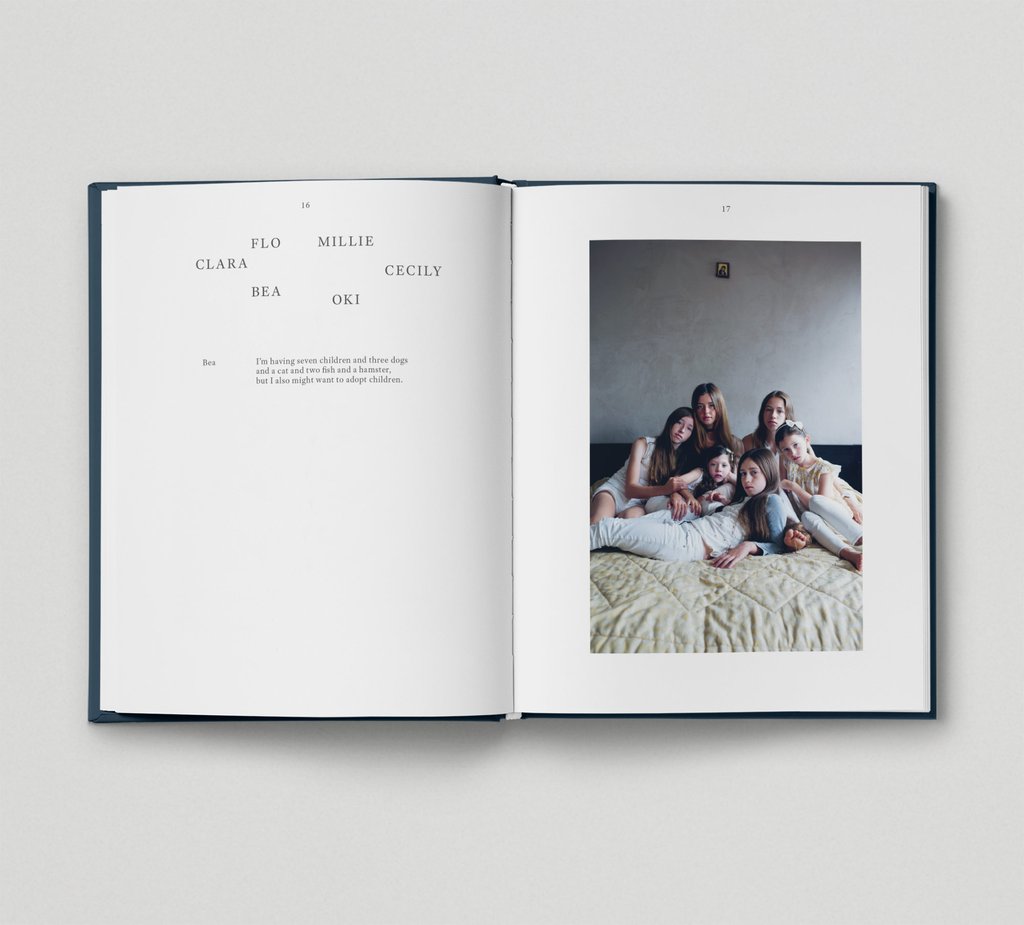
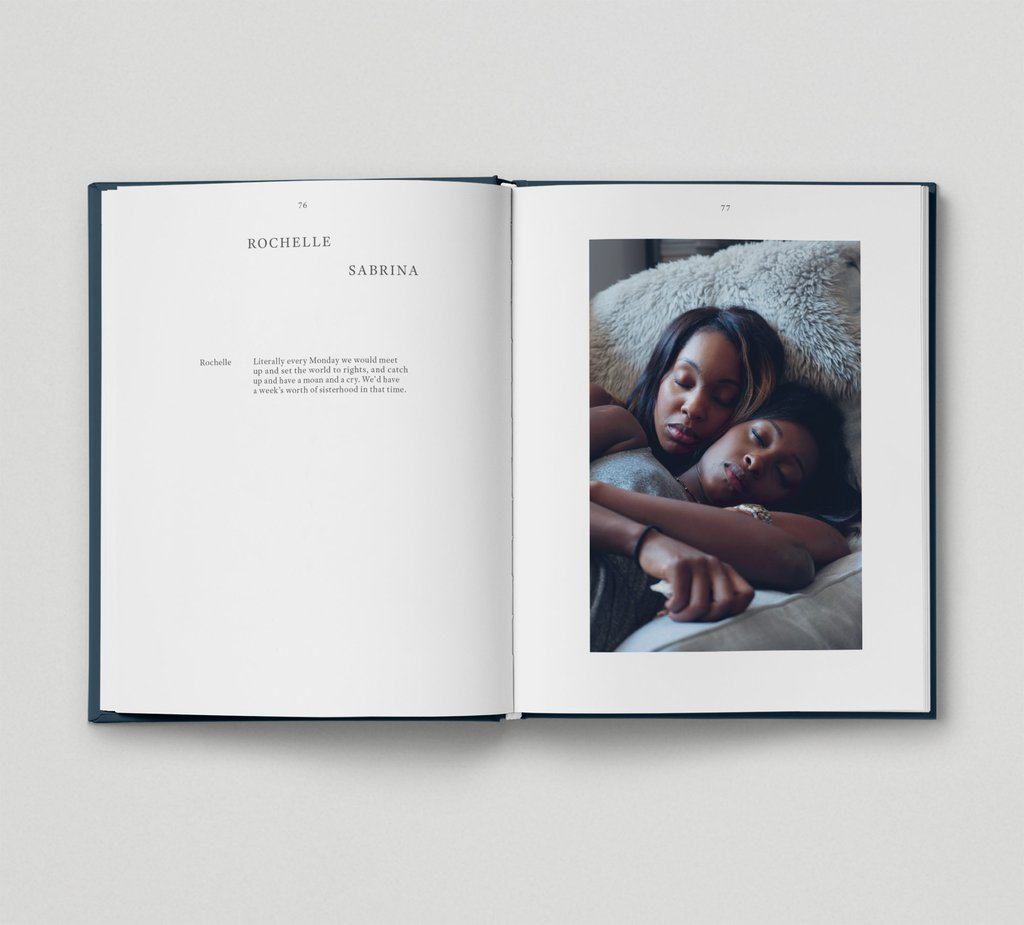
Looking at a few of the books produced by Hoxton press from photographers such as Chris Dorley Brown’s ‘Corners’ and Sophie Harris-Taylor’s ‘Sister’ in which each book adopts a similar format of placing the text on the facing page. This very simplistic style looks clean and contemporary as apposed to the ‘text book’ style of picture with text below, which would work well with the majority of the formal image text.

References  

Fig 1 Tim Beale 2021 ‘Untitled’ from The right to this city

Fig 2 Alejandro Cartagena ‘ A small guide to homeownership’ 2020 https://tienda.alejandrocartagena.com/product/a-small-guide-to-homeownership/ [Accessed 10.10.2021]

Fig 3 Tim Beale 2021: Mock up for handbound book and research on books

Fig 4 Chris Dorley-Brown ‘The Corners’ 2018https://www.hoxtonminipress.com/collections/books/products/the-corners [Accessed 10.10.2021]

Fig 5 Sophie Harris-Taylor ‘Sisters’ by 2017 https://www.hoxtonminipress.com/collections/books/products/sisters [Accessed 10.10.2021]

PHO705:Subtopia/Exurbia and Urbantopia

As I walk the streets of Bath, I find myself asking; what is the future of suburbia? Where I’m standing can it be described as the suburbs?  

“The nearer we get to the present day, the harder it is to define suburbs precisely. The increasing mobility after the Second World War and the collapse of distinctions between classes, jobs and styles of life make it increasingly hard to generalise accurately about suburbs. So we are left with vaguer concepts such as suburbia, subtopia and now also exurbia.” [HELM 6:2007] 

Often when we think of the suburban environment, we bring to mind the images of America and those by photographers such as Gregory Crewdson, Todd Hido and, Bill Owens to name but a few who have chosen this environment as their subject. But what of the British suburb? Who do we have representing our suburb? Certainly, the likes of Martin Parr, Chris Killip, and Richard Billingham, have been creating images of the people of the suburbs with little consideration for the architecture that creates the environment that influences the lives of these people. We can now look to artists such as Andy Feltham with his “Incidental View” series and Daniel Stier’s “London Fringes” & “Frontier House” capture the environmental make-up of the country. 

Andy Feltham’s statement for “Incidental view” speaks of the mundane and the ability to isolate and identify the small wonders we often take for granted or simply do not take notice: 

“This series of images was born from my desire to re-examine the common place; to confront and question the monotonous. Each piece aims to celebrate the incongruous marriage of perceived isolation with an overriding sense of wonder.” [Feltham online]  

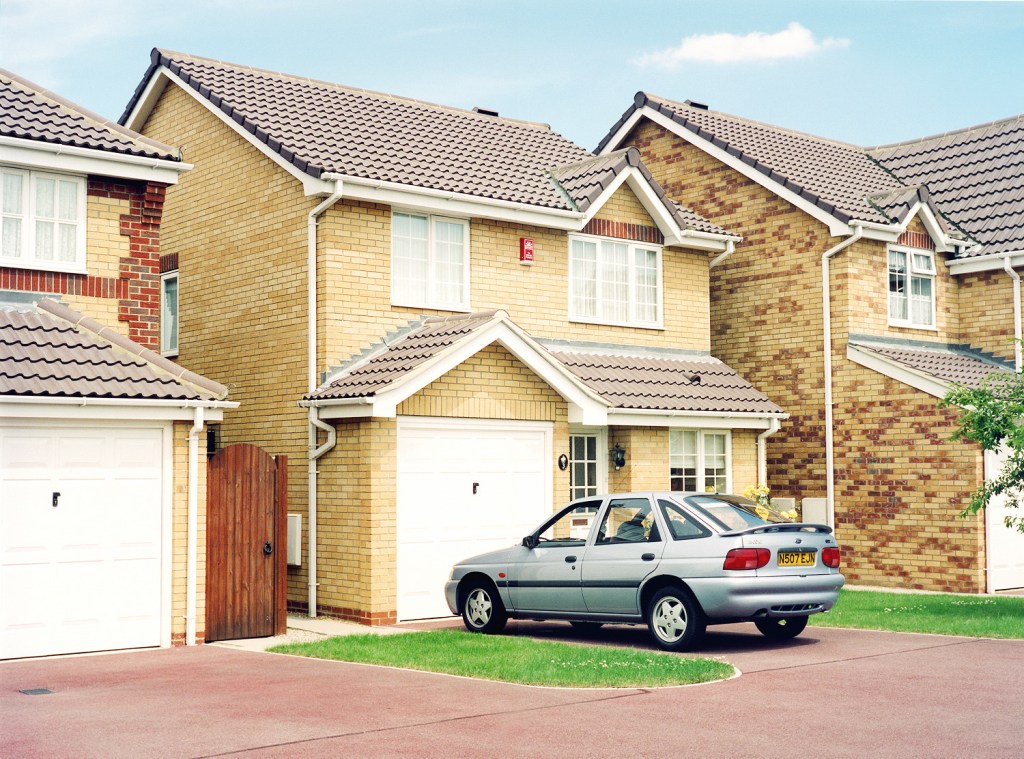
And with both his series London Fringes and Frontier House, Stier is similarly interested in the banal, the unseen and overlooked. The new estates growing beyond the suburb and into “Subtopia” or “Exurbia”. The show houses and soon to be show houses in “Frontier House” typify those of the Exurbanites, the middleclass and commuters.  

Subtopia 

The British suburban can be looked at in two defined terms the Subtopia and the Exurbia. As towns and cities extend past the boundaries of pre-war suburbia, we start to see a class divide of those who have a little and those who have more. The term “Subtopia” was coined in the 1955 by the architectural journalist Ian Nairn, in response to a road trip from the south of Britain to the north. Nairn was reacting to the newly developed estates and how he felt the generic architectural blandness had produced “off the peg” developments, thus removing any sense of identity the town or city once had. Nairn goes on to set out in his manifesto: 

“Places are different: Subtopia is the annihilation of the difference by attempting to make one type of scenery standard for town, suburb, countryside and wild. So what has to be done is to intensify the difference between places. This is the basic principle of visual planning – sociology, traffic circulation, industry, housing hygiene – are means. They all attempt to make life more rewarding, more healthy, less pointlessly arduous.” [Nairn 1955:Architecture review] 

Exurbia 

The migration of high earning workers from large cities such as London, has seen the growth of Exurban estates of larger houses, semi-dethatched or dethatched properties with ample parking (drive and garage) and good-sized front and rear gardens. A far cry from the new “affordable” estates and housing association-built dwellings that have reduced in size over the years. Exurbia is home to the commuters, bank managers, politicians, surgeons and company directors. Nestled into the British countryside the exurbanites can spend weekends walking the dogs emulating the country gent or landowner.  

Exurbia – another phrase created in 1955 but this time by the author Augusta Comte Spectorsky in the seminal book “The Exurbanites”, which acts as a social documentary of post-war US and the middleclass populating the environs beyond suburbia.  

Urbantopia

I find these two terms fascinating especially when applying them to the context of the images I make of the outskirts of Bath. There are clear distinctions between Subtopia and the Exurbs. The 1970’s estates in Twerton in the South, with as many small dwellings crammed in like a maze, compared to the spacious homes created at the same time to the North in Weston. I feel however that I’m drawn more towards subtopia, perhaps because I feel a kinship with the people who live on the fringes, I am kind of an outsider too. There is a familiarity to the space that reminds me of where I can from and who I am. Exurbia is an alien place to me and as such I feel out of kilter making images of such places. However, there is a space that occupies the space between the urban and suburban; I call it Urbatopia, the developed spaces of the 60s & 70s, blocks of flats, maisonettes, and sheltered homes. Maybe it’ll catch on.. 

References: 

https://danielstier.com/London-fringes-1

Nairn, I ‘Outrage’  The Architectural Review 1 June 1955 

Unnamed author “The Heritage of Historic Suburbs”, HELM – English Heritage  

Images 

Figure 1 – Bill Owens  “Suburbia” 1972

https://www.picassomio.com/bill-owens/18674.html [Accessed 11/08/2021] 

https://americansuburbx.com/2010/01/theory-bill-owens-suburbia-2000.html [Accessed 11/08/2021] 

Figure 2 – Andy Feltham  “Incidental Views”

https://andyfelthamphotography.com/incidentalview/6e3q6jury27k4o8l03ghrrxv3jjmvn [Accessed 11/08/2021] 

Figure 3 – Daniel Stier  “Frontier House”

https://www.aint-bad.com/article/2015/07/09/daniel-stier/ [Accessed 11/08/2021] 

Figure 4 – Tim Beale “Urbantopia” 2021

PHO705 FMP: Use Value vs Exchange Value

Use Value is the house, as a space fit for those who occupy it.  

Exchange Value is the house as a commodity to be bought and sold as an asset.

“Today, what economists call the ‘exchange value’ of housing in London, and other cities, has entirely broken the connection with its ‘use value’; exchange value is the price of commodity sold on the market whilst use value is its usefulness to people.” [Minton 38:2017] 

The right to buy scheme in the 1980s, sold to the nation as the greatest of opportunities for everyone to own their own house, was nothing more than a way of stripping assets away from local councils. Restrictions in the use of funds from the sale of council owned houses meant that funds could not be used for replenishing social housing stock. Many who bought their homes, found that the cost of maintaining it was too great and had little choice but to sell it on. In the ten years of the scheme some 1 million houses where sold. It has been estimated that 1/3 of those houses sold are now owned by private landlords.1 

“There is so much to say about a system that increasingly treats housing as a means to accumulate capital, never as a home. A creeping worldview that only understand the value of housing as a commodity, as something to be bought and sold, speculated in, land banked. To them (Tories), where you live is only a piece of property subject to global markets, real estate whose value is tied to location and status rather than its conditions, the wellbeing or stability of its tenants, its impact on the neighbourhood.” [Gibbons 27:2017] 

Government assistance schemes to help people buy houses, restrict this help to new build housing, deliberately deterring those wishing to utilise existing housing stock. You would think a new build to be a sound investment compared to housing of 40 to 100 years old but is not, as houses in the UK are getting smaller and being built with a lifespan of just 60 years. Neoliberal housing developments over the past twenty years have seen a fall in the design and build quality but increase in the market value of housing stock and as such we have seen correlation between exchange value and use value become more skewed.  

“When it comes to housing, prices are failing to respond to the needs of most people, allowing the influx of global capital, often from dubious sources, to utterly distort the market and creating a crisis of affordability affecting all layers of society.” [Minton 39:2017] 

The concept of affordable housing is one that gets rolled out when talking about the housing crisis, however the UK governments idea of affordable, 80% of market value, is fair from the reality of what the average person can afford. For new build houses in Bath sitting at £500,000 would mean that an “affordable” house costing £400,000. As I discussed in my previous post, research was carried out in Bath illustrating the need for a £80,000+ pay packed to be able to afford a home here. For the government to truly care about its people it should be looking to what is actually “affordable”, given that the reported average annual salary in Bath is £32,000. In their review of ‘The right to the city’ David Madden and Peter Marcus discuss the need for a solution to the affordability crisis and the need to an impartial, unbiased body to govern housing: 

“Housing needs to be opened up to broader democratic scrutiny and input. Currently, the contours of the housing system are determined by a relatively small elite. As a result, the scale of inequality and injustice in the housing system is not widely acknowledgement. We need to create new sites where housing questions can be reopened.” [ Madden/Marcus 36:2017] 

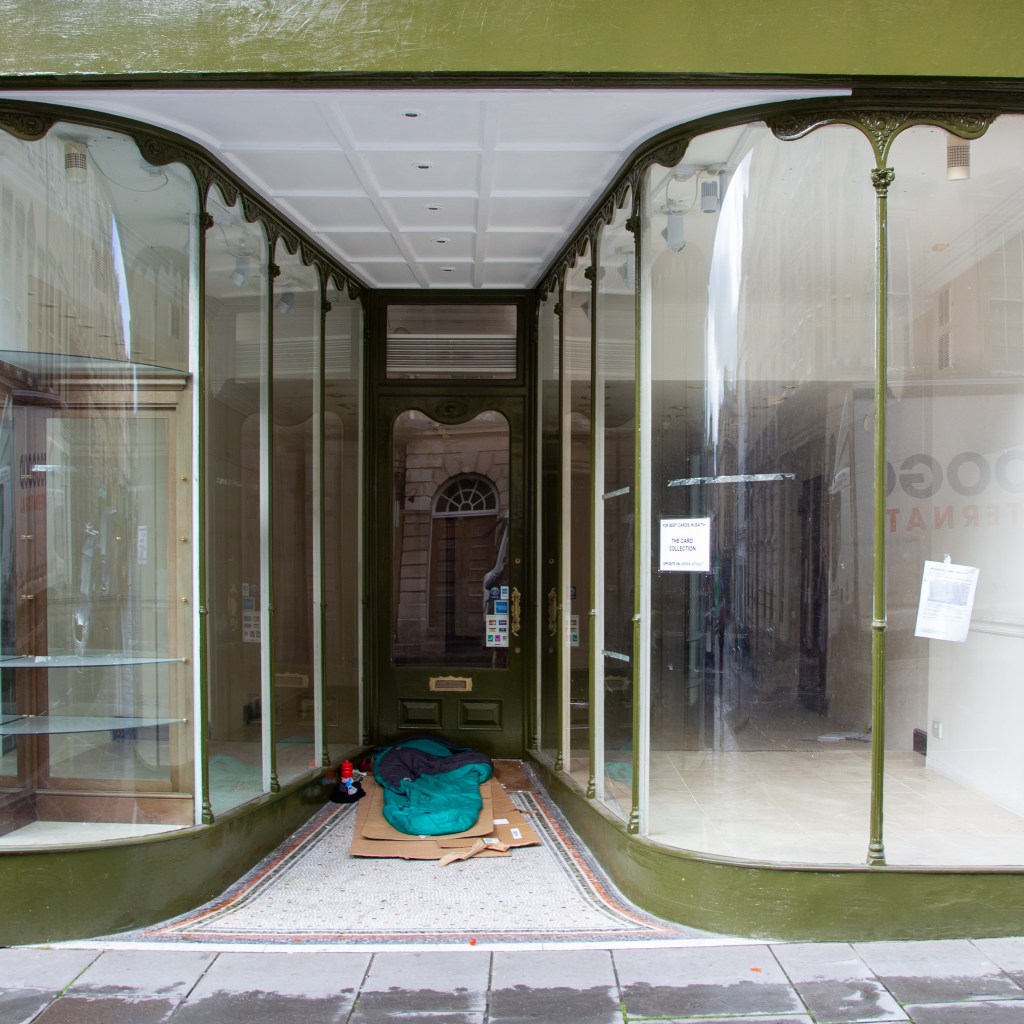
There is no quick win for housing but what is clear is that many of the issues we face as a society comes from the inequality in housing. Rough sleeping on the increase, waiting lists for social housing stretch on for years, and yet we see more luxury apartments being built, empty industrial units and unused purpose-built student accommodation, across the city. When we look to the Right to the City and its manifesto, we see our cities failing on all fronts.  “In recent years UN-HABITAT and UNESCO have led an effort to include the right to the city as part of a broader agenda for human rights.” [Minton 40:2017] As a UNESCO world heritage city, Bath should be leading the way or at the very least working towards these values.  

1 https://www.theguardian.com/money/2013/jun/28/new-class-landlords-profiting-generation-rent 

References 

https://www.gov.uk/affordable-home-ownership-schemes [Accessed 01.07.2021]

https://www.labcwarranty.co.uk/blog/are-britain-s-houses-getting-smaller-new-data/ [Accessed 01.07.2021]

https://blog.planningportal.co.uk/2018/06/22/how-long-should-a-house-last/ [Accessed 01.07.2021]

Bath at Work Museum Exhibition: http://museumofbatharchitecture.org.uk/wp-content/uploads/2012/08/Bath-History-of-Social-Housing-booklet.pdf   [Accessed 01.07.2021]

Gibbons A “A Place to Call Home” The Right to the City: A Verso Report. 2017 Verso Books

Madden D & Marcus P “The residential Is Political” The Right to the City: A Verso Report. 2017 Verso Books

Minton A “Who is the City For?” The Right to the City: A Verso Report. 2017 Verso Books

PHO704: Week 10 The Digital Image

The ‘User’, screen shot from Instagram account, Tim Beale 2020

The digital revolution saw the term ‘user’ come in to describe anyone purchasing electronic goods any thing from tablets, PCs, smart phones to digital cameras. The term ‘user’ had up until then been exclusively reserved for describing drug addicts. This misnomer perhaps isn’t as unfitting as it first seemed, especially given our constant craving for the latest gadget, app or game. Mobile phone and  camera manufacturers have seem this and acting a the proverbial ‘dealer’ see to it that we get our fix on a regular basis. If these manufacturers are the dealers, social media such as tic toc, facebook and instagram are the cartel ensuring we have the base need.  

Taking a photograph used to require patience, focus and the attention of the photographer. However with the demand for images and the ease of which to take these the ‘photographer’ has become almost redundant. The evolution of digital image has done away with the camera, such as we think of it, replacing with the ‘cameraless’ CCTV, webcam, smartphone and satellite. 300 million images uploaded daily1. The virtual stuttering of shutterless image makers we view the world on a screen at the back of a device rather than experience it. As with live music where the crowd are fixated on the screen they hold aloft, capturing that memory, experience of the live performance, to say ‘I was there’ when posting on YouTube, but were they ‘really’ there. 

So too the self portrait has evolved into a tool for self promotion, be it from a commercial sense or the need for personal glorification.  When discussing the self portraiture of K8 Hardy, Lauren Cornell states ‘Her vignettes don’t only offer a glimpse of her life and milieu, they reflect an intimate approach to self-portraiture that has yielded to a pop culture that compels us to narrate our lives in the first person. When we take photographs today, we always care about who, besides us, might see them.’2 

This throws into question, can a photographer who uses self-portraiture in their practice gain public awareness from platforms such as Instagram given the over saturation of selfies. 

In relation to this new generation of digital image makers the film maker and photographer Win Wenders discusses his Polaroid’s of the 70s and 80’s: 

 ‘You produce something that in itself, a singular moment. As such it had a certain sacredness. That whole notion is gone. The culture has changed. It has all gone. I really don’t know why we stick to the word photographer anymore. There should be a different term, but nobody cared about finding it’. 

This statement was made during an interview with Sean O’Hagen for the Guardian news paper3. I feel O’Hagen mis-translated Wenders’ words to mean that this was the ‘end of photography’ however as I understand it he was in fact referring to the evolution of the image for a personal record to one that is instantly transmitted to the world. Photography certainly isn’t dead it’s just a different beast, the new digital era that we must embrace or be brushed aside.  

References

1 Marr. B (2018),Forbes report [online] https://www.forbes.com/sites/bernardmarr/2018/05/21/how-much-data-do-we-create-every-day-the-mind-blowing-stats-everyone-should-read/?sh=51112cf660ba %5BAccessed 27.11.2020]

2Cornell. L (Nov 24, 2015)Aperture Magazine ‘Self-portraiture in the first person age’.

3 O’Hagan. S (2017), The Guardian [online], ‘Wim Wenders on his Polaroids – and why photography is now over’,  https://www.theguardian.com/artanddesign/2017/oct/12/wim-wenders-interview-polaroids-instant-stories-photographers-gallery [Accessed 27.11.2020]

The Photographic Tableaux

In Charlotte Cotton’s book ‘the photography as contemporary art’1 she sets out each chapter under a theme, in the chapter ‘once upon a time’ one such theme is the tableau photography (or tableau-vivant). Tableaux photography concerns the story telling in contemporary art photography with images that make reference to fable, fairy tales, modern myths and apocryphal events that are all part of our collective consciousness.

Tableau Vivant transalates from French meaning living picture, is not a new technique exclusively used by photographers but one that has its roots in 17th & 18th century paintings. The narative is often concentrated in a single image (which may become part of a series) with the scene choreographed for the viewer, using recognisable (conscious or subconscious) motifs, symbols or props that elicit a memory or emotional response.

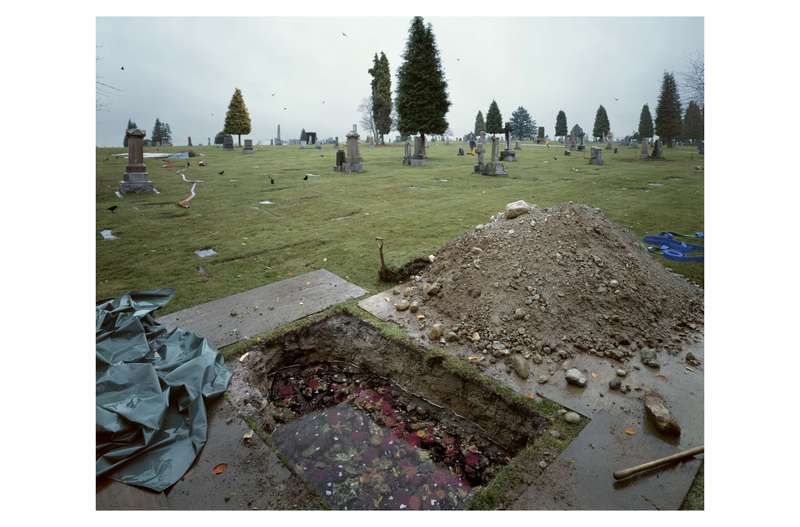
Jeff Wall ‘Flooded Grave’ 1998-2000

One of the most prolific users of the tableau is Jeff Wall who’s images are created from scenes he has witnessed or memories, these he meticulously recreates. Wall’s exhibition ‘Tableaux Pictures Photographs’ 1996-2013 we see images such as ‘Flooded Grave’ in which an open grave has been filled with water and sea life, such as star fish and sea urchins. This is typical of the way in which Wall plays with the tension between the real and the unreal. For Wall it is the way in which we will voids with our daydreams, in our daydreams we see what isn’t there. When exhibiting his work, Wall uses large light boxes to display his colour images, giving them a luminosity that adds a hyper real quality to them which is turn confronts the viewer with the drama in front of them. The images become more than a photo and more akin to a lit stage. Wall a post graduate in art history has a deep understanding of how space is full of relationships and how to construct a visual scene for the viewer.

“they [Wall’s images] are evidence of a detailed comprehension of how pictures should work and are constructed.” Charlotte Cotton

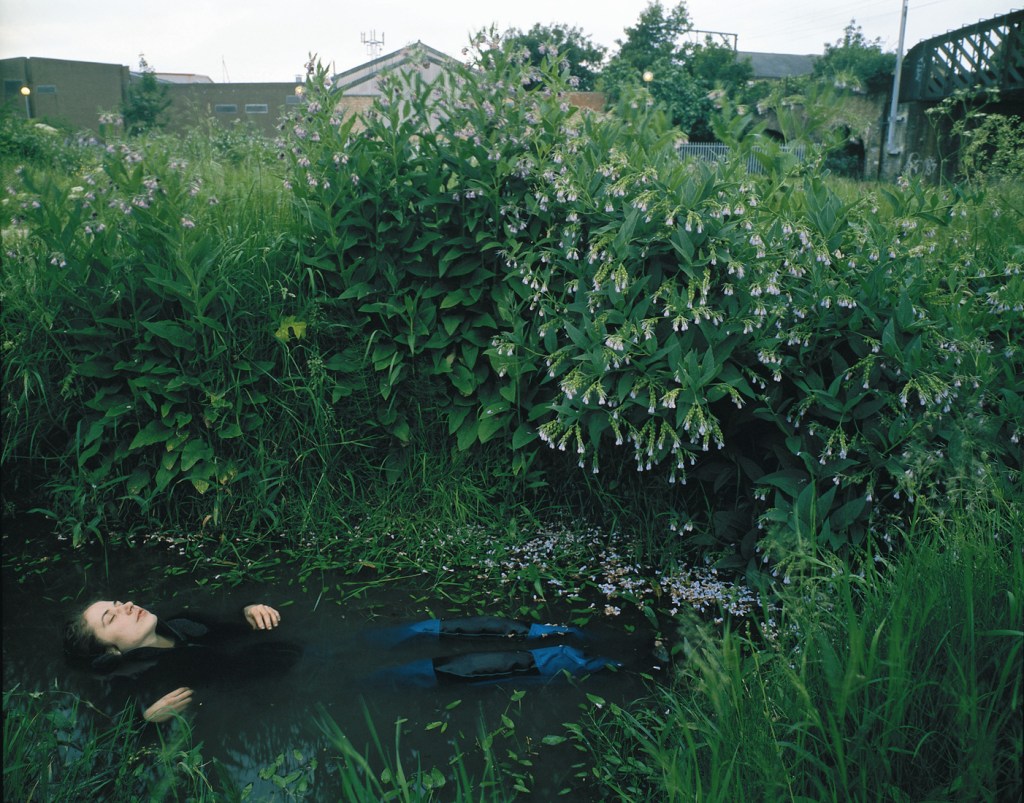
Tom Hunter ‘The way home’ 2000

For his tableau’s the British photographer Tom Hunter reworks the images created by Victorian painters such as the Pre-Raphaelite Brotherhood, especially in his series ‘Thoughts of life and Death’. One image from this series ‘The way home’ 2000, is a direct translation of John Everett Millais’s2 ‘Ophelia’ (1851-52) which depicts the tragic character from Shakespeare’s play ‘Hamlet’. In Hamlet the drowning of Ophelia is not actually acted out on stage but rather delivered in poetic verse by Queen Gertrude [Hamlet Act IV]3. In Millais’s painting he has depicted the moment Ophelia has fallen from the broken branch into the brook and begins to sink without a struggle, calmness upon her facial expression. The artist gives form to the poetic description beautifully. As with Millais’s painting, Hunter’s image is rich in detail showing the English landscape however brings this into a contemporary setting by the inclusion of a metal foot bridge and rooftops of modern housing. The use of a dead pan expression on the figures face engenders in the viewer a sense of anxiety and uncertainty of the context or meaning, resulting in the viewer questioning the scene before them.

John Everett Millais ‘Ophelia’ 1851-52

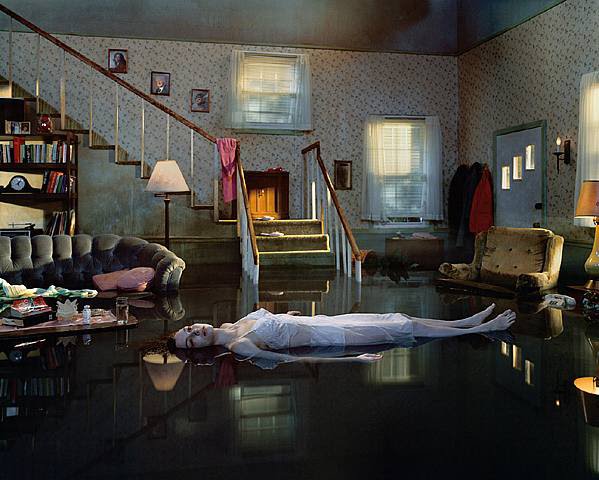
Gregory Crewdson also adapts the Millais painting for his own narrative in his ‘The Twilight’ series. ‘Untitled’ (Ophelia) 2001. Whereas Hunter depicts a girl drowned on her way home from a club, Crewdson’s image shows his Ophelia as a typical American suburban housewife laying lifeless in a flooded home. In the documentary 4 ‘ The aesthetics of repression’ 2004, Crewdson discusses his interests in the psychology underlying the American suburban experience. As a side note, Crewdson’s father was a psychiatrist who had his office in the basement of their family home, a motif that appears in many forms of his images. Each tableau that Crewdson creates is akin to the elaborate block buster movie sets, using huge teams to create scenes of suburban live within the studio. The use of large sets and actors gives his images the appearance of movie stills, frozen scenes of action. Influenced by artists and movie directors such Hopner, Spielberg and Hitchcock, Crewdson’s images have a dramatic almost sinister nature to them.

Gregory Crewdson ‘Untitled’ (Ophelia) 2001

Often tableaux photography will employ pictorial devices to throw questions, a sense of the unknown about the meaning or context. Such devices are often subtle as a turned head, figures facing away from the viewer or a dead pan expression. As with each of these photographers, within my own practice I have experimented with how the image is choreographed, dressing the set, lighting and how the figure is represented within the image. When looking at the space within an image I feel that in order to give the space meaning there needs to be a human presence. If there isn’t someone there to experience the space does the space exist? The use of tableau photography in my practice is a clear method to illustrate this.

Resources

1 Cotton. C, (2011) Thames & Hudson, ‘The photograph as contemporary art’ pp. Pages 54-71.

2 Hilton. T (1991), World of Art books, ‘The Pre-Raphaelites’, pp. 77-81.

3 Riggs. T (1998) [Tate online], Ophelia 1851-52, https://www.tate.org.uk/art/artworks/millais-ophelia-n01506 [Accessed 7.10.2020]

4 Blackwood. M (2004) [documentary film] The Aesthetics of Repression: Gregory Crewdson, [Watched 05.10.2020]

PHO704: Research – Elina Brotherus

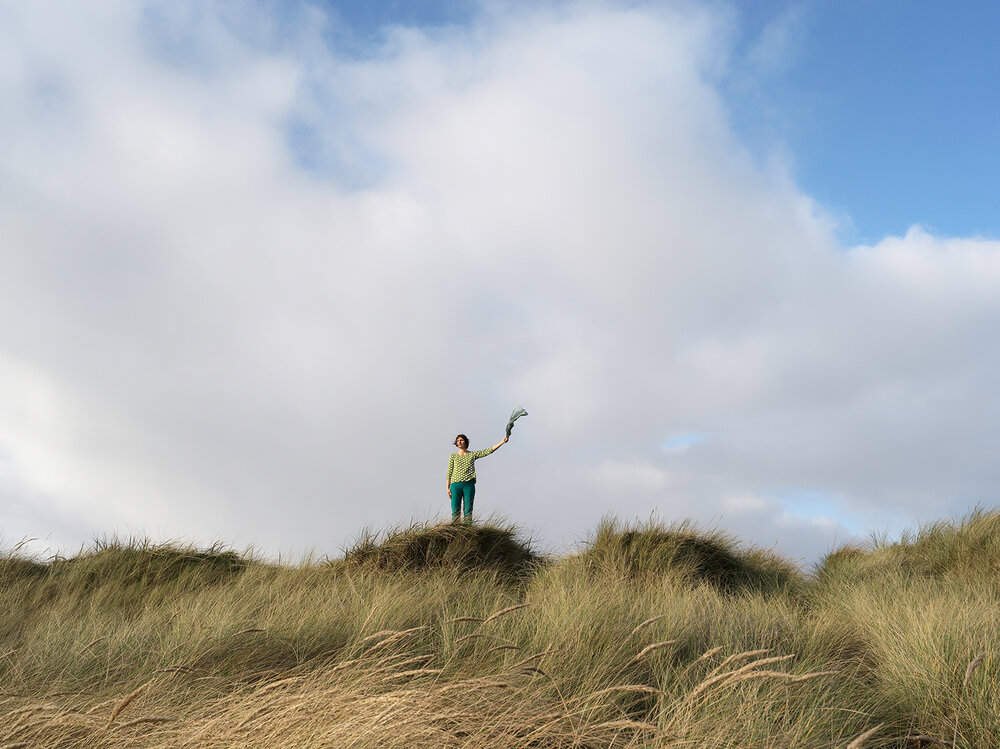
Elina Brotherus: can be described as a biographical self portraitist who’s images show the photographer performing her self histories. Brotherus’ use of colour in her imagery is subtle but effective. The setting of her shots either interiors or landscapes appear in muted delicate colours, tones and more often than not naturally lighted. This can be seen in the ‘Measuring Wind Speed’ series especially in the ‘Neiblem’ image where the choice of vivid green clothing works to contrast against the grey sky, whilst acting as a visual link to the wild grass in the foreground. Brotherus is visually rooting to the earth and unable to be blown away by the wind.

‘Measuring wind speed – Neiblem’ Elina Brotherus

http://www.elinabrotherus.com/

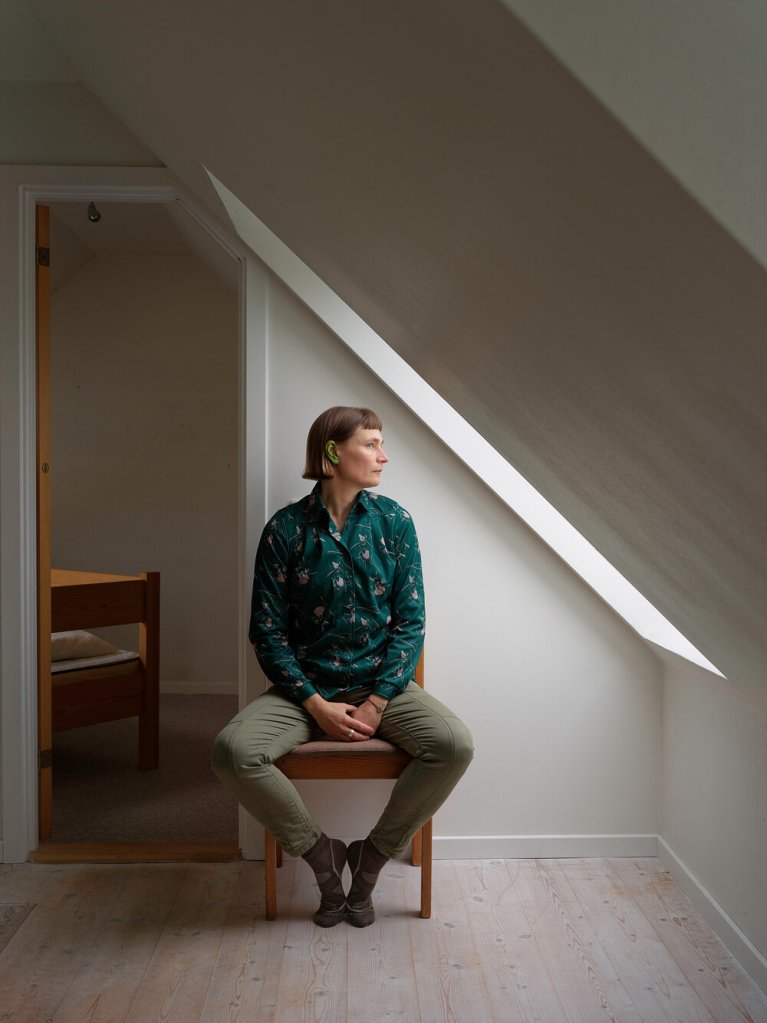
Das grüne Ohr 2, shows how Brotherus uses her choice in clothing to contrast the muted tones and shades of the interior to draw the attention of the viewer. Whilst the two spaces we see are cool shades of grey, the positioning of the wooden furniture parallel to the door and its frame draws the viewers eyes around the image and towards the sitter. Here Brotherus is dressed in green, this use of green is further exaggerated by her ear that has been painted green. She is seated looking out of a window, the use of green reminds the viewer of landscape and nature, perhaps this is what she sees out of the window.

‘Das grüne Ohr 2’ Elina Brotherus

The use of natural lighting from the window helps to throw the bedroom into shadow further contrasting with the solitary seated figure. This is used cleverly with minimal furniture to distract the viewer. Hands clasped and feet on points, akin to a ballerina, this is far from a relaxed pose. It is almost as though Brotherus is preparing to flee, perhaps through the window and into the landscape beyond.

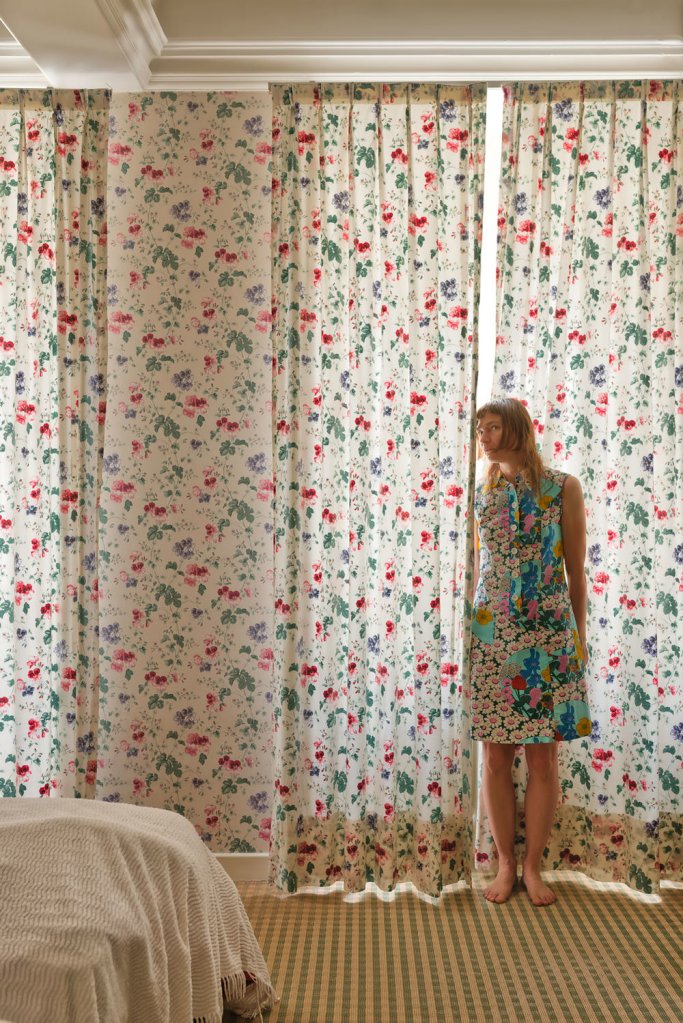
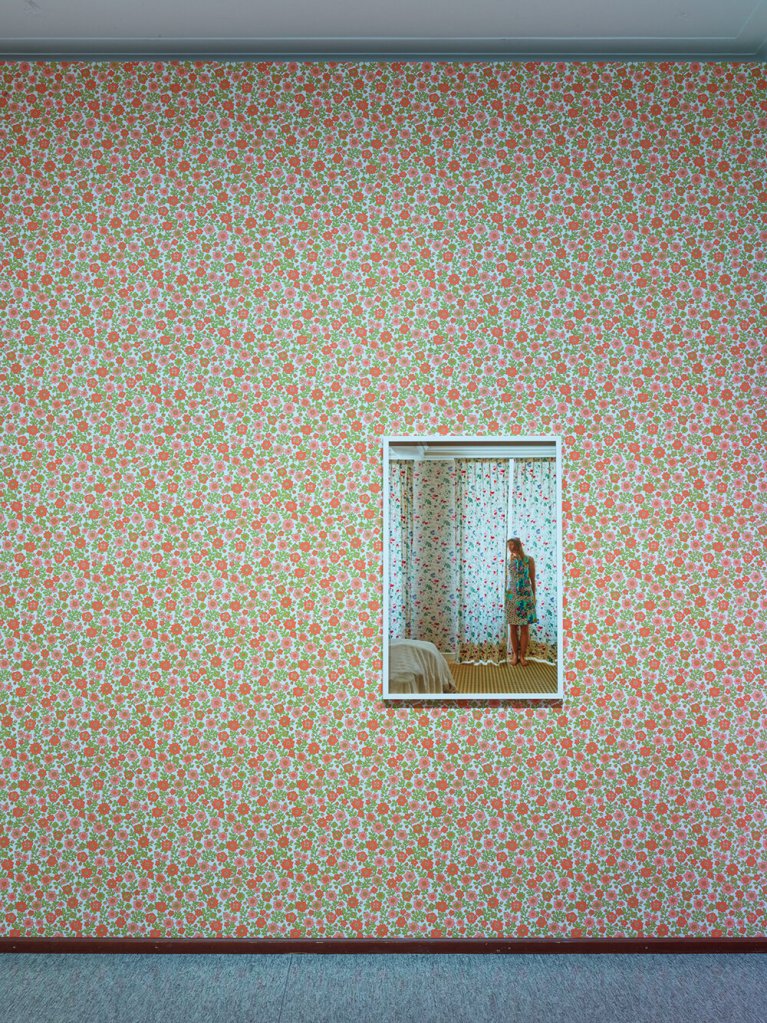
Images from exhibition installations show how Brotherus further uses colour to exaggerate and extend from the boundaries of the initial image. This is evident in ‘Bad Camouflage’ in which Brotherus is dressed in a heavily floral dress almost hidden against floral curtains and wall. Both the curtains and wall paper are of the same pattern, this wall paper is then used in the installation. As a result the image becomes almost lost, camouflaged against the floral wall paper.

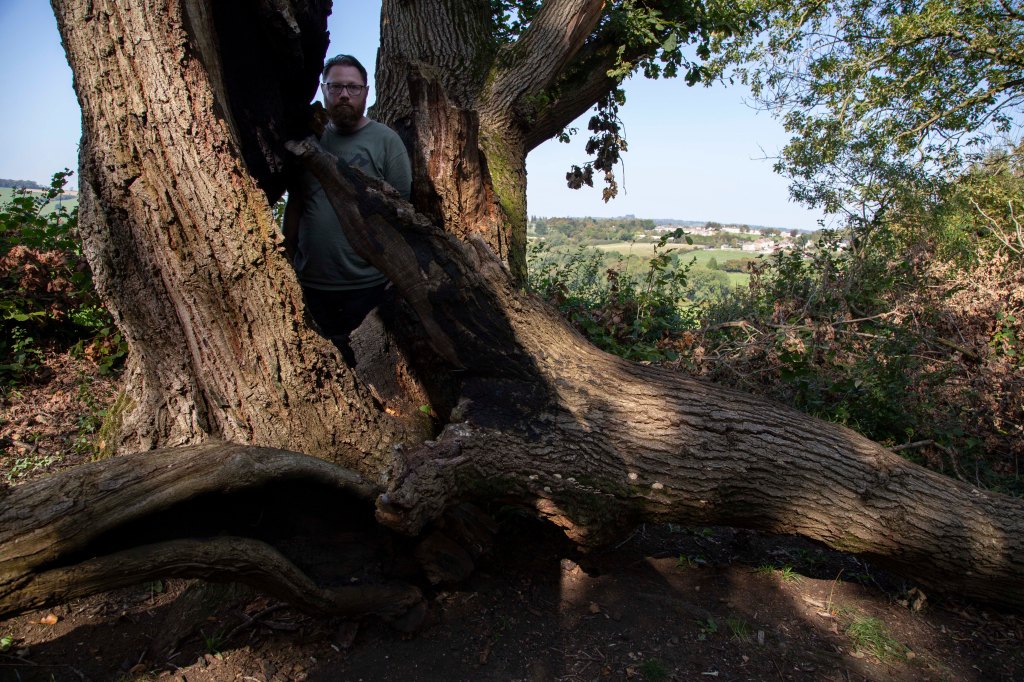
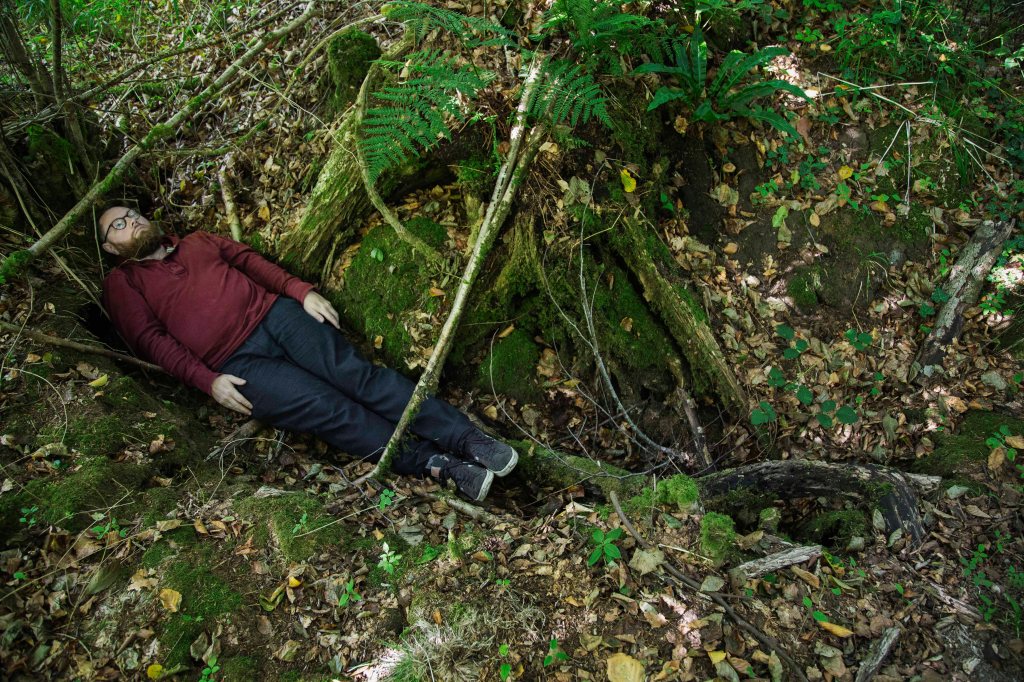
‘Big red riding hood – underground’ Tim Beale 2020

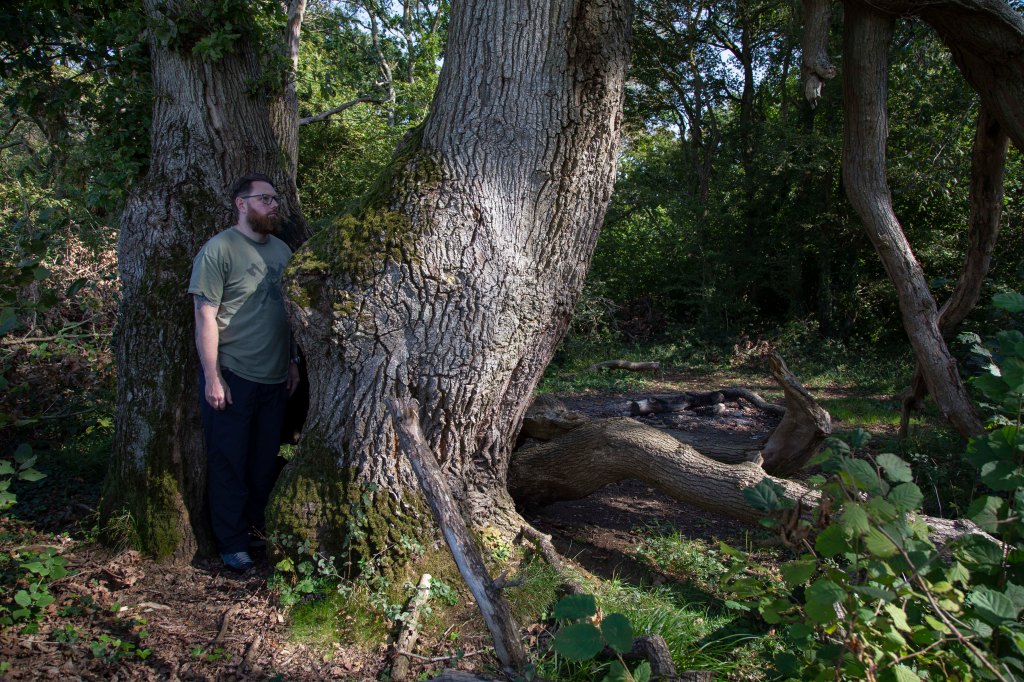
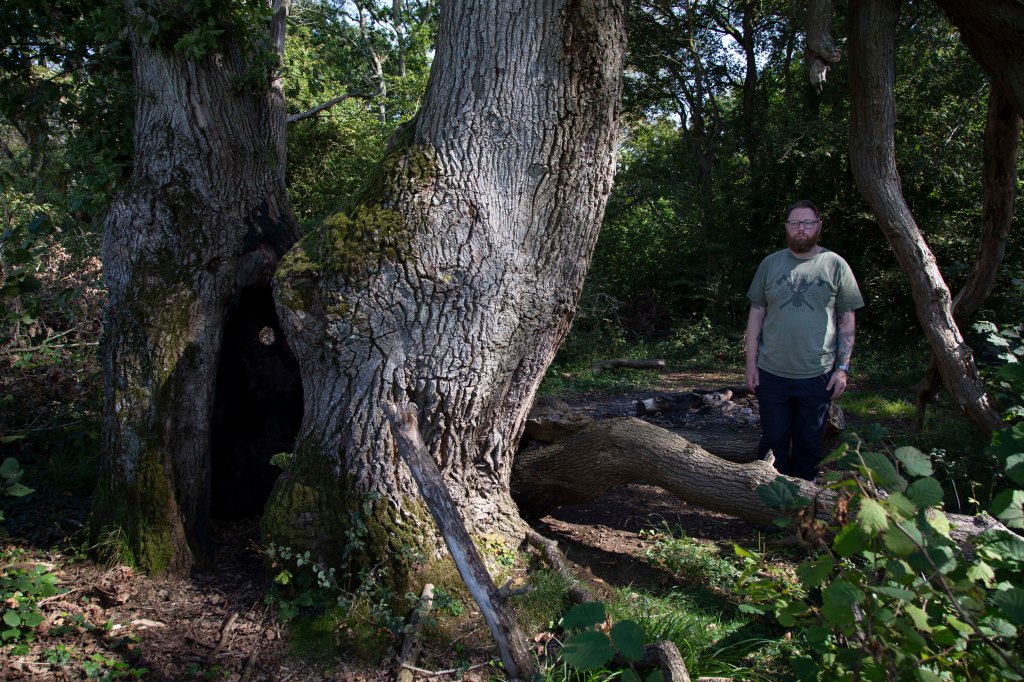
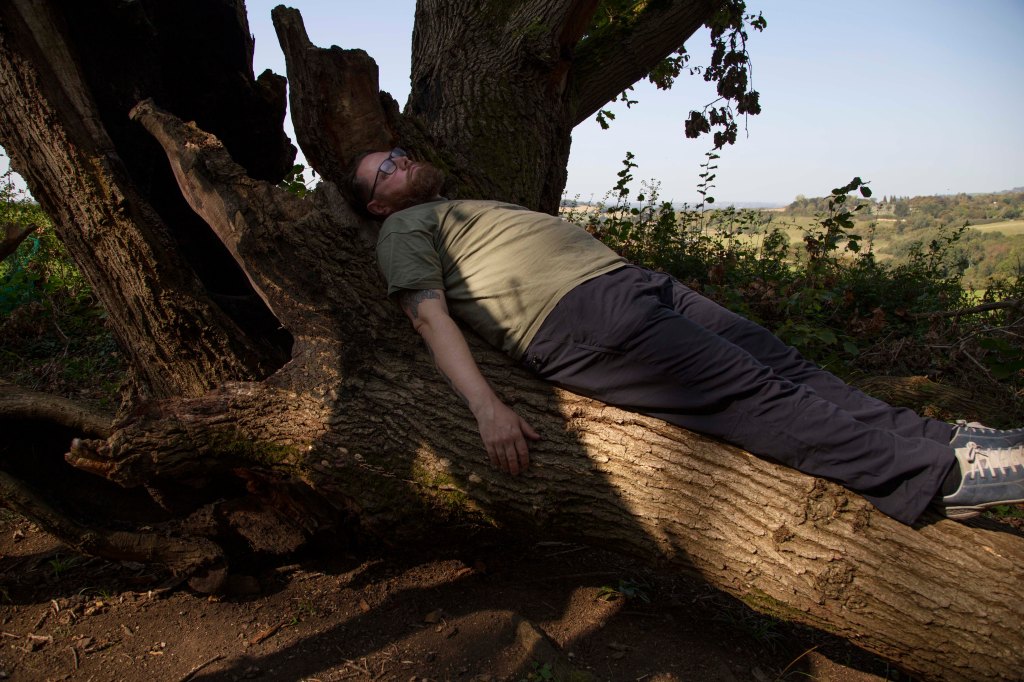
I have used the styling of Brotherus in my image ‘Big red riding hood’ as a method of linking space with a more subconscious context. When we are children we are told stories such as Little Red Riding Hood as ways in which to warm of the dangers of the woods or forest. However still wanted to keep some ambiguity in the context of theses images, allowing the viewer to question the context further.

References

1 Ewing. W.A, Saatchi [Online], Elina Brotherus: Artist Profile, https://www.saatchigallery.com/artist/elina_brotherus [Accessed 1.10.2020]

2 http://www.elinabrotherus.com/