Use Value is the house, as a space fit for those who occupy it.
Exchange Value is the house as a commodity to be bought and sold as an asset.
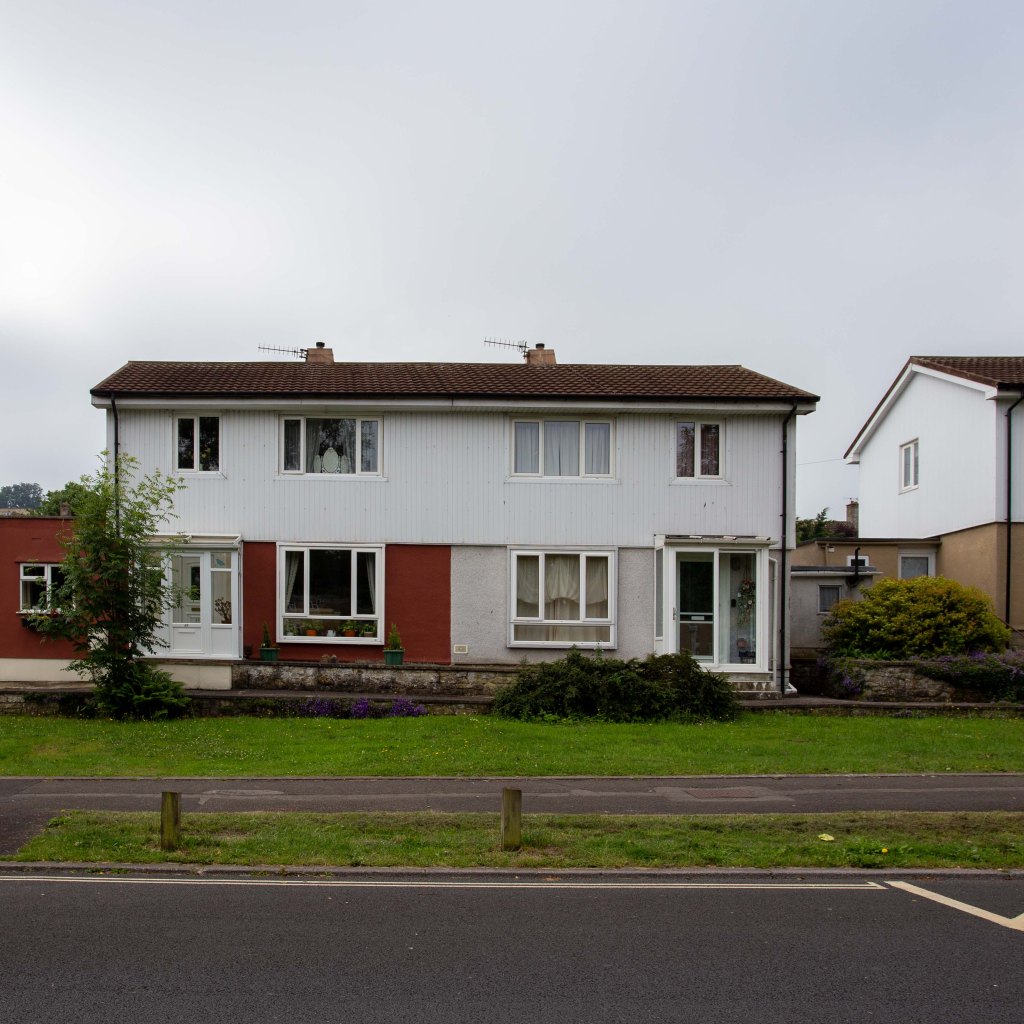
Figure 1 “1940’s BISF social housing, Twerton, Bath” Tim Beale 2021 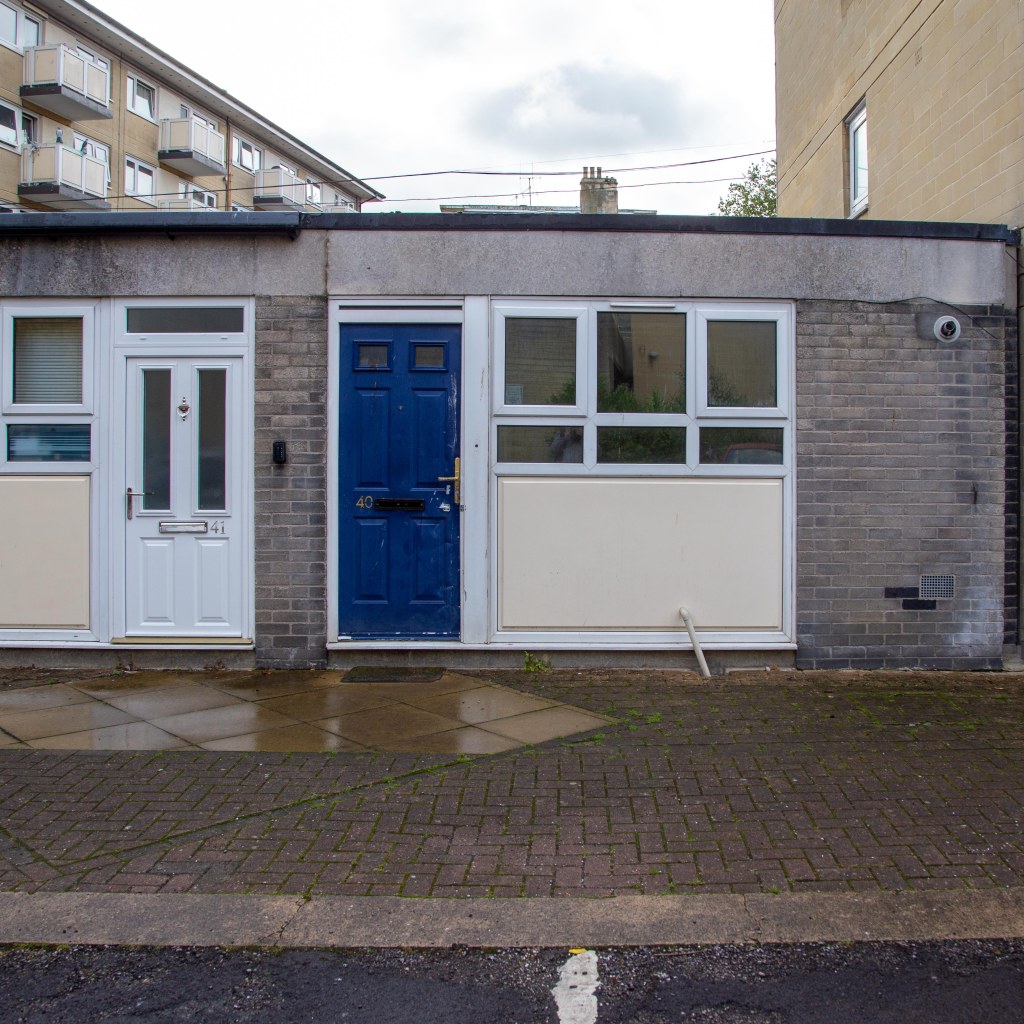
Figure 2 “1980’s House, Kingsmead Square, Bath” Tim Beale 2021
“Today, what economists call the ‘exchange value’ of housing in London, and other cities, has entirely broken the connection with its ‘use value’; exchange value is the price of commodity sold on the market whilst use value is its usefulness to people.” [Minton 38:2017]
The right to buy scheme in the 1980s, sold to the nation as the greatest of opportunities for everyone to own their own house, was nothing more than a way of stripping assets away from local councils. Restrictions in the use of funds from the sale of council owned houses meant that funds could not be used for replenishing social housing stock. Many who bought their homes, found that the cost of maintaining it was too great and had little choice but to sell it on. In the ten years of the scheme some 1 million houses where sold. It has been estimated that 1/3 of those houses sold are now owned by private landlords.1
“There is so much to say about a system that increasingly treats housing as a means to accumulate capital, never as a home. A creeping worldview that only understand the value of housing as a commodity, as something to be bought and sold, speculated in, land banked. To them (Tories), where you live is only a piece of property subject to global markets, real estate whose value is tied to location and status rather than its conditions, the wellbeing or stability of its tenants, its impact on the neighbourhood.” [Gibbons 27:2017]
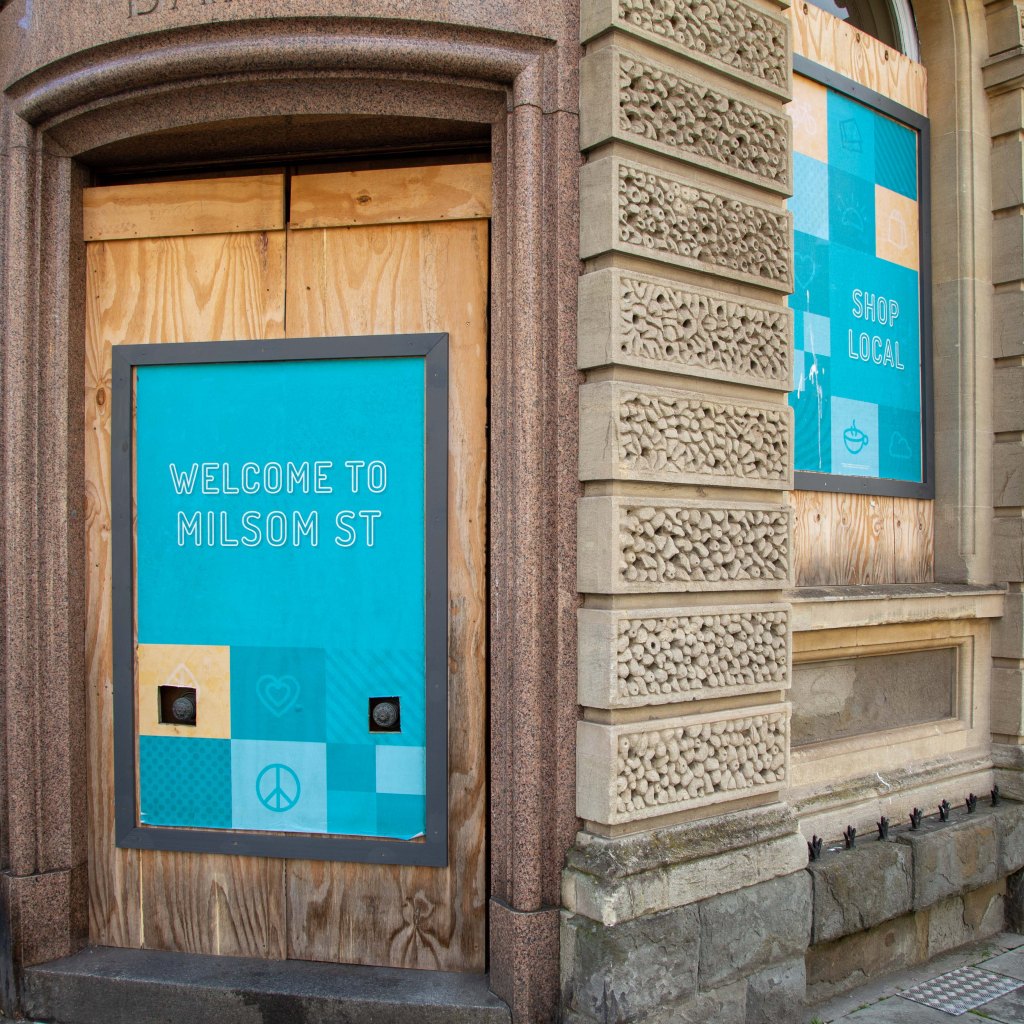

Government assistance schemes to help people buy houses, restrict this help to new build housing, deliberately deterring those wishing to utilise existing housing stock. You would think a new build to be a sound investment compared to housing of 40 to 100 years old but is not, as houses in the UK are getting smaller and being built with a lifespan of just 60 years. Neoliberal housing developments over the past twenty years have seen a fall in the design and build quality but increase in the market value of housing stock and as such we have seen correlation between exchange value and use value become more skewed.
“When it comes to housing, prices are failing to respond to the needs of most people, allowing the influx of global capital, often from dubious sources, to utterly distort the market and creating a crisis of affordability affecting all layers of society.” [Minton 39:2017]
The concept of affordable housing is one that gets rolled out when talking about the housing crisis, however the UK governments idea of affordable, 80% of market value, is fair from the reality of what the average person can afford. For new build houses in Bath sitting at £500,000 would mean that an “affordable” house costing £400,000. As I discussed in my previous post, research was carried out in Bath illustrating the need for a £80,000+ pay packed to be able to afford a home here. For the government to truly care about its people it should be looking to what is actually “affordable”, given that the reported average annual salary in Bath is £32,000. In their review of ‘The right to the city’ David Madden and Peter Marcus discuss the need for a solution to the affordability crisis and the need to an impartial, unbiased body to govern housing:
“Housing needs to be opened up to broader democratic scrutiny and input. Currently, the contours of the housing system are determined by a relatively small elite. As a result, the scale of inequality and injustice in the housing system is not widely acknowledgement. We need to create new sites where housing questions can be reopened.” [ Madden/Marcus 36:2017]
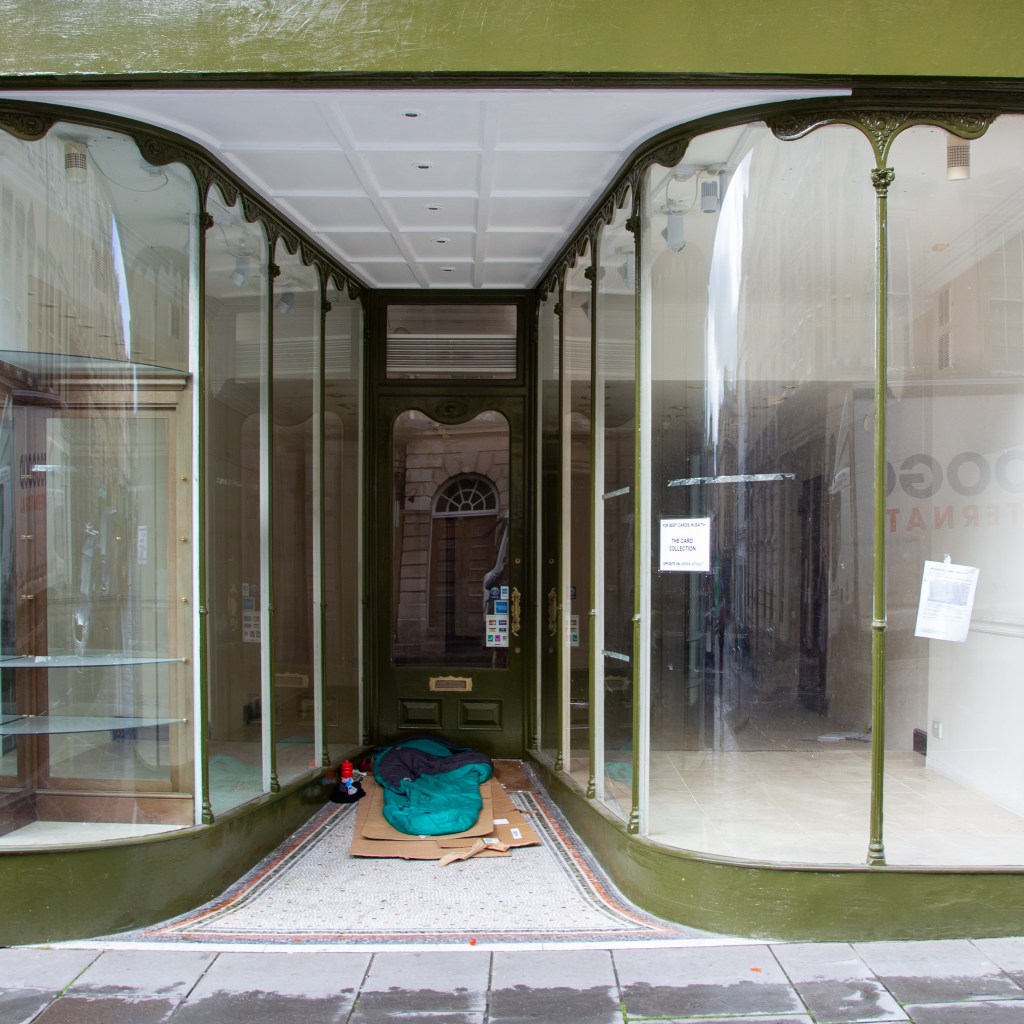
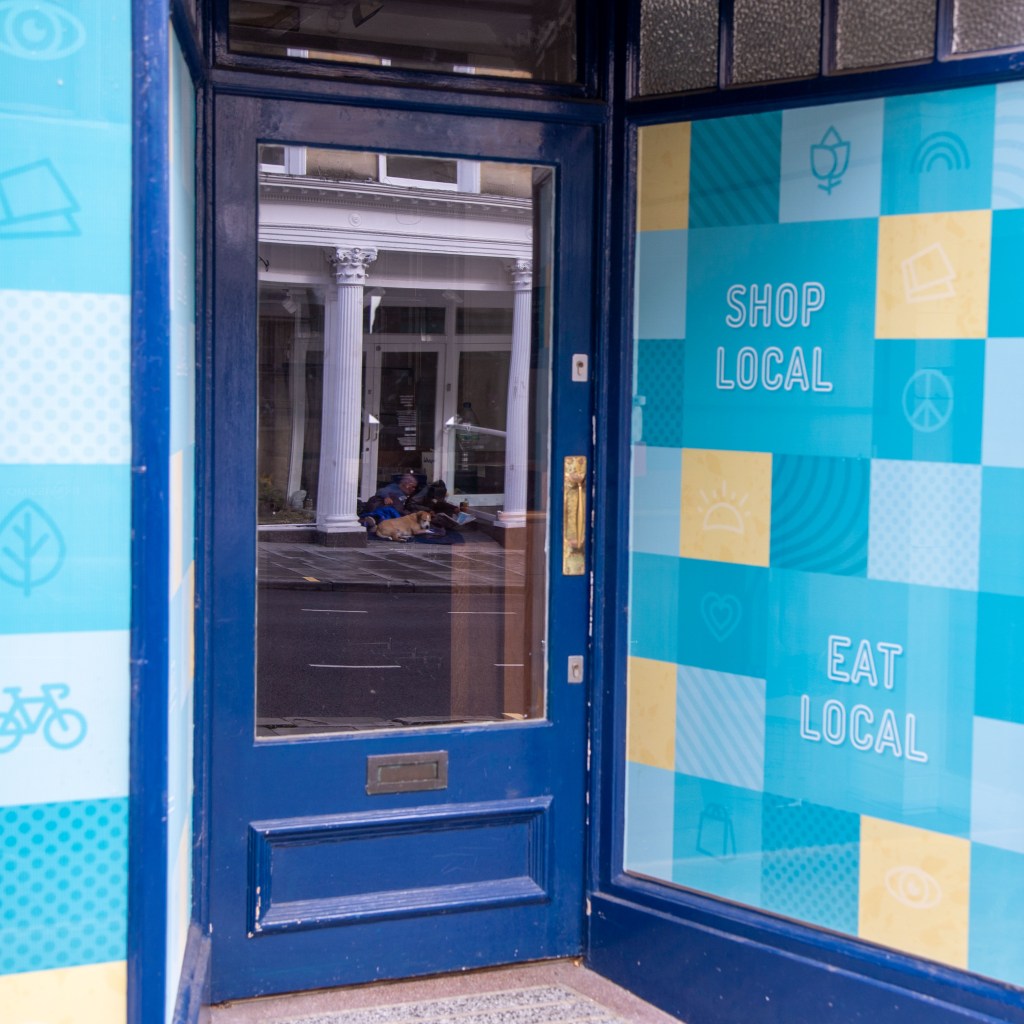
There is no quick win for housing but what is clear is that many of the issues we face as a society comes from the inequality in housing. Rough sleeping on the increase, waiting lists for social housing stretch on for years, and yet we see more luxury apartments being built, empty industrial units and unused purpose-built student accommodation, across the city. When we look to the Right to the City and its manifesto, we see our cities failing on all fronts. “In recent years UN-HABITAT and UNESCO have led an effort to include the right to the city as part of a broader agenda for human rights.” [Minton 40:2017] As a UNESCO world heritage city, Bath should be leading the way or at the very least working towards these values.
1 https://www.theguardian.com/money/2013/jun/28/new-class-landlords-profiting-generation-rent
References
https://www.gov.uk/affordable-home-ownership-schemes [Accessed 01.07.2021]
https://www.labcwarranty.co.uk/blog/are-britain-s-houses-getting-smaller-new-data/ [Accessed 01.07.2021]
https://blog.planningportal.co.uk/2018/06/22/how-long-should-a-house-last/ [Accessed 01.07.2021]
Bath at Work Museum Exhibition: http://museumofbatharchitecture.org.uk/wp-content/uploads/2012/08/Bath-History-of-Social-Housing-booklet.pdf [Accessed 01.07.2021]
Gibbons A “A Place to Call Home” The Right to the City: A Verso Report. 2017 Verso Books
Madden D & Marcus P “The residential Is Political” The Right to the City: A Verso Report. 2017 Verso Books
Minton A “Who is the City For?” The Right to the City: A Verso Report. 2017 Verso Books
 The Space Between