PHO705: Photobooks

The process of thinking and planning a photobook has been daunting, from the editing of photos to types of paper. There is a real risk of losing site of what the photobook is for. What purpose does it serve? As Bruce Ceschel states in his manifesto “ Self publish be happy”: 

“ Think about the visceral pleasure of making a book, rather than being preoccupied with publishing something that will make money. Nor should you think about making something that will be selected for the next best-of list, propelling you into stardom. Making a book should be both challenging and fun. It should be an adventure that will make you aware of your own practice, ideas, knowledge, and skills. An adventure that might lead to creating something great – or not, which is alos OK, so long as the journey was worthwhile.” [Caschel 2015:486] 

Taking these wise words into consideration I have begun my journey into self-publishing. I have started by looking at photobooks that appeal to me from an aesthetic point and those that peak my interest in their subject matter. A photobook needs to make me what to pick it up, turn the pages, read the text, as such the choices in paper, cover material, font and layout are crucial. I have often found myself “switching off” when flicking through a photobook that is nothing more than a collection of images on crisp white paper, with no discernable reason for them to be in a book but better suited in a white cube type gallery. 
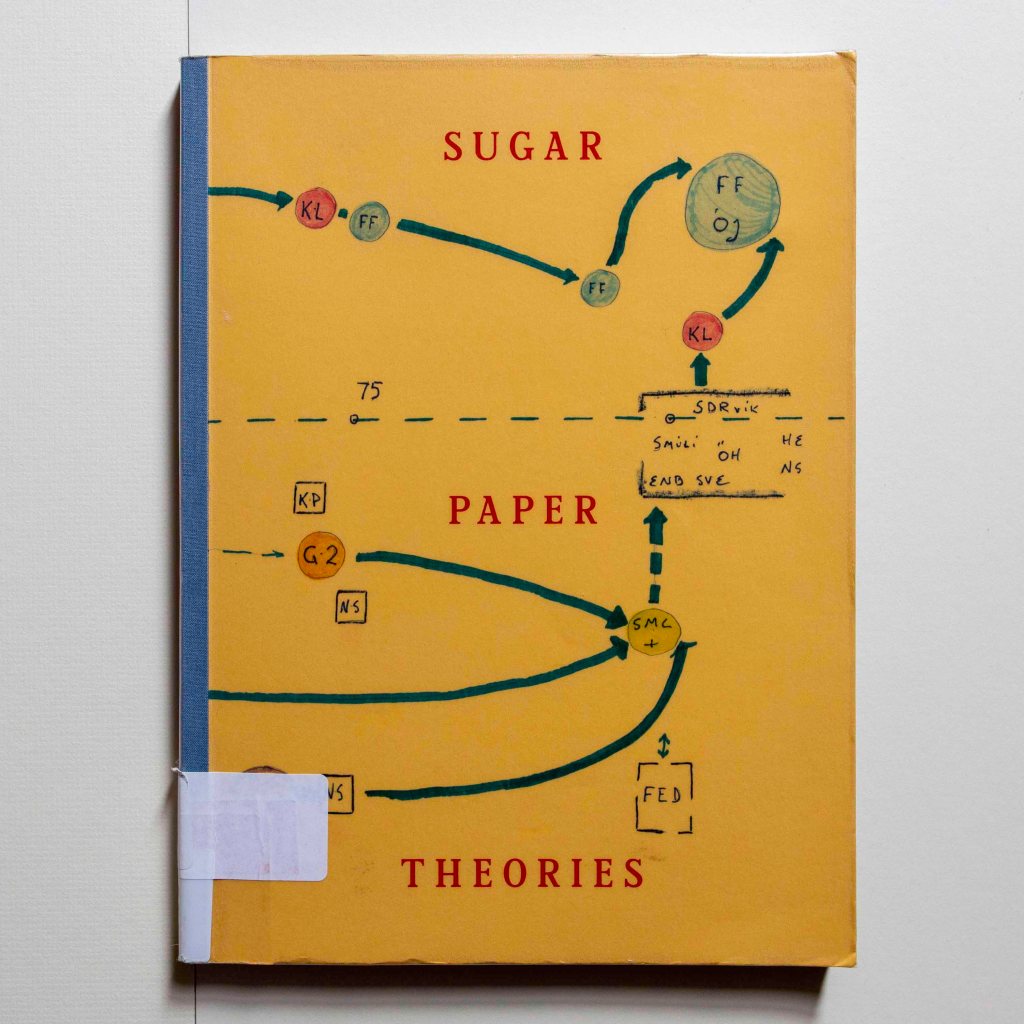
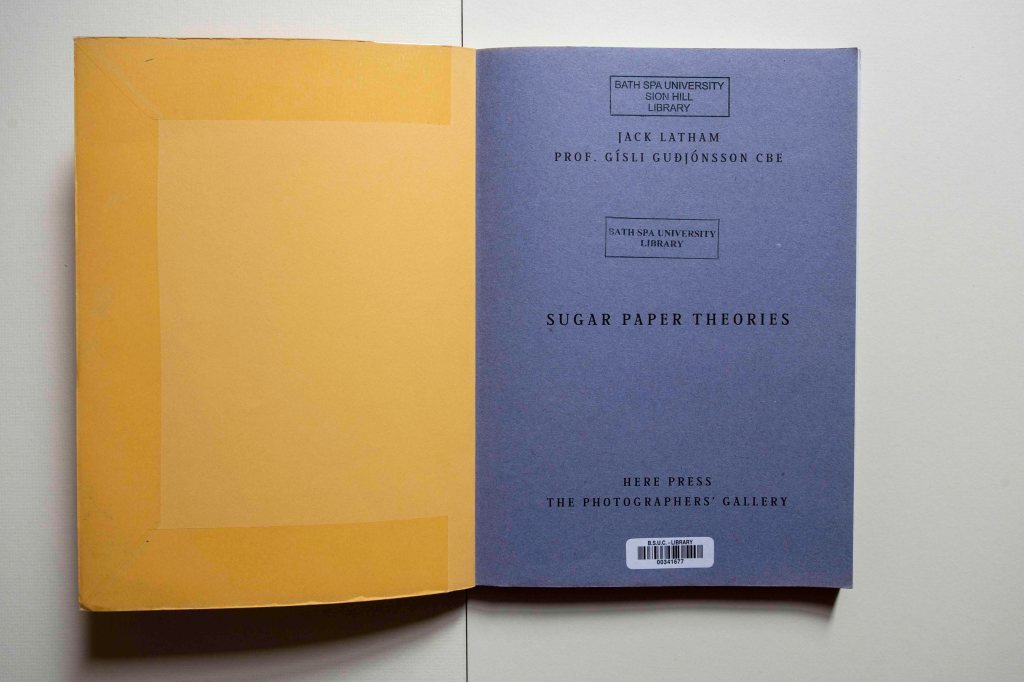
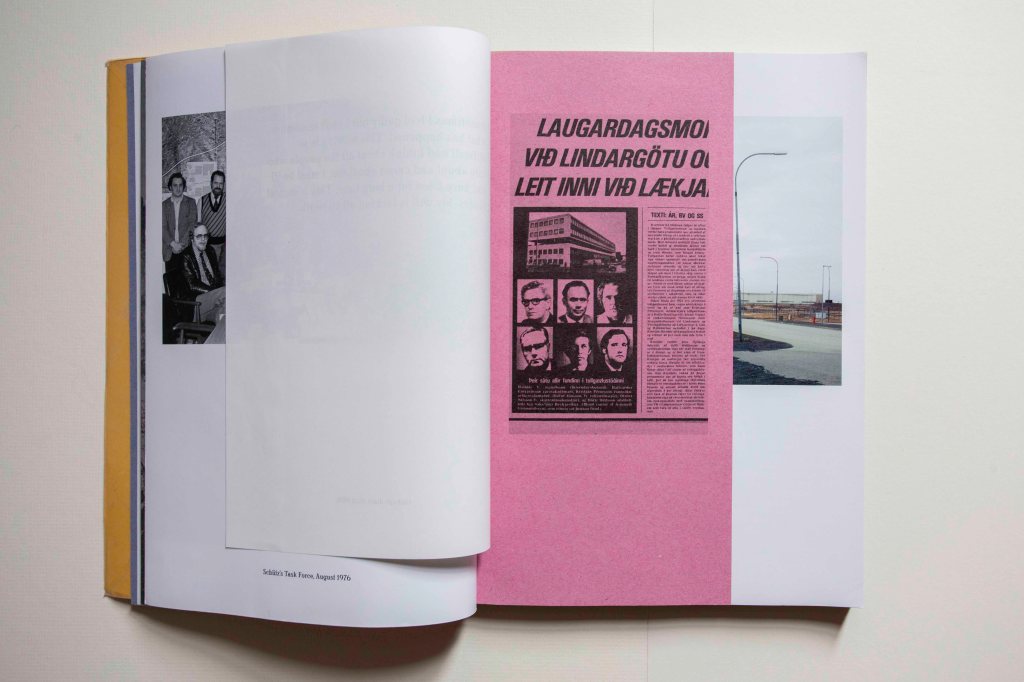
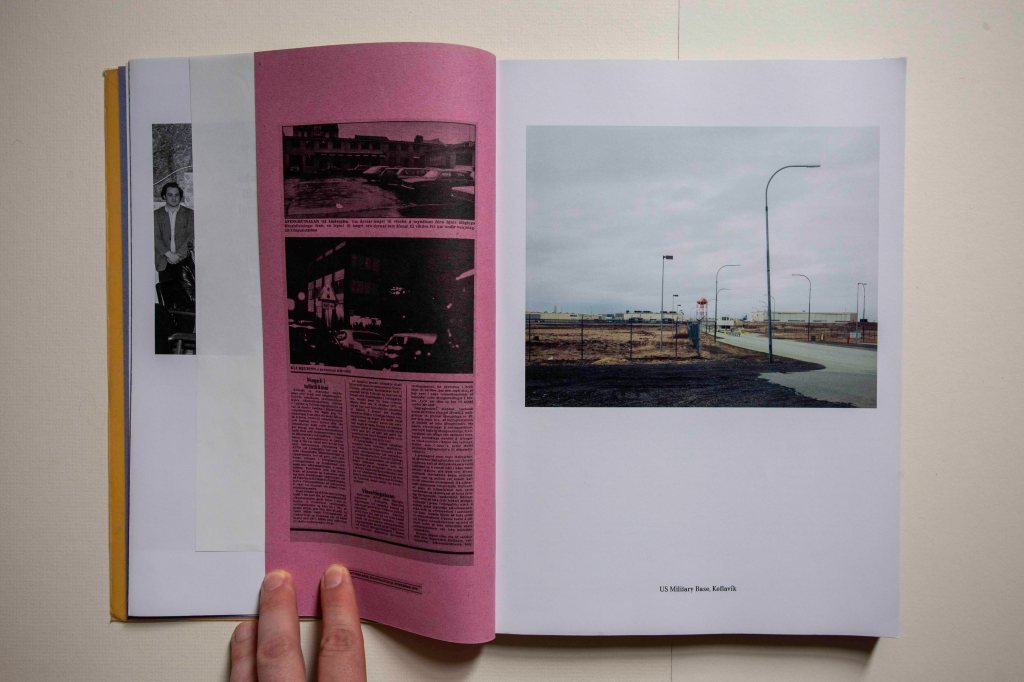
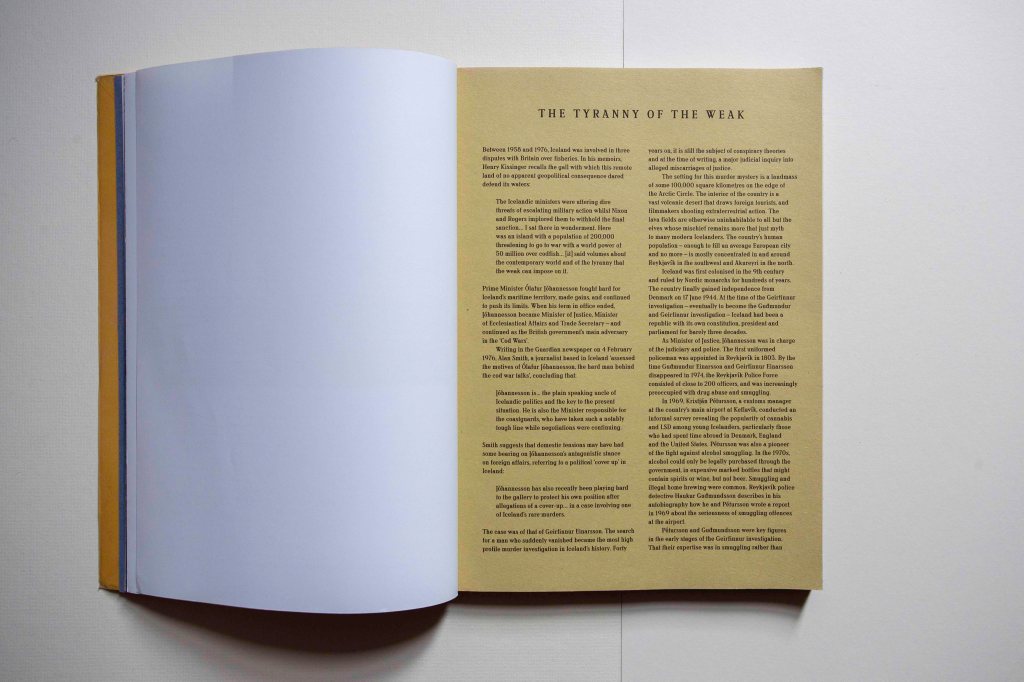
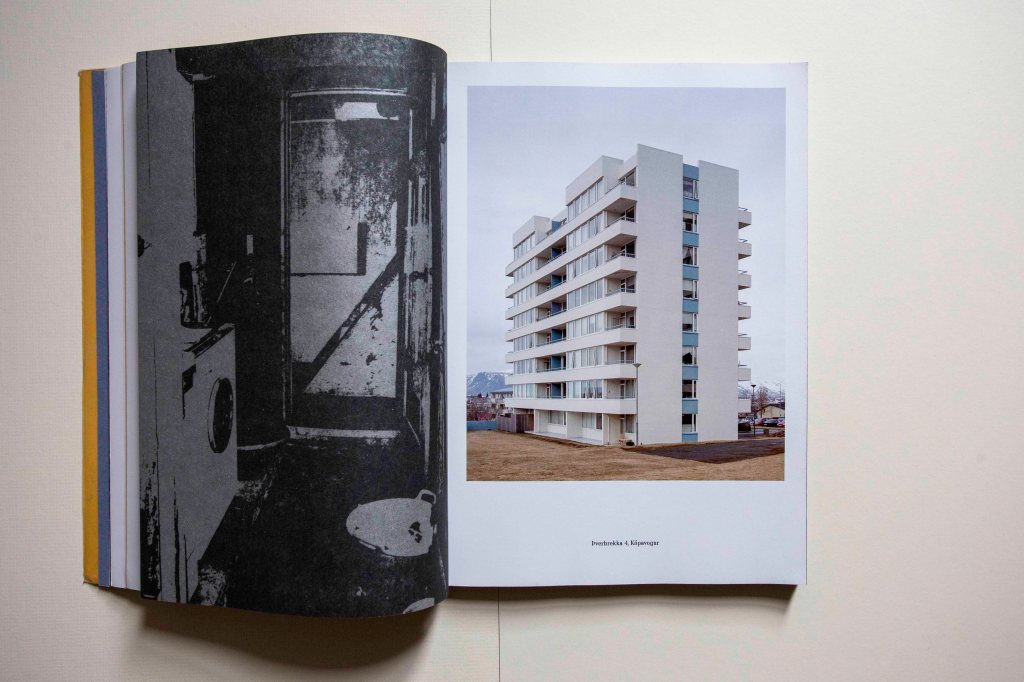
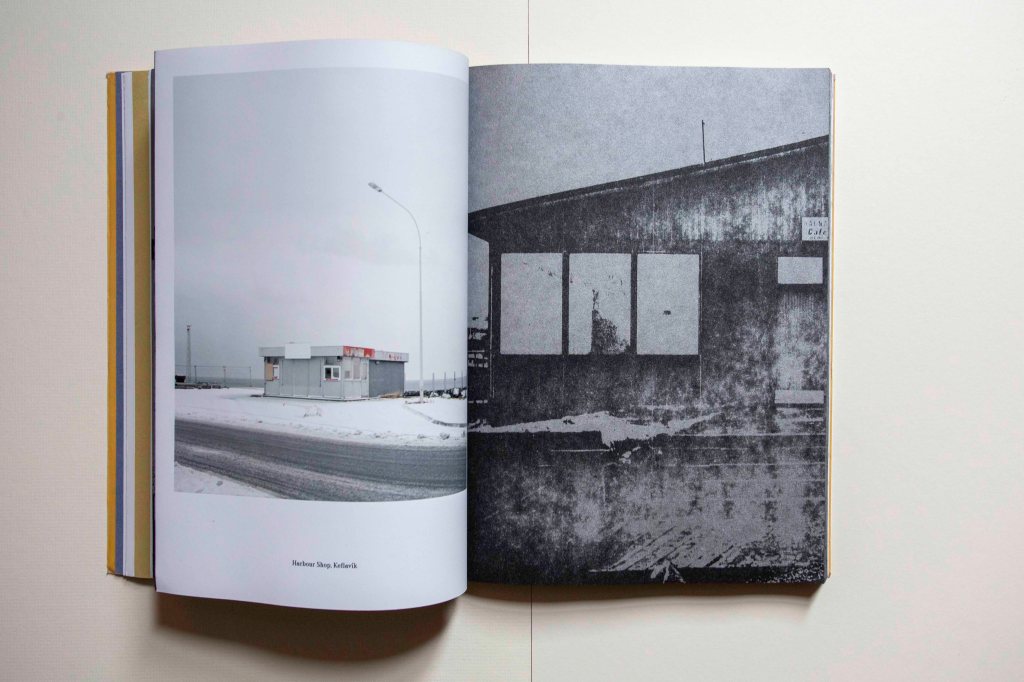
Jack Latham’s book “The sugar paper theories” is an outstanding book, one that I first discovered whilst visiting an exhibition at RPS house of the same name. Sugar Paper Theories tells the story of one of Iceland’s most notorious injustices. The exhibition itself represented a selection of images and texts from the book and served well to give a glimpse of what the book had to offer. The exhibition introduced the concepts of the book well and certainly encouraged the viewer to want more and take the time to look at the book.  

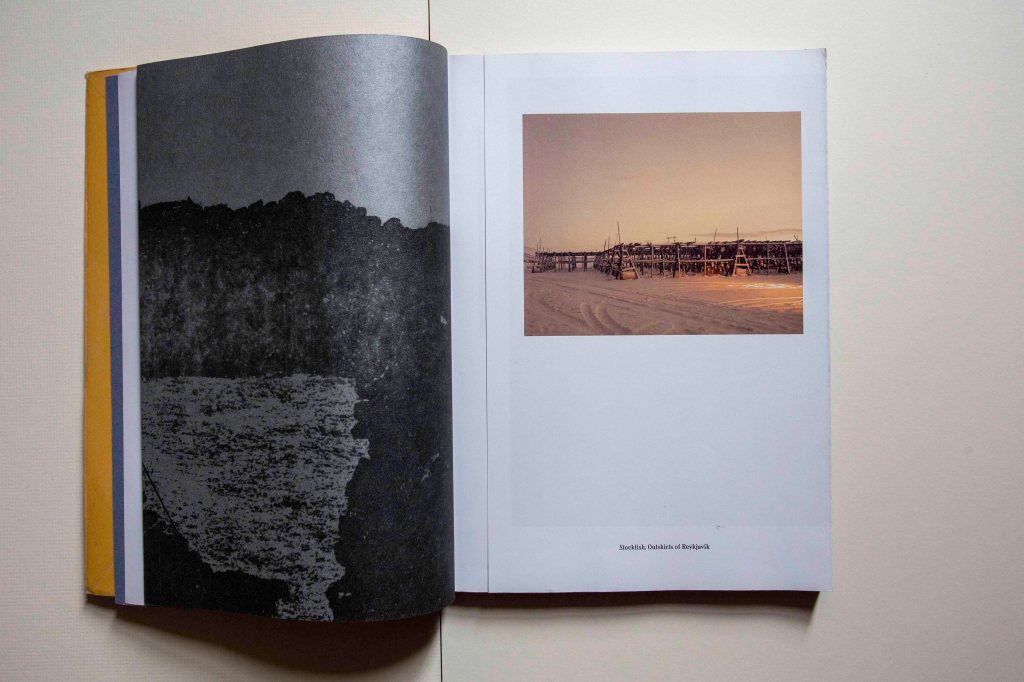
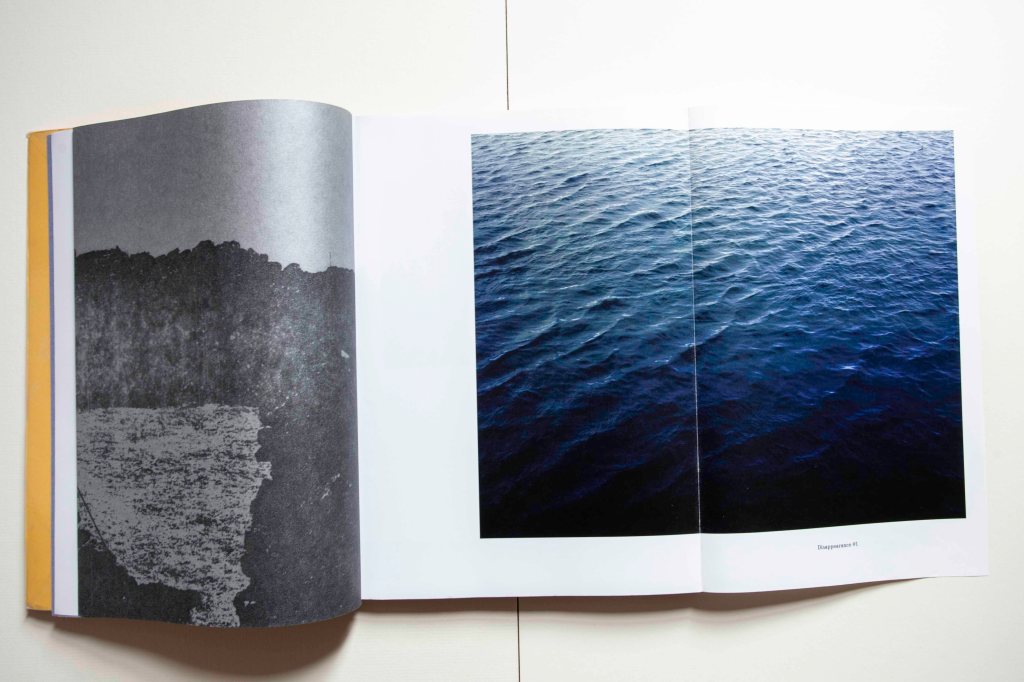
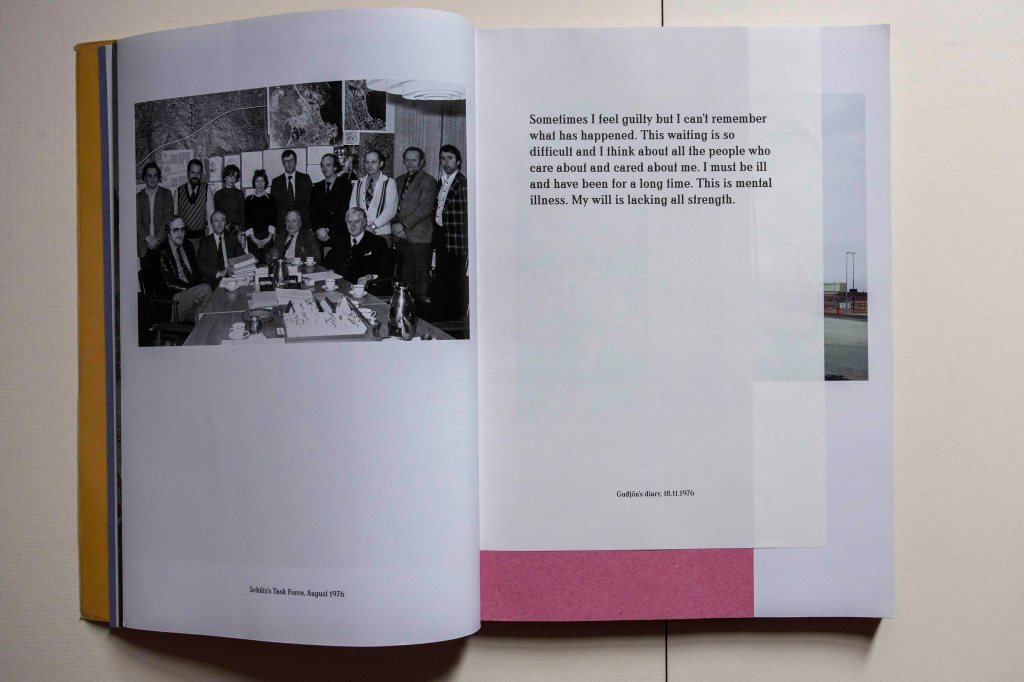
Latham uses a wide range of paper stock throughout the book, sugar paper for printed texts of police reports and statements, metallic monoprinted pages printed with blown up sections of photographs, light weight single leaf paper with excerpts from interviews, whilst Latham’s photographs are well placed on a more traditional photobook paper. The reader is given the chance to follow the story as it unfolds by unfolding the pages of the book. This is an inspirational body of work presented exactly how it should be.  

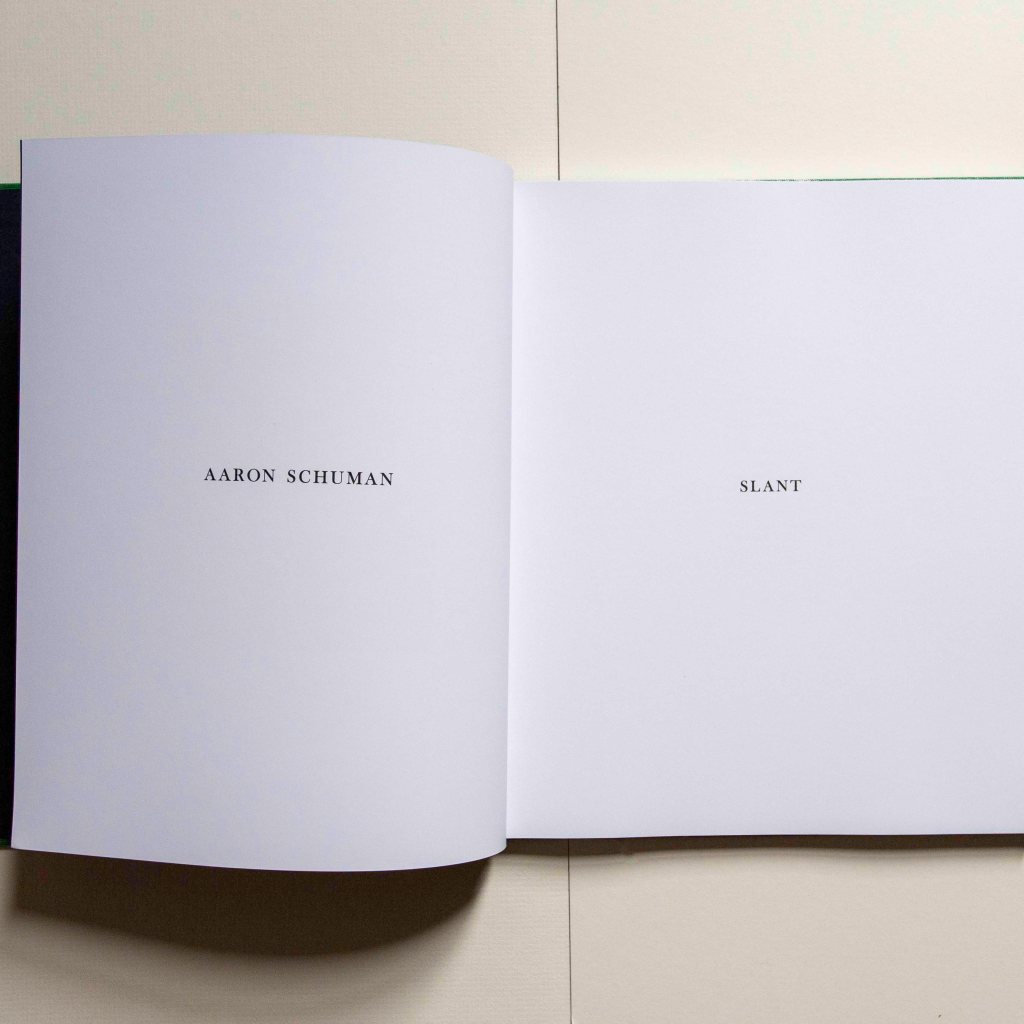
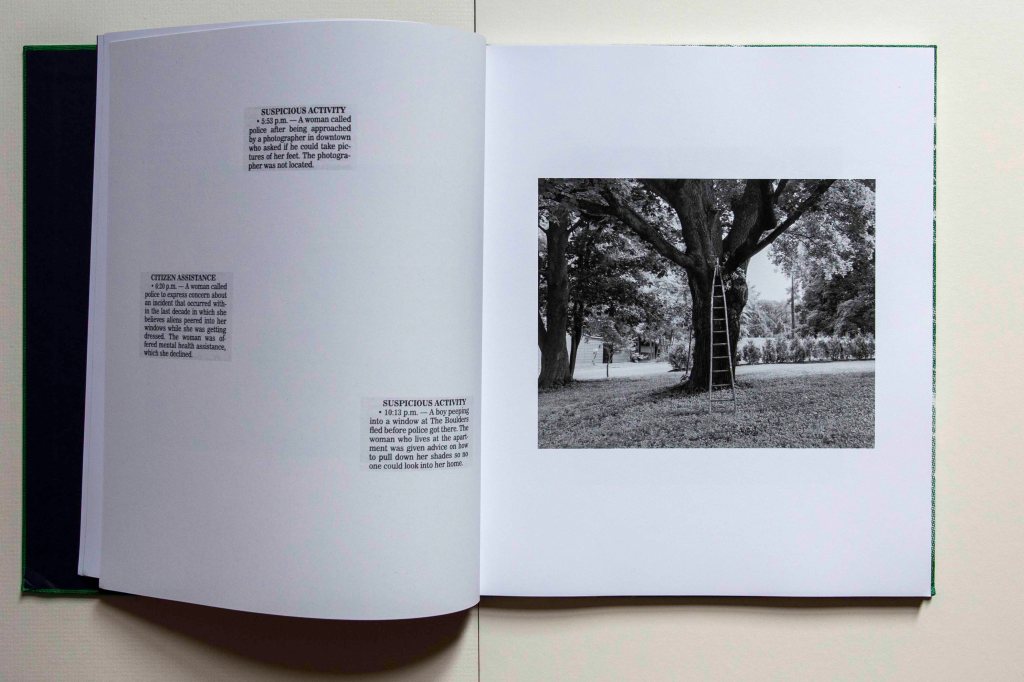
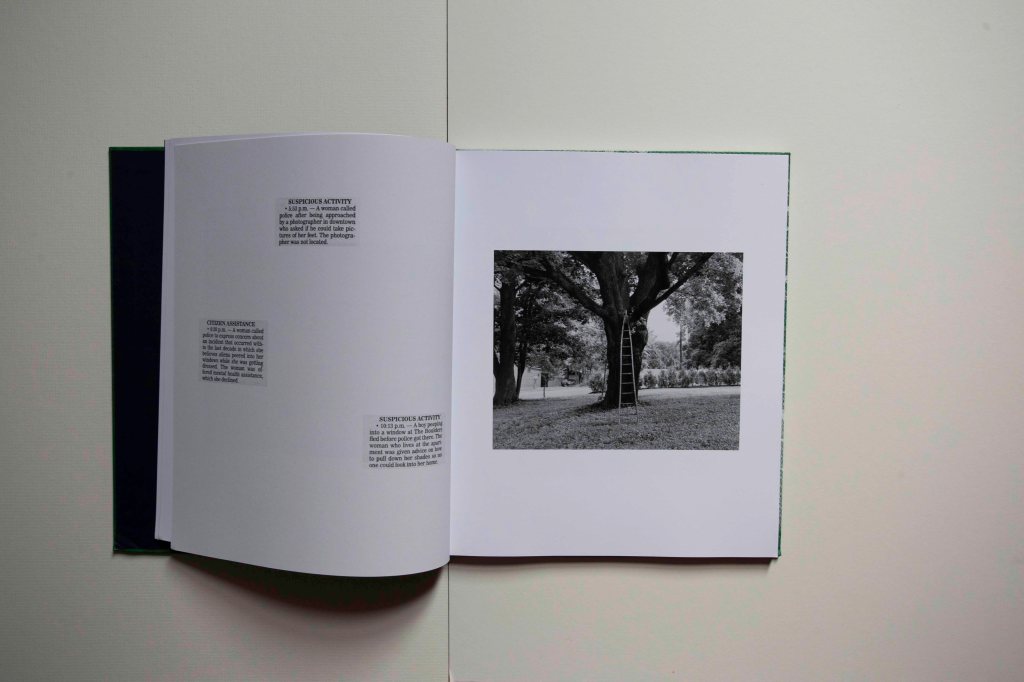
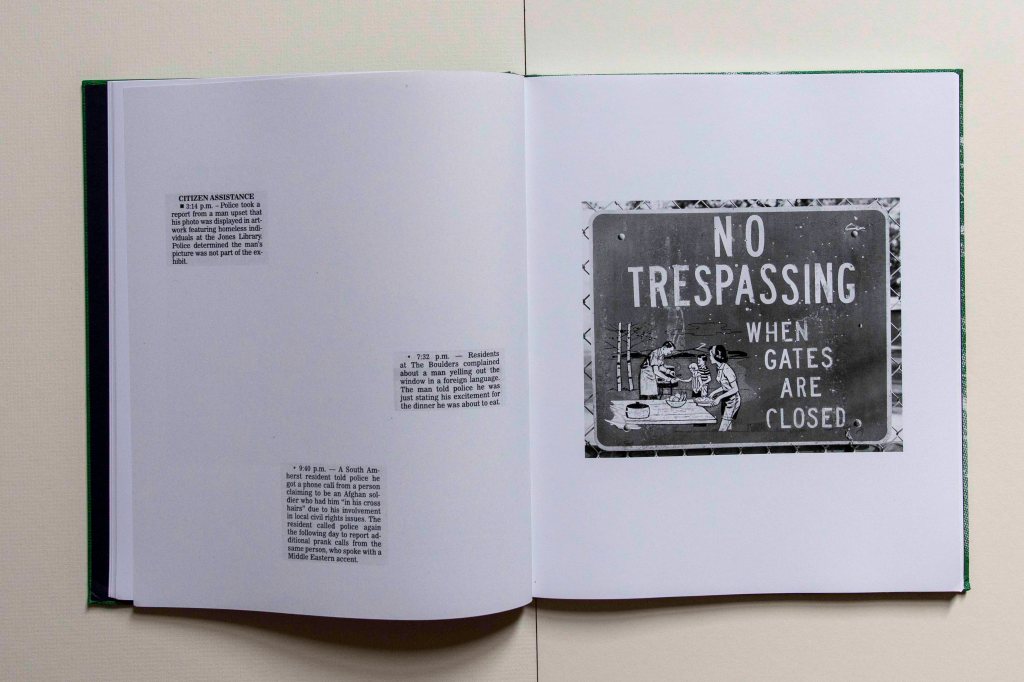
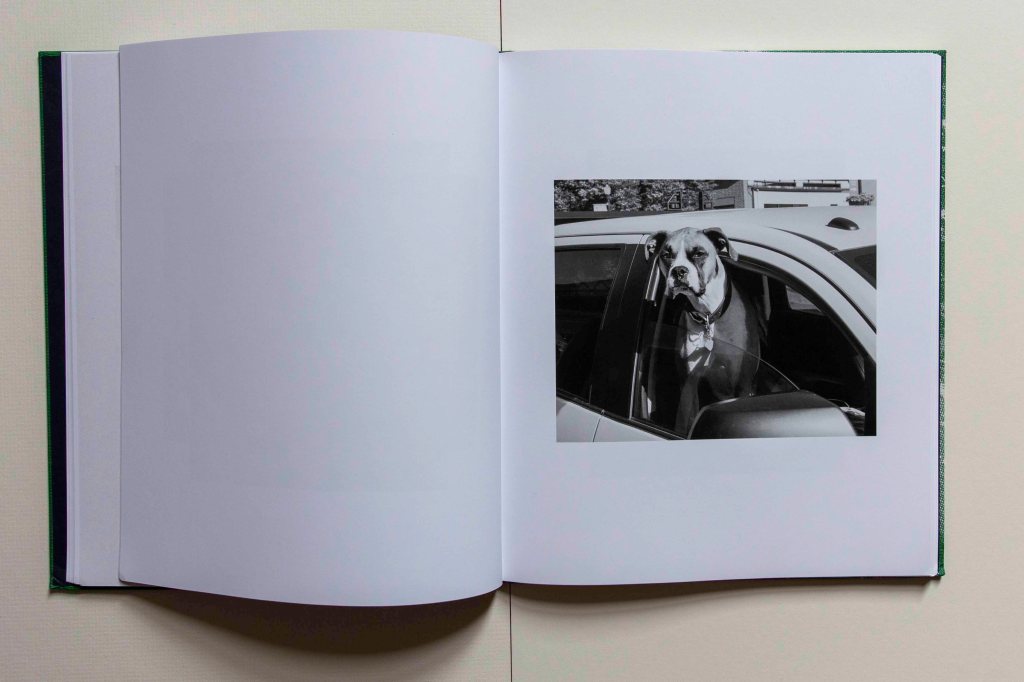
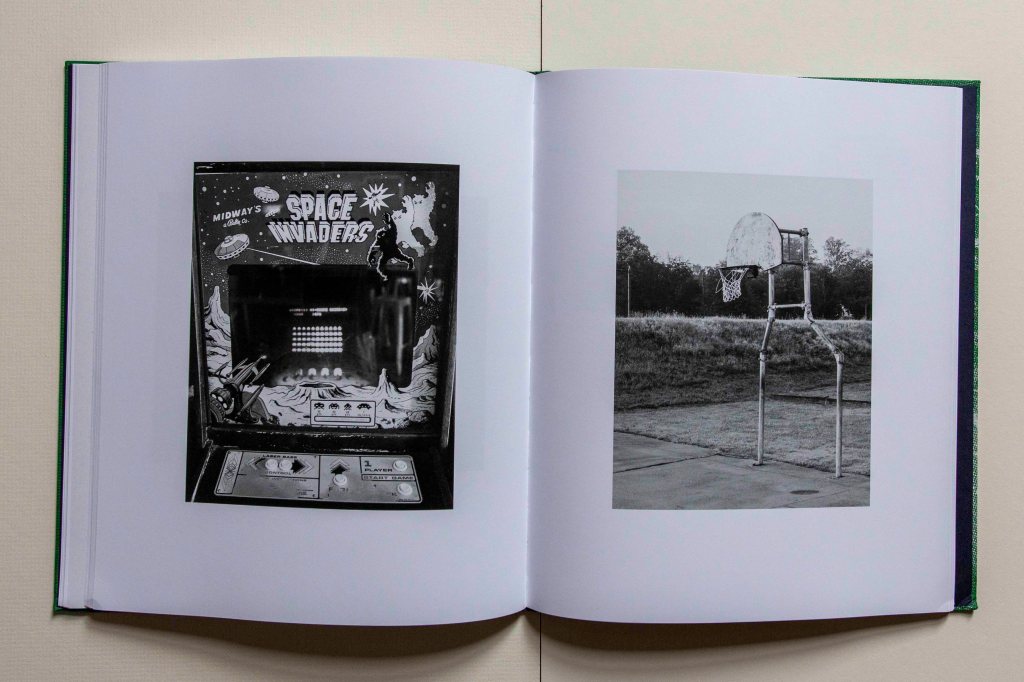
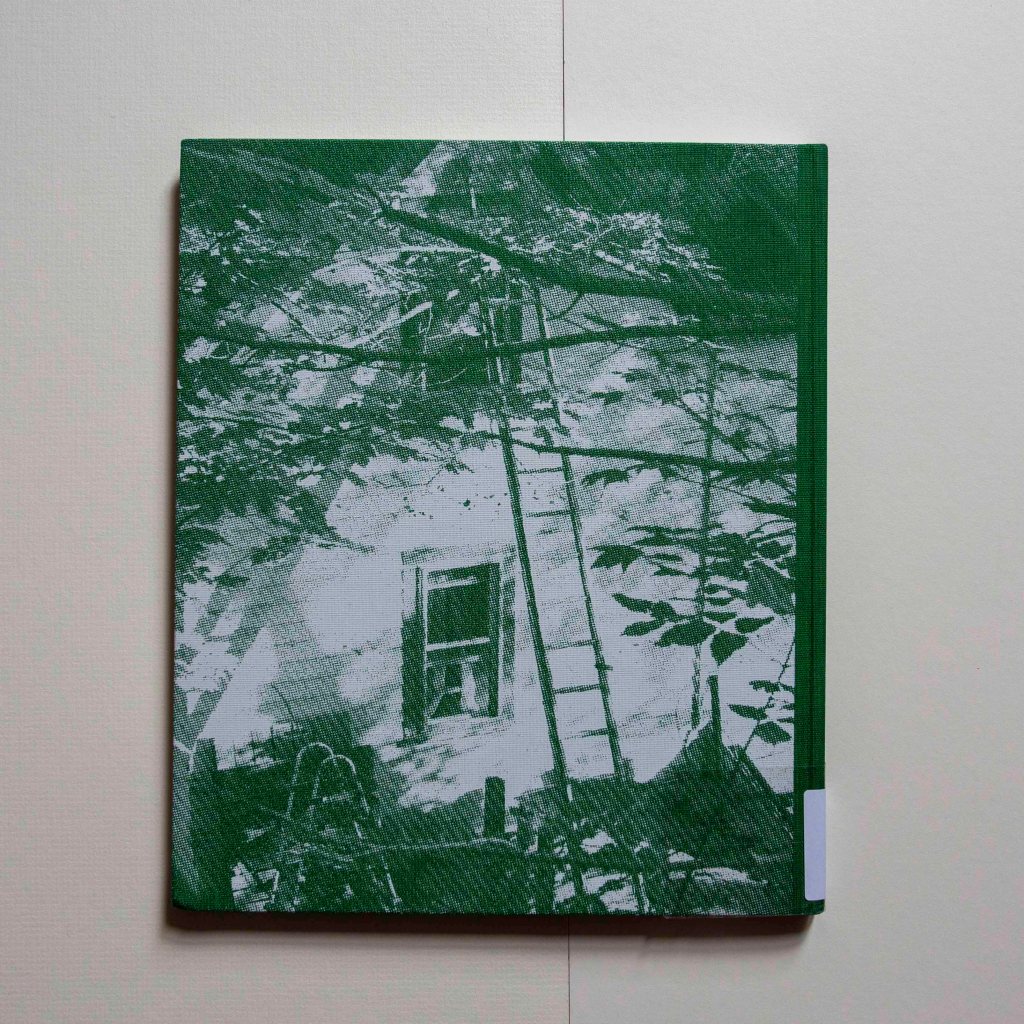
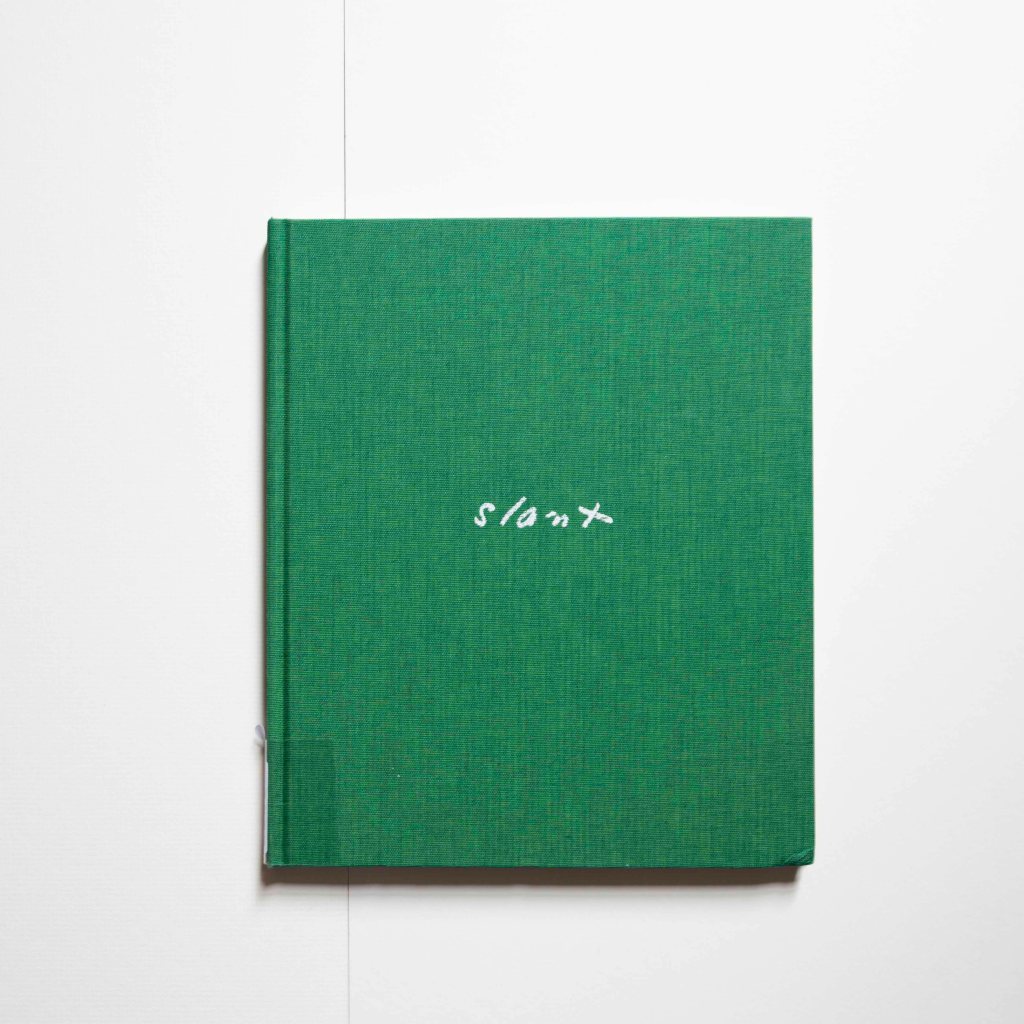
Another book that has stood out for me is “Slant” by Aaron Schuman, which pairs images with police reports from the Amhurst Bulletin between 2014 and 2018. At a glance this book looks much like many photobooks with a series of monochrome images set on crips white pages but what sets it apart is the inclusion of the police bulletins. Each image sits opposite a series of bulletins that act as anchors to the images suggested metaphor. The photographs themselves are of simple mundane subjects, a ladder against a tree, a sign, or car, but what Schuman does is allude to something else, thus inviting the viewer to think or react in a different way to these everyday objects. Again, we see the use of different paper textures to define a page with text and a page with a photograph. The bulletins sit on a textured off-white paper and the photographs on a crips white paper. This change in texture and colour adds to the experience of looking through this book.  
Within my own practice I look to ways to engage the reader/viewer, using textures and colours to create something that begs to be explored. The topic of housing inequality is one that can be very dry and unappealing and as such is challenging. By adopting the methods of the likes of Latham and Schuman I can create something visually appealing and intriguing, something that pulls the viewer in and demands to be seen.  

References  

Caschel, B “Self publish be happy: a photobook manual and manifesto” 2015 Aperture  

Latham, J “Sugar Paper Theories” 2016 Here Press 

Schuman, A “Slant” 2019 Mack Books 
PHO705:Subtopia/Exurbia and Urbantopia

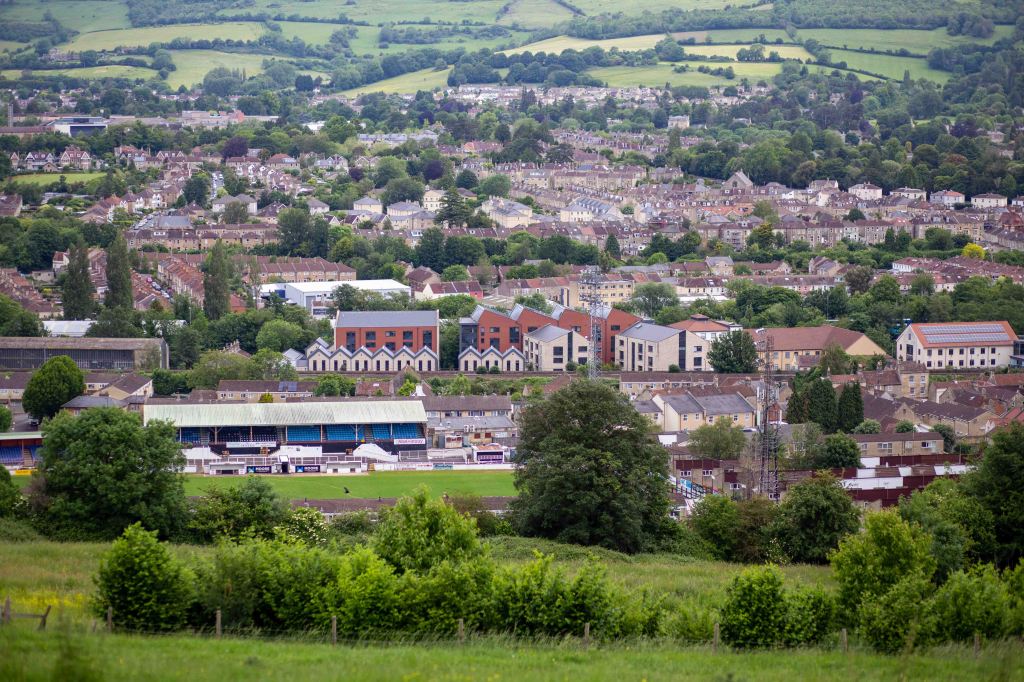
As I walk the streets of Bath, I find myself asking; what is the future of suburbia? Where I’m standing can it be described as the suburbs?  

“The nearer we get to the present day, the harder it is to define suburbs precisely. The increasing mobility after the Second World War and the collapse of distinctions between classes, jobs and styles of life make it increasingly hard to generalise accurately about suburbs. So we are left with vaguer concepts such as suburbia, subtopia and now also exurbia.” [HELM 6:2007] 

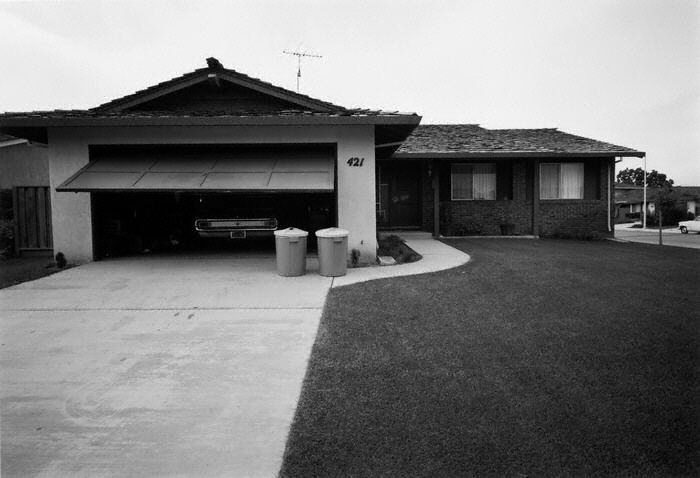
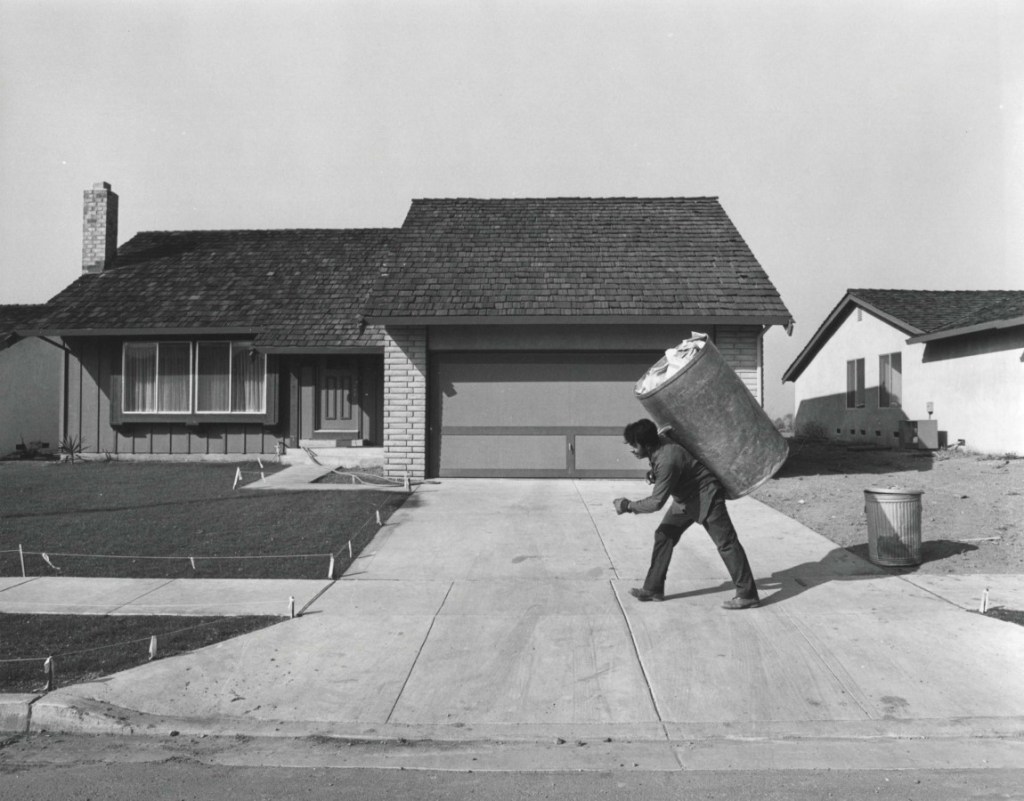
Often when we think of the suburban environment, we bring to mind the images of America and those by photographers such as Gregory Crewdson, Todd Hido and, Bill Owens to name but a few who have chosen this environment as their subject. But what of the British suburb? Who do we have representing our suburb? Certainly, the likes of Martin Parr, Chris Killip, and Richard Billingham, have been creating images of the people of the suburbs with little consideration for the architecture that creates the environment that influences the lives of these people. We can now look to artists such as Andy Feltham with his “Incidental View” series and Daniel Stier’s “London Fringes” & “Frontier House” capture the environmental make-up of the country. 

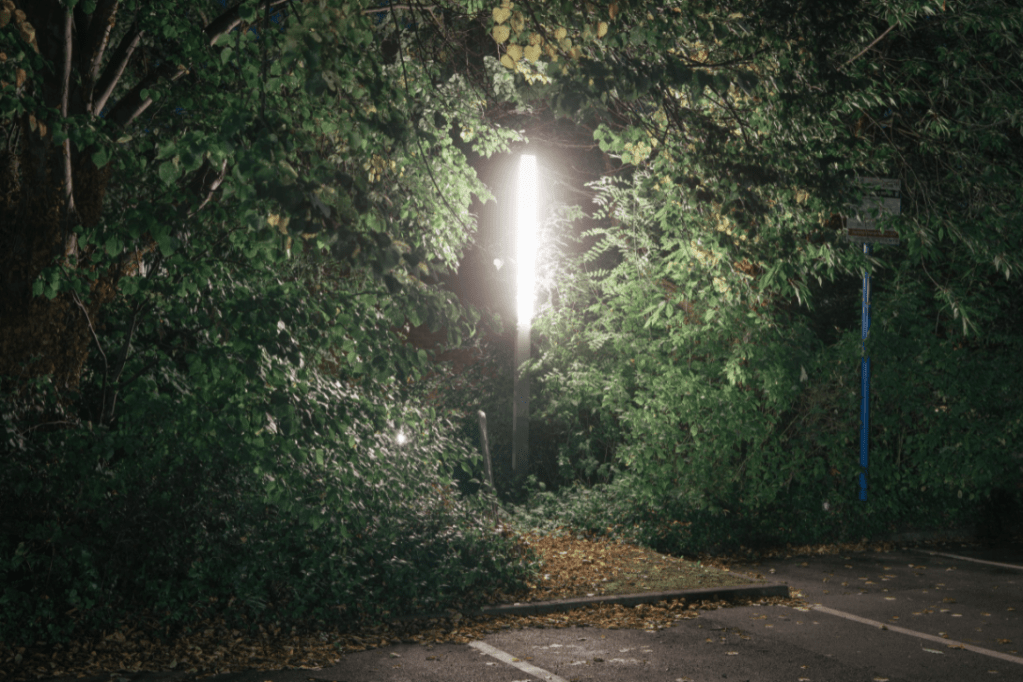
Andy Feltham’s statement for “Incidental view” speaks of the mundane and the ability to isolate and identify the small wonders we often take for granted or simply do not take notice: 

“This series of images was born from my desire to re-examine the common place; to confront and question the monotonous. Each piece aims to celebrate the incongruous marriage of perceived isolation with an overriding sense of wonder.” [Feltham online]  

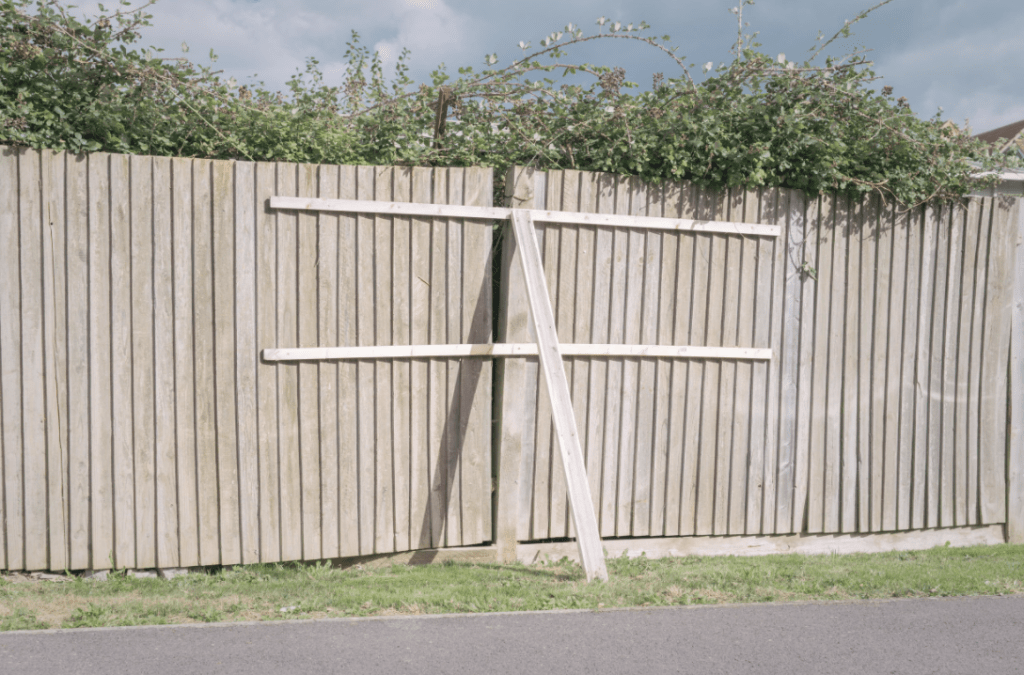
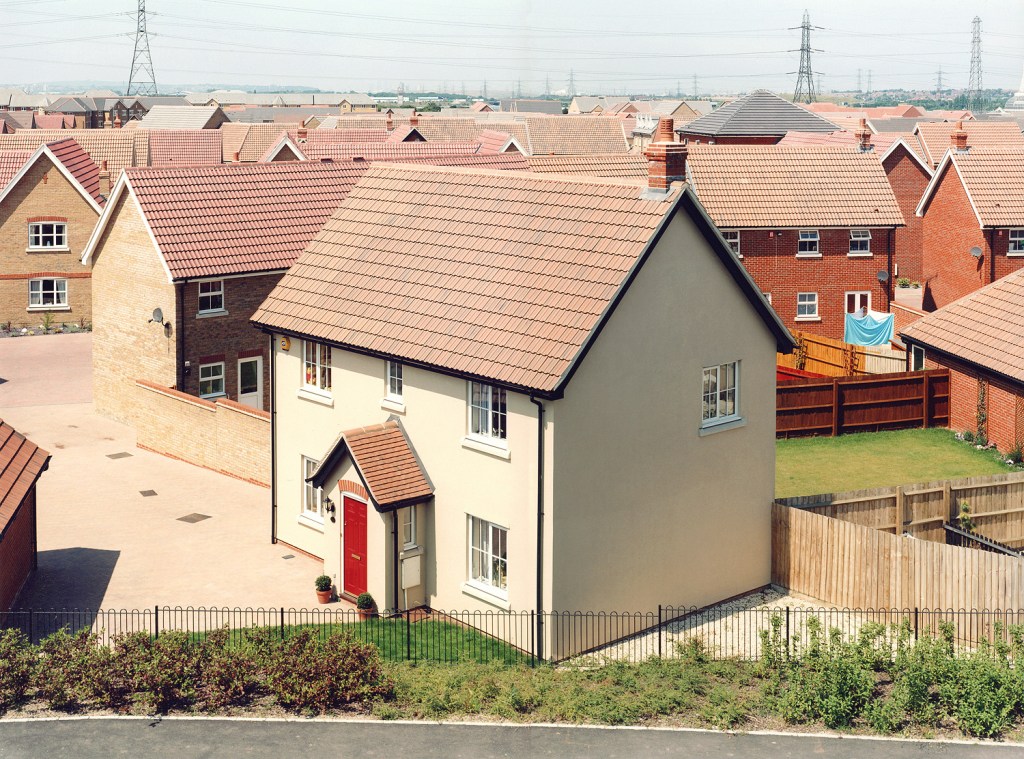
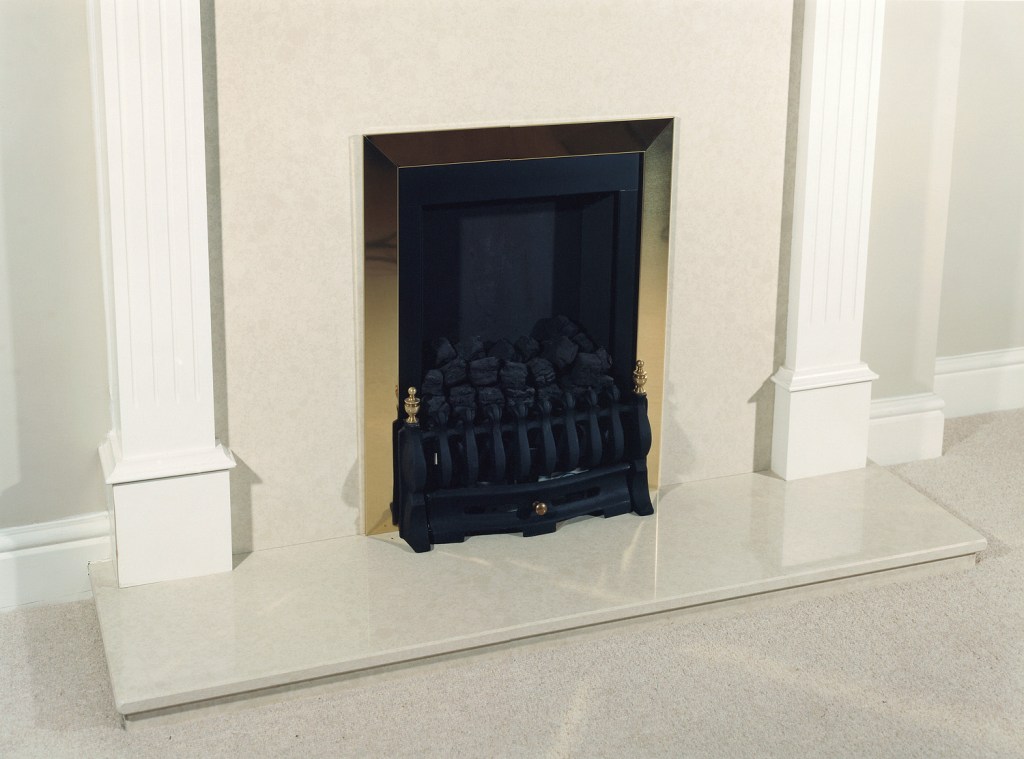
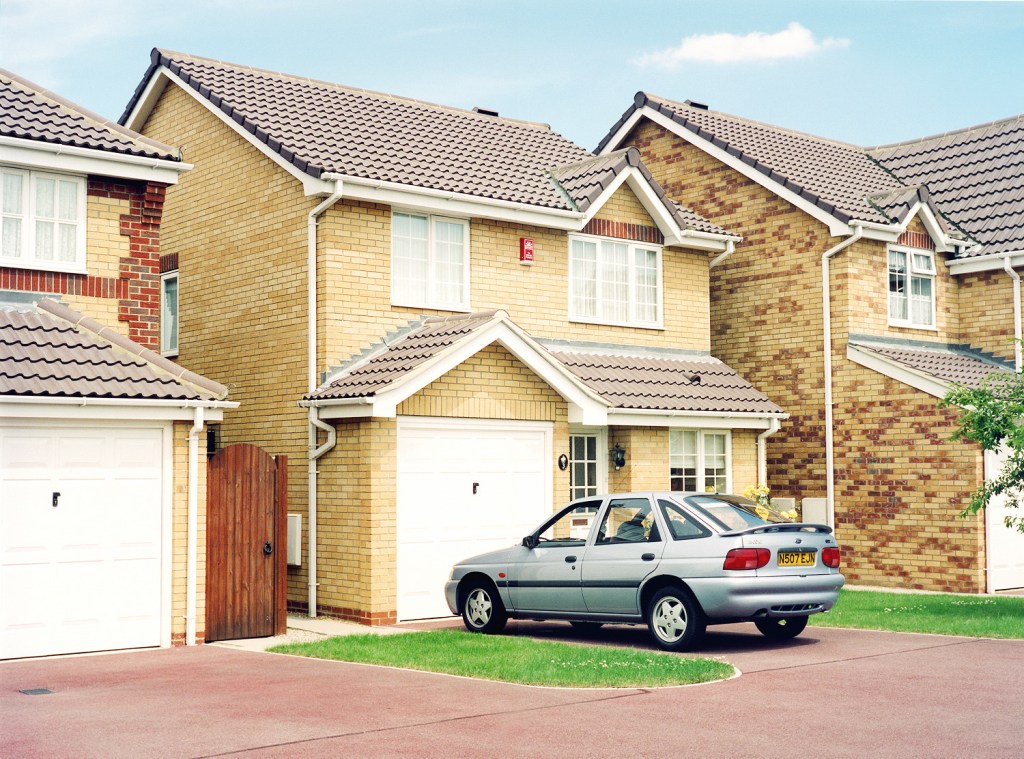
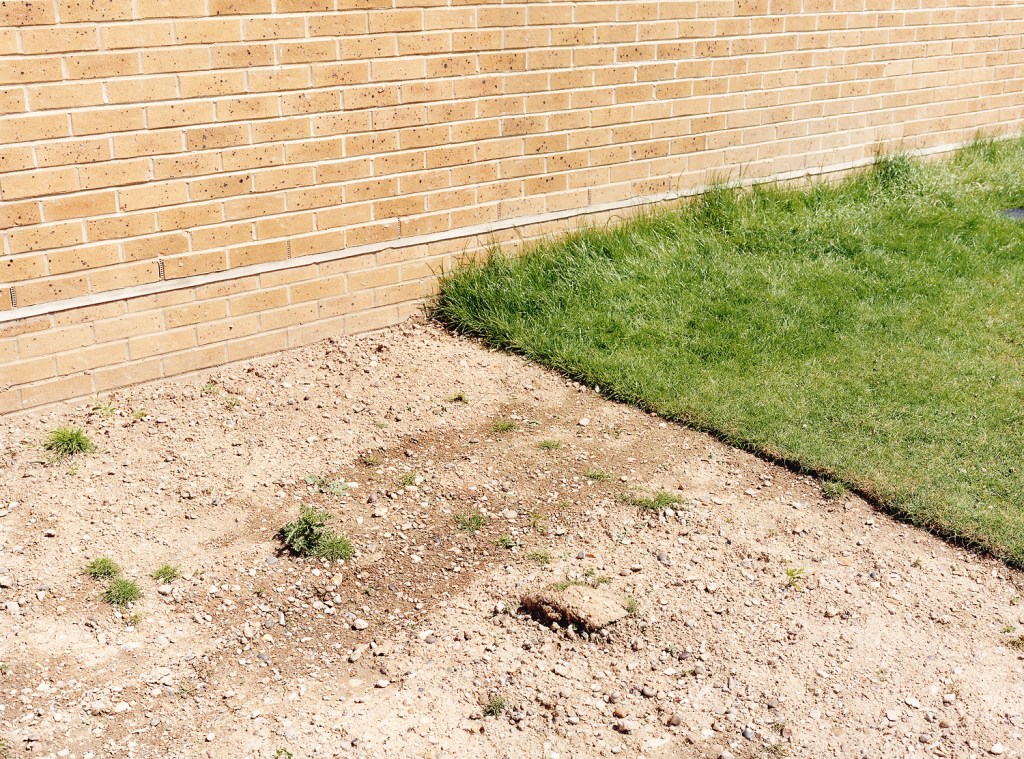
And with both his series London Fringes and Frontier House, Stier is similarly interested in the banal, the unseen and overlooked. The new estates growing beyond the suburb and into “Subtopia” or “Exurbia”. The show houses and soon to be show houses in “Frontier House” typify those of the Exurbanites, the middleclass and commuters.  

Subtopia 

The British suburban can be looked at in two defined terms the Subtopia and the Exurbia. As towns and cities extend past the boundaries of pre-war suburbia, we start to see a class divide of those who have a little and those who have more. The term “Subtopia” was coined in the 1955 by the architectural journalist Ian Nairn, in response to a road trip from the south of Britain to the north. Nairn was reacting to the newly developed estates and how he felt the generic architectural blandness had produced “off the peg” developments, thus removing any sense of identity the town or city once had. Nairn goes on to set out in his manifesto: 

“Places are different: Subtopia is the annihilation of the difference by attempting to make one type of scenery standard for town, suburb, countryside and wild. So what has to be done is to intensify the difference between places. This is the basic principle of visual planning – sociology, traffic circulation, industry, housing hygiene – are means. They all attempt to make life more rewarding, more healthy, less pointlessly arduous.” [Nairn 1955:Architecture review] 

Exurbia 

The migration of high earning workers from large cities such as London, has seen the growth of Exurban estates of larger houses, semi-dethatched or dethatched properties with ample parking (drive and garage) and good-sized front and rear gardens. A far cry from the new “affordable” estates and housing association-built dwellings that have reduced in size over the years. Exurbia is home to the commuters, bank managers, politicians, surgeons and company directors. Nestled into the British countryside the exurbanites can spend weekends walking the dogs emulating the country gent or landowner.  

Exurbia – another phrase created in 1955 but this time by the author Augusta Comte Spectorsky in the seminal book “The Exurbanites”, which acts as a social documentary of post-war US and the middleclass populating the environs beyond suburbia.  

Urbantopia

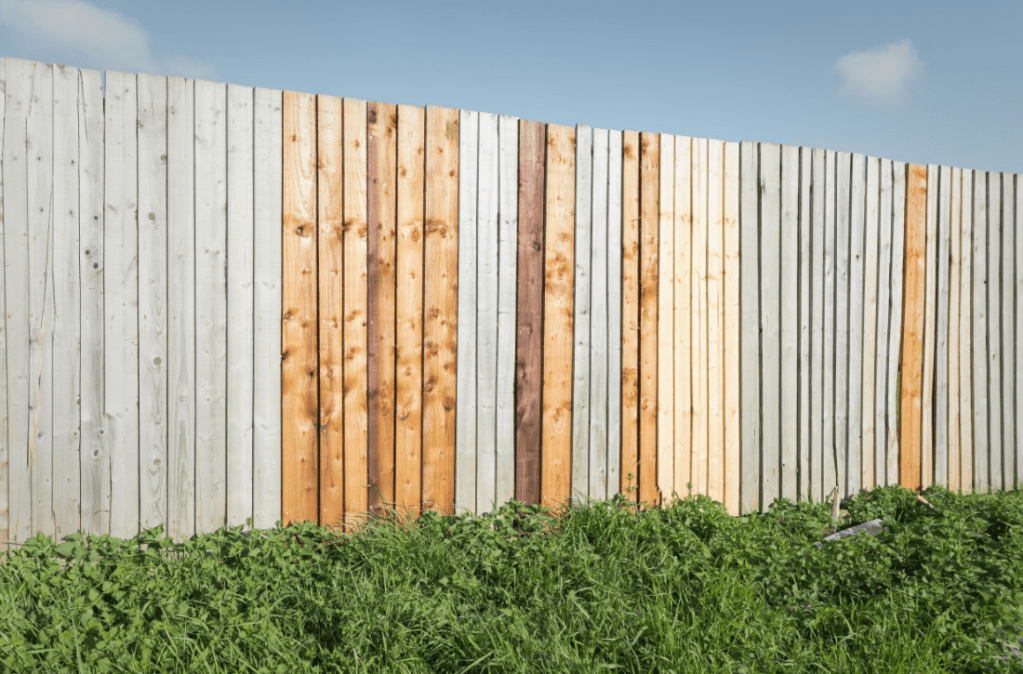
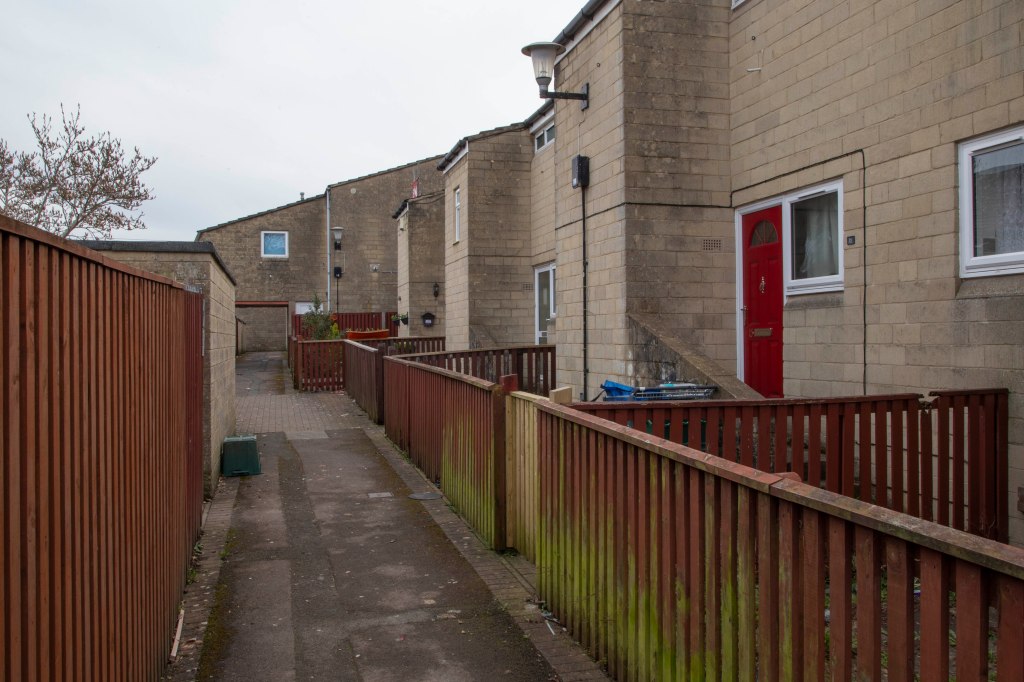
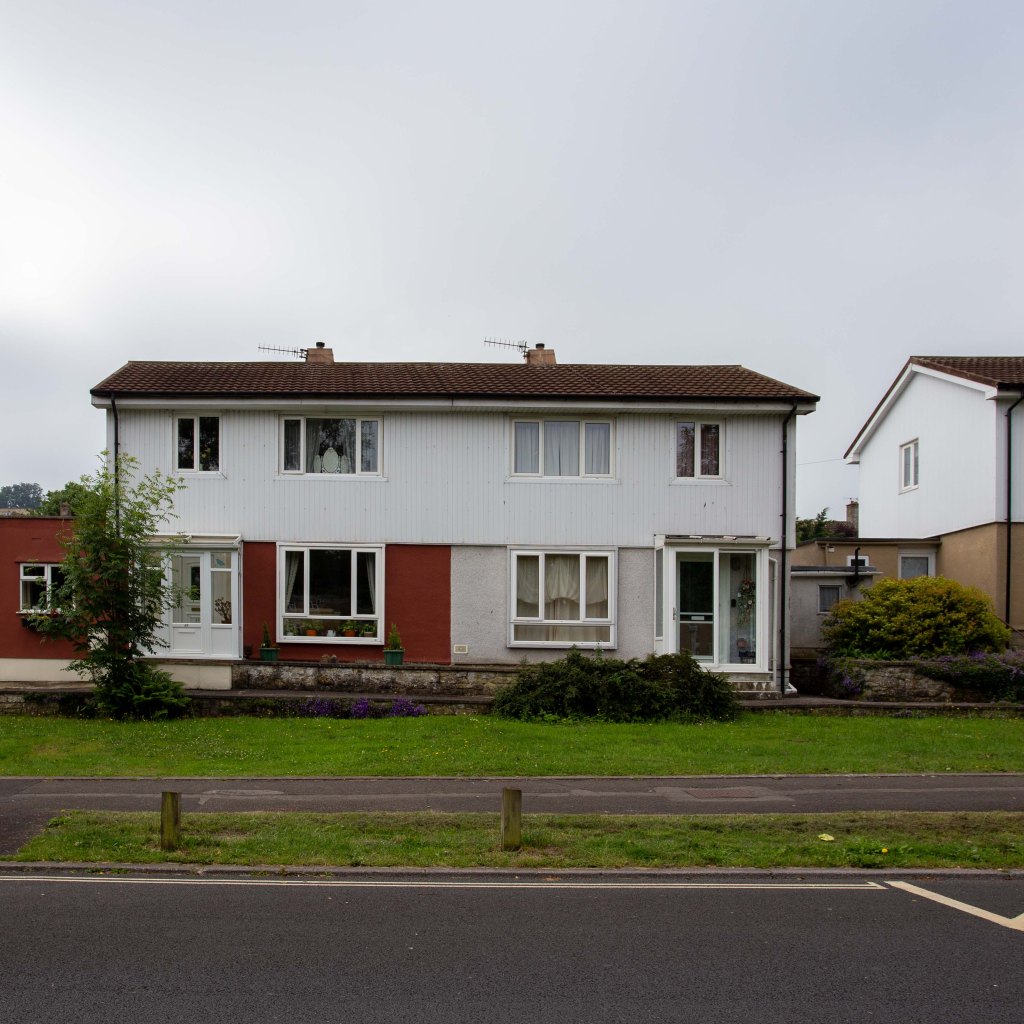
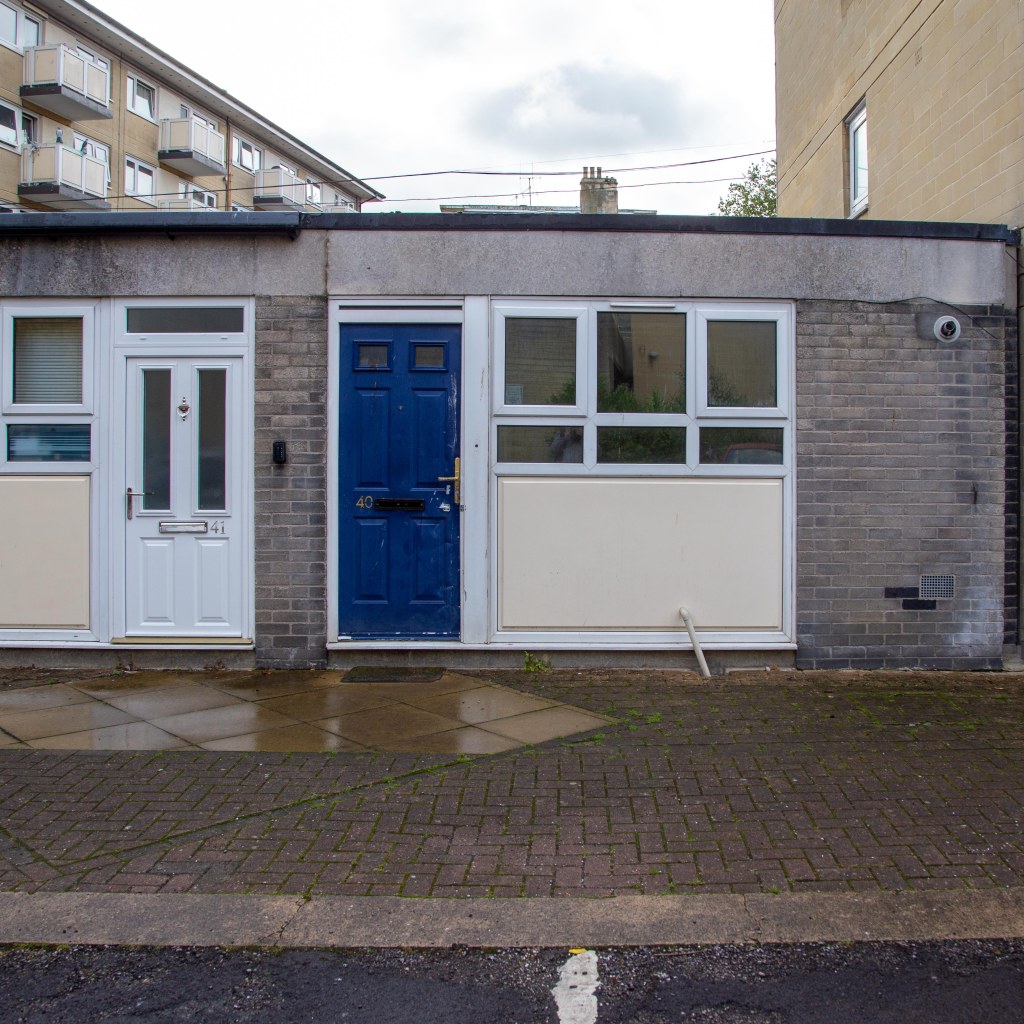
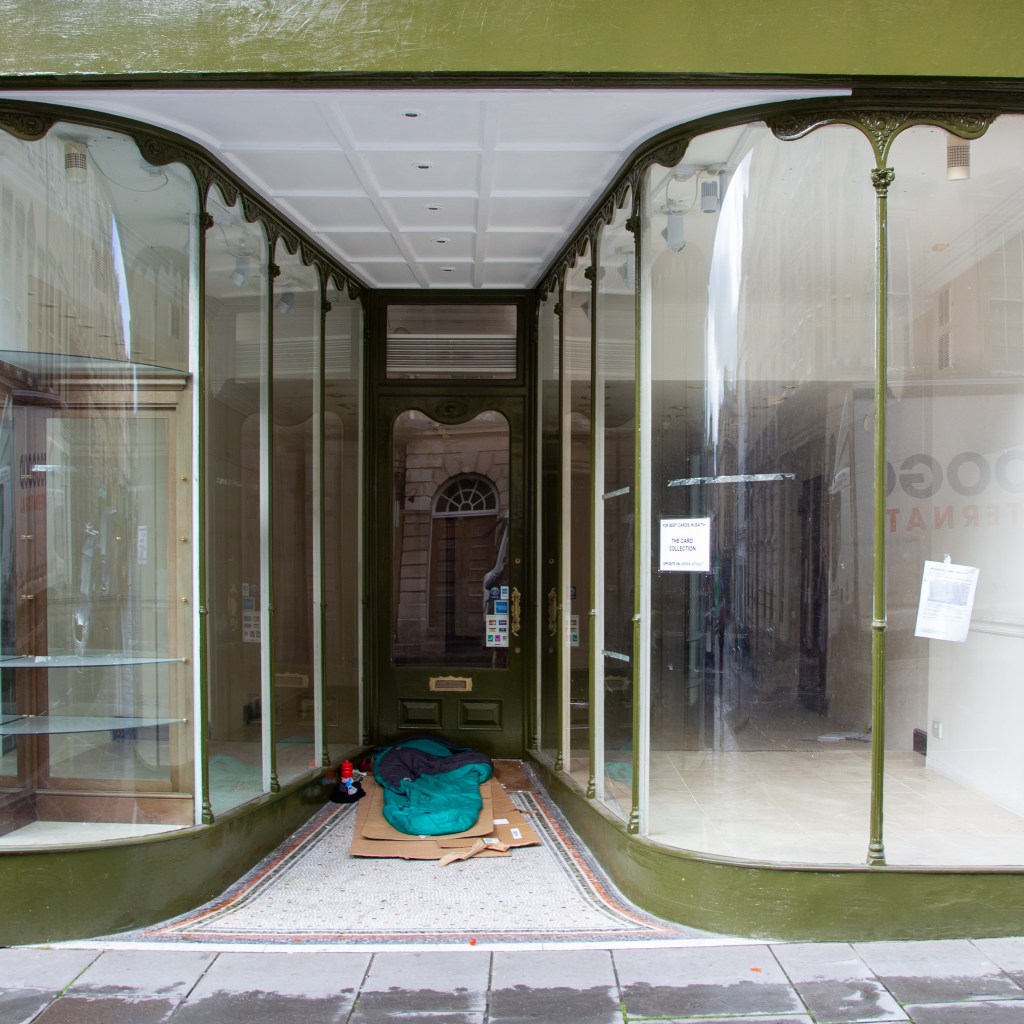
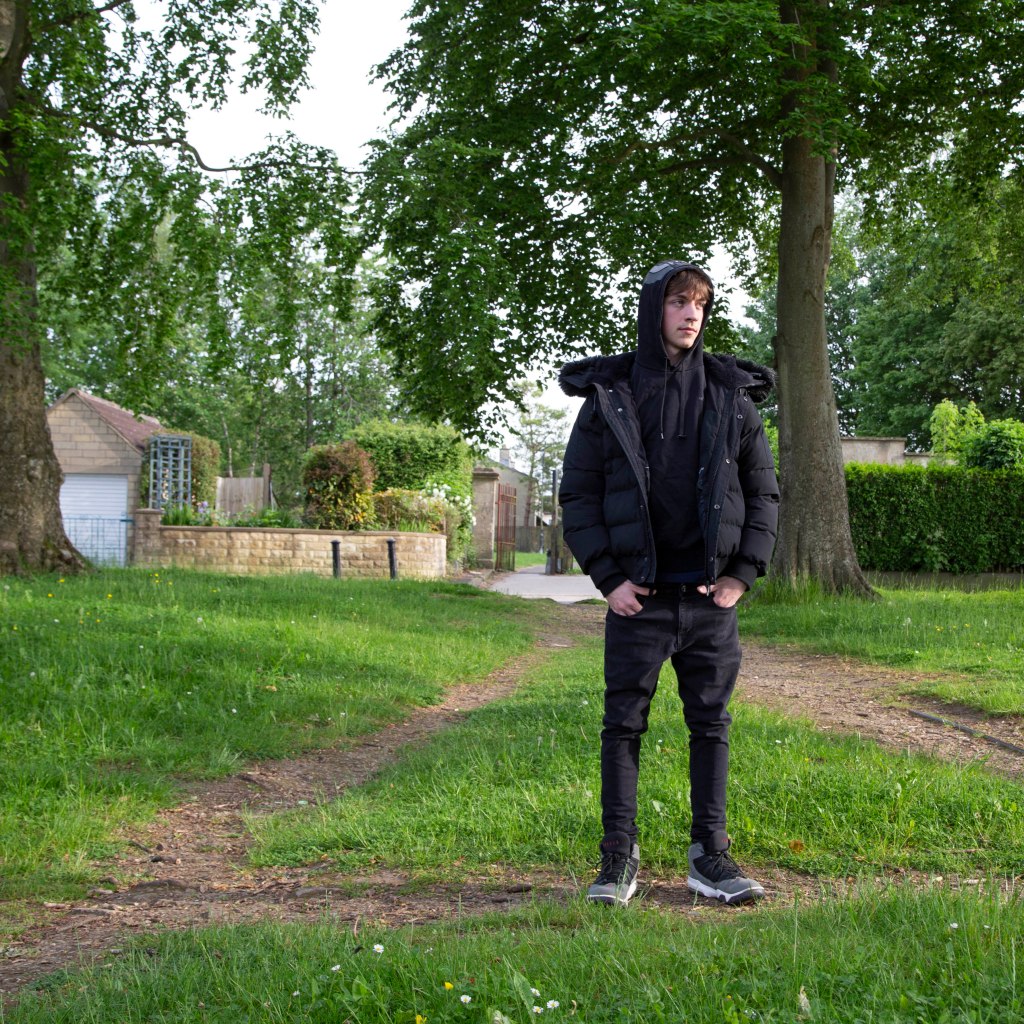
I find these two terms fascinating especially when applying them to the context of the images I make of the outskirts of Bath. There are clear distinctions between Subtopia and the Exurbs. The 1970’s estates in Twerton in the South, with as many small dwellings crammed in like a maze, compared to the spacious homes created at the same time to the North in Weston. I feel however that I’m drawn more towards subtopia, perhaps because I feel a kinship with the people who live on the fringes, I am kind of an outsider too. There is a familiarity to the space that reminds me of where I can from and who I am. Exurbia is an alien place to me and as such I feel out of kilter making images of such places. However, there is a space that occupies the space between the urban and suburban; I call it Urbatopia, the developed spaces of the 60s & 70s, blocks of flats, maisonettes, and sheltered homes. Maybe it’ll catch on.. 

References: 

https://danielstier.com/London-fringes-1

Nairn, I ‘Outrage’  The Architectural Review 1 June 1955 

Unnamed author “The Heritage of Historic Suburbs”, HELM – English Heritage  

Images 

Figure 1 – Bill Owens  “Suburbia” 1972

https://www.picassomio.com/bill-owens/18674.html [Accessed 11/08/2021] 

https://americansuburbx.com/2010/01/theory-bill-owens-suburbia-2000.html [Accessed 11/08/2021] 

Figure 2 – Andy Feltham  “Incidental Views”

https://andyfelthamphotography.com/incidentalview/6e3q6jury27k4o8l03ghrrxv3jjmvn [Accessed 11/08/2021] 

Figure 3 – Daniel Stier  “Frontier House”

https://www.aint-bad.com/article/2015/07/09/daniel-stier/ [Accessed 11/08/2021] 

Figure 4 – Tim Beale “Urbantopia” 2021

PHO705 FMP: Use Value vs Exchange Value

Use Value is the house, as a space fit for those who occupy it.  

Exchange Value is the house as a commodity to be bought and sold as an asset.

“Today, what economists call the ‘exchange value’ of housing in London, and other cities, has entirely broken the connection with its ‘use value’; exchange value is the price of commodity sold on the market whilst use value is its usefulness to people.” [Minton 38:2017] 

The right to buy scheme in the 1980s, sold to the nation as the greatest of opportunities for everyone to own their own house, was nothing more than a way of stripping assets away from local councils. Restrictions in the use of funds from the sale of council owned houses meant that funds could not be used for replenishing social housing stock. Many who bought their homes, found that the cost of maintaining it was too great and had little choice but to sell it on. In the ten years of the scheme some 1 million houses where sold. It has been estimated that 1/3 of those houses sold are now owned by private landlords.1 

“There is so much to say about a system that increasingly treats housing as a means to accumulate capital, never as a home. A creeping worldview that only understand the value of housing as a commodity, as something to be bought and sold, speculated in, land banked. To them (Tories), where you live is only a piece of property subject to global markets, real estate whose value is tied to location and status rather than its conditions, the wellbeing or stability of its tenants, its impact on the neighbourhood.” [Gibbons 27:2017] 

Government assistance schemes to help people buy houses, restrict this help to new build housing, deliberately deterring those wishing to utilise existing housing stock. You would think a new build to be a sound investment compared to housing of 40 to 100 years old but is not, as houses in the UK are getting smaller and being built with a lifespan of just 60 years. Neoliberal housing developments over the past twenty years have seen a fall in the design and build quality but increase in the market value of housing stock and as such we have seen correlation between exchange value and use value become more skewed.  

“When it comes to housing, prices are failing to respond to the needs of most people, allowing the influx of global capital, often from dubious sources, to utterly distort the market and creating a crisis of affordability affecting all layers of society.” [Minton 39:2017] 

The concept of affordable housing is one that gets rolled out when talking about the housing crisis, however the UK governments idea of affordable, 80% of market value, is fair from the reality of what the average person can afford. For new build houses in Bath sitting at £500,000 would mean that an “affordable” house costing £400,000. As I discussed in my previous post, research was carried out in Bath illustrating the need for a £80,000+ pay packed to be able to afford a home here. For the government to truly care about its people it should be looking to what is actually “affordable”, given that the reported average annual salary in Bath is £32,000. In their review of ‘The right to the city’ David Madden and Peter Marcus discuss the need for a solution to the affordability crisis and the need to an impartial, unbiased body to govern housing: 

“Housing needs to be opened up to broader democratic scrutiny and input. Currently, the contours of the housing system are determined by a relatively small elite. As a result, the scale of inequality and injustice in the housing system is not widely acknowledgement. We need to create new sites where housing questions can be reopened.” [ Madden/Marcus 36:2017] 

There is no quick win for housing but what is clear is that many of the issues we face as a society comes from the inequality in housing. Rough sleeping on the increase, waiting lists for social housing stretch on for years, and yet we see more luxury apartments being built, empty industrial units and unused purpose-built student accommodation, across the city. When we look to the Right to the City and its manifesto, we see our cities failing on all fronts.  “In recent years UN-HABITAT and UNESCO have led an effort to include the right to the city as part of a broader agenda for human rights.” [Minton 40:2017] As a UNESCO world heritage city, Bath should be leading the way or at the very least working towards these values.  

1 https://www.theguardian.com/money/2013/jun/28/new-class-landlords-profiting-generation-rent 

References 

https://www.gov.uk/affordable-home-ownership-schemes [Accessed 01.07.2021]

https://www.labcwarranty.co.uk/blog/are-britain-s-houses-getting-smaller-new-data/ [Accessed 01.07.2021]

https://blog.planningportal.co.uk/2018/06/22/how-long-should-a-house-last/ [Accessed 01.07.2021]

Bath at Work Museum Exhibition: http://museumofbatharchitecture.org.uk/wp-content/uploads/2012/08/Bath-History-of-Social-Housing-booklet.pdf   [Accessed 01.07.2021]

Gibbons A “A Place to Call Home” The Right to the City: A Verso Report. 2017 Verso Books

Madden D & Marcus P “The residential Is Political” The Right to the City: A Verso Report. 2017 Verso Books
Minton A “Who is the City For?” The Right to the City: A Verso Report. 2017 Verso Books
PHO705: Week 1 – interview one

“Alfredo” 2021 Tim Beale

This week I took the first steps towards a better understanding of the people that live in the houses I’ve been creating images of these past months. Using social media, I created a call out for participants to interview and photograph with an aim to discover what gives Bath it’s sense of community and what it is about the city that gives them a sense of place. I was pleasantly surprised by the number of responses I got back within a few hours of the posts.  

My first interview was with a young hip hop artist, Alfredo. In his early 20’s, Alfredo has lived in Bath his whole life both on the South side and North side. The interview took place near his home in Whiteway, on the outskirts of southwest Bath. Bath, from a wealth or social point of view is divided into those with good jobs or wealth, being primarily in the center and to the North, and those in the South and on the outskirts, who are on low incomes or struggle with unemployment.  

“One of the things that motivates me, with hip hop its primarily about getting a message of struggle out there. And Bath stereotypically doesn’t have that struggle, but what a lot of outsiders don’t see is that, its portrayed as this beautiful town with a rich history, which it is. But I don’t think that people on the outskirts of Bath fit that pretty image. I don’t think they get enough publicity.” [Alfredo interview:2021] 

One of the eye-opening moments was when talking about the social divide in Bath, Alfredo spoke of the A1/A2 divide (referring to the postcodes BA1 and BA2). This was something I hadn’t heard of, however had seen evidence of this in my walks, in the form of graffiti: 

“From a class perspective there’s at least a stereotype that anywhere in A2, your sort of chavvy or what not, don’t get me wrong most of them are. It’s not really North South, it’s more A2 A1. In A1 your considered posh and in A2 you’re considered a chav. But I preferer to hang around with people in A1, I don’t have a lot of respect for people in A2. And people here know that, so they have no respect for me.” [Alfredo interview:2021]  

“Living in the A2” 2021 Tim Beale

For me this was a pivotal moment in my project as I felt I needed to learn more about this A1/A2 divide, the struggles faced by people in Bath, living in a city they can’t afford to live in. And to learn more about how this issue affects the youth of the city, what prospects do they have of finding a home there. One aspect of life in this city that appears to be universal is the ability to escape from it merely by walking away from the centre.  

“My music combined with that [finding peace] is my escape, because Bath, from a hip hop point of view doesn’t fit the hip hop stereotype. But if you’ve come from the areas we’ve come from, a lots of us do struggle and a lot of us come from single parents. A lot of people around here are living on benefits. There’s a lot of the same struggles [as bigger, urban cities]. The judgement that we’re all posh just comes from the lack of crime, there is crime just not as much as a big city. But that’s probably because we’re a small city so the less people the less of everything.” [Alfredo interview: 2021] 

“View North from Bath City Farm” 2021 Tim Beale

Reference

Interview with Alfredo conducted 01.06.2021

Project update

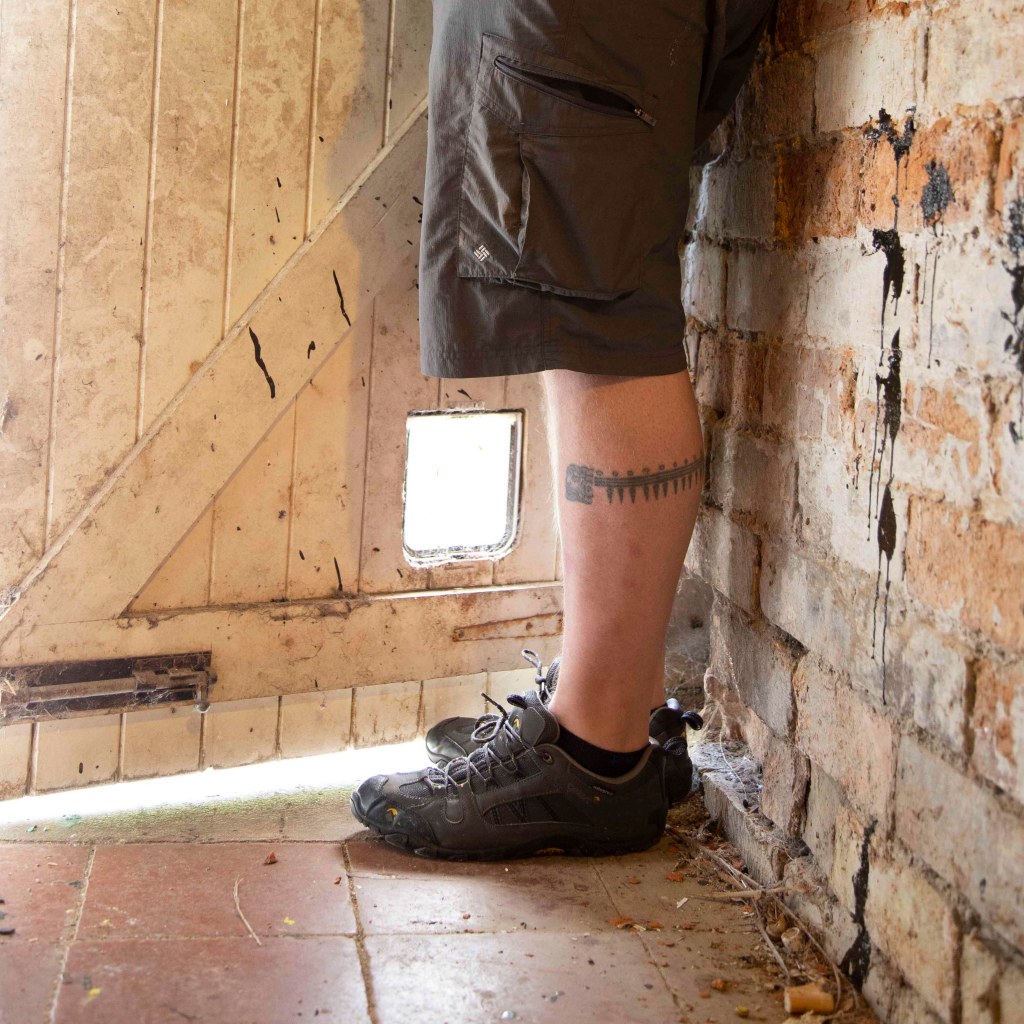
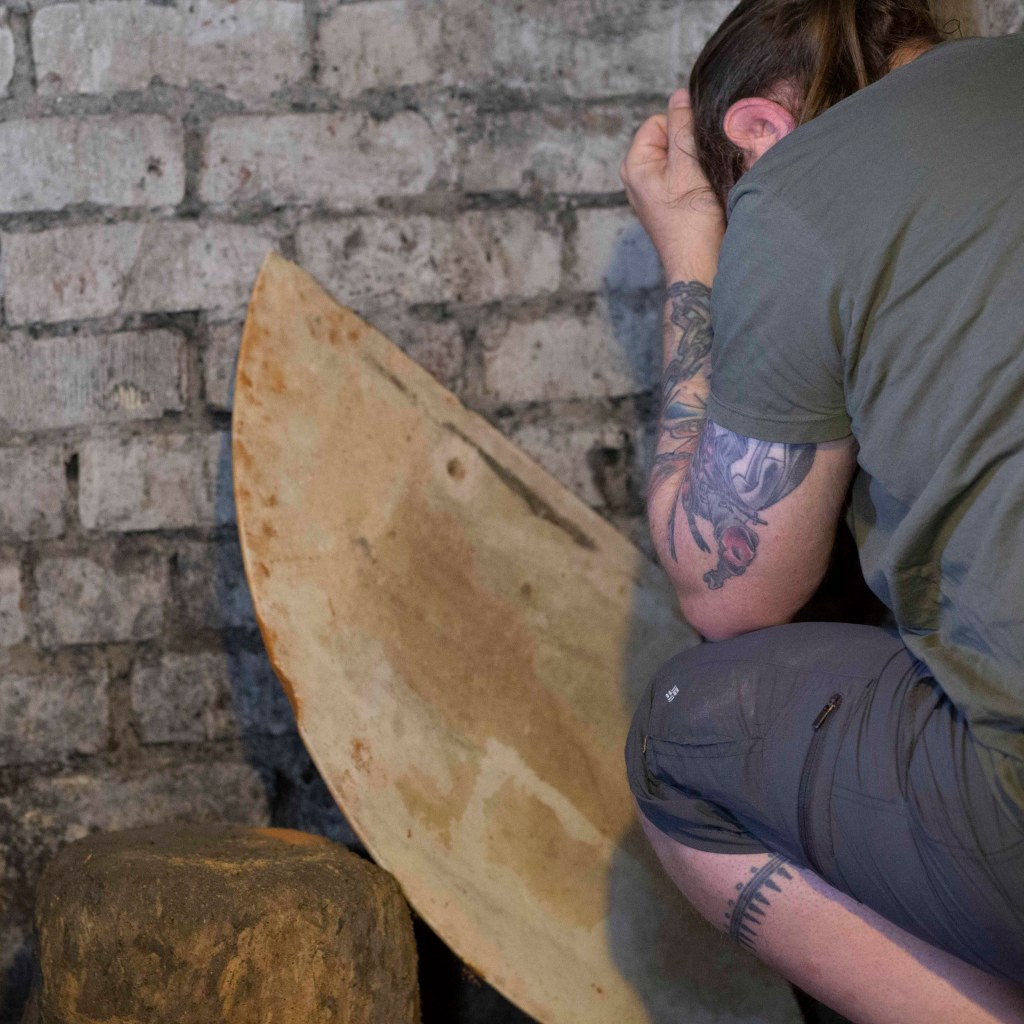
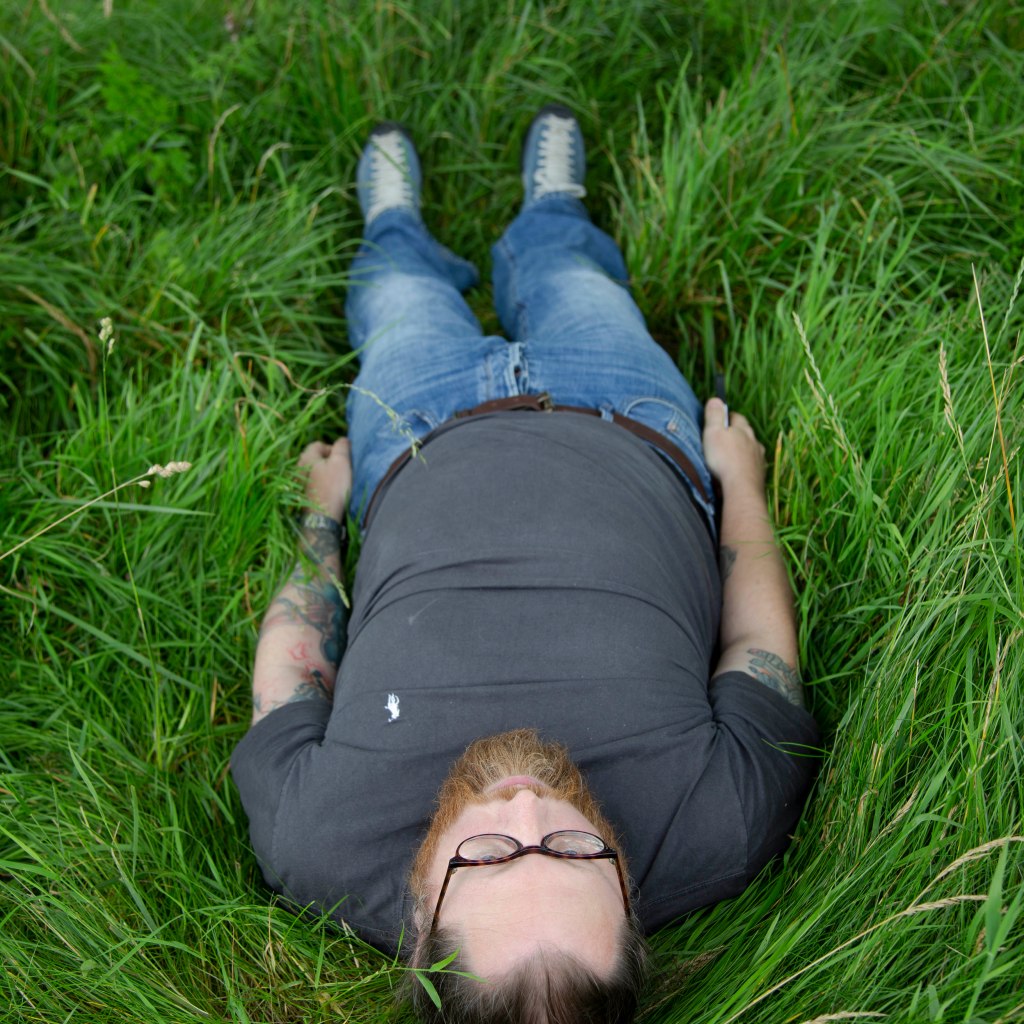
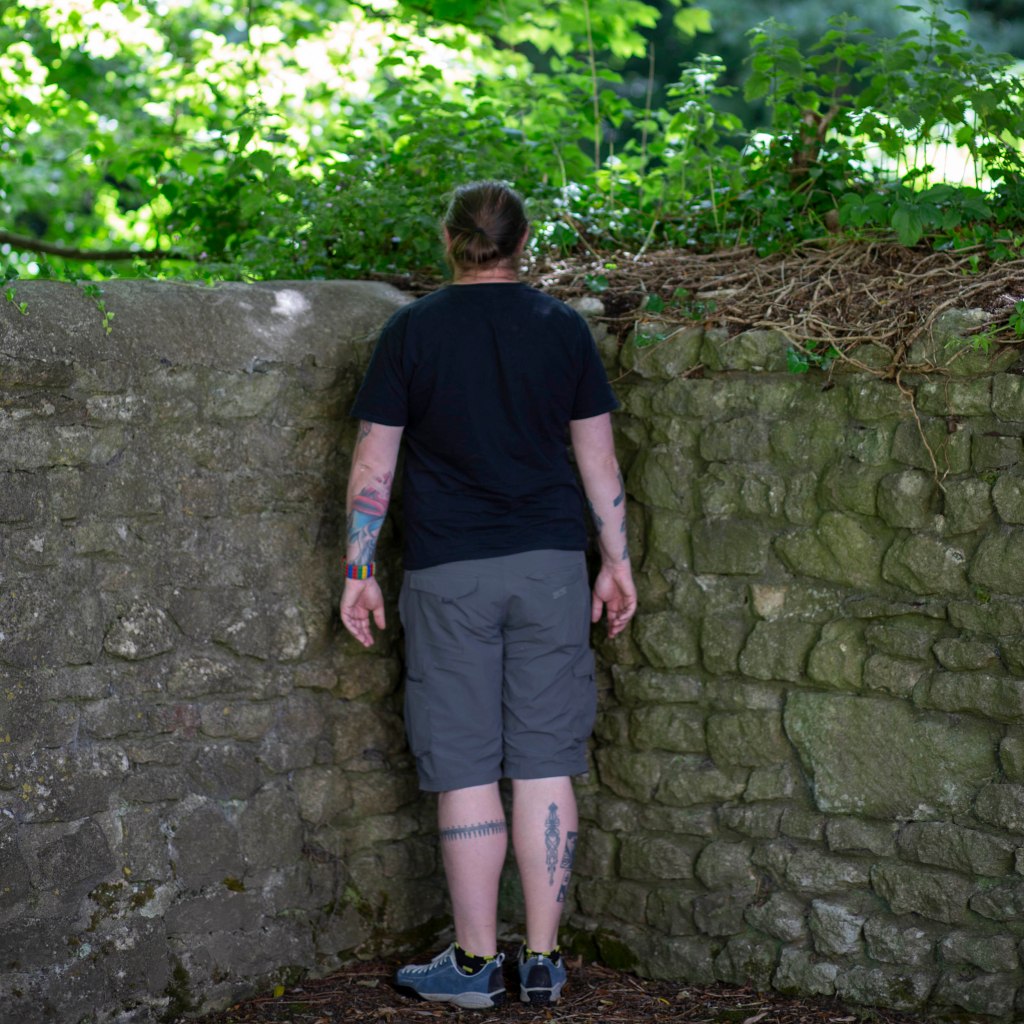
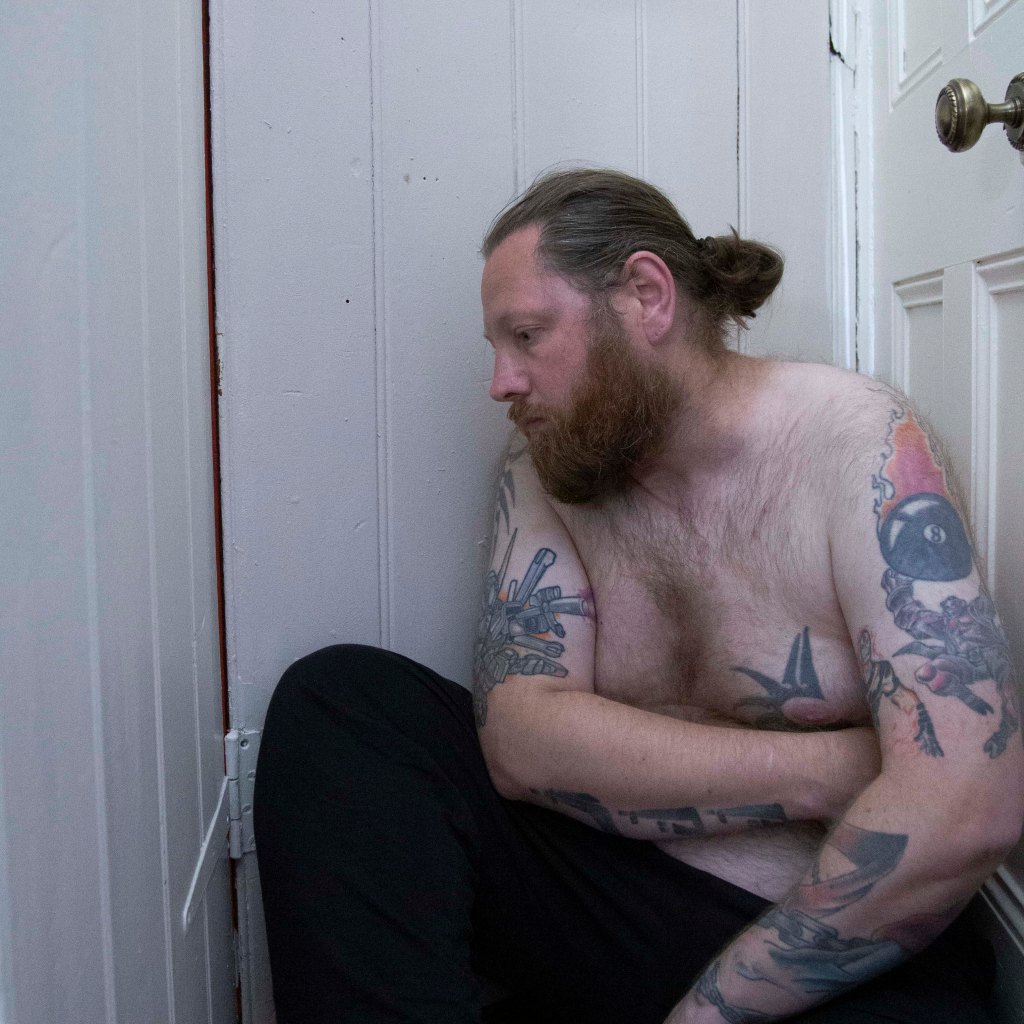
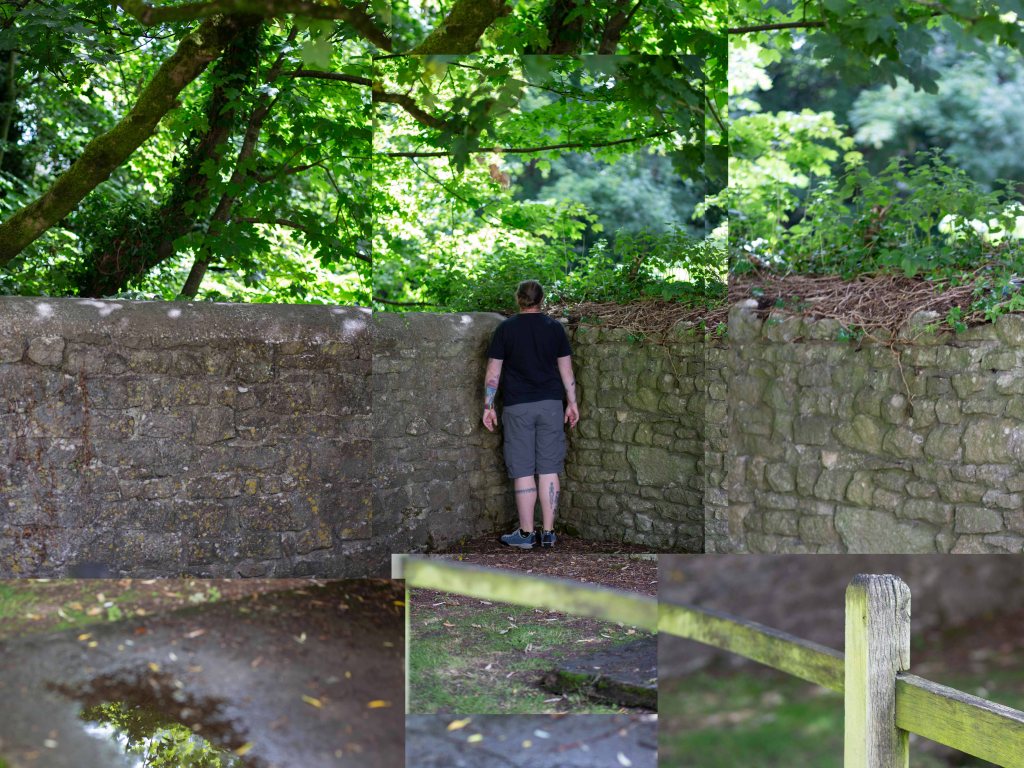
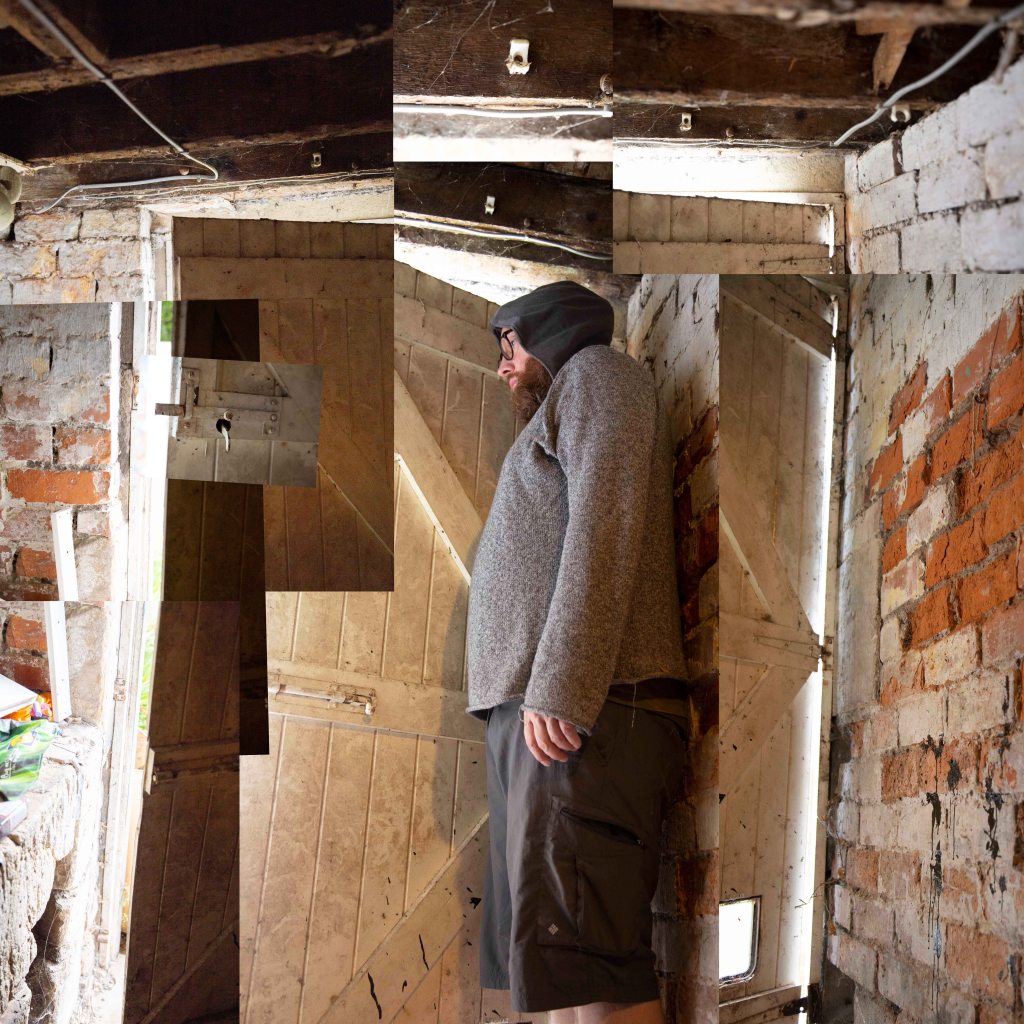
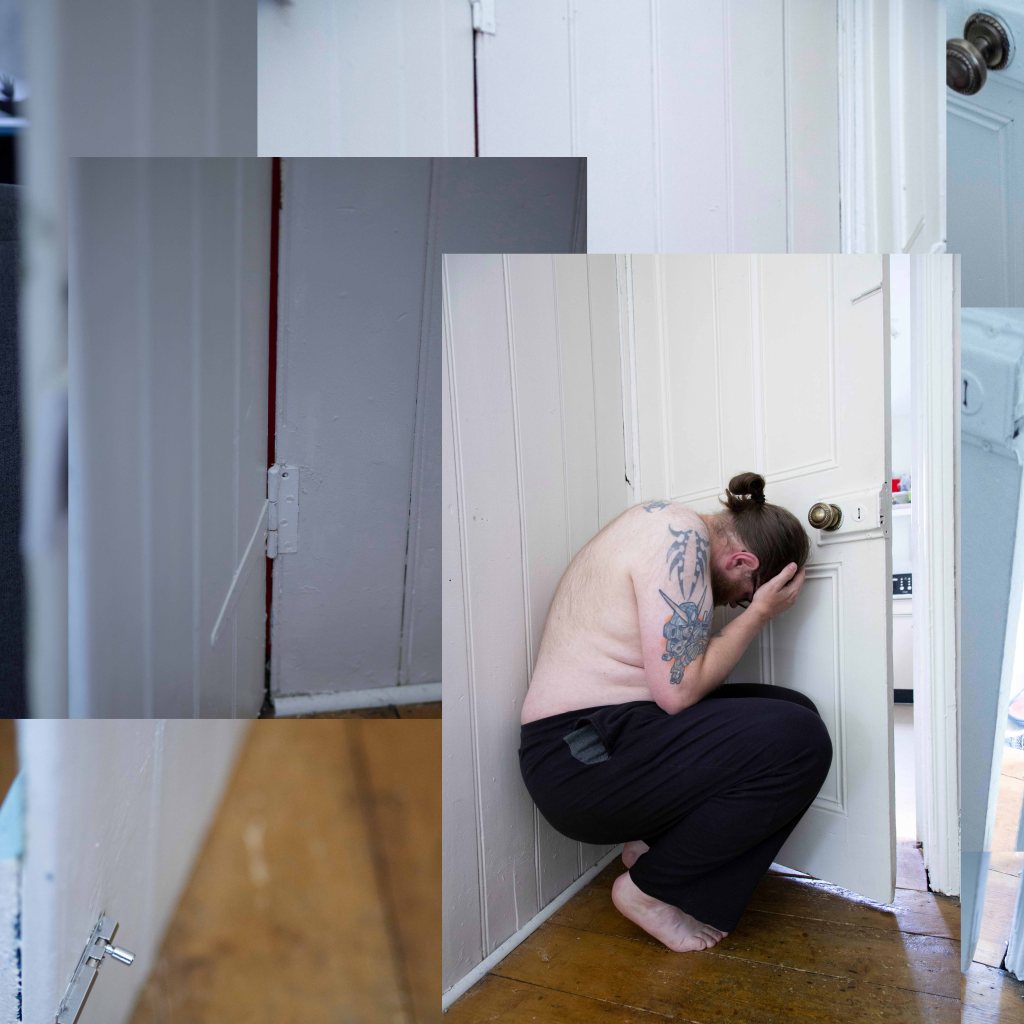
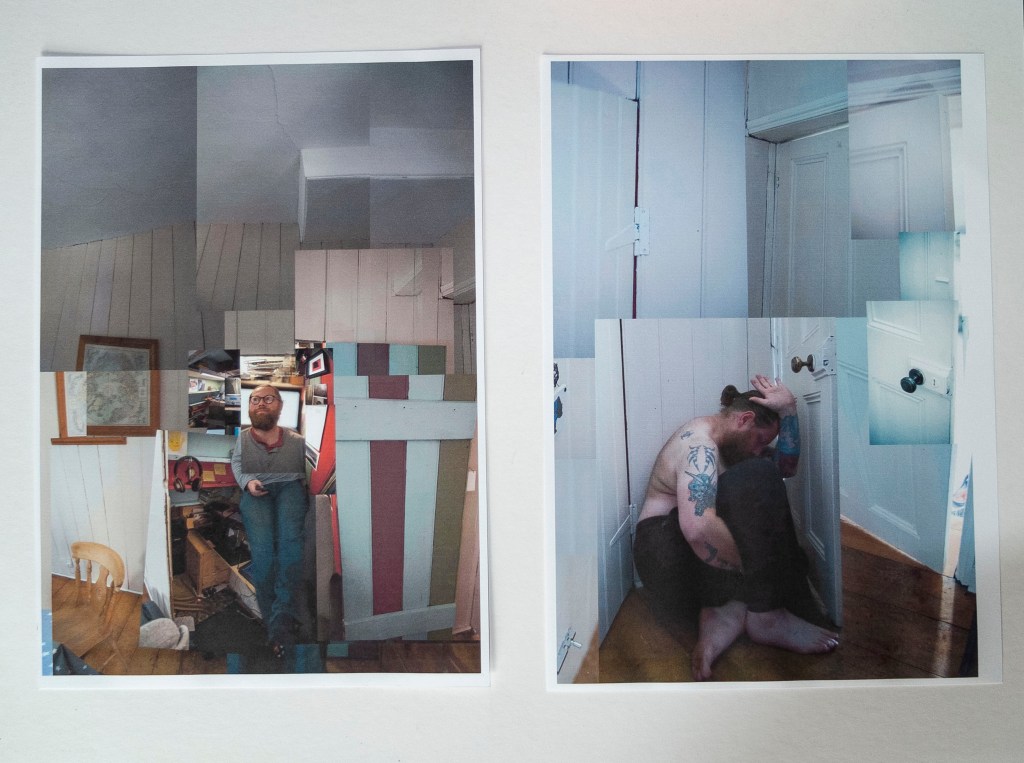
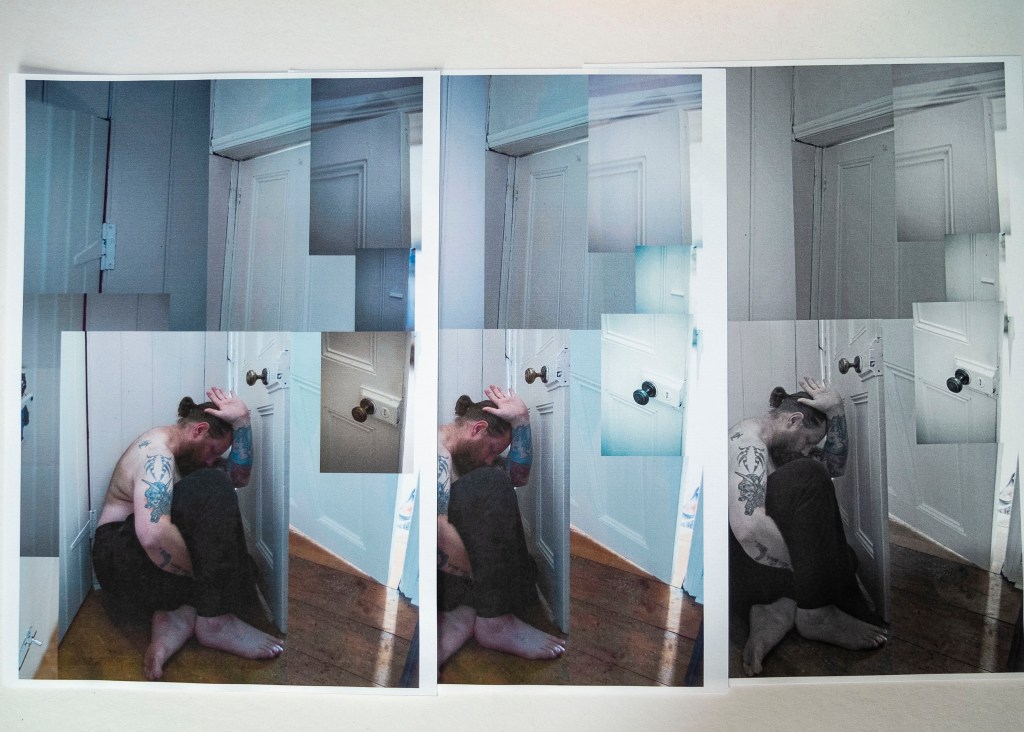
With Covid-19 restricting access to project participants, I’ve made the most of my time exploring my emotional connection to the spaces I occupy and where/what I see as my personal space. The home is not only where the heart is but also the storehouse of memory and emotions. As such much of my work has been based around parts of my house, home office, bedroom, cellar but also outside spaces, place to escape to.

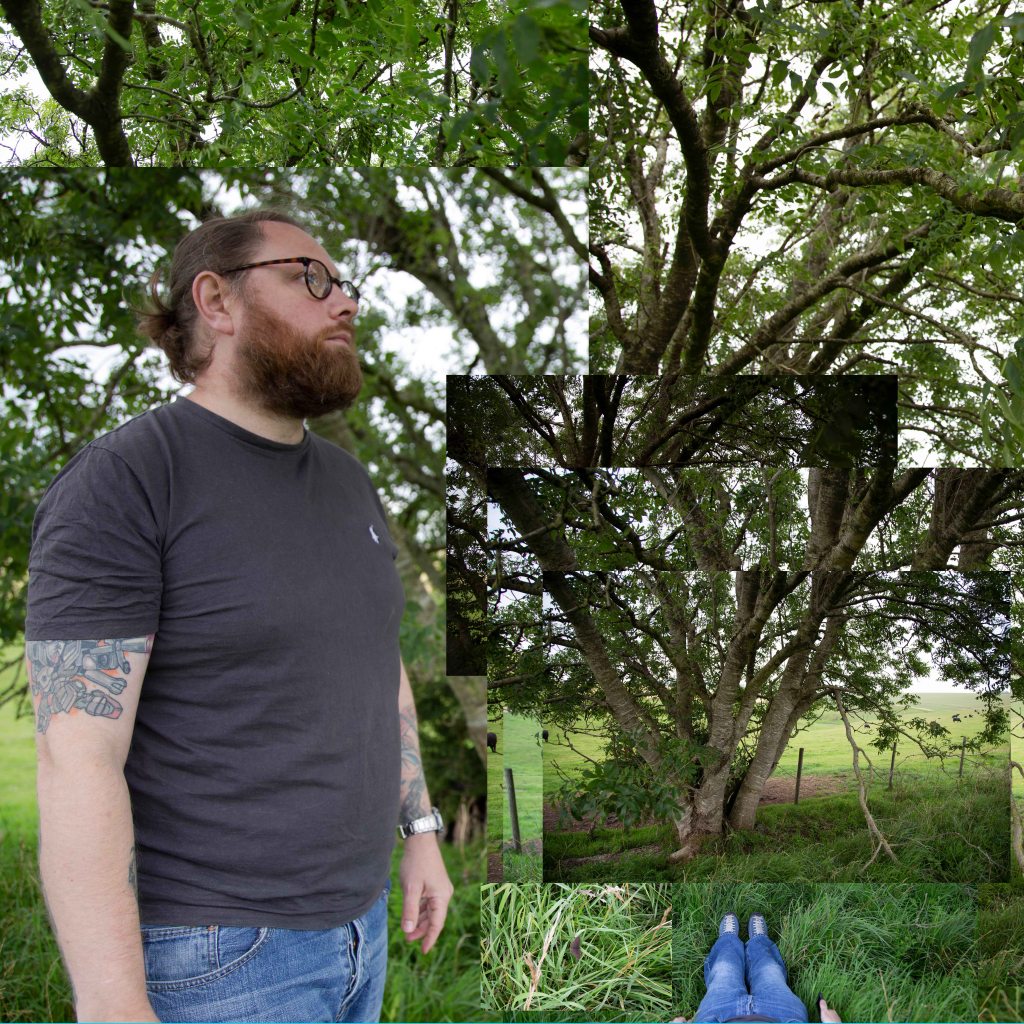
These images were then combined with shots from the same space, layered up to create a textural representation of the space and objects that make it my personal space.

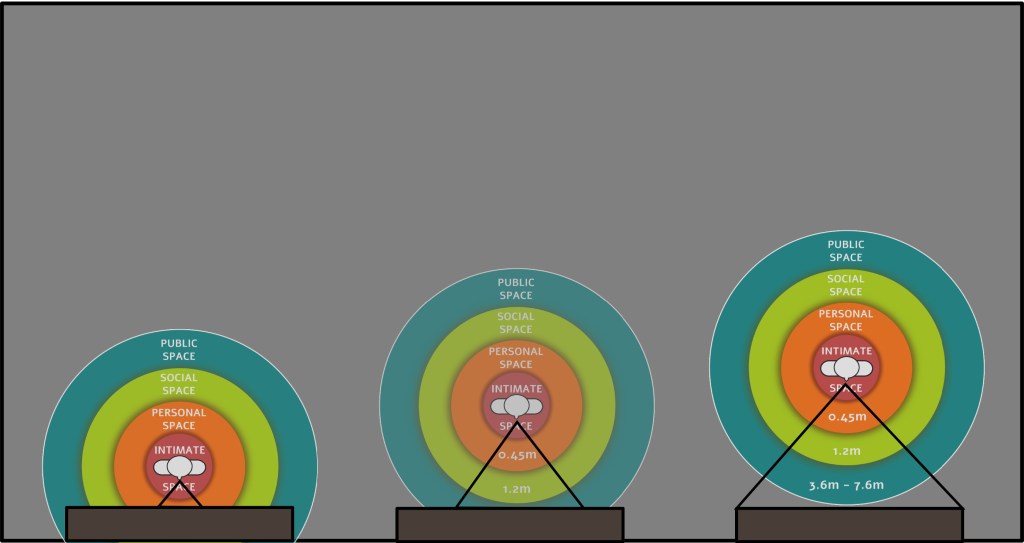
From here I’ve looked at positioning and selection of images with a view to exhibiting and how the viewer will interact with these images. The concept is that these composite images will be printed large enough for the viewer to be required to step towards the image to view small detailed areas but will also need to step back to view the whole image. this moving through intimate space to view details, personal space to move view around the image to public space (what we also class as social distance) to view the image as a whole.

Proxemics applied to exhibitions

PHO703 S&S week 4

This week has really challenged my way of thinking and operating within my practice, an I just a “button-pusher”, am I making the most creative choices or thinking ahead past the editing process. I’ve also recently been struggling with the direction to take my project and how to create images that represent my ambitions. I have often thought of my camera (apparatus) as being an extension of myself, a means to an end and integral part of my creative process. By stepping away I have been able to look at the bigger picture, by doing this, I can now see, that I have allowed my apparatus to dictate and limit my creativity.

The main challenge I faced was how to illustrate the space of each participant and include them in my work. I aim to make a series of portraits which will incorporate architectural images and or landscapes (depending on their chosen place) and document the objects that hold an emotional attachment and help to create their personal space.

Watching the interview with David Hockey, in relation to his Pearblossom Highway, I was inspired by the way he chose to interpret the space, in particular the act of photographing each element close up so as to draw the viewer in and create a sense of space. Hockney was able to create an image that not only works as a whole, strong focal point, leading lines and an almost traditional perspective, but was also able to create something totally unique with its own identity. The details in each photo draws the viewer in and adds a warped sense of realism, each with its own context, cactus, street sign, sky, all within the context of the ‘bigger picture’. As such I have a much better idea of how my project will take shape and the areas of research I will now look at over the next few weeks.

Hands off: Cameraless photography

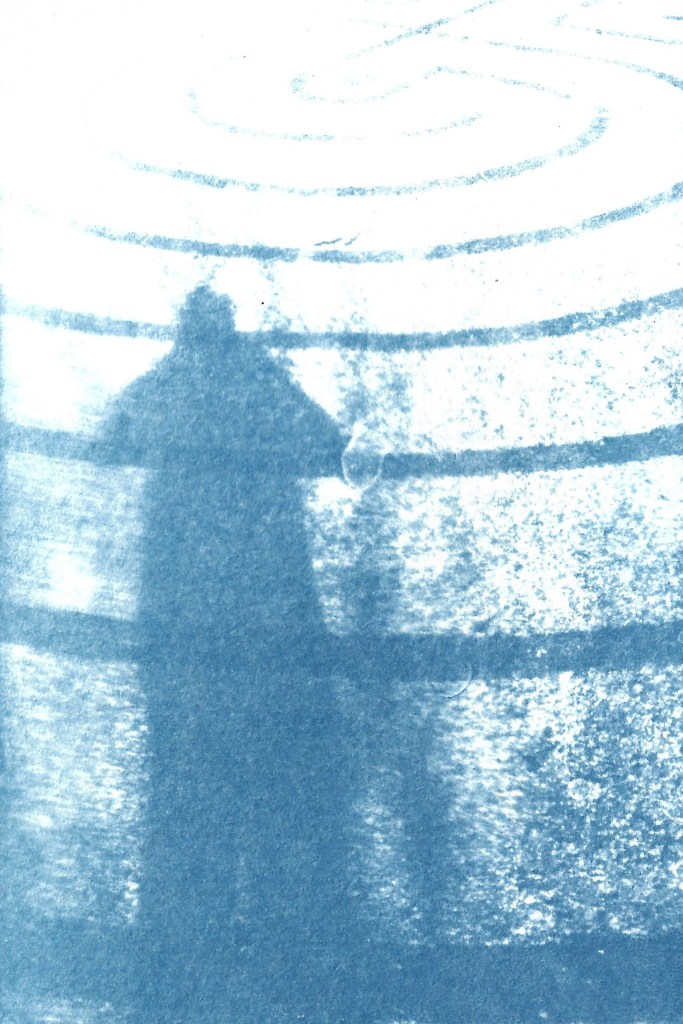
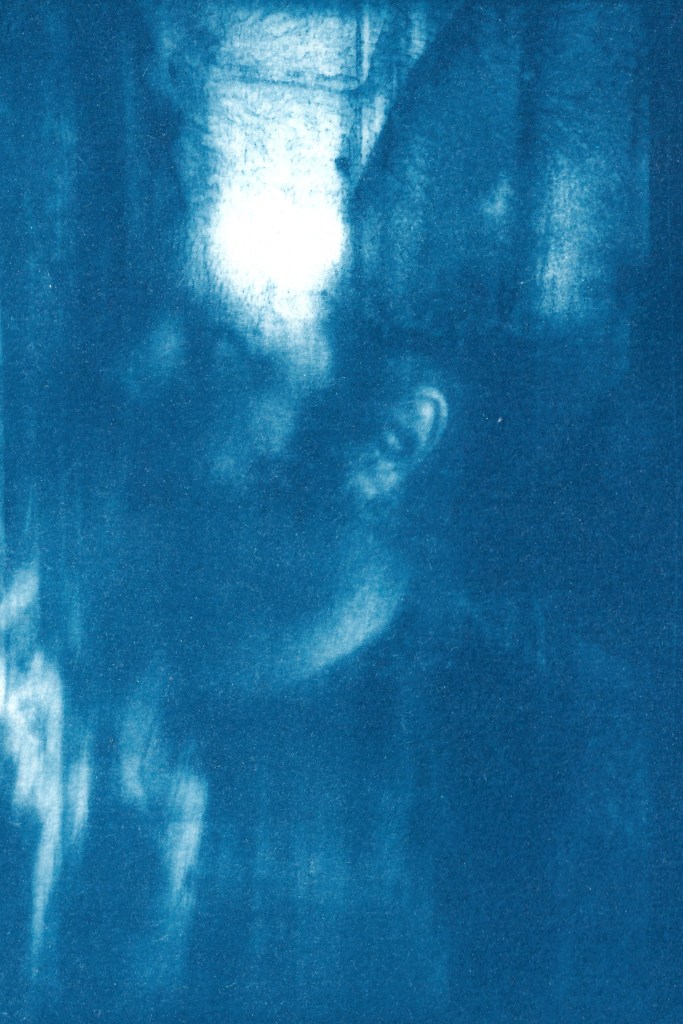
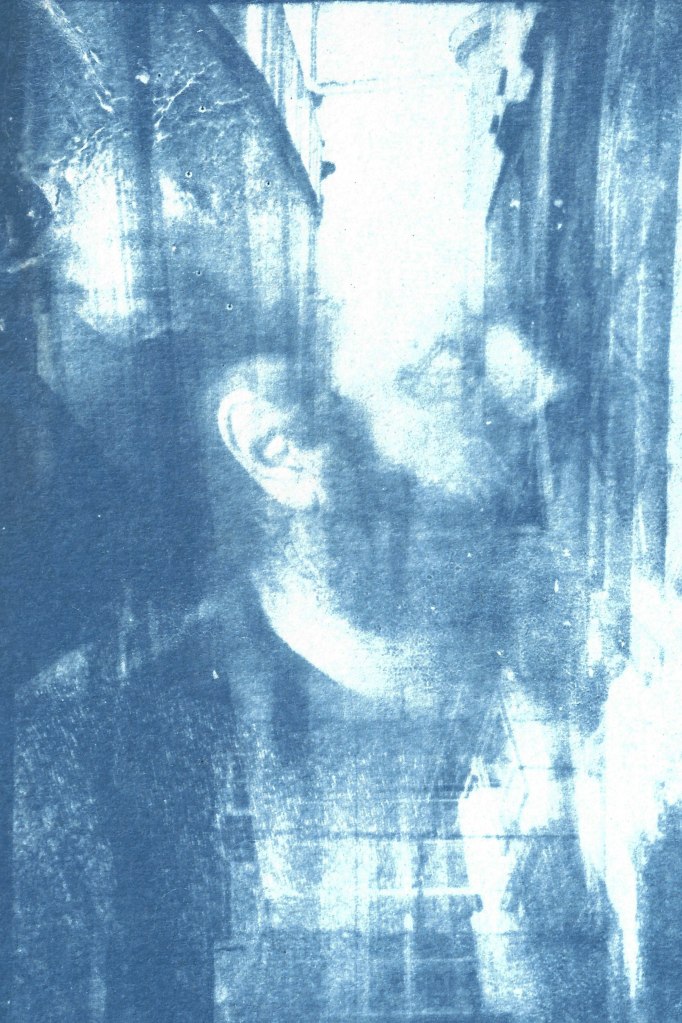
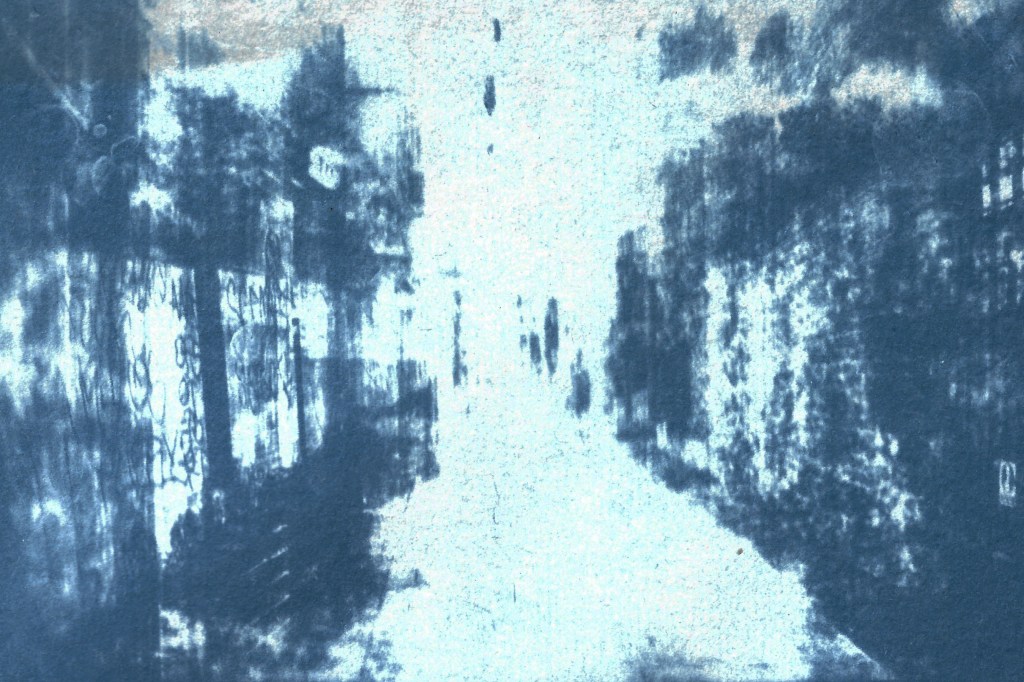
For this series of images I chose to try my hand at cyanotype printing (ironically if my museums were open now I would be running workshops on the at the Herschel Museum of astronomy).

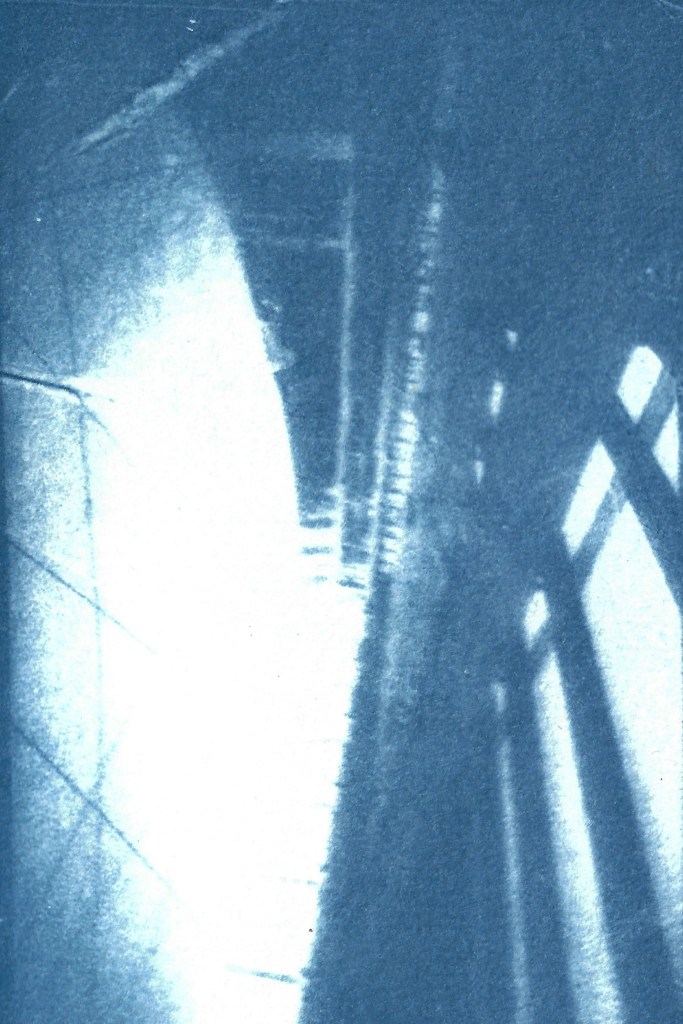
I decided to revisit a number of images taken for my project, that represent my emotional response to the environment around me. From the peace if solitary exploration through to my dislike of crowds and close spaces. I created negatives using water slide paper and acrylic, then using these negatives exposed the image onto the cyanotype paper. The final images were scanned to digital files.

I found the process of selection of images, remixing/reworking, experimentation and printing a rewarding one. Looking at these images through a different medium has made me reassess my approach to the process of creating imagery. Prior to this exorcise, selecting and printing of images would be a final process and one that I would not have allocated my time to. This I feel will help with sifting and image choice as my project grows and act as a way to guide the context of my practice. The selecting, editing, printing, arranging and exhibiting of each participants contribution will be more of an over all process than simple button-pushing exercise.

As I now start to work more with the project participants, I can use my apparatus (camera and editing software) more as tools than limiting devices that they have been. In recording each person and their personal spaces I will have a better consideration towards the end product and how I want the viewer to interact with the project. My aim will be give importance to each element of the whole, be it portrait, object or place.

PHO703 S&S: Week 3 – Collaboration or Participation

When I first started to engage others with my project, by reaching out via social media, the initial direction I took was one of a participatory one. I aimed to collate shared experiences from each participant to then create a body of work illustrating a sense of used space. However after talking to a number of participants it soon became clear that each had a unique view point and story to tell. With the relaxing of lock down I have been able to meet a number of participants face to face. For these meetings I have had the participant choose date, time and location with minimal input from myself. As a result the participant became at ease much more quickly and discourse flowed my freely.

Although this is not totally collaborative due to the questioning I used to prompt and steer the conversation. However, by giving participants freedom to choose the objects, places and spaces that hold an emotional attachment for them, I hope to make my project more of a shared collaborative experience.

Ben Brain, outside Bath Abbey. Tim Beale June 2020.

This image of Ben Brain was taken outside of Bath Abbey. Whilst the location was chosen by Ben as a place of importance, I wanted to concentrate on capturing the emotions presented by Ben when discussing his space at home, working with a prime lens and shallow depth of field the location becomes secondary. The next stage will be to create images of the space he talks about.

PHO703: Surfaces & Strategies – Project overview

I became fascinated by the synergy of people within the built environment, how the abundance or lack of space effects a person psyche, making them feel claustrophobic or agoraphobic in the extreme.

My project sets out to explore the ubiquitous links between the human psyche, the built environment and the spaces we occupy. Through the medium of photography this project will illustrate individuals, responses to their unique experiences or emotional reactions to the environment they occupy. This project is an exploration of personal space and what that means to us.

I have started by looking at what makes up my space, the home and objects that are personal to me. This journey starts with the house, as the philosopher Gaston Bachelard says in his book Poetics of space:

“Of course, thanks to the house, a great many of our memories are housed, and if the house is a bit elaborate, if it has a cellar and garret, nooks and corridors, our memories have refuges that are all the more clearly delineated.”1
Through a series of interviews and questionnaires I will be working with people from differing backgrounds to establish what their ‘space’ means to them. Combining portraits with images of place, I aim to create a body of work that illustrates the impact of space on the human psyche.

[1 The poetics of space, Gaston Bachelard, Penguin books 2014 page 30 ‘The House’]