PHO704: Week 7 Peer to Peer webinar

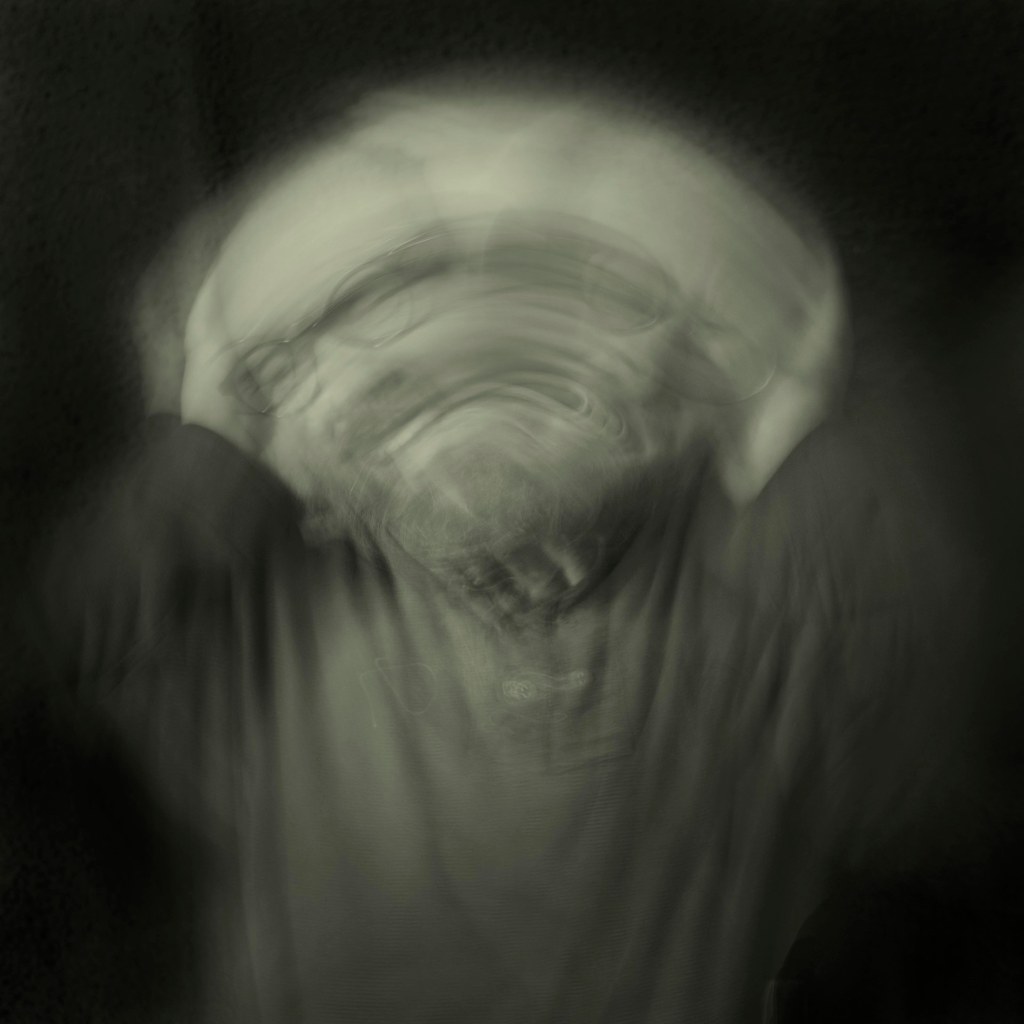
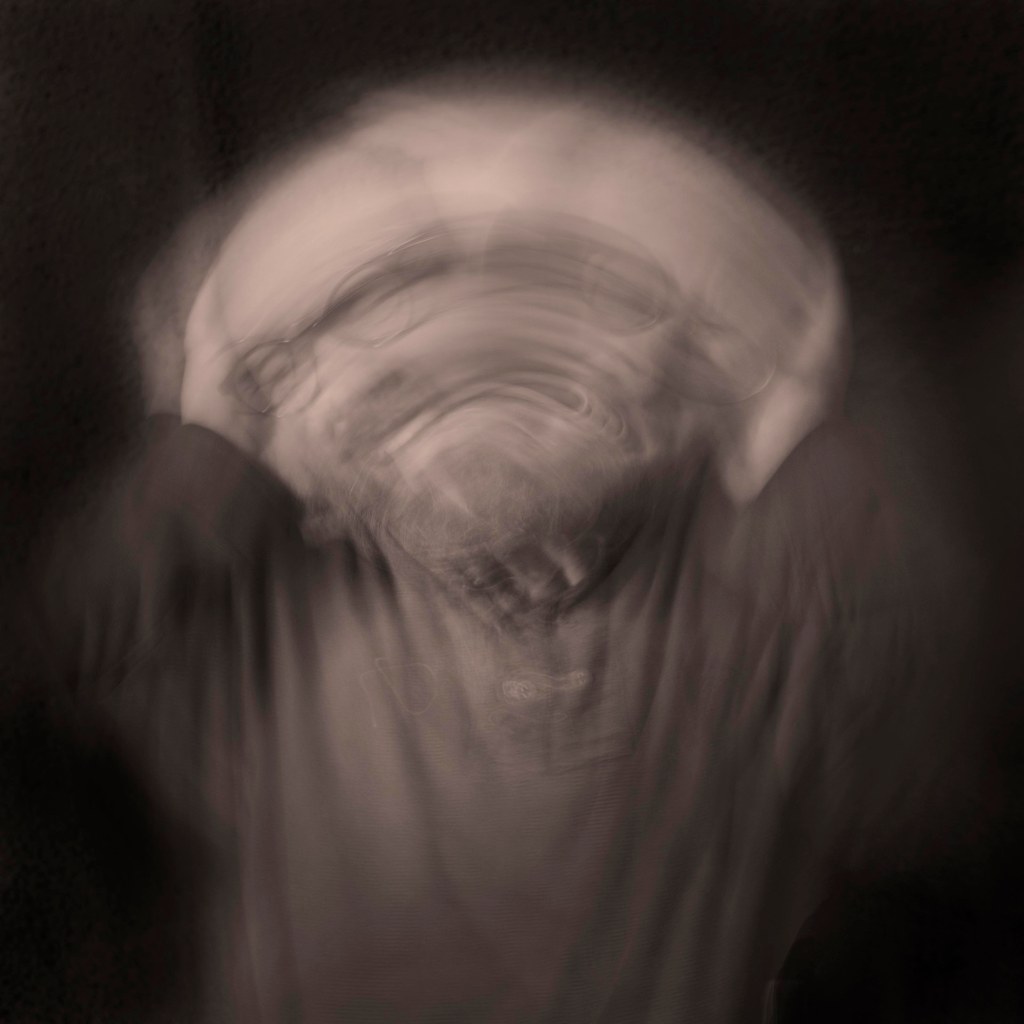
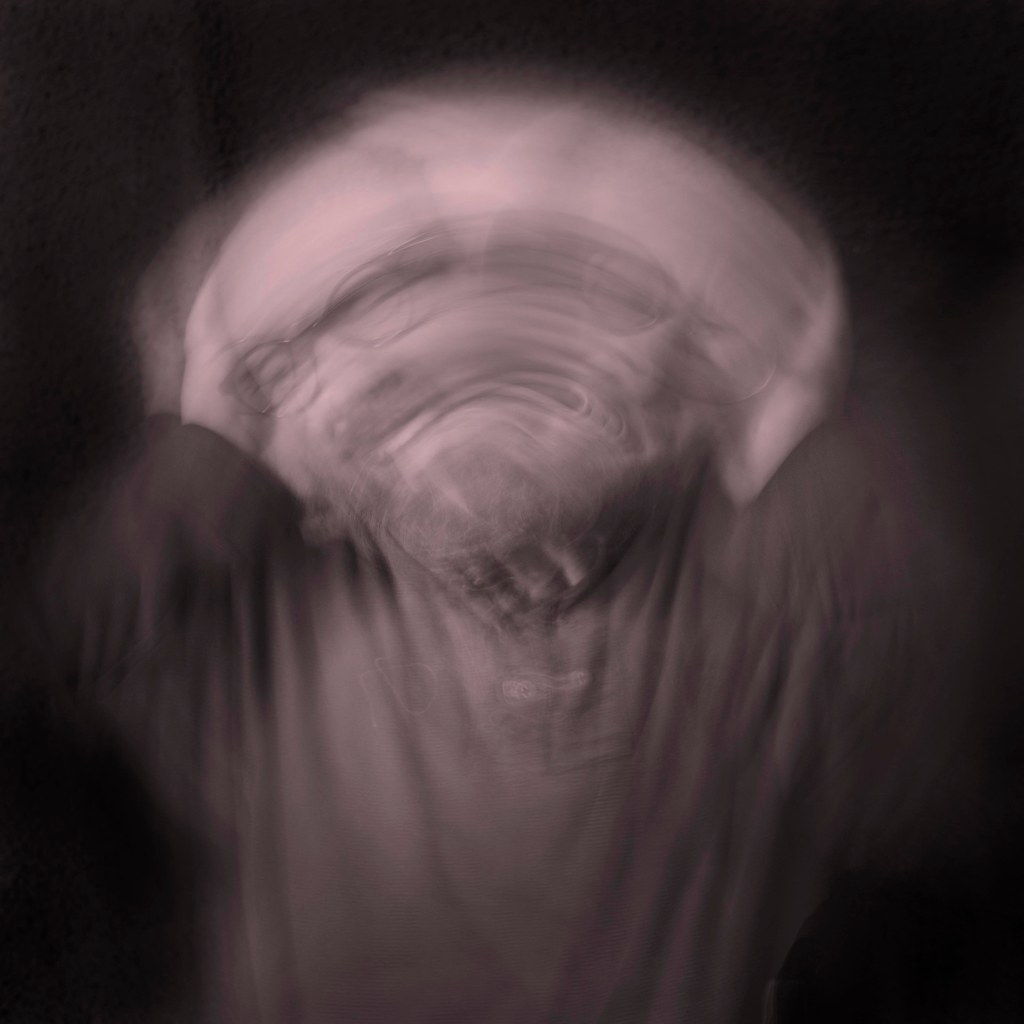
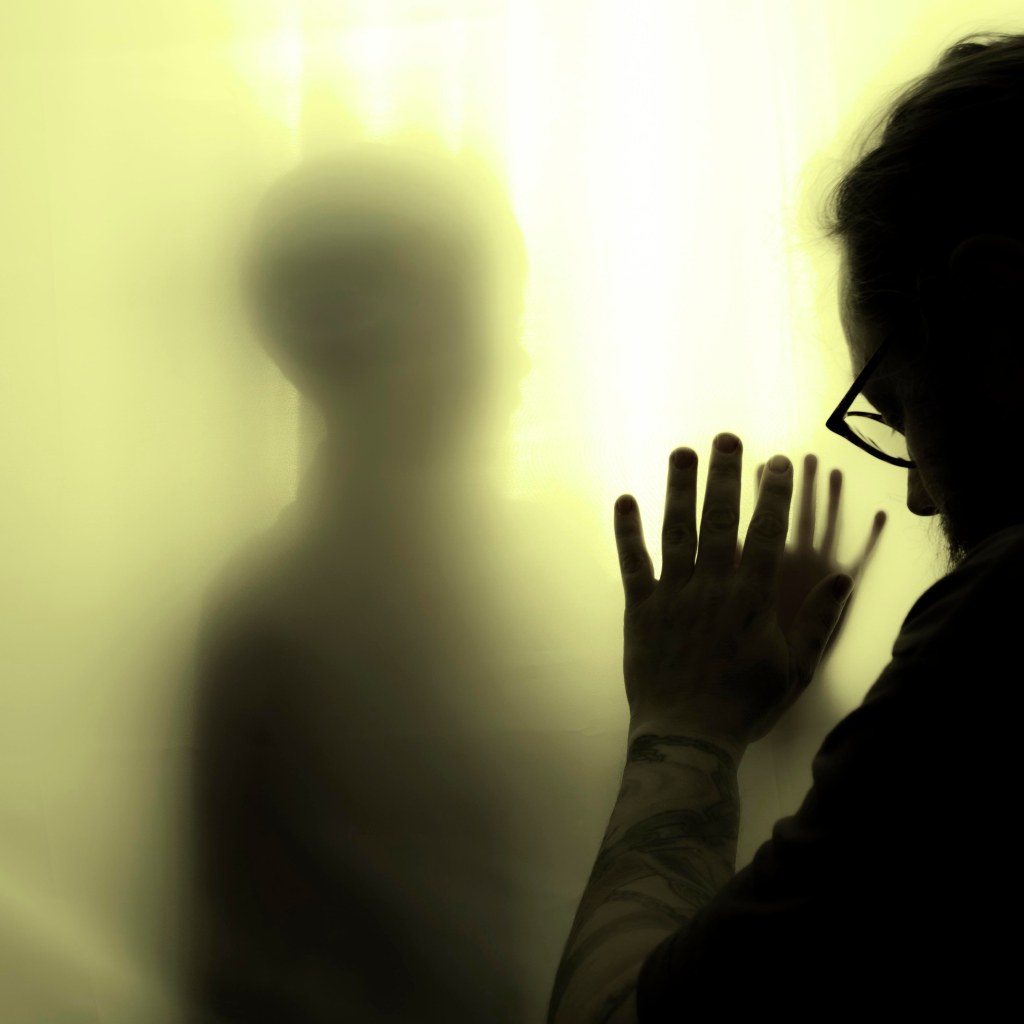
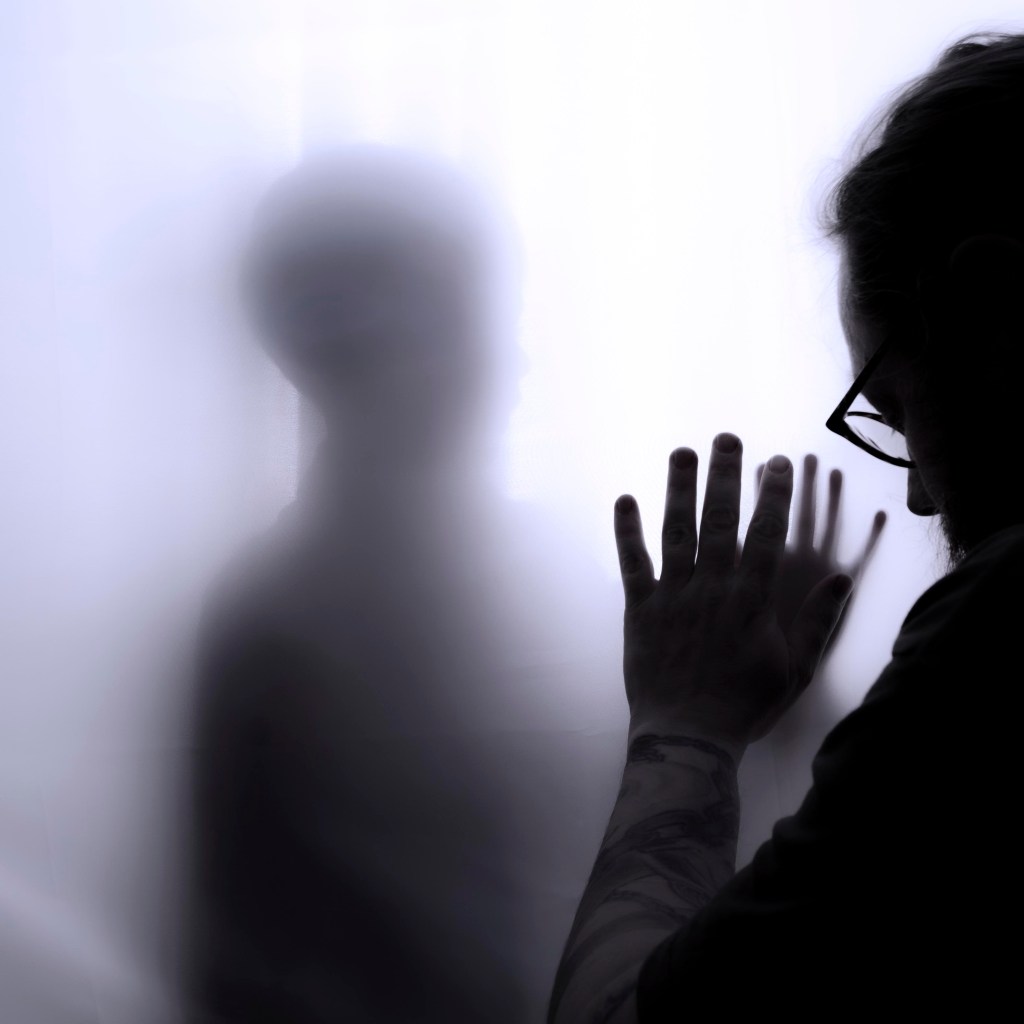
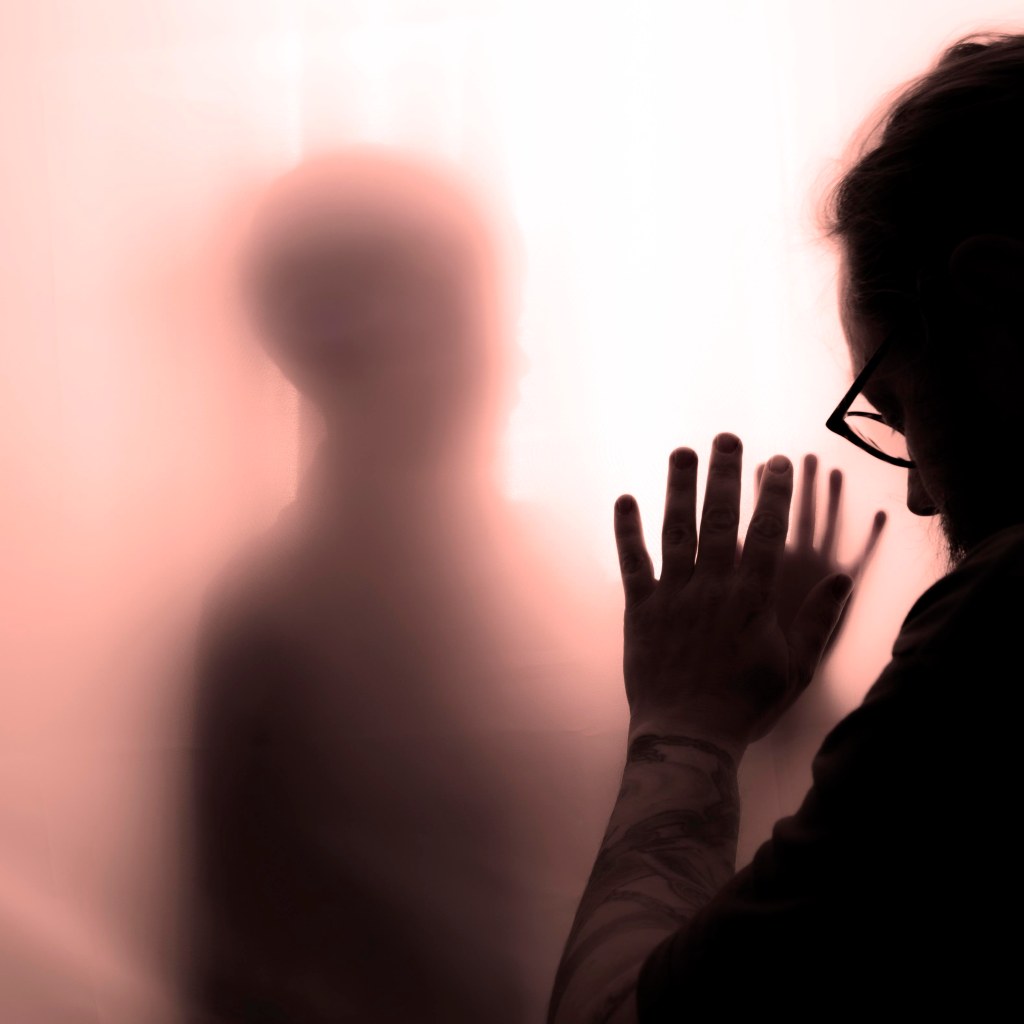
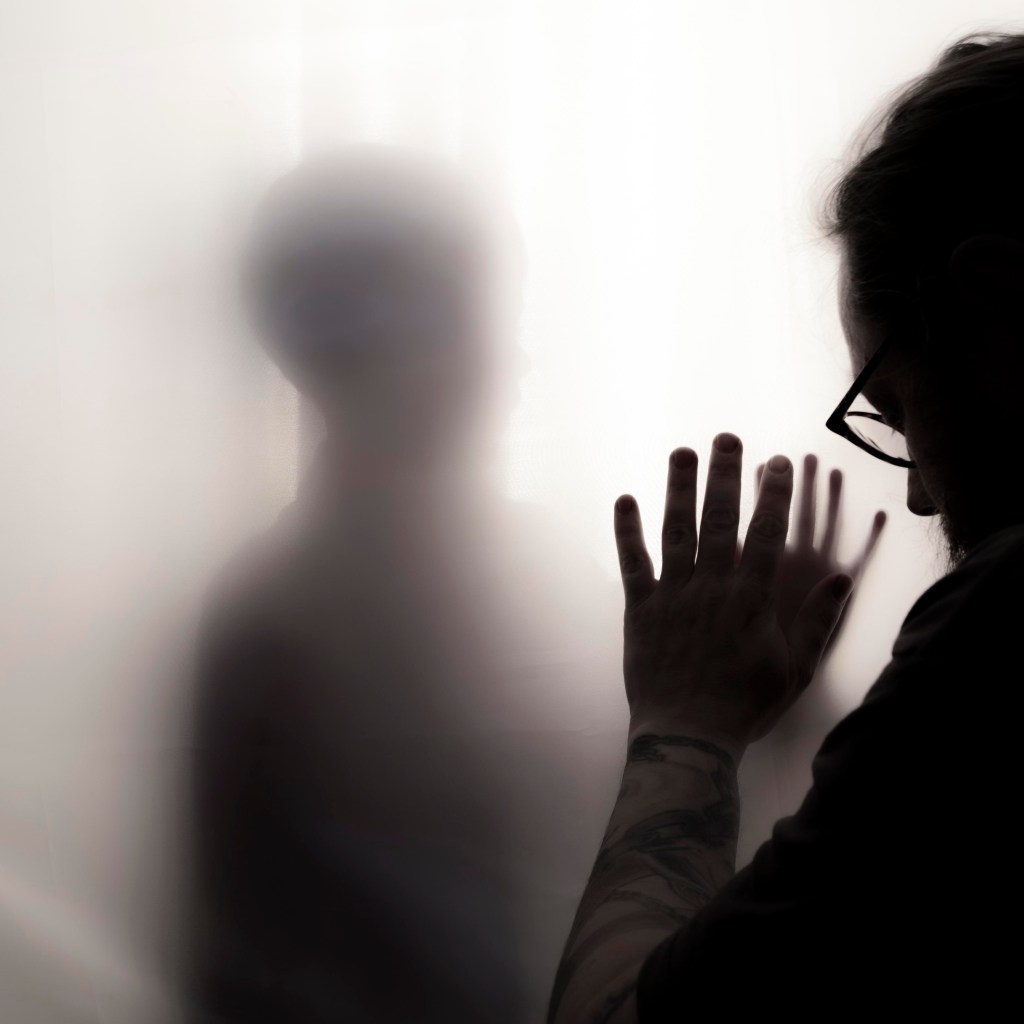
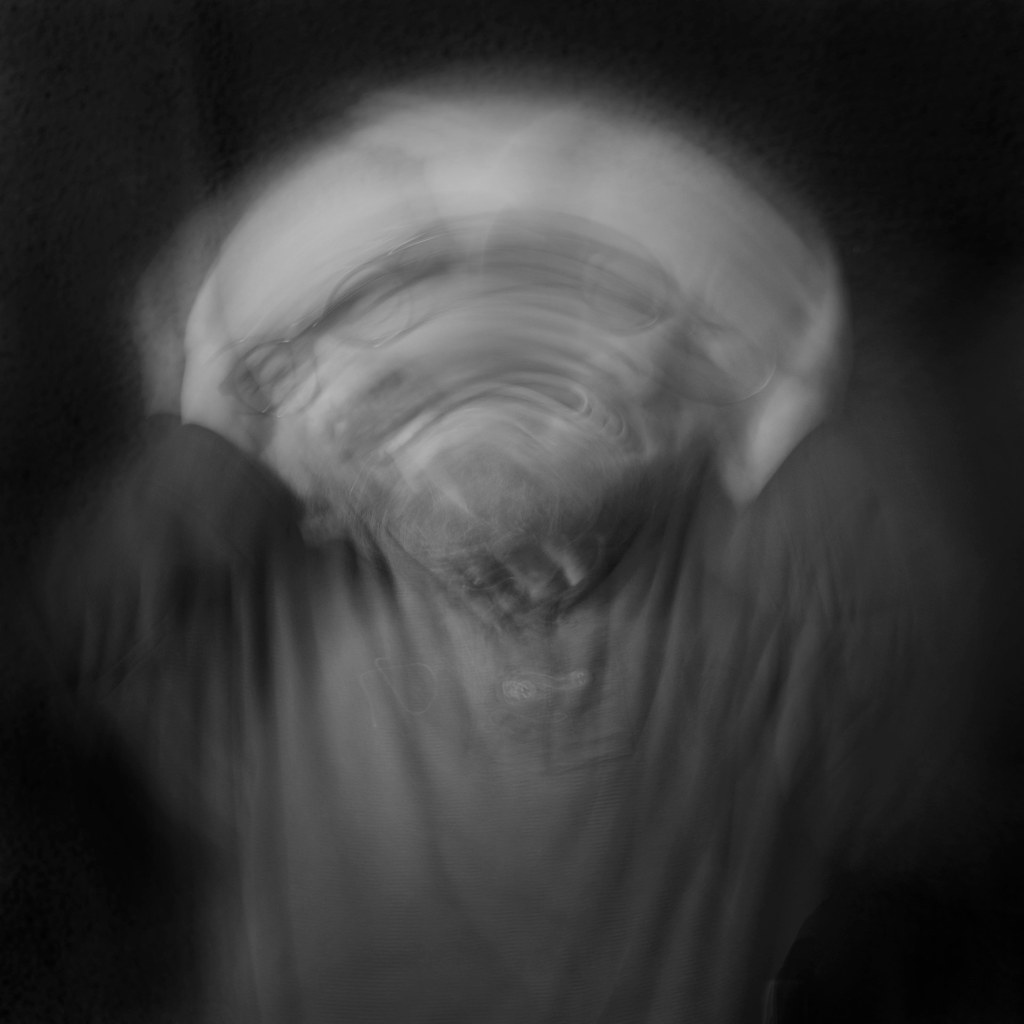
The Space between: I come from a broken home, Tim Beale 2020

It was great to meet my fellow cohorts Steven and Hannah this week, learn about their projects and to share where I am with my work. I was able to offer some positive feedback, information and advice, that I hope my peers found useful.

Hannah’s project aligns itself quite closely with what I’m look, where we are both using nature as a metaphor or platform in which to illustrate the context of our projects. Hannah has been looking at therapeutic properties of nature and photography as a means of therapy. She pointed me towards the work of Rosy Martin who is an advocate of photo therapy (previously called Camera Therapy by Jo Spence)1.

“Starting in 1983, working with the late Jo Spence, I evolved and developed a new photographic practice- phototherapy – based upon re-enactment. Through embodiment, I explore the psychic and social construction of identities within the drama of the everyday. My work makes explicit the multiplicity of identities that an individual inhabits, using the ‘self’ as a text to be deconstructed, reviewed, challenged and reconsidered. This work bridges private and public discourses, theory and practice. Themes which I have explored in exhibitions and articles include:- gender, sexuality, ageing, class, desire, memory, location, urbanism, shame, family dynamics, power/powerlessness, health and disease, bereavement, grief, loss and reparation. The work has been exhibited widely, Nationally and Internationally, since 1985.” 2

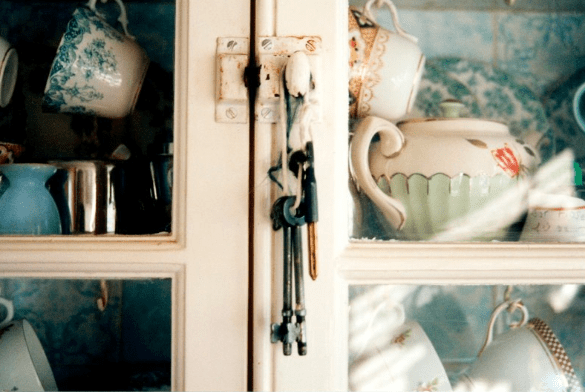
Much of Martin’s work involves the everyday object as the subject and the act of photographing these objects is as much about the act itself than process of creation of a memory. This can be seen in her ‘too close to home’ series. The rendering of her objects has an almost surreal quality, more so than a pure documentary.
References

1 Dennett. T (2008), Taylor & Francis, [online] ‘Jo Spence’s camera therapy: personal therapeutic photography as a response to adversity’ https://www.tandfonline.com/doi/abs/10.1080/13642530902723041 [Accessed 11.11.2020]

2 Martin. R (1999) ‘Too Close to Home?’ Essay [Online] http://www.rosymartin.co.uk/too_close.html [Accessed 11.1.2020]
PHO704: Week 4 – Personal Projects and Five year plan

Having gone back through week 3 and this week’s course material and reading resources I feel I have a much better grasp of direction I want to take my practice. The paper “The power of the personal project”1 was particularly enlightening as I was initially surprised to read how modern commercial photographers need to create personal projects to attract clients. This makes perfect sense, given the image market is saturated with technically good photos, personal projects act as a platform to be seen above all the faceless images. This reminds me of the time spent as a camera club member and reasons for leaving. Almost each week there would be a competition with different theme, looking at the entries it became apparent very few images could be linked to any one photographer due to the lack of personality. Technically these images would be spot on but appear pedestrian or vernacular.

The city I live in, Bath, has a healthy audience of gallery and museum goers who would be my target audience not only for exhibitions but also running photo walks and workshops (as a way of supplementing my income).I’m now in my last week of paid work so in the process of re-assessing my career aspirations beyond the next few months. My day job, in the (soon to be obsolete) heritage sector, has been a way of supporting my photographic practice. In the short term I am looking for work to support me short term whilst I build my practice.

For me the next five years will be crucial in building up a career in photography. As up until now photography has been my passion outside of work but what the MA has shown me is that there can be a viable way to turn that passion into a working career. I see myself with a mix of creating and curating exhibitions of my personal project and those of fellow photographers, whilst working on commissions. I am one step closer to this having agreed to a really exciting commission (however sworn to secrecy at this stage).

As the high street has been in decline, even before Covid 19, I have been looking a retail units that can be used as exhibition space. Organisations such as local councils, Historic England and the Arts Council are currently looking at ways to save the high street with grants being offered to projects. I am hopeful that I can use this as a platform to start my practice professionally. Despite Bath having a strong base in photography, the RPS was unitil recently based here and Lacock Abbey close by, there lacks a space for photographers to exhibit on a regular basis. My ambition is to create such a space, utilising my 15 years experience of managing museums and cultural venues.

Resources

1 Scott. G, (2016) [Article] Journalism Practice, Professional Photography: the new global landscape explained, ‘The Power of the Personal Project’, pp. 82-109.
Beyond the ‘White cube’

Two artist photographers that I have found who step beyond the stereo typical white cube format of a photography exhibition have been Carter Mull and Shirana Shahbazi. Both photo artists utilise the space they display their work in, manipulate or incorporate the space as to become part of the exhibition.

Carter Mull, an American artist uses photography and re-photography in his practice is a visual metaphor that conveys the density of communication saturation:

The meaning of making and watching images in a world in which visual bombardment is omnipresent to the point of over saturation.”

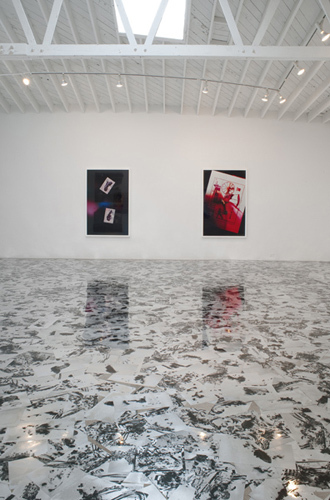
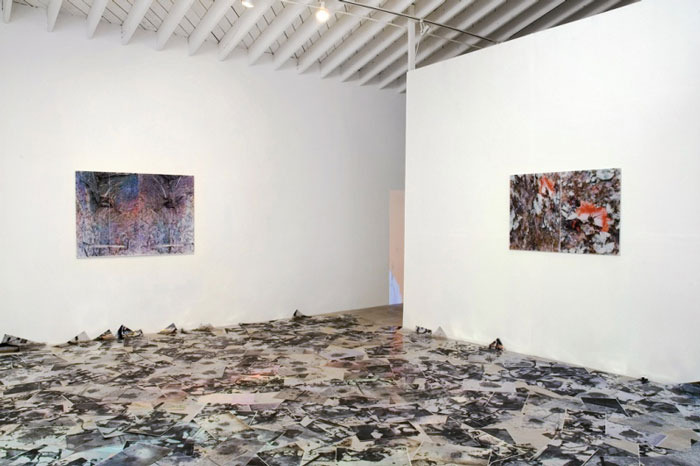
Mull’s work often uses archival materials from old newspapers, a media that he describes as being almost obsolete, the daily paper would be regarded as history each day. By re-photographing and using these newspapers in his work Mull is creating new histories. Building up collages and photographs of multiple sources he creates something new. For me these individual works only really come into their own when exhibited and a single unit. As with the 2006 ‘Ground’ and 2010 ‘Metemetrica’ exhibitions, Mull uses 1800 offset prints on various media strewn about the main exhibition space floor for visitors to walk on. The number of prints corresponds to the number of individual frames in sixty seconds of video footage, at the standard rate of thirty frames per second. I feel this density of images further bombards the viewer and instils the context in Mull’s practice.

I also want this same logic to function between photographs. This is why I try to emphasise the diversity of formats within my larger practice. Part of the impulse to look at the local paper also has to do with a desire to locate an image matrix— one that was delivered to me, and that houses mass images designed to cut across multiple demographics. I wanted to take the paper as a kind of generative source to structure the grammar of a body of work.”

Whilst Mull’s images seem at a polar opposite to my practice, I feel his use of space, when exhibiting, aligns to the context of my work, in that we are both using personal space (proximics) as a way to engage the viewer beyond the fixed image.

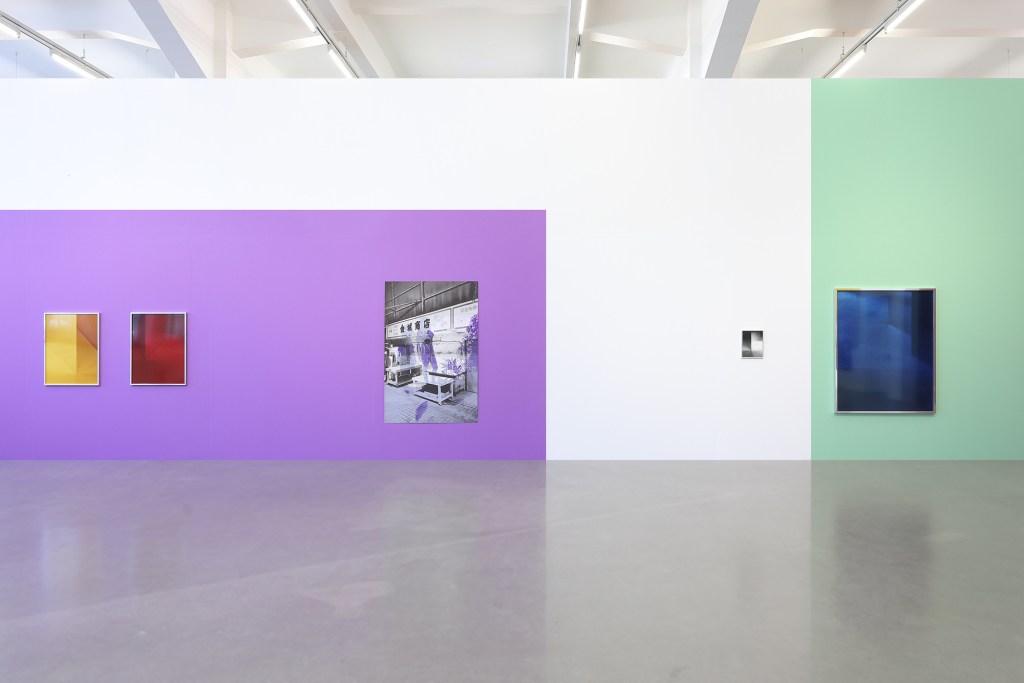
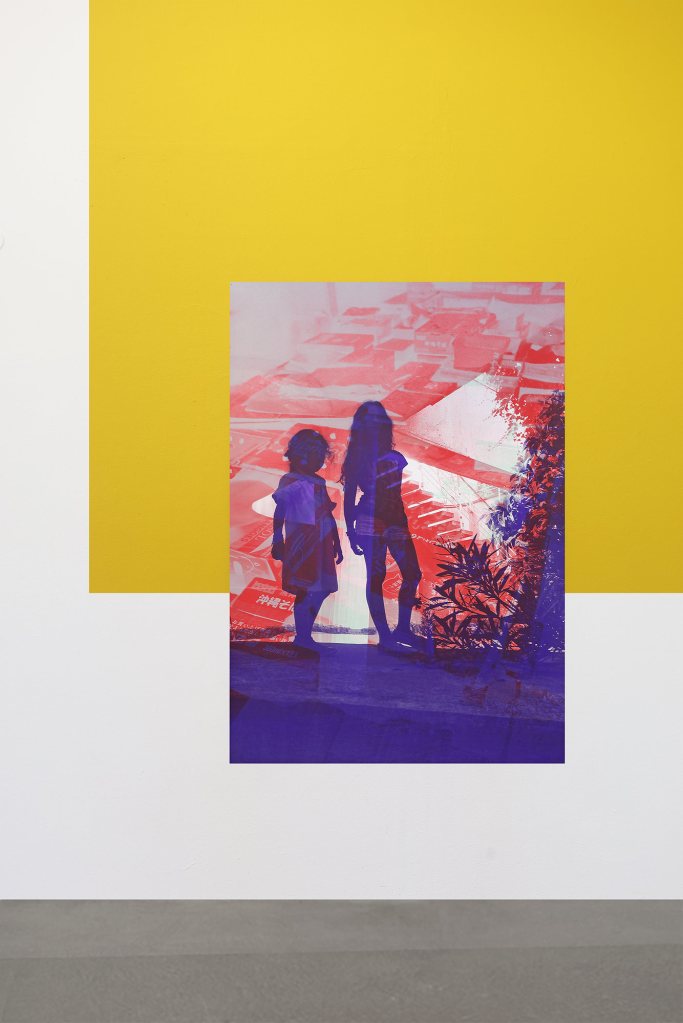
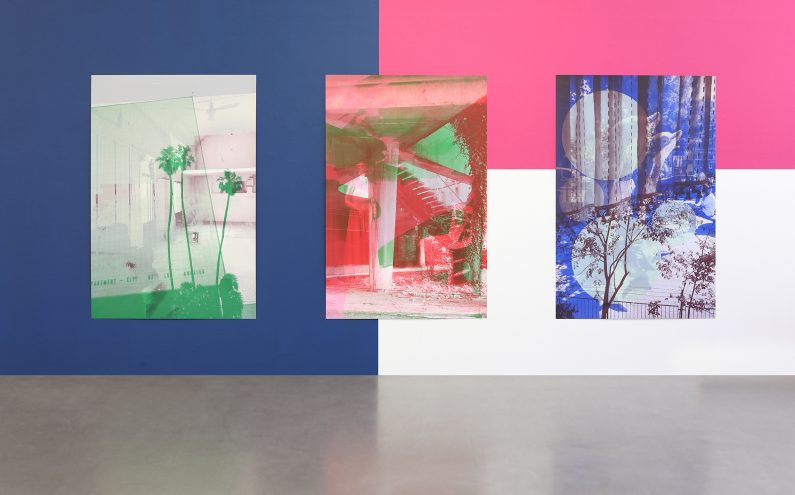
Shirana Shahbazi, is an Iranian-born photographer, famed for her contemporary take on traditional photography genres such as still life, landscape and portraiture. Unlike Mull, Shahbazi’s practice can often be seen as individual works with their individual contexts. Shahbazi’s series ‘Objects in mirror are closer than they appear’ 2018 she composed abstract photographical images of spaces that are distinguished by vibrant colours, juxtaposed by sharp black and white contrasts.

In the exhibition at the Kunsthaus Hamburg, Shahbazi is focused on the subject of space, both as an abstract construct and in the sense of lived urbanity. Shahbazi transformed the gallery space by means of colour and geometric shape. This use of shape and colour complements each set of images, linking in the contrasting b&w images with colour an as such unifying to create a cohesive exhibition.

What I have taken from looking at these photographers is how each has approached the design of each exhibition is another step in the image making process. An exhibition in itself should be considered the final image in a series.

[ Carter Mull sources: museonagazine.com interview with Richard Turnbaull 2010, Artforum: Carter Mull ‘Metemetrica’ 2010 by Aram Moshayed. http://www.museomagazine.com/CARTER-MULL]

[ShiranShahbazi sources: https://youtu.be/XsaHyQjS_rk https://www.e-flux.com/announcements/190663/shirana-shahbaziobjects-in-mirror-are-closer-than-they-appear/ https://www.moma.org/interactives/exhibitions/2012/newphotography/shirana-shahbazi/]

PHO703 S&S: Publications -The colour of silence: B &W photography

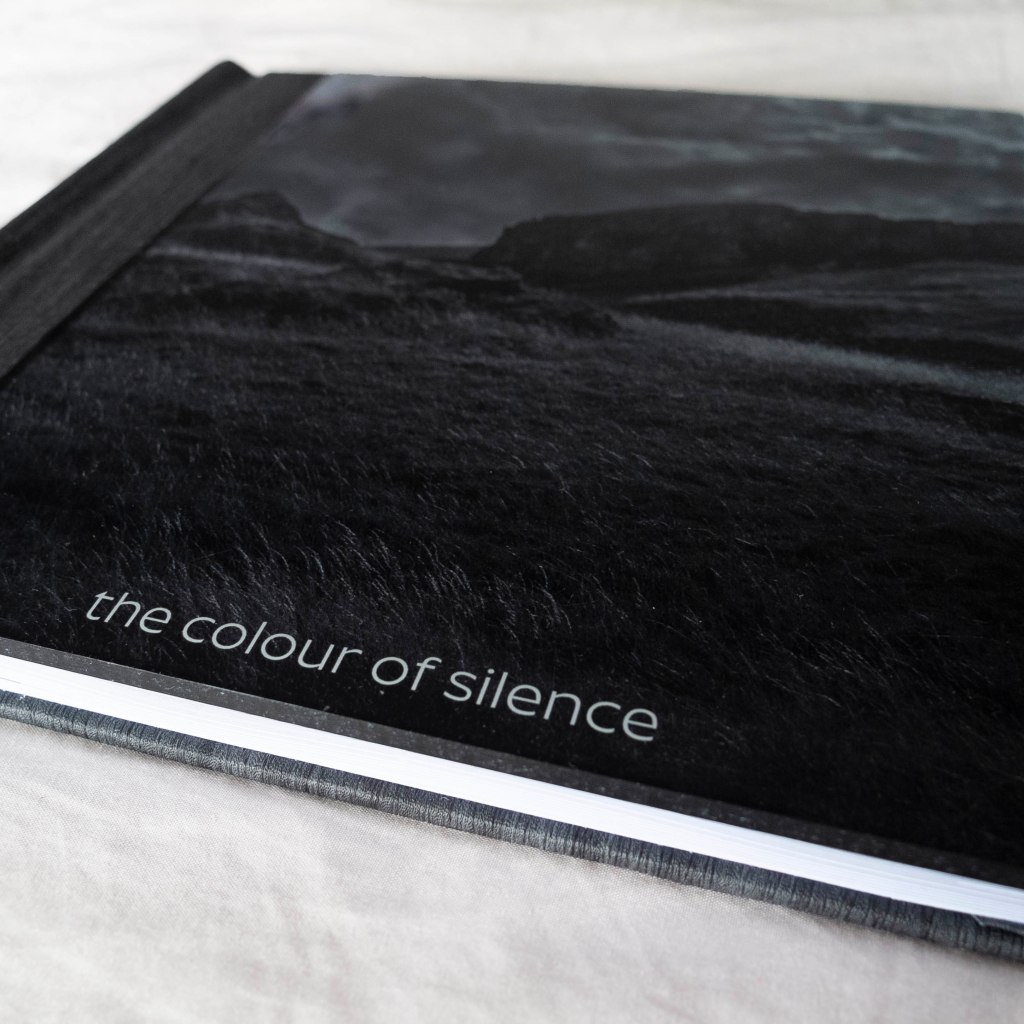
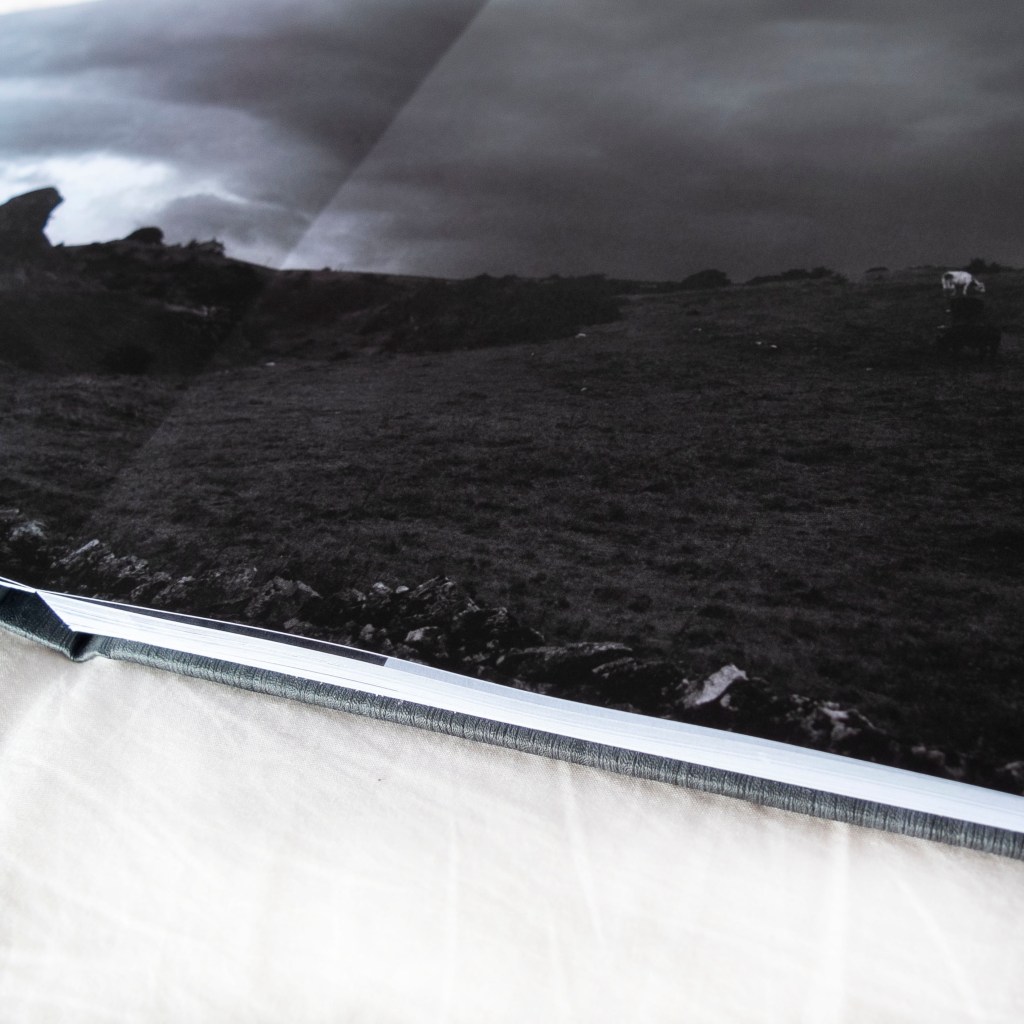
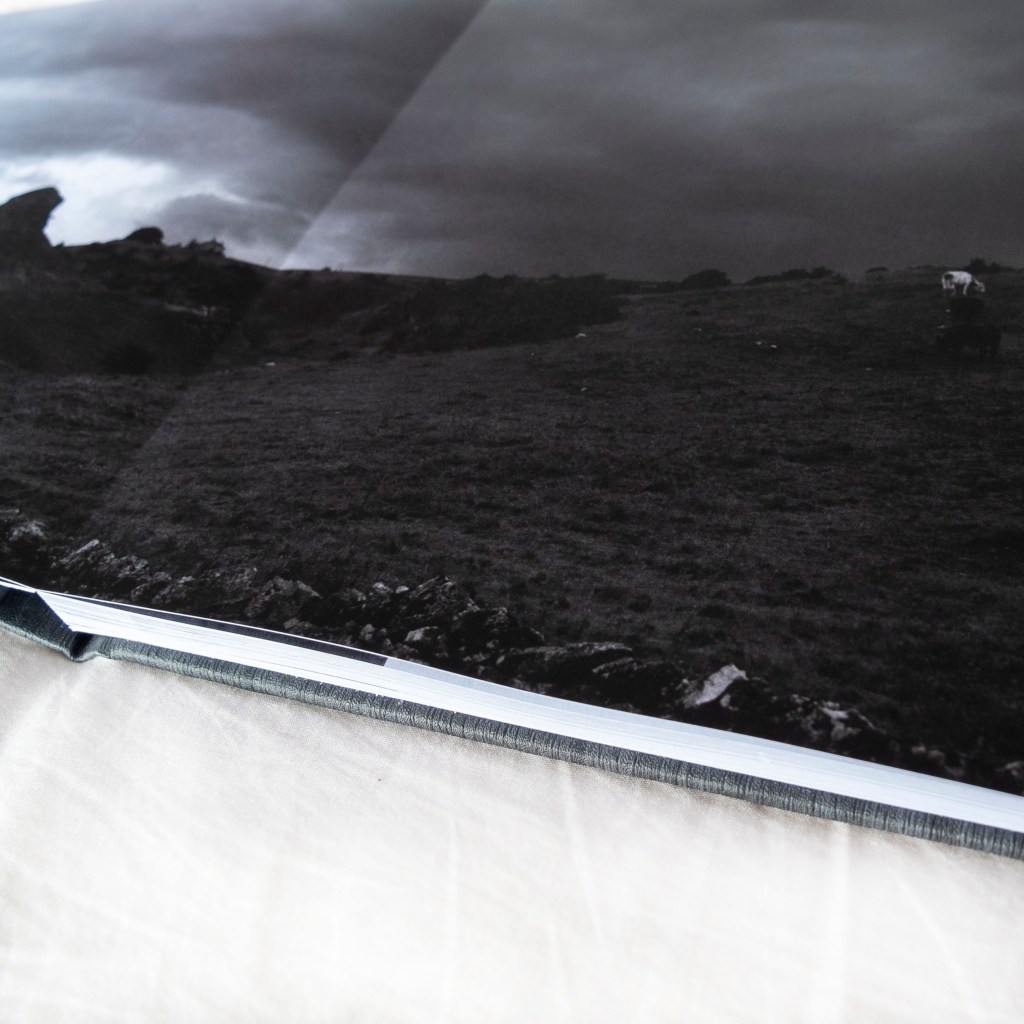
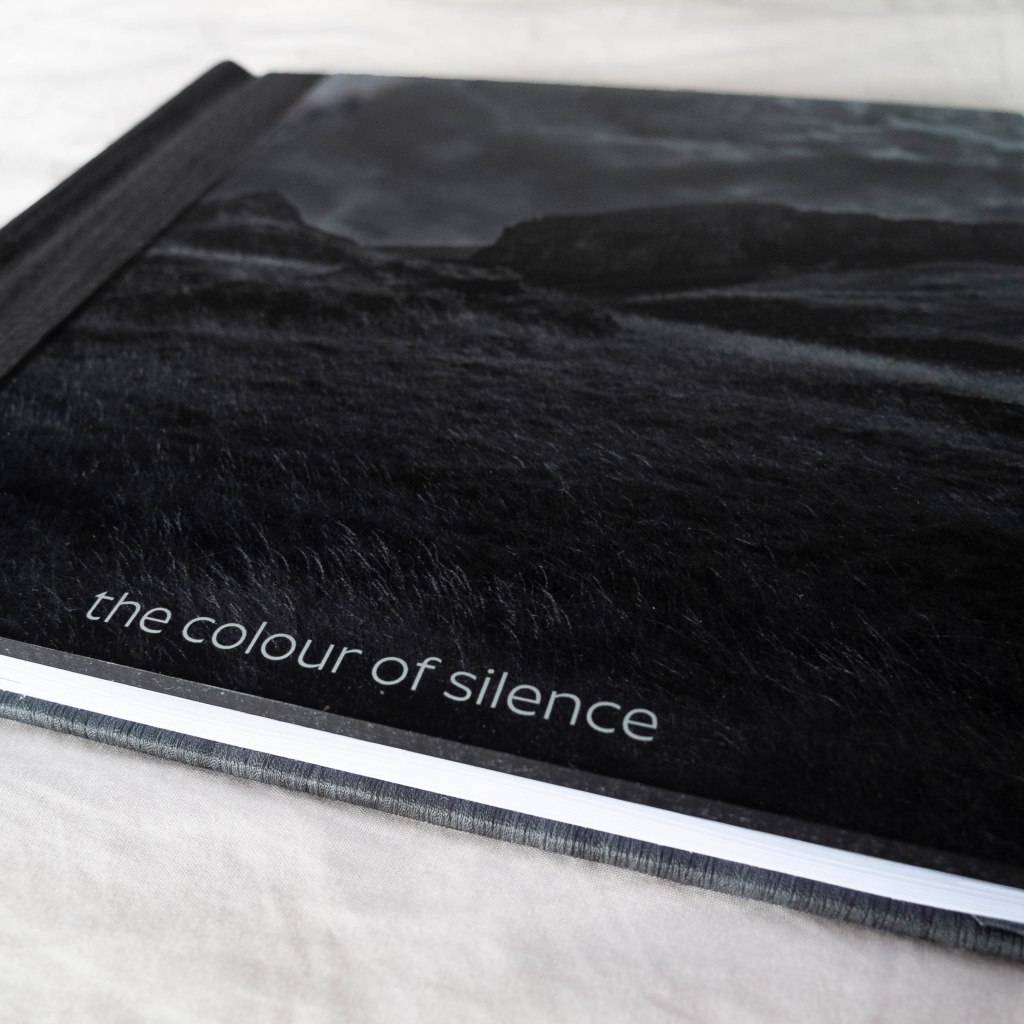
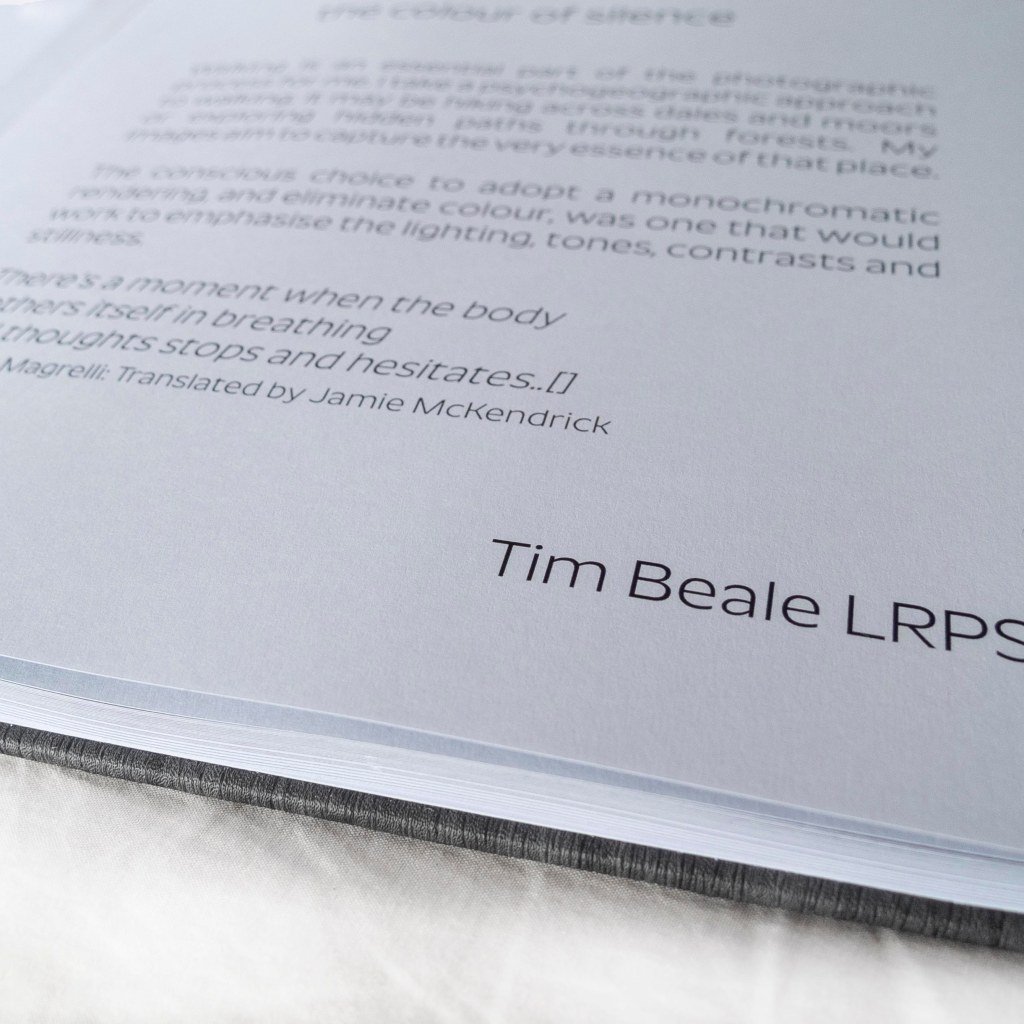
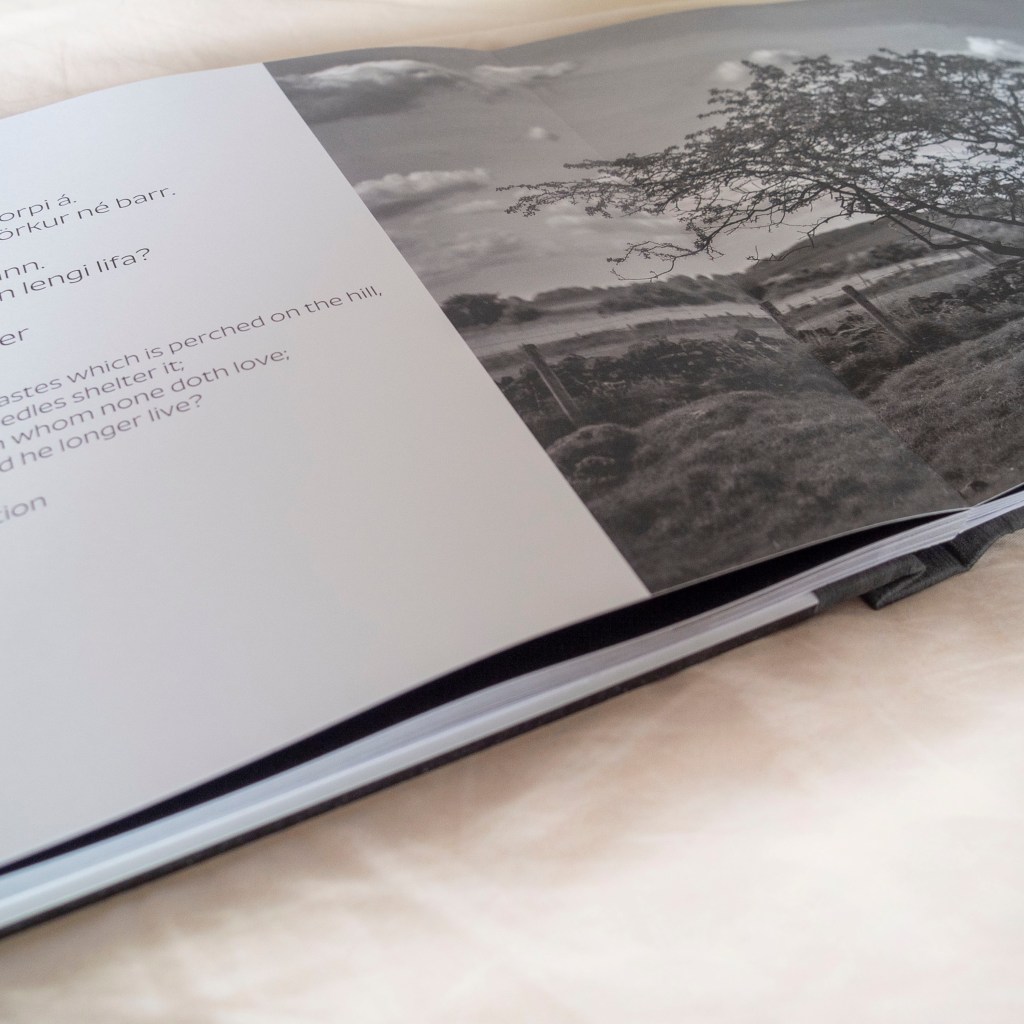
The colour of silence is a three year project that looking at places that hold a significant importance to me in terms of personal space. These journeys I have taken in order to ‘find myself’ both mentally and spiritually. For me, escaping the city and exploring natural environments has is of great benefit to my well being. This project aims to capture the calm and stillness I found in each place. I included selected poems, that have inspired my photography and writings from the Havamal, a book that has had great influence in my spirituality. The choice to omit colour in this work was a conscious effort to allow the viewer to see the beauty of the light as it travels across fields, woodland and through dense vegetation to highlight particular points of interest.

Process

This is one of Saal digital’s professional line photo books. For the layout I used Saal digital’s design software that allows the user to choose all the variants such as paper quality, cover and jacket finish, size format and any additional requirements such as gift box. There are three options for layout; ‘One minute’ have your book created for you by simply uploading images, ‘Auto Layout’ allows you to modify a set layout by dropping in images and text or you can go for the ‘empty layout’ with blank pages to allow total creative freedom. As this was my first book I went for the ‘auto layout’ option but soon found that I had to deactivate the layout settings to allow me to get more creative.

The options I chose for this project were:

  • 21 x 21 book
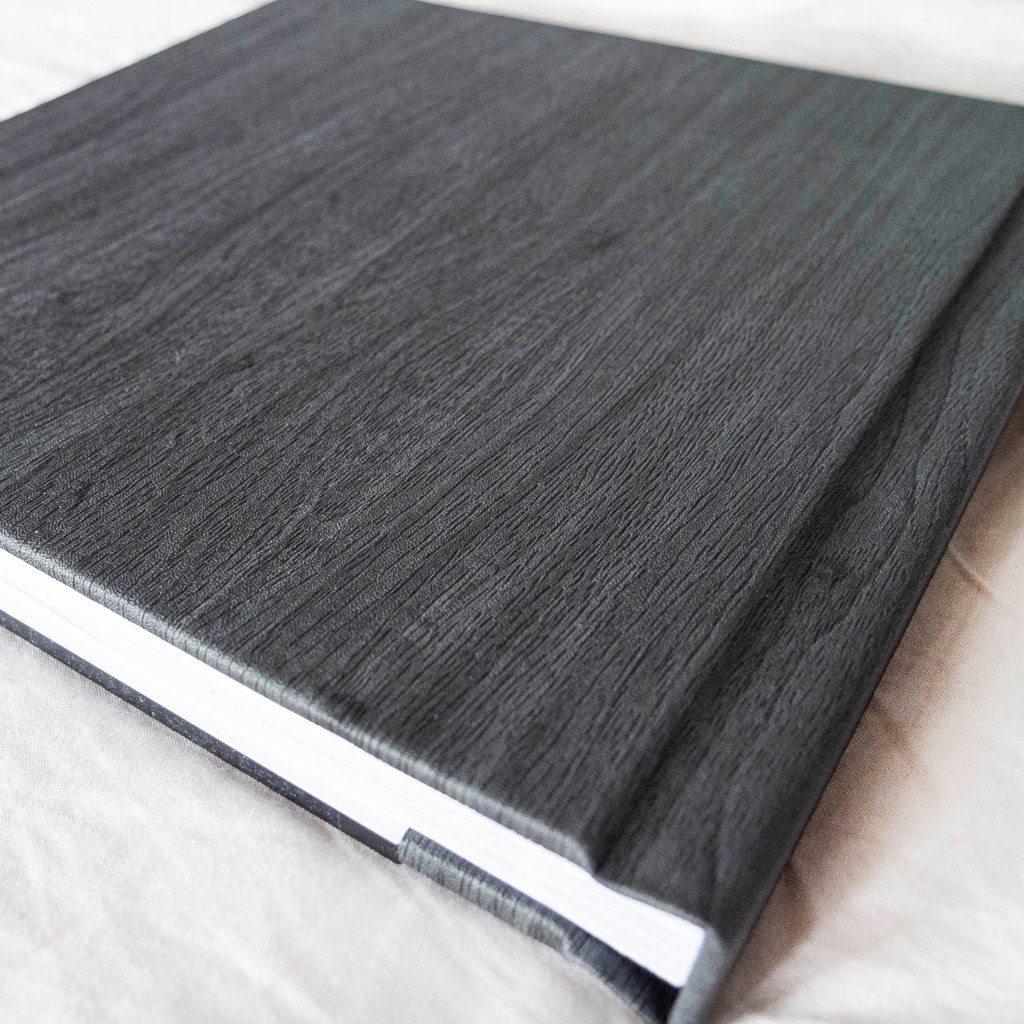
  • Acrylic cover with leather binding
  • Wood look slate finish to compliment the B&W images
  • High end matte paper to reduce glare and offer a crisp contrast to the images
  • 56 pages

The process of adding in photos was very easy once the image folder folder is selected your images show up on the left hand side and as you drop your images into the book there is a small icon to show they’ve been used. This is great for avoiding duplicates. With the ability to save a project, this means you can come back to it over time.

Once you have completed your book you can created a PDF sample book that can be printed at home to check the overall layout and colour print. However this will only be a rough guide as printers and paper stock varies between home and factory.

Review

The print run and delivery time took roughly a week, which is pretty astounding. The detail and finish to the book is of a very high quality, which is to be expected for a book costing £100. The binding works really well with double page images, allowing the viewer to find the book completely flat. The high end matte pages are printed beautifully with almost no glare from lighting, even in direct sunlight. This works particularly well for my B&W images as some are very dark.

The acrylic front cover is a great touch however it does have a slight colour cast (grey/green) which actually works for this book. I’m not sure how this would work with a full colour image.

https://www.saal-digital.co.uk/

The whole process from selection of images, text, product specifications was a great learning tool and something I found very enjoyable and rewarding. The photobook has a certain appeal, especially when presented well, that invites the viewer to pick up and spend time with the images inside, more so than an exhibition. As my project progresses there is the temptation to produce a book to accompany the exhibition as a way of taking the viewer on a journey that extends past the walls of the gallery.

Reflection and Research

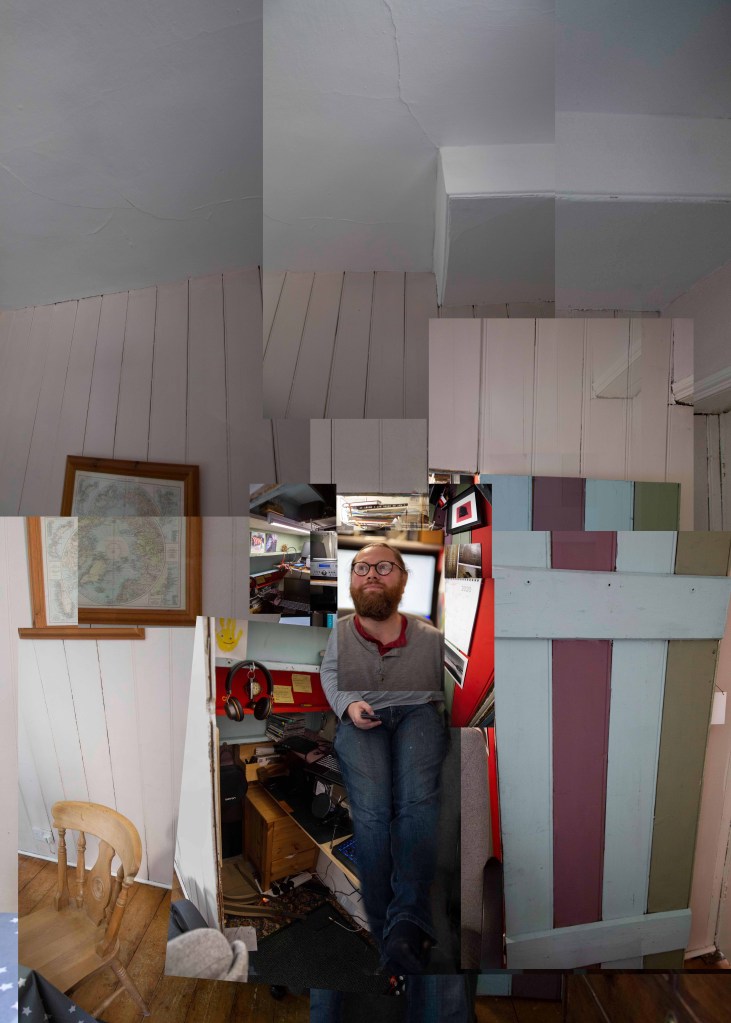
This week, after some great one to one feedback from my tutor, I started to explore self portraiture. I have often used this in my practice as a form of experimentation, either with new ideas, equipment or replicating a particular photographic style I liked. For my project I started looking at ways in which to include my personal space, and objects that make form an integral part of it, in my self portraits. My ‘Study’ self portrait shows my workspace that I created under ours stairs, I aimed to show the organised chaos of the space whilst my portrait shows an thoughtful and optimistic me.

Personal Space: The study

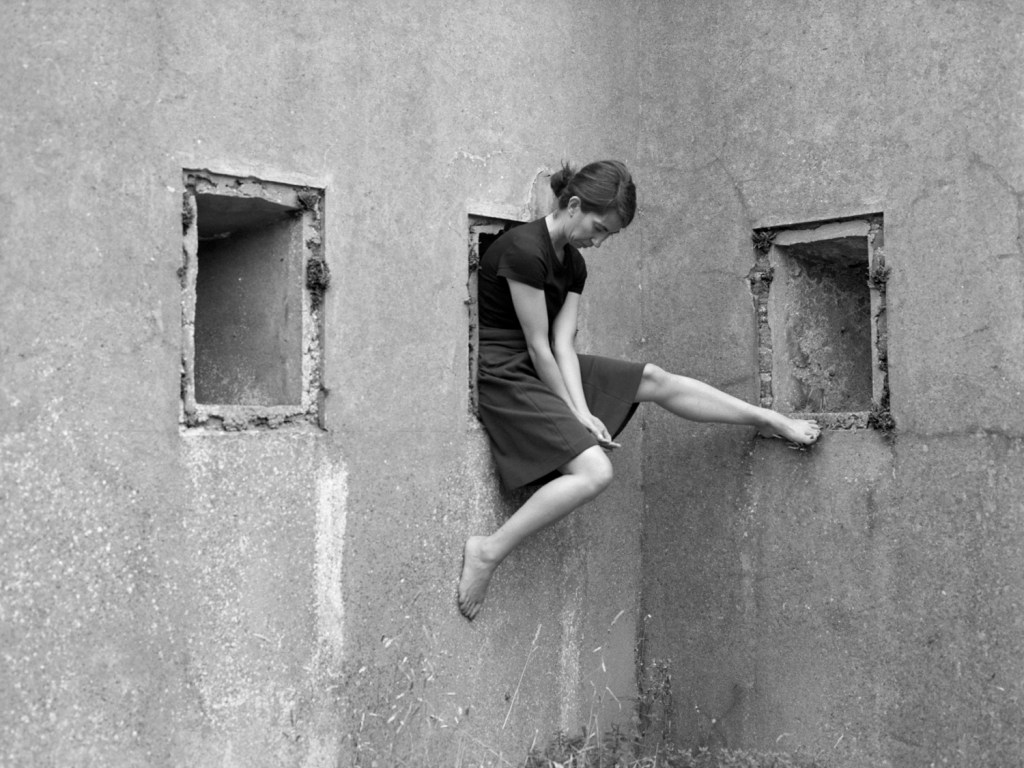
I have also looked at what other photographers, who produce self portraits, are doing. Initially I looked at a photographer my tutor brought to me attention, Clare Rae. Rae’s work, sees her taking the role of performer in her images as she enacts different scenes. There is an almost uncomfortable nature about the images, the way in which she seems to perch on or near objects. Each image has been carefully composed to give the viewer a sense of unease and anticipation. I am particularly drawn to the ‘Never stand on two feet’ series that show’s Rae in different spaces, her choice of pose conveying how her body interacts within each space. I can see how this type of ‘performing’ for the viewer can impact on how a space is interpreted. This I feel, could be a useful method within my own practice.

Never Stand on two feet, Clare Rae 2018

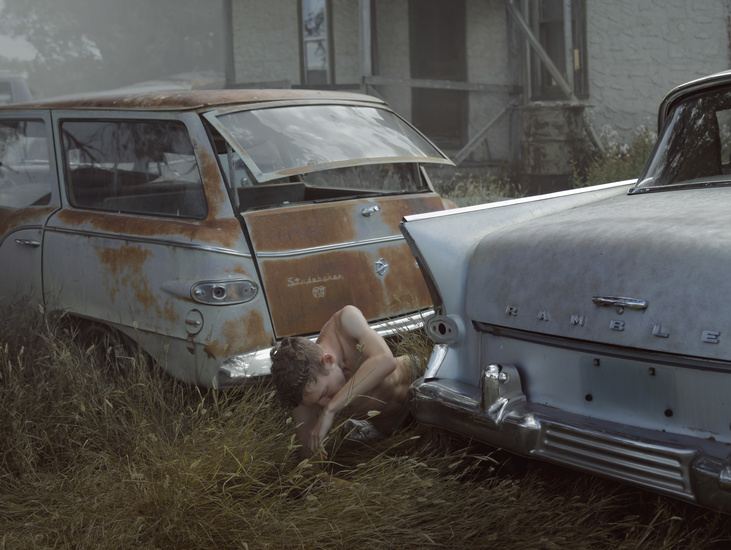
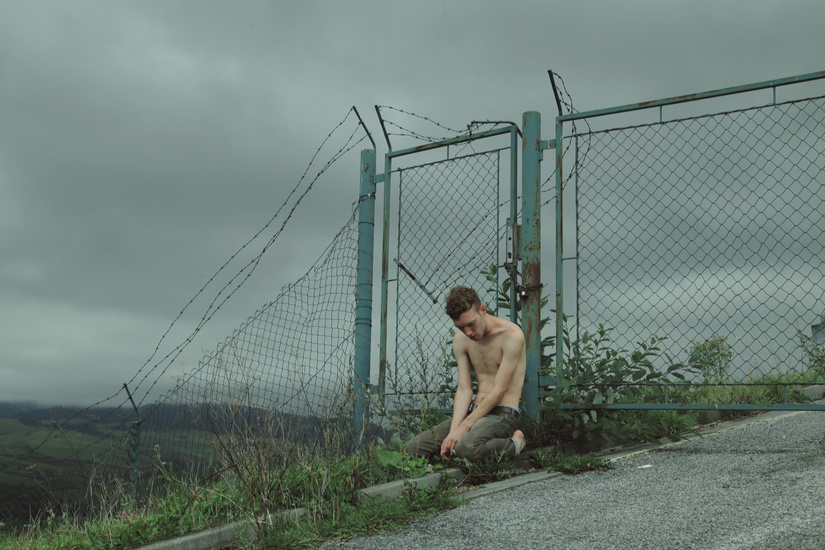
My research also drew me to the work of Kyle Thompson, who’s self portraits are often taken in abandoned houses or woodland. His series (similarly titled) ‘The spaces between’ portrays images of Thompson in the spaces we tend to dismiss, walk past or avoid. He describes his practice as ‘encapsulating the ephemeral narrative, a nonexistent story line that only lives for a split moment.’ however I would argue that the context for each images takes the viewer on a journey and exploration of place, with each scene less so a ‘split moment’ as part of a bigger picture. As with Rae’s work we see the photographer as performer, model and subject, as a way of engaging the viewer. In his series ‘open stage’ (http://www.kylethompsonphotography.com/open-stage#13), Thompson pairs self portraits with wider shots of what he calls the ‘scene’, in other words the stage to which his performance was set upon. His work, to me, is less ephemeral, but has a more isolating and starkness that leaves the viewer (me) with a sense of unease.

Over the next six weeks or so I will concentrate on self portraiture, experimenting with spaces, lighting and colour. I also want to research more about how colour can be used to ‘set a scene’ or influence am emotion in the viewer.

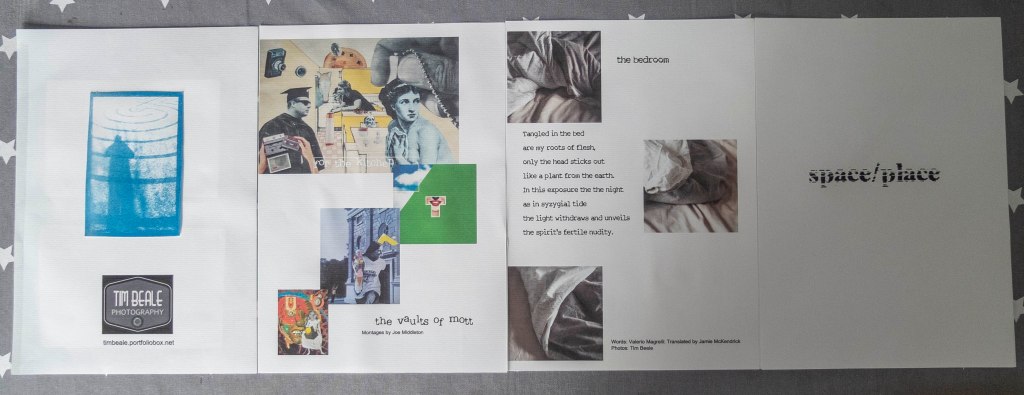
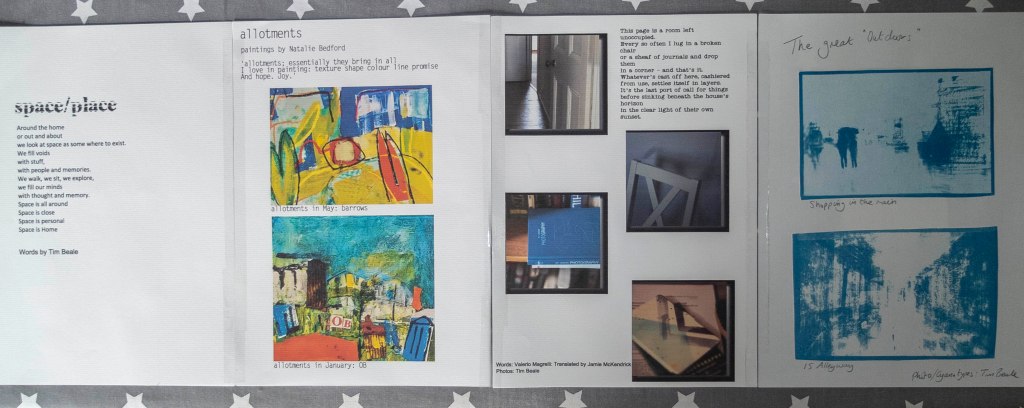
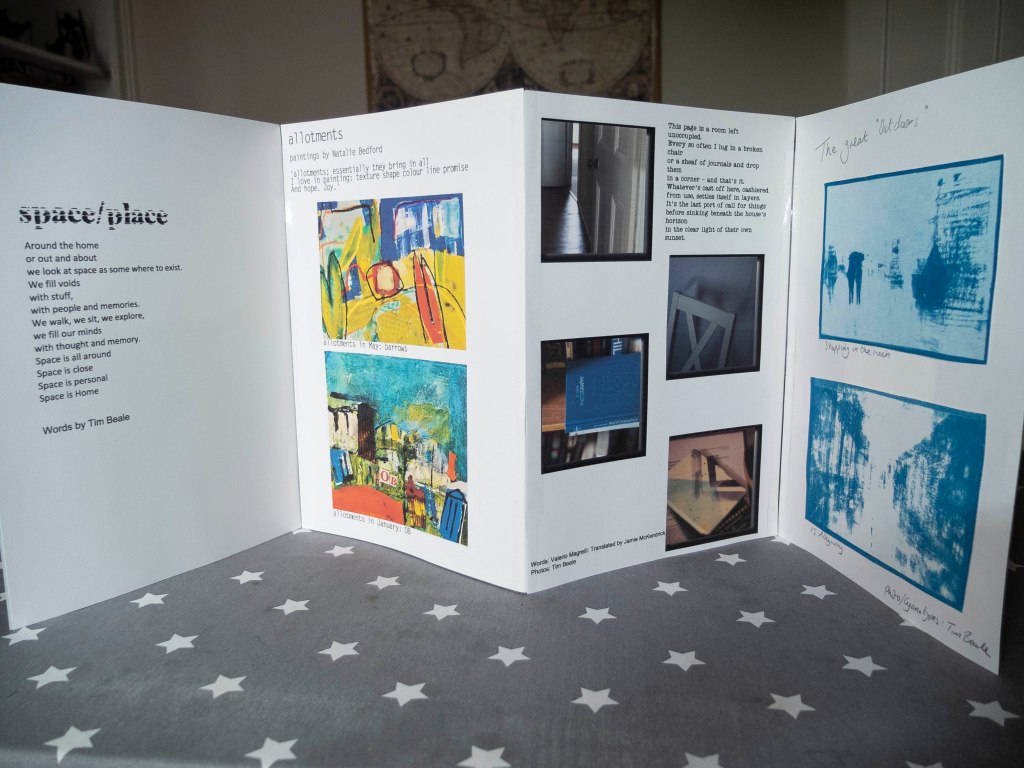
Space/Place zine

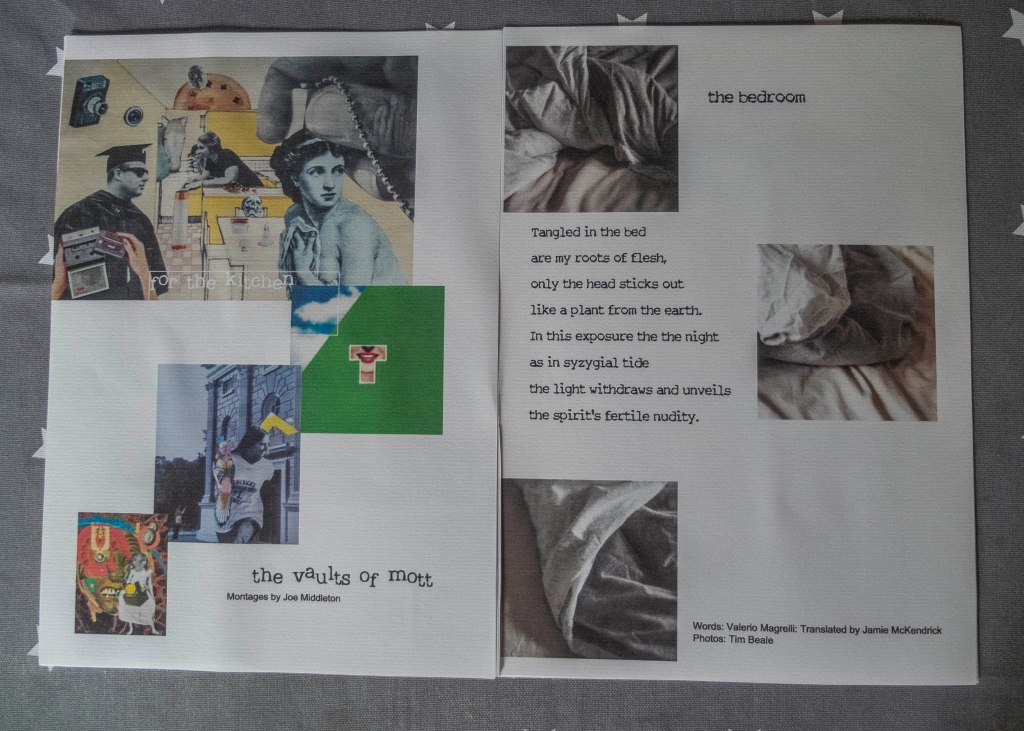
For our third week on the Surfaces & Strategies module we were tasked with creating a zine. This was a great way of producing something a little different and have fun with it. Rather than working with other photographers on the zine i wanted to explore the concept of personal spaces through alternative media. As such I reached out to two local artist who, Natalie Bedford, a painter and photographer and Joe Middleton who works in creating montages using vintage books and magazines. I also looked to poetic writing as a source of narrative for the zine.

Had I more time I would have liked to include more content in this zine by including more material from different artists. What I will do though is to keep this a ‘live’ zine, one that I add to as contributions come in. That way it will act as a great piece of source material for my project.

PHO703 S&S week 4

This week has really challenged my way of thinking and operating within my practice, an I just a “button-pusher”, am I making the most creative choices or thinking ahead past the editing process. I’ve also recently been struggling with the direction to take my project and how to create images that represent my ambitions. I have often thought of my camera (apparatus) as being an extension of myself, a means to an end and integral part of my creative process. By stepping away I have been able to look at the bigger picture, by doing this, I can now see, that I have allowed my apparatus to dictate and limit my creativity.

The main challenge I faced was how to illustrate the space of each participant and include them in my work. I aim to make a series of portraits which will incorporate architectural images and or landscapes (depending on their chosen place) and document the objects that hold an emotional attachment and help to create their personal space.

Watching the interview with David Hockey, in relation to his Pearblossom Highway, I was inspired by the way he chose to interpret the space, in particular the act of photographing each element close up so as to draw the viewer in and create a sense of space. Hockney was able to create an image that not only works as a whole, strong focal point, leading lines and an almost traditional perspective, but was also able to create something totally unique with its own identity. The details in each photo draws the viewer in and adds a warped sense of realism, each with its own context, cactus, street sign, sky, all within the context of the ‘bigger picture’. As such I have a much better idea of how my project will take shape and the areas of research I will now look at over the next few weeks.

Hands off: Cameraless photography

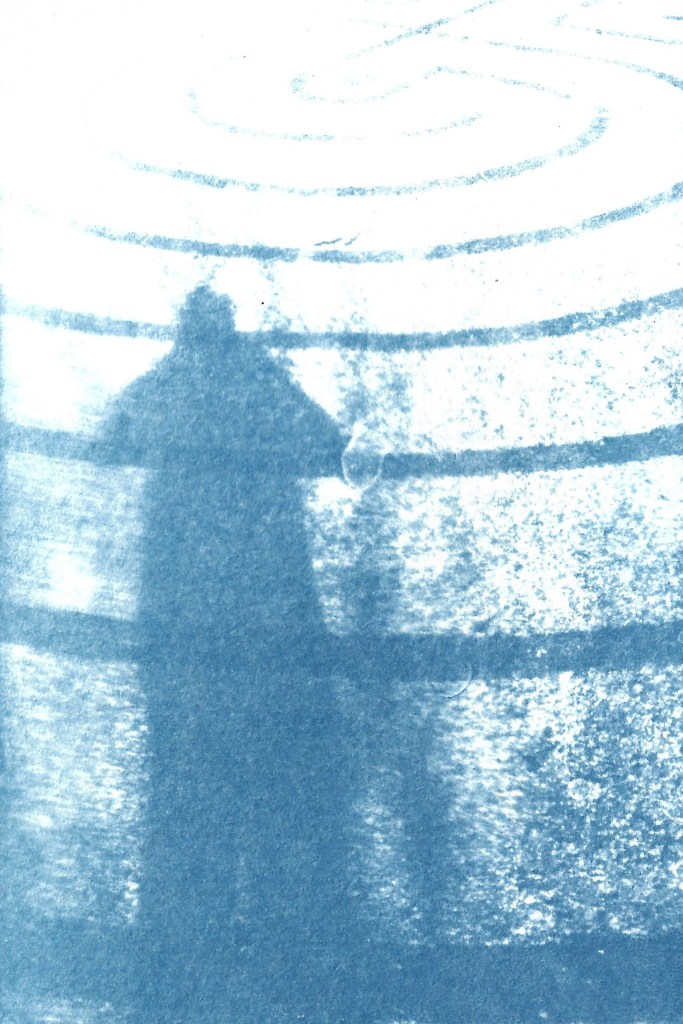
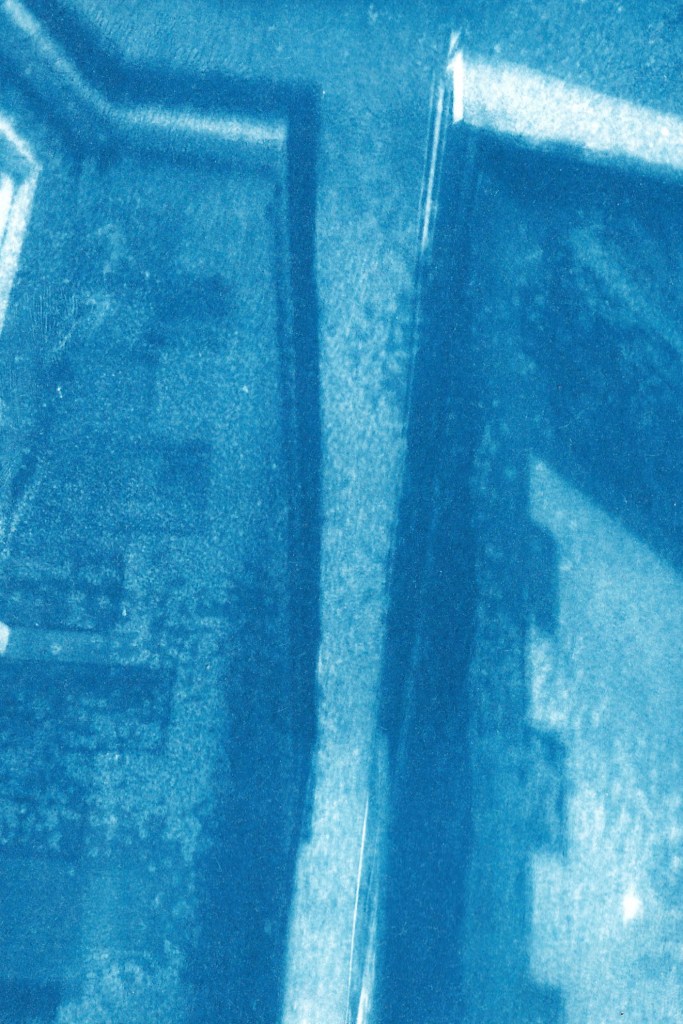
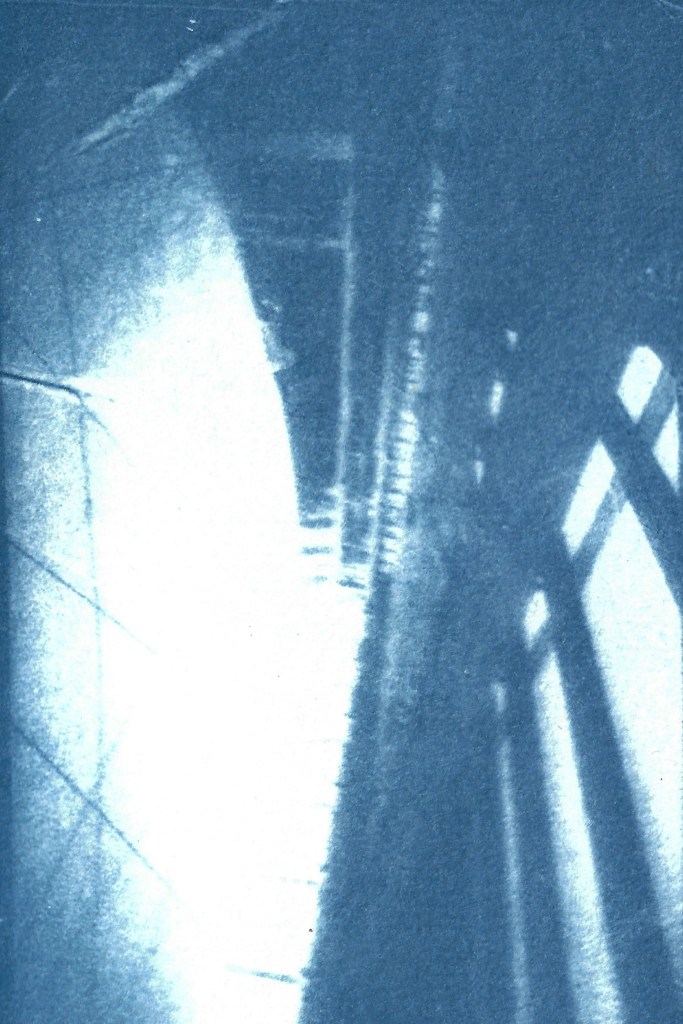
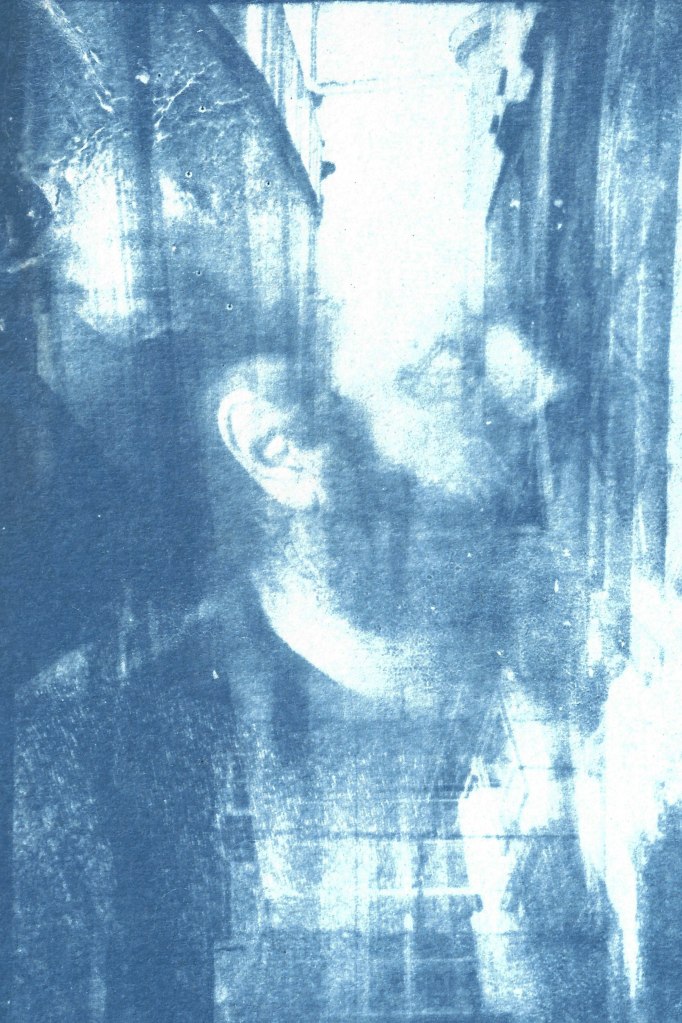
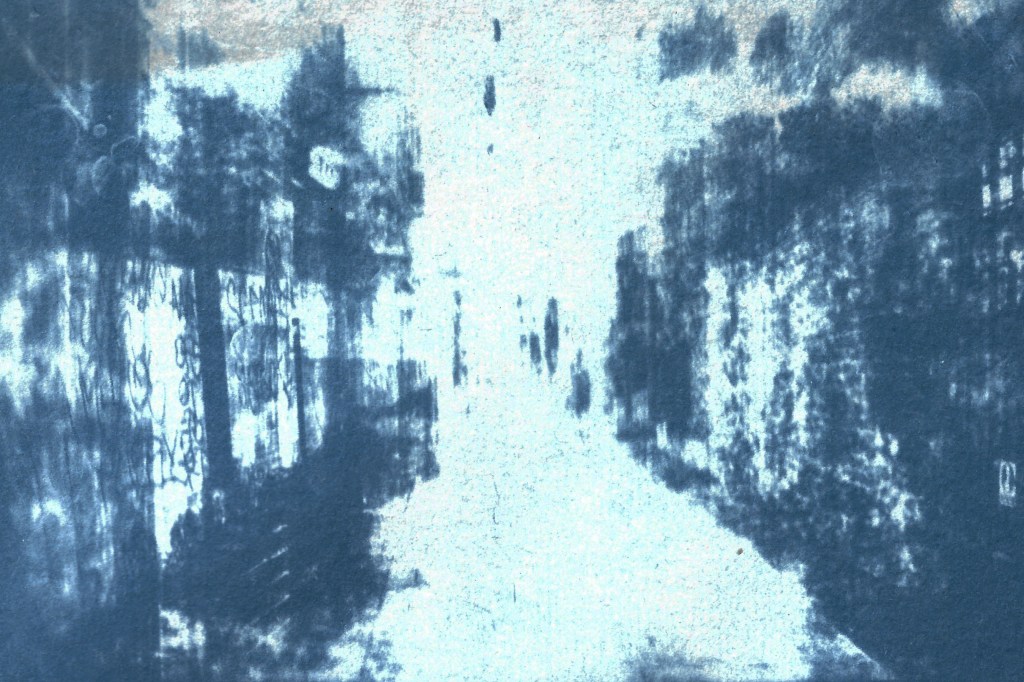
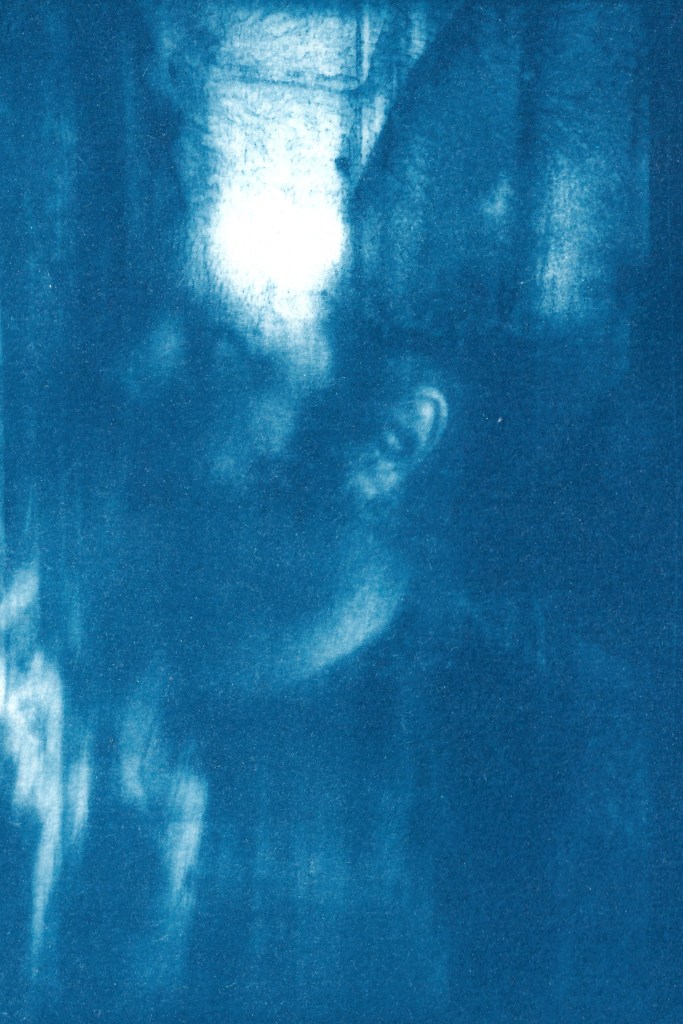
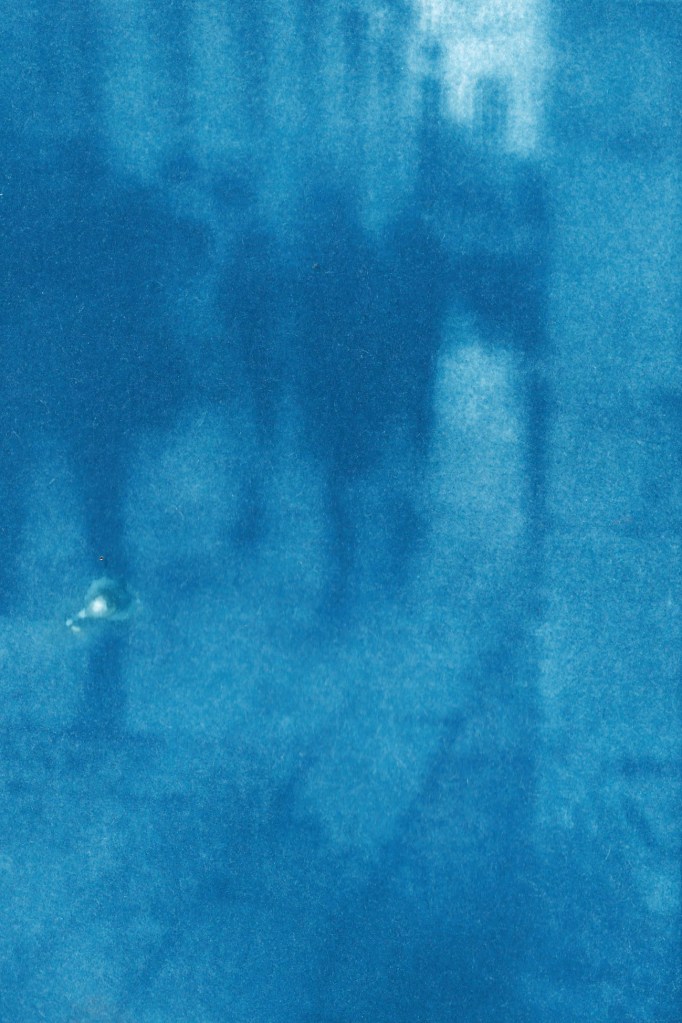
For this series of images I chose to try my hand at cyanotype printing (ironically if my museums were open now I would be running workshops on the at the Herschel Museum of astronomy).

I decided to revisit a number of images taken for my project, that represent my emotional response to the environment around me. From the peace if solitary exploration through to my dislike of crowds and close spaces. I created negatives using water slide paper and acrylic, then using these negatives exposed the image onto the cyanotype paper. The final images were scanned to digital files.

I found the process of selection of images, remixing/reworking, experimentation and printing a rewarding one. Looking at these images through a different medium has made me reassess my approach to the process of creating imagery. Prior to this exorcise, selecting and printing of images would be a final process and one that I would not have allocated my time to. This I feel will help with sifting and image choice as my project grows and act as a way to guide the context of my practice. The selecting, editing, printing, arranging and exhibiting of each participants contribution will be more of an over all process than simple button-pushing exercise.

As I now start to work more with the project participants, I can use my apparatus (camera and editing software) more as tools than limiting devices that they have been. In recording each person and their personal spaces I will have a better consideration towards the end product and how I want the viewer to interact with the project. My aim will be give importance to each element of the whole, be it portrait, object or place.

PHO703 S&S: Week 3 – Collaboration or Participation

When I first started to engage others with my project, by reaching out via social media, the initial direction I took was one of a participatory one. I aimed to collate shared experiences from each participant to then create a body of work illustrating a sense of used space. However after talking to a number of participants it soon became clear that each had a unique view point and story to tell. With the relaxing of lock down I have been able to meet a number of participants face to face. For these meetings I have had the participant choose date, time and location with minimal input from myself. As a result the participant became at ease much more quickly and discourse flowed my freely.

Although this is not totally collaborative due to the questioning I used to prompt and steer the conversation. However, by giving participants freedom to choose the objects, places and spaces that hold an emotional attachment for them, I hope to make my project more of a shared collaborative experience.

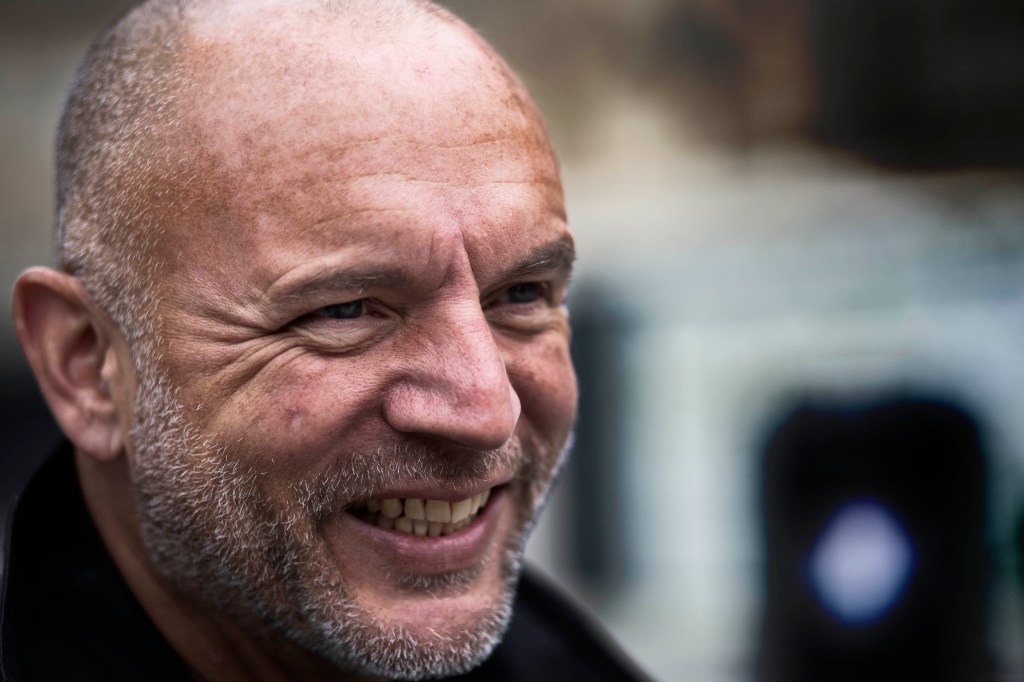
Ben Brain, outside Bath Abbey. Tim Beale June 2020.

This image of Ben Brain was taken outside of Bath Abbey. Whilst the location was chosen by Ben as a place of importance, I wanted to concentrate on capturing the emotions presented by Ben when discussing his space at home, working with a prime lens and shallow depth of field the location becomes secondary. The next stage will be to create images of the space he talks about.

S&S PHO703 week 2: Appropriation and Remixing

The concept of using another’s work, photographic or other, seemed quite alien to be and not something I would have considered in my practice. However this thought process has been challenged by this week’s this topic. Looking at the controversy surrounding the work of Joy Garnett, in particular her painting the ‘Molotov Man’. Garnett’s painting’s typically use source material found on the internet, i.e. photos by others. These found images are then recreated in painted form, as with the ‘ Molotov man’. Garnett appropriated the photograph, originally taken by Susan Meiselas. The use of Meiselas’ photo without permission sparked controversy, creating what was to be nicknamed ‘Joywar’.

https://www.wikiwand.com/en/Molotov_Man

Whilst I would admit that once images are made available in the public domain, there is very little anyone can do to police the appropriation of them. Unless of course you are linked to a large establishment such as Magnum. However I do find myself siding with Meiselas, in this case because of the context of the image. It would have been clear to Garnett that the image of the ‘Molotov Man’ had been taken with the context of violent turmoil and any use of it would be to alter the context. For me it is more about my personal ethics and how I feel about using others work or the use of my work. Whilst I would welcome the use of my work I would, ideally, like to ensure either, the original context is respected or that my work plays only a part of a larger work. Of course all this is only possible through discourse between myself and the intended user.

We were also introduced to the concept of remixing work and the work of the artists and photographers such as; Candice Breitz, Robert Rauschenberg, Mishika Henner and Corinne Vionnet, to name a few. Looking at much of this work reminded me of an exhibition at the Barbican by photographer Thomas Dworzak of found portraits of Taliban fighters. None of the images were taken by Dworzak but purchased by the photographer whilst he was in Afghanistan from the few photography studios that had be allowed to remain open. The work of unknown photographers, appropriated and exhibited by Dworzak, as a way of promoting a side to the Taliban soldier’s that differed to the depiction of ruthless killers, as portrayed by mass media. Dworzak did not rework or claim any ownership to the images but simply presented them. I feel this method of using images to balance out how mass media writes history is invaluable and normally a role played by historian or curator. On this occasion Dworzak plays the part of historian and curator.

https://www.theguardian.com/artanddesign/2019/oct/23/taliban-fighters-in-makeup-barbican-to-show-rare-pictures

Photo Opportunities by Corrine Vionnet, is a collection of images of famous landmarks. Vionnet began to conduct online keyword searches of vernacular images of tourist landmarks from around the world after observing that most snapshots were either conscious or unconscious renderings of existing imagery of that location. A composite of these images was then created and exhibited, typically, outside where they would than become backdrops for more vernacular photos.

http://www.corinnevionnet.com/photoopportunities.html

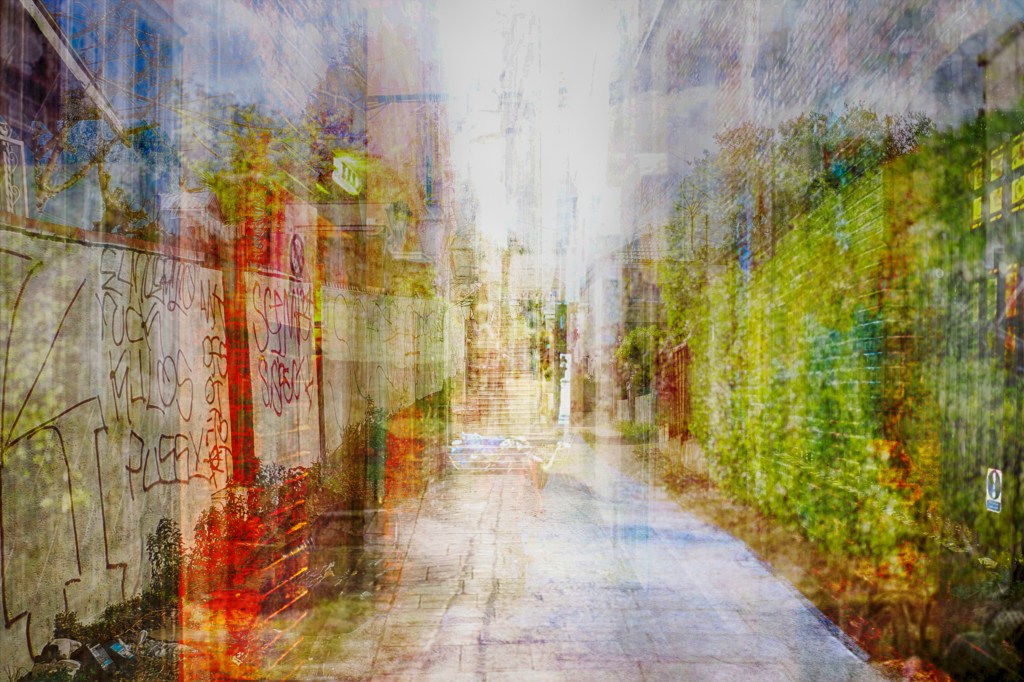
This use of public or vernacular images inspired me to look at my own project, the limitations of not being able to travel to a host of destinations and how to use appropriation/remixing to overcome this. I wanted to look at the common traits within built environments around the world. I’m often drawn towards the space between buildings and often photograph alleyways. Using this as a starting point I set out to search for images of alleyway from thirteen different countries to then combine with two images I created. I wanted to create an image that illustrates the common viewpoint different photographers use to photograph the same subject, ‘15 Alleyways’ is the end result.

15 alleyways, Tim Beale 2020

PHO703: Week 1 Repeat Photography & Rephotography

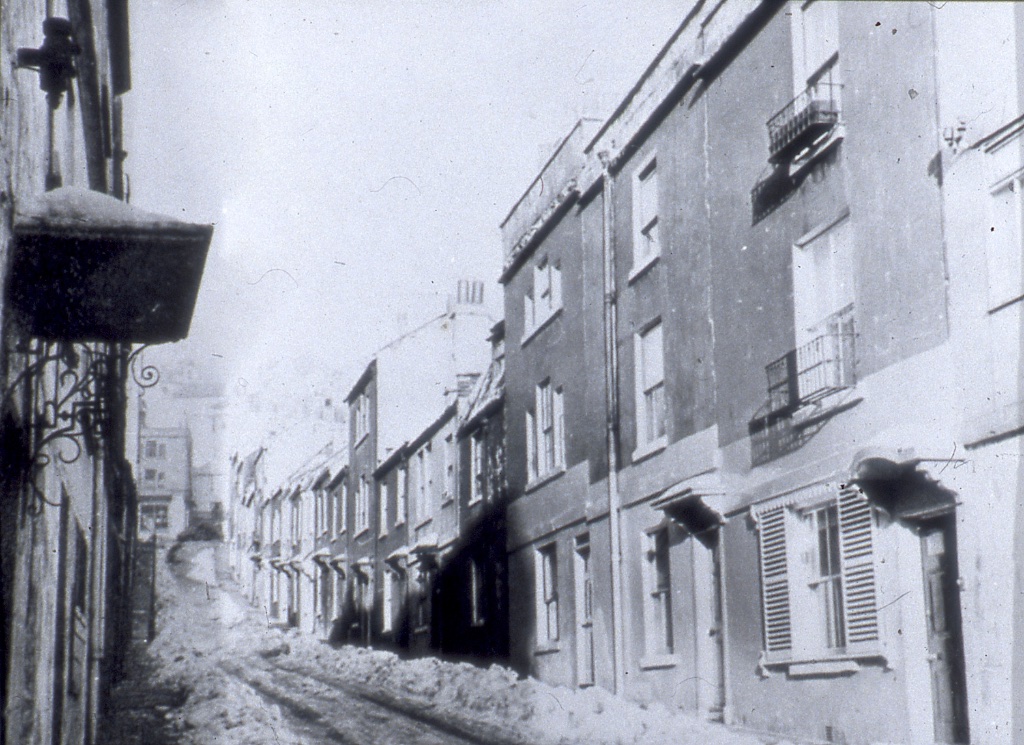
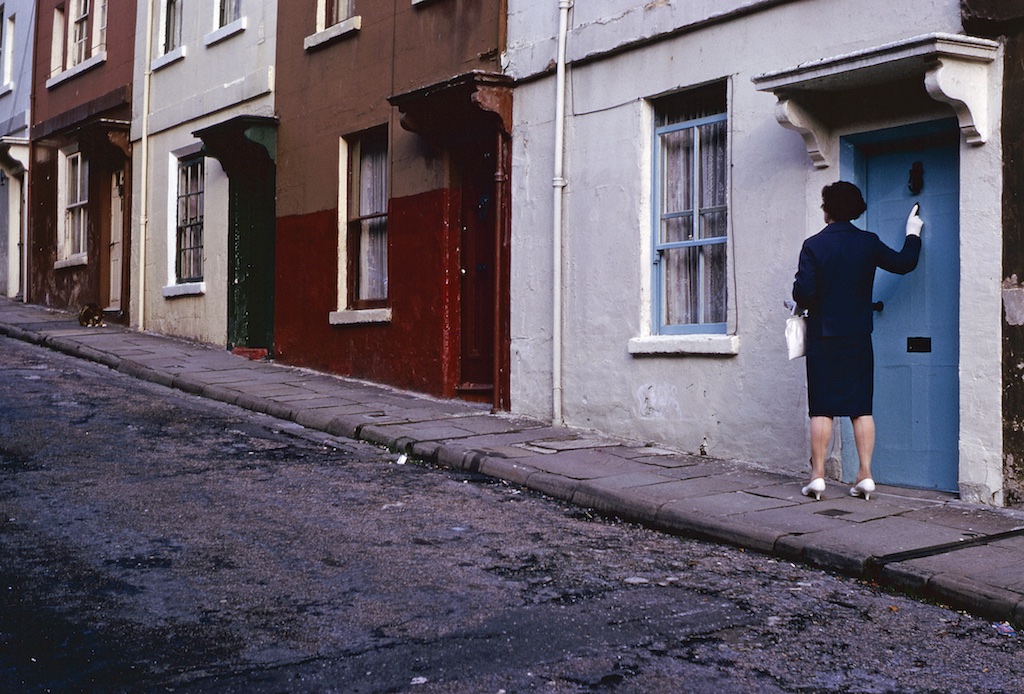
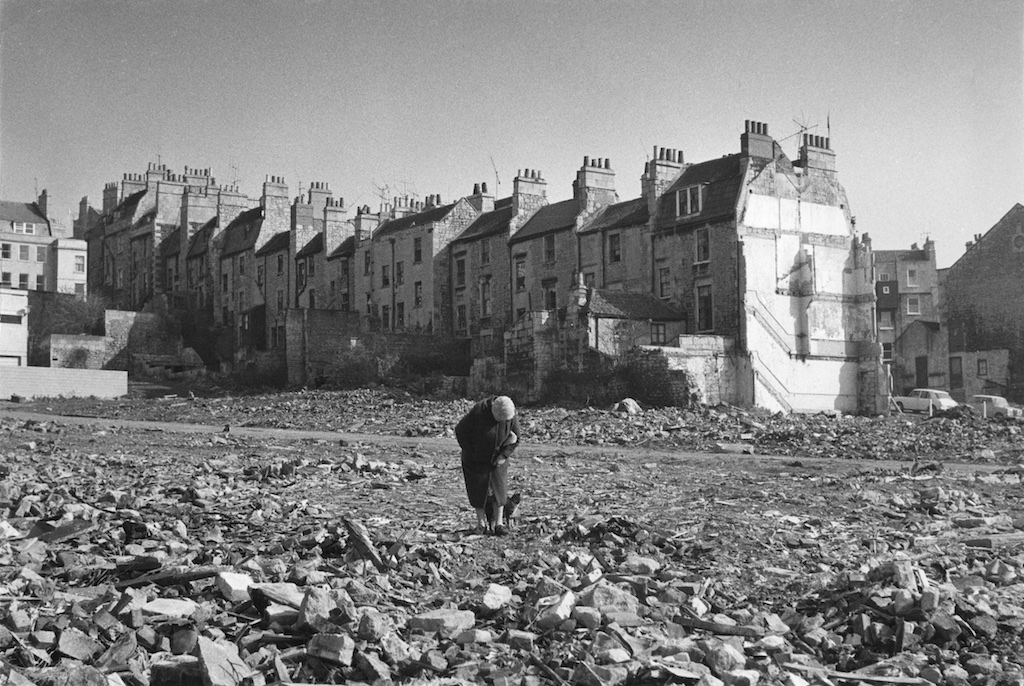
This weeks topics of Repeat and re-photography were both familiar concepts to me as I have used the process of re-photography in my work as the manager of the Museum of Bath Architecture, using archival images to research locations that have changed over time, visiting those places and re-photographing from the same vantage point. I have found this to be a very powerful tool in educating visitors about the loss of building from either bomb damage during the blitz or invasive developments in the late 1960s and early 1970’s (known as the sack of Bath).

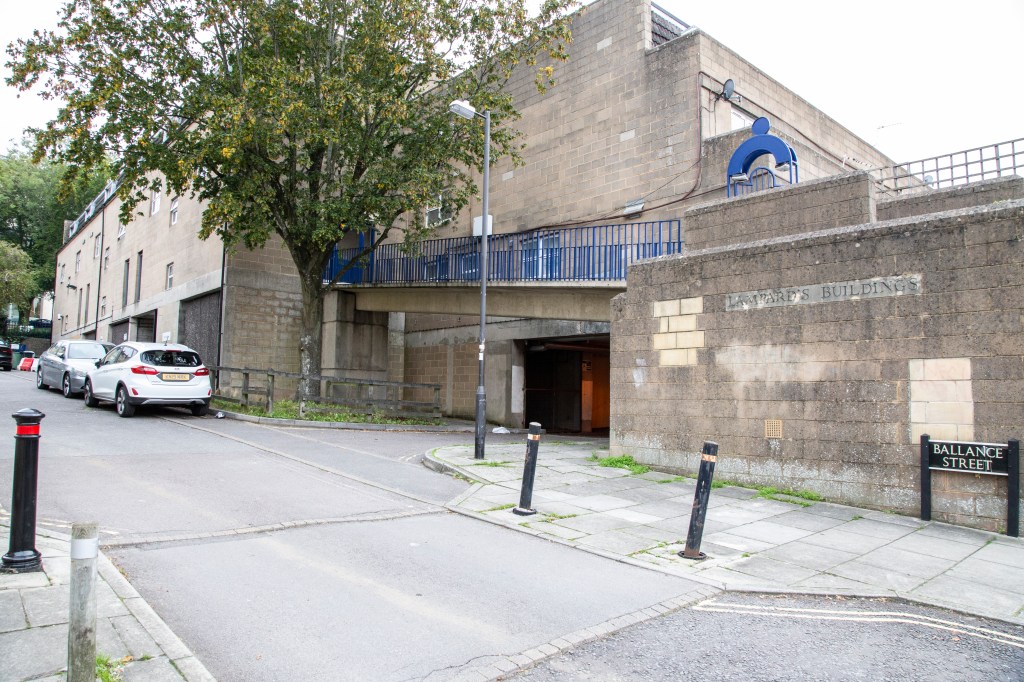
A street through time, was a talk I gave to a number of heritage societies, and looked at how the archival images held at Bath Preservation Trust could be used to document the changing topography of a city. The images of Balance Street in Bath show the various stages from an occupied Georgian terraced row of houses in 1963, a BPT researcher visiting resident prior to eviction in 1966, the demolished street in 1972 through to my image of what we have today. The street is almost unrecognisable.

I have recently started to experiment with a number of images I took as part of my project, looking at emotion responses to isolation and separation. Each image uses a different colour filter applied that is representative of an emotional colour. At this stage I’m not sure if I will gone down this route, however what is evident though is that this process need further development by rephotographing certain portraits using alternative lighting methods, colour gels etc.