Cubistic Influences

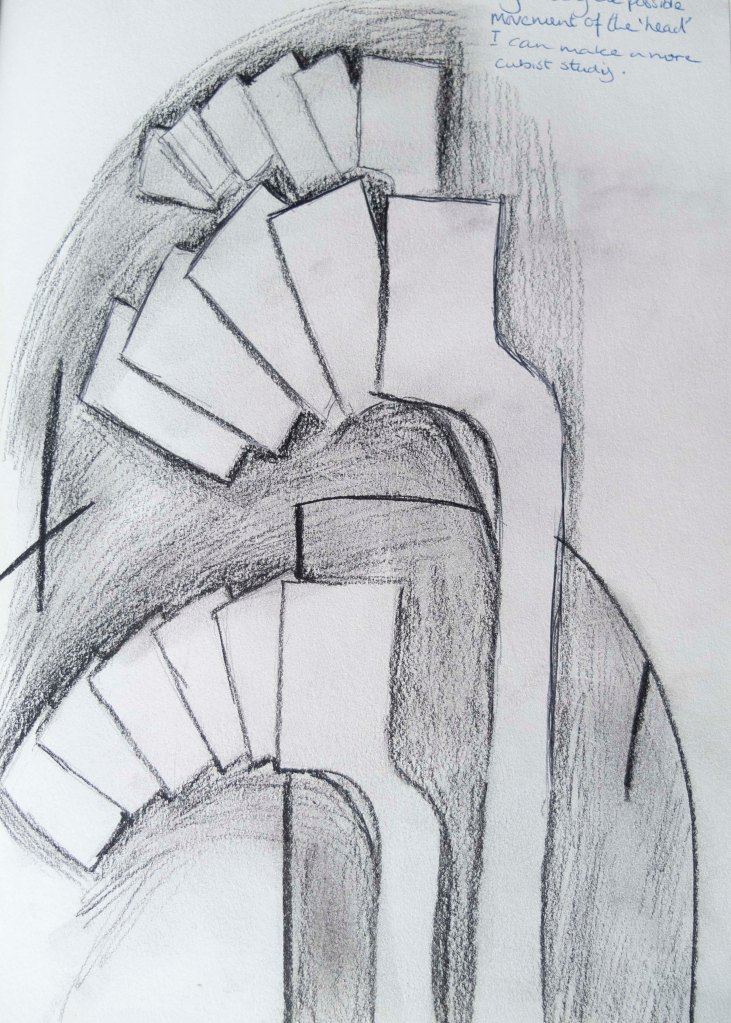
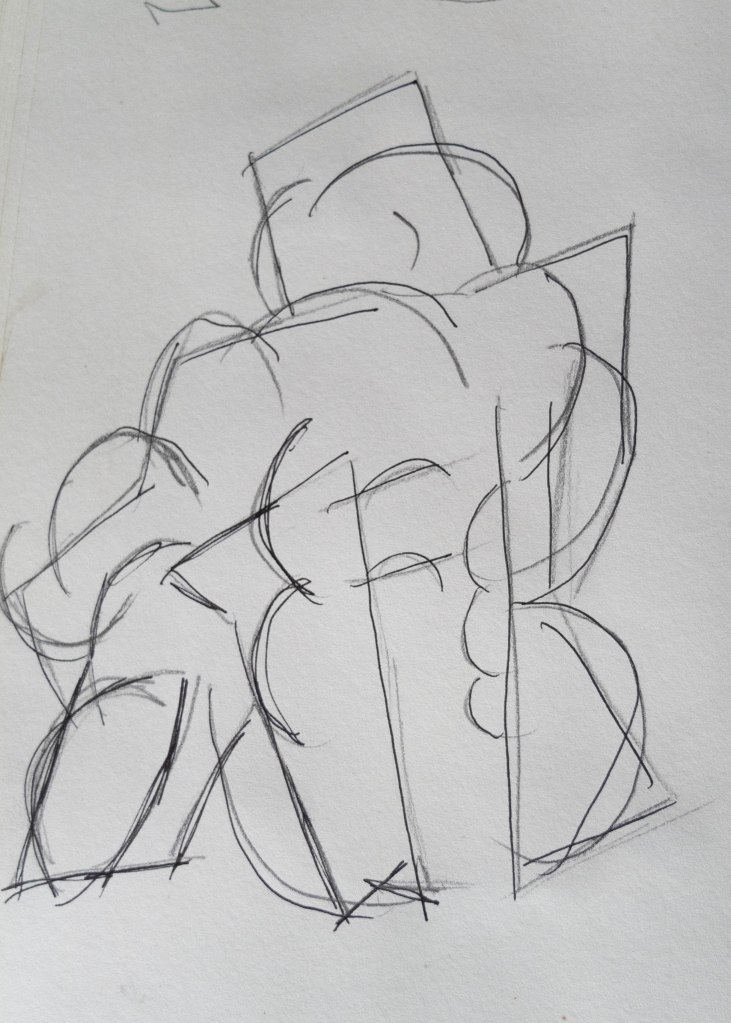
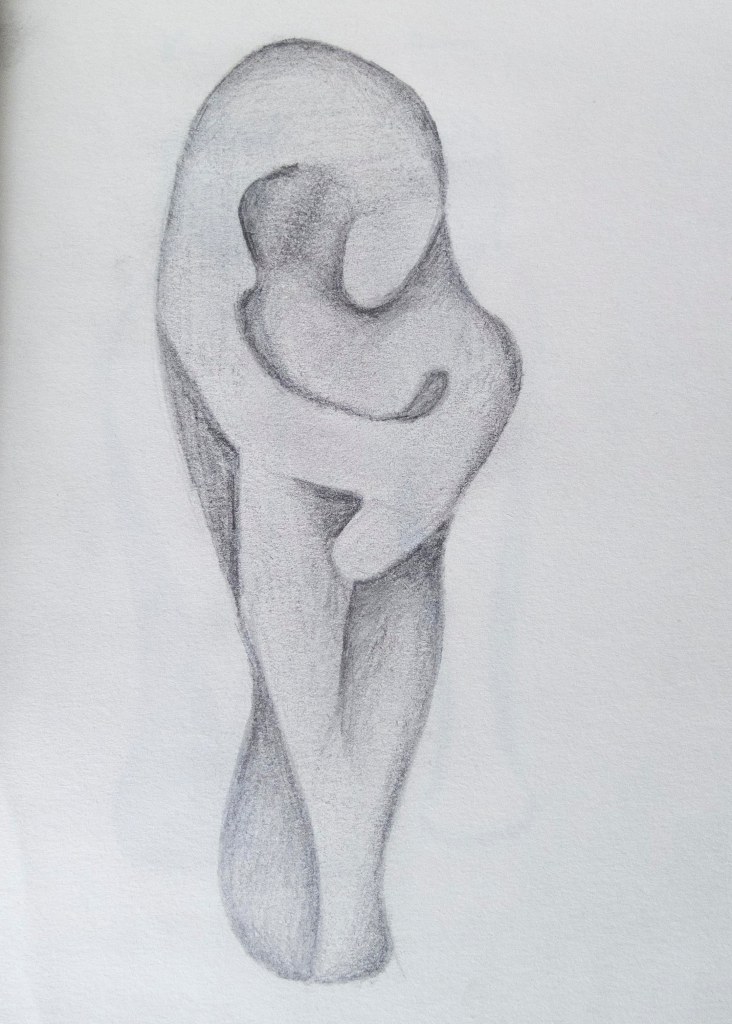
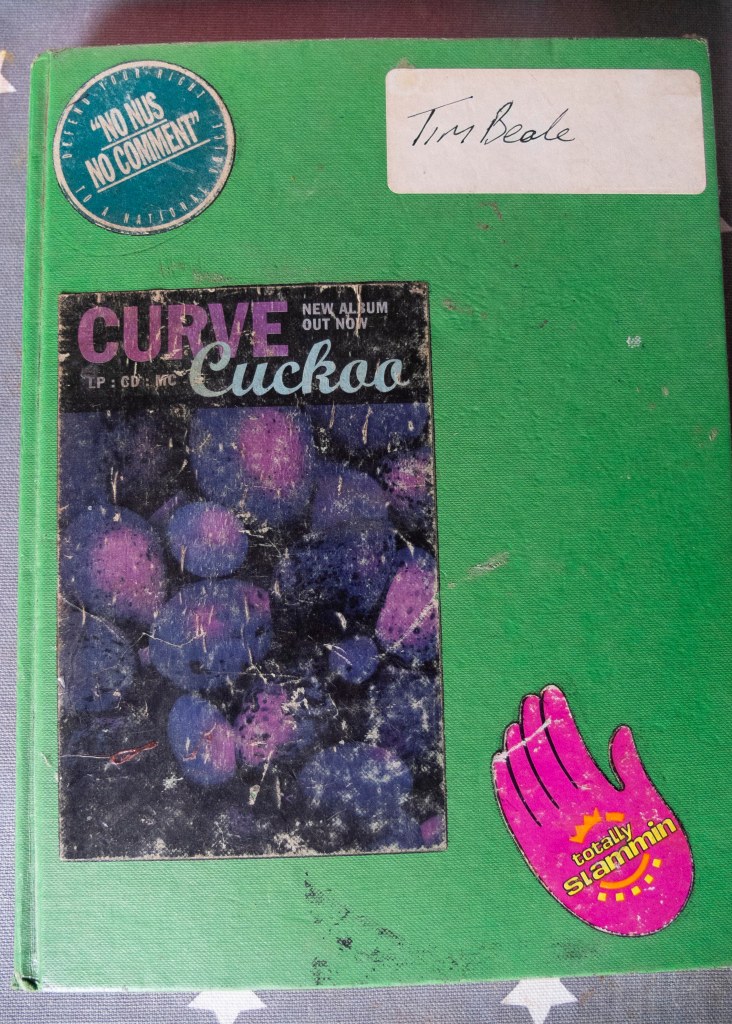
I find my practice being drawn back the influence of the cubist and futurist movements, either consciously or subconsciously. I recently rediscovered an old sketch book from my a-level ceramics course, some 28 years ago stored in my basement. Flicking through the pages it was very evident even back then I was drawn towards the way form is represented. The fracturing of 3D shapes so as to render 2D. Now realise that what first attracted me to these styles was the simplification and geometricisation of form that both the cubist and futurist produced in their practices.
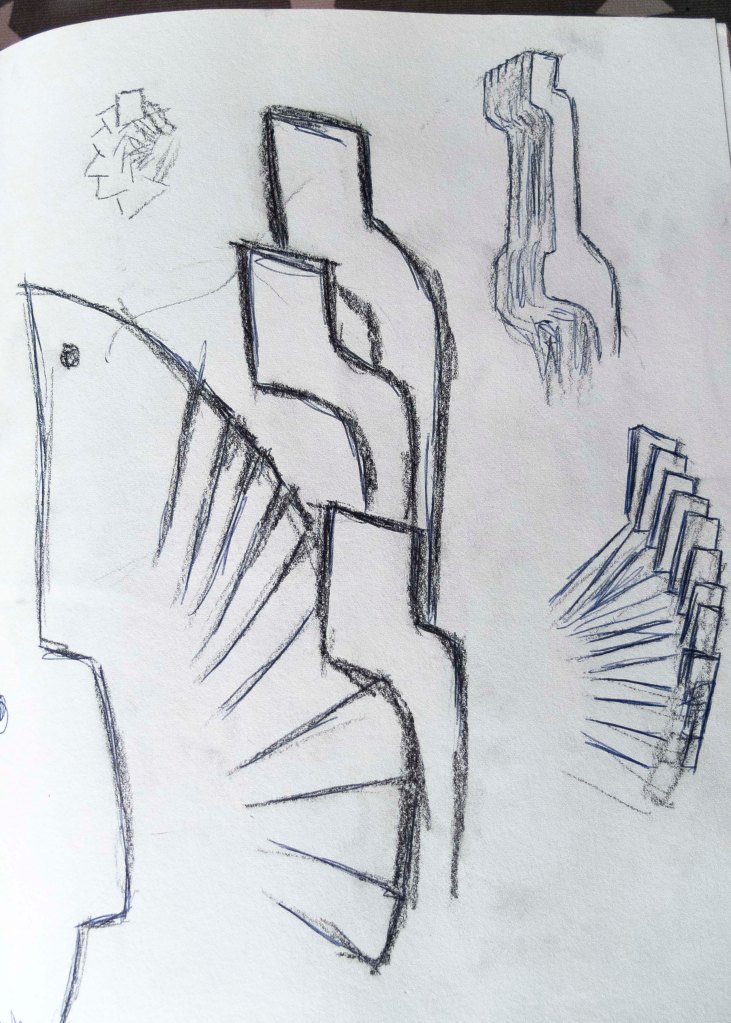
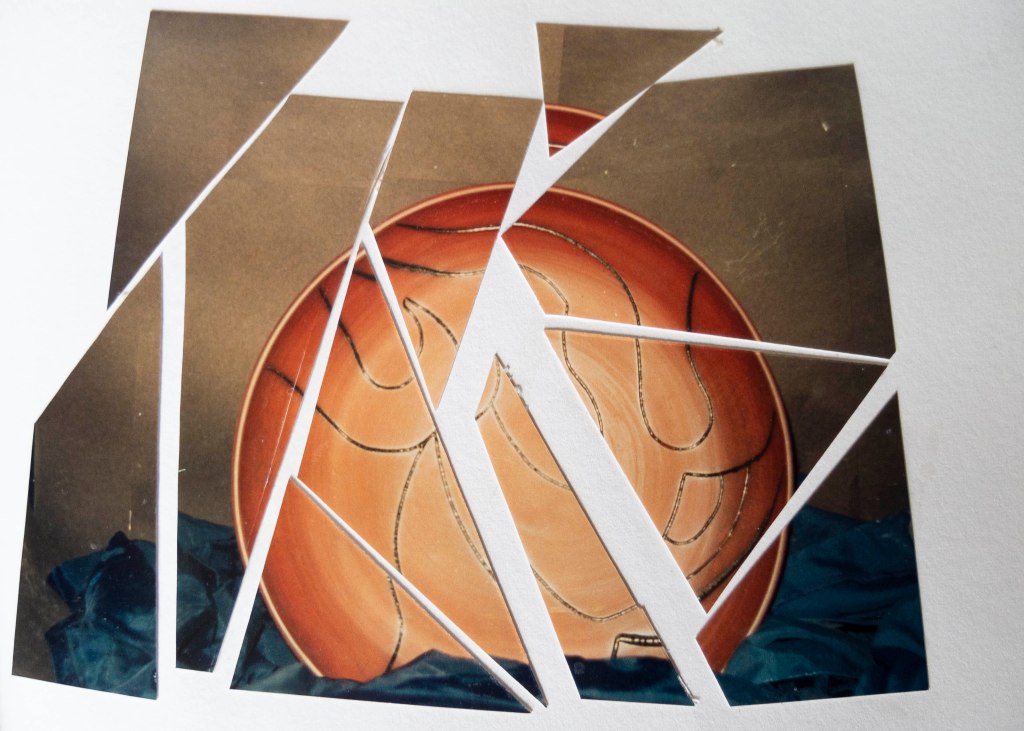
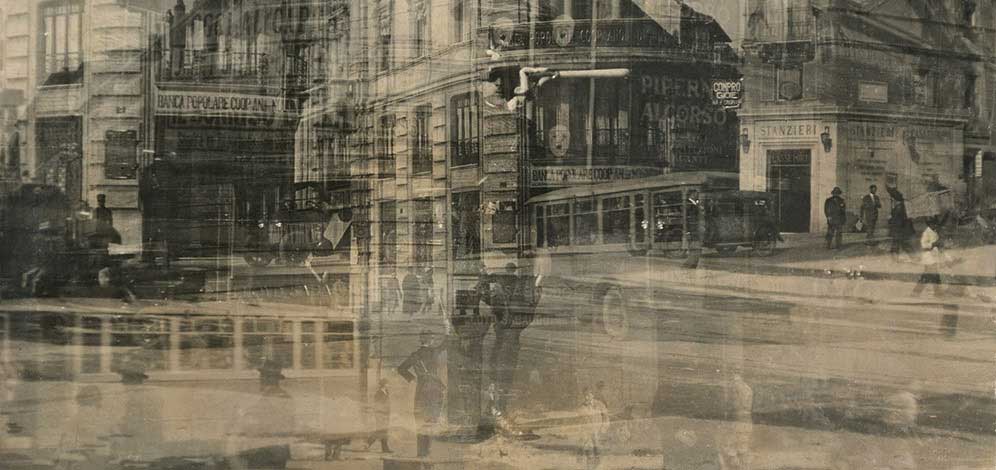
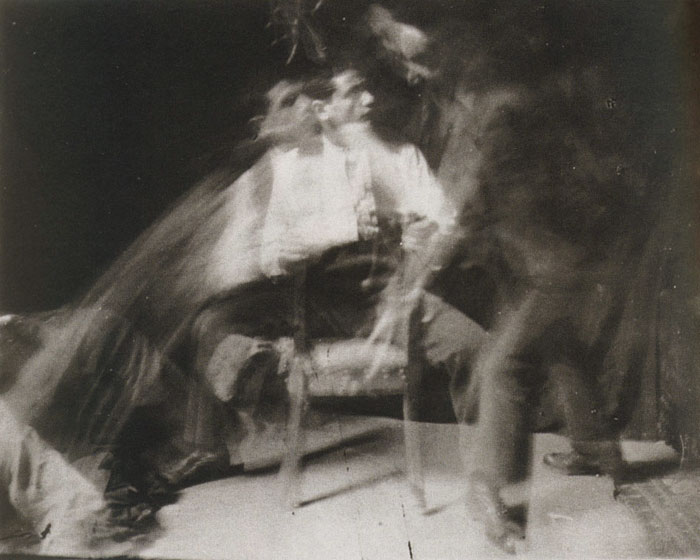
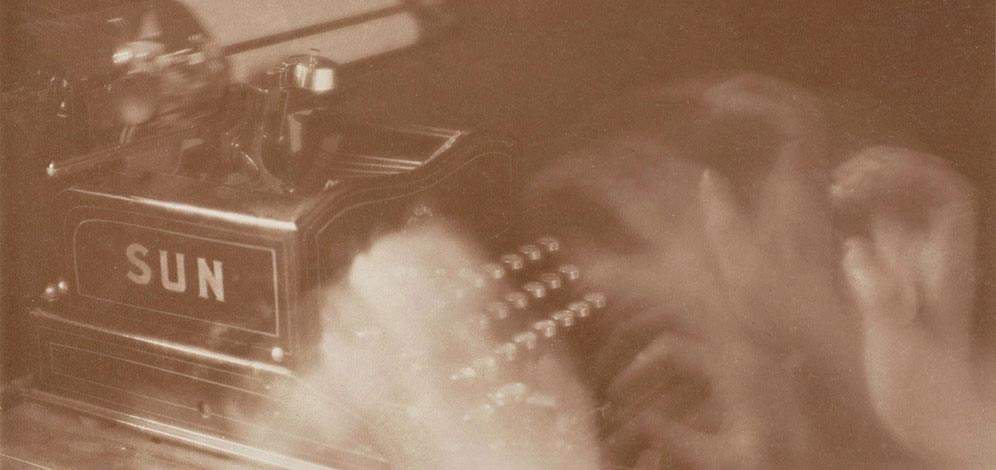
I remain interested in work by Picasso, Braque, Bellusi and Bragaglia, finding my current practice being influenced by their work. In particular the way in which they portray the dynamics of space, simplifying form, the use of multiple points of reference in an image to place it within its own space. In one hand the cubists looked to illustrate 3D space on 2D, wearas the futurists aimed to capture motion within a still image. When attempting to capture a feeling or something less tangible, the work of these two movements seems a good place to start.
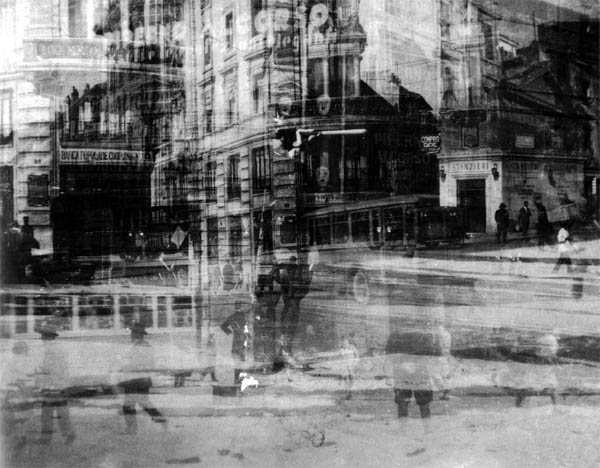
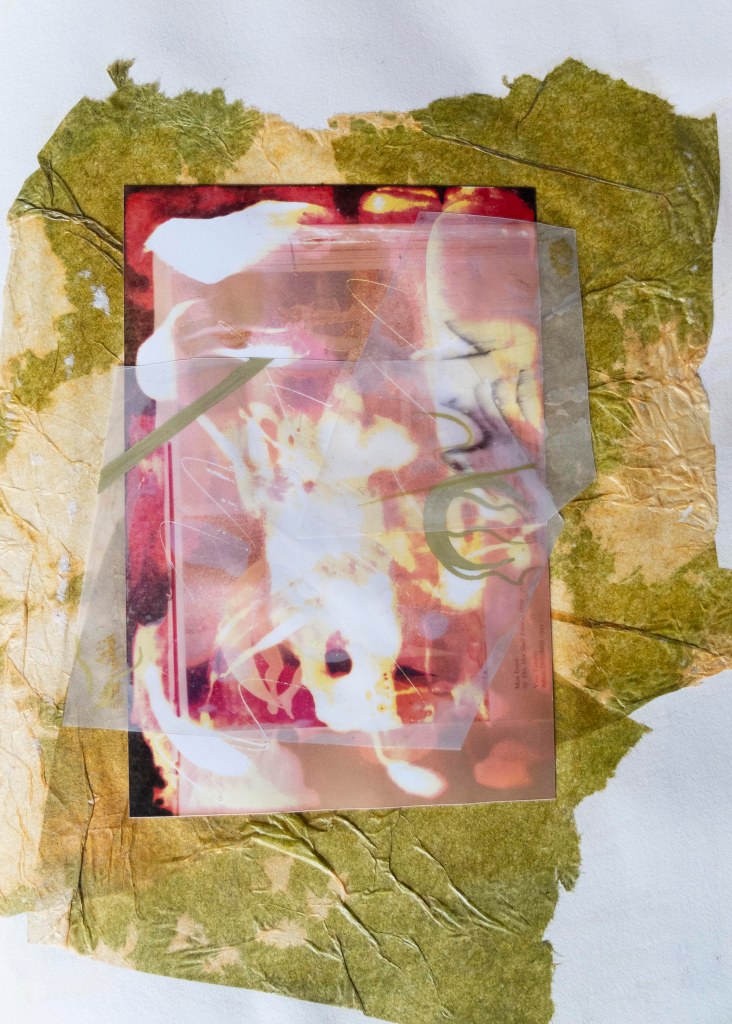
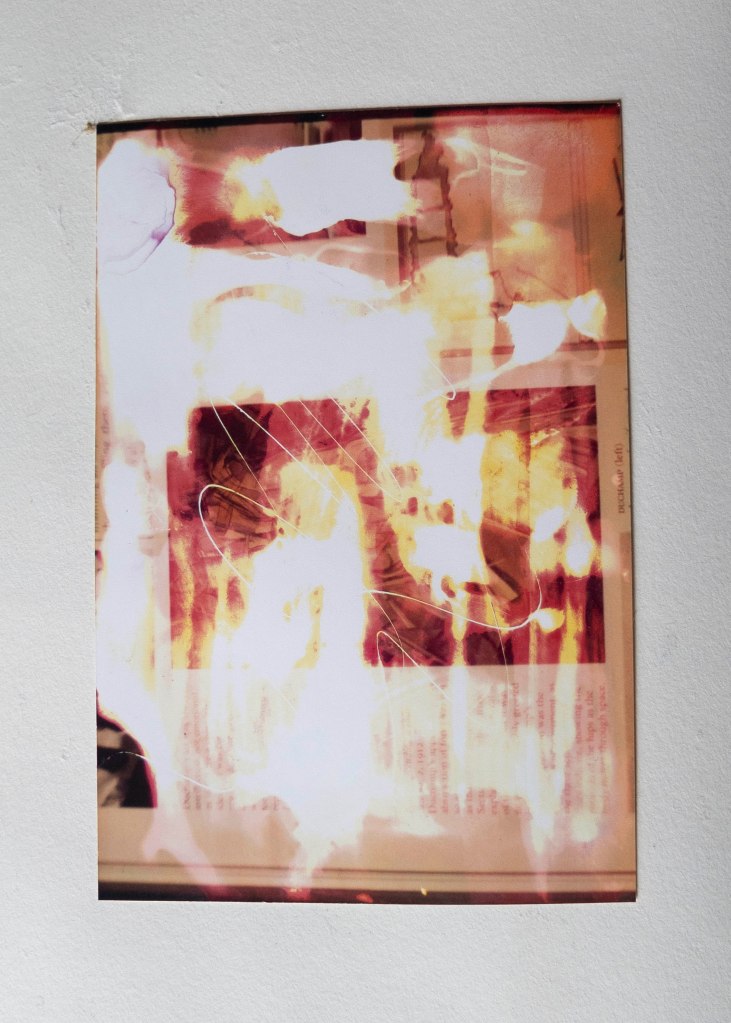
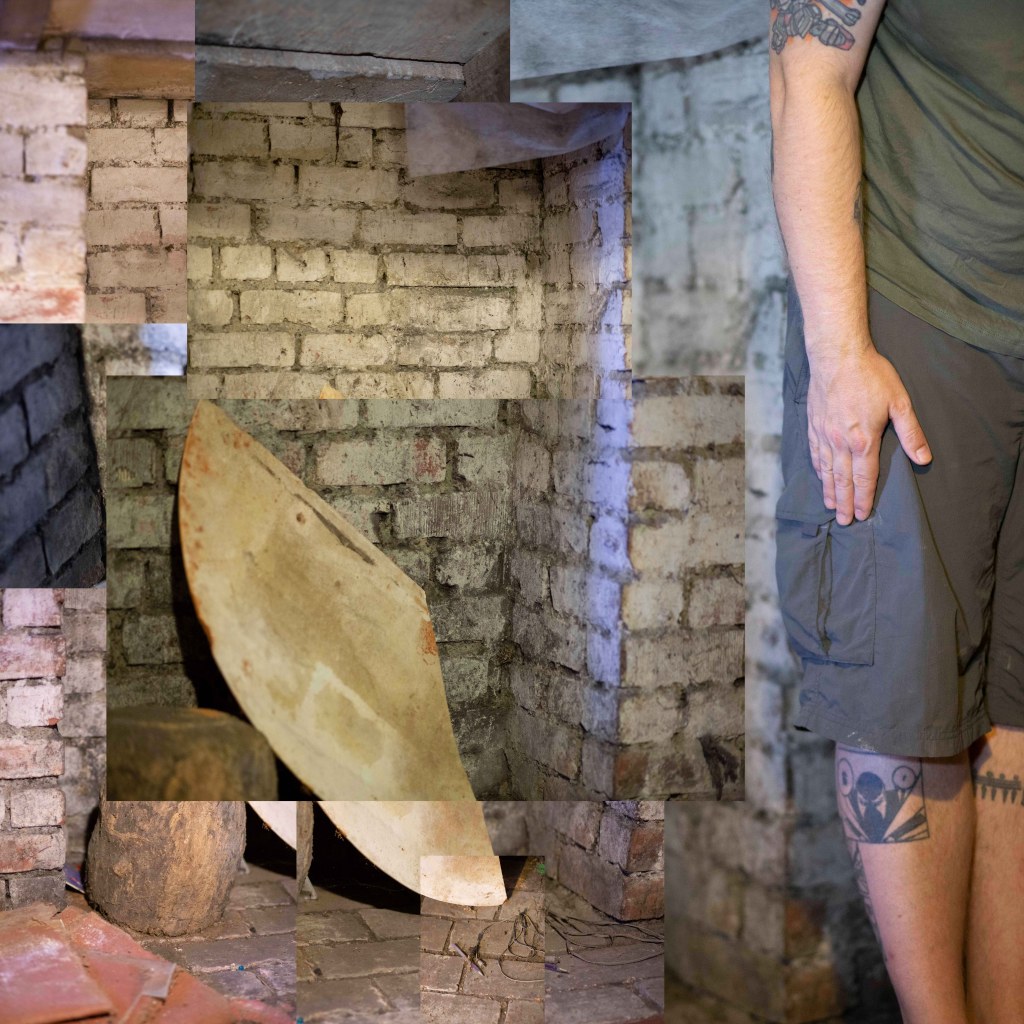
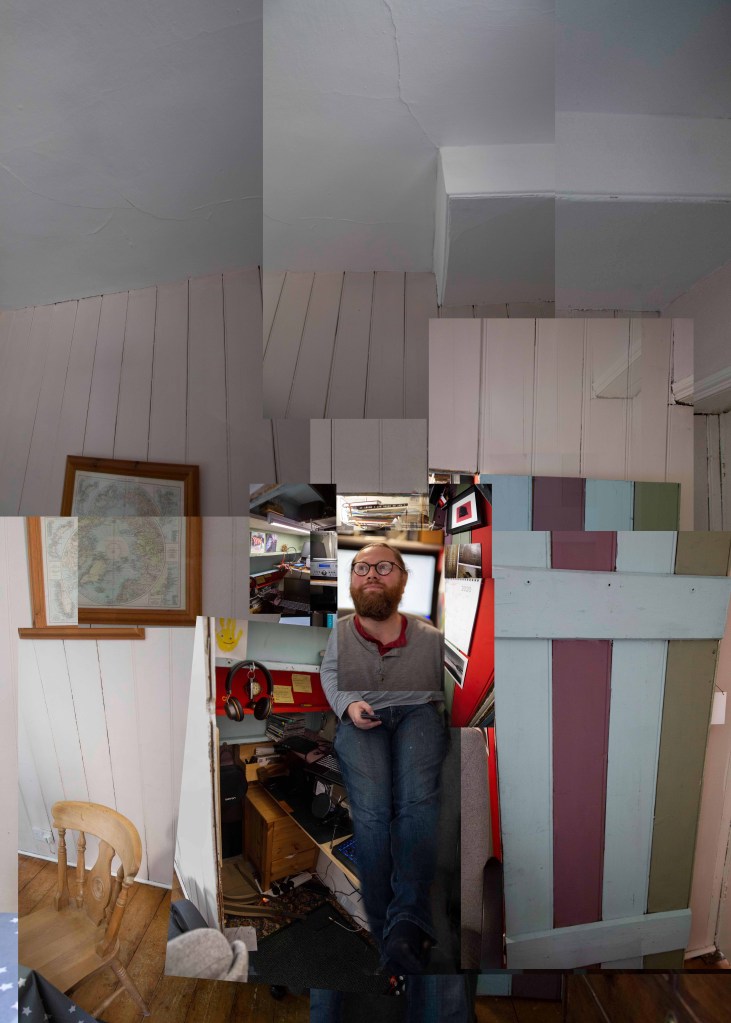
My more recent work uses this concept of multiple points of reference, moving the camera around different angles, giving a depth and texture to the two dimensional image, allowing the viewer to see the three dimensional space. Experimenting with styles and methods of image making with my own project I find myself taking on a more sculptural methodology of building up layers of images. Over the next few weeks I intend to look to rephotograph a number of these images so that I can refine the final image.
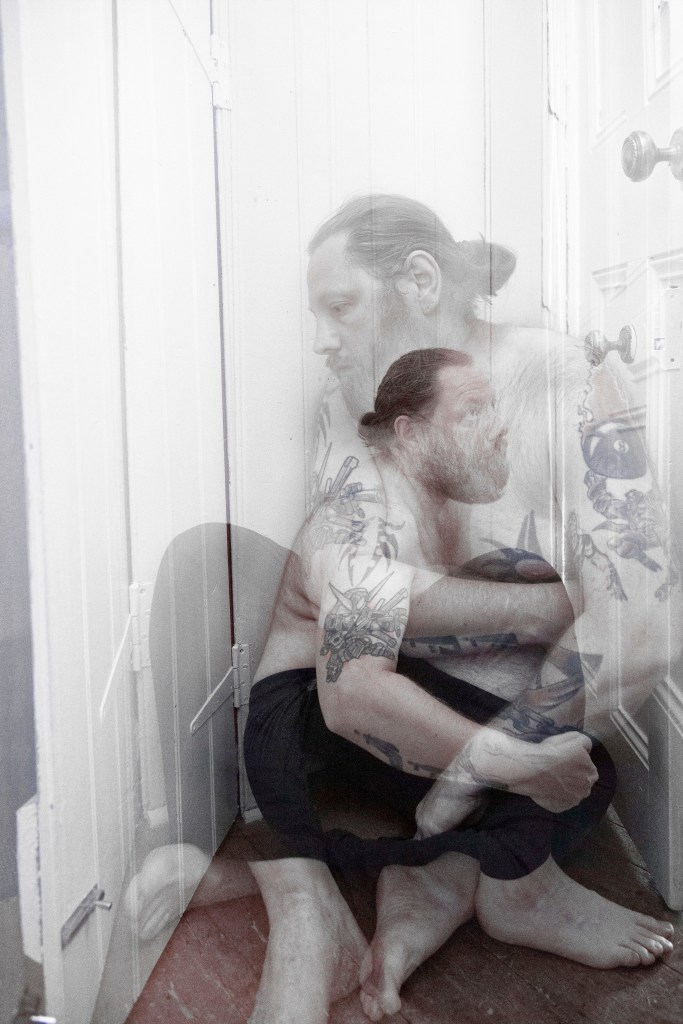
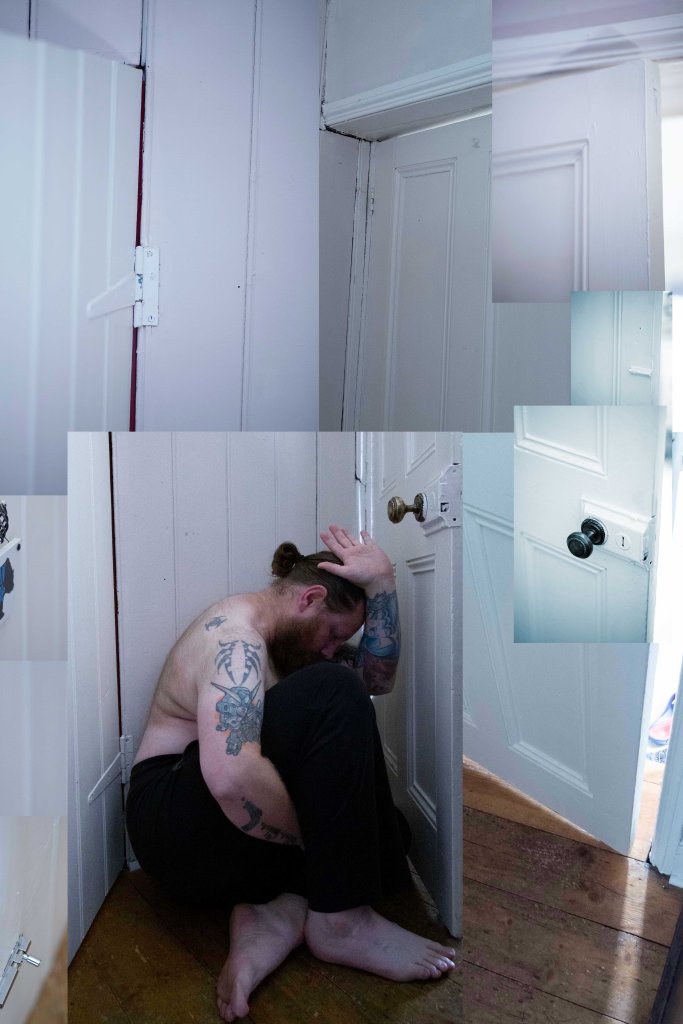
Beyond the ‘White cube’

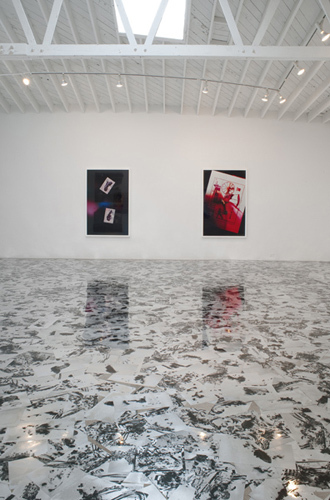
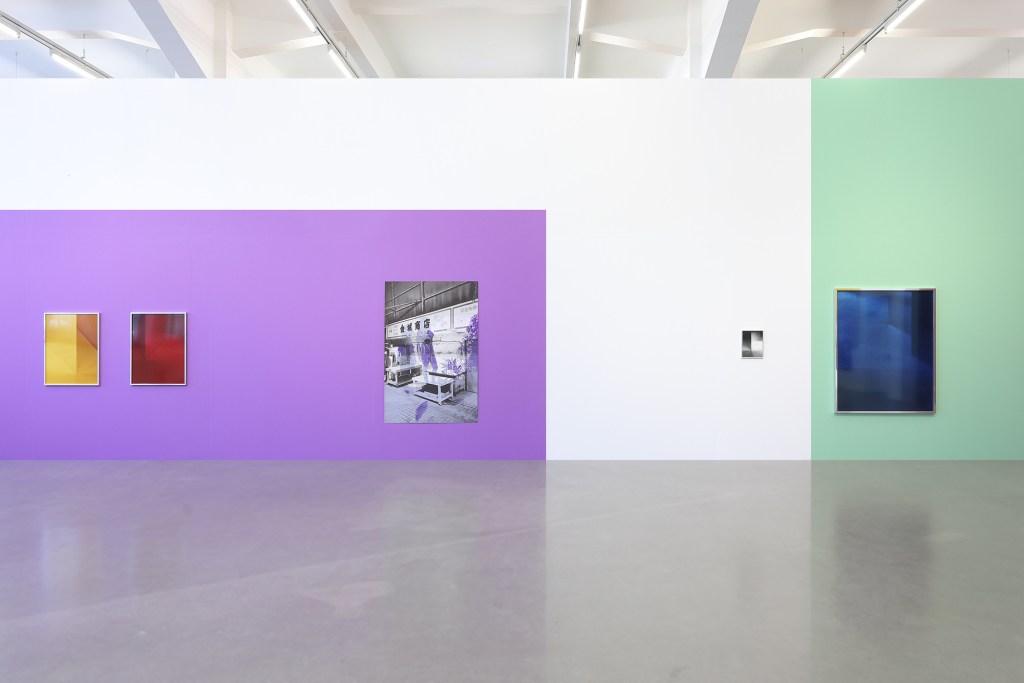
Two artist photographers that I have found who step beyond the stereo typical white cube format of a photography exhibition have been Carter Mull and Shirana Shahbazi. Both photo artists utilise the space they display their work in, manipulate or incorporate the space as to become part of the exhibition.

Carter Mull, an American artist uses photography and re-photography in his practice is a visual metaphor that conveys the density of communication saturation:

The meaning of making and watching images in a world in which visual bombardment is omnipresent to the point of over saturation.”

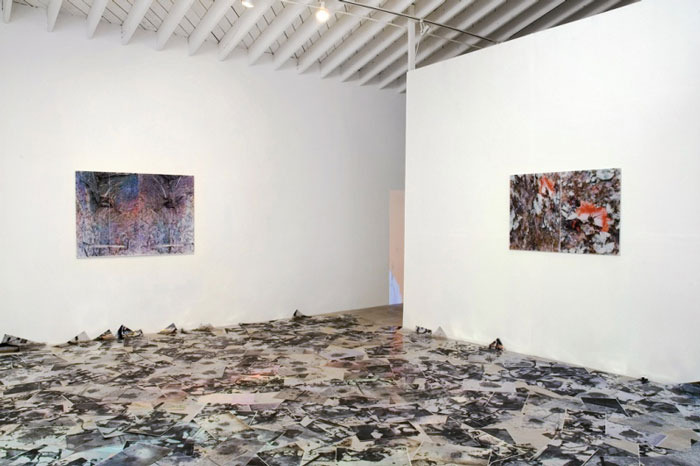
Mull’s work often uses archival materials from old newspapers, a media that he describes as being almost obsolete, the daily paper would be regarded as history each day. By re-photographing and using these newspapers in his work Mull is creating new histories. Building up collages and photographs of multiple sources he creates something new. For me these individual works only really come into their own when exhibited and a single unit. As with the 2006 ‘Ground’ and 2010 ‘Metemetrica’ exhibitions, Mull uses 1800 offset prints on various media strewn about the main exhibition space floor for visitors to walk on. The number of prints corresponds to the number of individual frames in sixty seconds of video footage, at the standard rate of thirty frames per second. I feel this density of images further bombards the viewer and instils the context in Mull’s practice.

I also want this same logic to function between photographs. This is why I try to emphasise the diversity of formats within my larger practice. Part of the impulse to look at the local paper also has to do with a desire to locate an image matrix— one that was delivered to me, and that houses mass images designed to cut across multiple demographics. I wanted to take the paper as a kind of generative source to structure the grammar of a body of work.”

Whilst Mull’s images seem at a polar opposite to my practice, I feel his use of space, when exhibiting, aligns to the context of my work, in that we are both using personal space (proximics) as a way to engage the viewer beyond the fixed image.

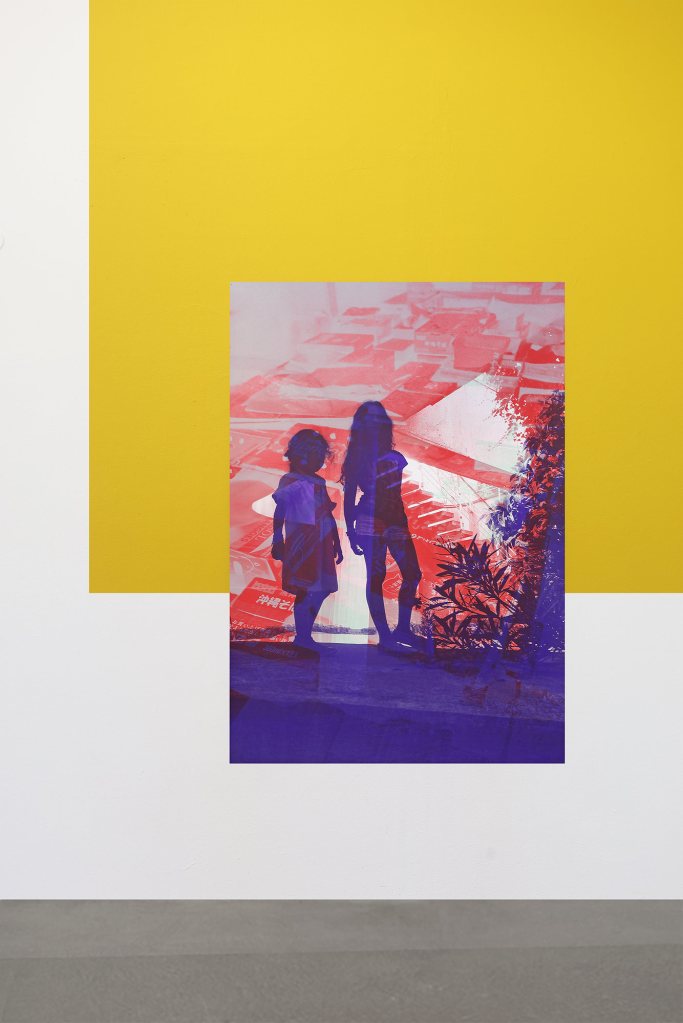
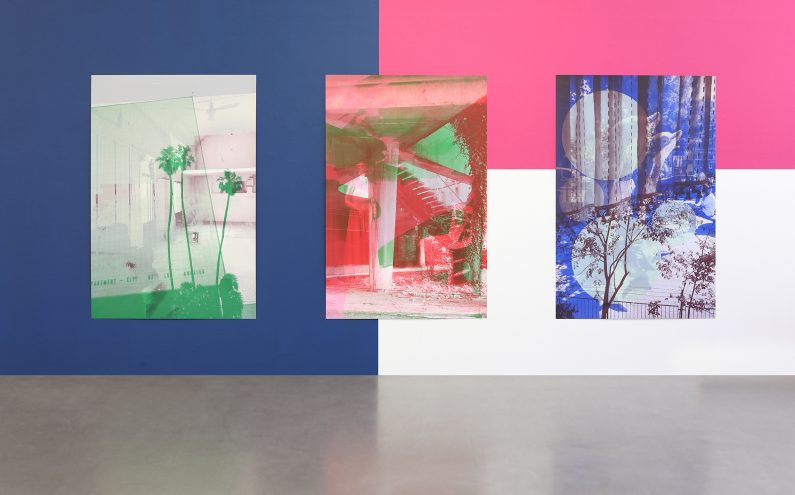
Shirana Shahbazi, is an Iranian-born photographer, famed for her contemporary take on traditional photography genres such as still life, landscape and portraiture. Unlike Mull, Shahbazi’s practice can often be seen as individual works with their individual contexts. Shahbazi’s series ‘Objects in mirror are closer than they appear’ 2018 she composed abstract photographical images of spaces that are distinguished by vibrant colours, juxtaposed by sharp black and white contrasts.

In the exhibition at the Kunsthaus Hamburg, Shahbazi is focused on the subject of space, both as an abstract construct and in the sense of lived urbanity. Shahbazi transformed the gallery space by means of colour and geometric shape. This use of shape and colour complements each set of images, linking in the contrasting b&w images with colour an as such unifying to create a cohesive exhibition.

What I have taken from looking at these photographers is how each has approached the design of each exhibition is another step in the image making process. An exhibition in itself should be considered the final image in a series.

[ Carter Mull sources: museonagazine.com interview with Richard Turnbaull 2010, Artforum: Carter Mull ‘Metemetrica’ 2010 by Aram Moshayed. http://www.museomagazine.com/CARTER-MULL]

[ShiranShahbazi sources: https://youtu.be/XsaHyQjS_rk https://www.e-flux.com/announcements/190663/shirana-shahbaziobjects-in-mirror-are-closer-than-they-appear/ https://www.moma.org/interactives/exhibitions/2012/newphotography/shirana-shahbazi/]

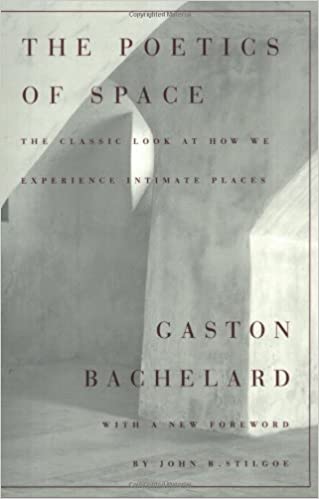
The poetics of space: House

[G Bachelard, The poetics of space, 1958 Press Universitaires de France.]

In ‘the poetics of space’ Bachelard applies the method of phenomenology to architecture, on lived experience in architectural places and their contexts in nature. He focuses especially on the personal, emotional response to buildings both in life and in literary works, both in prose and in poetry. He is thus led to consider spatial types such as the attic, the cellar, drawers and the like. Bachelard implicitly urges architects to base their work on the experiences it will engender rather than on abstract rationales that may or may not affect viewers and users of architecture.

In the section ‘House’ Bachelard discusses the fundamental importance of the house as a space in which we store memories:

Of course, thanks to the house, a great many of our memories are housed, and if the house is a bit elaborate, if it has a cellar and a garret, nooks and corridors, our memories have refuges that are all the more clearly delineated. All our lives we can come back to them in our daydreams.”

And how we fill our homes with objects, photos, keepsakes as strongholds for our memories. When we wish to recall a memory we can seek out that object, special space or room that holds the key to that memory. We can visualise the room in our conscious mind and question:

Was the room a large one? How was it lighted? Was it warm?… How too, in these fragments of space, did we achieve achieve silence? How did we relish the very special silence of the various retreats of solitary dreaming?”

Bachelard further goes on to discuss the house we were born in, the way the ‘house’ holds not conscious memory but a physical memory. Memories we cannot bring to mind but rather those of learning to, walk, talk, touch, taste, smell:

But over and beyond our memories, the house we were born in is physically inscribed in us. It is a group of organic habits…. In short, the house we were born in has engraved within us the hierarchy of the various functions of inhabiting.”

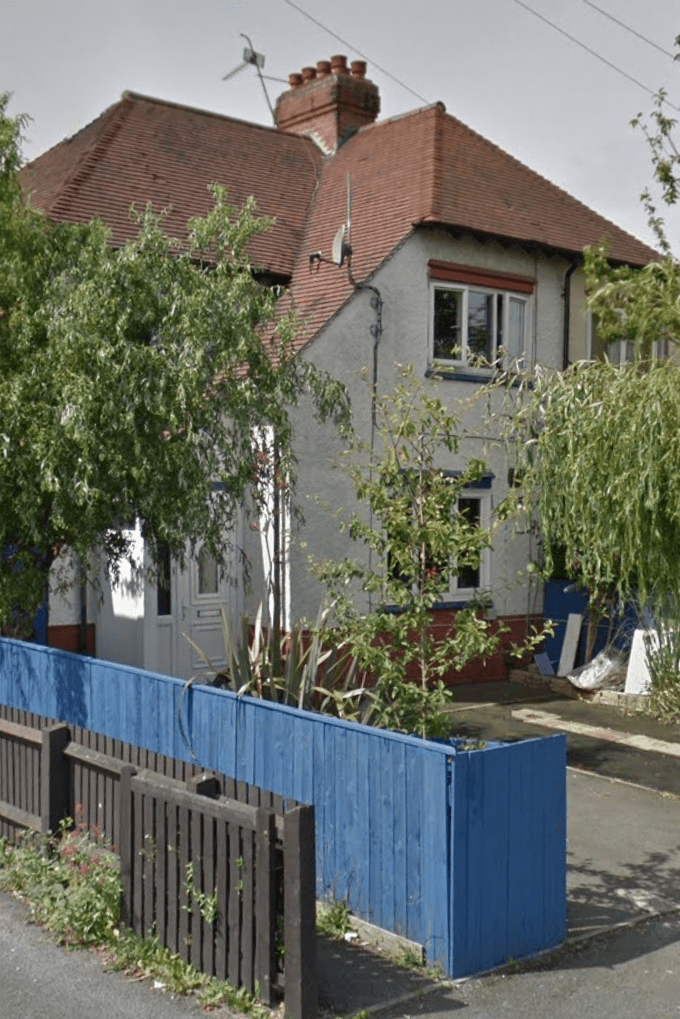
This recalls memories of the house that holds my earliest memories, despite recalling many moments there is a point beyond memory. However I have ‘sense’ of the place from this pre-memory, or as Bachelard indicates an “organic habit”. It is, however, unclear at which point do my emotional responses originate, the conscious or organic memories. For example I can clearly remember my room, the view from the window of the garden, the bathroom and living room, however I cannot recall how the kitchen looked or the front garden. I do recall what food I ate, the smell and taste and that we had a privet hedge at the front of the house. This solidity of memory is so founded in this space. Without the house as a point of reference would our memories simply drift in the winds, to be lost to time?

8 Anderson St, Derby. Google Street view capture July 2017. The house that stores my earliest memories.

Reflection and Research

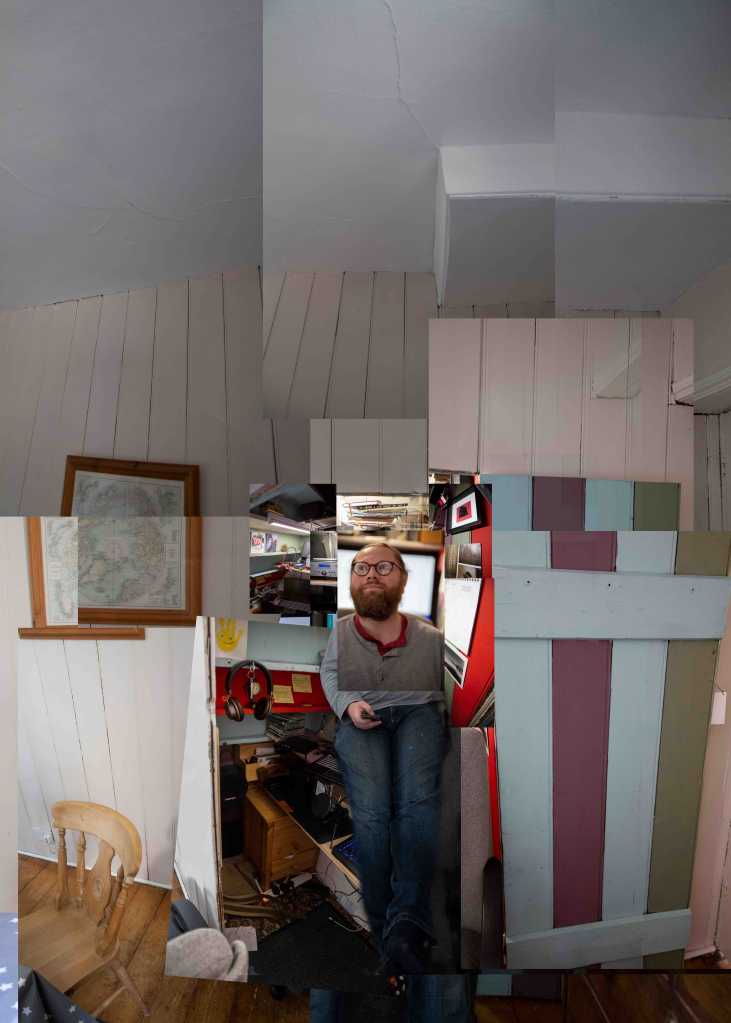
This week, after some great one to one feedback from my tutor, I started to explore self portraiture. I have often used this in my practice as a form of experimentation, either with new ideas, equipment or replicating a particular photographic style I liked. For my project I started looking at ways in which to include my personal space, and objects that make form an integral part of it, in my self portraits. My ‘Study’ self portrait shows my workspace that I created under ours stairs, I aimed to show the organised chaos of the space whilst my portrait shows an thoughtful and optimistic me.

Personal Space: The study

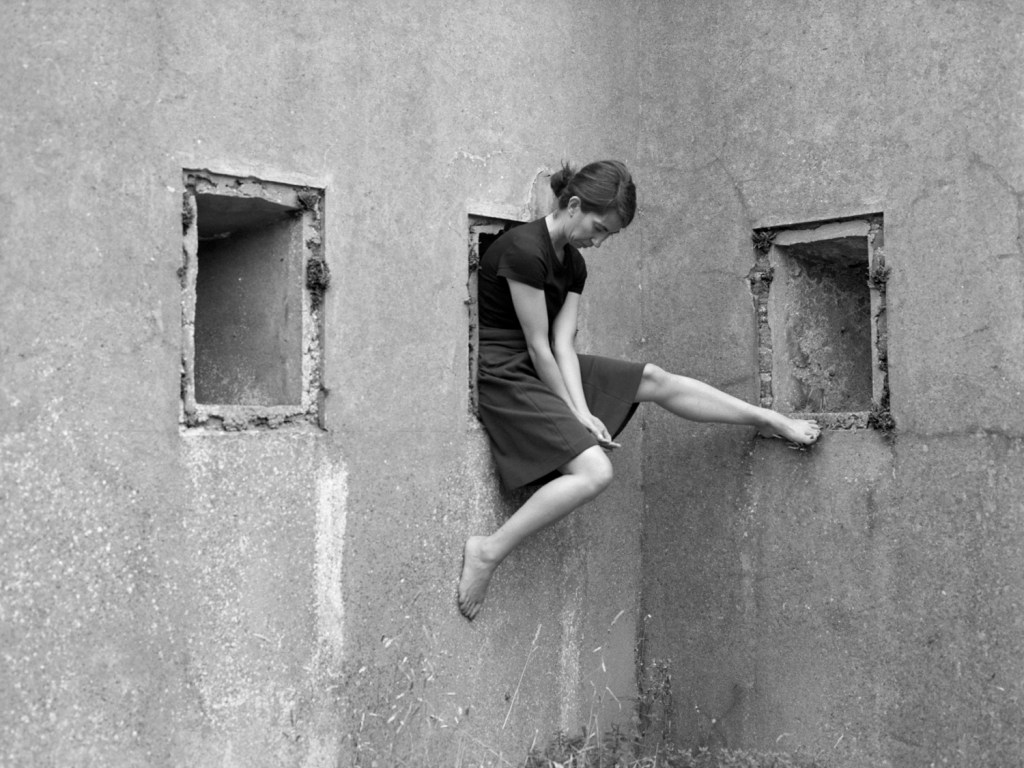
I have also looked at what other photographers, who produce self portraits, are doing. Initially I looked at a photographer my tutor brought to me attention, Clare Rae. Rae’s work, sees her taking the role of performer in her images as she enacts different scenes. There is an almost uncomfortable nature about the images, the way in which she seems to perch on or near objects. Each image has been carefully composed to give the viewer a sense of unease and anticipation. I am particularly drawn to the ‘Never stand on two feet’ series that show’s Rae in different spaces, her choice of pose conveying how her body interacts within each space. I can see how this type of ‘performing’ for the viewer can impact on how a space is interpreted. This I feel, could be a useful method within my own practice.

Never Stand on two feet, Clare Rae 2018

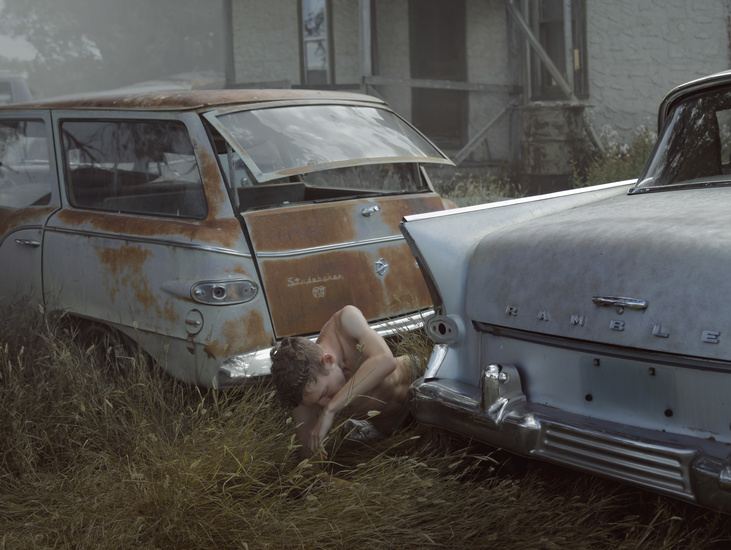
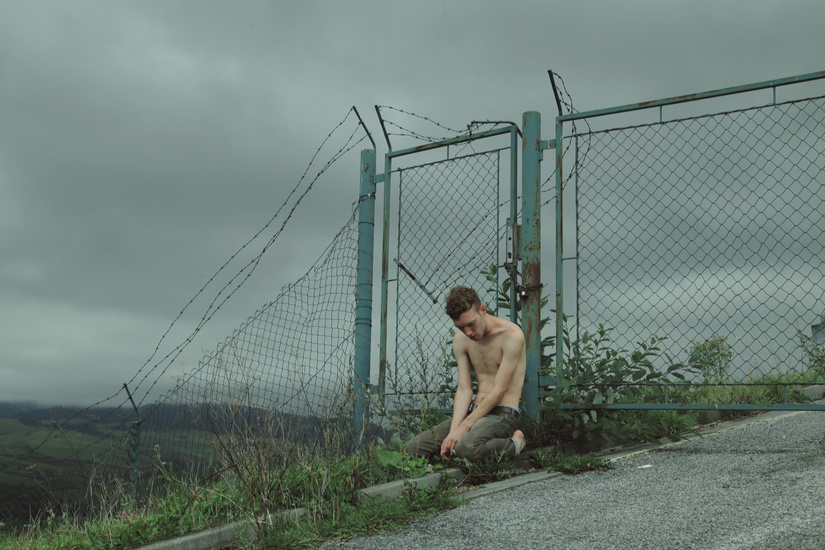
My research also drew me to the work of Kyle Thompson, who’s self portraits are often taken in abandoned houses or woodland. His series (similarly titled) ‘The spaces between’ portrays images of Thompson in the spaces we tend to dismiss, walk past or avoid. He describes his practice as ‘encapsulating the ephemeral narrative, a nonexistent story line that only lives for a split moment.’ however I would argue that the context for each images takes the viewer on a journey and exploration of place, with each scene less so a ‘split moment’ as part of a bigger picture. As with Rae’s work we see the photographer as performer, model and subject, as a way of engaging the viewer. In his series ‘open stage’ (http://www.kylethompsonphotography.com/open-stage#13), Thompson pairs self portraits with wider shots of what he calls the ‘scene’, in other words the stage to which his performance was set upon. His work, to me, is less ephemeral, but has a more isolating and starkness that leaves the viewer (me) with a sense of unease.

Over the next six weeks or so I will concentrate on self portraiture, experimenting with spaces, lighting and colour. I also want to research more about how colour can be used to ‘set a scene’ or influence am emotion in the viewer.