PHO703: Journey & Reflection

’30 years later’

https://30yearson2020.wordpress.com/

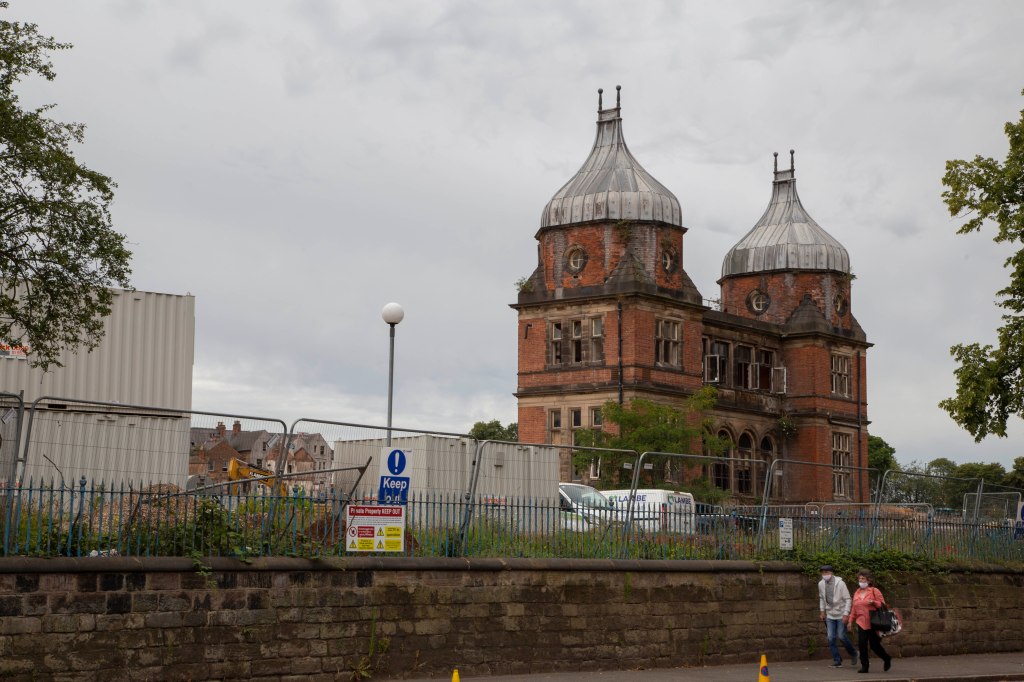
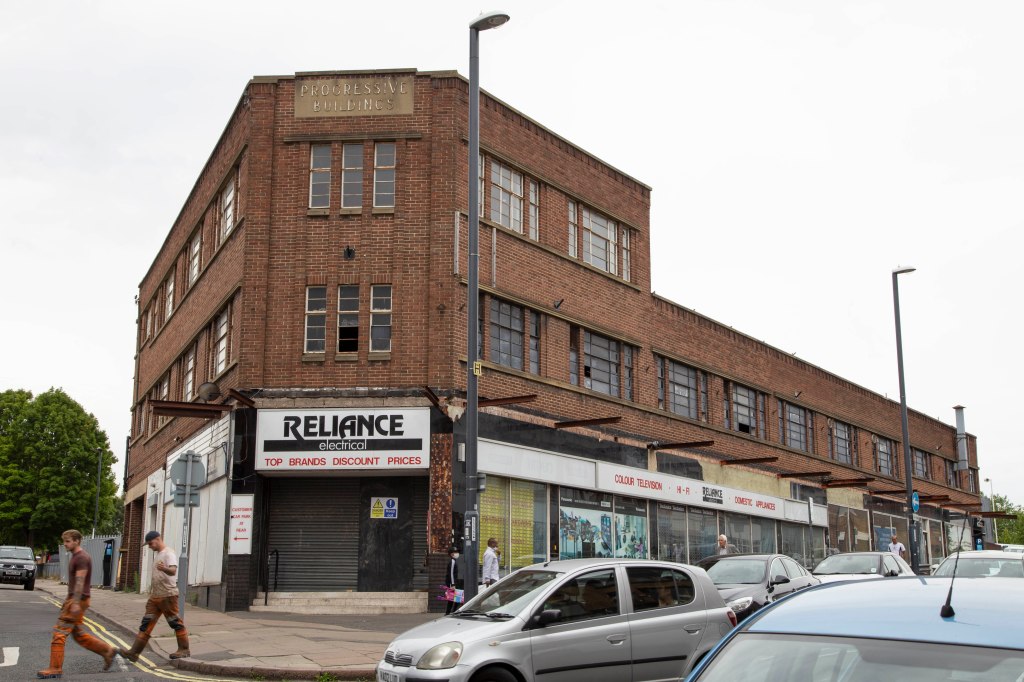
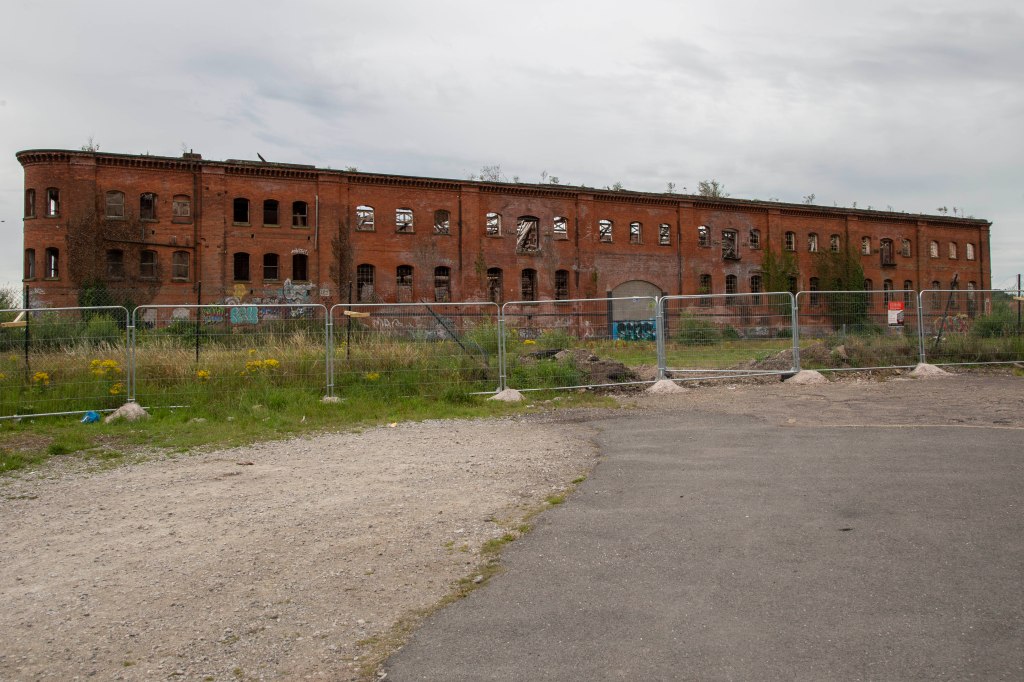
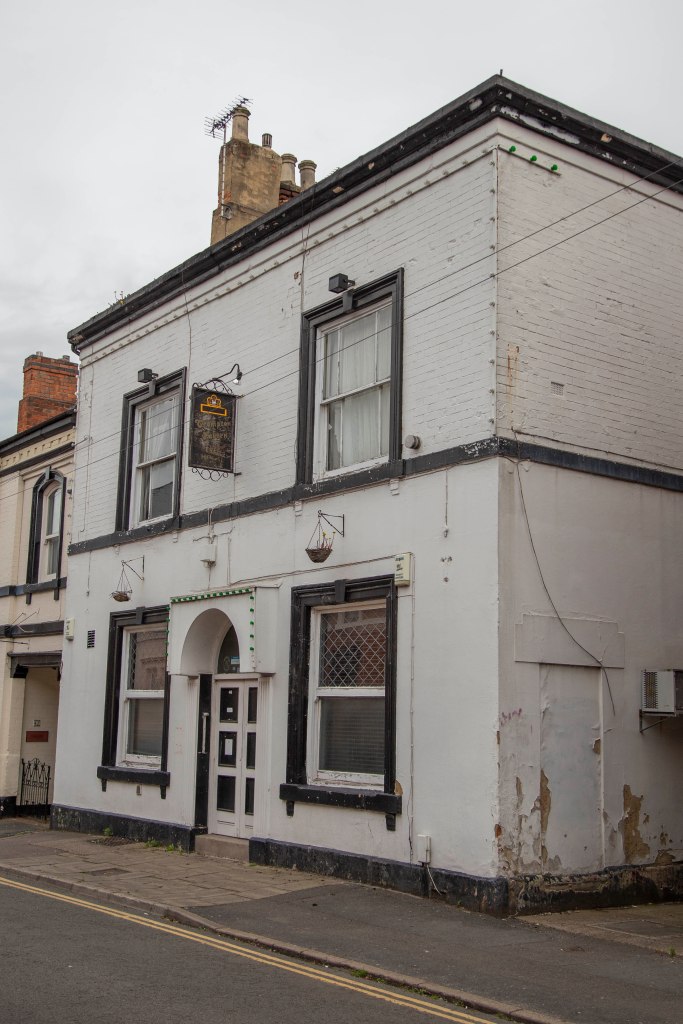
My trip to visit my home city of Derby this year was of significance as thirty years ago I turned sixteen, I started my first job, my Dad married my step mum and I would soon move out of my family home. Although I’d been back to Derby on many occasions, I’d only really stayed at my parents and not taken the time to walk the streets I’d grown up in. For the Landings: Metamorphosis exhibition I decided to create a mini side project that looked at the environment that shaped the person I am today from the house I grew up in to the site of the factory where I first worked making toys. 

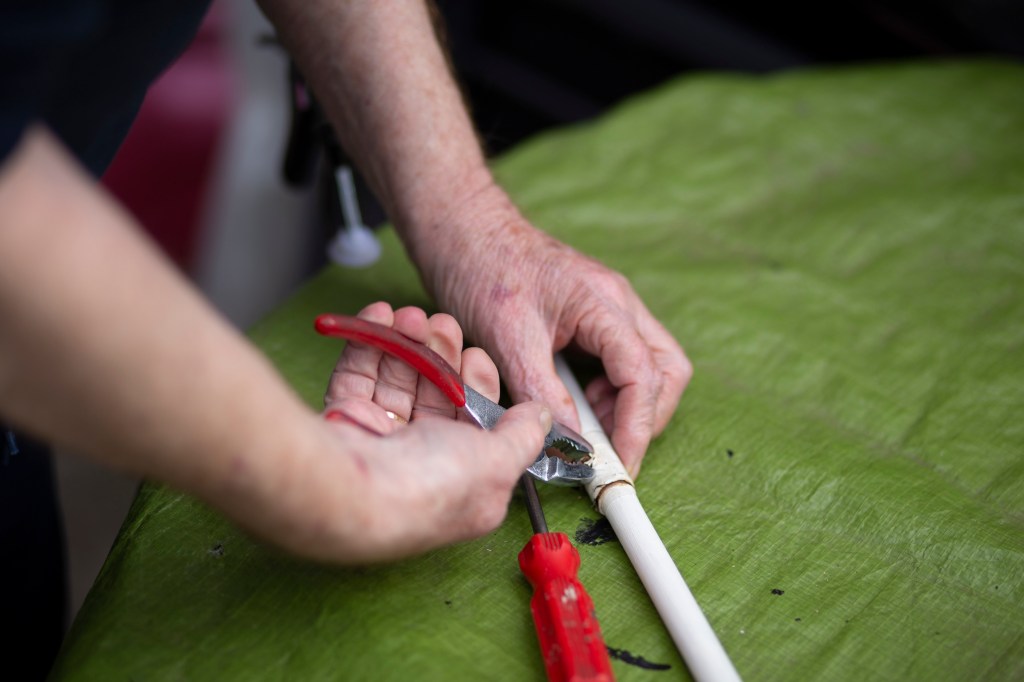
One of my enduring memories is that of my dad building or repairing things in the back garden or in the shed. I’d often help by holding down a piece of wood or occasionally I’d be allowed to use the power tools, circular saw or drills. My dad’s hands, to me, seemed big, strong and tough. Something I’ve always done is look and compare them to my own, often wondering if my smaller softer hands would be a disappointment. Now as my dad approaches eighty, I can’t help but look at how his hands, now bend with rheumatism, look frail and fragile.  
The site of the toy factory where I first worked has now been redeveloped and is now part of the university of Derby. I didn’t work at the factory long, I soon decided that I would go to college then later university. I was the first (and only) in my family to go to university. When I left the toy factory, a leaving party, we did the ‘Mile’. The ‘Mile’ is a road that leads into the city centre consisting of around 10 pubs starting with the Travellers Rest, the aim being to take a drink in each pub. This is something of a rite of passage for Derby folk and not for the faint hearted.  
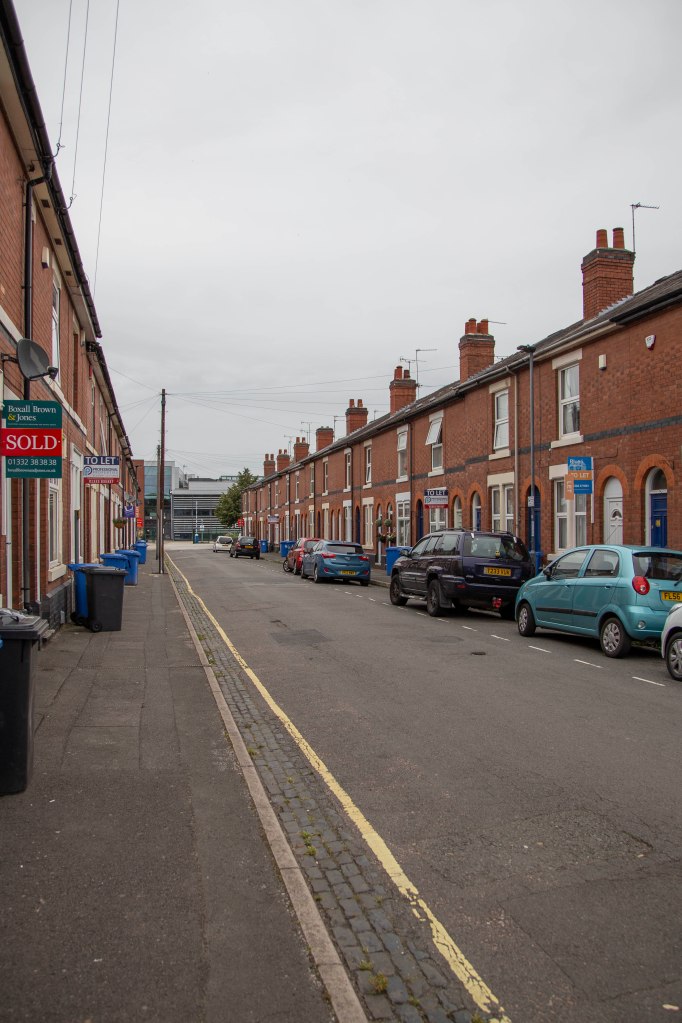
I moved out of home at seventeen to live with my first serious girlfriend into a small terraced house, not too dissimilar to my grandparents’ house. My earliest memories, in the late 70’s, of were of visiting my grandparents in their modest red brick terraced house, many of which were demolished in the early 80’s. Back then the living room would be kept at its best for ‘special’ visitors, family and friends would have to use the alleyway and ‘come round back’. I recall how they only had an outside toilet and tin bath. Moving to a simple house wasn’t a conscious effort rather on of necessity as these old, smaller houses tended to be much cheaper. I only lived here a year before moving to London to attend art college. 

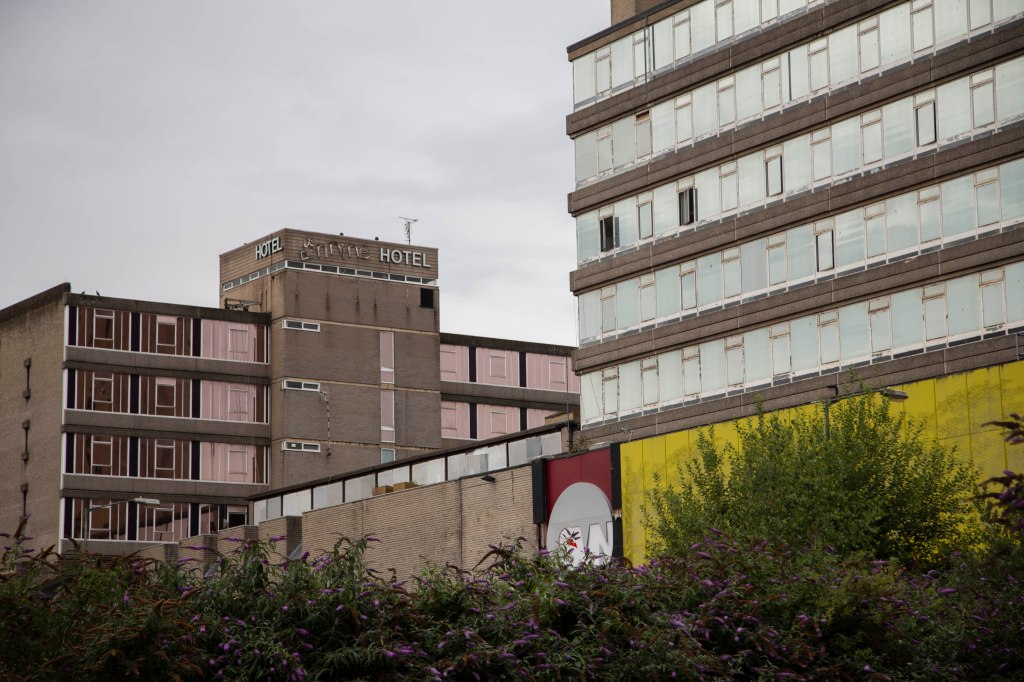
On my walks around the city it has become evident that the city has swept away much of its architectural heritage from the vernacular terraced housing to the Art Deco theatres. As the populous has grown the city has developed without much consideration to the wellbeing of its residents. Views across the city are now cramped and obscured by ill-conceived architecture. Structures that are not designed to last. The city has metamorphosed from an industrious, productive beautiful city to a chaotic space, designed for profit. Gone are the grand hotels and concert halls to be replaced with casinos and shopping malls.  
PHO703 S&S: Publications -The colour of silence: B &W photography

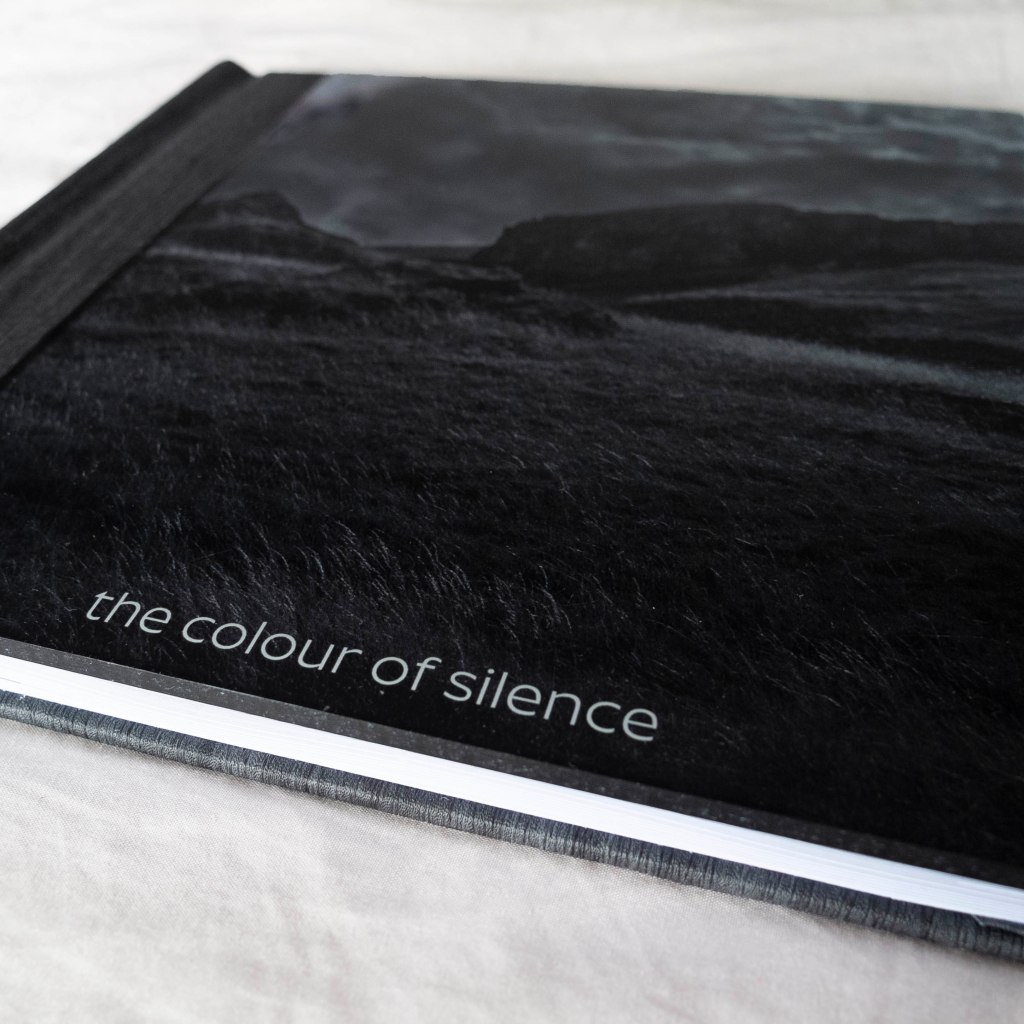
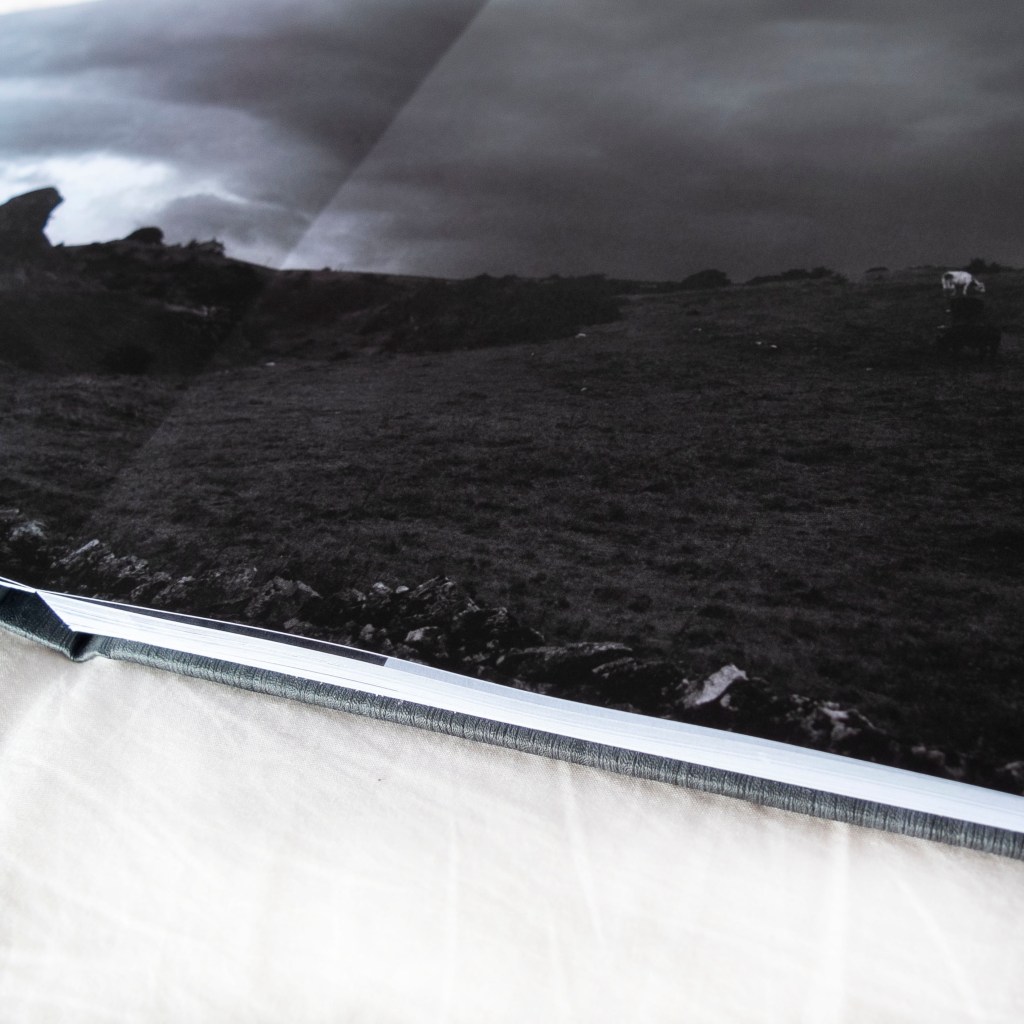
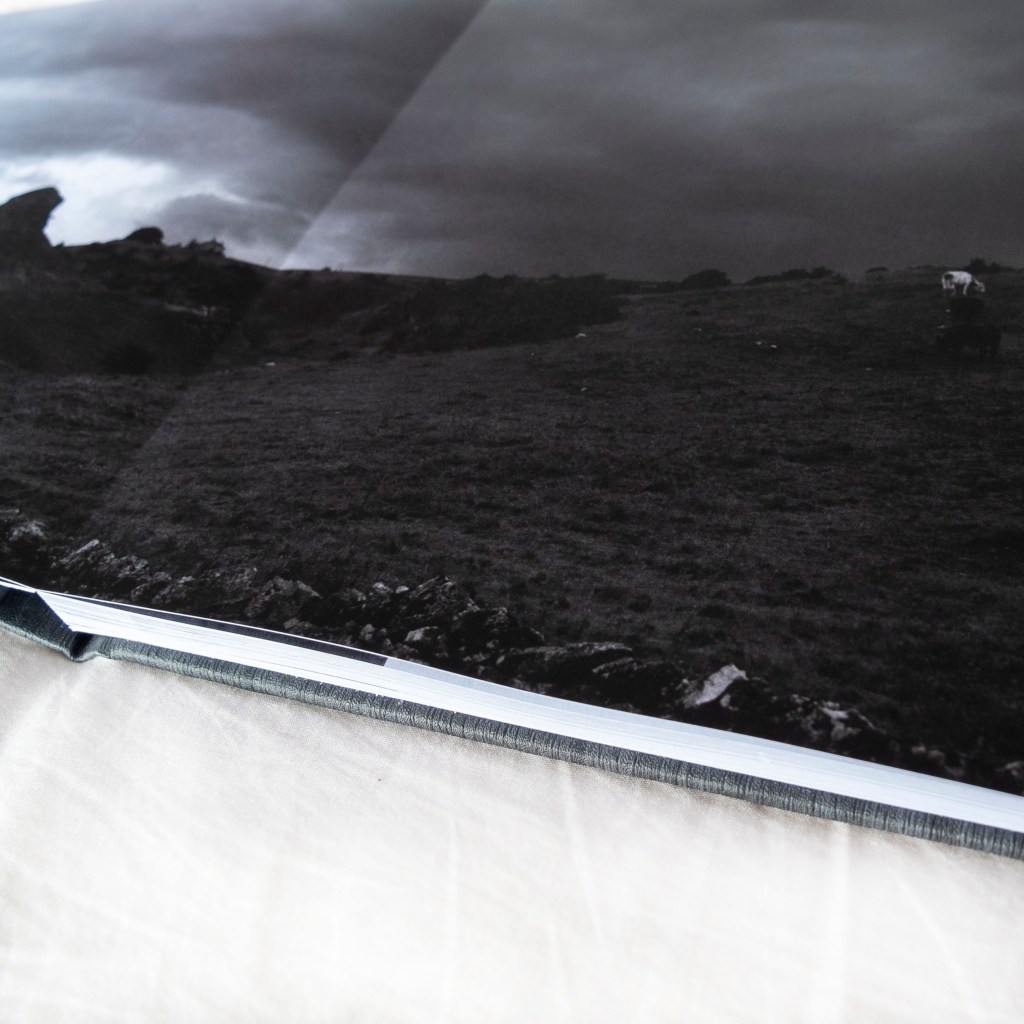
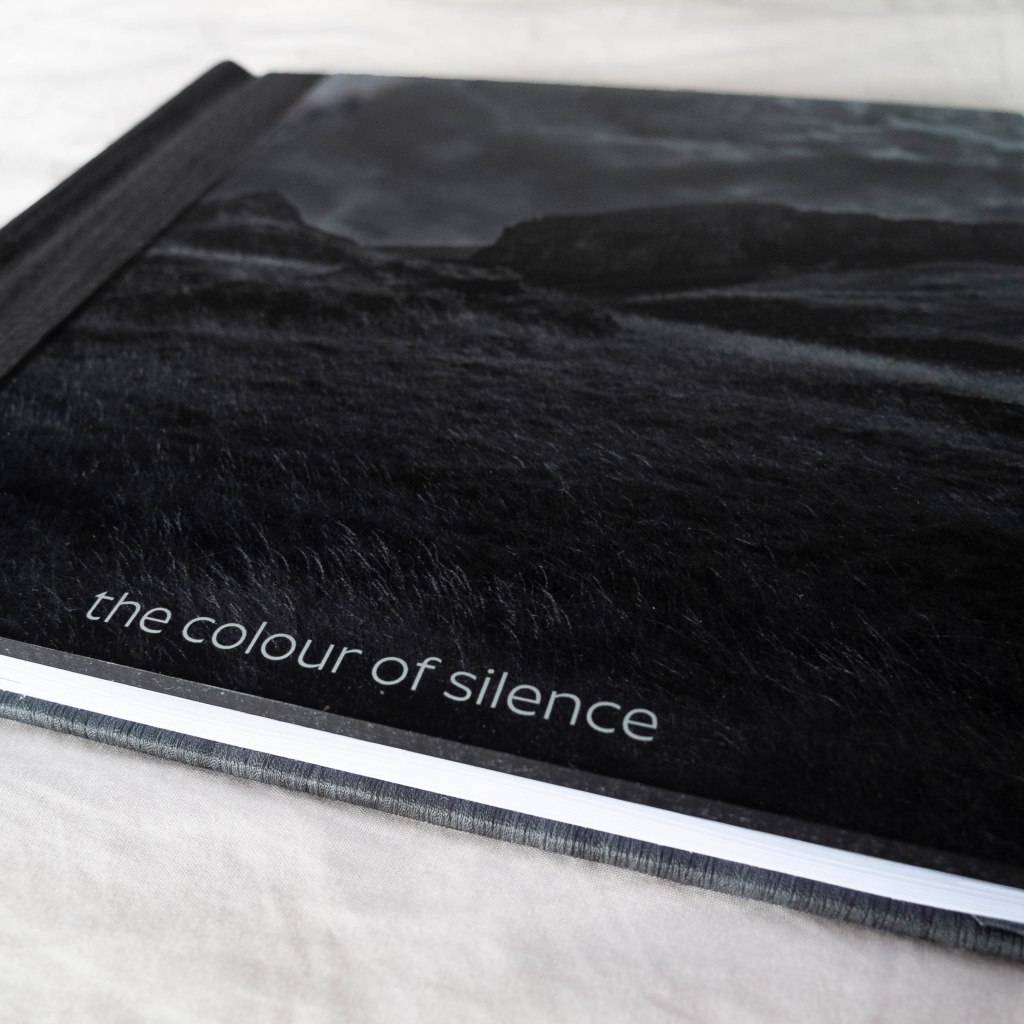
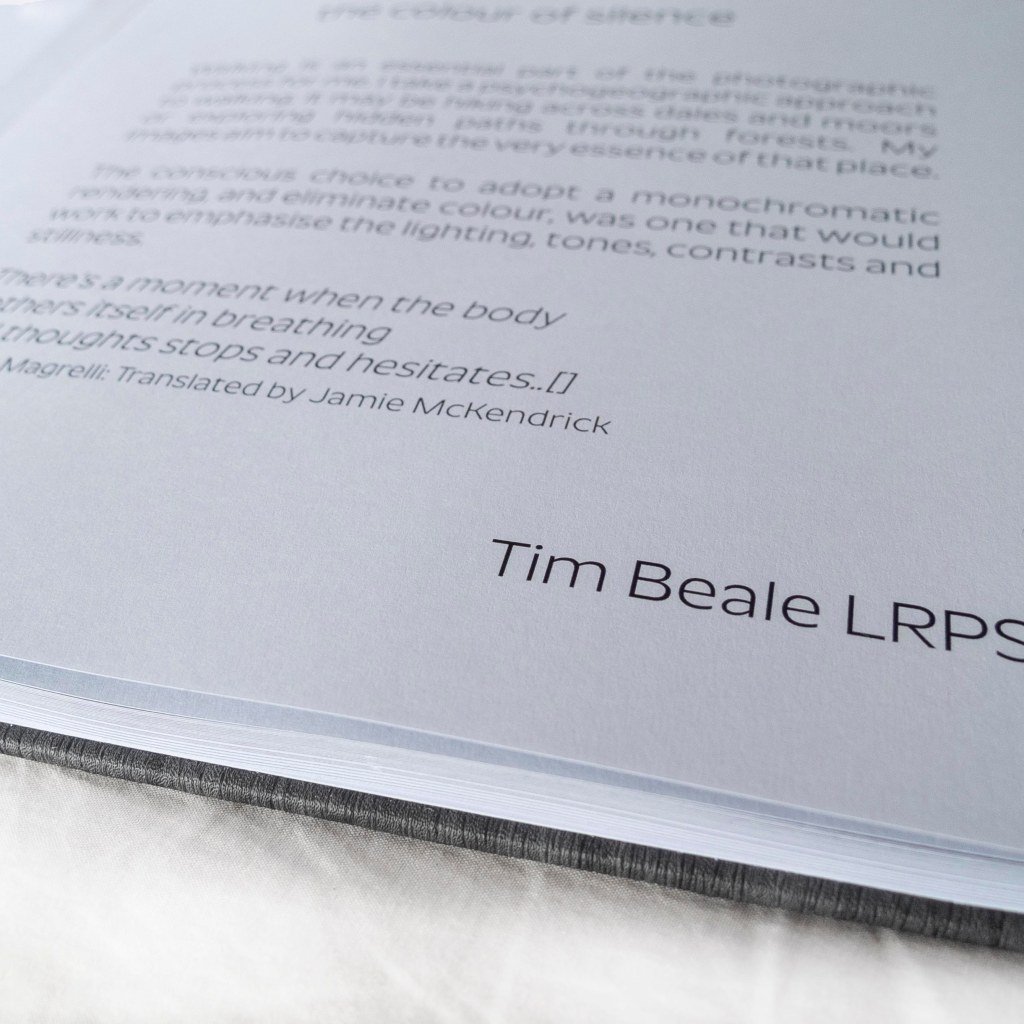
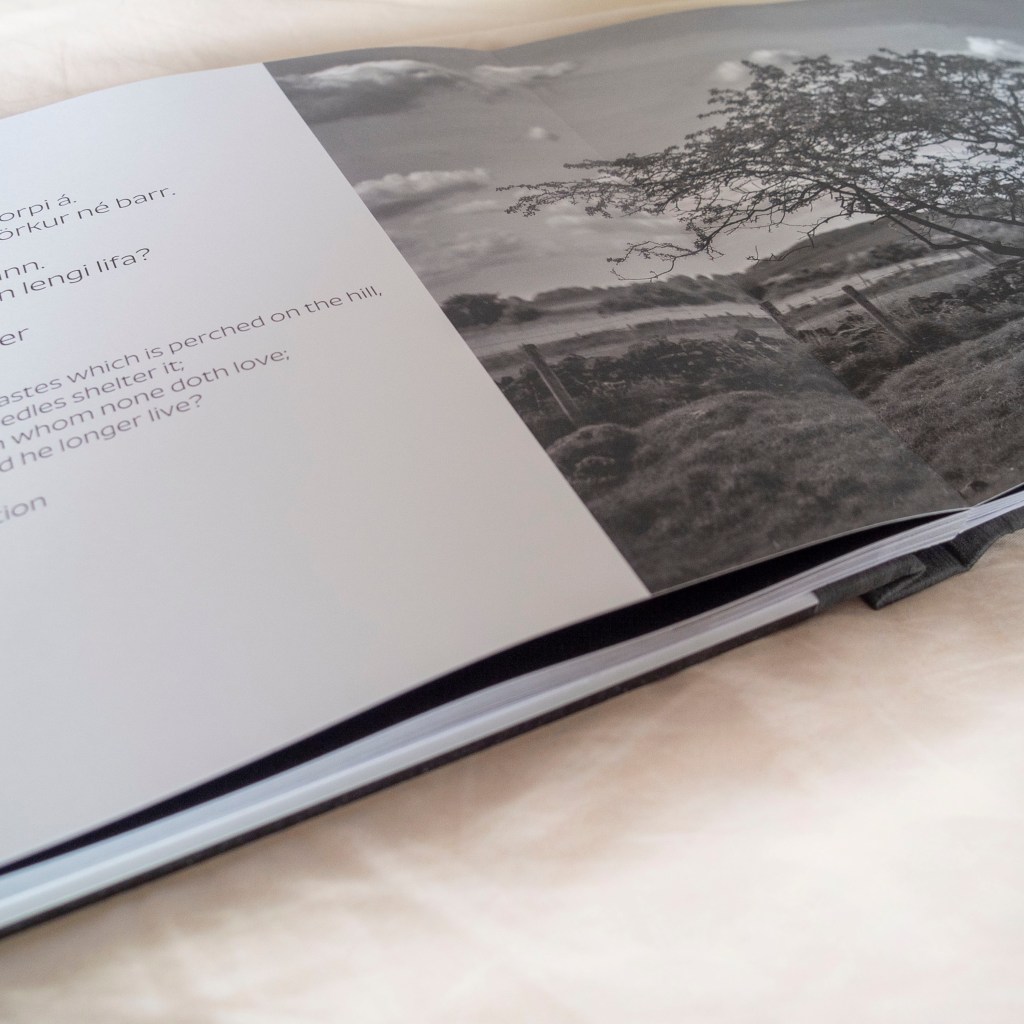
The colour of silence is a three year project that looking at places that hold a significant importance to me in terms of personal space. These journeys I have taken in order to ‘find myself’ both mentally and spiritually. For me, escaping the city and exploring natural environments has is of great benefit to my well being. This project aims to capture the calm and stillness I found in each place. I included selected poems, that have inspired my photography and writings from the Havamal, a book that has had great influence in my spirituality. The choice to omit colour in this work was a conscious effort to allow the viewer to see the beauty of the light as it travels across fields, woodland and through dense vegetation to highlight particular points of interest.

Process

This is one of Saal digital’s professional line photo books. For the layout I used Saal digital’s design software that allows the user to choose all the variants such as paper quality, cover and jacket finish, size format and any additional requirements such as gift box. There are three options for layout; ‘One minute’ have your book created for you by simply uploading images, ‘Auto Layout’ allows you to modify a set layout by dropping in images and text or you can go for the ‘empty layout’ with blank pages to allow total creative freedom. As this was my first book I went for the ‘auto layout’ option but soon found that I had to deactivate the layout settings to allow me to get more creative.
The options I chose for this project were:

  • 21 x 21 book
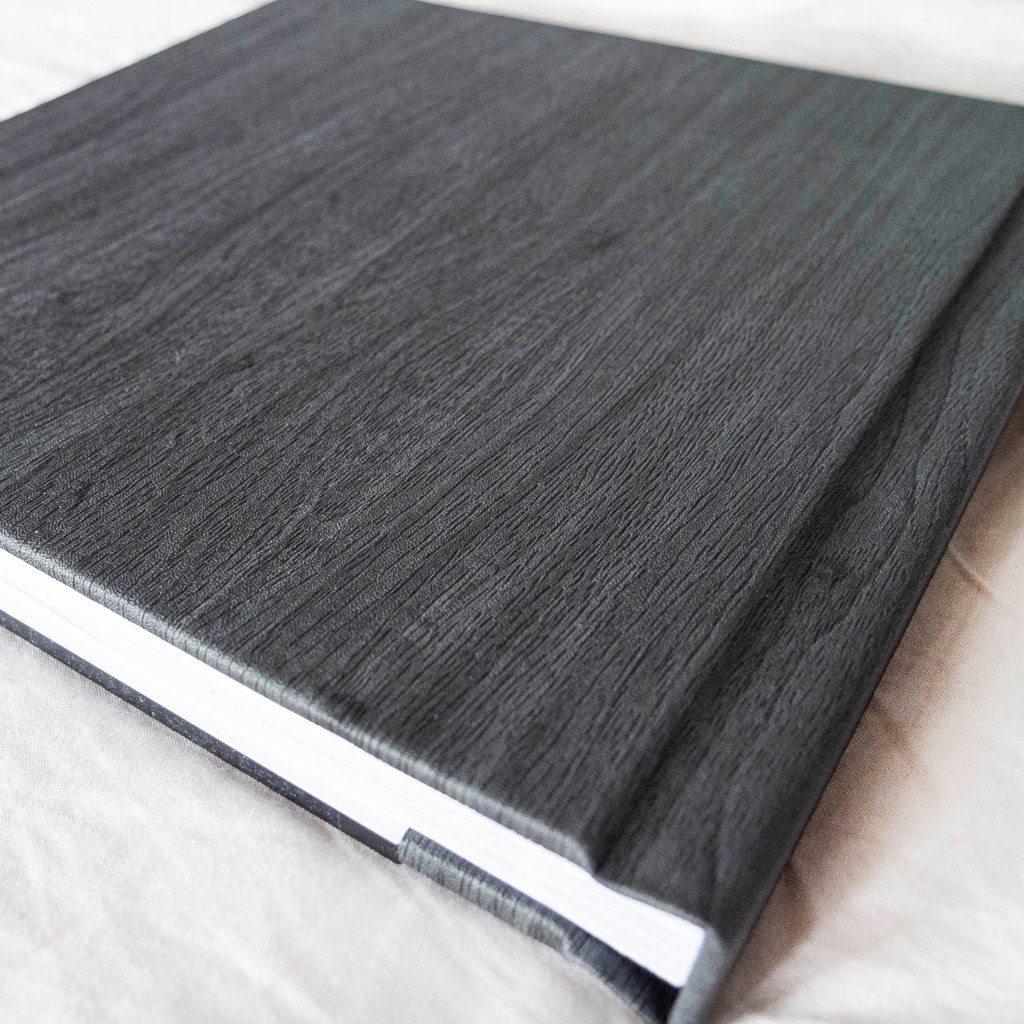
  • Acrylic cover with leather binding
  • Wood look slate finish to compliment the B&W images
  • High end matte paper to reduce glare and offer a crisp contrast to the images
  • 56 pages

The process of adding in photos was very easy once the image folder folder is selected your images show up on the left hand side and as you drop your images into the book there is a small icon to show they’ve been used. This is great for avoiding duplicates. With the ability to save a project, this means you can come back to it over time.

Once you have completed your book you can created a PDF sample book that can be printed at home to check the overall layout and colour print. However this will only be a rough guide as printers and paper stock varies between home and factory.

Review

The print run and delivery time took roughly a week, which is pretty astounding. The detail and finish to the book is of a very high quality, which is to be expected for a book costing £100. The binding works really well with double page images, allowing the viewer to find the book completely flat. The high end matte pages are printed beautifully with almost no glare from lighting, even in direct sunlight. This works particularly well for my B&W images as some are very dark.

The acrylic front cover is a great touch however it does have a slight colour cast (grey/green) which actually works for this book. I’m not sure how this would work with a full colour image.

https://www.saal-digital.co.uk/

The whole process from selection of images, text, product specifications was a great learning tool and something I found very enjoyable and rewarding. The photobook has a certain appeal, especially when presented well, that invites the viewer to pick up and spend time with the images inside, more so than an exhibition. As my project progresses there is the temptation to produce a book to accompany the exhibition as a way of taking the viewer on a journey that extends past the walls of the gallery.

Reflection and Research

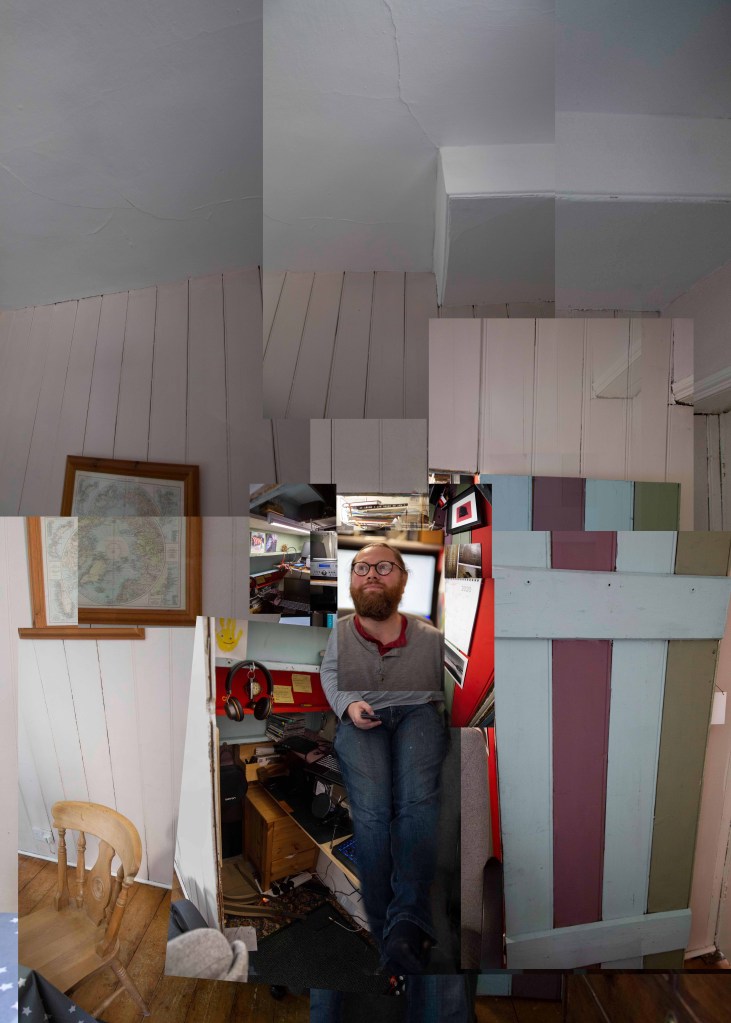
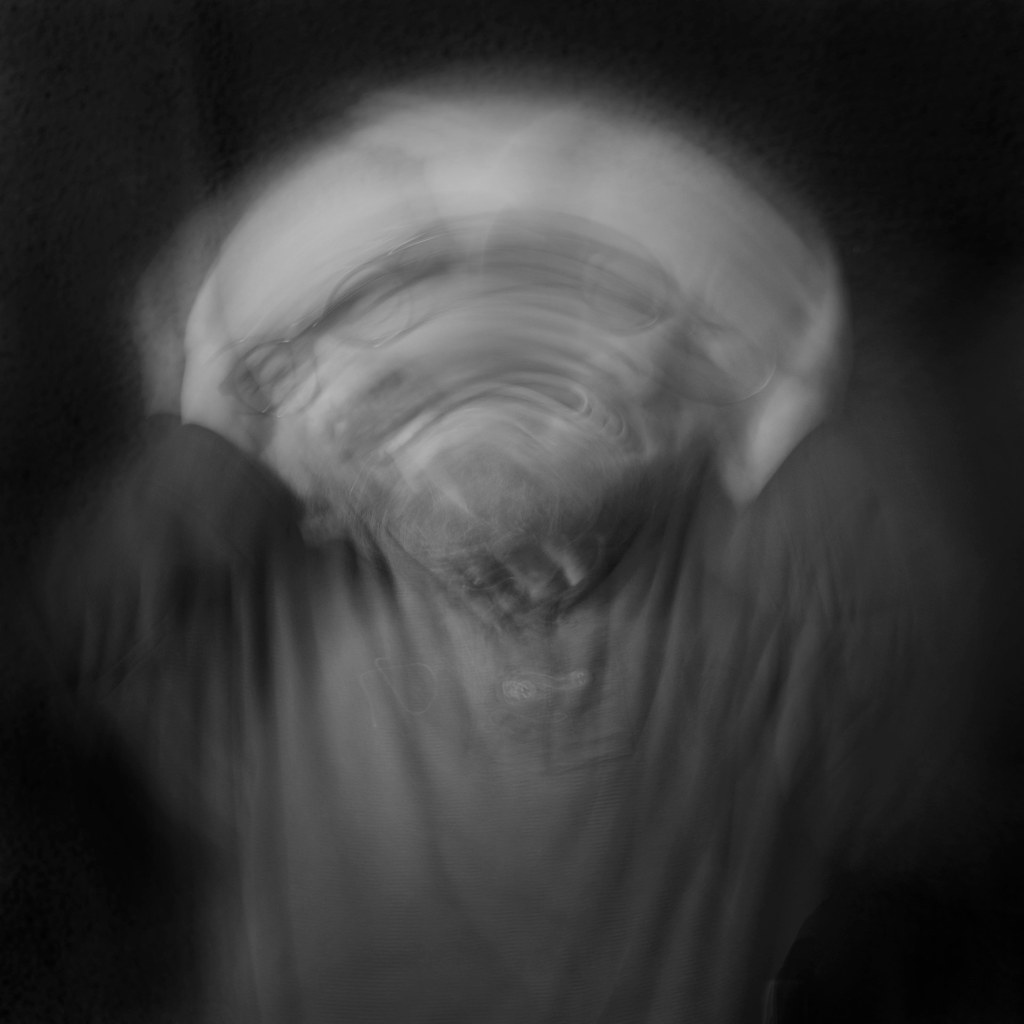
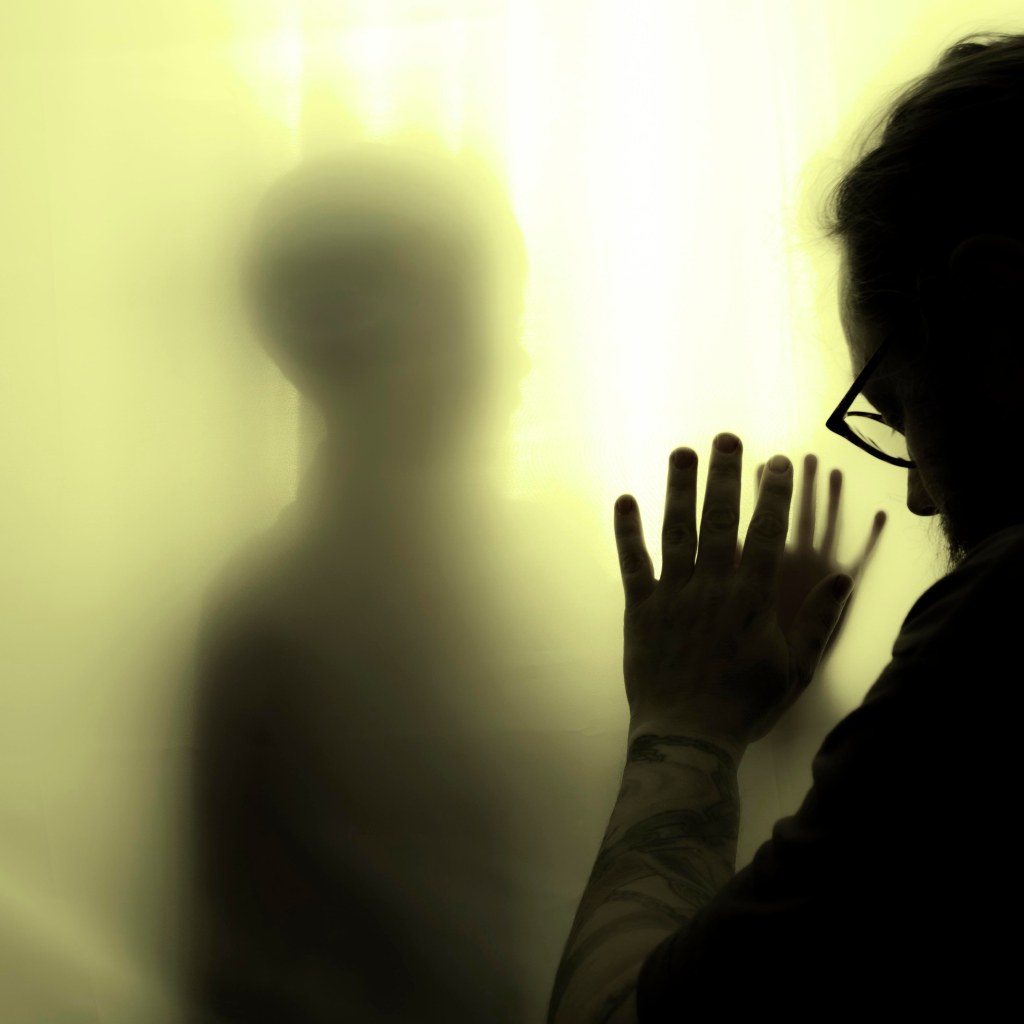
This week, after some great one to one feedback from my tutor, I started to explore self portraiture. I have often used this in my practice as a form of experimentation, either with new ideas, equipment or replicating a particular photographic style I liked. For my project I started looking at ways in which to include my personal space, and objects that make form an integral part of it, in my self portraits. My ‘Study’ self portrait shows my workspace that I created under ours stairs, I aimed to show the organised chaos of the space whilst my portrait shows an thoughtful and optimistic me.

Personal Space: The study

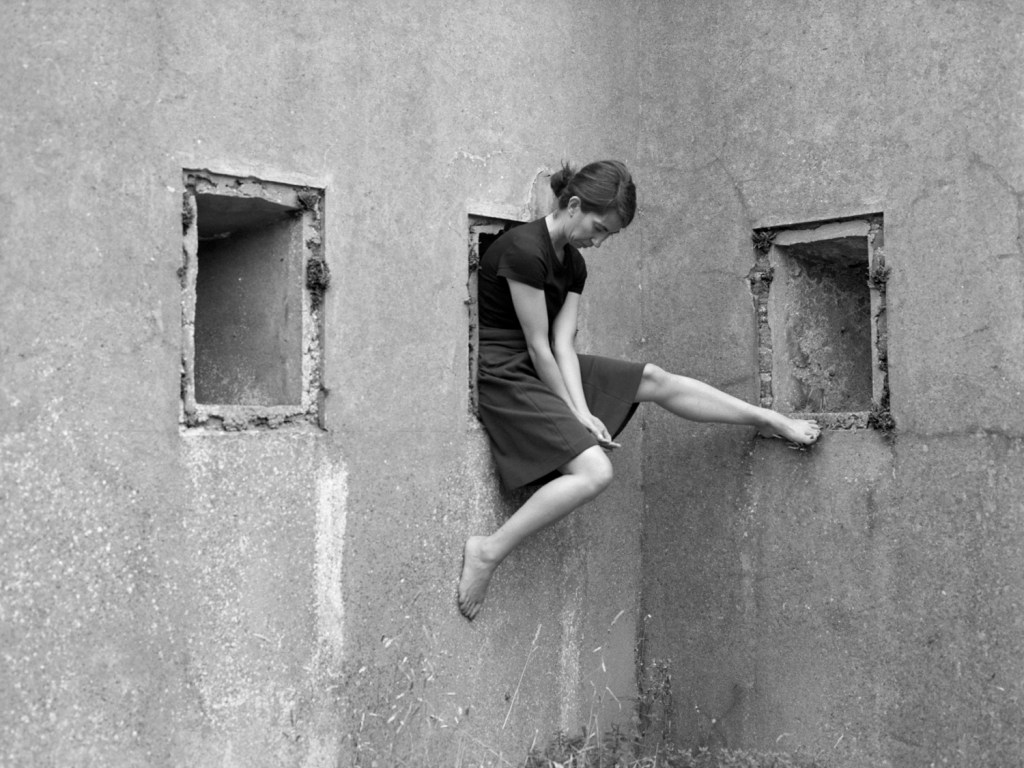
I have also looked at what other photographers, who produce self portraits, are doing. Initially I looked at a photographer my tutor brought to me attention, Clare Rae. Rae’s work, sees her taking the role of performer in her images as she enacts different scenes. There is an almost uncomfortable nature about the images, the way in which she seems to perch on or near objects. Each image has been carefully composed to give the viewer a sense of unease and anticipation. I am particularly drawn to the ‘Never stand on two feet’ series that show’s Rae in different spaces, her choice of pose conveying how her body interacts within each space. I can see how this type of ‘performing’ for the viewer can impact on how a space is interpreted. This I feel, could be a useful method within my own practice.

Never Stand on two feet, Clare Rae 2018

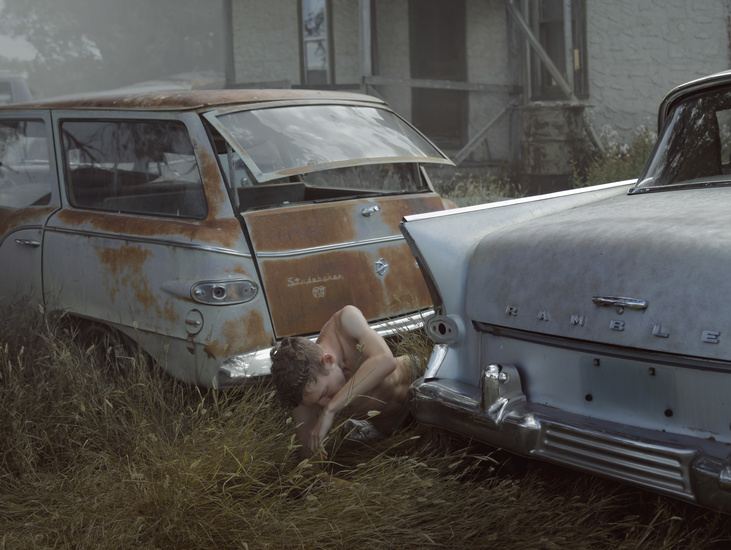
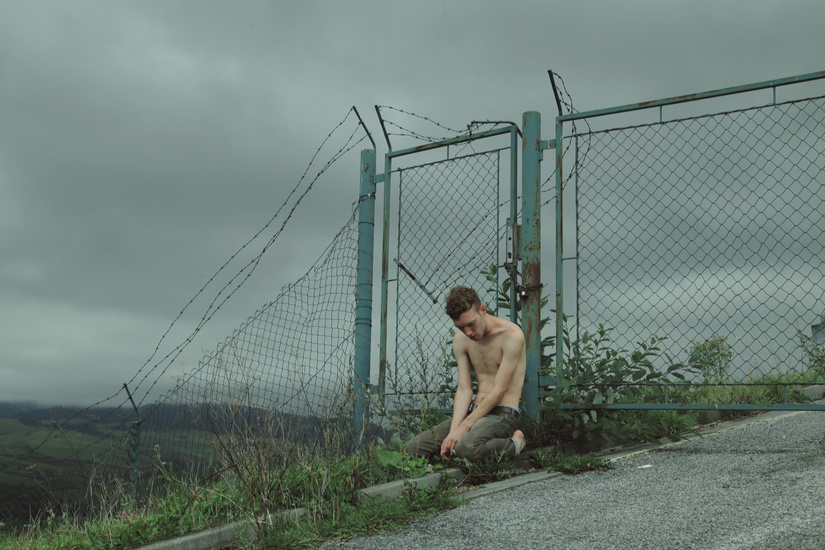
My research also drew me to the work of Kyle Thompson, who’s self portraits are often taken in abandoned houses or woodland. His series (similarly titled) ‘The spaces between’ portrays images of Thompson in the spaces we tend to dismiss, walk past or avoid. He describes his practice as ‘encapsulating the ephemeral narrative, a nonexistent story line that only lives for a split moment.’ however I would argue that the context for each images takes the viewer on a journey and exploration of place, with each scene less so a ‘split moment’ as part of a bigger picture. As with Rae’s work we see the photographer as performer, model and subject, as a way of engaging the viewer. In his series ‘open stage’ (http://www.kylethompsonphotography.com/open-stage#13), Thompson pairs self portraits with wider shots of what he calls the ‘scene’, in other words the stage to which his performance was set upon. His work, to me, is less ephemeral, but has a more isolating and starkness that leaves the viewer (me) with a sense of unease.

Over the next six weeks or so I will concentrate on self portraiture, experimenting with spaces, lighting and colour. I also want to research more about how colour can be used to ‘set a scene’ or influence am emotion in the viewer.

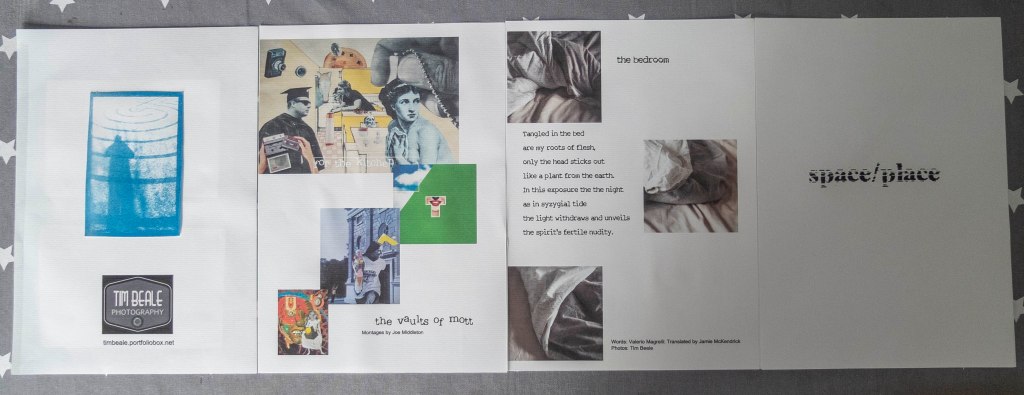
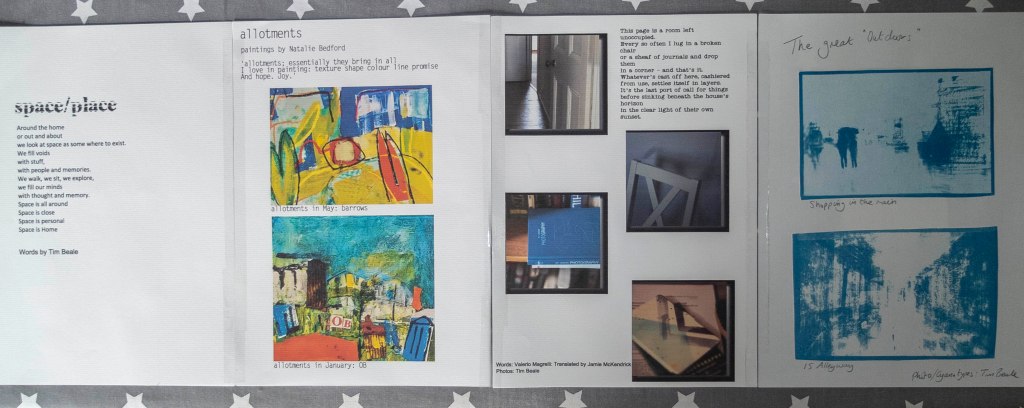
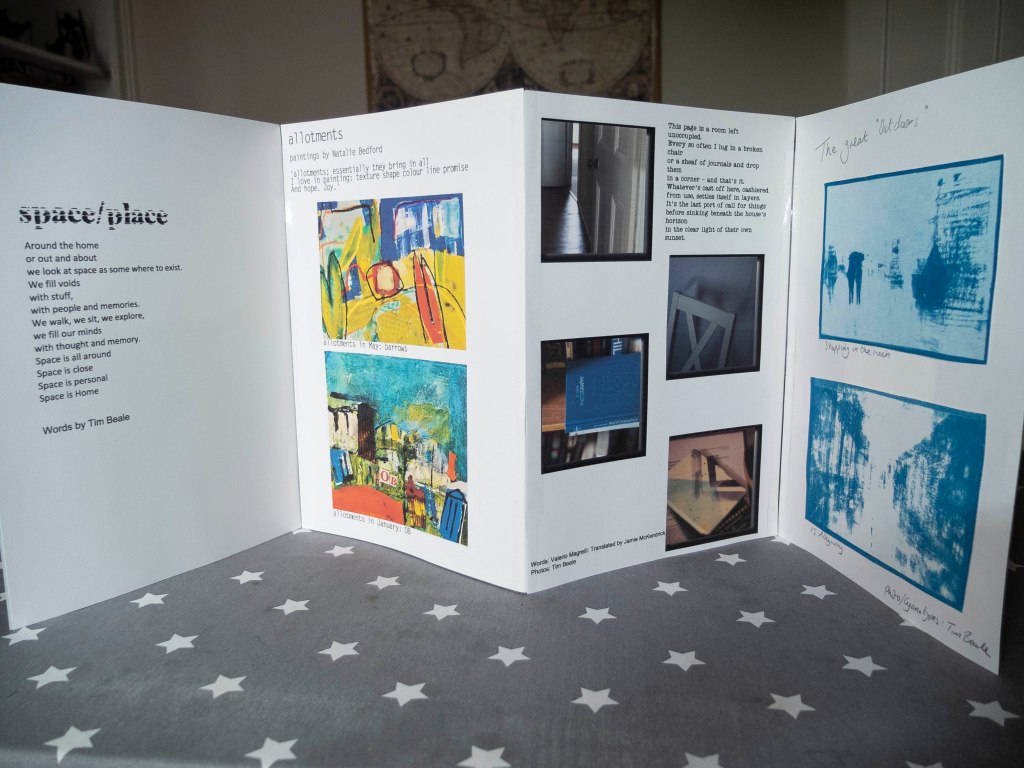
Space/Place zine

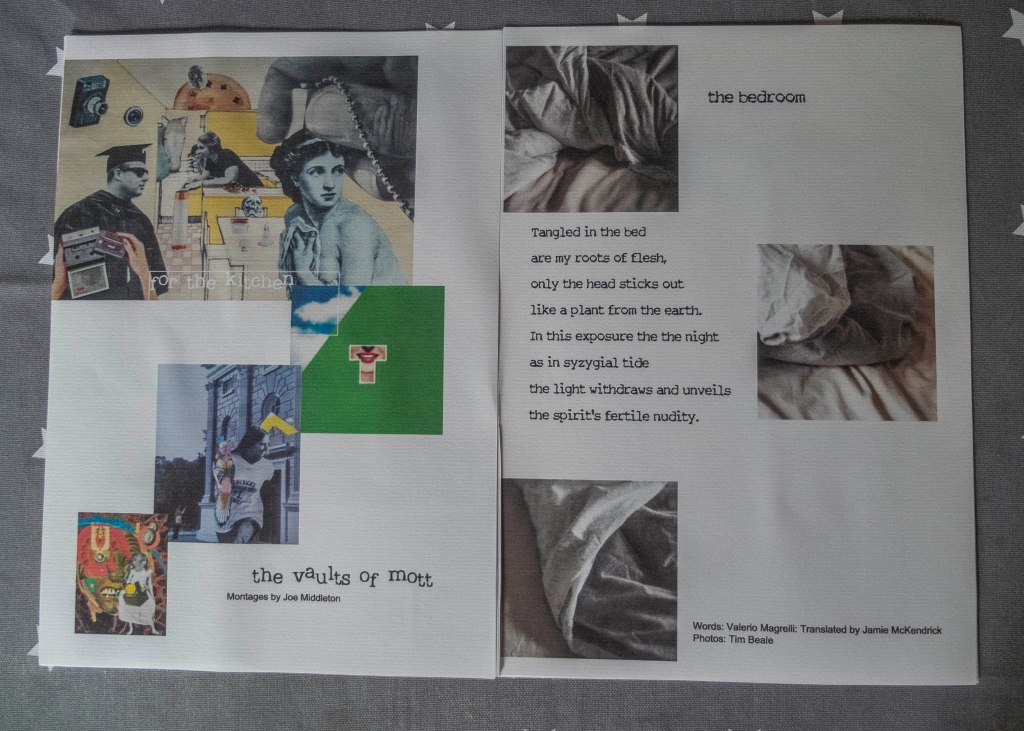
For our third week on the Surfaces & Strategies module we were tasked with creating a zine. This was a great way of producing something a little different and have fun with it. Rather than working with other photographers on the zine i wanted to explore the concept of personal spaces through alternative media. As such I reached out to two local artist who, Natalie Bedford, a painter and photographer and Joe Middleton who works in creating montages using vintage books and magazines. I also looked to poetic writing as a source of narrative for the zine.

Had I more time I would have liked to include more content in this zine by including more material from different artists. What I will do though is to keep this a ‘live’ zine, one that I add to as contributions come in. That way it will act as a great piece of source material for my project.

PHO703 S&S week 4

This week has really challenged my way of thinking and operating within my practice, an I just a “button-pusher”, am I making the most creative choices or thinking ahead past the editing process. I’ve also recently been struggling with the direction to take my project and how to create images that represent my ambitions. I have often thought of my camera (apparatus) as being an extension of myself, a means to an end and integral part of my creative process. By stepping away I have been able to look at the bigger picture, by doing this, I can now see, that I have allowed my apparatus to dictate and limit my creativity.

The main challenge I faced was how to illustrate the space of each participant and include them in my work. I aim to make a series of portraits which will incorporate architectural images and or landscapes (depending on their chosen place) and document the objects that hold an emotional attachment and help to create their personal space.

Watching the interview with David Hockey, in relation to his Pearblossom Highway, I was inspired by the way he chose to interpret the space, in particular the act of photographing each element close up so as to draw the viewer in and create a sense of space. Hockney was able to create an image that not only works as a whole, strong focal point, leading lines and an almost traditional perspective, but was also able to create something totally unique with its own identity. The details in each photo draws the viewer in and adds a warped sense of realism, each with its own context, cactus, street sign, sky, all within the context of the ‘bigger picture’. As such I have a much better idea of how my project will take shape and the areas of research I will now look at over the next few weeks.

Hands off: Cameraless photography

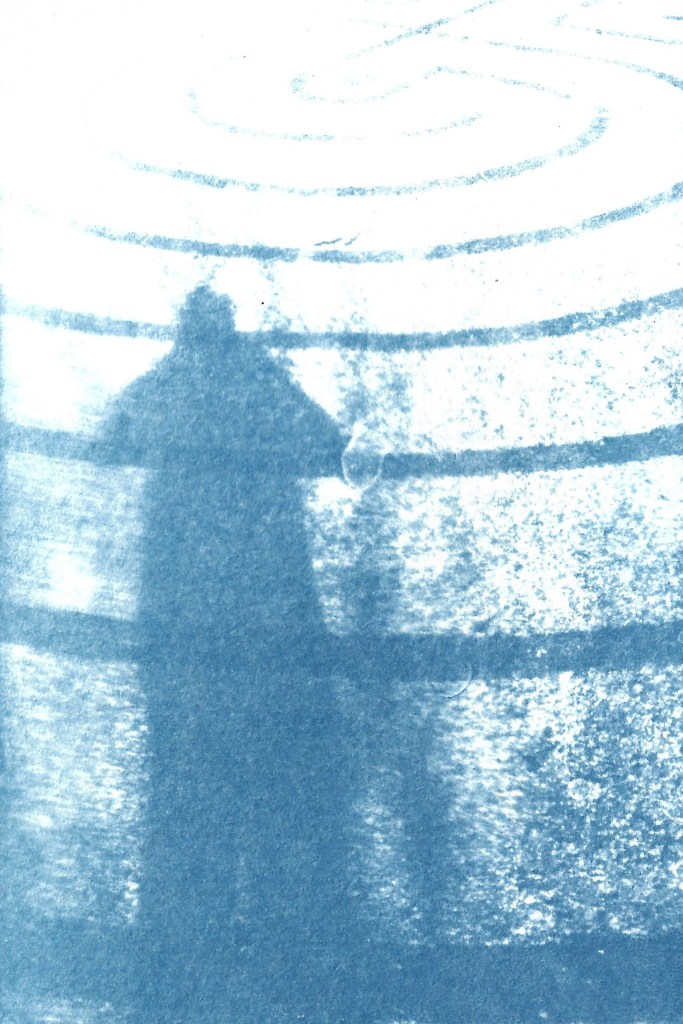
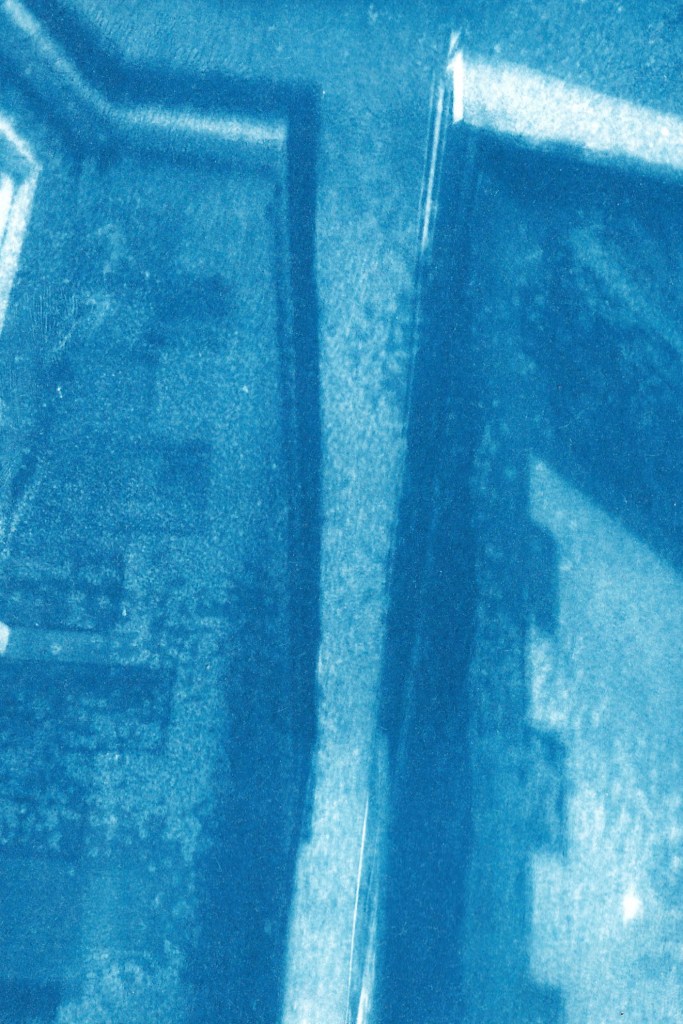
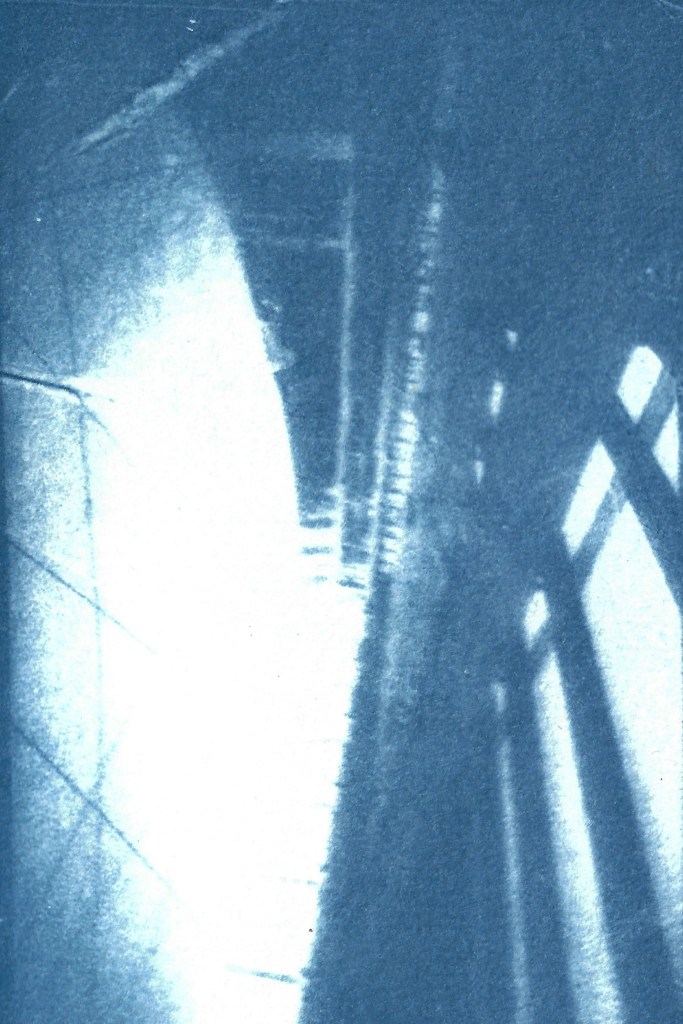
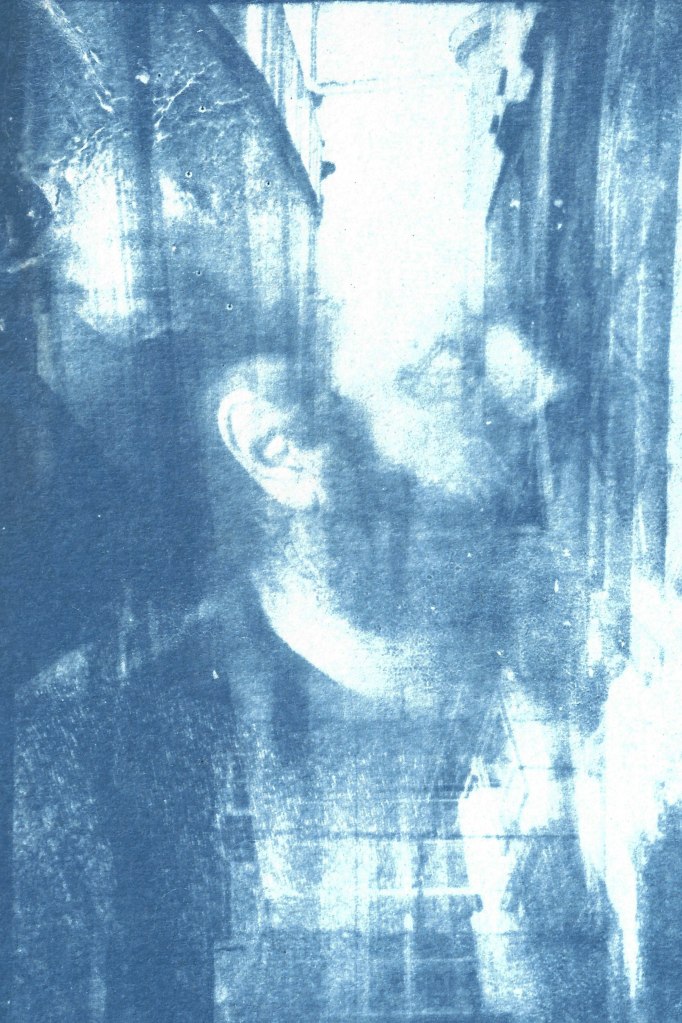
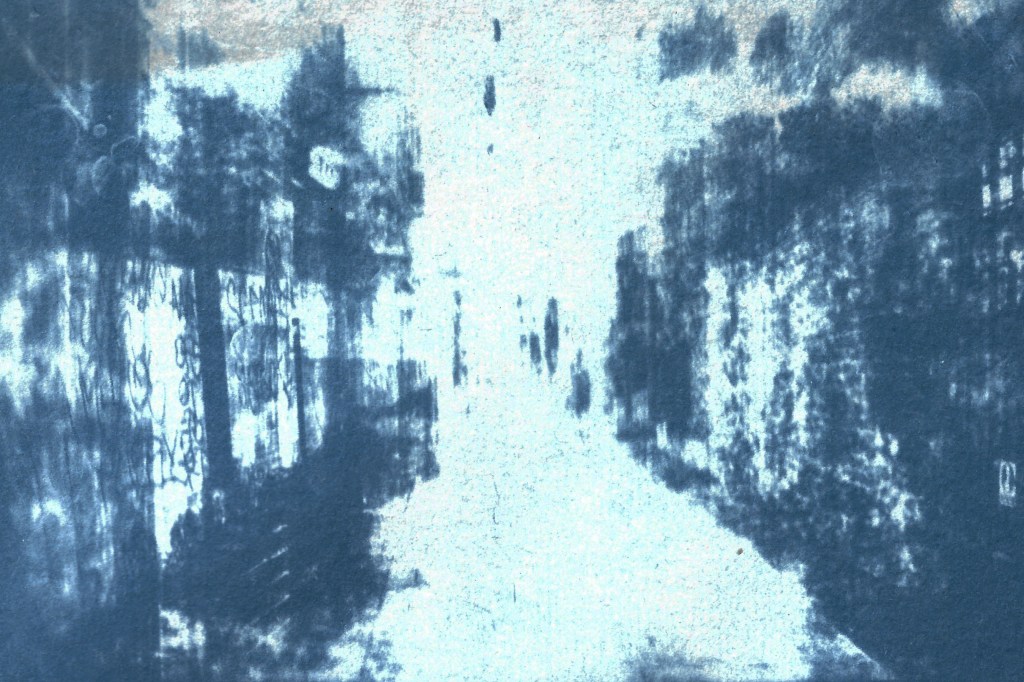
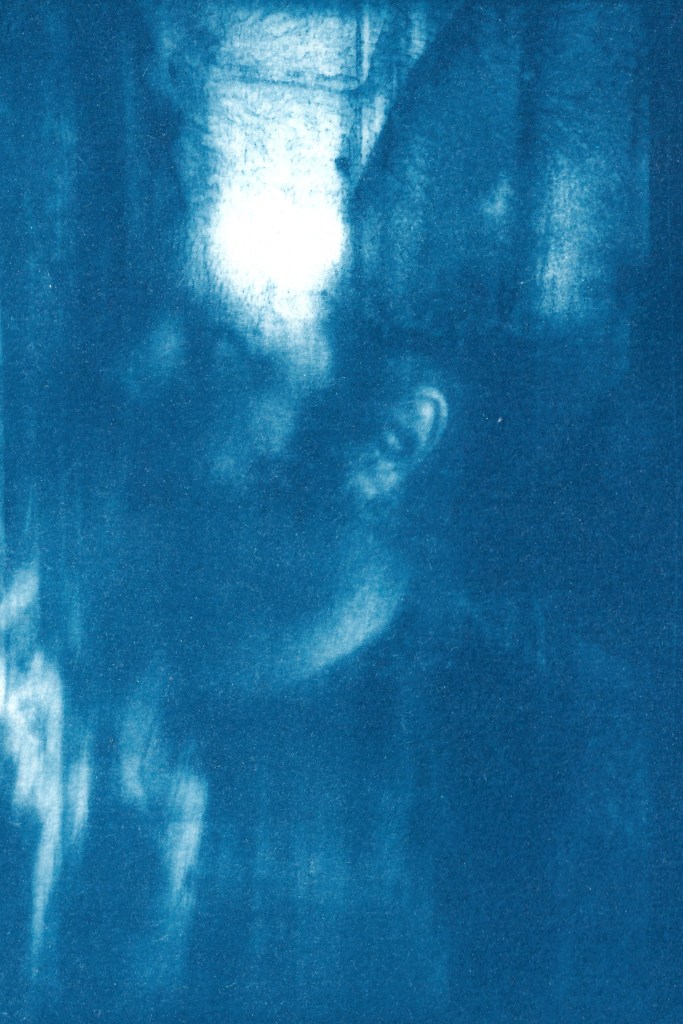
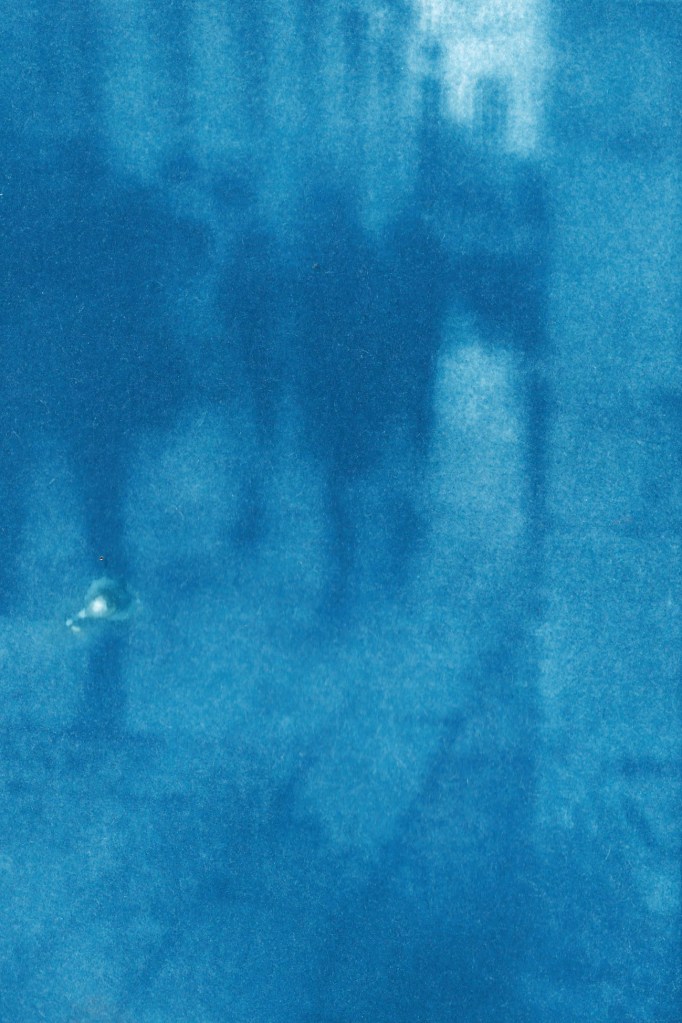
For this series of images I chose to try my hand at cyanotype printing (ironically if my museums were open now I would be running workshops on the at the Herschel Museum of astronomy).

I decided to revisit a number of images taken for my project, that represent my emotional response to the environment around me. From the peace if solitary exploration through to my dislike of crowds and close spaces. I created negatives using water slide paper and acrylic, then using these negatives exposed the image onto the cyanotype paper. The final images were scanned to digital files.

I found the process of selection of images, remixing/reworking, experimentation and printing a rewarding one. Looking at these images through a different medium has made me reassess my approach to the process of creating imagery. Prior to this exorcise, selecting and printing of images would be a final process and one that I would not have allocated my time to. This I feel will help with sifting and image choice as my project grows and act as a way to guide the context of my practice. The selecting, editing, printing, arranging and exhibiting of each participants contribution will be more of an over all process than simple button-pushing exercise.

As I now start to work more with the project participants, I can use my apparatus (camera and editing software) more as tools than limiting devices that they have been. In recording each person and their personal spaces I will have a better consideration towards the end product and how I want the viewer to interact with the project. My aim will be give importance to each element of the whole, be it portrait, object or place.

PHO703 S&S: Week 3 – Collaboration or Participation

When I first started to engage others with my project, by reaching out via social media, the initial direction I took was one of a participatory one. I aimed to collate shared experiences from each participant to then create a body of work illustrating a sense of used space. However after talking to a number of participants it soon became clear that each had a unique view point and story to tell. With the relaxing of lock down I have been able to meet a number of participants face to face. For these meetings I have had the participant choose date, time and location with minimal input from myself. As a result the participant became at ease much more quickly and discourse flowed my freely.

Although this is not totally collaborative due to the questioning I used to prompt and steer the conversation. However, by giving participants freedom to choose the objects, places and spaces that hold an emotional attachment for them, I hope to make my project more of a shared collaborative experience.

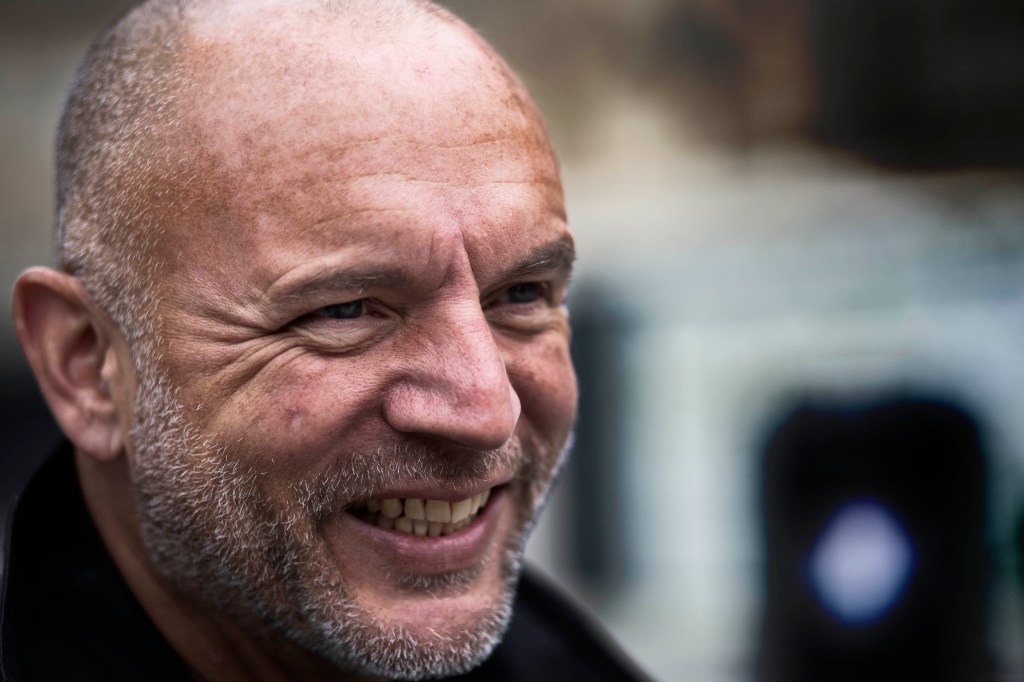
Ben Brain, outside Bath Abbey. Tim Beale June 2020.

This image of Ben Brain was taken outside of Bath Abbey. Whilst the location was chosen by Ben as a place of importance, I wanted to concentrate on capturing the emotions presented by Ben when discussing his space at home, working with a prime lens and shallow depth of field the location becomes secondary. The next stage will be to create images of the space he talks about.

S&S PHO703 week 2: Appropriation and Remixing

The concept of using another’s work, photographic or other, seemed quite alien to be and not something I would have considered in my practice. However this thought process has been challenged by this week’s this topic. Looking at the controversy surrounding the work of Joy Garnett, in particular her painting the ‘Molotov Man’. Garnett’s painting’s typically use source material found on the internet, i.e. photos by others. These found images are then recreated in painted form, as with the ‘ Molotov man’. Garnett appropriated the photograph, originally taken by Susan Meiselas. The use of Meiselas’ photo without permission sparked controversy, creating what was to be nicknamed ‘Joywar’.

https://www.wikiwand.com/en/Molotov_Man

Whilst I would admit that once images are made available in the public domain, there is very little anyone can do to police the appropriation of them. Unless of course you are linked to a large establishment such as Magnum. However I do find myself siding with Meiselas, in this case because of the context of the image. It would have been clear to Garnett that the image of the ‘Molotov Man’ had been taken with the context of violent turmoil and any use of it would be to alter the context. For me it is more about my personal ethics and how I feel about using others work or the use of my work. Whilst I would welcome the use of my work I would, ideally, like to ensure either, the original context is respected or that my work plays only a part of a larger work. Of course all this is only possible through discourse between myself and the intended user.

We were also introduced to the concept of remixing work and the work of the artists and photographers such as; Candice Breitz, Robert Rauschenberg, Mishika Henner and Corinne Vionnet, to name a few. Looking at much of this work reminded me of an exhibition at the Barbican by photographer Thomas Dworzak of found portraits of Taliban fighters. None of the images were taken by Dworzak but purchased by the photographer whilst he was in Afghanistan from the few photography studios that had be allowed to remain open. The work of unknown photographers, appropriated and exhibited by Dworzak, as a way of promoting a side to the Taliban soldier’s that differed to the depiction of ruthless killers, as portrayed by mass media. Dworzak did not rework or claim any ownership to the images but simply presented them. I feel this method of using images to balance out how mass media writes history is invaluable and normally a role played by historian or curator. On this occasion Dworzak plays the part of historian and curator.

https://www.theguardian.com/artanddesign/2019/oct/23/taliban-fighters-in-makeup-barbican-to-show-rare-pictures

Photo Opportunities by Corrine Vionnet, is a collection of images of famous landmarks. Vionnet began to conduct online keyword searches of vernacular images of tourist landmarks from around the world after observing that most snapshots were either conscious or unconscious renderings of existing imagery of that location. A composite of these images was then created and exhibited, typically, outside where they would than become backdrops for more vernacular photos.

http://www.corinnevionnet.com/photoopportunities.html

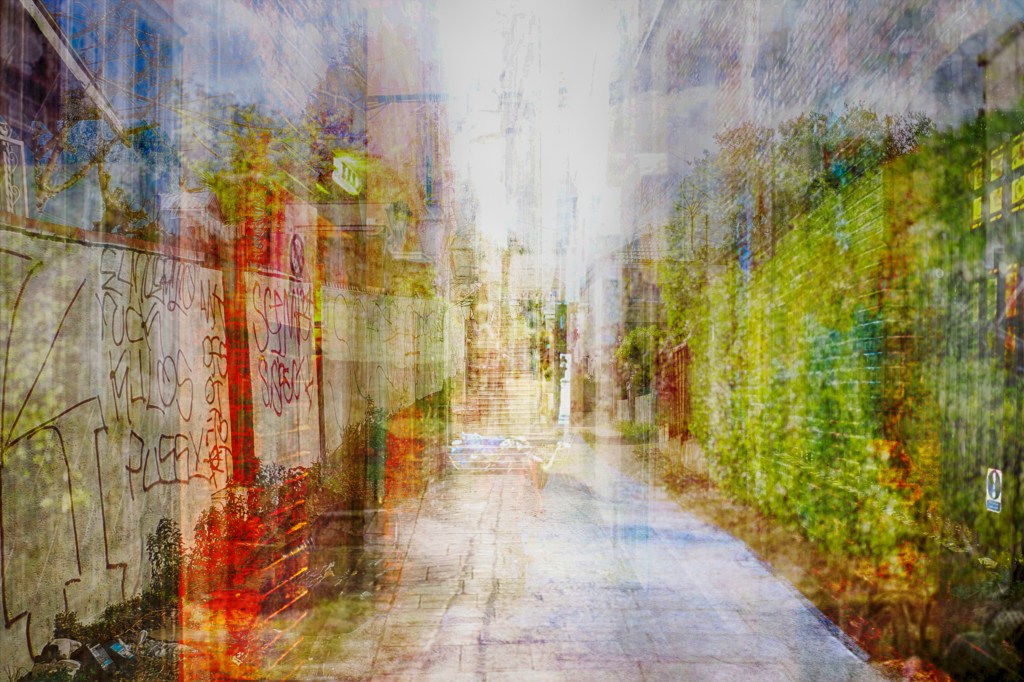
This use of public or vernacular images inspired me to look at my own project, the limitations of not being able to travel to a host of destinations and how to use appropriation/remixing to overcome this. I wanted to look at the common traits within built environments around the world. I’m often drawn towards the space between buildings and often photograph alleyways. Using this as a starting point I set out to search for images of alleyway from thirteen different countries to then combine with two images I created. I wanted to create an image that illustrates the common viewpoint different photographers use to photograph the same subject, ‘15 Alleyways’ is the end result.

15 alleyways, Tim Beale 2020

PHO703: Week 1 Repeat Photography & Rephotography

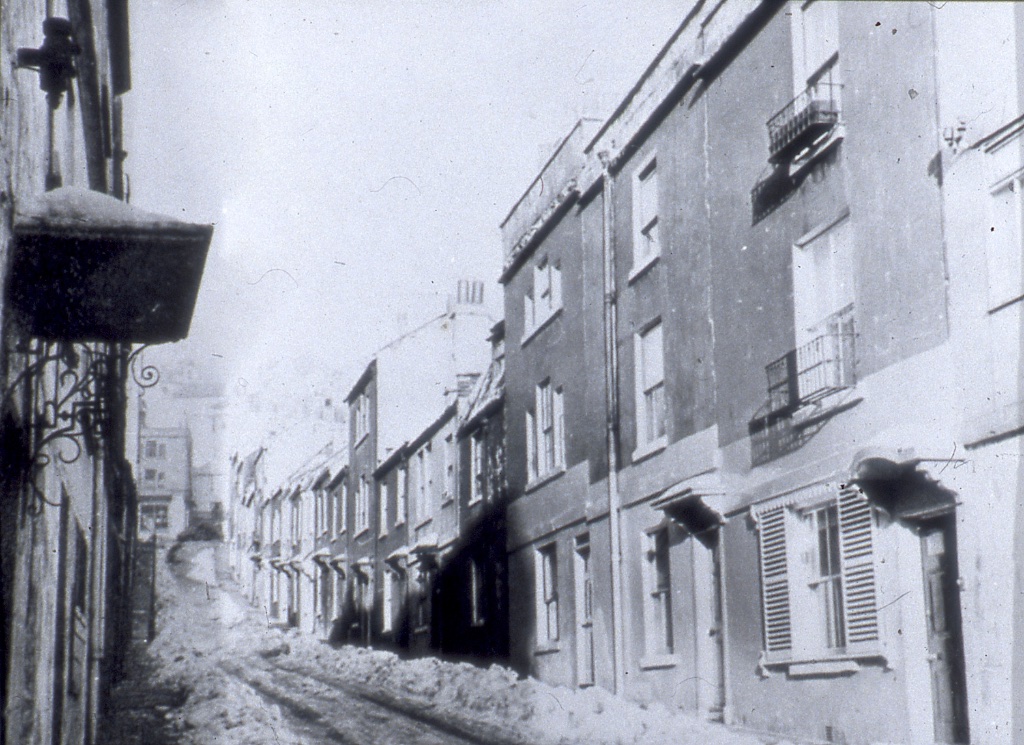
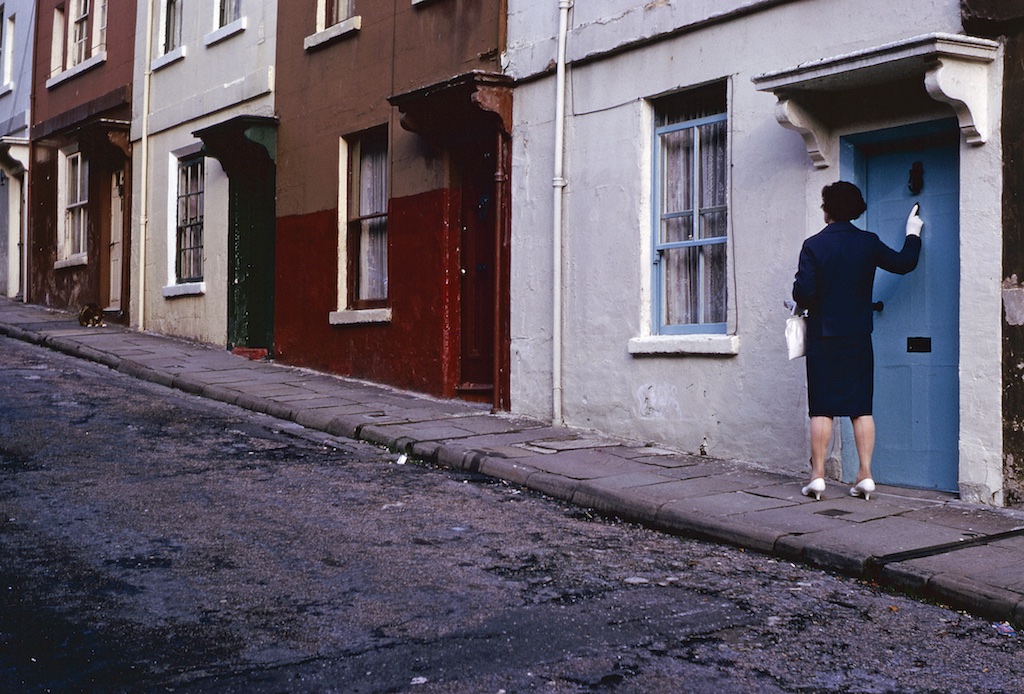
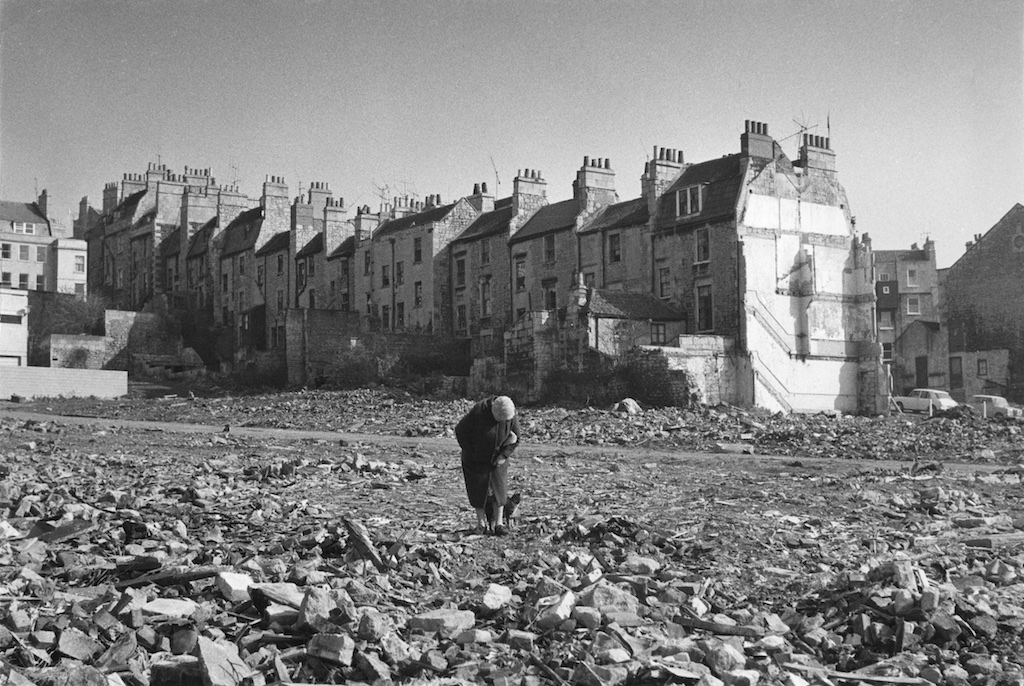
This weeks topics of Repeat and re-photography were both familiar concepts to me as I have used the process of re-photography in my work as the manager of the Museum of Bath Architecture, using archival images to research locations that have changed over time, visiting those places and re-photographing from the same vantage point. I have found this to be a very powerful tool in educating visitors about the loss of building from either bomb damage during the blitz or invasive developments in the late 1960s and early 1970’s (known as the sack of Bath).

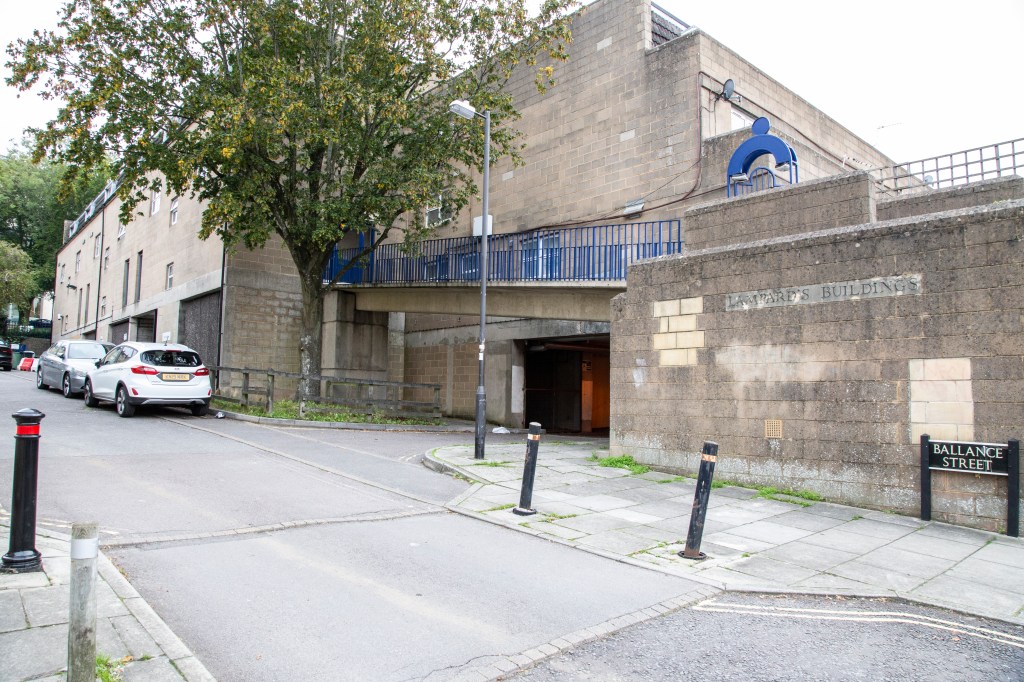
A street through time, was a talk I gave to a number of heritage societies, and looked at how the archival images held at Bath Preservation Trust could be used to document the changing topography of a city. The images of Balance Street in Bath show the various stages from an occupied Georgian terraced row of houses in 1963, a BPT researcher visiting resident prior to eviction in 1966, the demolished street in 1972 through to my image of what we have today. The street is almost unrecognisable.

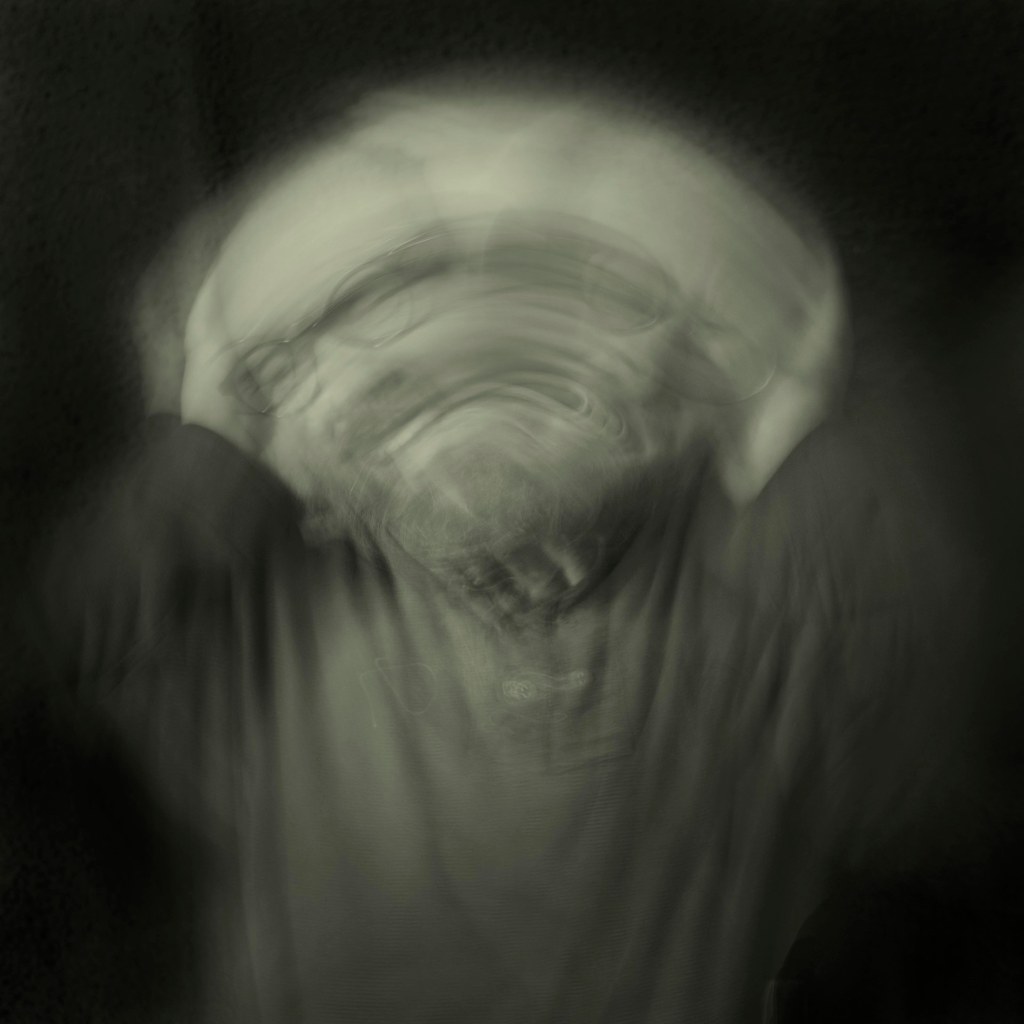
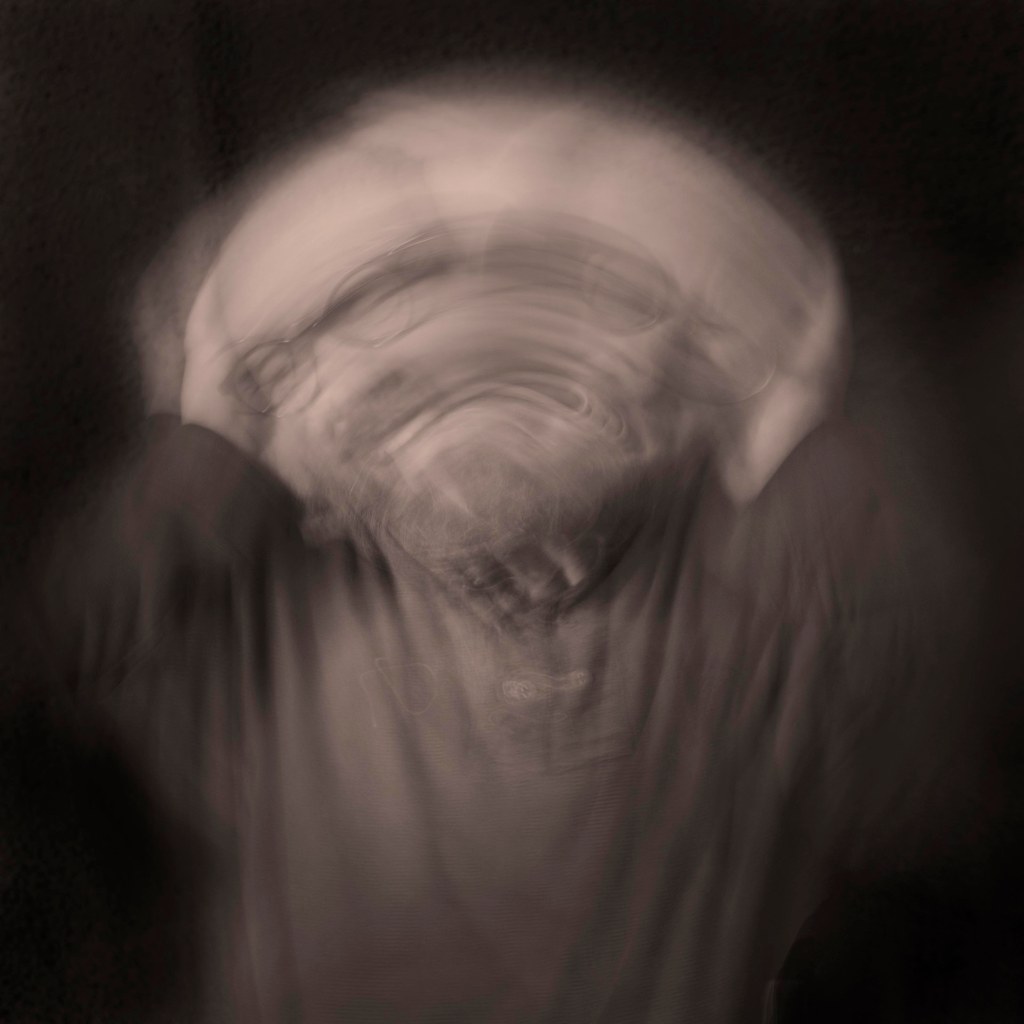
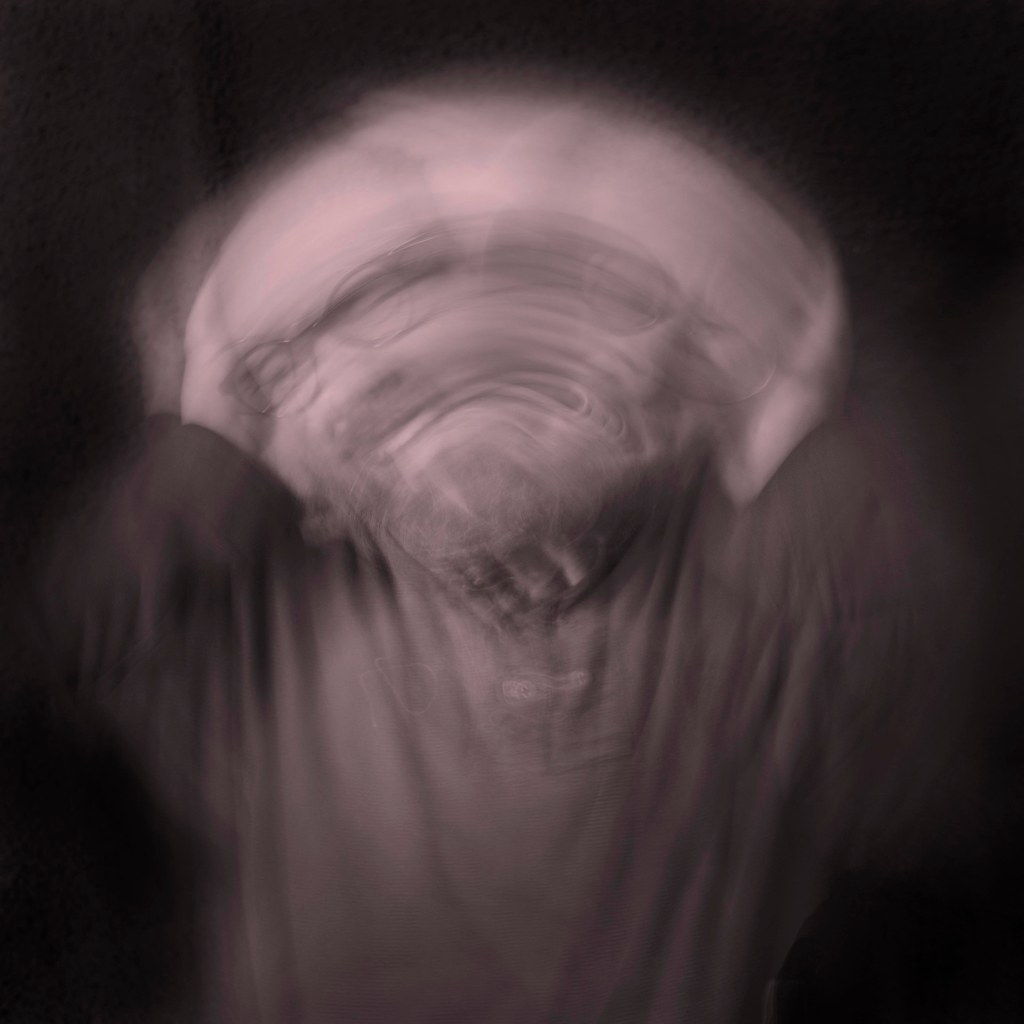
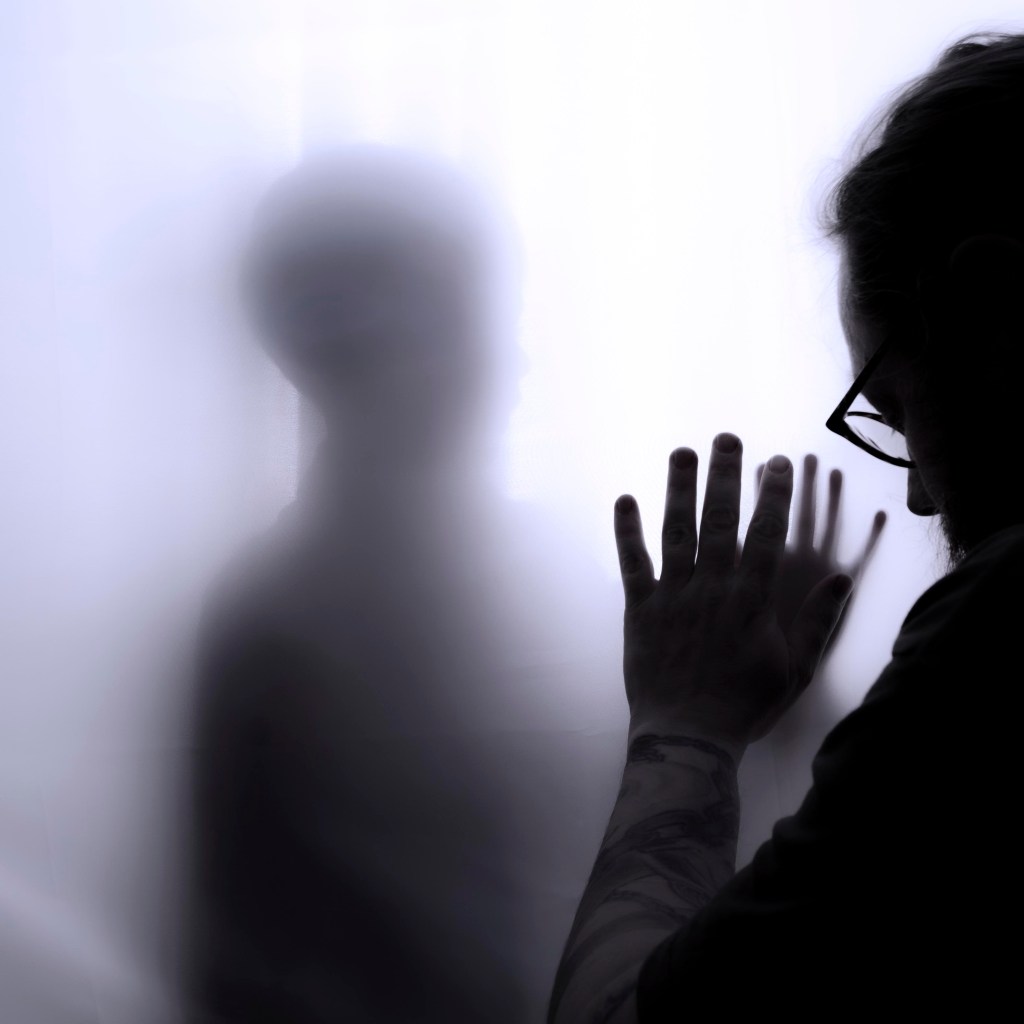
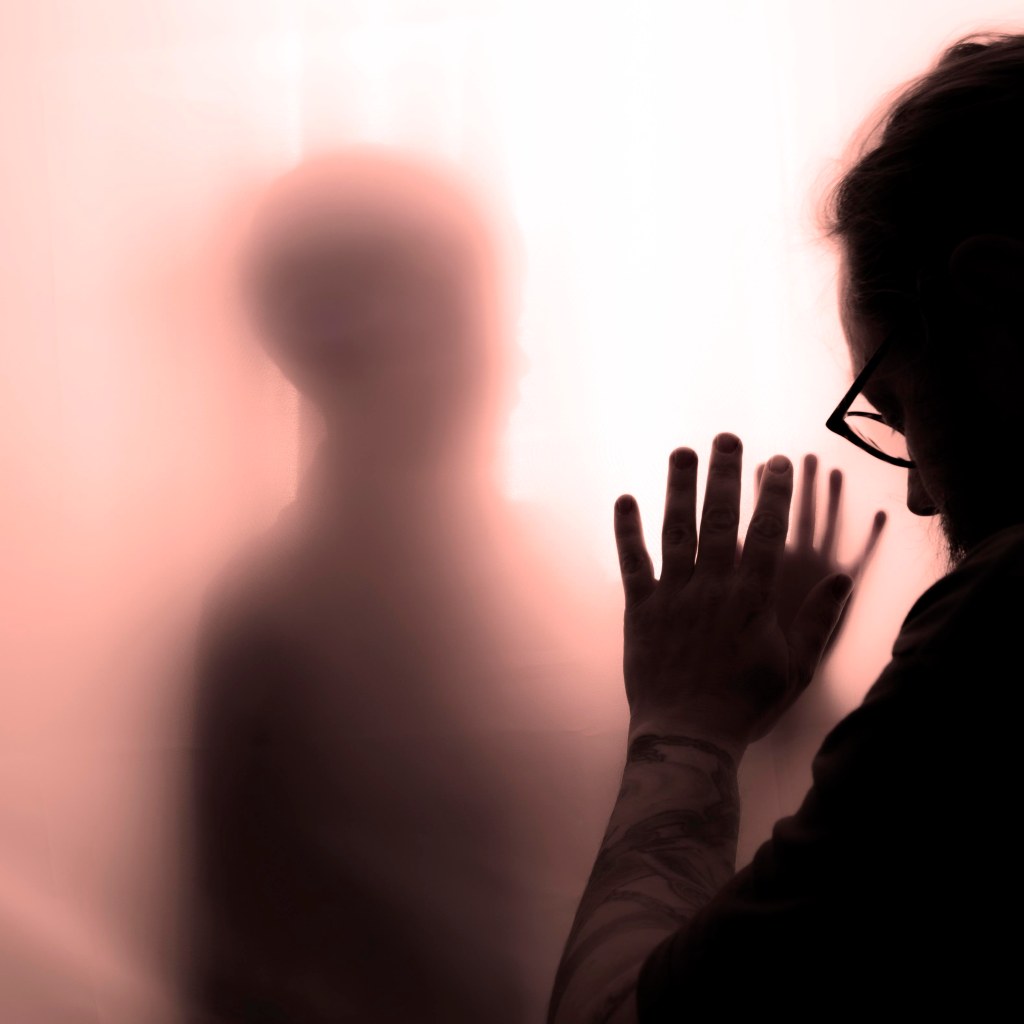
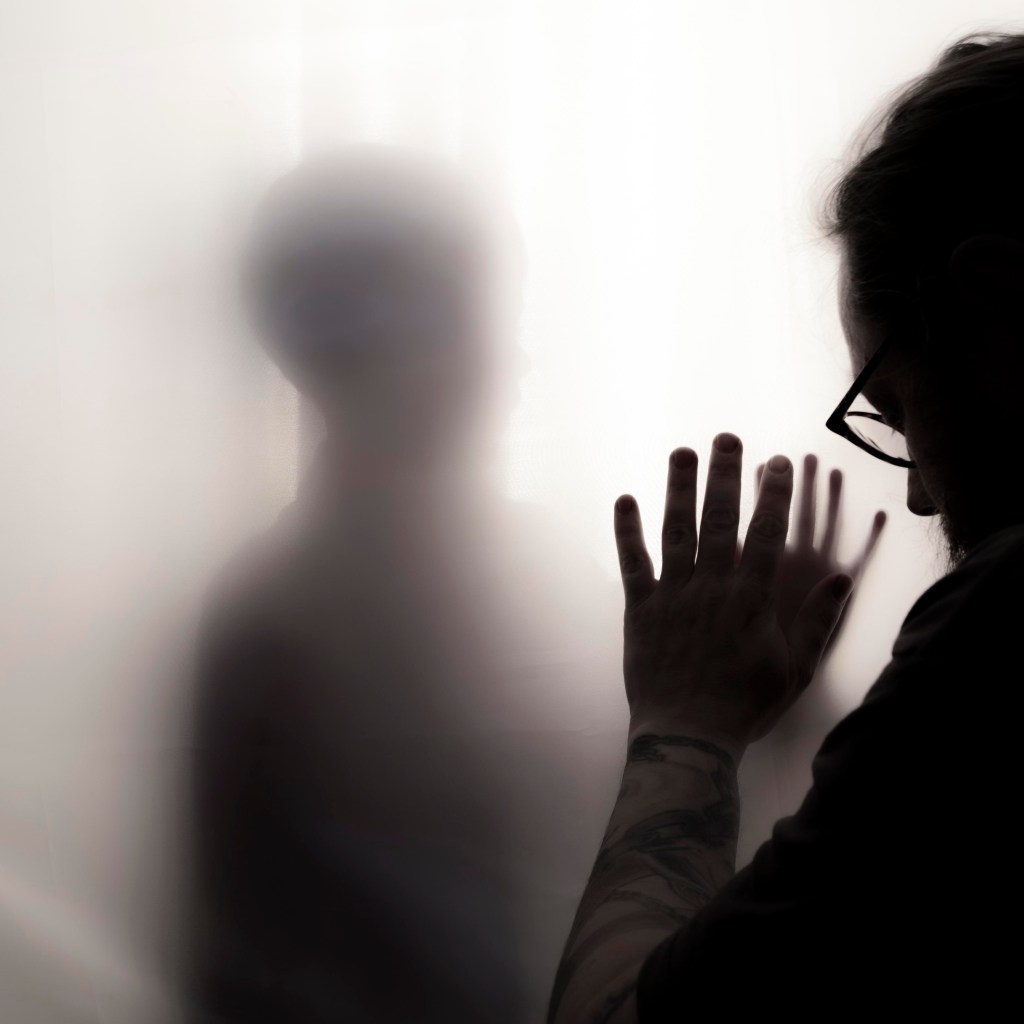
I have recently started to experiment with a number of images I took as part of my project, looking at emotion responses to isolation and separation. Each image uses a different colour filter applied that is representative of an emotional colour. At this stage I’m not sure if I will gone down this route, however what is evident though is that this process need further development by rephotographing certain portraits using alternative lighting methods, colour gels etc.

PHO703: Surfaces & Strategies – Project overview

I became fascinated by the synergy of people within the built environment, how the abundance or lack of space effects a person psyche, making them feel claustrophobic or agoraphobic in the extreme.

My project sets out to explore the ubiquitous links between the human psyche, the built environment and the spaces we occupy. Through the medium of photography this project will illustrate individuals, responses to their unique experiences or emotional reactions to the environment they occupy. This project is an exploration of personal space and what that means to us.

I have started by looking at what makes up my space, the home and objects that are personal to me. This journey starts with the house, as the philosopher Gaston Bachelard says in his book Poetics of space:

“Of course, thanks to the house, a great many of our memories are housed, and if the house is a bit elaborate, if it has a cellar and garret, nooks and corridors, our memories have refuges that are all the more clearly delineated.”1

Through a series of interviews and questionnaires I will be working with people from differing backgrounds to establish what their ‘space’ means to them. Combining portraits with images of place, I aim to create a body of work that illustrates the impact of space on the human psyche.

[1 The poetics of space, Gaston Bachelard, Penguin books 2014 page 30 ‘The House’]

PHO701: Positions & Practice week 12. WIP & Research project proposal

Having submitted, and received feedback, for both my work in progress portfolio and research project proposal, I feeling more focused. I felt that my WIP portfolio wasn’t as strong as it could have been , mainly due to the wide scope of ideas that I have been sifting through and narrowing down. This came across to my tutors, however what also came across was the narrative of how the project has progressed.

There’s plenty of room for development and I’ve certainly gained a lot from the process of producing both WIP & RPP. This first module been both challenging, rewarding, enlightening and a great start on the MA journey.

https://timbealetog.wixsite.com/thespacebetween