PHO704 Week 4: Webinar feedback

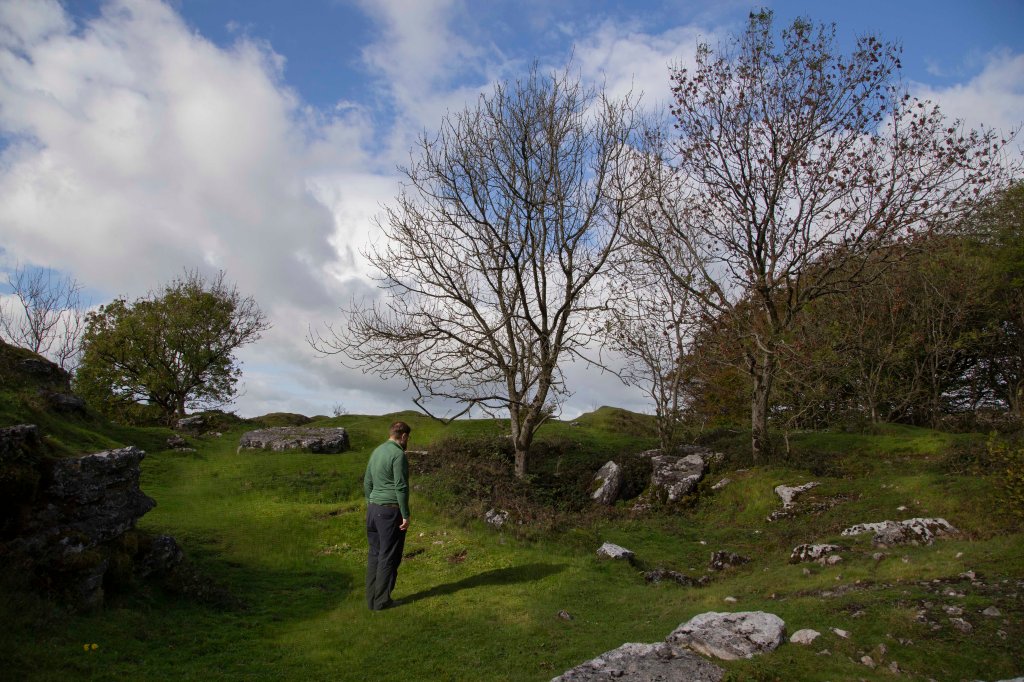
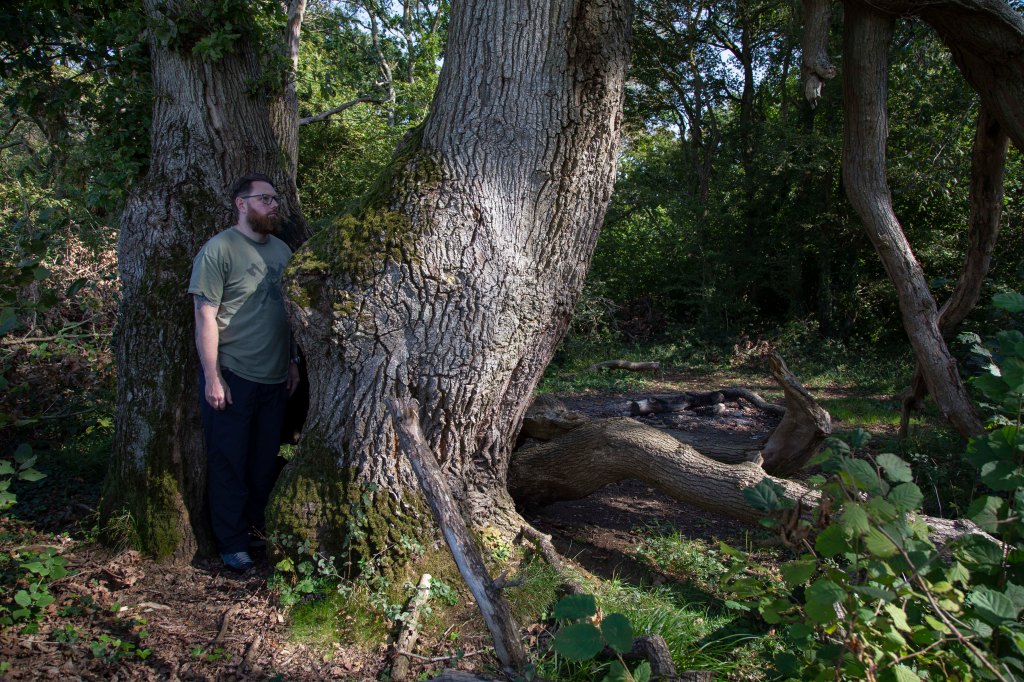
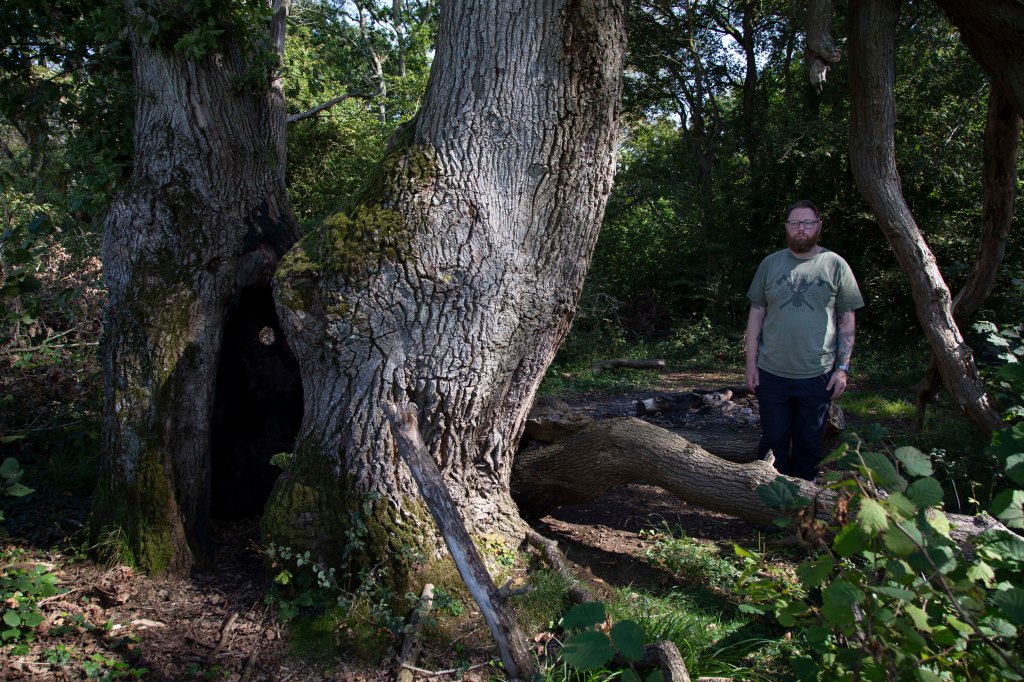
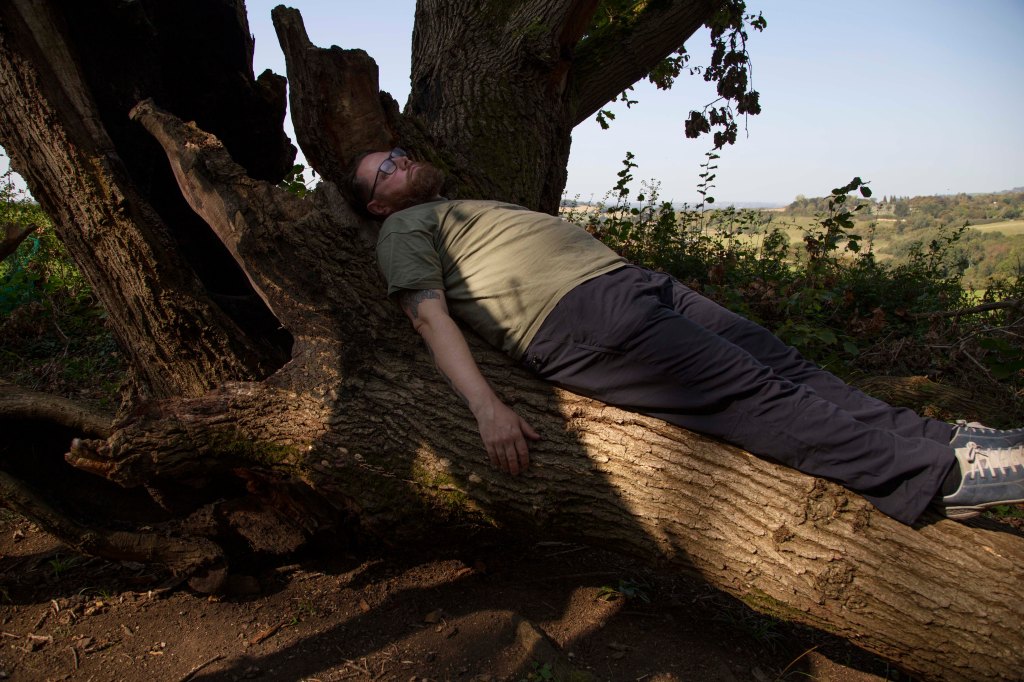
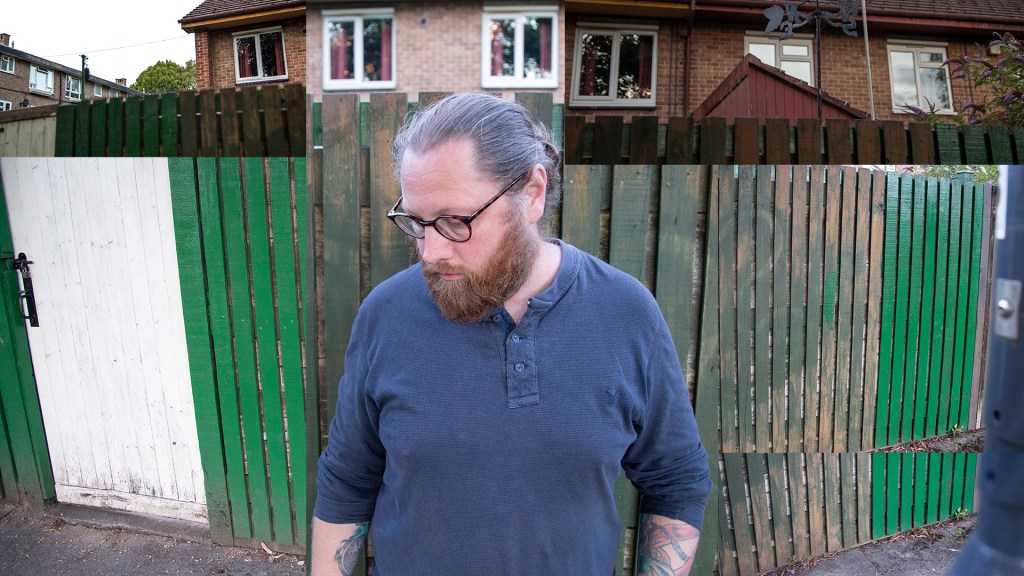
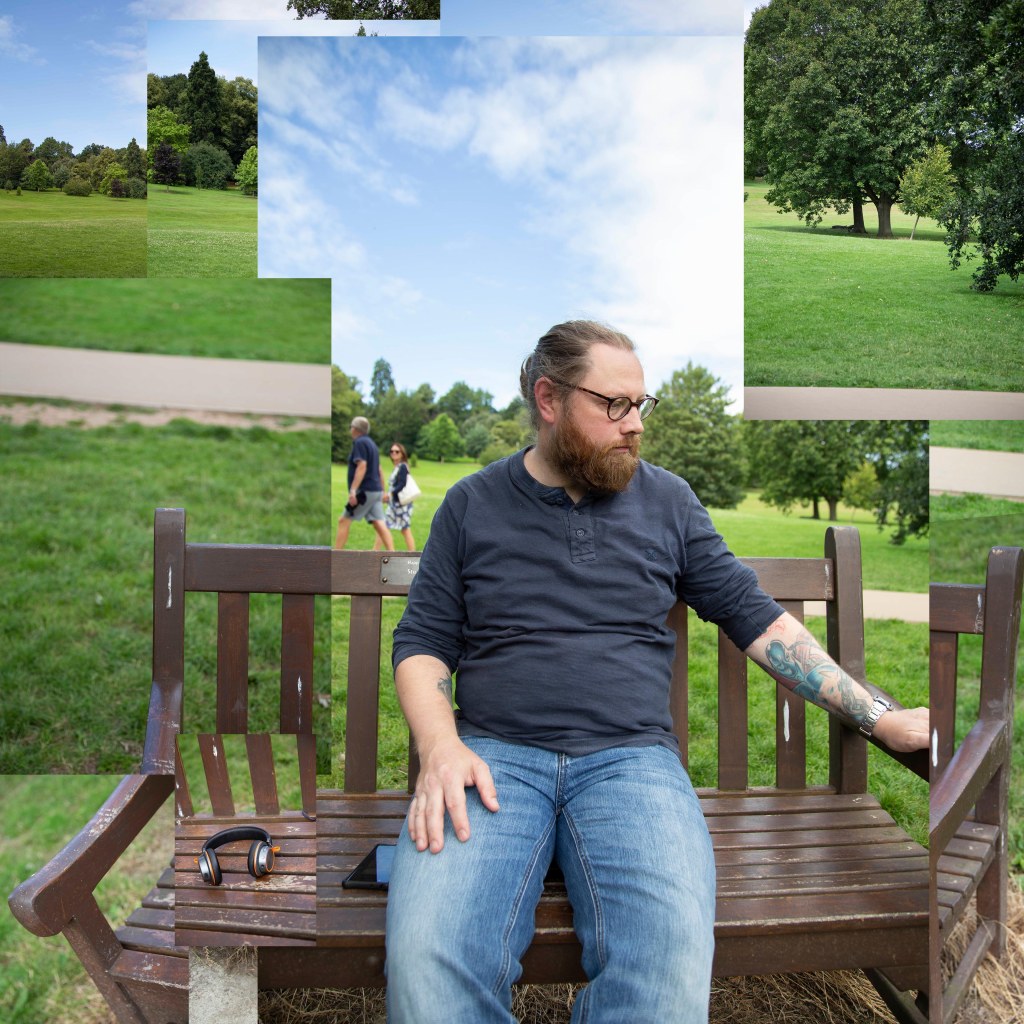
I had a really useful feedback session on my research project at this week’s webinar, after presenting my latest images and areas of research we then discussed how my project had evolved over the course of the MA. Having research such photographers as Jeff Wall, Rachel Harrison and Tom Hunter, I can now see a tangible style that my practice is moving towards. The use of tableauxs in my photography has been incredibly useful in enabling me to explore my own response to the environment around me. This is not without it’s challenges and risks. Whilst choreograph, direct oneself is infiltrate easier than using a module, controlling a shot becomes that more challenging, I use a spare mobile phone tethered to my DSLR to over come this. I have however had to be ever mindful of locations and the risk of theft or injury to myself (slipping down a hill side), as much as possible I’ve tried to go out with other family members or friends.

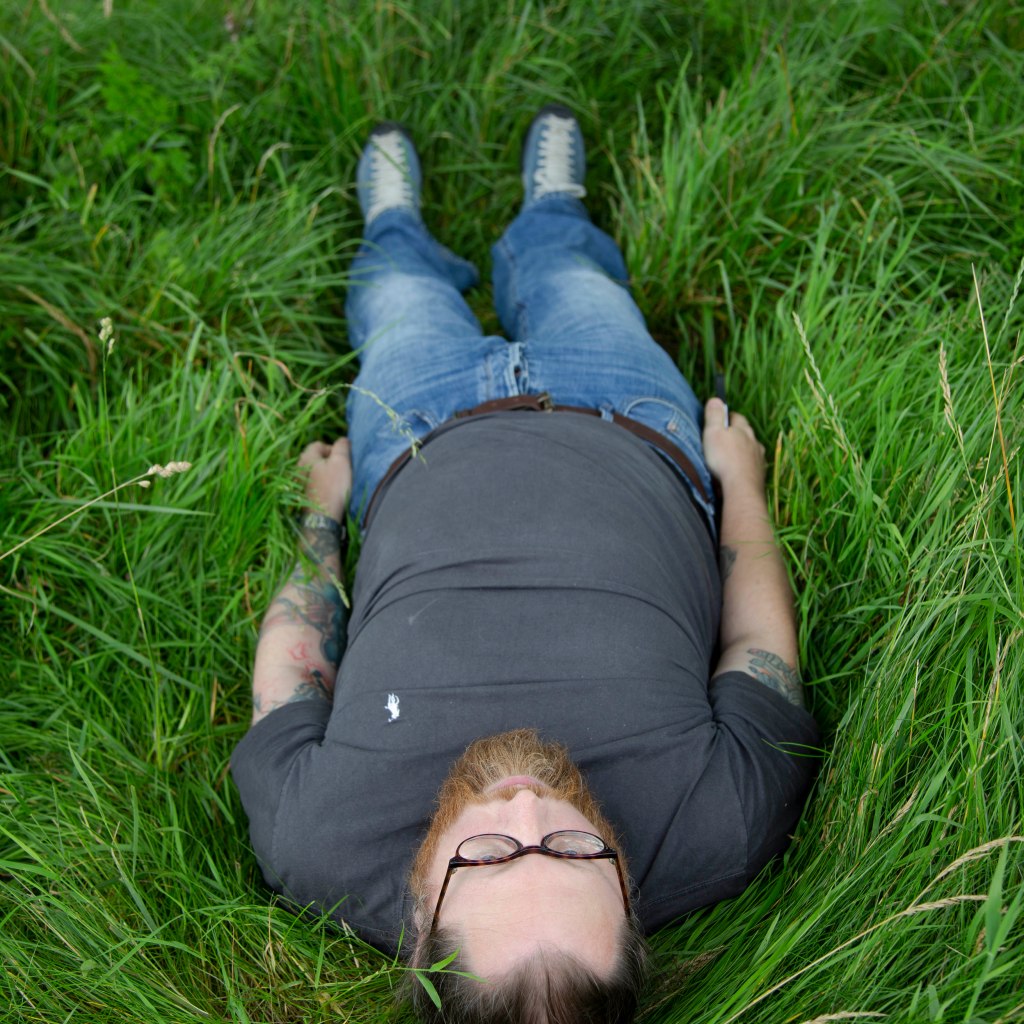
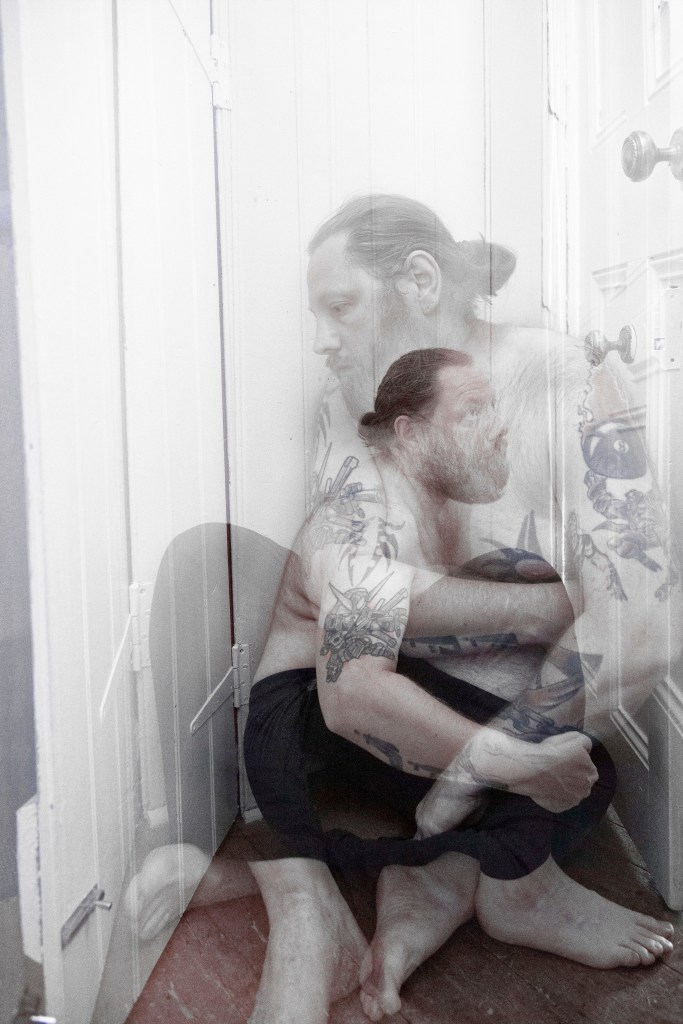
Reviewing my images from that last few weeks has been particularly enlightening as it is clear that there has been a substantial (subconscious) shift in context, from simply looking at the space around us, towards investigating the space between Birth and Death. I feel this shift in focus is ever more poignant to me now, having suddenly, just lost my father. Much of my current work reflects this transition in thinking and feeling, tangible motifs can be seen such as that of birth. Over the next few weeks I will begin to explore other aspects of that space between Birth and Death as I look to self reflection as my own way of dealing with grief.
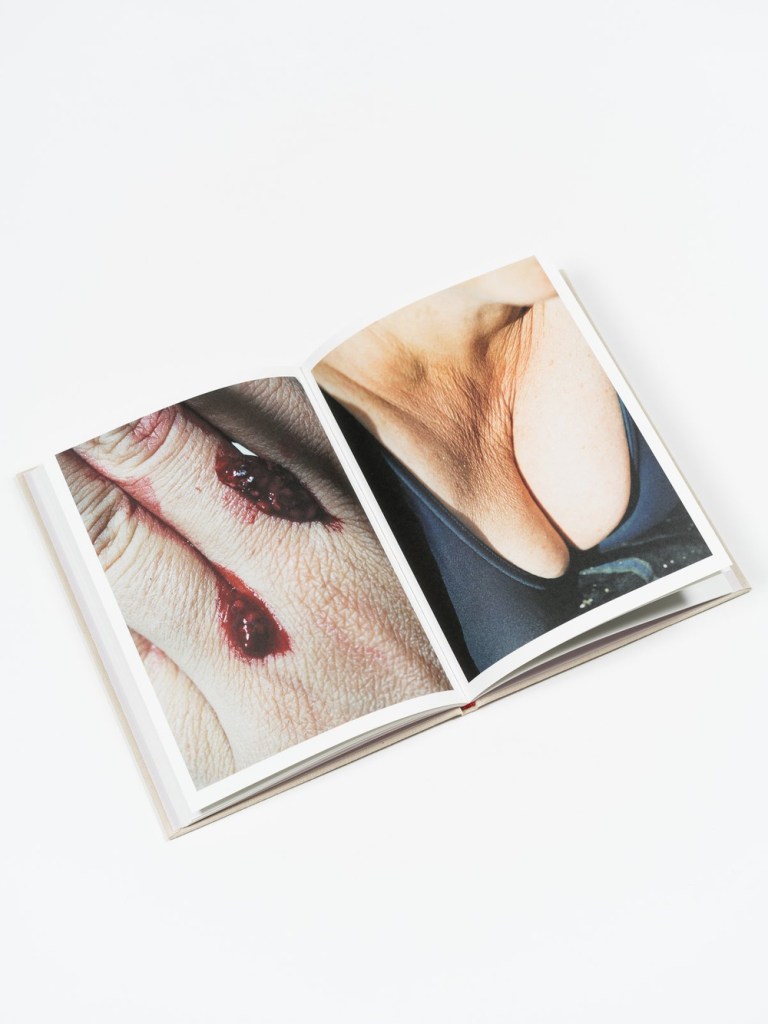
It was suggested I look to the work of Lucile Boiron’s book ‘Womb’ where she “explores and exhausts fragments of flesh, these moments when human nature appears for what it is, that is, perishable. Far from making an inventory of the feeling of revulsion, she questions the body’s biological truth, and attempts a photographic answer to the issue of good and bad taste.”1 The book is a well thought out and curated body of work with close up images often paired in such a way that makes the viewer uncomfortable, such as the use the flesh of fruit juxtaposed to images of blemished skin. Looking at more of Boiron’s work it is clear that the body itself is the focus with the environment being absent or playing a minor part in her imagery.
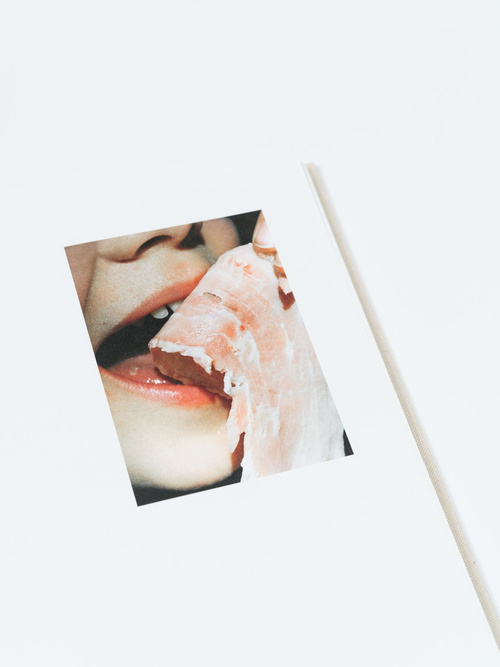
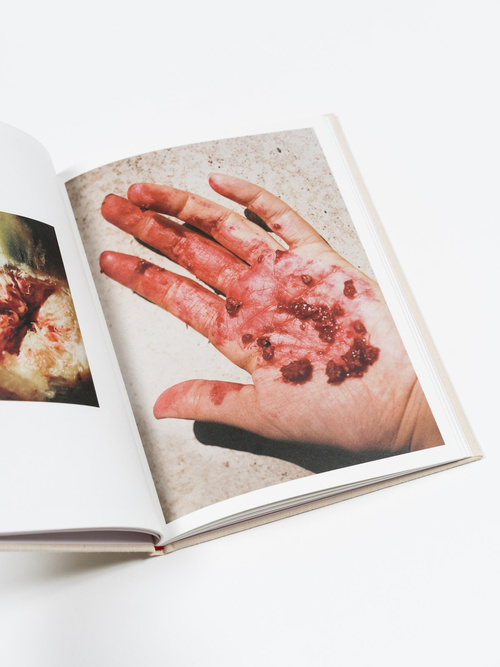
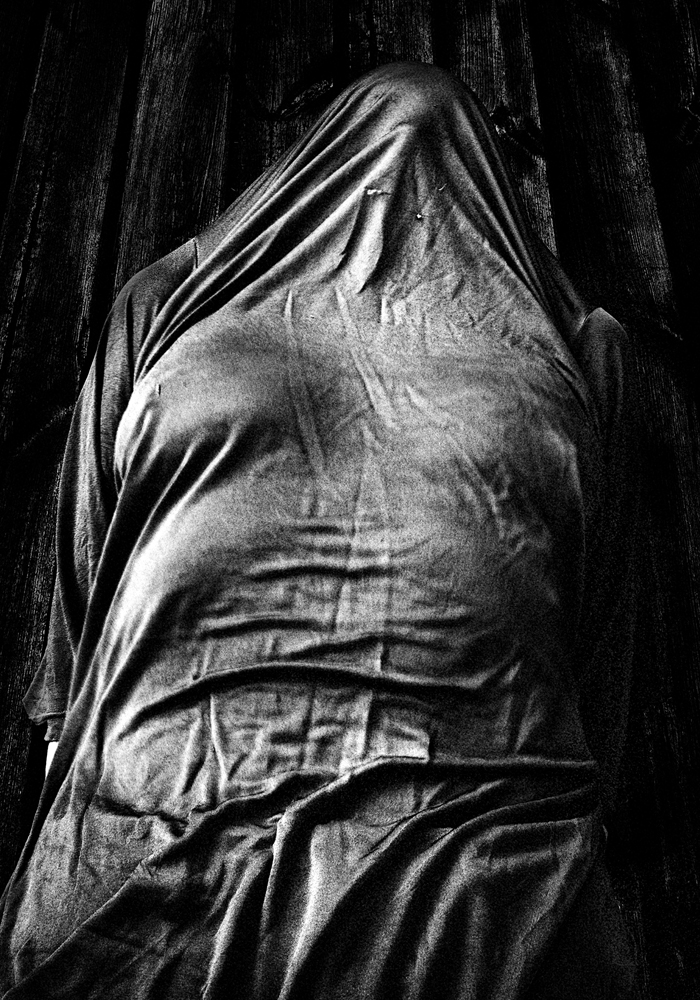
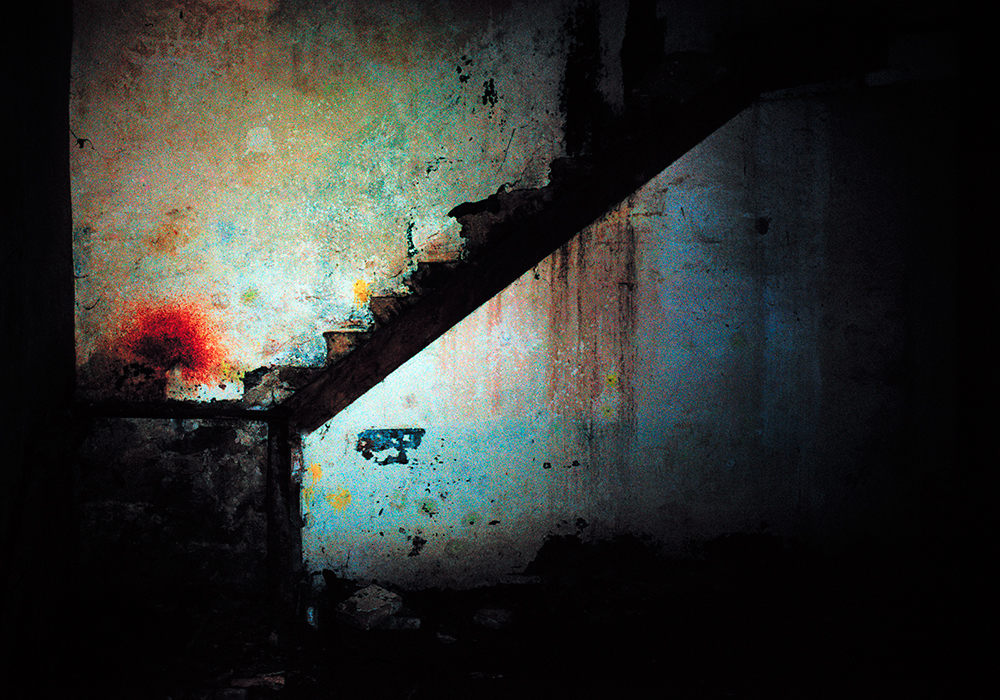
I also looked at the book ‘Endings’ by photographer Leif Sandburg, “About panic and getting old” as he describes it2. Sandburg then in his late ’60s he received the difficult news that he had cancer this led him to consider his mortality, six years later after extensive surgery and a great period of photography ‘Endings’ was produced. As opposed to Boiron’s work Sandburg uses the environment in his images to draw parables between the fragility of human existence by offering the viewer images of decaying structures and interiors, often in colour, set against stark monochrome images of figures (mainly self portraits of Sandburg). Sandburg’s use of techniques such as multiple exposer gives an ethereal, ghost like motion to the figures depicted therein.

Death becomes palpable when it approaches, and the pictures contain questions of fear and uncertainty, but simultaneously the joy of ageing together with a life partner. The pictures have grown over a five-year period. Often a photo session with an original idea inspired new pictures created in the moment and the plan had to give way for intuition and guts feeling. Possibly a way to get close to who you and exploring your inner self.” –Leif Sandberg 2017-03-013.
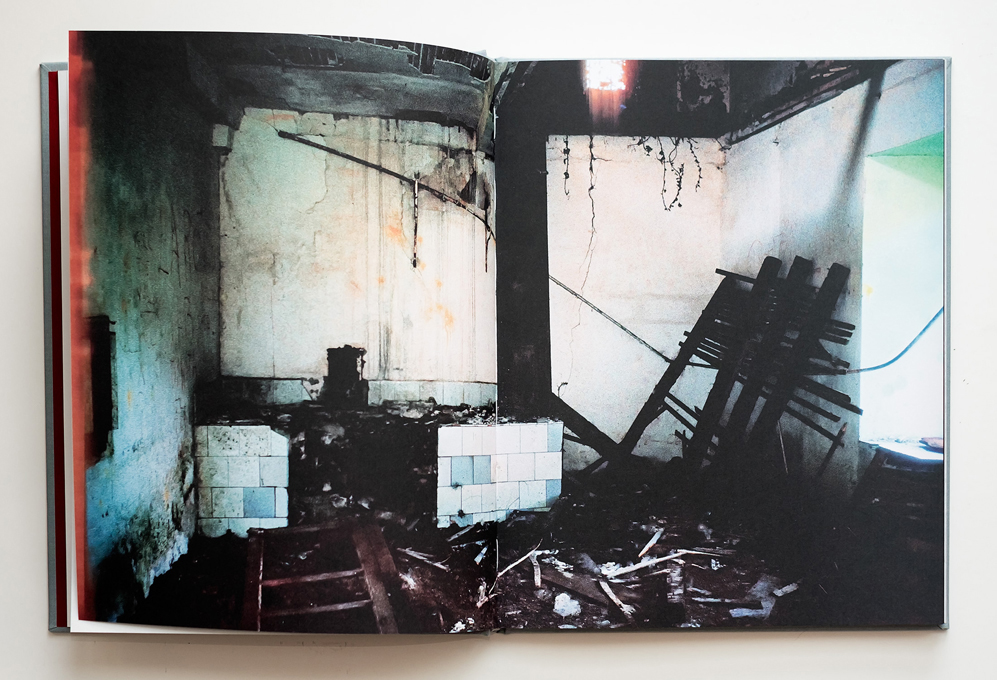
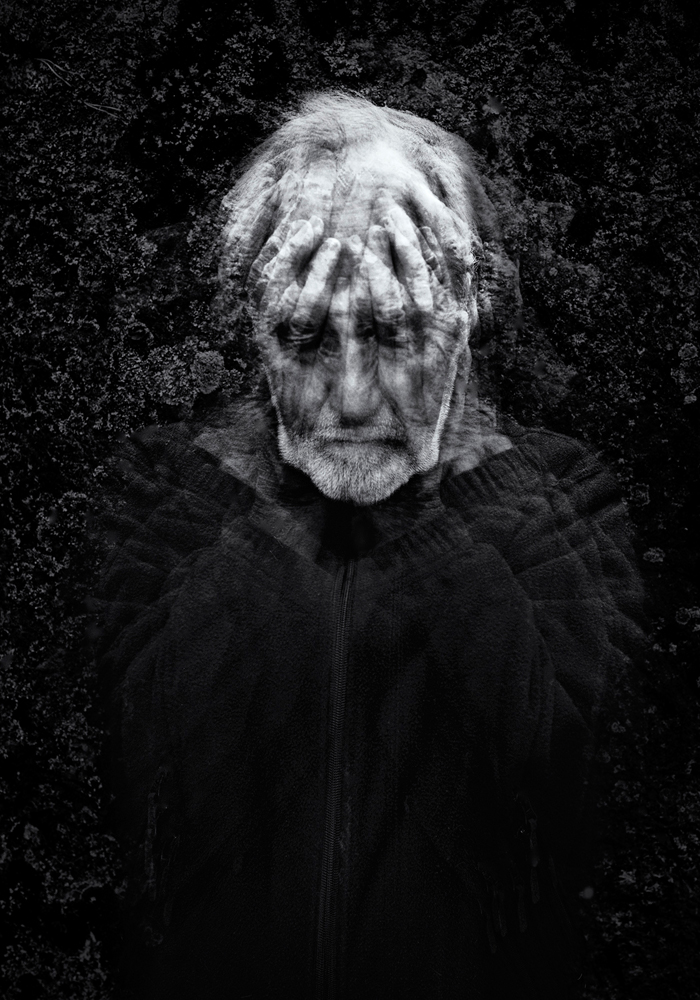
Of the two photographers Sandburg’s work has a certain resonance to my own current project. Whereas the brutal beauty and curation of Boiron’s book is truly inspiring, leaving me with questions about curating my own images and how they can be used to effect such strong reactions in the viewer.

Resources:

1 Boiron.L (2019), ‘Womb’ [online] https://www.libraryman.se/lucile-boiron-womb/ [Accessed 17.10.2020]

2 Sandburg. S (2017) ‘Ending’ [online] https://leifsandberg.com/ [accessed 17.10.2020]

3Smithson. A (2017) ‘Ending’ [online] http://lenscratch.com/2017/03/leif-sandburg-ending/ [accessed 17.10.2020]
PHO704: Week 2&3 professional practice

As I have never considered myself a professional photographer in any capacity the past two weeks have really got me questioning two things 1) have I been using my practice professionally 2) where do I want to take my practice. The later question is quite a difficult one to answer as when I applied to study my masters I thought I knew what I wanted achieve after, that was to go into education and teaching. As I’ve progressed through the masters and have challenged myself and my practice it becomes more evident that, yes I’d still like to teach, but I also want to exhibit and sell my work.

To date my photography has been a passion that I have been lucky enough to incorporate into my career, managing museums and gained a few commissions. There have been three key areas for me:

Curatorial:

  • I created and curated the Architectural Photographer of the Year (APY) competition and exhibitions for the past two years.
  • I curated a show for Clive Arrowsmith – Peter Gabriel Reflections. This was the largest scale exhibition for myself and the organisation I work for both in terms of prestige but also budget. It was real eye opener for me to work on something like this managing the exhibition budget and expectations of an internationally know photographer wasn’t always an easy task to say the least… https://hyperallergic.com/480967/peter-gabriel-reflections-the-museum-of-bath-architecture-clive-arrowsmith/

Commissions:

  • Child Portrait shoots. I was approached to do these shoots by the parents at my sons school who where all unhappy with the images taken on the school portrait. There’s a good reason they say never work with children and animals…
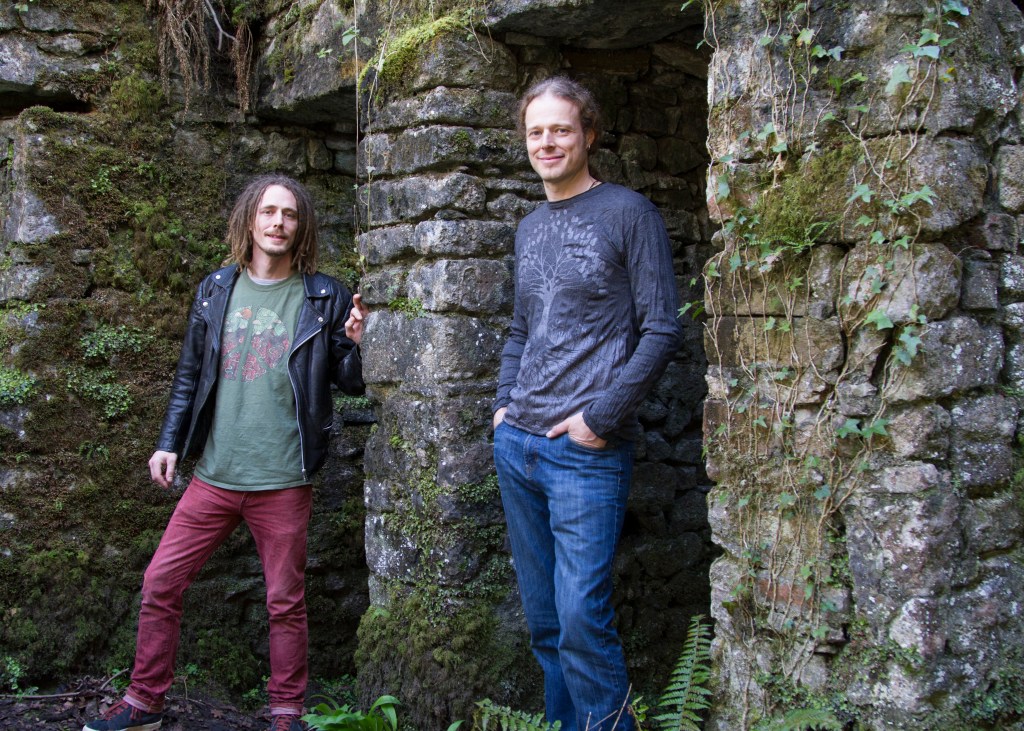
  • Album launch shoot for two musicians. I had free reign with what we did but this was early on in my practice so a bit of a missed opportunity as I really hadn’t put in enough research or planned the shoot well.
  • World heritage street signs was as dull a commission as it sounded but my images were used at a number of national and international events.

Educator:

  • Alongside the APY and Arrowsmith exhibitions I was able to utilise my skills and knowledge in running photography workshops for visitors and schools.
  • I have also given talks on a number of photography related subjects to camera clubs and civic societies. The most popular is my talk ‘The history and uses of Architectural photography’.

Reference

Keane, T. (2019) Hyperallergic: British Rock Meets Modernism. [Online] Available from: https://hyperallergic.com/480967/peter-gabriel-reflections-the-museum-of-bath-architecture-clive-arrowsmith/ [Accessed 17/10/2020]

The Photographic Tableaux

In Charlotte Cotton’s book ‘the photography as contemporary art’1 she sets out each chapter under a theme, in the chapter ‘once upon a time’ one such theme is the tableau photography (or tableau-vivant). Tableaux photography concerns the story telling in contemporary art photography with images that make reference to fable, fairy tales, modern myths and apocryphal events that are all part of our collective consciousness.

Tableau Vivant transalates from French meaning living picture, is not a new technique exclusively used by photographers but one that has its roots in 17th & 18th century paintings. The narative is often concentrated in a single image (which may become part of a series) with the scene choreographed for the viewer, using recognisable (conscious or subconscious) motifs, symbols or props that elicit a memory or emotional response.

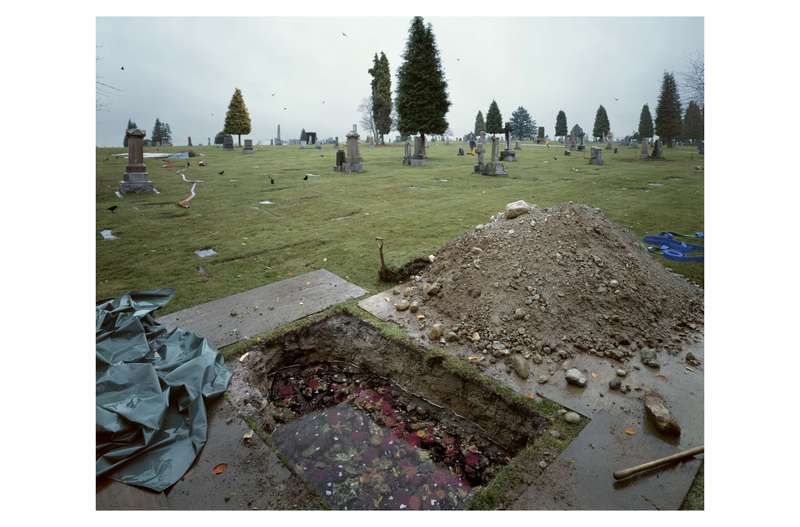
Jeff Wall ‘Flooded Grave’ 1998-2000

One of the most prolific users of the tableau is Jeff Wall who’s images are created from scenes he has witnessed or memories, these he meticulously recreates. Wall’s exhibition ‘Tableaux Pictures Photographs’ 1996-2013 we see images such as ‘Flooded Grave’ in which an open grave has been filled with water and sea life, such as star fish and sea urchins. This is typical of the way in which Wall plays with the tension between the real and the unreal. For Wall it is the way in which we will voids with our daydreams, in our daydreams we see what isn’t there. When exhibiting his work, Wall uses large light boxes to display his colour images, giving them a luminosity that adds a hyper real quality to them which is turn confronts the viewer with the drama in front of them. The images become more than a photo and more akin to a lit stage. Wall a post graduate in art history has a deep understanding of how space is full of relationships and how to construct a visual scene for the viewer.

“they [Wall’s images] are evidence of a detailed comprehension of how pictures should work and are constructed.” Charlotte Cotton

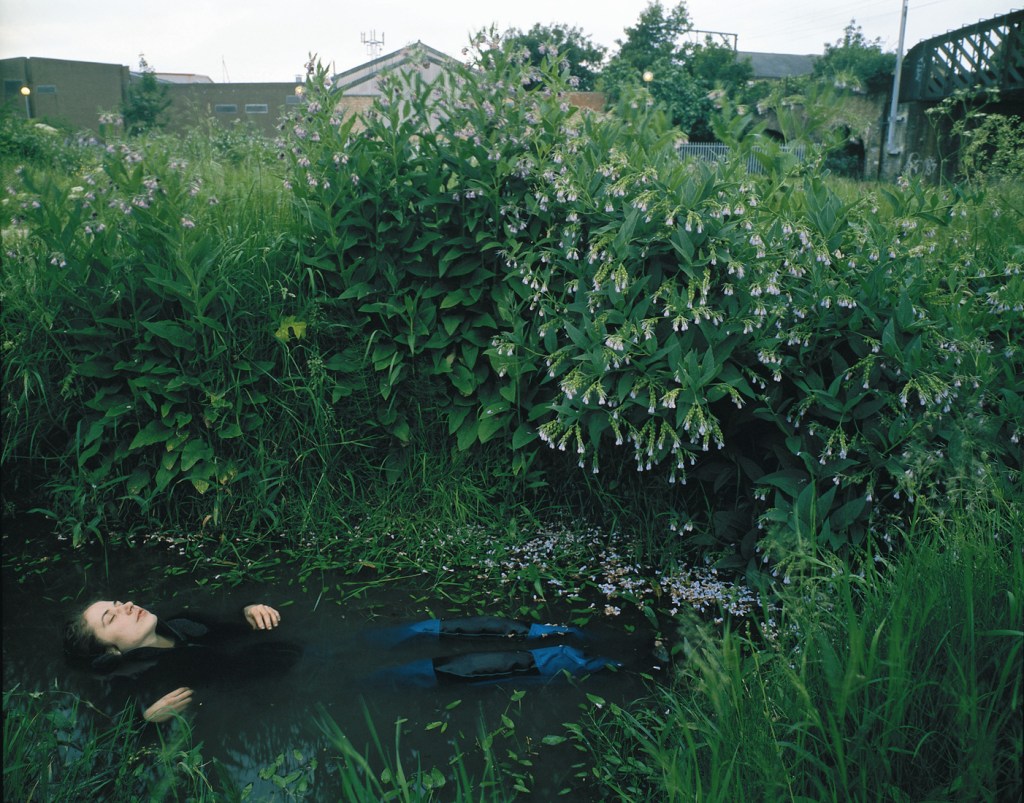
Tom Hunter ‘The way home’ 2000

For his tableau’s the British photographer Tom Hunter reworks the images created by Victorian painters such as the Pre-Raphaelite Brotherhood, especially in his series ‘Thoughts of life and Death’. One image from this series ‘The way home’ 2000, is a direct translation of John Everett Millais’s2 ‘Ophelia’ (1851-52) which depicts the tragic character from Shakespeare’s play ‘Hamlet’. In Hamlet the drowning of Ophelia is not actually acted out on stage but rather delivered in poetic verse by Queen Gertrude [Hamlet Act IV]3. In Millais’s painting he has depicted the moment Ophelia has fallen from the broken branch into the brook and begins to sink without a struggle, calmness upon her facial expression. The artist gives form to the poetic description beautifully. As with Millais’s painting, Hunter’s image is rich in detail showing the English landscape however brings this into a contemporary setting by the inclusion of a metal foot bridge and rooftops of modern housing. The use of a dead pan expression on the figures face engenders in the viewer a sense of anxiety and uncertainty of the context or meaning, resulting in the viewer questioning the scene before them.

John Everett Millais ‘Ophelia’ 1851-52

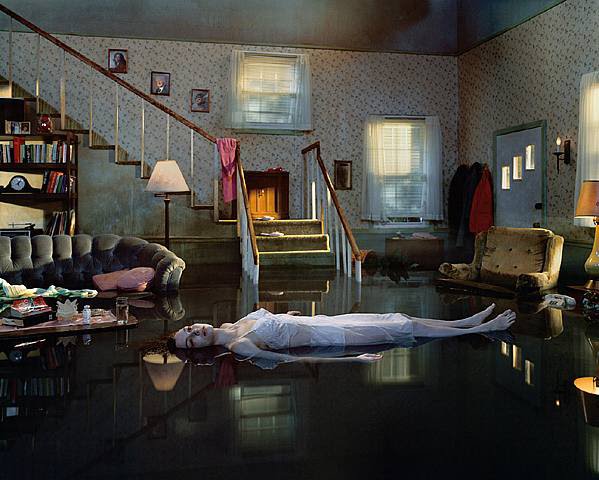
Gregory Crewdson also adapts the Millais painting for his own narrative in his ‘The Twilight’ series. ‘Untitled’ (Ophelia) 2001. Whereas Hunter depicts a girl drowned on her way home from a club, Crewdson’s image shows his Ophelia as a typical American suburban housewife laying lifeless in a flooded home. In the documentary 4 ‘ The aesthetics of repression’ 2004, Crewdson discusses his interests in the psychology underlying the American suburban experience. As a side note, Crewdson’s father was a psychiatrist who had his office in the basement of their family home, a motif that appears in many forms of his images. Each tableau that Crewdson creates is akin to the elaborate block buster movie sets, using huge teams to create scenes of suburban live within the studio. The use of large sets and actors gives his images the appearance of movie stills, frozen scenes of action. Influenced by artists and movie directors such Hopner, Spielberg and Hitchcock, Crewdson’s images have a dramatic almost sinister nature to them.

Gregory Crewdson ‘Untitled’ (Ophelia) 2001

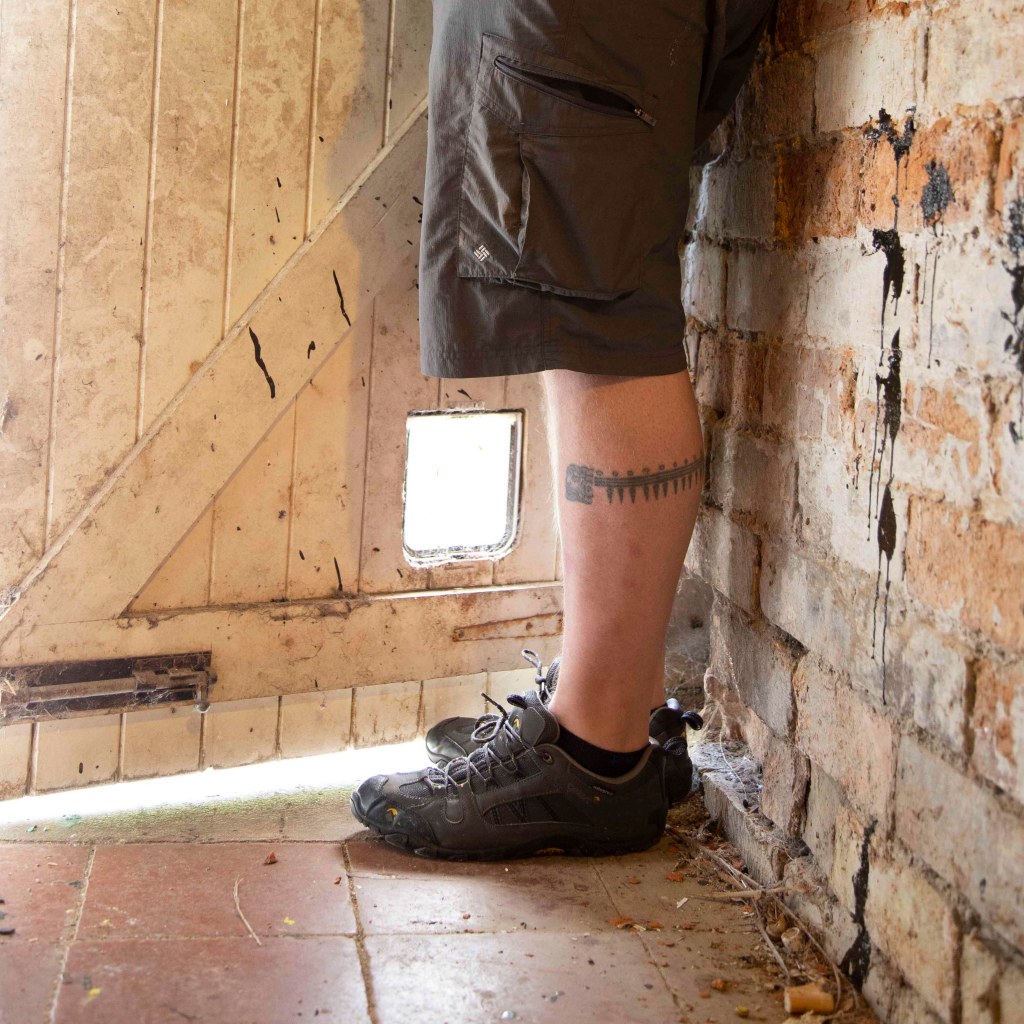
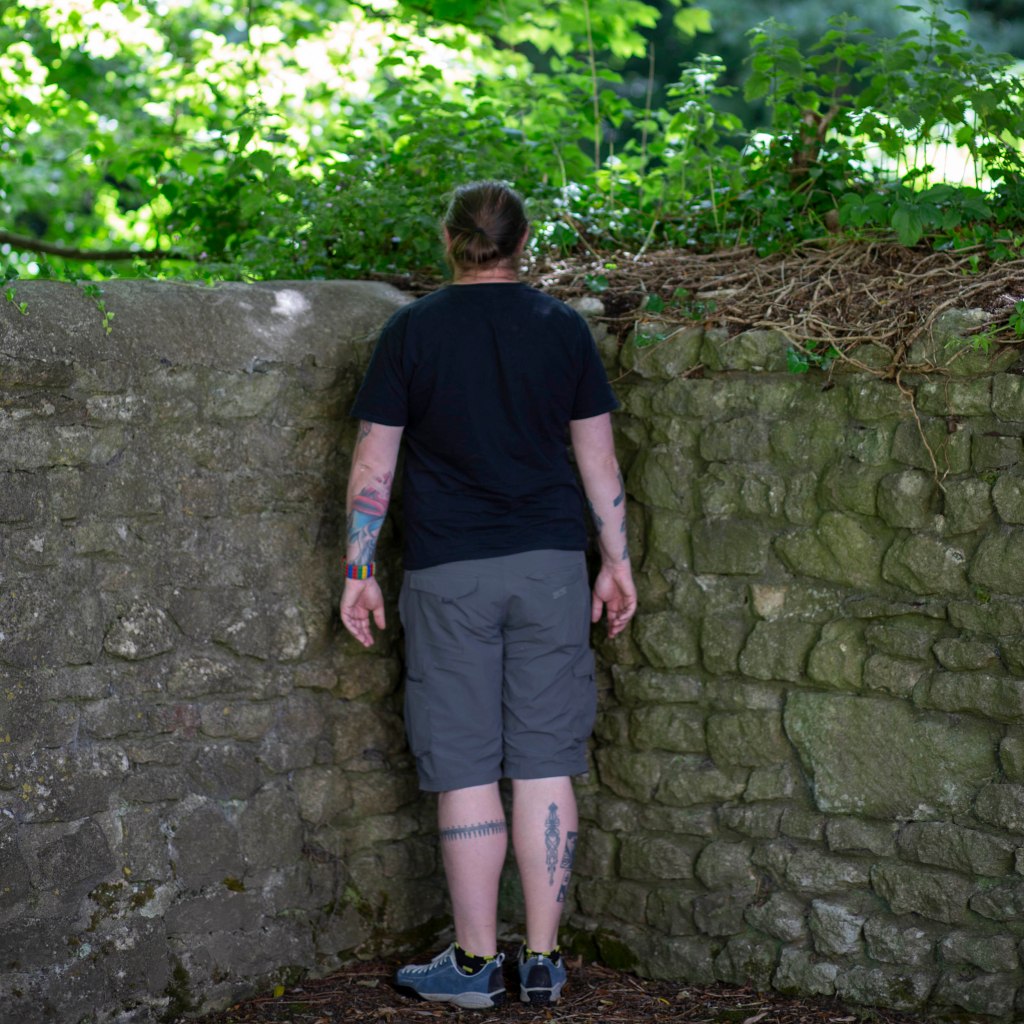
Often tableaux photography will employ pictorial devices to throw questions, a sense of the unknown about the meaning or context. Such devices are often subtle as a turned head, figures facing away from the viewer or a dead pan expression. As with each of these photographers, within my own practice I have experimented with how the image is choreographed, dressing the set, lighting and how the figure is represented within the image. When looking at the space within an image I feel that in order to give the space meaning there needs to be a human presence. If there isn’t someone there to experience the space does the space exist? The use of tableau photography in my practice is a clear method to illustrate this.

Resources

1 Cotton. C, (2011) Thames & Hudson, ‘The photograph as contemporary art’ pp. Pages 54-71.

2 Hilton. T (1991), World of Art books, ‘The Pre-Raphaelites’, pp. 77-81.

3 Riggs. T (1998) [Tate online], Ophelia 1851-52, https://www.tate.org.uk/art/artworks/millais-ophelia-n01506 [Accessed 7.10.2020]
4 Blackwood. M (2004) [documentary film] The Aesthetics of Repression: Gregory Crewdson, [Watched 05.10.2020]
PHO704: Research – Elina Brotherus

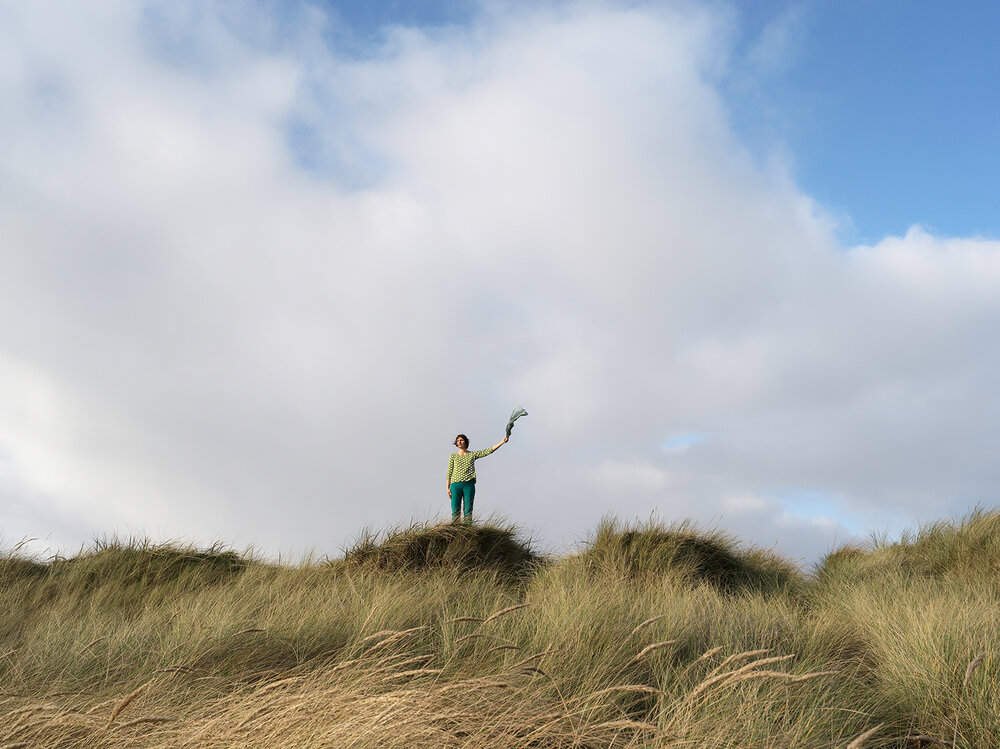
Elina Brotherus: can be described as a biographical self portraitist who’s images show the photographer performing her self histories. Brotherus’ use of colour in her imagery is subtle but effective. The setting of her shots either interiors or landscapes appear in muted delicate colours, tones and more often than not naturally lighted. This can be seen in the ‘Measuring Wind Speed’ series especially in the ‘Neiblem’ image where the choice of vivid green clothing works to contrast against the grey sky, whilst acting as a visual link to the wild grass in the foreground. Brotherus is visually rooting to the earth and unable to be blown away by the wind.

‘Measuring wind speed – Neiblem’ Elina Brotherus

http://www.elinabrotherus.com/

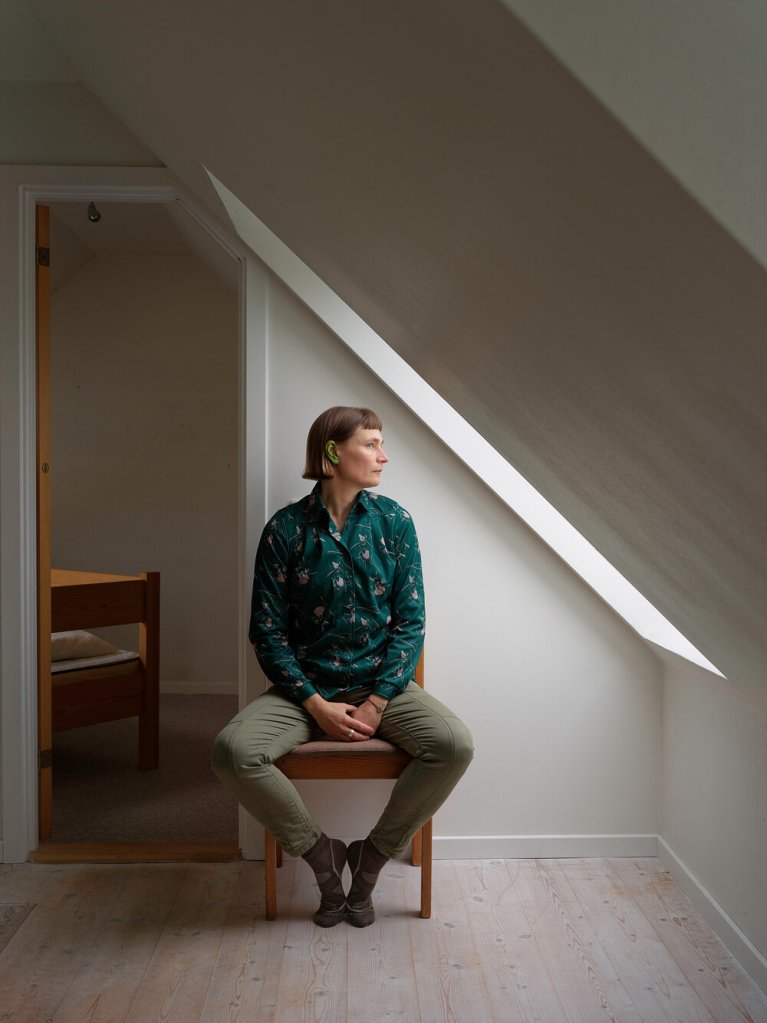
Das grüne Ohr 2, shows how Brotherus uses her choice in clothing to contrast the muted tones and shades of the interior to draw the attention of the viewer. Whilst the two spaces we see are cool shades of grey, the positioning of the wooden furniture parallel to the door and its frame draws the viewers eyes around the image and towards the sitter. Here Brotherus is dressed in green, this use of green is further exaggerated by her ear that has been painted green. She is seated looking out of a window, the use of green reminds the viewer of landscape and nature, perhaps this is what she sees out of the window.

‘Das grüne Ohr 2’ Elina Brotherus

The use of natural lighting from the window helps to throw the bedroom into shadow further contrasting with the solitary seated figure. This is used cleverly with minimal furniture to distract the viewer. Hands clasped and feet on points, akin to a ballerina, this is far from a relaxed pose. It is almost as though Brotherus is preparing to flee, perhaps through the window and into the landscape beyond.

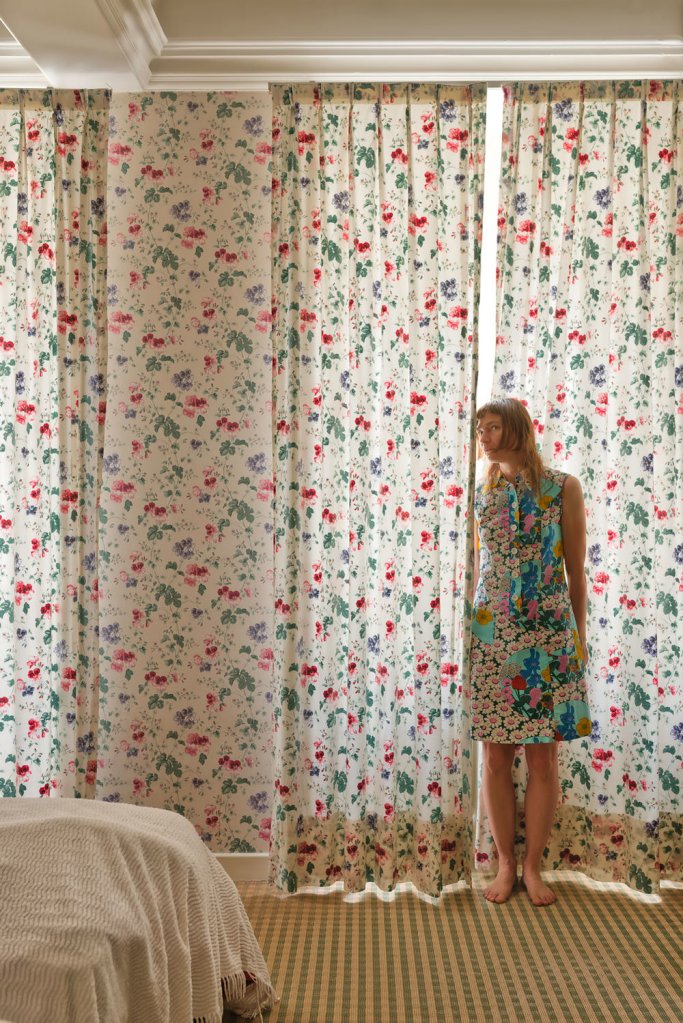
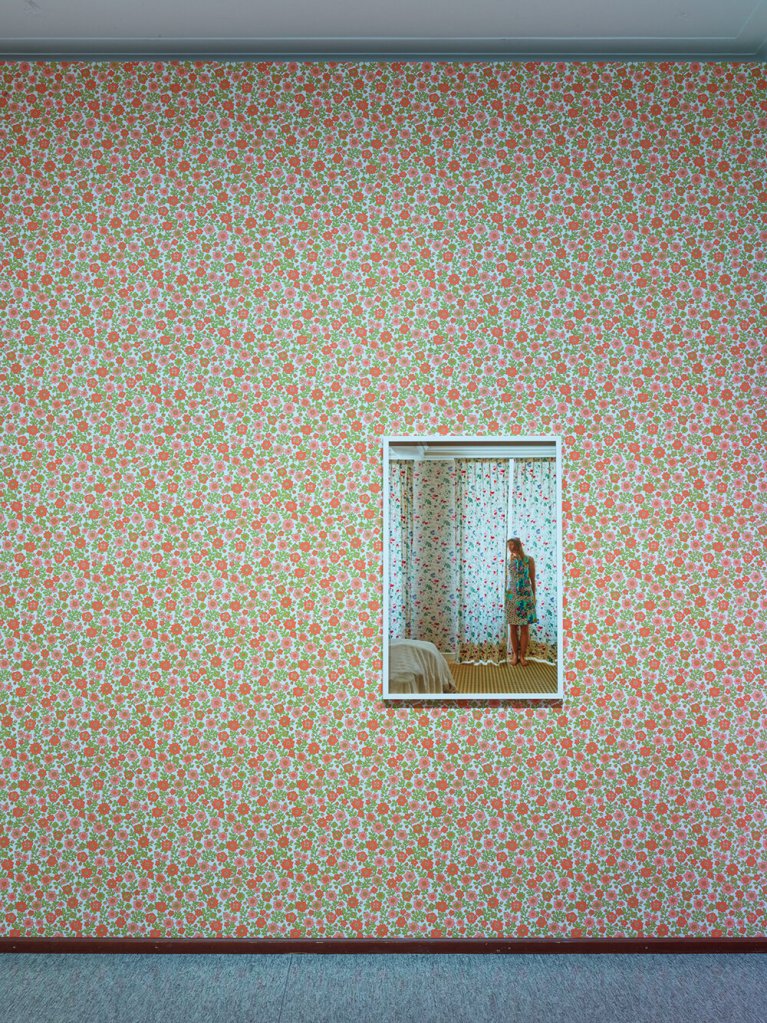
Images from exhibition installations show how Brotherus further uses colour to exaggerate and extend from the boundaries of the initial image. This is evident in ‘Bad Camouflage’ in which Brotherus is dressed in a heavily floral dress almost hidden against floral curtains and wall. Both the curtains and wall paper are of the same pattern, this wall paper is then used in the installation. As a result the image becomes almost lost, camouflaged against the floral wall paper.

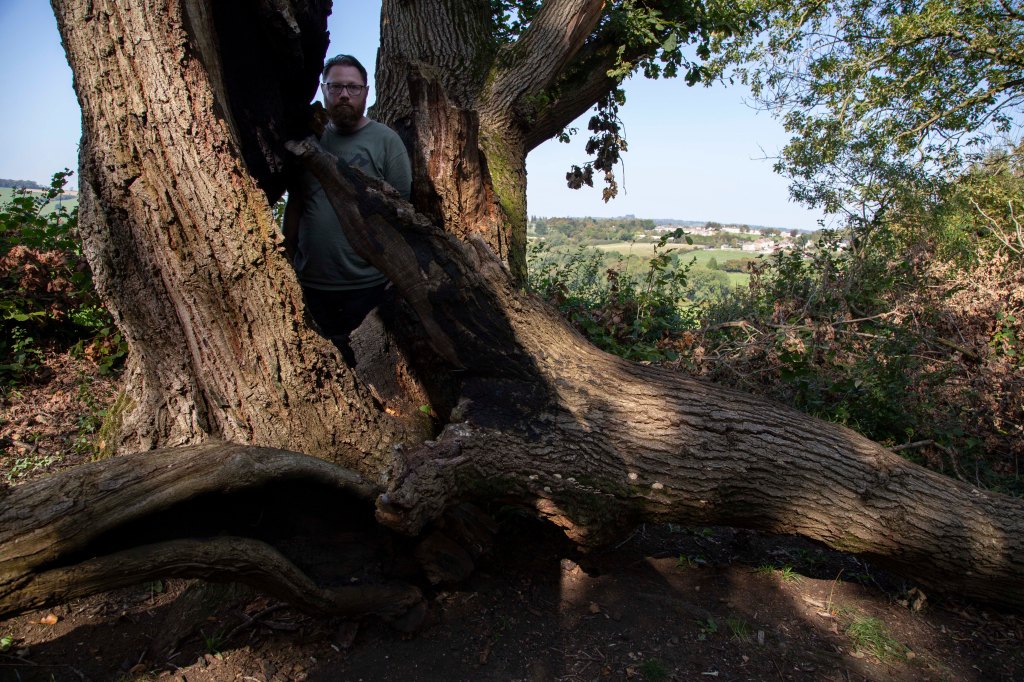
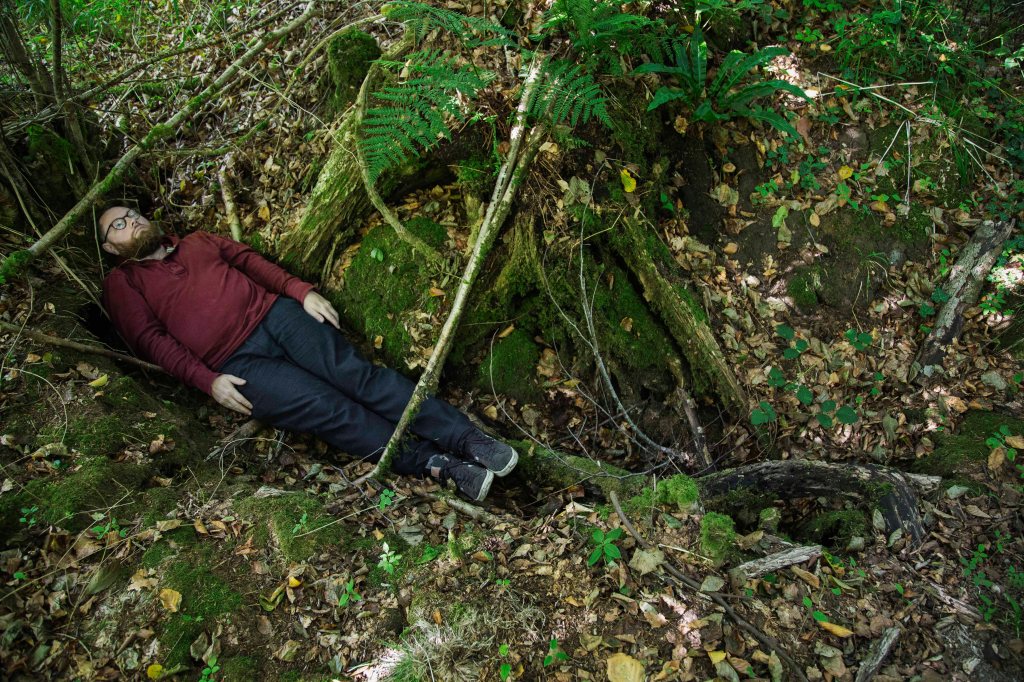
‘Big red riding hood – underground’ Tim Beale 2020

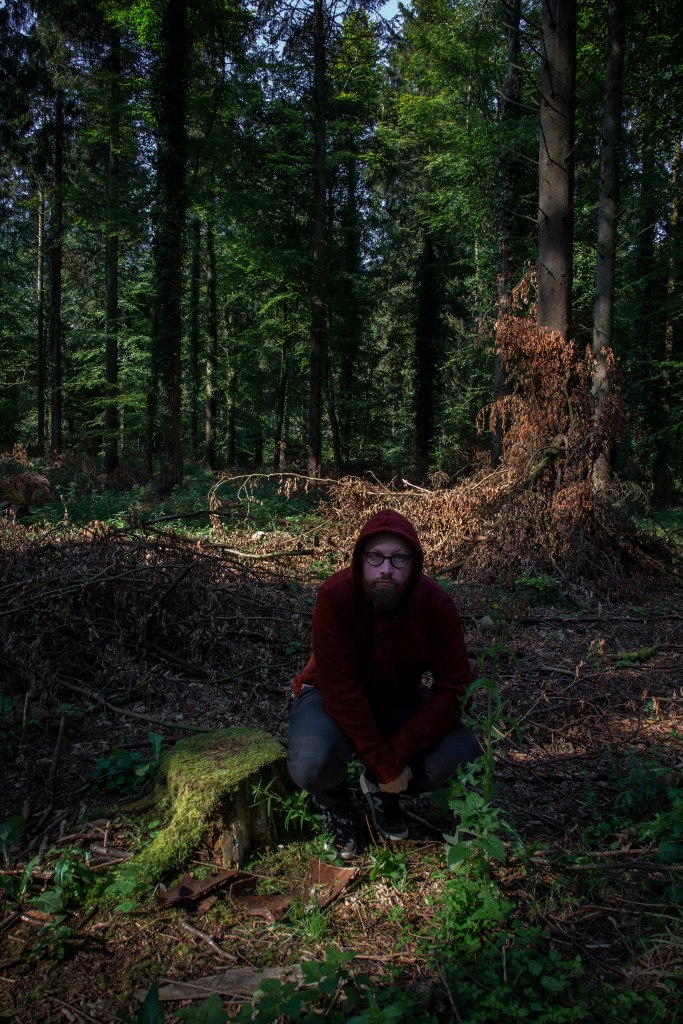
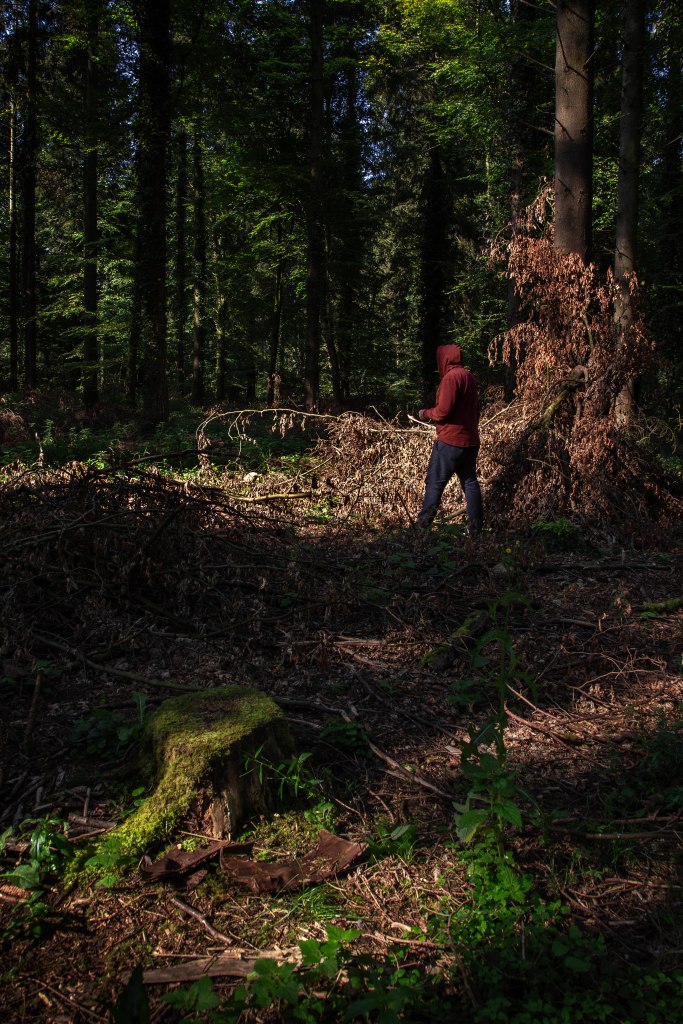
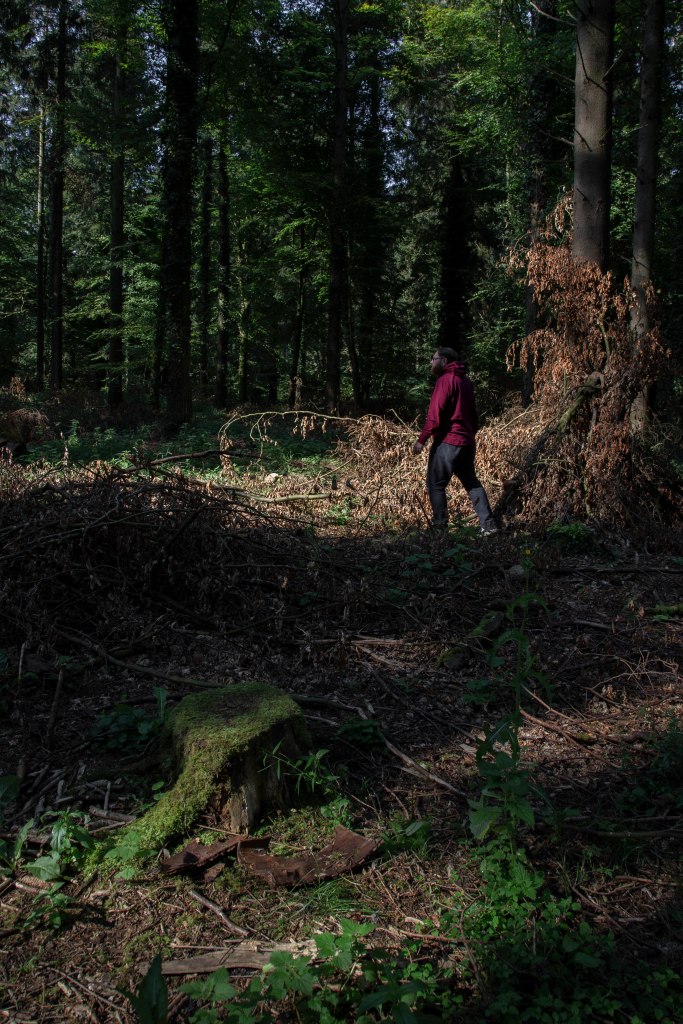
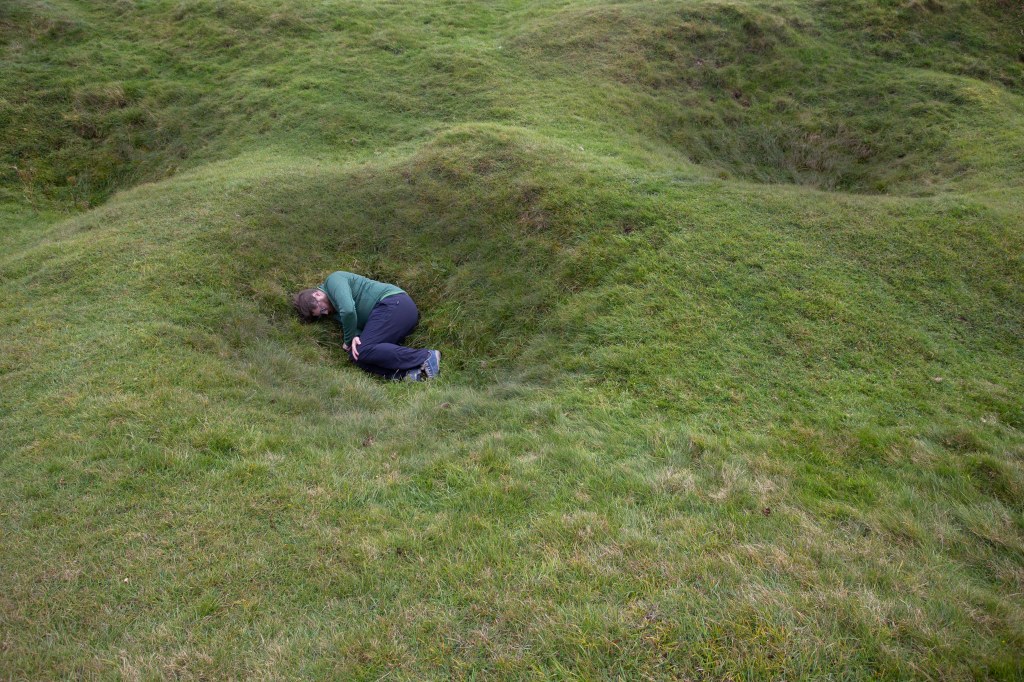
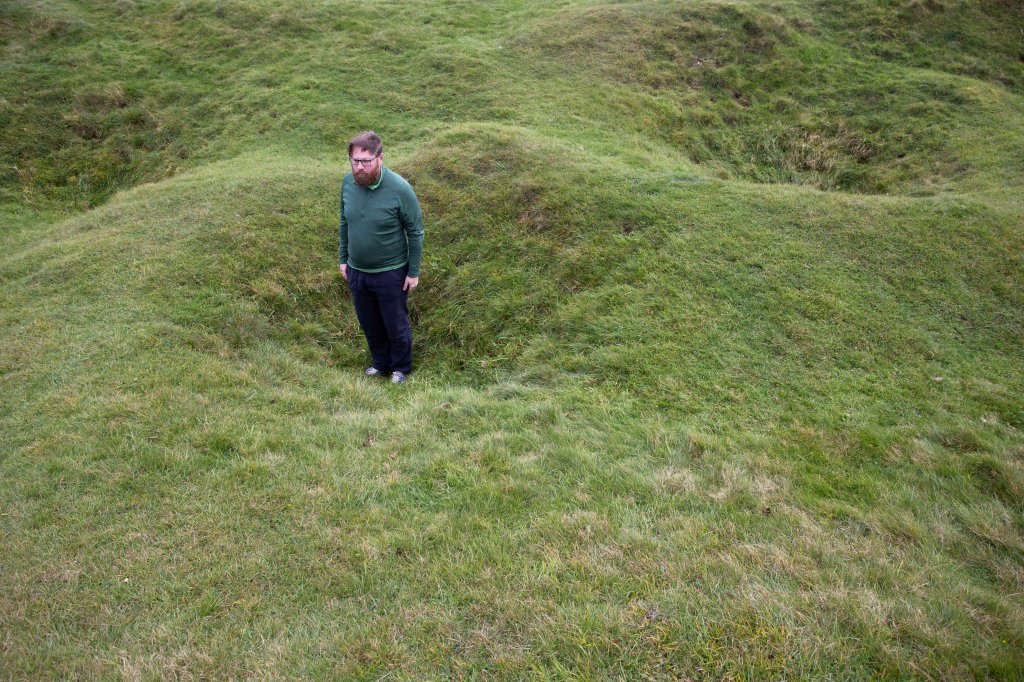
I have used the styling of Brotherus in my image ‘Big red riding hood’ as a method of linking space with a more subconscious context. When we are children we are told stories such as Little Red Riding Hood as ways in which to warm of the dangers of the woods or forest. However still wanted to keep some ambiguity in the context of theses images, allowing the viewer to question the context further.

References

1 Ewing. W.A, Saatchi [Online], Elina Brotherus: Artist Profile, https://www.saatchigallery.com/artist/elina_brotherus [Accessed 1.10.2020]
2 http://www.elinabrotherus.com/

Project update

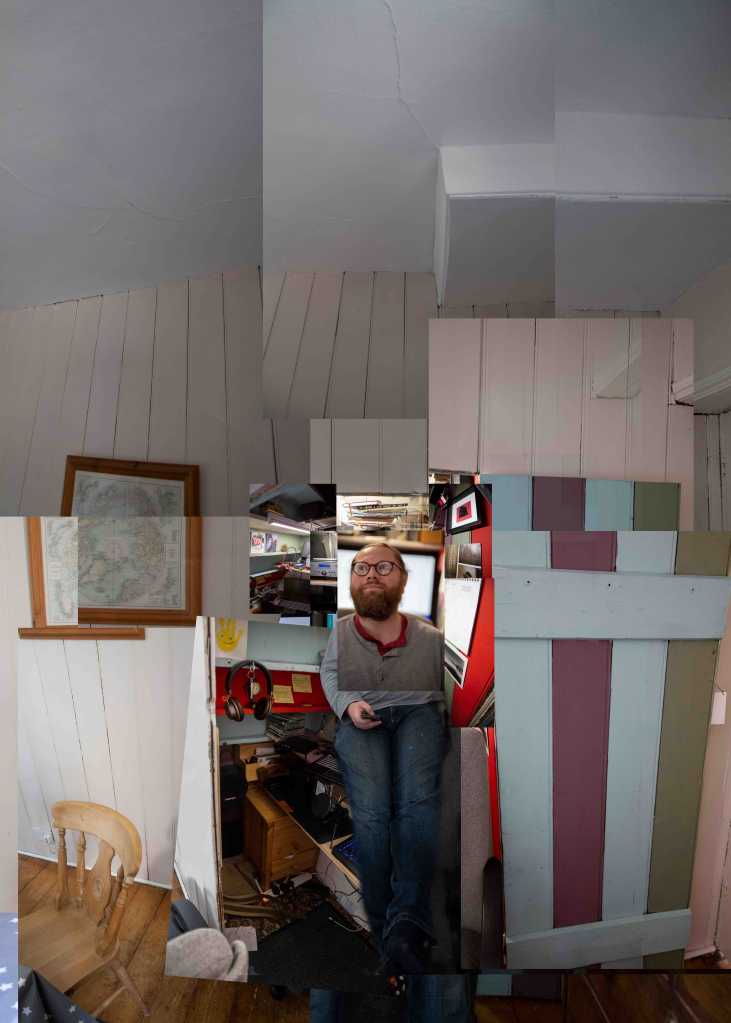
With Covid-19 restricting access to project participants, I’ve made the most of my time exploring my emotional connection to the spaces I occupy and where/what I see as my personal space. The home is not only where the heart is but also the storehouse of memory and emotions. As such much of my work has been based around parts of my house, home office, bedroom, cellar but also outside spaces, place to escape to.

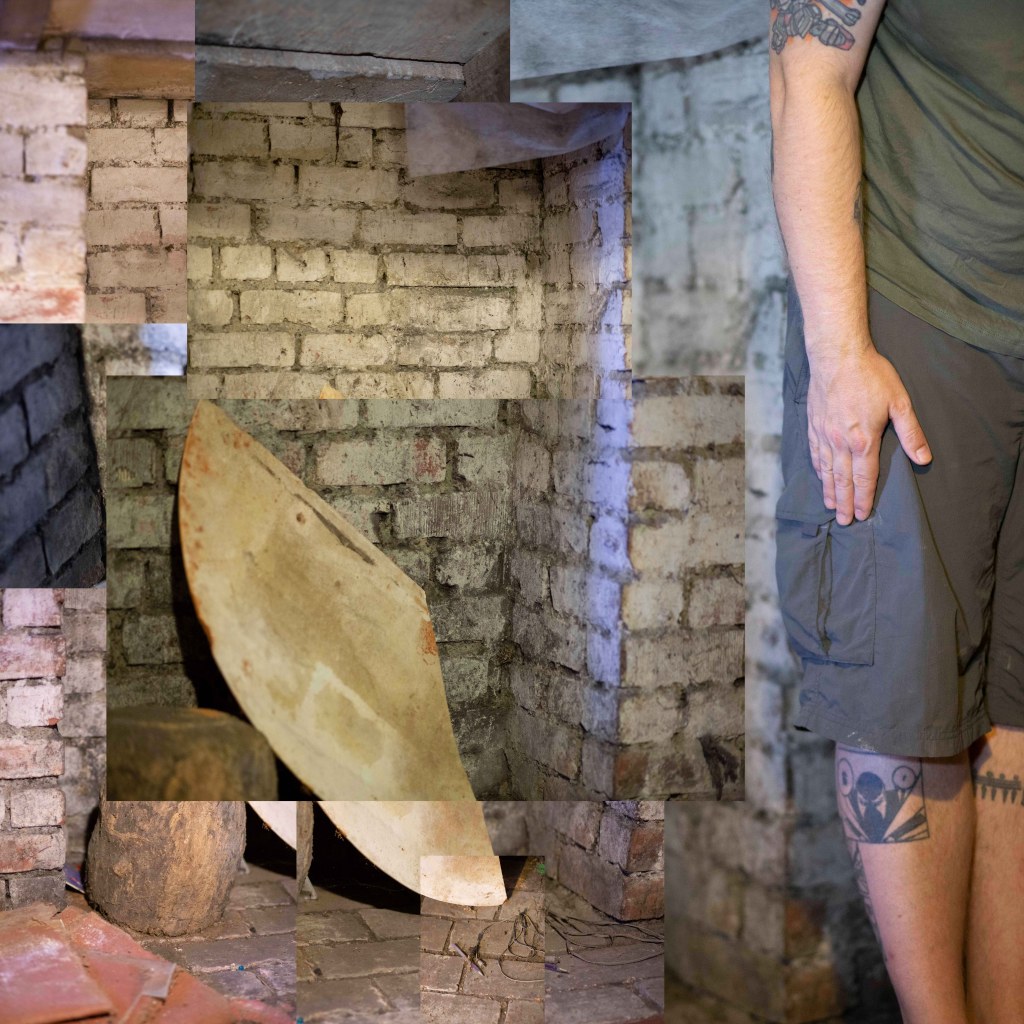
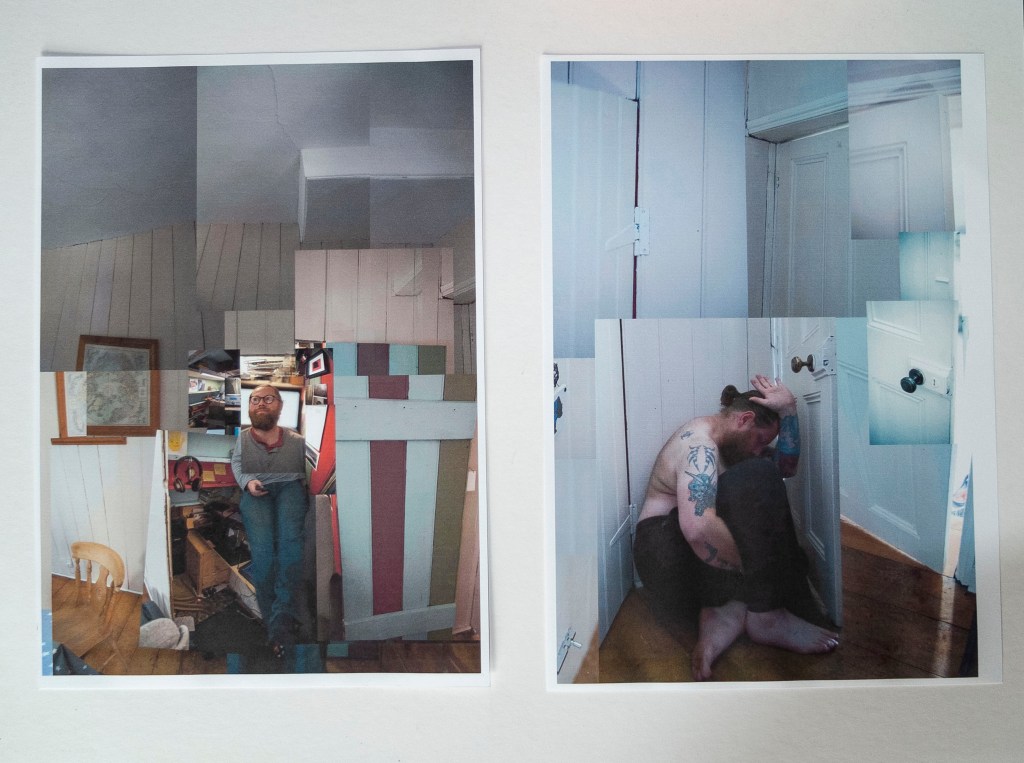
These images were then combined with shots from the same space, layered up to create a textural representation of the space and objects that make it my personal space.

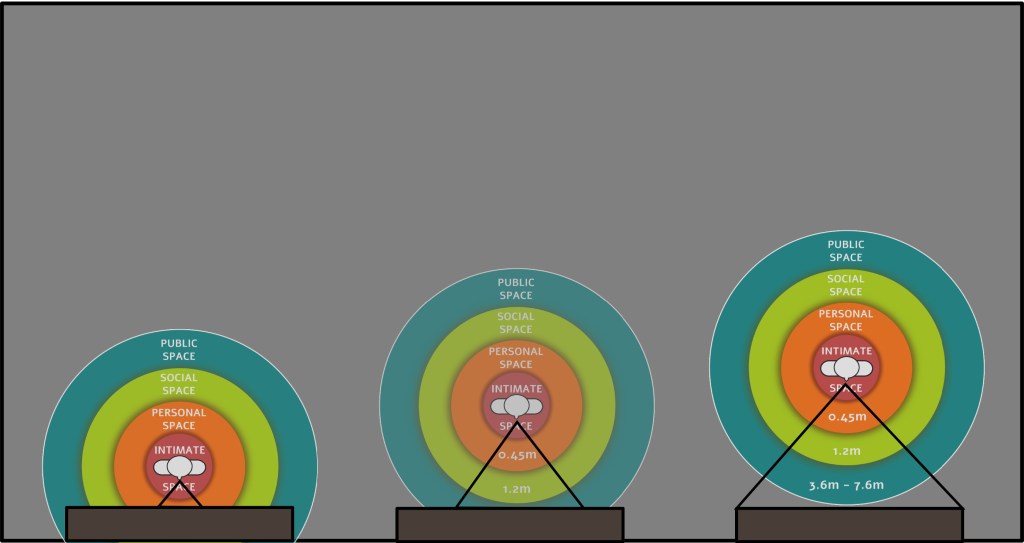
From here I’ve looked at positioning and selection of images with a view to exhibiting and how the viewer will interact with these images. The concept is that these composite images will be printed large enough for the viewer to be required to step towards the image to view small detailed areas but will also need to step back to view the whole image. this moving through intimate space to view details, personal space to move view around the image to public space (what we also class as social distance) to view the image as a whole.

Proxemics applied to exhibitions

Cubistic Influences

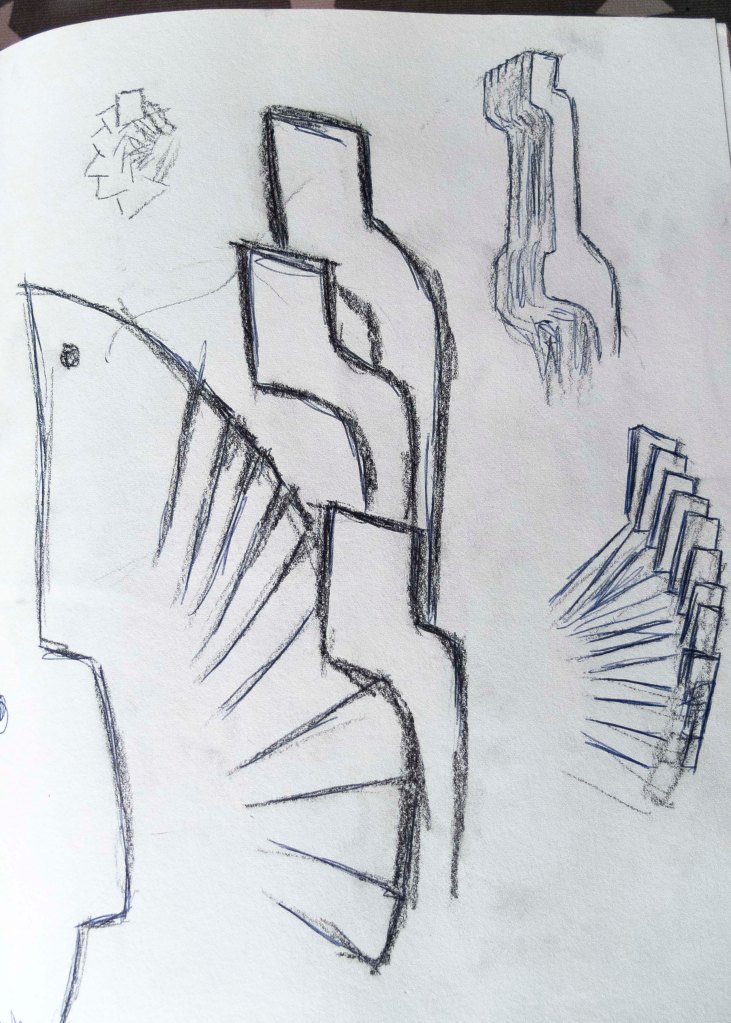
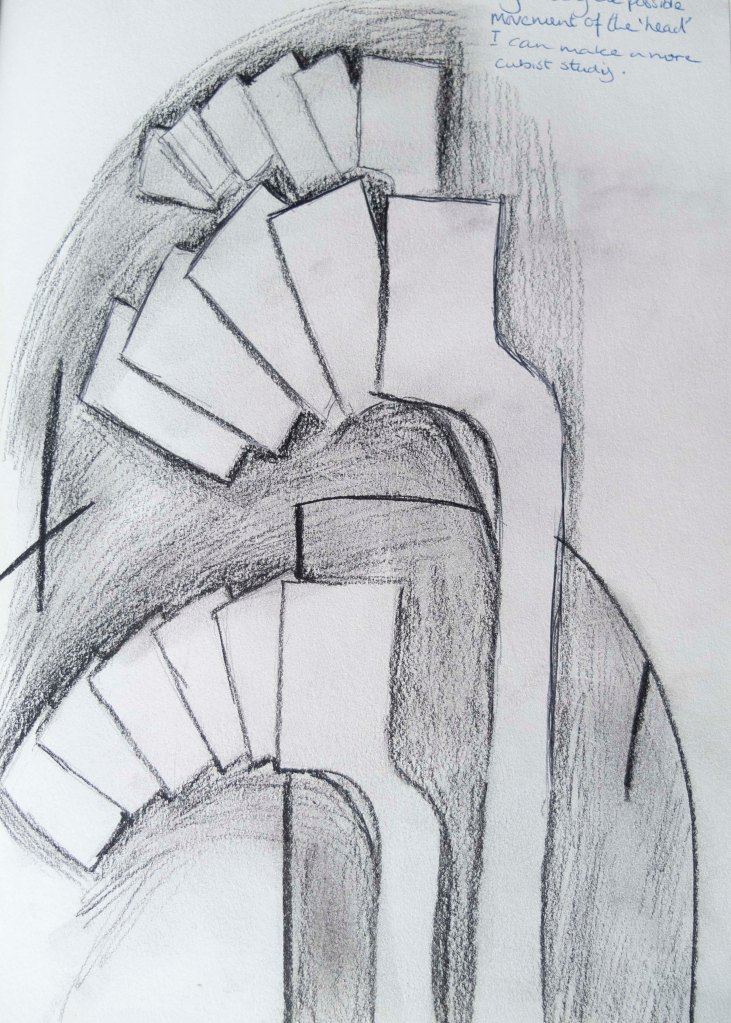
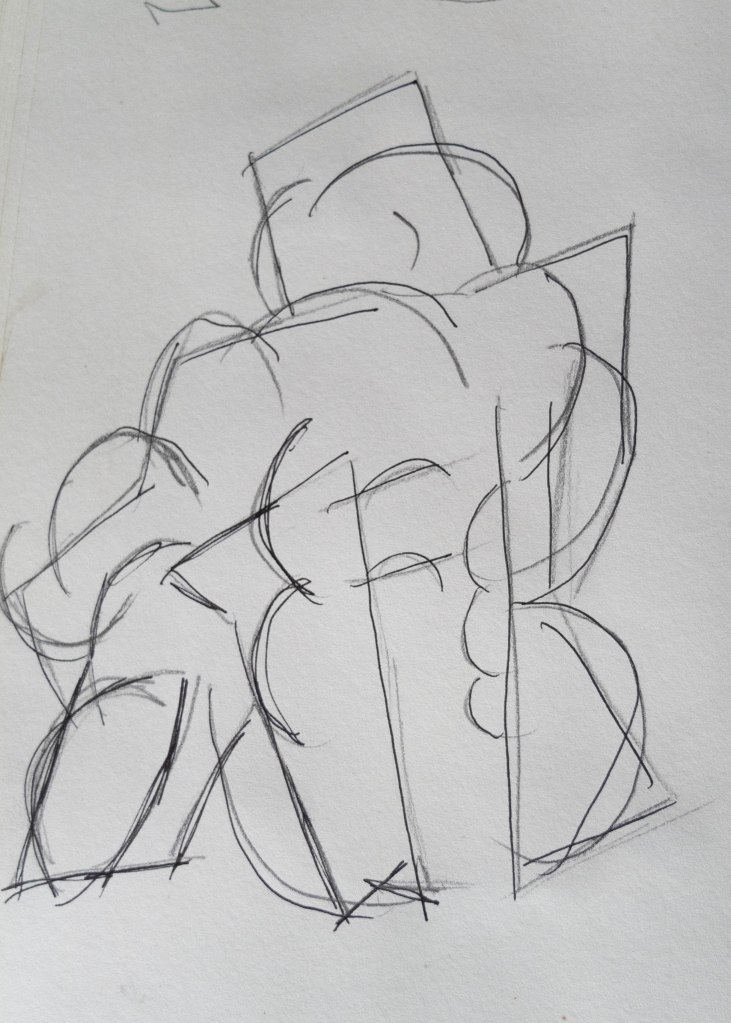
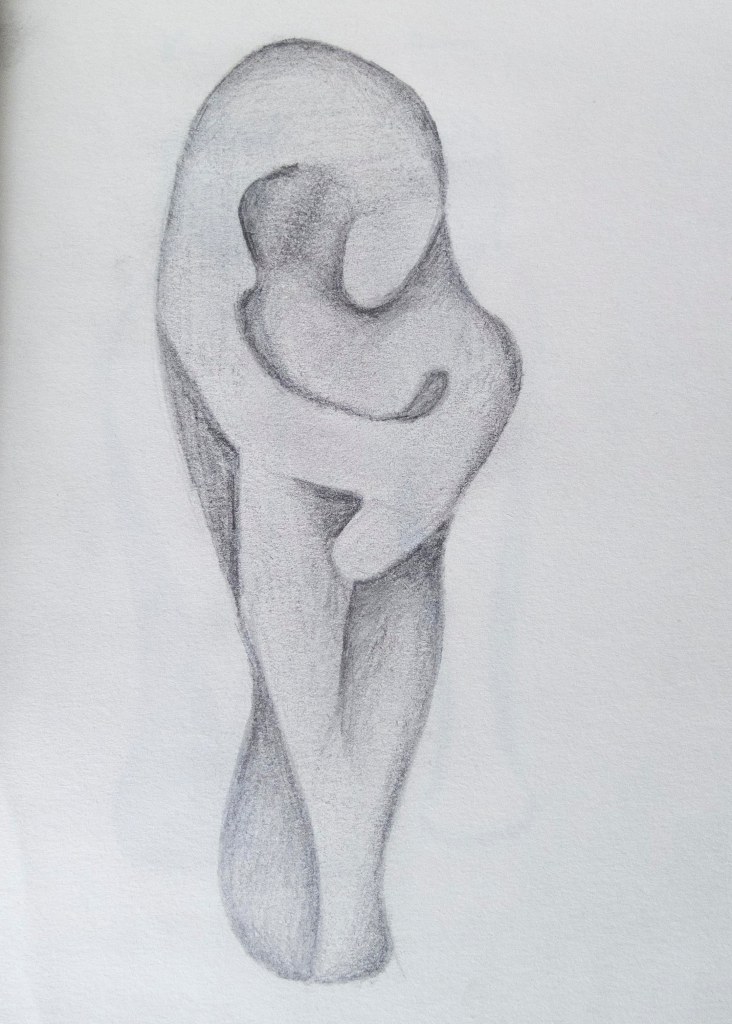
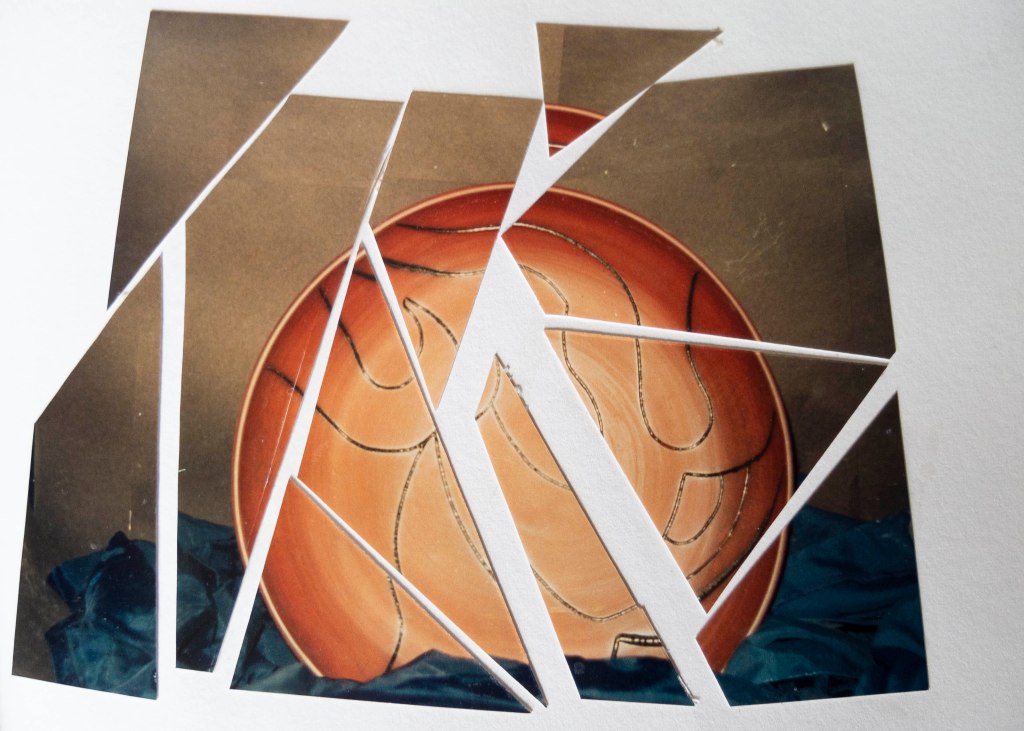
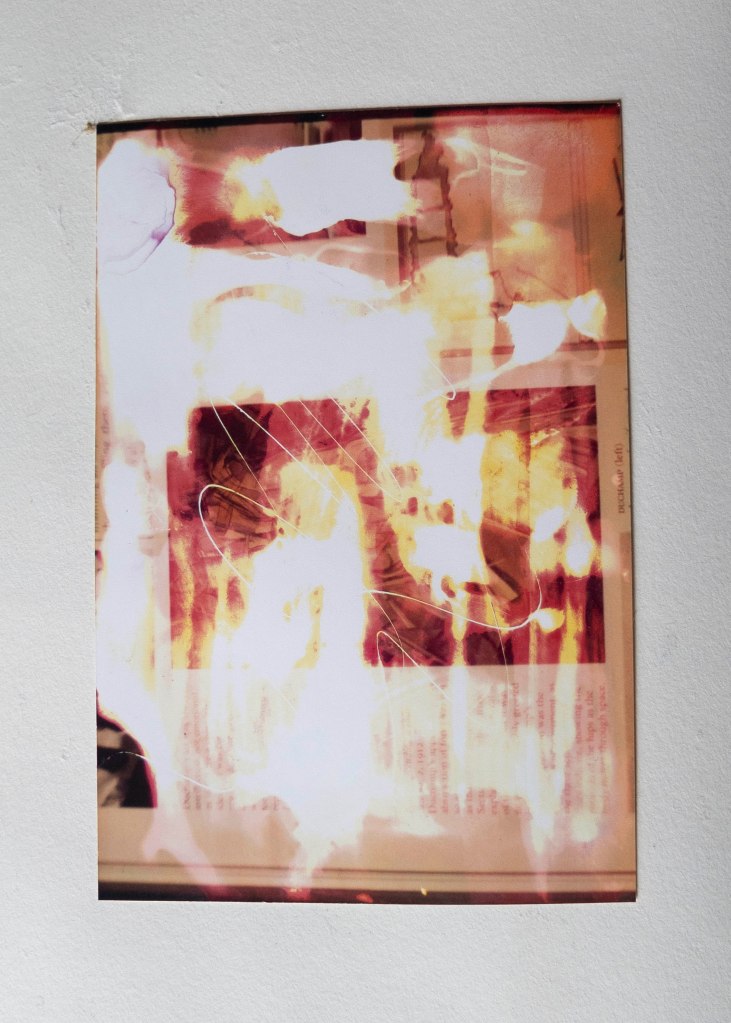
I find my practice being drawn back the influence of the cubist and futurist movements, either consciously or subconsciously. I recently rediscovered an old sketch book from my a-level ceramics course, some 28 years ago stored in my basement. Flicking through the pages it was very evident even back then I was drawn towards the way form is represented. The fracturing of 3D shapes so as to render 2D. Now realise that what first attracted me to these styles was the simplification and geometricisation of form that both the cubist and futurist produced in their practices.

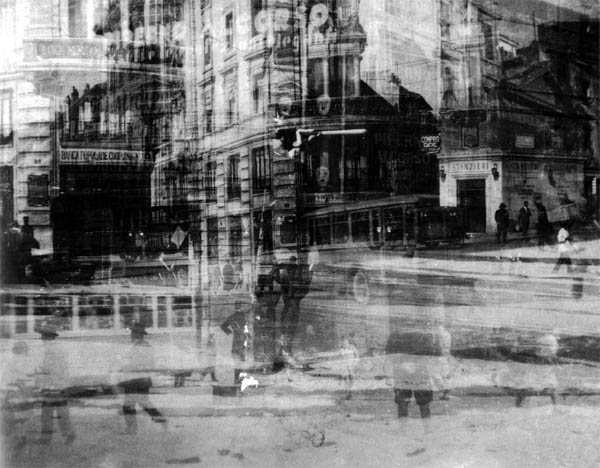
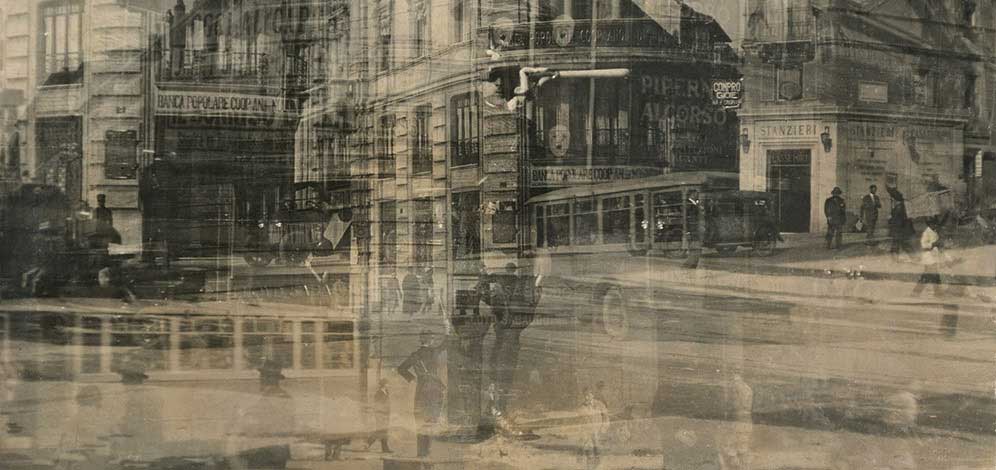
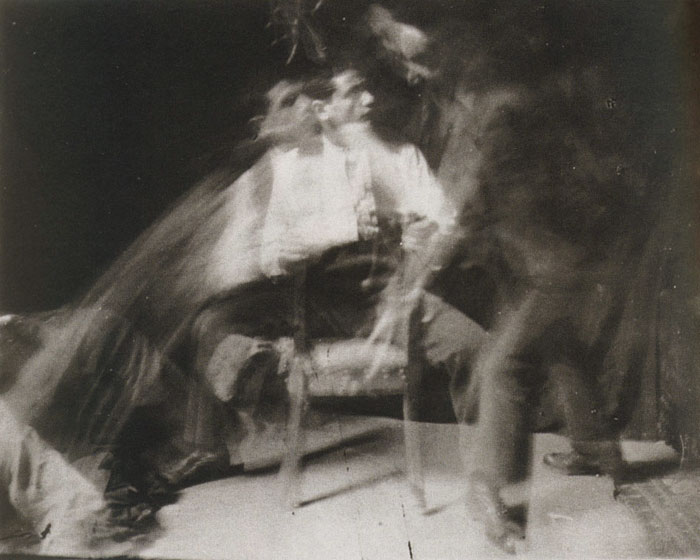
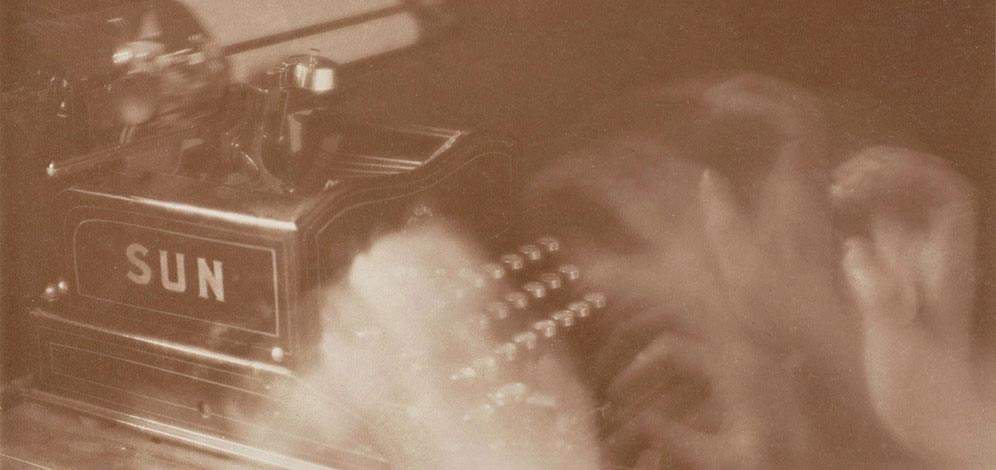
I remain interested in work by Picasso, Braque, Bellusi and Bragaglia, finding my current practice being influenced by their work. In particular the way in which they portray the dynamics of space, simplifying form, the use of multiple points of reference in an image to place it within its own space. In one hand the cubists looked to illustrate 3D space on 2D, wearas the futurists aimed to capture motion within a still image. When attempting to capture a feeling or something less tangible, the work of these two movements seems a good place to start.

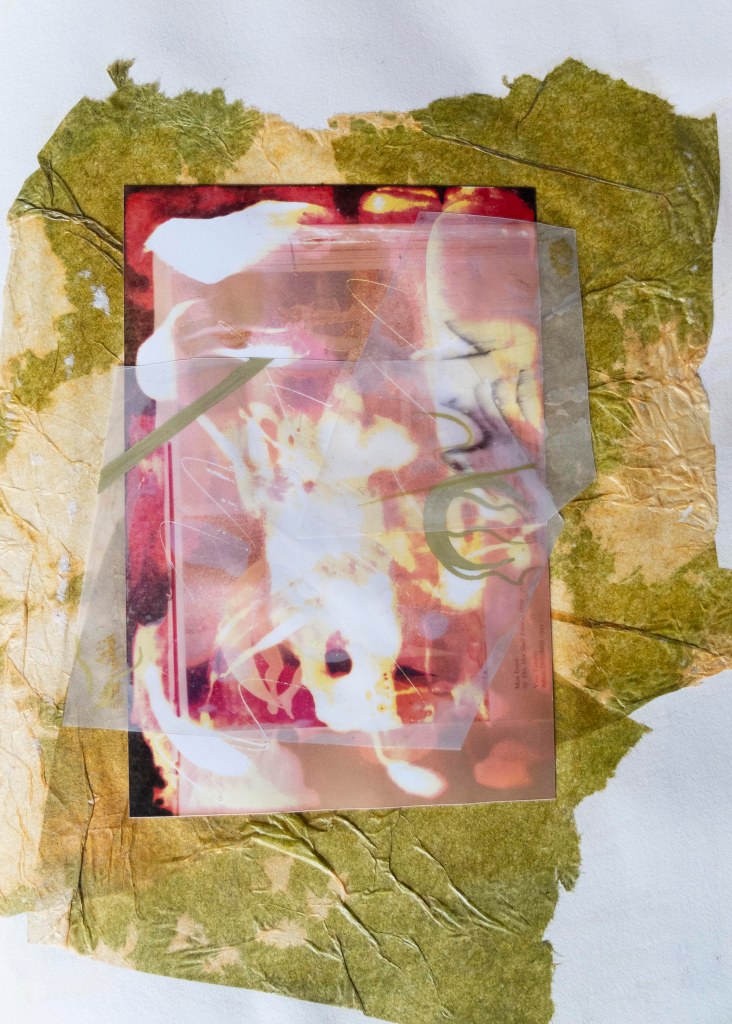
My more recent work uses this concept of multiple points of reference, moving the camera around different angles, giving a depth and texture to the two dimensional image, allowing the viewer to see the three dimensional space. Experimenting with styles and methods of image making with my own project I find myself taking on a more sculptural methodology of building up layers of images. Over the next few weeks I intend to look to rephotograph a number of these images so that I can refine the final image.

Beyond the ‘White cube’

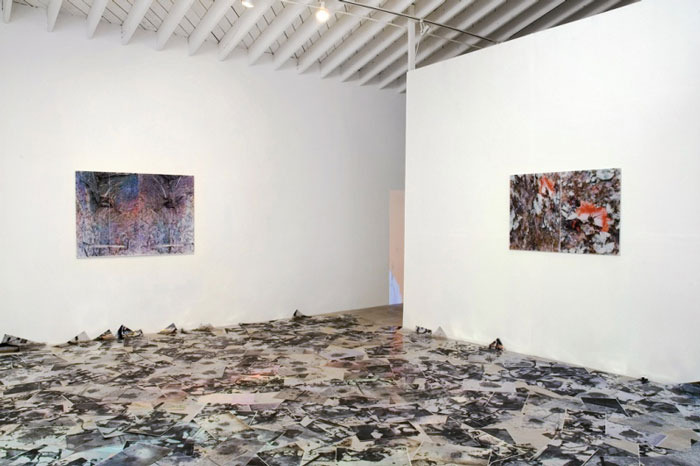
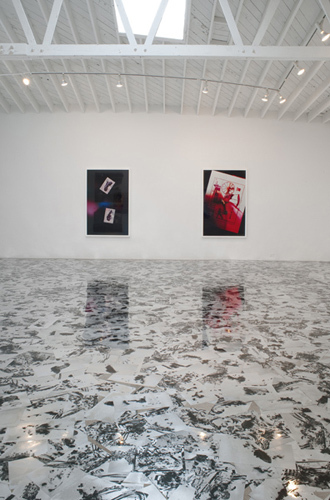
Two artist photographers that I have found who step beyond the stereo typical white cube format of a photography exhibition have been Carter Mull and Shirana Shahbazi. Both photo artists utilise the space they display their work in, manipulate or incorporate the space as to become part of the exhibition.

Carter Mull, an American artist uses photography and re-photography in his practice is a visual metaphor that conveys the density of communication saturation:

The meaning of making and watching images in a world in which visual bombardment is omnipresent to the point of over saturation.”

Mull’s work often uses archival materials from old newspapers, a media that he describes as being almost obsolete, the daily paper would be regarded as history each day. By re-photographing and using these newspapers in his work Mull is creating new histories. Building up collages and photographs of multiple sources he creates something new. For me these individual works only really come into their own when exhibited and a single unit. As with the 2006 ‘Ground’ and 2010 ‘Metemetrica’ exhibitions, Mull uses 1800 offset prints on various media strewn about the main exhibition space floor for visitors to walk on. The number of prints corresponds to the number of individual frames in sixty seconds of video footage, at the standard rate of thirty frames per second. I feel this density of images further bombards the viewer and instils the context in Mull’s practice.

I also want this same logic to function between photographs. This is why I try to emphasise the diversity of formats within my larger practice. Part of the impulse to look at the local paper also has to do with a desire to locate an image matrix— one that was delivered to me, and that houses mass images designed to cut across multiple demographics. I wanted to take the paper as a kind of generative source to structure the grammar of a body of work.”

Whilst Mull’s images seem at a polar opposite to my practice, I feel his use of space, when exhibiting, aligns to the context of my work, in that we are both using personal space (proximics) as a way to engage the viewer beyond the fixed image.

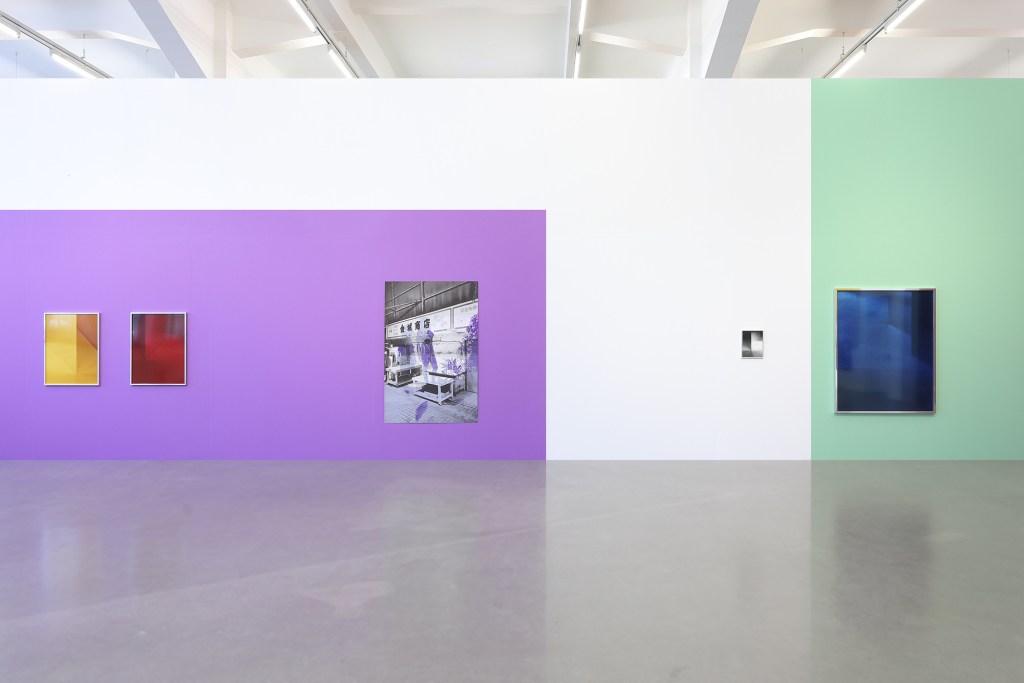
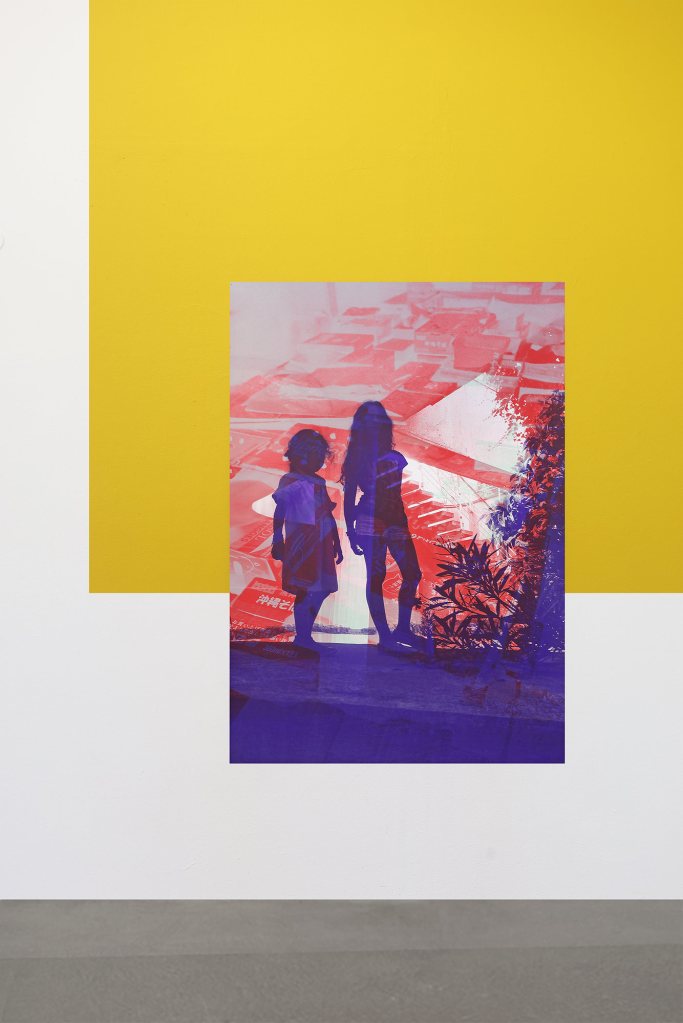
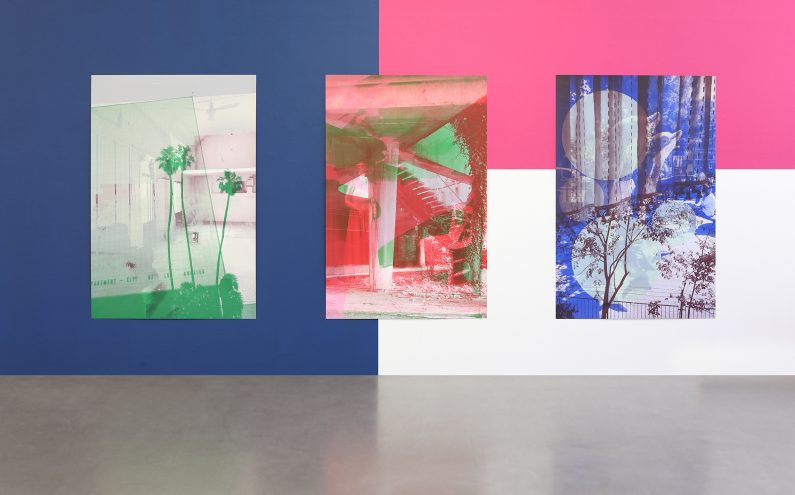
Shirana Shahbazi, is an Iranian-born photographer, famed for her contemporary take on traditional photography genres such as still life, landscape and portraiture. Unlike Mull, Shahbazi’s practice can often be seen as individual works with their individual contexts. Shahbazi’s series ‘Objects in mirror are closer than they appear’ 2018 she composed abstract photographical images of spaces that are distinguished by vibrant colours, juxtaposed by sharp black and white contrasts.

In the exhibition at the Kunsthaus Hamburg, Shahbazi is focused on the subject of space, both as an abstract construct and in the sense of lived urbanity. Shahbazi transformed the gallery space by means of colour and geometric shape. This use of shape and colour complements each set of images, linking in the contrasting b&w images with colour an as such unifying to create a cohesive exhibition.

What I have taken from looking at these photographers is how each has approached the design of each exhibition is another step in the image making process. An exhibition in itself should be considered the final image in a series.

[ Carter Mull sources: museonagazine.com interview with Richard Turnbaull 2010, Artforum: Carter Mull ‘Metemetrica’ 2010 by Aram Moshayed. http://www.museomagazine.com/CARTER-MULL]
[ShiranShahbazi sources: https://youtu.be/XsaHyQjS_rk https://www.e-flux.com/announcements/190663/shirana-shahbaziobjects-in-mirror-are-closer-than-they-appear/ https://www.moma.org/interactives/exhibitions/2012/newphotography/shirana-shahbazi/]

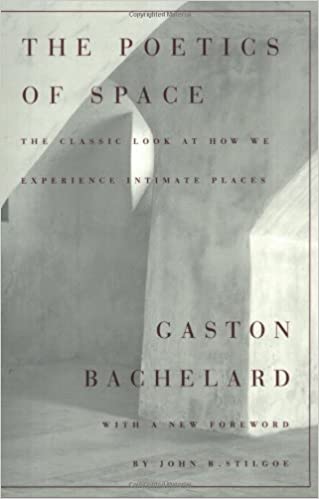
The poetics of space: House

[G Bachelard, The poetics of space, 1958 Press Universitaires de France.]

In ‘the poetics of space’ Bachelard applies the method of phenomenology to architecture, on lived experience in architectural places and their contexts in nature. He focuses especially on the personal, emotional response to buildings both in life and in literary works, both in prose and in poetry. He is thus led to consider spatial types such as the attic, the cellar, drawers and the like. Bachelard implicitly urges architects to base their work on the experiences it will engender rather than on abstract rationales that may or may not affect viewers and users of architecture.

In the section ‘House’ Bachelard discusses the fundamental importance of the house as a space in which we store memories:

Of course, thanks to the house, a great many of our memories are housed, and if the house is a bit elaborate, if it has a cellar and a garret, nooks and corridors, our memories have refuges that are all the more clearly delineated. All our lives we can come back to them in our daydreams.”

And how we fill our homes with objects, photos, keepsakes as strongholds for our memories. When we wish to recall a memory we can seek out that object, special space or room that holds the key to that memory. We can visualise the room in our conscious mind and question:

Was the room a large one? How was it lighted? Was it warm?… How too, in these fragments of space, did we achieve achieve silence? How did we relish the very special silence of the various retreats of solitary dreaming?”

Bachelard further goes on to discuss the house we were born in, the way the ‘house’ holds not conscious memory but a physical memory. Memories we cannot bring to mind but rather those of learning to, walk, talk, touch, taste, smell:

But over and beyond our memories, the house we were born in is physically inscribed in us. It is a group of organic habits…. In short, the house we were born in has engraved within us the hierarchy of the various functions of inhabiting.”

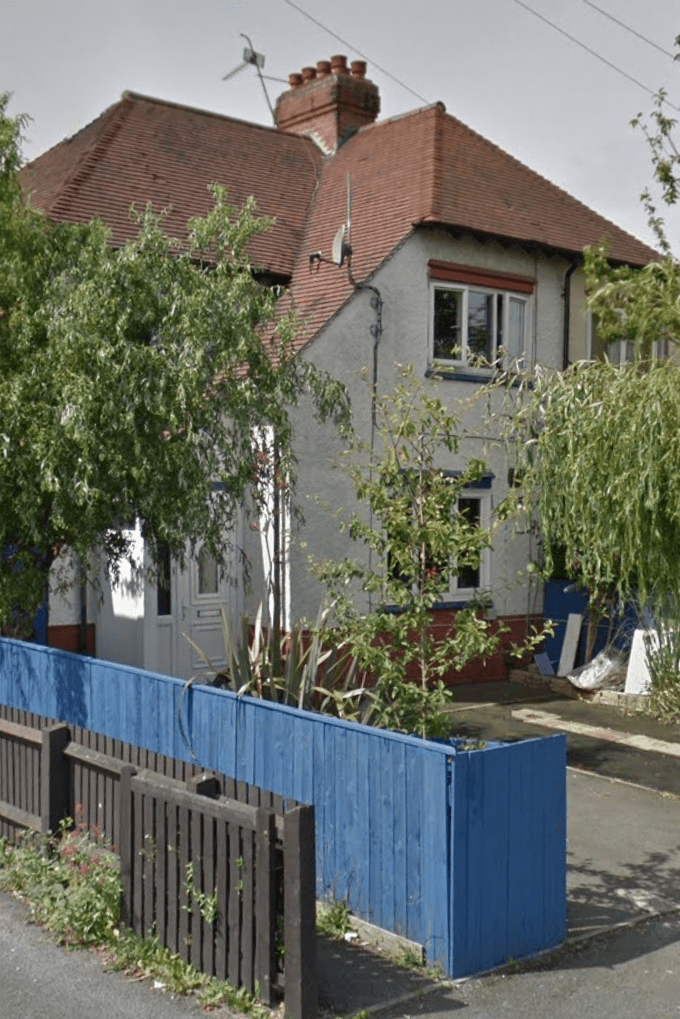
This recalls memories of the house that holds my earliest memories, despite recalling many moments there is a point beyond memory. However I have ‘sense’ of the place from this pre-memory, or as Bachelard indicates an “organic habit”. It is, however, unclear at which point do my emotional responses originate, the conscious or organic memories. For example I can clearly remember my room, the view from the window of the garden, the bathroom and living room, however I cannot recall how the kitchen looked or the front garden. I do recall what food I ate, the smell and taste and that we had a privet hedge at the front of the house. This solidity of memory is so founded in this space. Without the house as a point of reference would our memories simply drift in the winds, to be lost to time?

8 Anderson St, Derby. Google Street view capture July 2017. The house that stores my earliest memories.

Reflection and experimentation

As I’ve not been well this past week my practice has been somewhat slowed down. However this did offer me the opportunity for some self reflection. Looking back over the Surfaces & Strategies module, what I’ve learned and how I make use of this in my practice.

One aspect that has made me step back is collaborative working. As my project has progressed one of my aims was to include collaborative ideas from participants, to interview and photograph them. However there have been a couple of major factors as why this is on hold. The first being Covid-19 and the restrictions of entering people’s homes. I wanted each participant to be relaxed in their personal space but I feel that this cannot be achieved until there is a more national easing to the pandemic. The other major factor to holding off working with others is my need to understand where I’m coming from, why is space and the use of space so important to me and how do I want to convey that to the viewer. Over the past five weeks I’ve been looking at how other photographers portray themselves and experimenting with self portraiture.

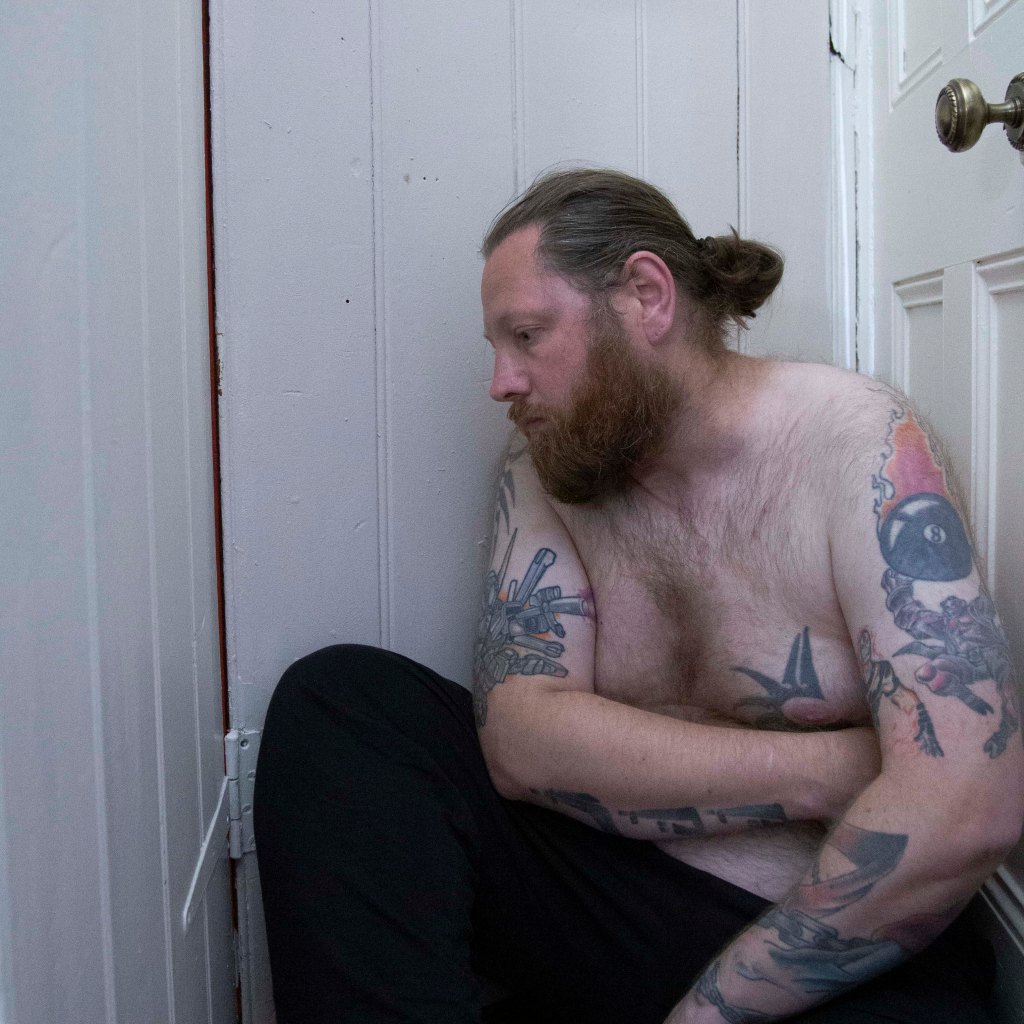
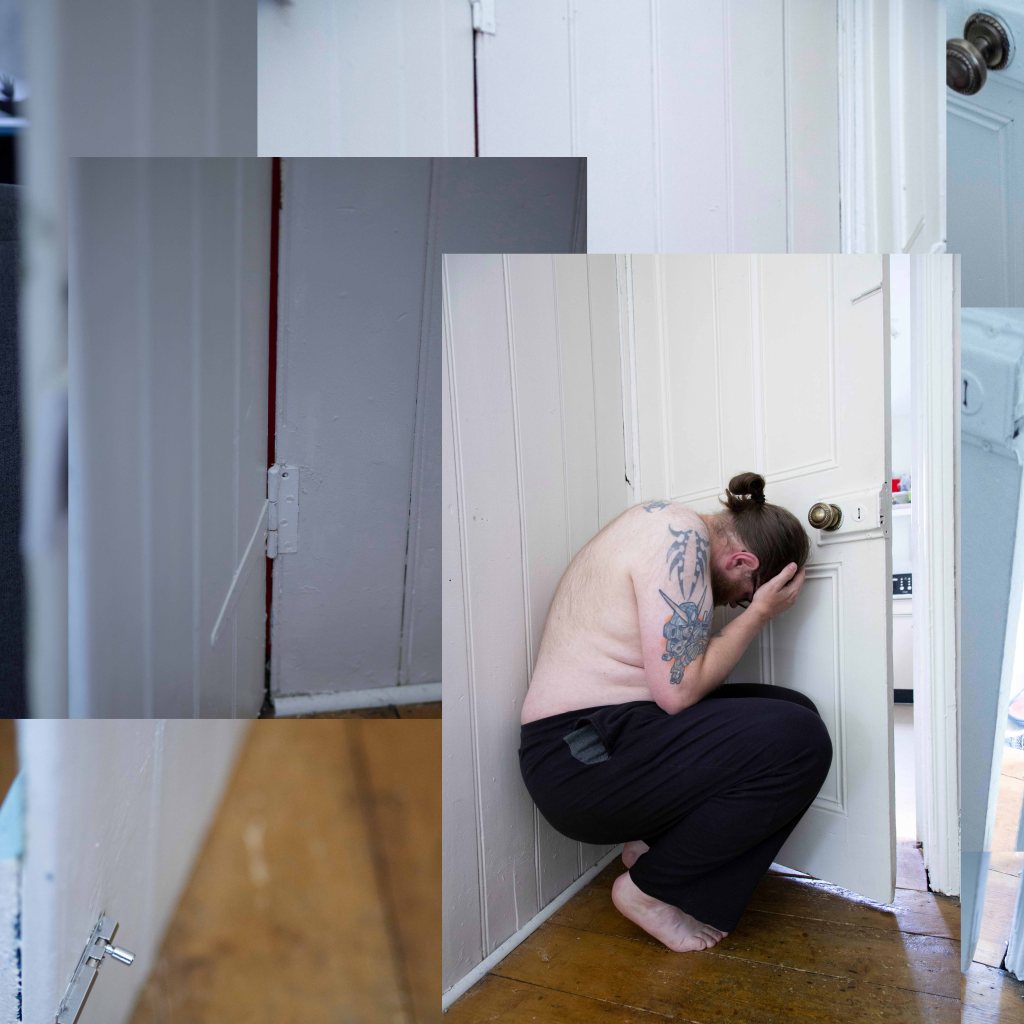
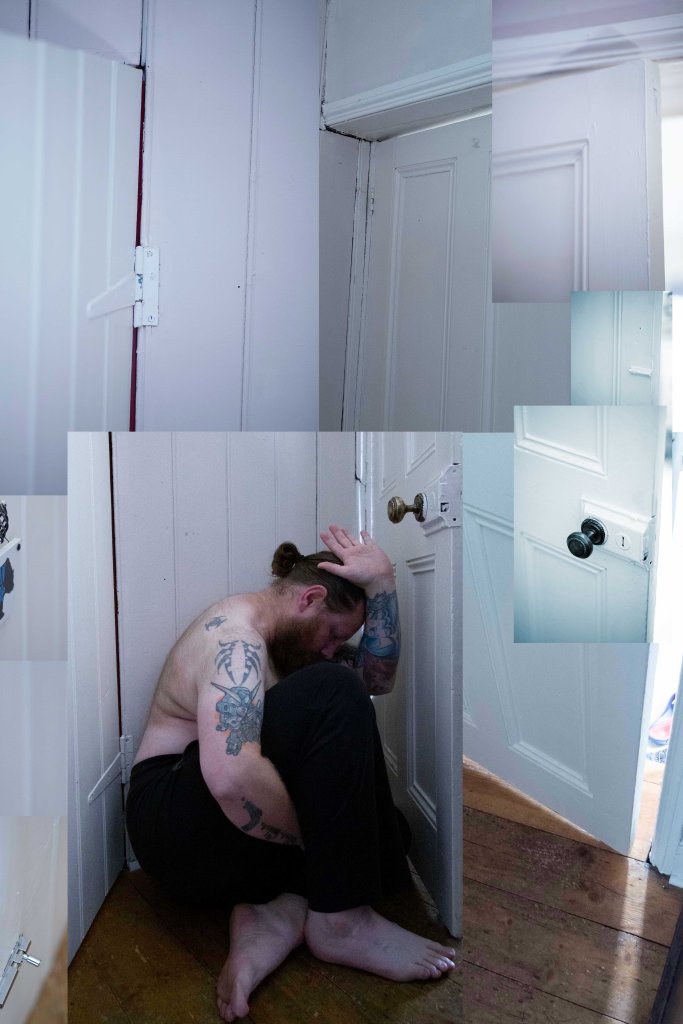
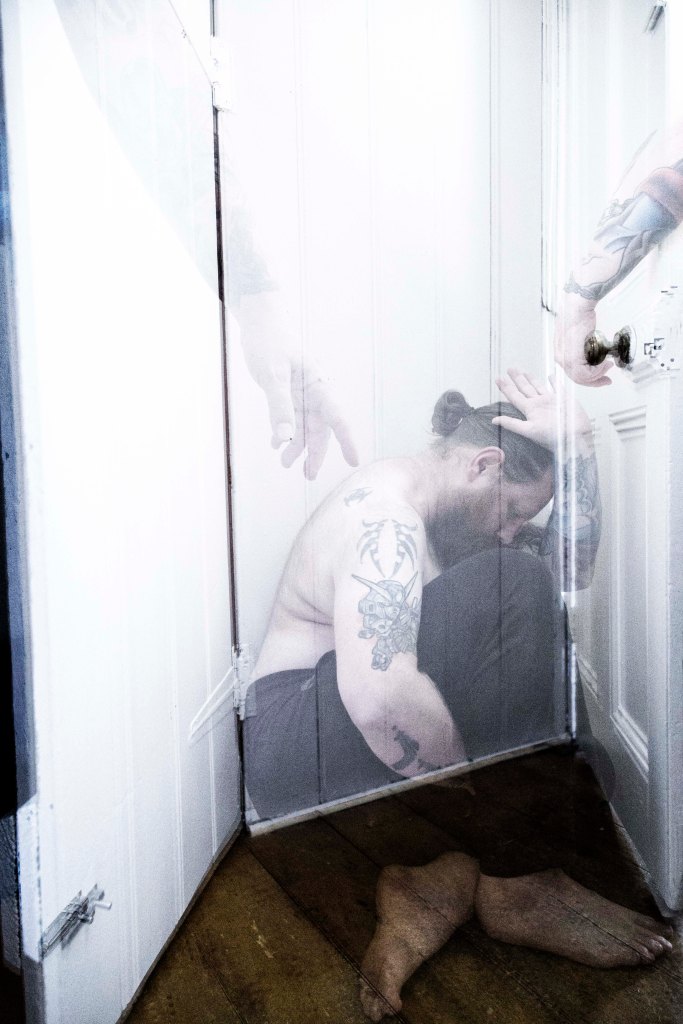
Corners: Trapped

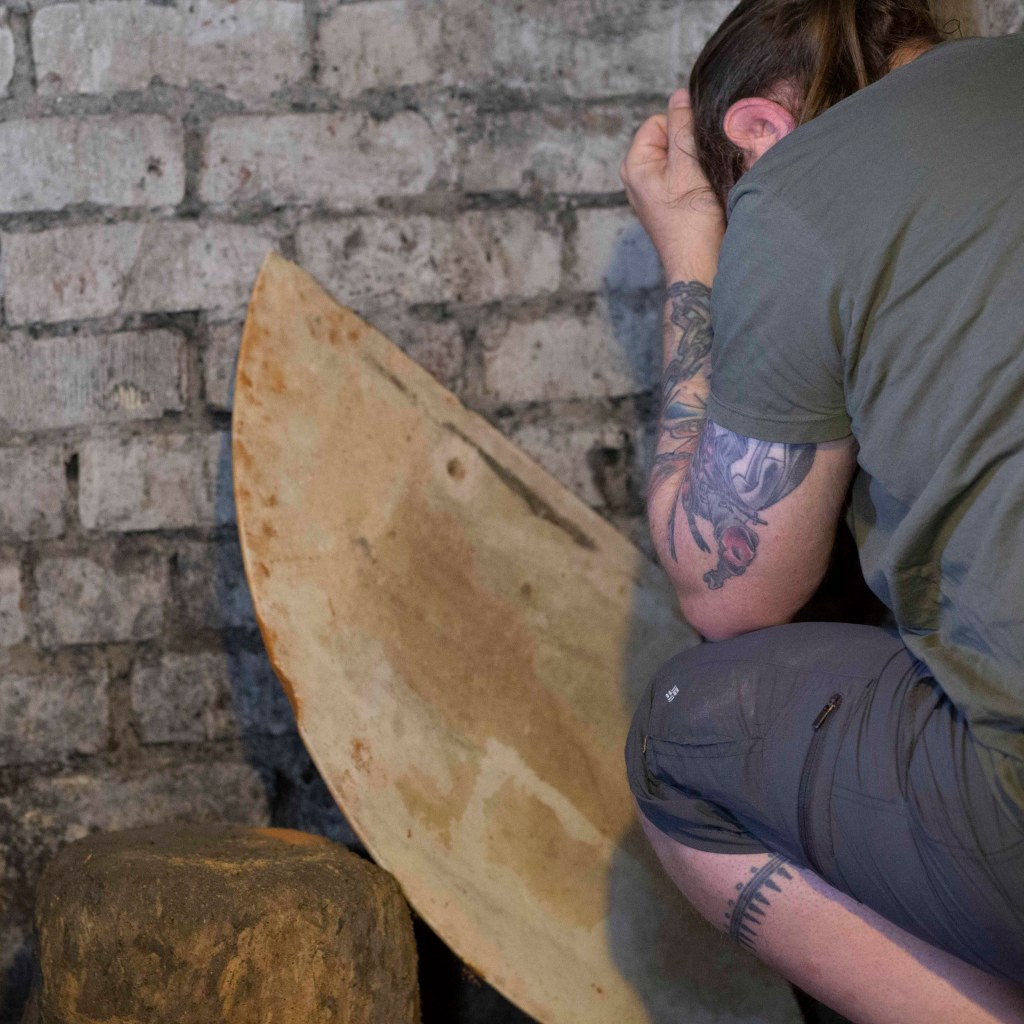
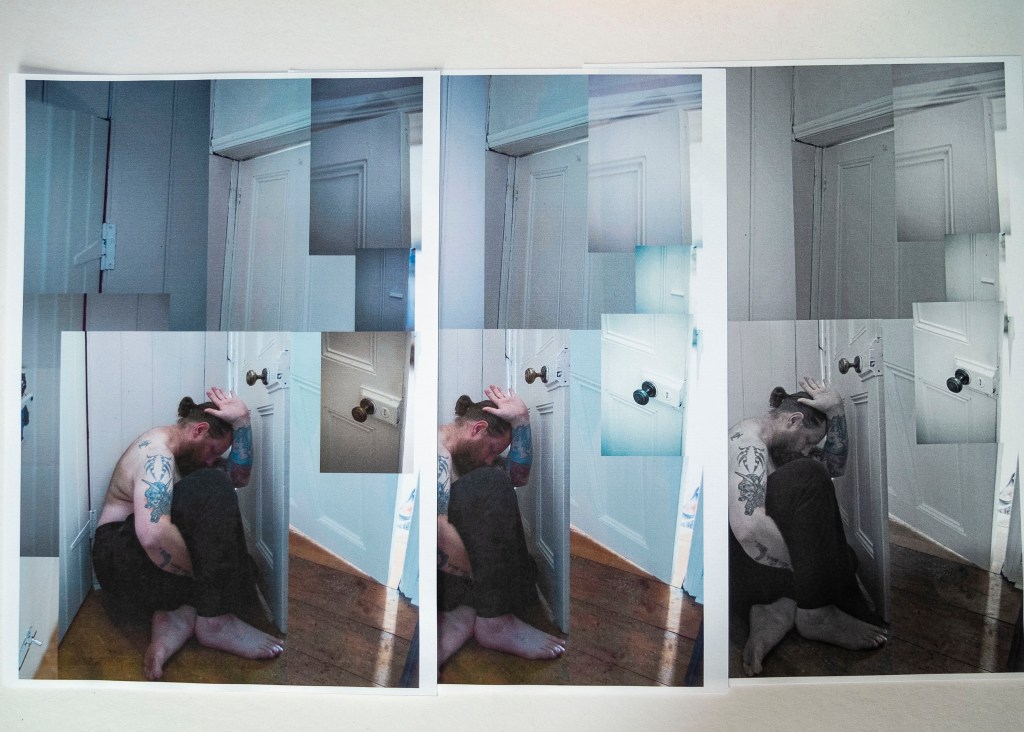
The image ‘Corners:trapped’ looks at my personal space and how external influences (outside of our control) can manipulate the space. During lock down, my home which is normally a place of refuge became more like a prison. I felt trapped and isolated, separated from friends, family and colleagues but also there was a sense of guilt for not going out and doing something. The use of stark, harsh lighting and contrast give the image a cold and unwelcoming sense, I want the viewer to feel uncomfortable.

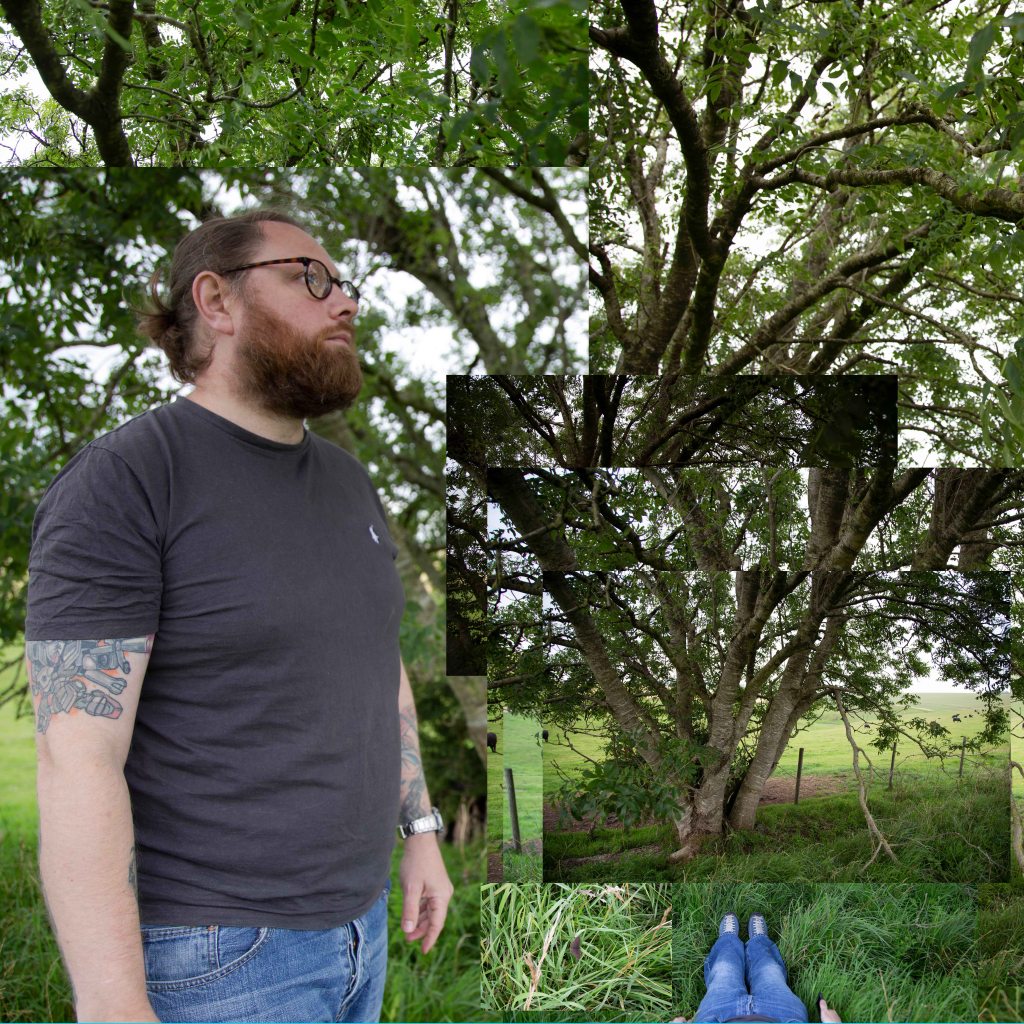
This is in stark contrast to ’30 years on: Bedroom window’ where I used natural lighting just before sunset to offer a little warmth. This image was taken outside mt parents house where I lived some 30 years ago, we see my bedroom window on the top right. The image aims to portray thouht and memory.

30 years on: bedroom window

These images are clearly very different in approach and the context differs somewhat. In the first image I look at how I perceive a space changing in response to my emotions whilst the second image have more of a narrative that both conveys emotional response to a space but also show’s the viewer what is special about that space.

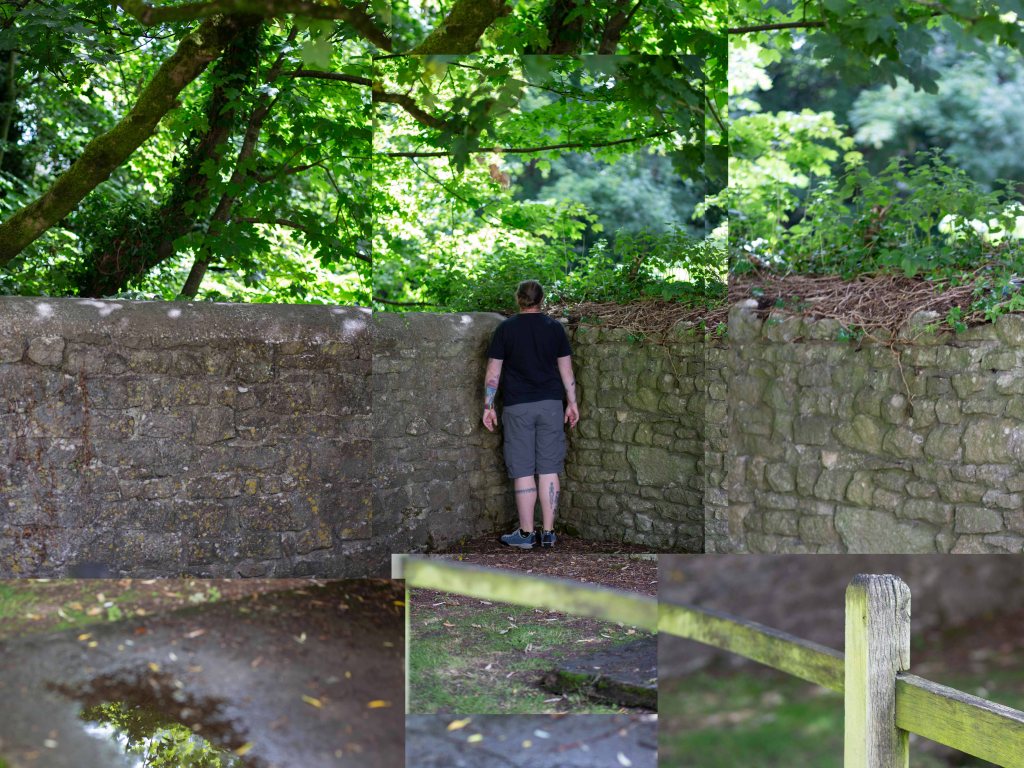
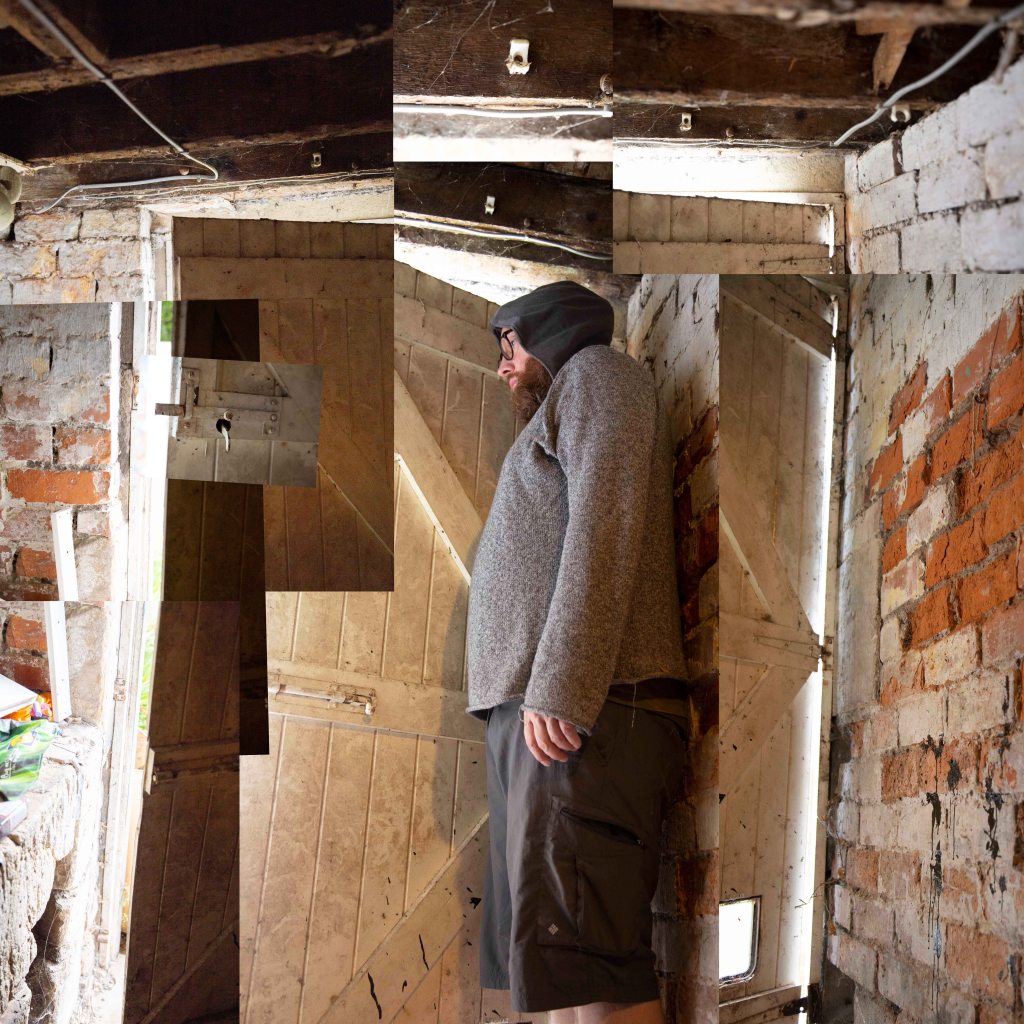
What I has aimed to do with the ’30 years on’ images is to use multiple shots of the space that I’m in to build up an almost sculptural image that allows the viewer to immerse themselves into the space. They are drawn in to look at finer details or have to move away to see the whole. This interplay with space is a very important part of the project.

30 years on: Darley Park

This where the S&S module has helped me to look beyond the act of taking photos, through to the act of displaying and how I want the viewer to interact with the images. Considerations towards how an exhibition will look, the location and access to the images will play a crucial part in this project. Are this images going to benefit from a ‘white cube’ gallery or somewhere that has a logistical meaning? The context of this project is aimed at illustrating the link between space and the human psyche or mental well being than a space, as such the space that they occupy should be somewhere that has a clear link. Spaces could be hospitals, respite centres or external spaces. The final size and print materials may then be partially dictated by the exhibition environment.