As I have never considered myself a professional photographer in any capacity the past two weeks have really got me questioning two things 1) have I been using my practice professionally 2) where do I want to take my practice. The later question is quite a difficult one to answer as when I applied to study my masters I thought I knew what I wanted achieve after, that was to go into education and teaching. As I’ve progressed through the masters and have challenged myself and my practice it becomes more evident that, yes I’d still like to teach, but I also want to exhibit and sell my work.
To date my photography has been a passion that I have been lucky enough to incorporate into my career, managing museums and gained a few commissions. There have been three key areas for me:
Curatorial:
I created and curated the Architectural Photographer of the Year (APY) competition and exhibitions for the past two years.
I curated a show for Clive Arrowsmith – Peter Gabriel Reflections. This was the largest scale exhibition for myself and the organisation I work for both in terms of prestige but also budget. It was real eye opener for me to work on something like this managing the exhibition budget and expectations of an internationally know photographer wasn’t always an easy task to say the least… https://hyperallergic.com/480967/peter-gabriel-reflections-the-museum-of-bath-architecture-clive-arrowsmith/
Commissions:
Child Portrait shoots. I was approached to do these shoots by the parents at my sons school who where all unhappy with the images taken on the school portrait. There’s a good reason they say never work with children and animals…
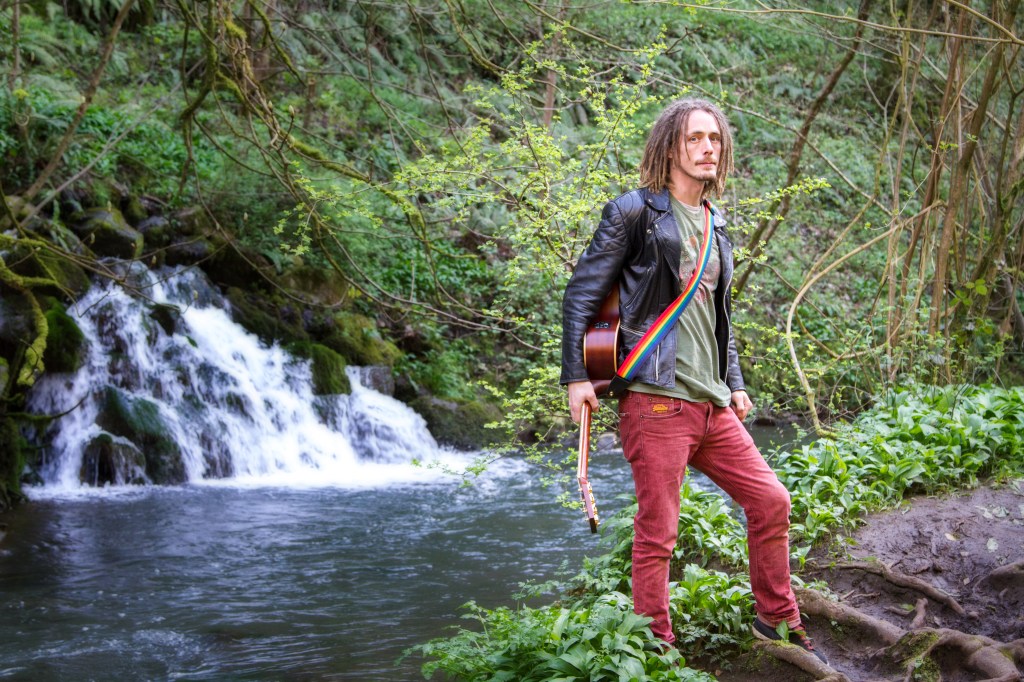
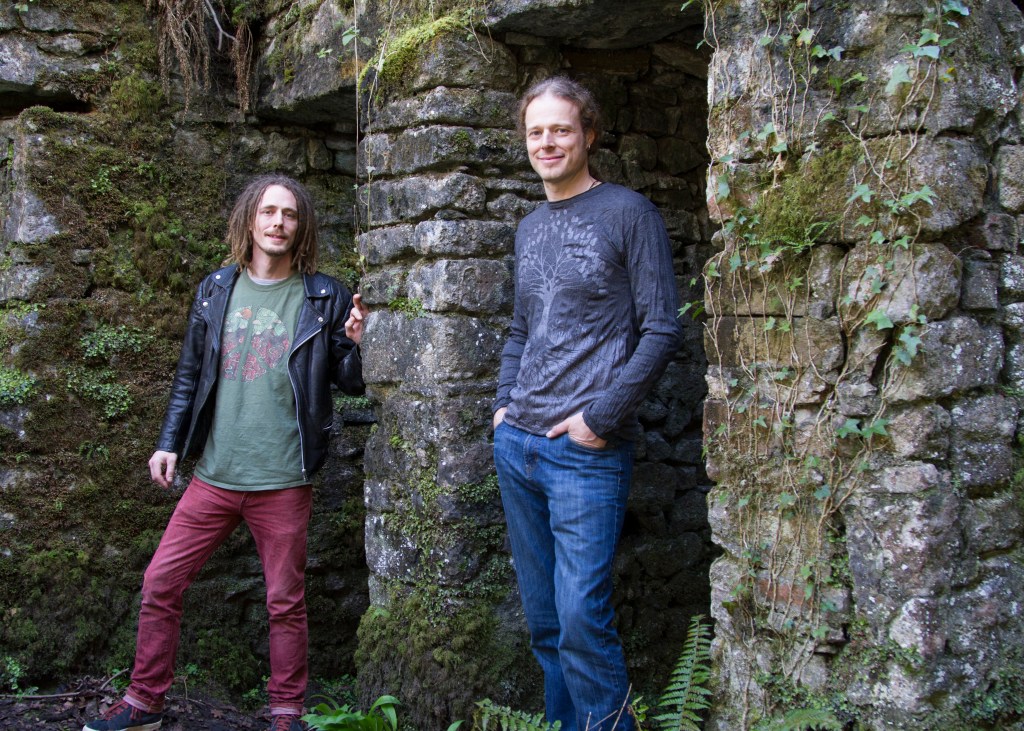
Album launch shoot for two musicians. I had free reign with what we did but this was early on in my practice so a bit of a missed opportunity as I really hadn’t put in enough research or planned the shoot well.
World heritage street signs was as dull a commission as it sounded but my images were used at a number of national and international events.
Educator:
Alongside the APY and Arrowsmith exhibitions I was able to utilise my skills and knowledge in running photography workshops for visitors and schools.
I have also given talks on a number of photography related subjects to camera clubs and civic societies. The most popular is my talk ‘The history and uses of Architectural photography’.
Reference
Keane, T. (2019) Hyperallergic: British Rock Meets Modernism. [Online] Available from: https://hyperallergic.com/480967/peter-gabriel-reflections-the-museum-of-bath-architecture-clive-arrowsmith/ [Accessed 17/10/2020]
In Charlotte Cotton’s book ‘the photography as contemporary art’1 she sets out each chapter under a theme, in the chapter ‘once upon a time’ one such theme is the tableau photography (or tableau-vivant). Tableaux photography concerns the story telling in contemporary art photography with images that make reference to fable, fairy tales, modern myths and apocryphal events that are all part of our collective consciousness.
Tableau Vivant transalates from French meaning living picture, is not a new technique exclusively used by photographers but one that has its roots in 17th & 18th century paintings. The narative is often concentrated in a single image (which may become part of a series) with the scene choreographed for the viewer, using recognisable (conscious or subconscious) motifs, symbols or props that elicit a memory or emotional response.
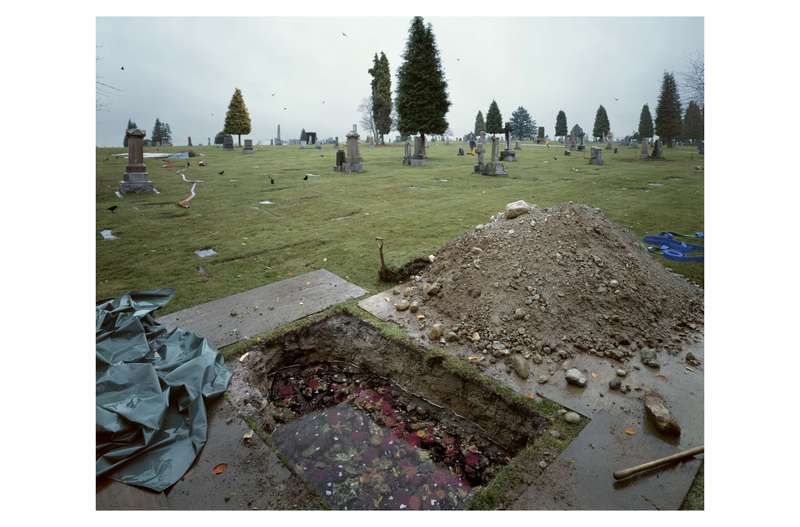
Jeff Wall ‘Flooded Grave’ 1998-2000
One of the most prolific users of the tableau is Jeff Wall who’s images are created from scenes he has witnessed or memories, these he meticulously recreates. Wall’s exhibition ‘Tableaux Pictures Photographs’ 1996-2013 we see images such as ‘Flooded Grave’ in which an open grave has been filled with water and sea life, such as star fish and sea urchins. This is typical of the way in which Wall plays with the tension between the real and the unreal. For Wall it is the way in which we will voids with our daydreams, in our daydreams we see what isn’t there. When exhibiting his work, Wall uses large light boxes to display his colour images, giving them a luminosity that adds a hyper real quality to them which is turn confronts the viewer with the drama in front of them. The images become more than a photo and more akin to a lit stage. Wall a post graduate in art history has a deep understanding of how space is full of relationships and how to construct a visual scene for the viewer.
“they [Wall’s images] are evidence of a detailed comprehension of how pictures should work and are constructed.” Charlotte Cotton
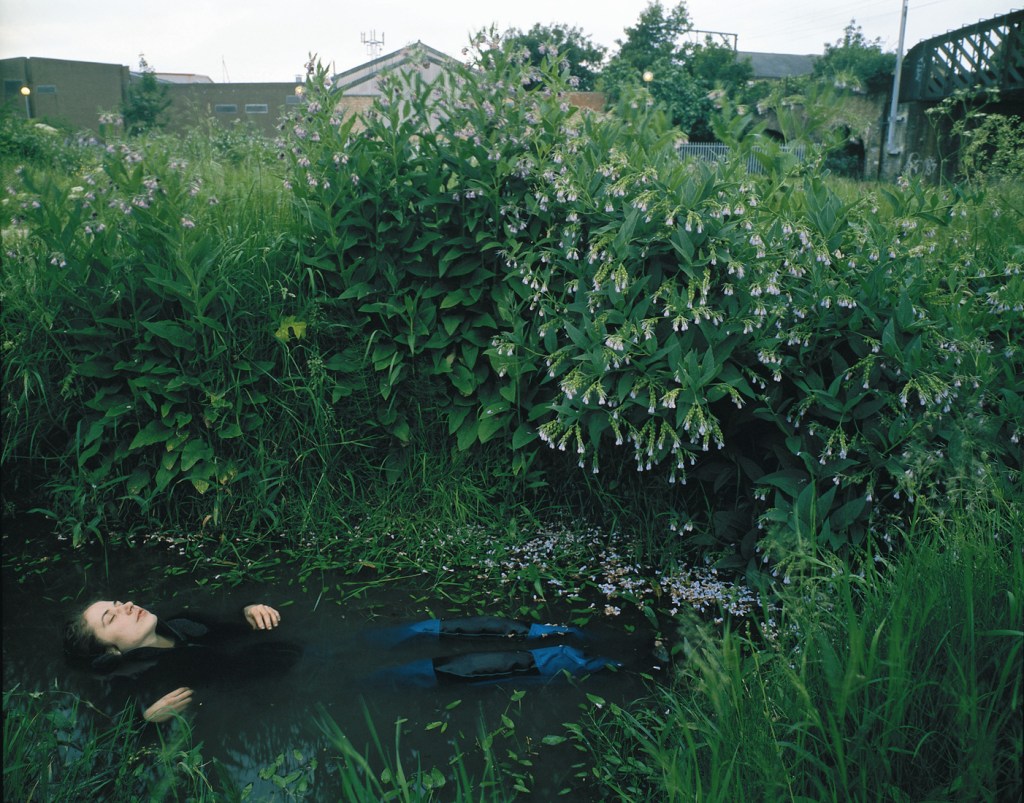
Tom Hunter ‘The way home’ 2000
For his tableau’s the British photographer Tom Hunter reworks the images created by Victorian painters such as the Pre-Raphaelite Brotherhood, especially in his series ‘Thoughts of life and Death’. One image from this series ‘The way home’ 2000, is a direct translation of John Everett Millais’s2 ‘Ophelia’ (1851-52) which depicts the tragic character from Shakespeare’s play ‘Hamlet’. In Hamlet the drowning of Ophelia is not actually acted out on stage but rather delivered in poetic verse by Queen Gertrude [Hamlet Act IV]3. In Millais’s painting he has depicted the moment Ophelia has fallen from the broken branch into the brook and begins to sink without a struggle, calmness upon her facial expression. The artist gives form to the poetic description beautifully. As with Millais’s painting, Hunter’s image is rich in detail showing the English landscape however brings this into a contemporary setting by the inclusion of a metal foot bridge and rooftops of modern housing. The use of a dead pan expression on the figures face engenders in the viewer a sense of anxiety and uncertainty of the context or meaning, resulting in the viewer questioning the scene before them.
John Everett Millais ‘Ophelia’ 1851-52
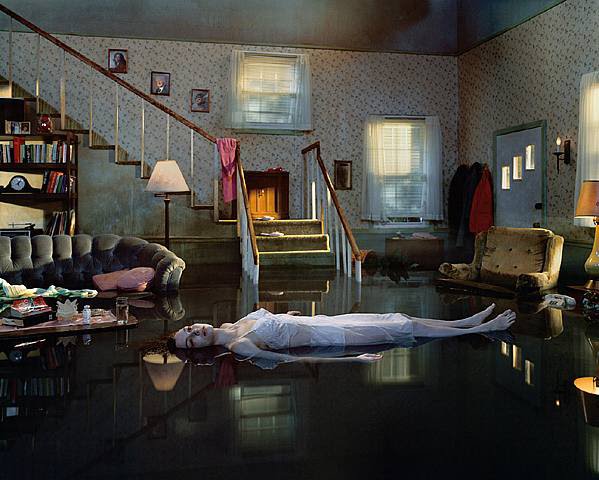
Gregory Crewdson also adapts the Millais painting for his own narrative in his ‘The Twilight’ series. ‘Untitled’ (Ophelia) 2001. Whereas Hunter depicts a girl drowned on her way home from a club, Crewdson’s image shows his Ophelia as a typical American suburban housewife laying lifeless in a flooded home. In the documentary 4 ‘ The aesthetics of repression’ 2004, Crewdson discusses his interests in the psychology underlying the American suburban experience. As a side note, Crewdson’s father was a psychiatrist who had his office in the basement of their family home, a motif that appears in many forms of his images. Each tableau that Crewdson creates is akin to the elaborate block buster movie sets, using huge teams to create scenes of suburban live within the studio. The use of large sets and actors gives his images the appearance of movie stills, frozen scenes of action. Influenced by artists and movie directors such Hopner, Spielberg and Hitchcock, Crewdson’s images have a dramatic almost sinister nature to them.
Gregory Crewdson ‘Untitled’ (Ophelia) 2001
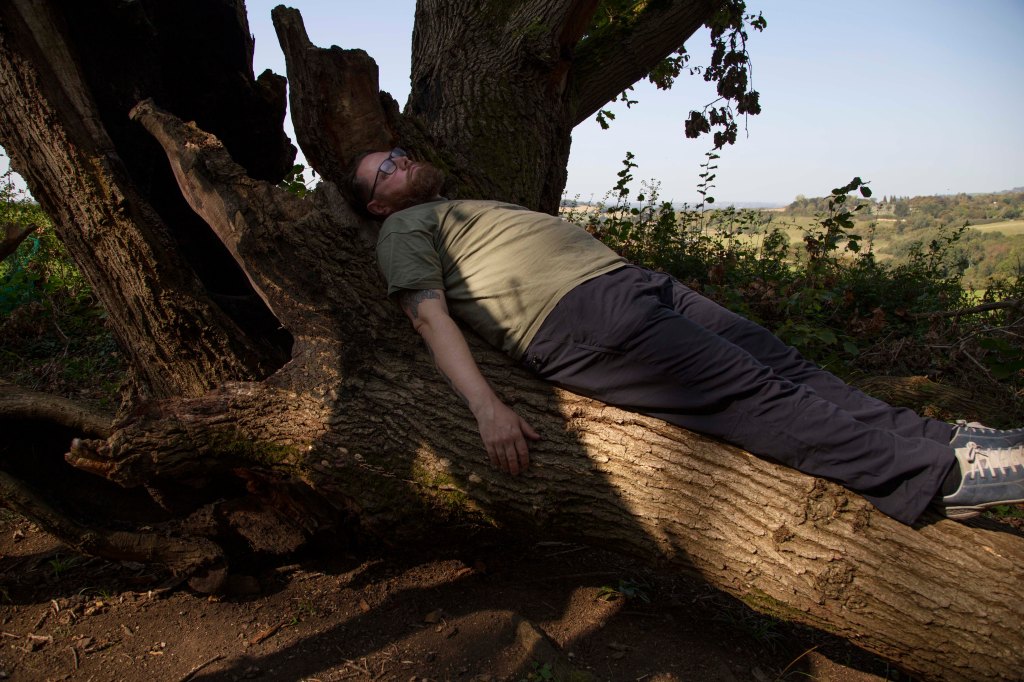
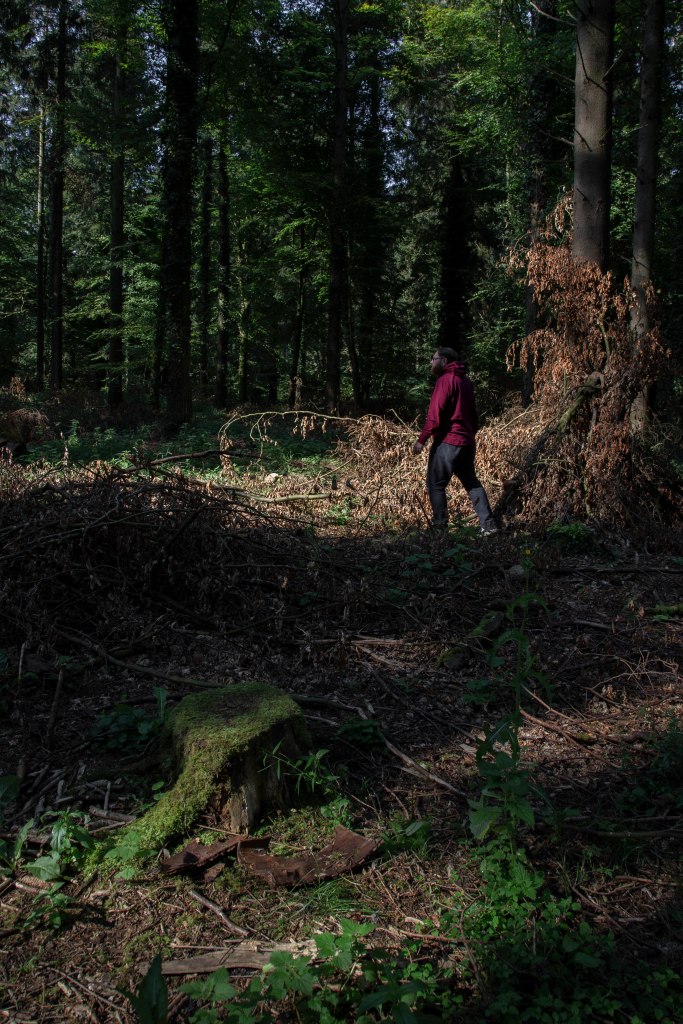
Often tableaux photography will employ pictorial devices to throw questions, a sense of the unknown about the meaning or context. Such devices are often subtle as a turned head, figures facing away from the viewer or a dead pan expression. As with each of these photographers, within my own practice I have experimented with how the image is choreographed, dressing the set, lighting and how the figure is represented within the image. When looking at the space within an image I feel that in order to give the space meaning there needs to be a human presence. If there isn’t someone there to experience the space does the space exist? The use of tableau photography in my practice is a clear method to illustrate this.
The space between: Birth & Death, 2020, Tim Beale
Resources
1 Cotton. C, (2011) Thames & Hudson, ‘The photograph as contemporary art’ pp. Pages 54-71.
2 Hilton. T (1991), World of Art books, ‘The Pre-Raphaelites’, pp. 77-81.
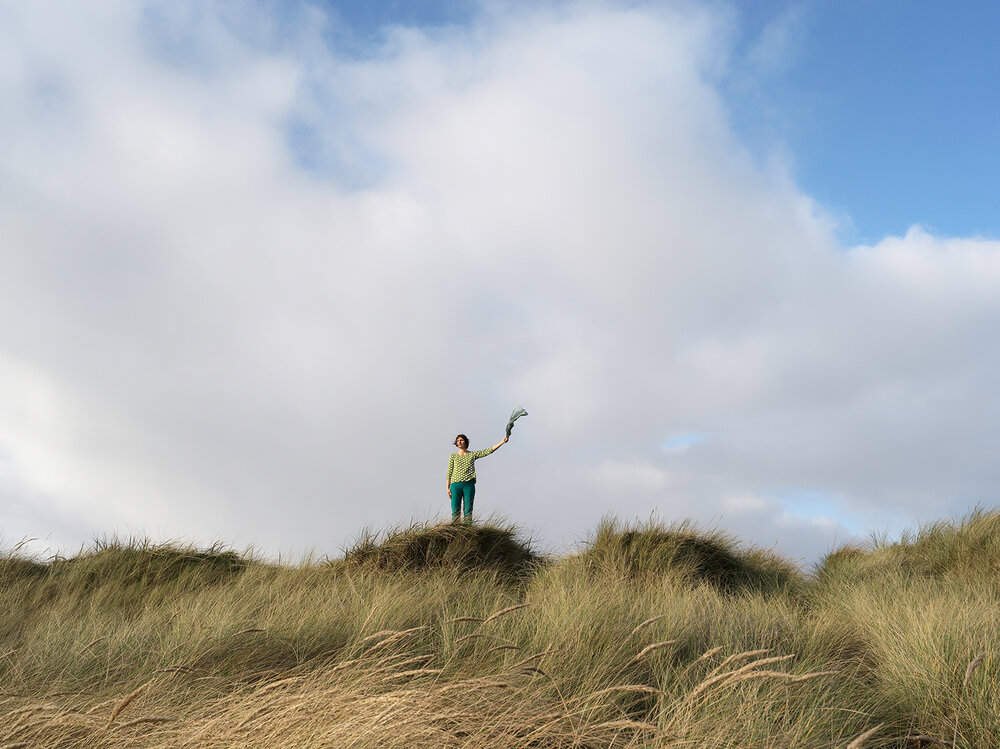
Elina Brotherus: can be described as a biographical self portraitist who’s images show the photographer performing her self histories. Brotherus’ use of colour in her imagery is subtle but effective. The setting of her shots either interiors or landscapes appear in muted delicate colours, tones and more often than not naturally lighted. This can be seen in the ‘Measuring Wind Speed’ series especially in the ‘Neiblem’ image where the choice of vivid green clothing works to contrast against the grey sky, whilst acting as a visual link to the wild grass in the foreground. Brotherus is visually rooting to the earth and unable to be blown away by the wind.
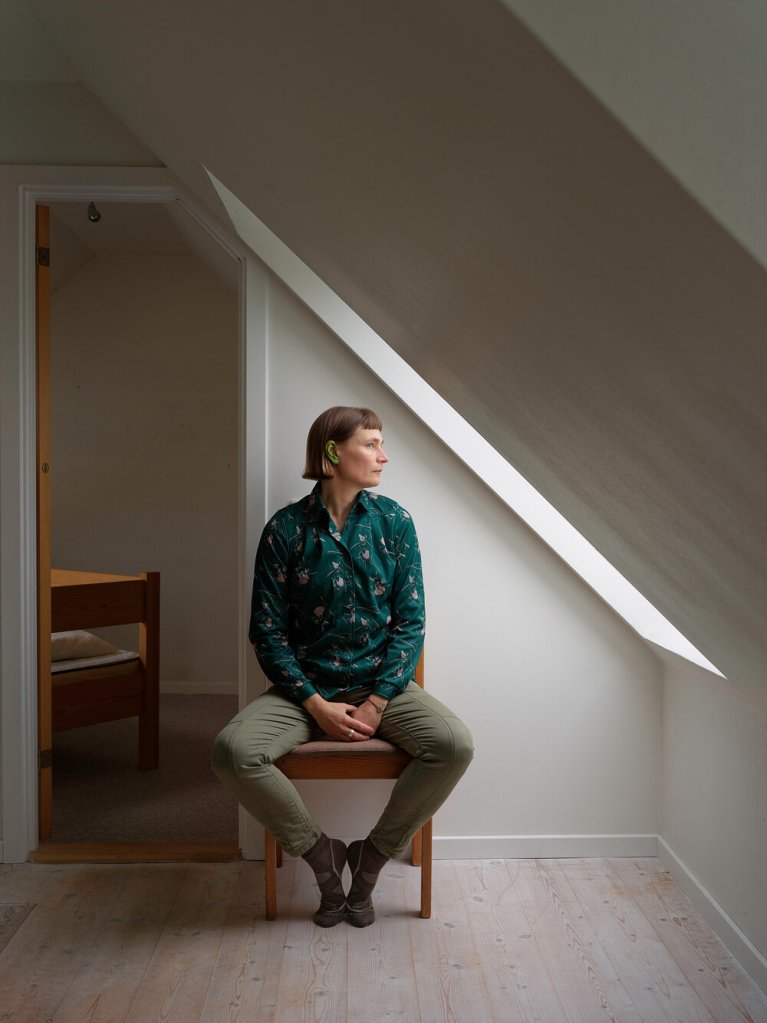
Das grüne Ohr 2, shows how Brotherus uses her choice in clothing to contrast the muted tones and shades of the interior to draw the attention of the viewer. Whilst the two spaces we see are cool shades of grey, the positioning of the wooden furniture parallel to the door and its frame draws the viewers eyes around the image and towards the sitter. Here Brotherus is dressed in green, this use of green is further exaggerated by her ear that has been painted green. She is seated looking out of a window, the use of green reminds the viewer of landscape and nature, perhaps this is what she sees out of the window.
‘Das grüne Ohr 2’ Elina Brotherus
The use of natural lighting from the window helps to throw the bedroom into shadow further contrasting with the solitary seated figure. This is used cleverly with minimal furniture to distract the viewer. Hands clasped and feet on points, akin to a ballerina, this is far from a relaxed pose. It is almost as though Brotherus is preparing to flee, perhaps through the window and into the landscape beyond.
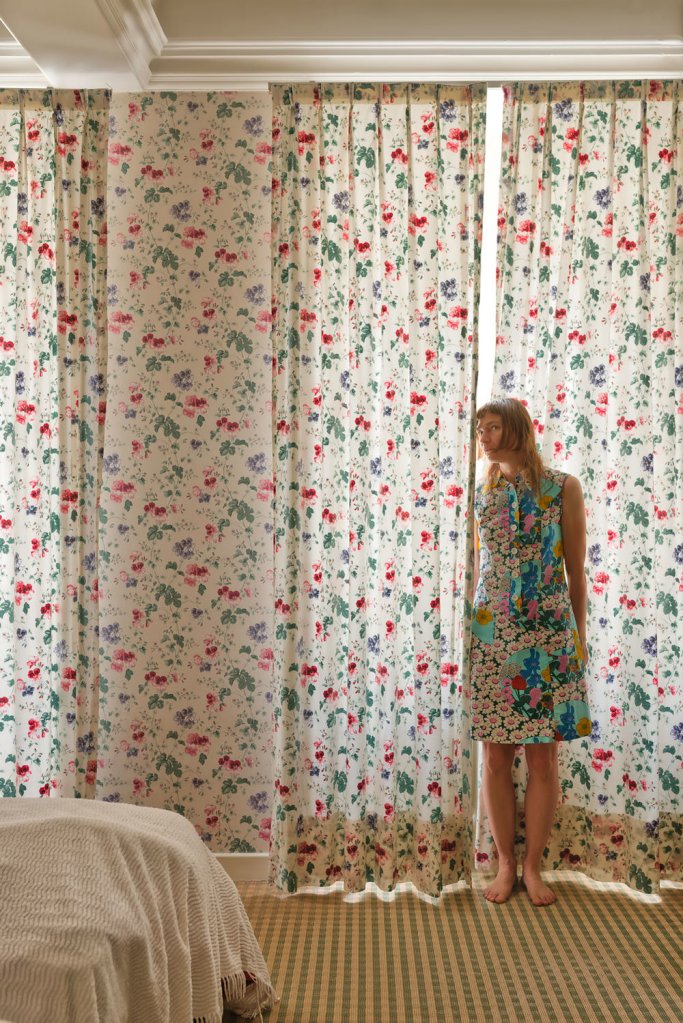
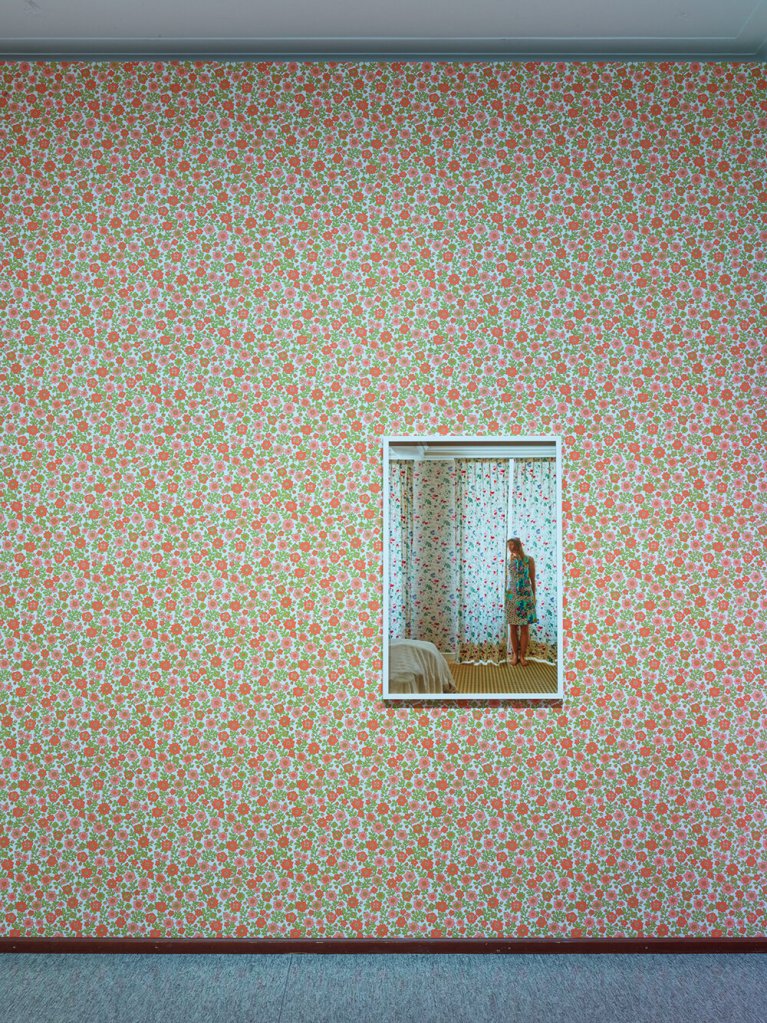
Images from exhibition installations show how Brotherus further uses colour to exaggerate and extend from the boundaries of the initial image. This is evident in ‘Bad Camouflage’ in which Brotherus is dressed in a heavily floral dress almost hidden against floral curtains and wall. Both the curtains and wall paper are of the same pattern, this wall paper is then used in the installation. As a result the image becomes almost lost, camouflaged against the floral wall paper.
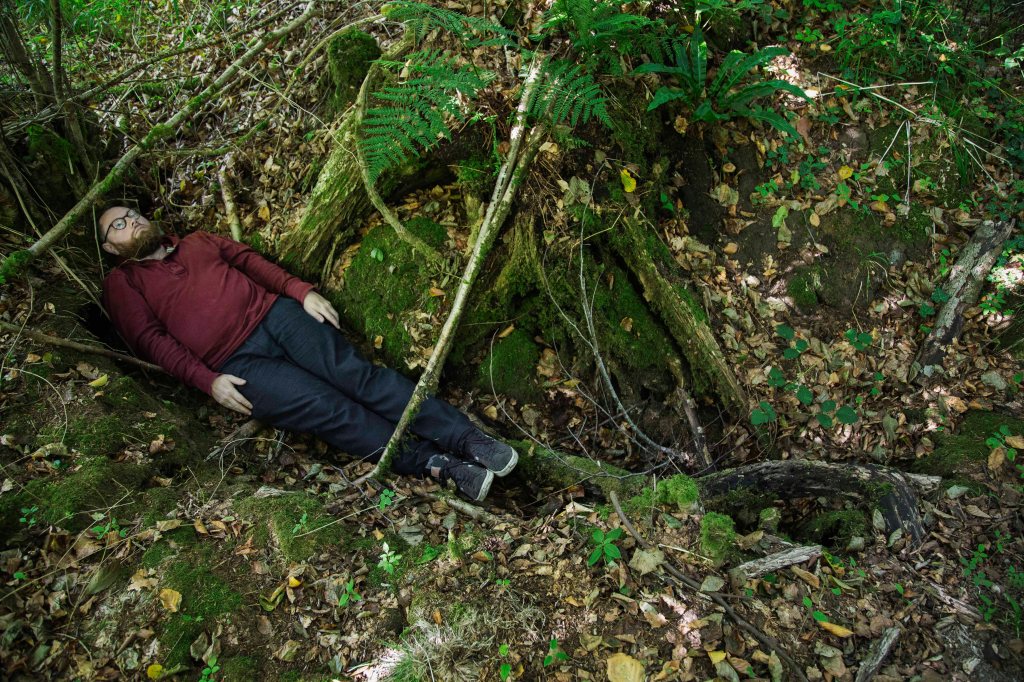
‘Bad Camouflage’ Elina Brotherus‘Big red riding hood – underground’ Tim Beale 2020
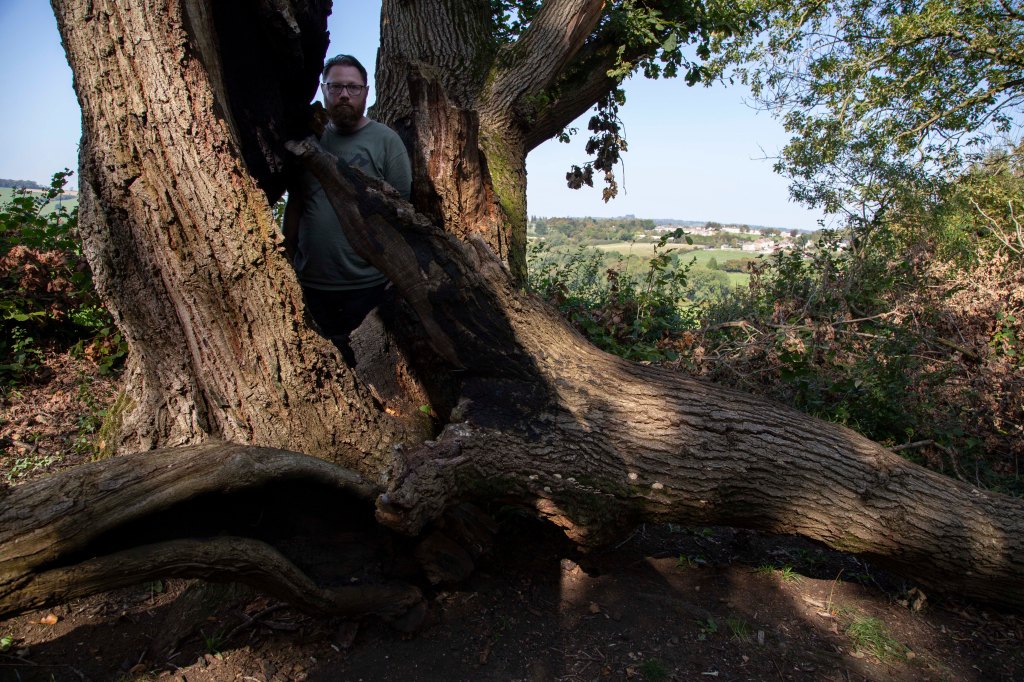
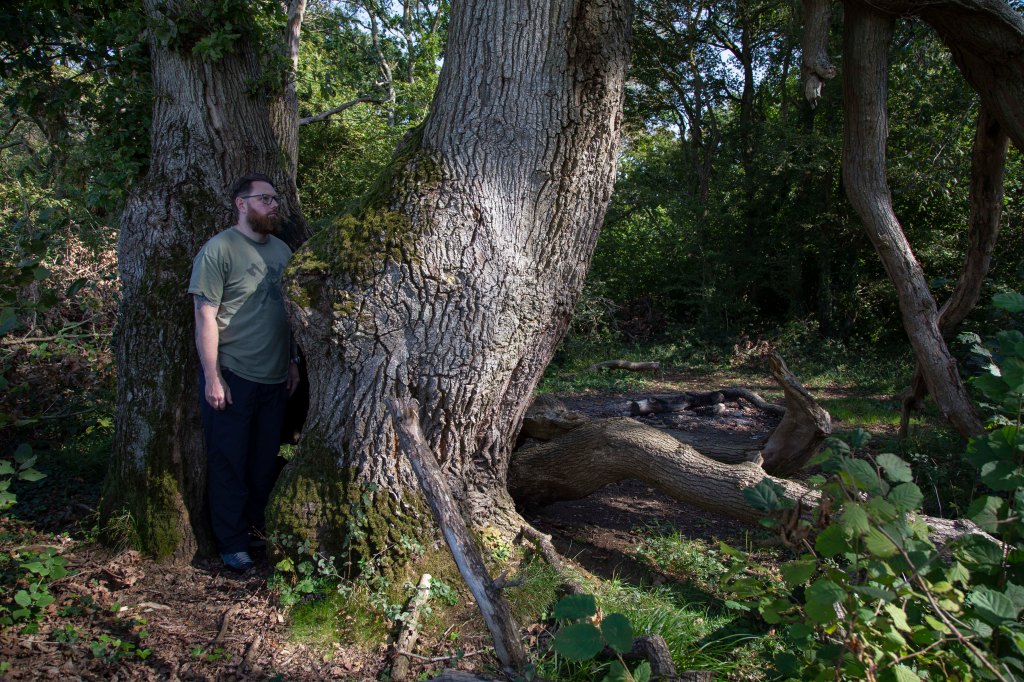
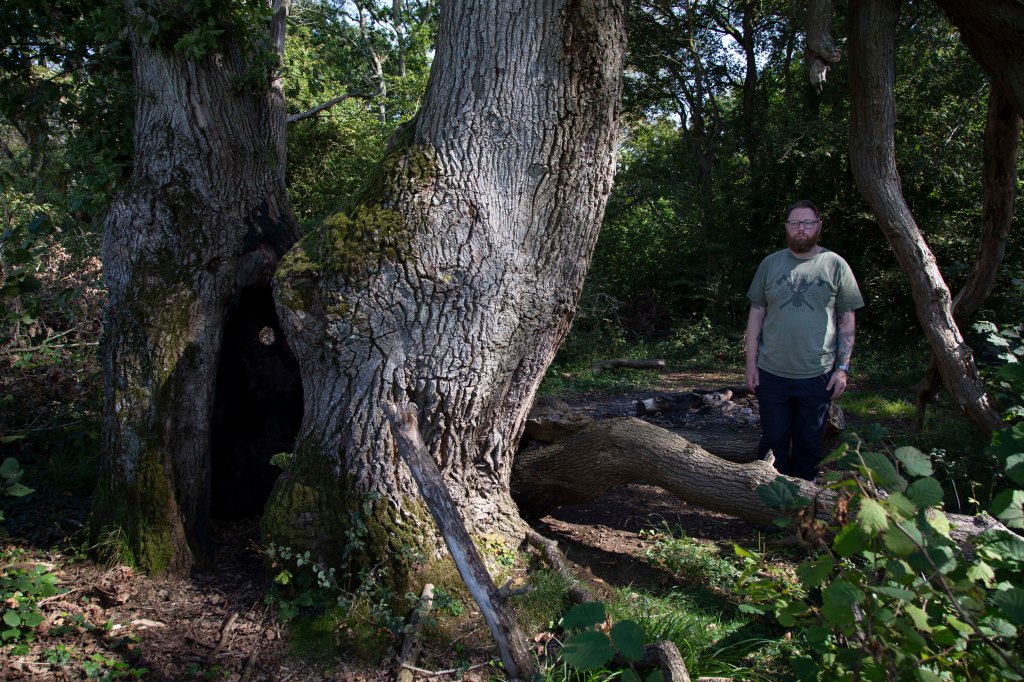
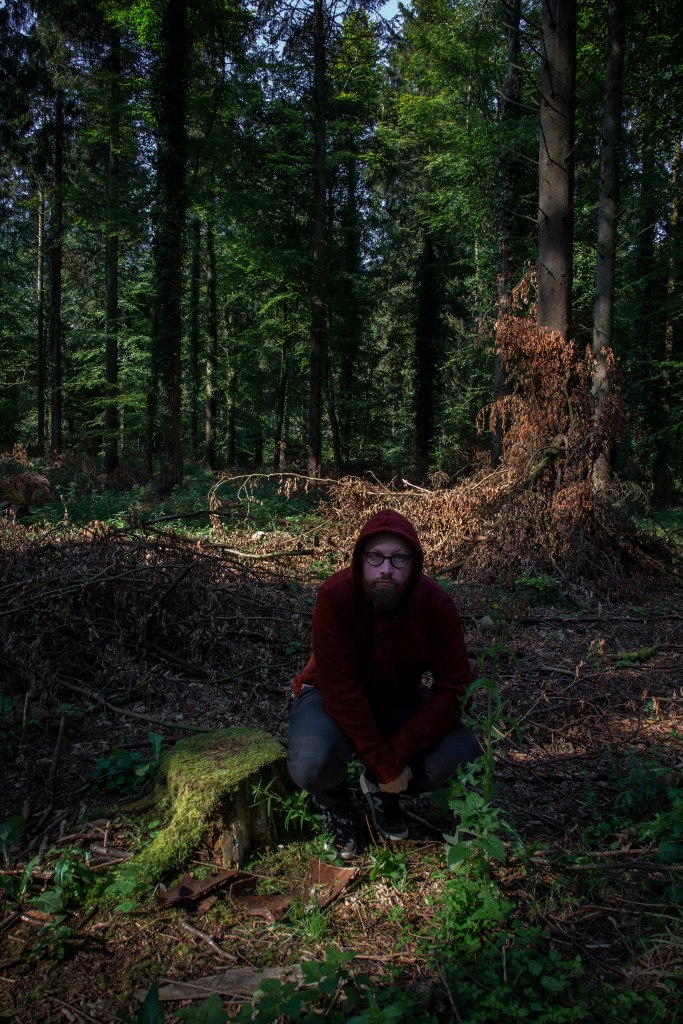
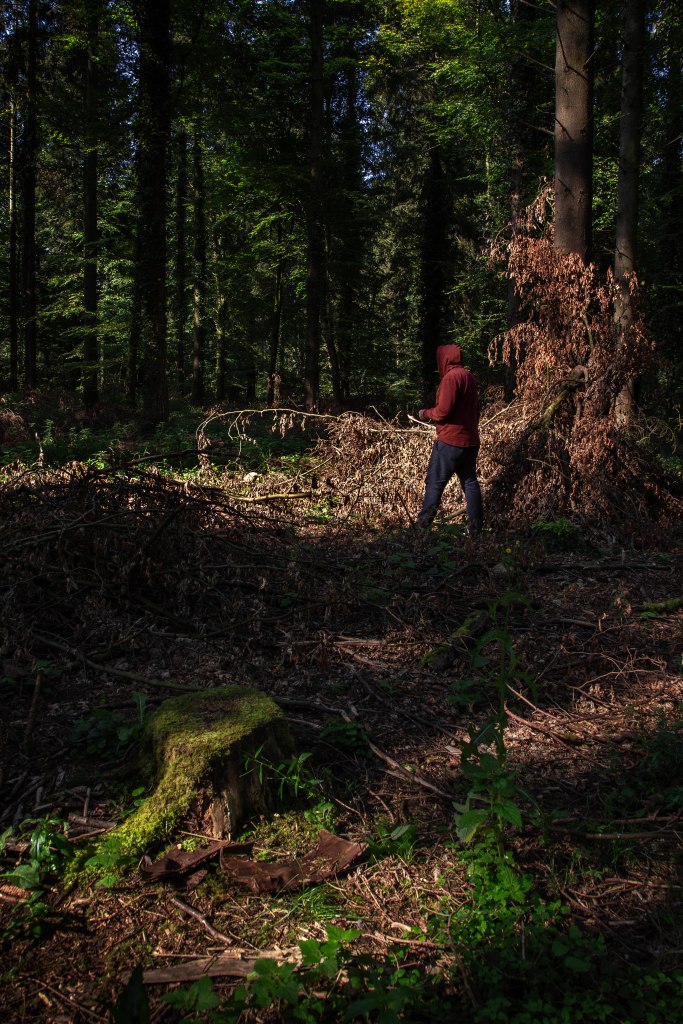
I have used the styling of Brotherus in my image ‘Big red riding hood’ as a method of linking space with a more subconscious context. When we are children we are told stories such as Little Red Riding Hood as ways in which to warm of the dangers of the woods or forest. However still wanted to keep some ambiguity in the context of theses images, allowing the viewer to question the context further.

 The Space Between