Much of my practice has been subjective and engaged the use of constructed or staged image making, either through directed figures, often myself as performed self-portraits (fig 1) or via digital manipulation as photomontages (fig 2). Much of the work produced during the last module was influenced by the repeated use of the ‘Ophelia’ icon within the photographs of Tom Hunter and Gregory Crewdson. I wrote about this in more detail in my CRJ: https://thespacebetween.photo.blog/2020/10/09/the-photographic-tableau/
“Hunter makes the art-historical connection quite explicit to anybody with some knowledge of European art.” [Smith & Lefley 2015:127]
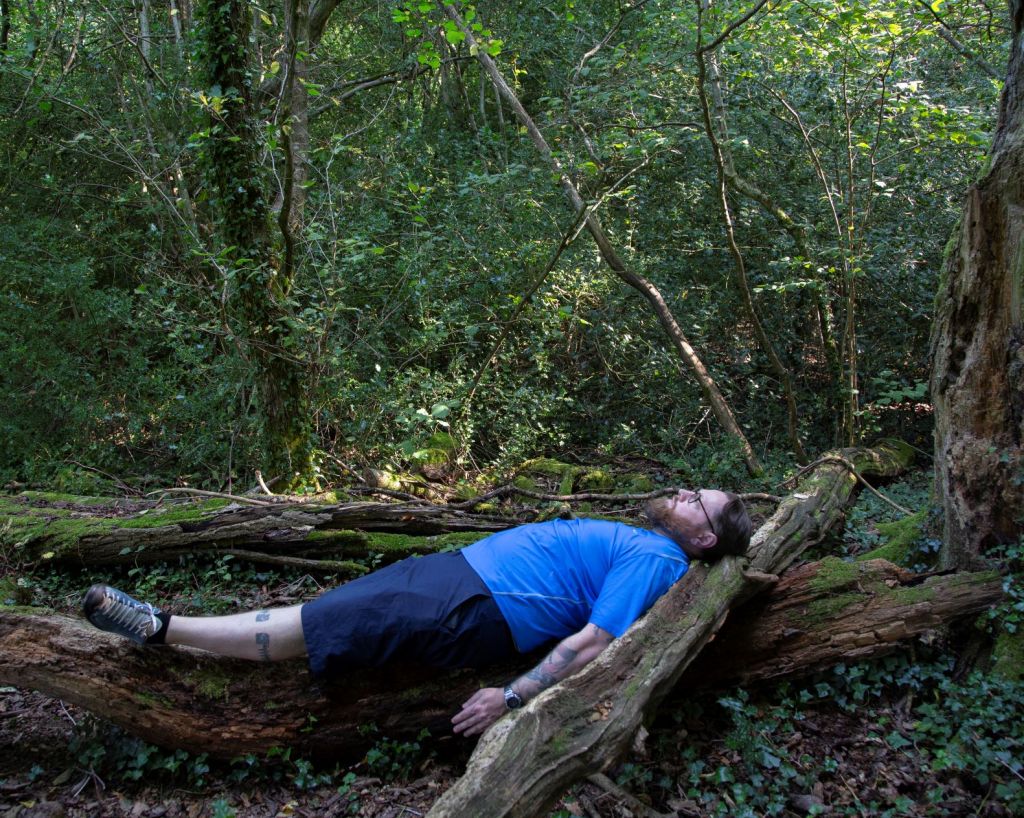
Figure 1. Tim Beale 2020 ‘Ophelia’ 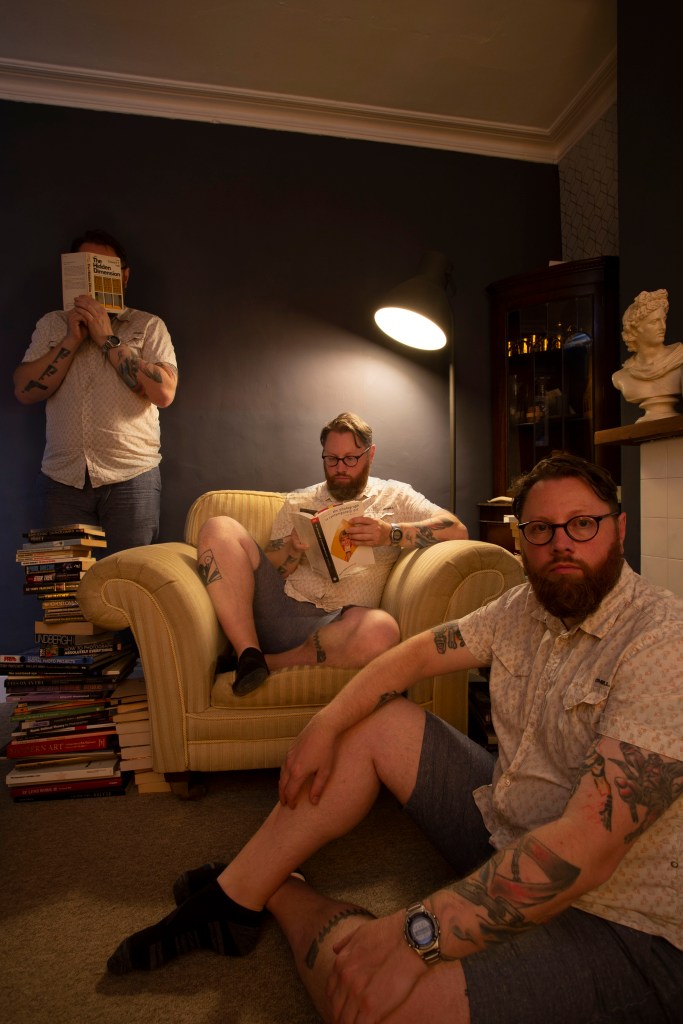
Figure 2. Tim Beale 2020 ‘Untitled’
However, the images I have recently taken take on a more objective approach, as straight photographs of that thing at that time. The choice to create straight object images was a result of the 3rd national lock down and my unease of taking out my full photographic kit. I feel that much of these objective images are more for research in location for later images. As such I have begun to log my walking routes, limiting myself to no more than a 2 hour walk and often in a loop.
“There is a lot to dig deeper in with Twerton/shops – what is it that makes a shop stand out – why is McColls different to Aldi, different to Morrisons, different to Waitrose, what is it that stands out when you visit those shops? The story might emerge from the direct experience rather than the photographic.” [Pantall.C False Indexes Forum: FF]
I’m now at the stage of thinking and research, trying to build up a narrative for these latest images. Over the next few weeks, I plan on revisiting a particular area of Bath, Twerton as I feel I have a strange affinity for the area. This probably because it reminds me of where I grew up but as it is one of Bath’s most deprived areas, I feel there it is underrepresented. There’s a story to be told, I just need to find it.
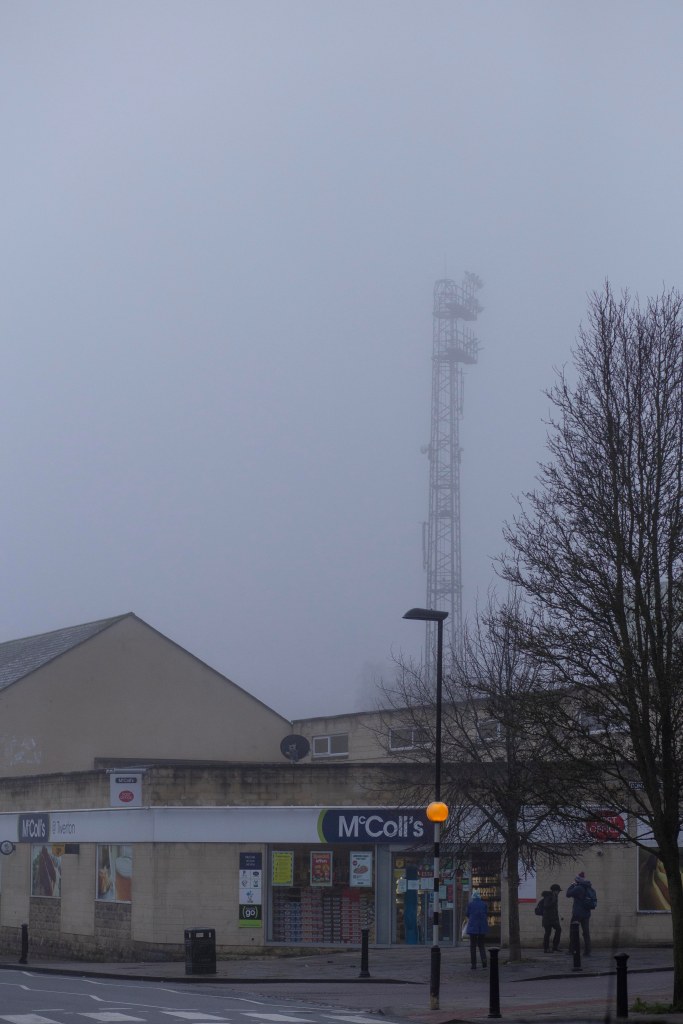
The fog in figure 3 has added a unique quality that I could not recreate artificially, as a result I feel this image takes on an ethereal quality. The lighting tower, dominates the small shop, looking no unlike a prison watch tower or prehistoric predator. We see shoppers, in the lower section of the image, huddled waiting their turn to shop for the essentials.
I took this shot of the newsagents with a view to capturing something of the essence of a typical UK “local” shop (Fig 4). The headlines from each newspaper came be seen and read through the open door. I’m not entirely happy with this one and plan to revisit at night as I feel the dynamics of lighting will change the feel greatly.
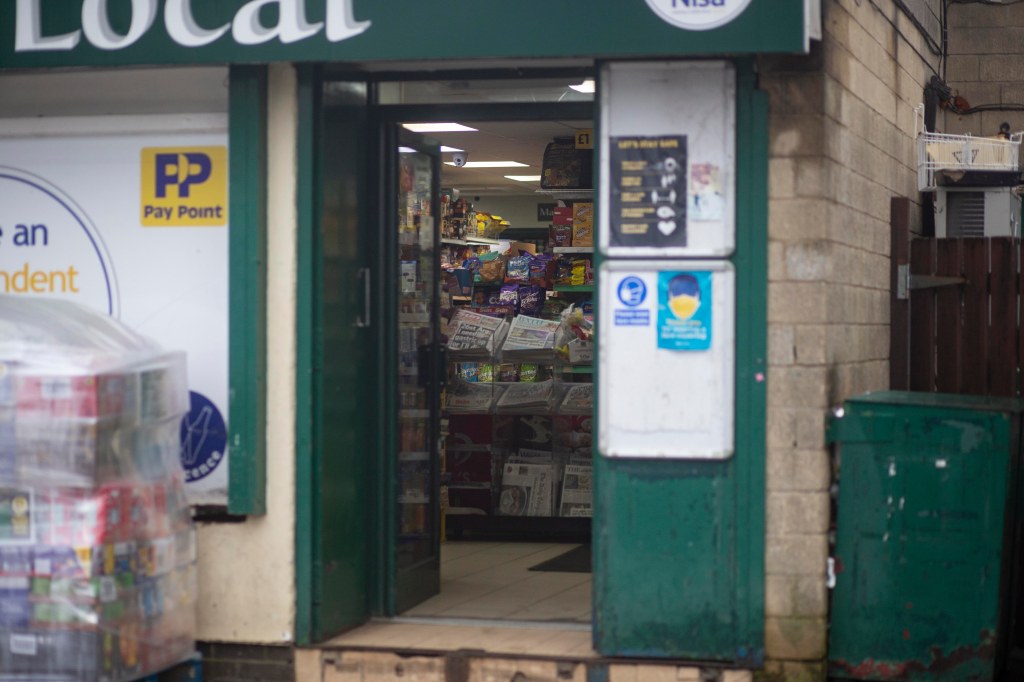
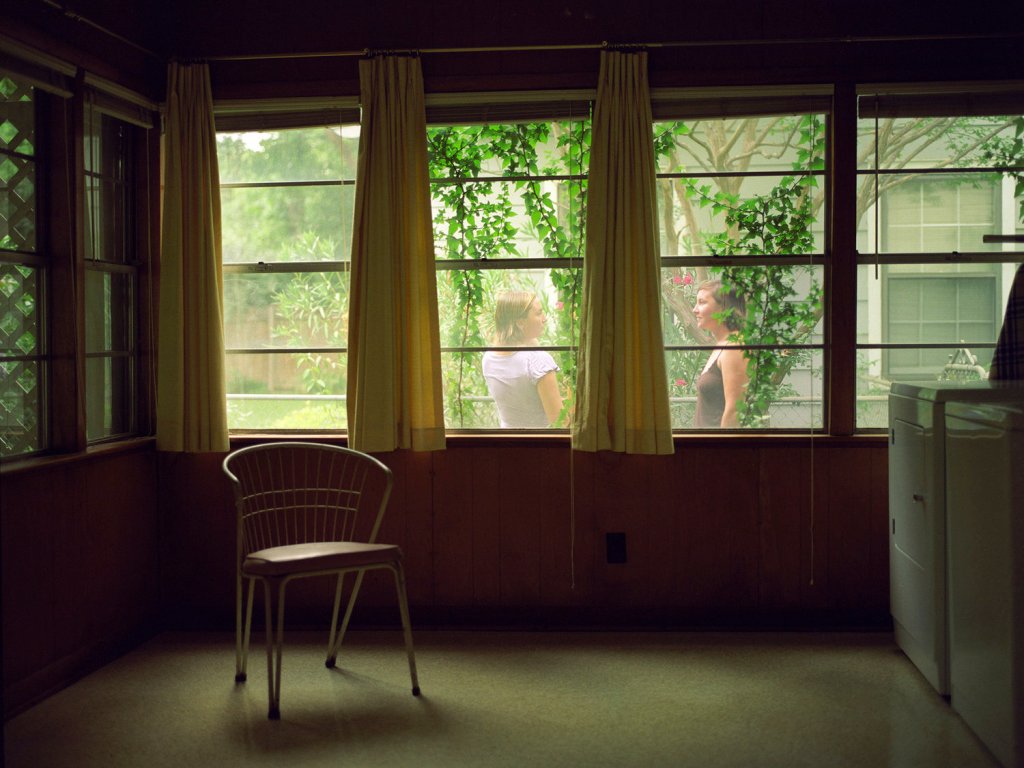
Figure 5. Kelli Connell 2010 ‘Next Door’ 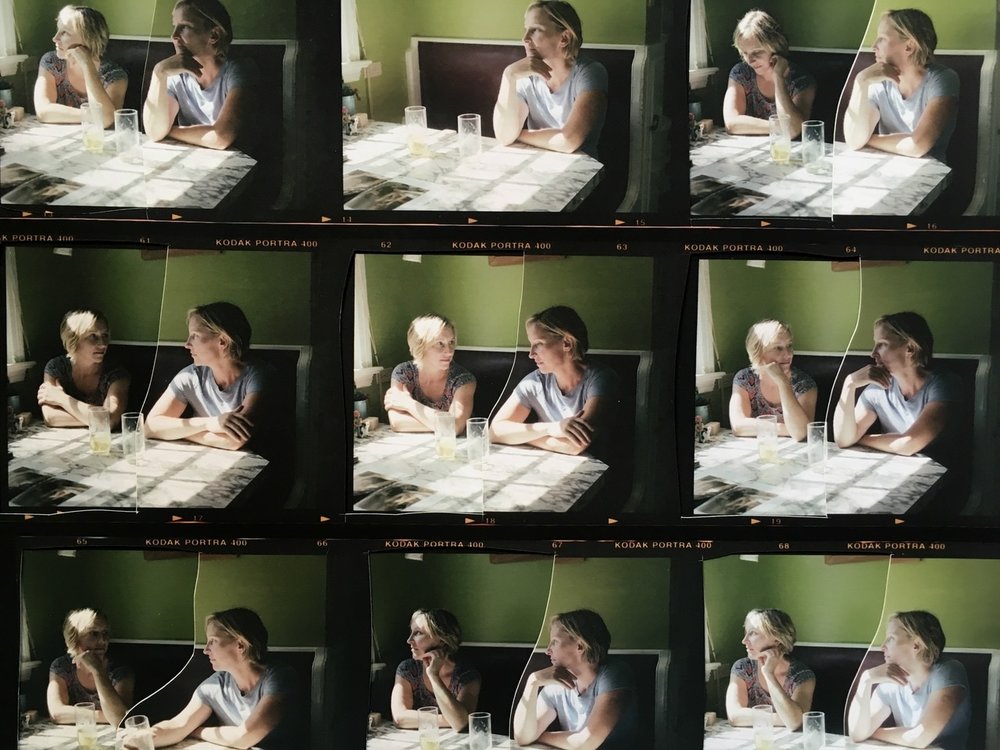
Figure 6. Kelli Connell images from ‘Double life’
As we look to a more eased lock down, I can start to schedule in more involved photo shoots, look to use self-portraiture again. Kelli Connell’s series “Double Life” (Fig 5) is a fascinating use of the constructed image to depict the made-up story of a couple’s everyday life. The photographs have a voyeuristic quality to them, as if we the view are witnessing these live events unfold, through the eyes of the photographer. What has drawn me to these images is the fact that, what we are looking at is not images of two women, but self-portraits of Connell playing both roles in this relationship (Fig 6). Connell’s performance is such a powerful one that we are convinced of the ‘real’ emotions of this relationship. The viewer starts question the fact of the image before them as they realise the women look identical and the image takes on a more surreal quality.
When discussing the constructed images of the surrealists Smith & Lefley write: “They were captivated by the strange ambiguity of photographs that are both ‘fact’ and image at the same time.” [Smith & Lefley 2015:120]
When being interviewed for Blowphoto.com Connell talks about the autobiographical approach to these images:
“I think it’s kind of a mirror reflecting what I think about relationships and what I think of my own self as it evolves the older I get. the earlier images show something you might do in your late twenties, like drinking in a bar or playing pool depicting a really young stage in a relationship and now that I’m older many of the things I’m interested in have naturally evolved so the characters might be drinking wine, renovating a house or going to bed early. or an embrace might be the kind of hug that is more fragile from just being through a more long-term relationship; the kind of embrace that isn’t even possible with someone you have just been with a couple of weeks.” [Connell no date published:Blowphoto.com]
I can see there is some scope to adopt a similar process of further constructing images, going beyond the directed and staged approach. Certainly, over the next couple of weeks I intend to revisit archival images alongside recent photographs with a view to experimenting digitally constructing images to represent my research.
References
Smith, P, & Lefley, C 2015, “Rethinking Photography : Histories, Theories and Education”, Taylor & Francis Group, London. Available from: ProQuest Ebook Central. [7 February 2021]. Created from falmouth-ebooks on 2021-02-07 01:41:12.
Pantall.C, 2021 Tutor feedback from “False Indexes” week 3 forum. Falmouth Flexible MA Photography [Accessed 11.2.2021]
Mac Gowan.A “Kelli Connell interview” Blowphoto.com [Accessed 15.02.2021] http://blowphoto.com/issue-13-press-check/
Images
Figures 1-4 Tim Beale 2021
Figure 5 Kelli Connell 2010 [Accessed 15.02.2021] https://www.kelliconnell.com/2010
Figure 6 Kelli Connell [accessed 15.02.2021] https://www.kelliconnell.com/press
 The Space Between