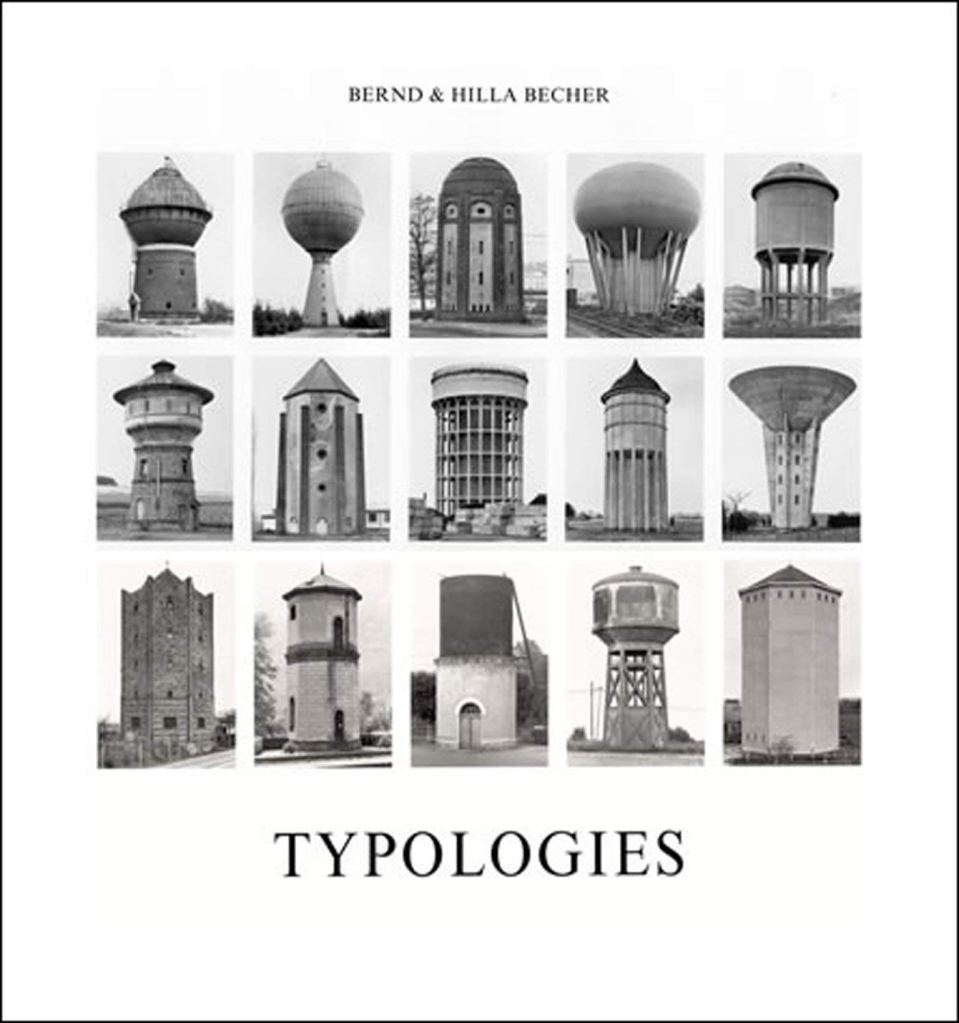
Three by five, three by four, three by two, five by six, these are but a few of the grid like combinations of images presented in the body of work called “Typologies” by Bernd & Hilla Beche that spans some four decades. Documenting the structures that sit within an industrial landscape like monolithic sculptures, the Becher’s ability to remove the often overlooked from its setting and place it down onto paper is in itself a work of art.
Figure 1 “Typologies” 2014 Bernd & Hilla Becher
“The Becher’s technical rigor is also exemplary, the strength of their work owing to their consistency of framing and evenness of the light on their subjects. The simplicity of their practical approach-and that of the other photographers from the ’New topographies’ exhibition-has endured within landscape practice as well as within other spheres of contemporary photography.”[Alexander 128:2015]
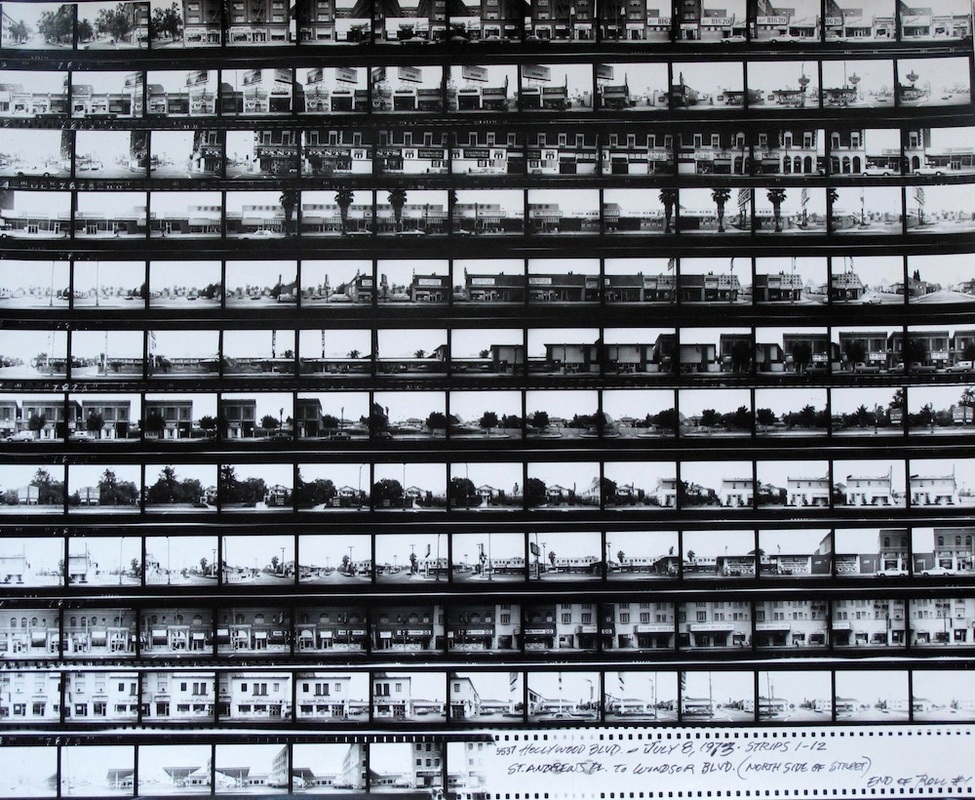
The concept of typologies within the medium of photography is not a new one, but is one that has been used to great effect especially when looking at the work of the likes of Ed Ruscha. Ruscha uses the everyday, mundane and bland within bodies of work such as ‘Every building on the sunset strip’ as a method to create flow and a sense of movement as the viewer is transported along the strip, move from image to image as one would drive from building to building. However the way in which the Becher’s deliver their images is much more static, rigidly controlled, placed into grids, edited to emphasis the familiar, whilst allowing the viewer to consider the contrasts between each structure.
Figure 2 “Every building on the Sunset Strip” 1965 Ed Ruscha
“After all, Bernd and Hilla Becher are not interested in the individual photo, but above all in what their way of seeing, restrictively defined in its way, actually makes possible, namely a comparison of appliance-like structures of a particular type, such as gasometer , halls and silos.” [Zweite in Becher 15:2014]
It is not only the finished image that is controlled so to are the subjects, not so much the staging or composing of each structure but rather the construction. Each photograph is meticulously planned, the time of day, weather conditions, elevation of camera, and position of structure within the frame.
“We precisely did not show pictures that we had composed but instead images that were already composed. We simply selected objects that could be captured and were thus there for the taking.” [Becher 7:2014]
Discussing the “New Topographic: Photographs of a Man-Altered Landscape” (1975) exhibition, which featured Bernd and Hilla Becher’s ‘Topologies’, Jesse Alexander states:
“Just as the subject matter in the photographs was commonly considered mundane or bland, the visual qualities of the photographs were simple and unembellished and were met by traditionalists with skepticism and perplexity.” [Alexander 127:2015]
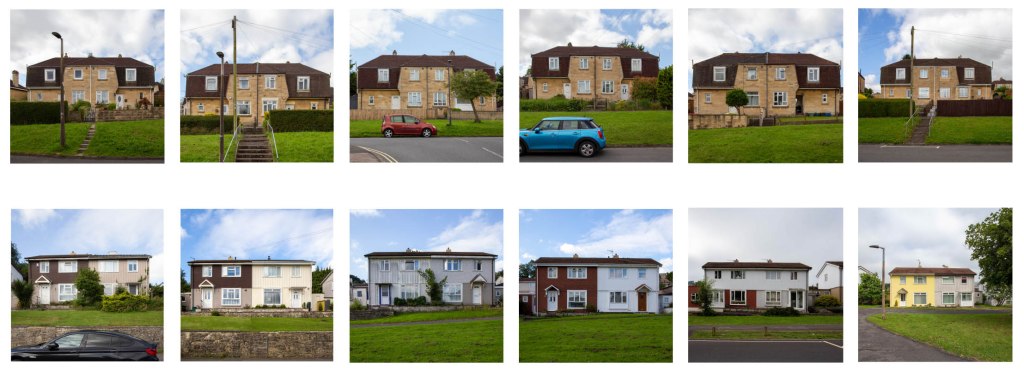
Figure 3 “The right to this city” 2021 Tim Beale
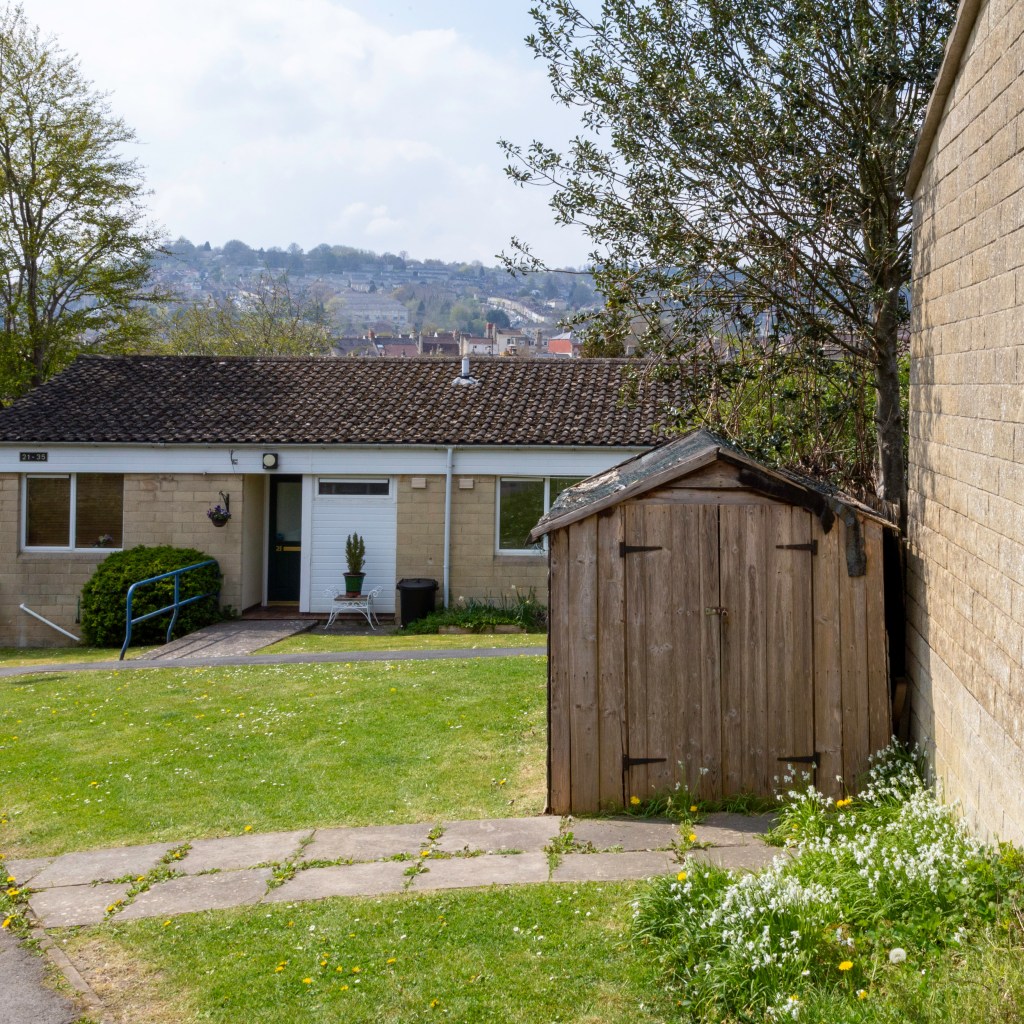
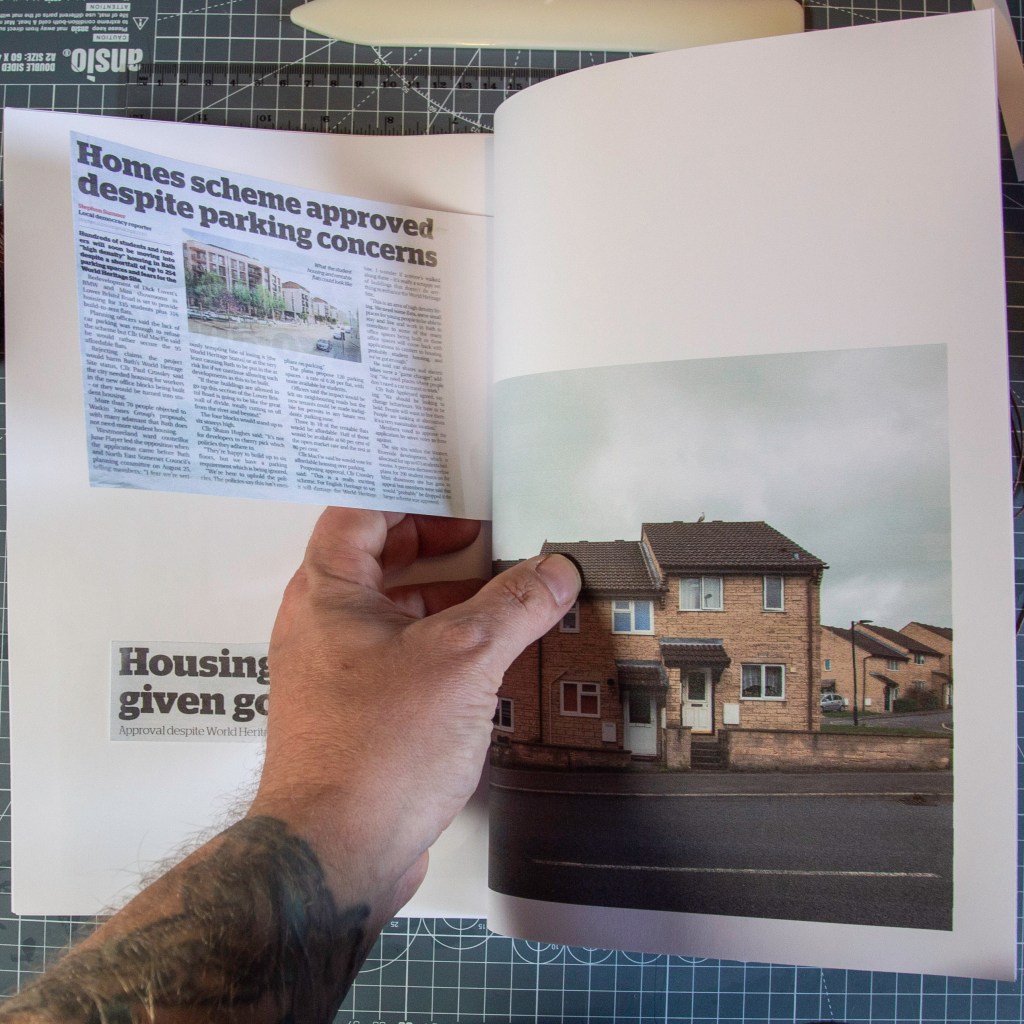
Within my own practice the use of typologies has been a useful tool to illustrate the uniformity of publicly funded social housing of the 1930s and 40s. To ensure each image created, for the topology series, had a uniform appearance I had to set several control factors. Each image needed to be taken during the same weather conditions, framed within the same space, and using the same camera setting such as f stop and aperture. This was particularly challenging give Bath’s topography, being built in a valley, many of its houses are built running along steep hills. Shooting straight on with a wide-angle lens gave me the best option to create uniformity with each photograph. The use of repeated images of mundane dwellings worked well for the series of early social housing but less so for more contemporary housing stock. As such, I chose to only adopt this method for a few typologies through the book “The right to this city”.
References
Alexander, Jesse “Perspectives on place: Theory and practice in landscape photography” 2015 Bloomsbury
Becher, Bernd & Hilla “Typologies” introduction by Armin Zweite 2014 edition MIT Press
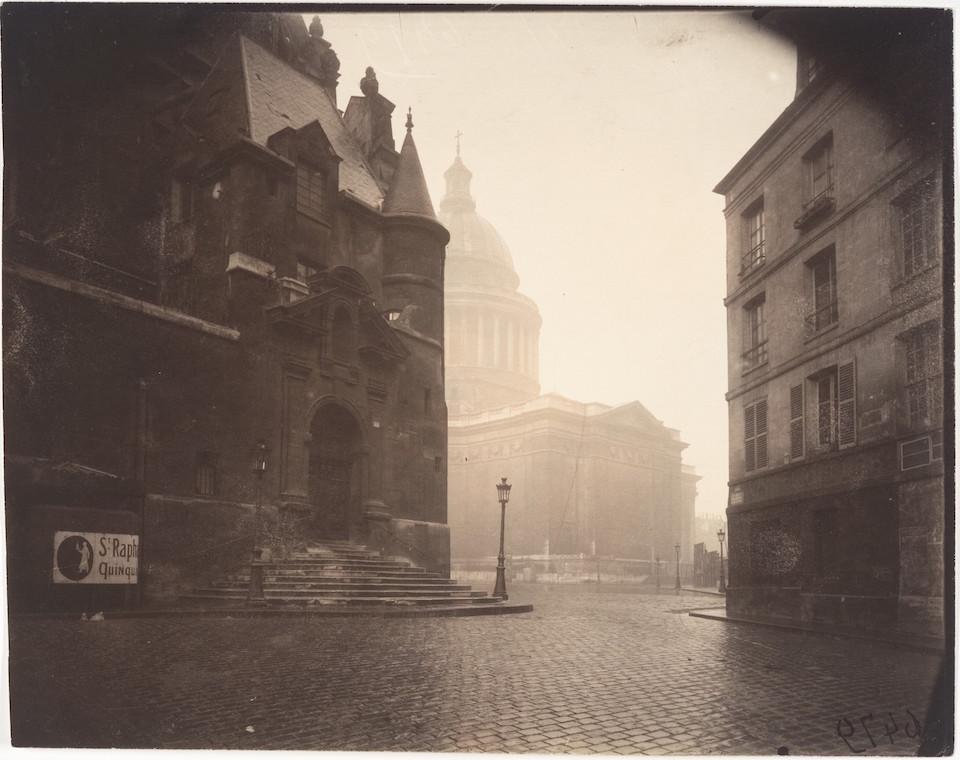
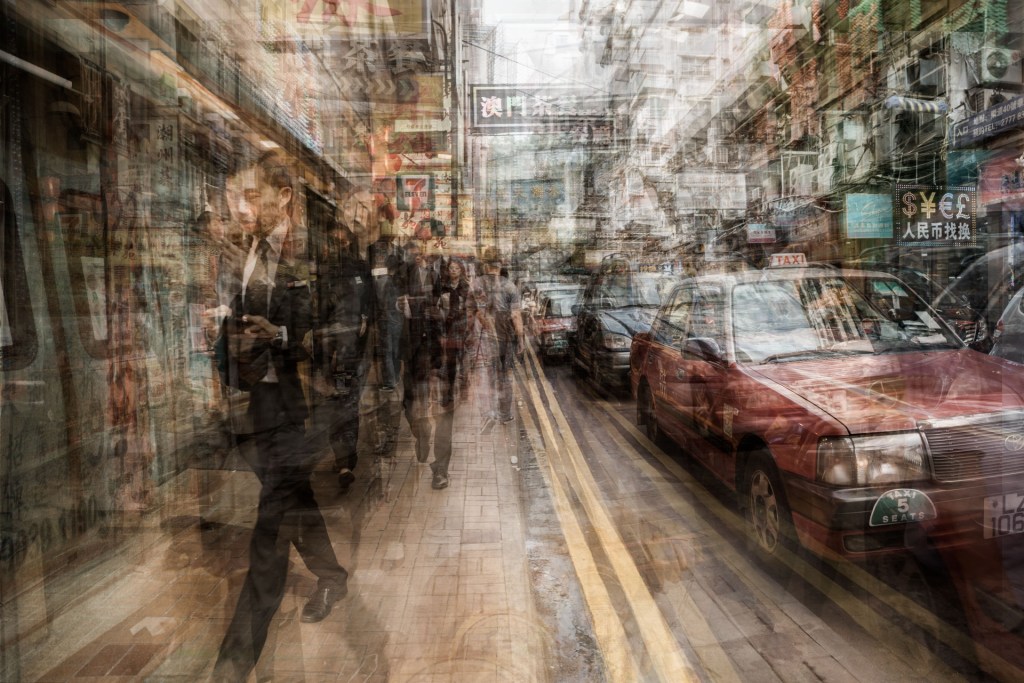
The very nature of photography lends itself to the documentation of the city, its structure, people and essence. Whether it comes from psychogeography or documentary the form of capturing a two dimensional representation of the space around us is one that is familiar, from the Parisian scenes of Eugene Atget to the bustling streets of Riccardo Magherini’s Hong Kong. The photograph provides a document of social, cultural and political concepts of the city.
“Photographs display attitudes, agency and vision in the way a city is documented and imagined.” [Tormey xiv: 2013]
Fig 2 “Rue de la Montagne Sainte Genevieve” Eugene Atget 1924
Fi3 “Tsim Sha Tsui” HK series Riccardo_Magherini
The city is a social space, dominated by city structures that effect they way people live, interact and form social communities. Within my own practice I concentrate on the evolution of the city and how social and political changes influence the evolution of the manufactured space. Highlighting Urban and Suburban issues to engage and encourage cultural, social and political discussion. Framing and rendering the three dimensional city, in a two dimensional representation that conveys its culture, society, emotion and aesthetics.
“Photographs can celebrate or critique presiding ideology and privilege. More specifically focused views can adopt metaphoric frames that serve to emphasise particular aspects of experience: the ‘institutional city’ and the place of power; the ‘everyday city’ of the street; the city of social practice or the site of diaspora’; the ‘hybrid or global city’; the ‘engendered city’; the ‘network’ or psysogeographic. Just as the city can be theorised in different ways, so it can be presented photographically in different ways: geographically – describing the evidence of its economies in the buildings and infrastructure; anthropologically in describing evidence of its culture; sociologically in describing examples of interaction.” [Tormey 26:2013]
I am trying to convey an unexaggerated portrayal of the everyday city and its suburbs, the dwelling places of the everyday worker. The structures that create a city are also the structures that shape and define the people who live in them. As such, my practice concentrates on the simplest of dwellings, the mundane or overlooked. These spaces are no less important than the grand stately homes, treasured by the nation, in fact they are of greater importance as they are a fixed point of reference when we map social and political history. When we look at these dwellings we start to see, not only, the decay but also the pride and sense of community. There is something about a common struggle that brings people together, reading the details in a home can tell this story. As with Robert Adams photographs that featured in the exhibition “New Topographic: Photographs of a Man-Altered Landscape” there is a simplest style and beauty to be read in these images.
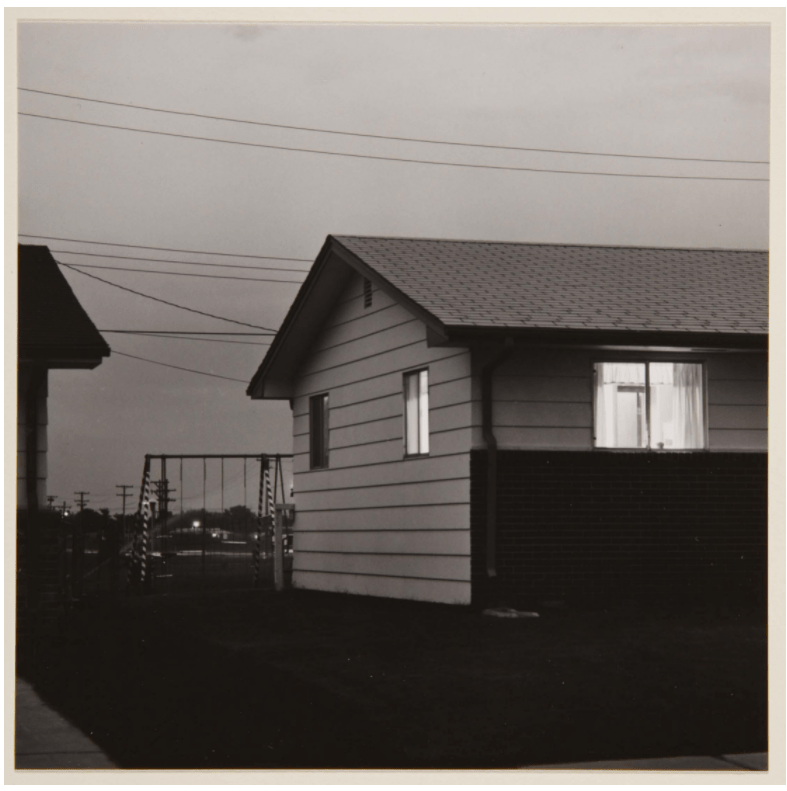
Fig 4 “Denver, Colorado” Robert Adams 1970
When we look at his photograph “Denver, Colorado” we see a dwelling, in the early evening as the sky is not fully dark, we can see there is a light on so can assume the home is occupied. We are also given a clue that there are children given the presence of the swing set. We only see a section of the dwelling but it is clear this is a single storey building, no fence delineates a front or back garden, in fact there appear to be no boundaries between properties. We can then imagine that this is not the home of wealthy occupants.
As photographers we strive to tell stories in our two-dimensional images, we create seeds that we then plant into the minds of the viewer. Reducing a city down to a flat image of dwellings, challenges the viewer to create a mind map of the city, to follow the trail, join the dots and engage with the space presented by the photographer. This is what I aim to achieve in photographing the city.
References
Tormey, Jane “Cities and photography” Abingdon : Routledge 2013
Lately I have been going down the rabbit hole of fonts and book layouts creating the bones of my book. However, a productive one to one with my project supervisor offered a chance to come up for air and to do a little research into what other photographers are doing and how.
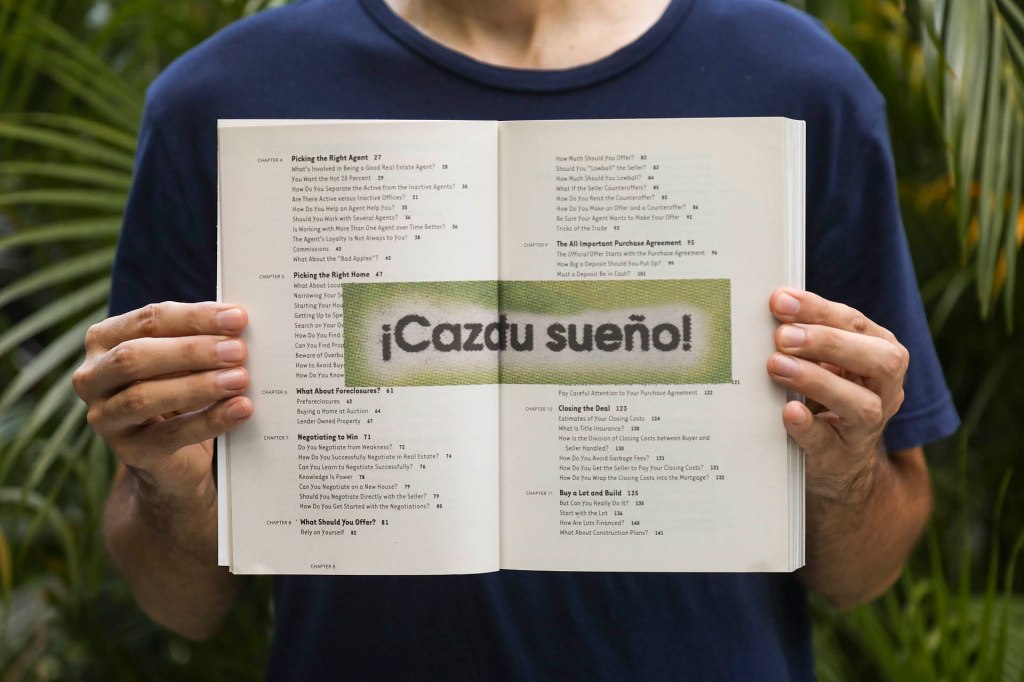
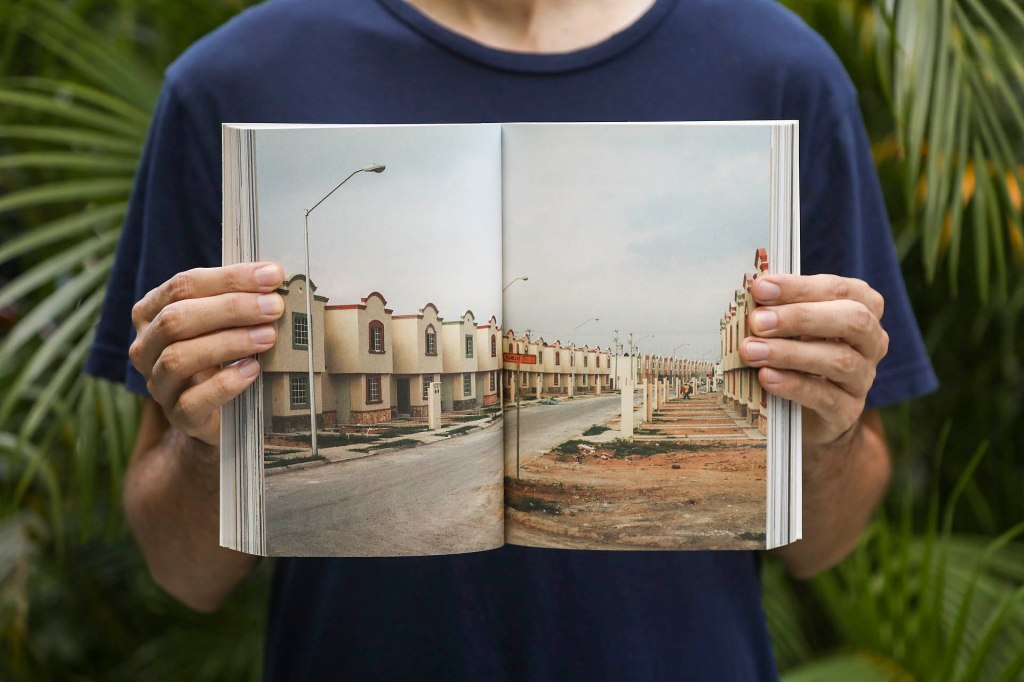
Revisiting the work of Alejandro Cartagena’s and in particular the book ‘A small guide to homeownership’ is a useful view of how a book can be constructed with a less formal way. Cartagena has crammed thirteen years of work into this book, including fragmented cities, which for me was, in part, inspiration for this project. The use of contemporary images set against kitsch vintage imagery, alongside the books text, offer the viewer immediate linkage to the idea of home and domesticity. The use of colour and black and white photography is used to identify the difference between historical, research images and Cartagena’s own photographs. This method only become apparent when properly viewing the book.
Fig 2 Alejandro Cartagena ‘ A small guide to homeownership’ 2020
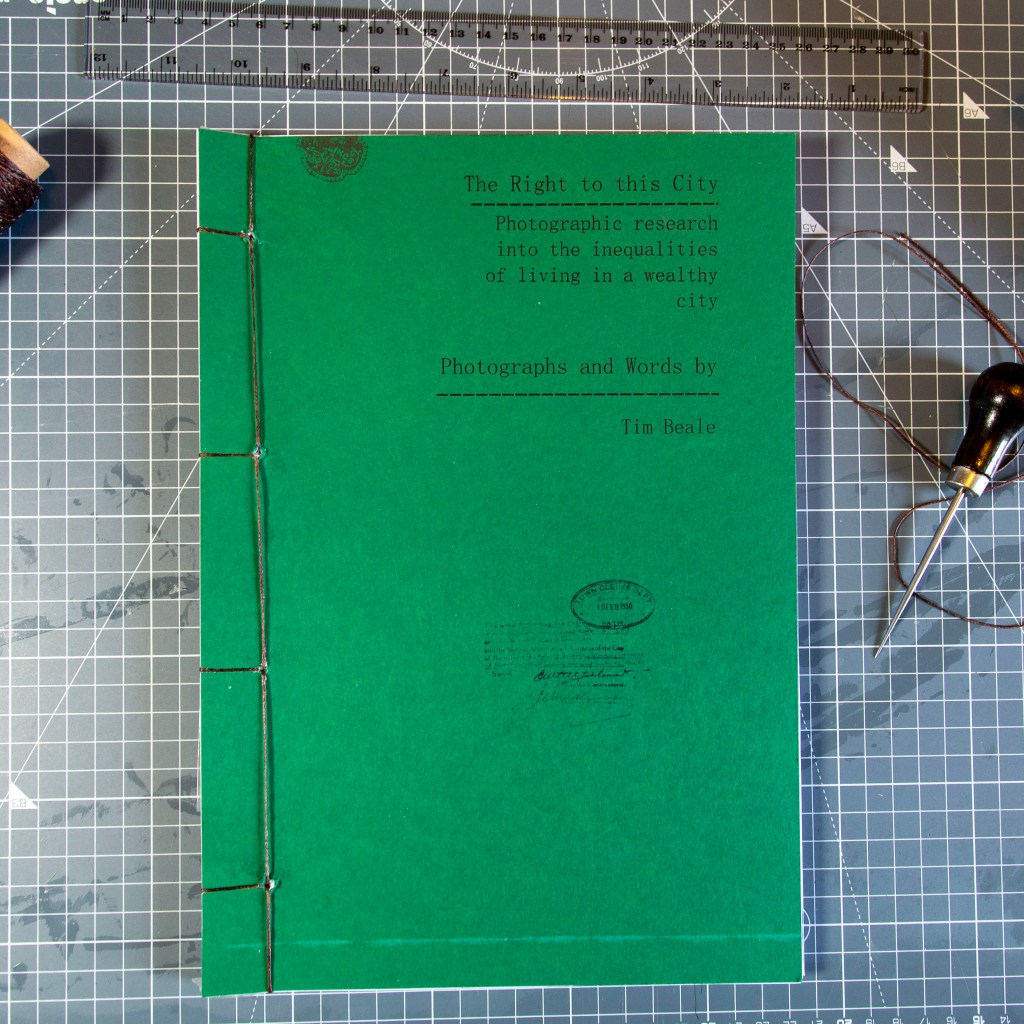
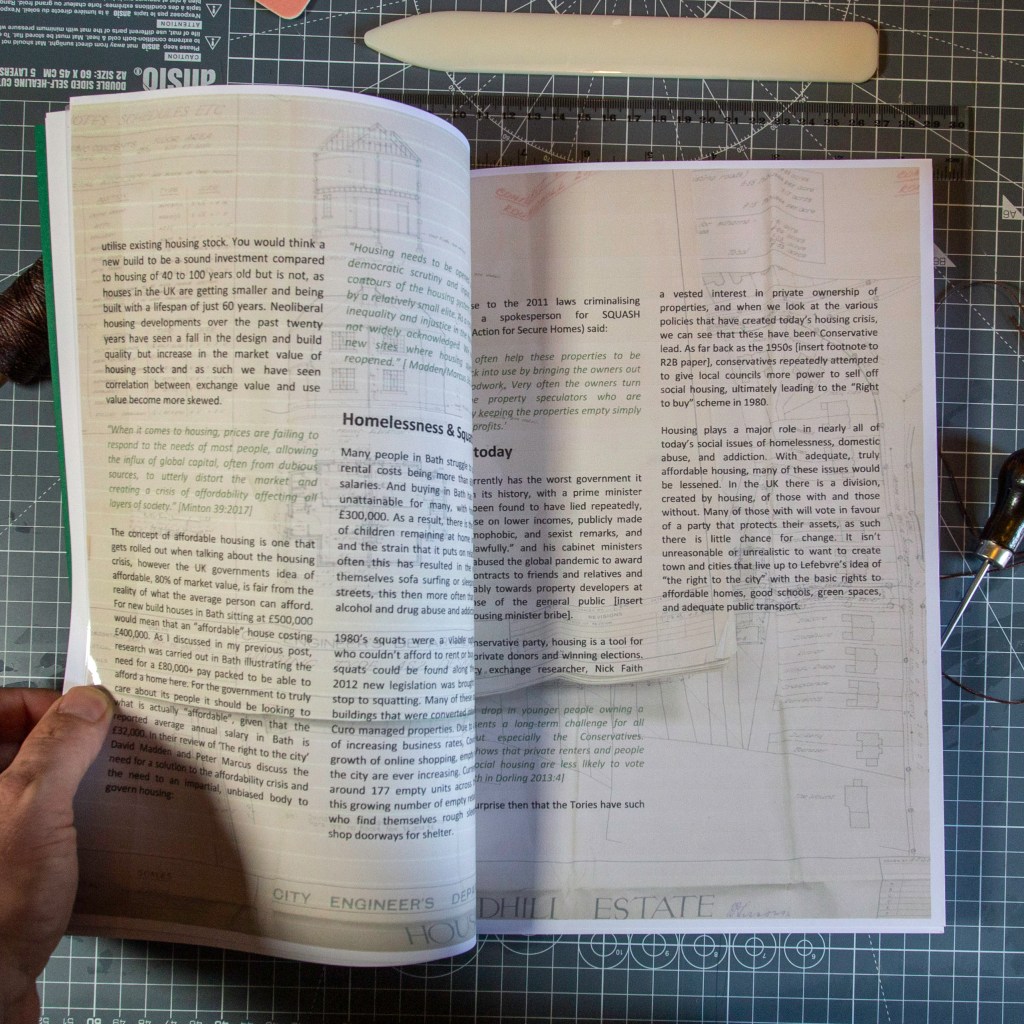
Within my own practice I draw upon many forms of research; historical documents, such as plans, tenders and contracts, research papers, books, and social media posts. Each have their own identity and as such I want to be able to show this in my work, this could simply be the use of the same font or layout to matching paper stock. Likewise, the positioning of text with photographs plays a key role, does the text sit above or below the image? Is this format too stale? The text I plan to use for this body of work is taken from the government English Housing reports, which links past housing policies with hard facts about our current housing conditions.
Fig 3 Tim Beale ‘The right to this city’ 2021 and research
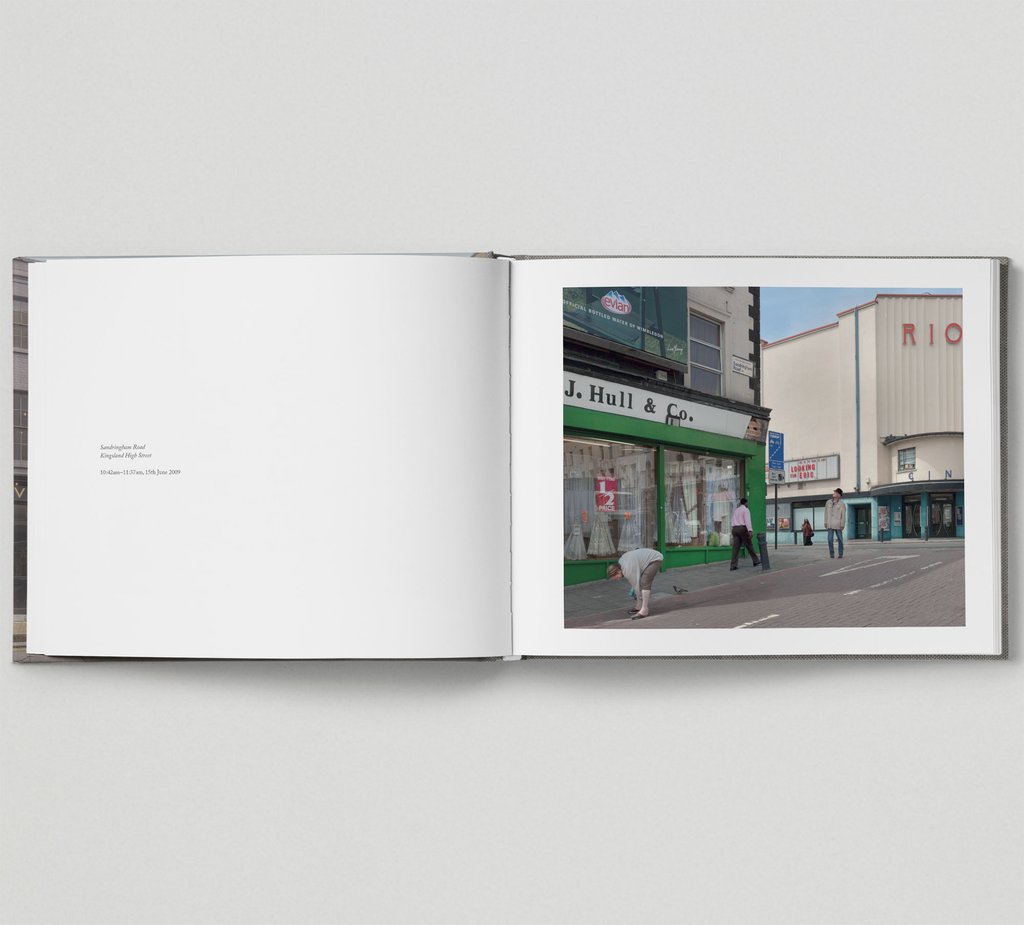
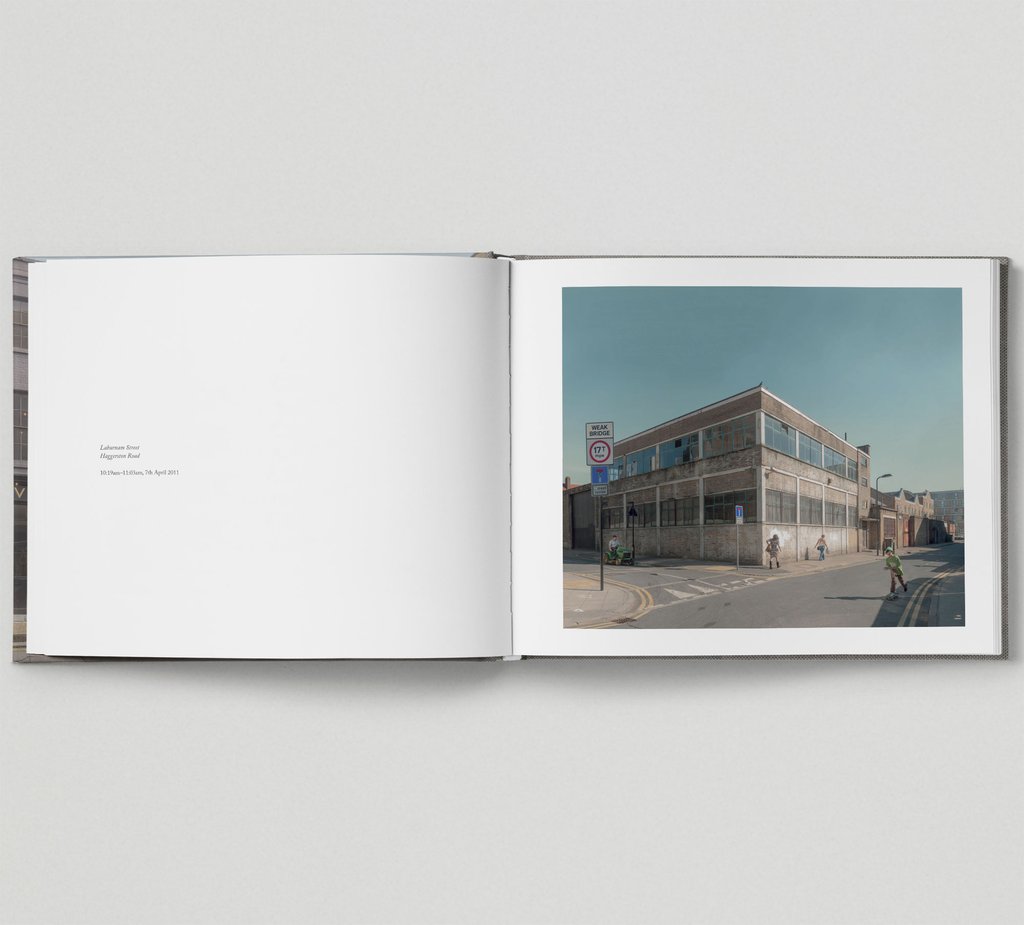
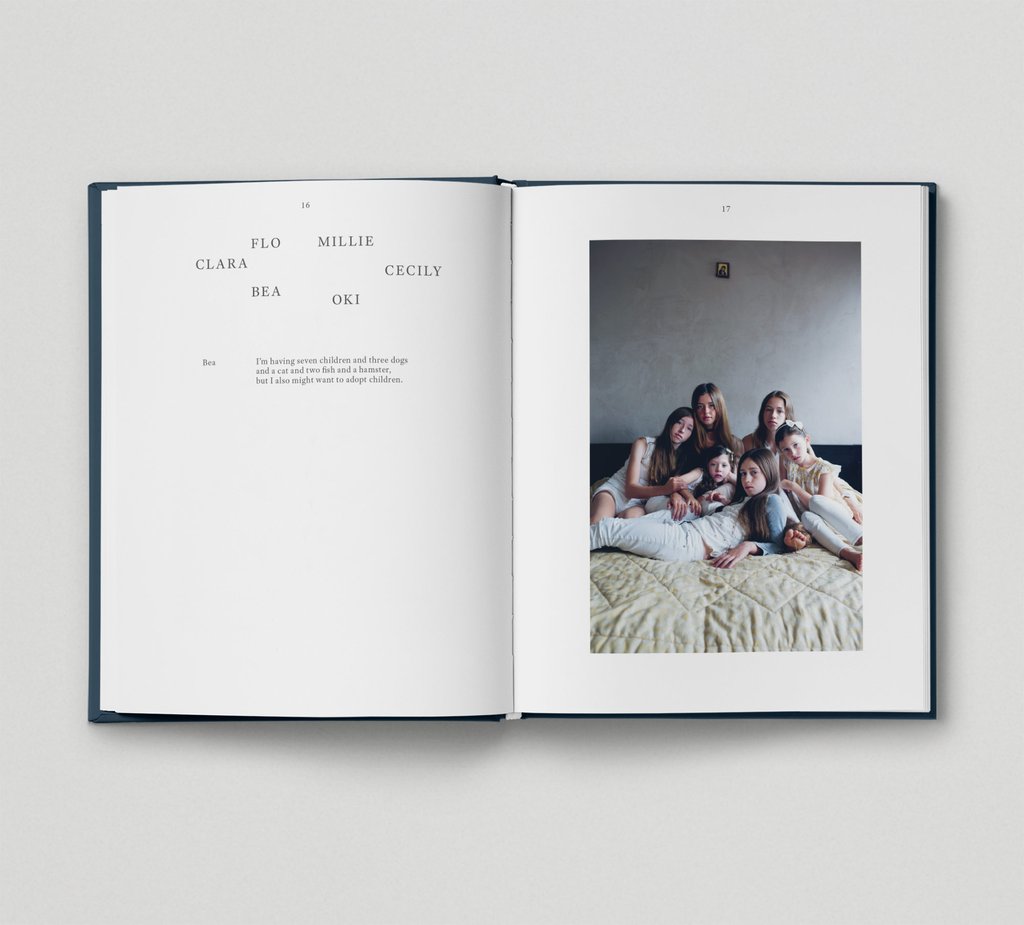
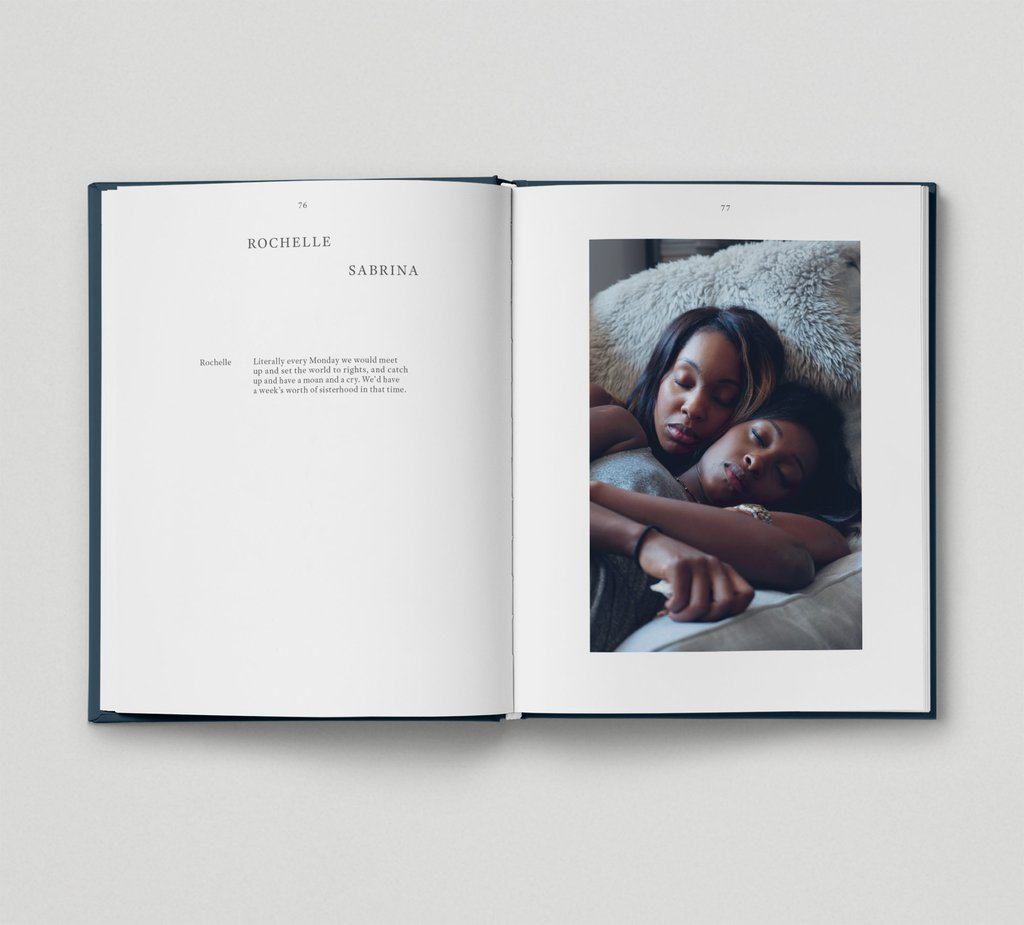
Looking at a few of the books produced by Hoxton press from photographers such as Chris Dorley Brown’s ‘Corners’ and Sophie Harris-Taylor’s ‘Sister’ in which each book adopts a similar format of placing the text on the facing page. This very simplistic style looks clean and contemporary as apposed to the ‘text book’ style of picture with text below, which would work well with the majority of the formal image text.
Fig 4 Chris Dorley-Brown ‘The Corners’ 2018 Fig 5 Sophie Harris-Taylor ‘Sisters’ by 2017
References
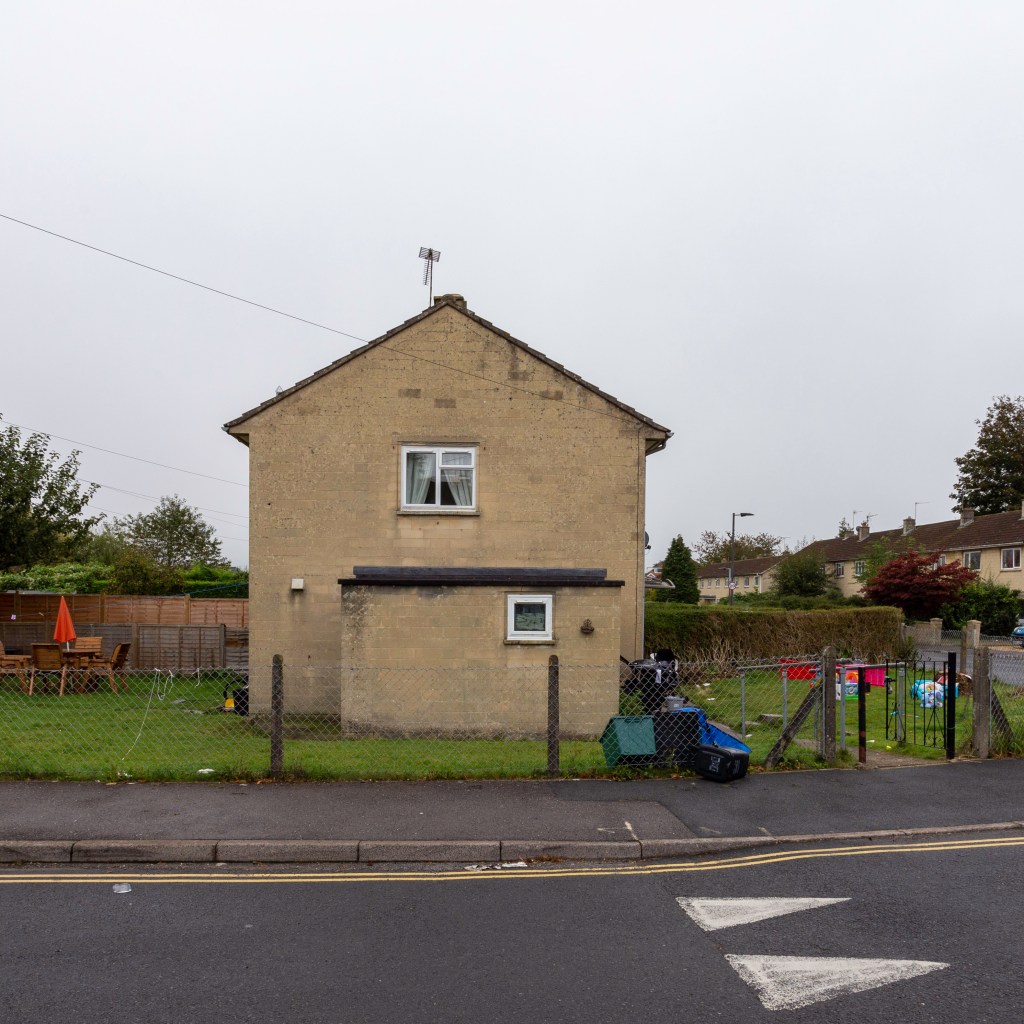
Fig 1 Tim Beale 2021 ‘Untitled’ from The right to this city
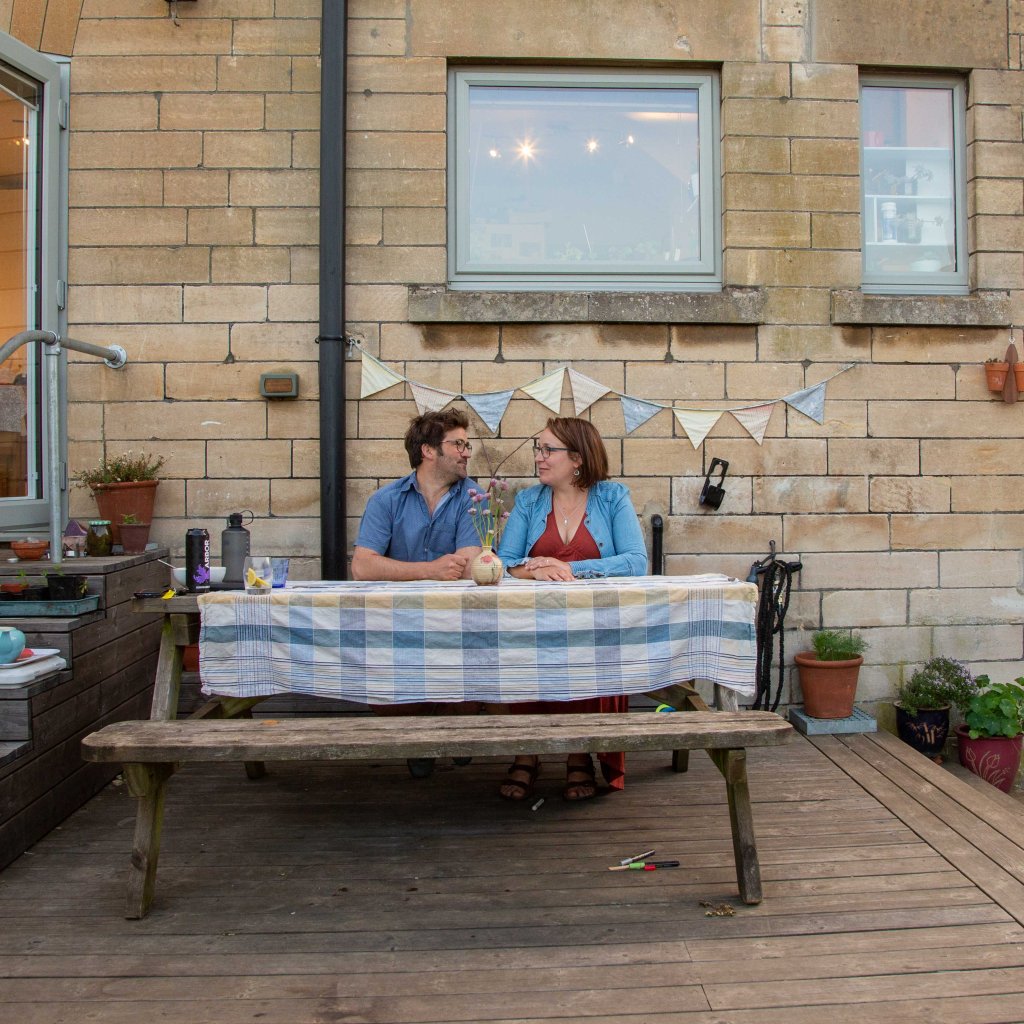
As I continue to interview the residents of Bath, as I explore its suburban landscape, I met with Christine and Phil. A professional couple living with their two children in the south of Bath having moved here in 2017 from Canada. Having initially rented they now own their house and have become integral parts of active community in that area.
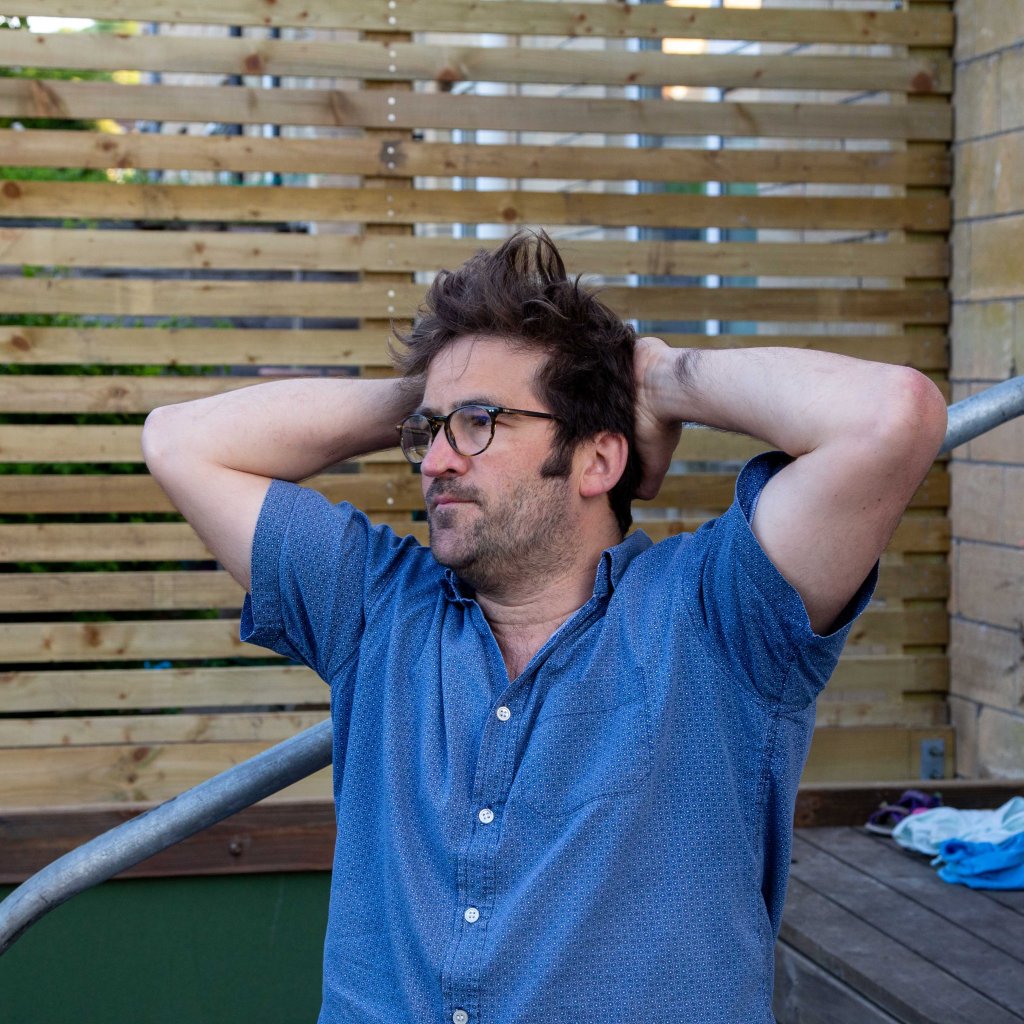
Figure 1-3 “Christine & Phil” Tim Beale 2021
“We definitely are the ‘Gentrification wave’ of Bath. Of this area. I don’t want people, that don’t have the same resources we did, to just think we have money and that we can just spend it. [When we started out] I definitely had money from my dad, but we just worked a lot. It’s not been easy.” [Christine 2021:interview]
This part of Bath sits alongside some of the most socially deprived areas, and as such often sees an over spill of antisocial behavior and crime. However, despite this there is a real sense of community here, with active groups coming together to improve the neighborhood for everyone’s benefit.
“Its something that shocked me at first, in this neighborhood we have quite a few [whispers] ‘quite rough families around’. So, I wasn’t sure if we’d be happy here, lots of antisocial behavior. But then by meeting people from school and the community we really got on with, I realised that the antisocial people are like just 1%. 1% that make a lot of noise, but most people around here are so freaking nice.” [Christine 2021:interview]
“For me it’s much more about growing a network of friends in a community. That’s the strongest thing for me [about living in this area of Bath] trying to encourage this feeling of community and friendship, know that there’s a lot of opportunities, for friendship where we are.” [Phil 2021:interview]
The choice to live in the South of the city was one of economics, initially at least but now the location, close to the outskirts means a quick escape from the city into wilderness. As for many, Christine and Phill are planning an extension to their home. The prohibitive cost of property in Bath eliminates the option to sell up and move to a larger property.
“According to the National Housing Federation, average house prices are now 14 times the average earnings in Bath and north-east Somerset – a figure that has nearly trebled since 1999. A family must earn at least £87,106 to afford a mortgage in the area.” [Wall 2018:online]
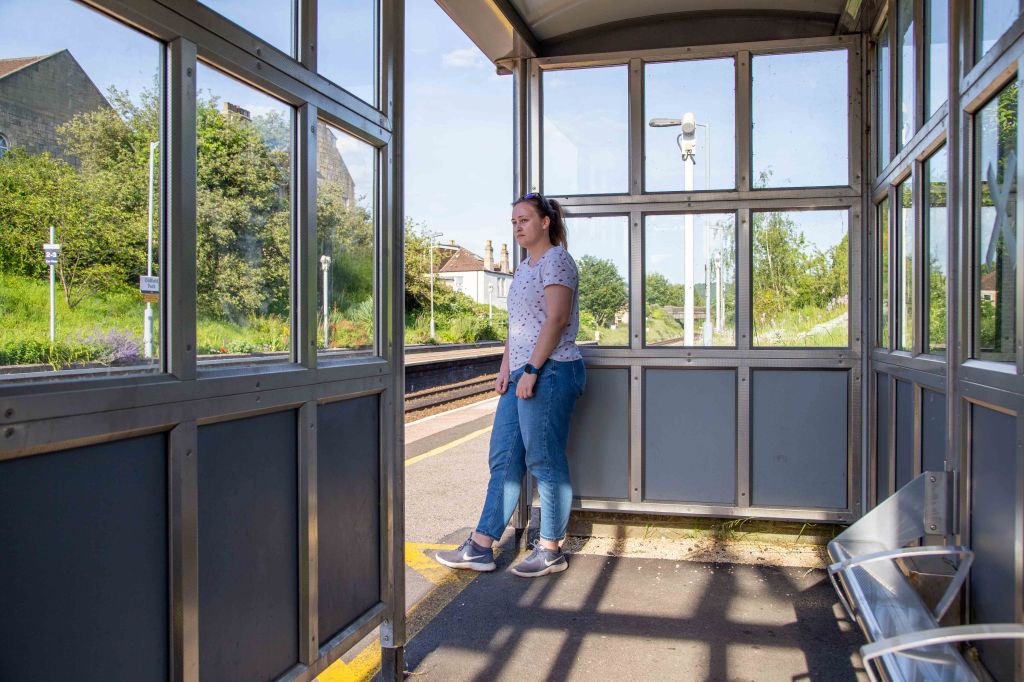
Given that the average household income for Bath is £38,000 it is easy to see why so many struggle to get onto the property ladder. In an interview with Caitlin, an ex-Bath Spa student and recent resident to Bath, she discussed the fact that many people who live and rent in Bath will more often than not look to move to towns further afield when looking to buy:
“You get a lot of people that rent here but then when they look to buy, they have to look outside of Bath. They tend to migrate out rather than in.” [Caitlin 2021:interview]
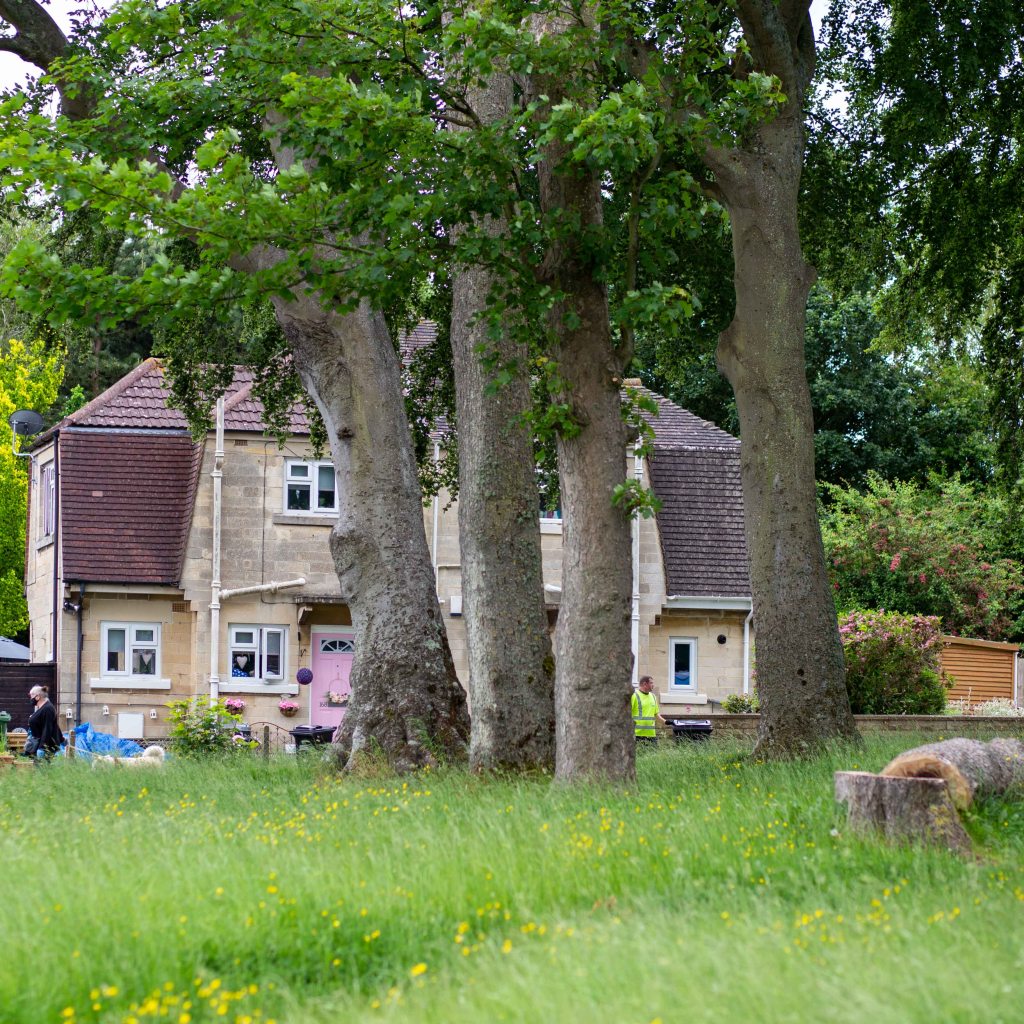
Figures 4&5 “Caitlin” & “Post-war social housing: Whiteway Circle” Tim Beale 2021
The cost of renting and buying in Bath seems to stem from two key issues, the influx of financially successful people from London and the southeast, and the lack of family homes due to the vast number of HMOs (House of Multiple Occupancy) such as student houses and holiday lets.
“People have gone from owning a property in London. The next step is to own a property in the countryside and still be close to London.” [Phil 2021:interview]
This issue of cost of living in the city has lead me to research the work of the French theorist Henri Lefebvre, who in 1968 published “Le Droit à la ville:The right to the city”, an influential piece of literature that has been used across the globe as a manifesto for city development and the wellbeing of its occupants. Lefebvre outlined that the right to the city meant, the right to affordable housing, a decent school for the young, accessible services, reliable public transport, but most of all the right to live and be happy in the city. Fifty years on it seems not a lot has progressed, certainly in Bath, where developers are only building luxury apartments. We find that inequalities are ever present in Bath with pockets of deprivation, mostly found in the outskirts to the Southwest city.
Despite Bath’s appearance as a wealthy city devoid of social issue this is far from the truth and sadly the same issues that all cities across the UK face, to a greater or lesser degree. As highlighted in a recent council report:
“Approximately 12%of children in Bath and Northeast Somerset were living in poverty in 2017/18, increasing to approximately 19% when housing costs had been taken into account.” [BathNES 2019:report]
Despite such harsh figures the local council and central government appear to be doing very little to solve these issues. Reviewing the 50 years since the publishing of “The Rights to the City” Anrea Gibbons writes about the Tory’s approach to housing:
“There is so much to say about a system that increasingly treats housing as a means to accumulate capital, never as a home. A creeping worldview that only understands the value of housing as a commodity, as something to be bought and sold, speculated in, land banked. To them, where you live is only a piece of property subject to global markets, real estate whose value is tied to location and status rather than its conditions, the wellbeing or stability of its tenants, its impact on the neighborhood.” [Gibbons 2018:48]
Over the past four years that I have lived in Bath I have seen a sizable number of developments across the city and see more in production as I write this. These have consisted of luxury two-bedroom apartments, student halls, hotels, and overpriced housing estates. Increasingly often developers attempt to get away with reducing the number of “affordable” housing they include in their new estates for few of loss of profits. So called “Affordable” housing in Bath is a fallacy given that the government requirements for a house to be classed as affordable is for it to be 20% below market value. The new housing coming onto the market has an average value of £600,000. This would place a so-called “affordable” house at £480,000. Incidentally, the last piece of social housing to be built in Bath was 1972.
Figure 6 “The last social housing in Bath” Tim Beale 2021
In his series Suburbia Mexicana Alejandro Cartagena uses urban landscapes and portraiture as a medium to represent the Mexican urban sprawl and rapid development around the metropolitan area of Monterrey. His images tell of the inhabitants and the struggles they face in these new fragmented cities.
“The different aspects of Suburbia mexicana propose alternate narratives, which depict a global issue from a local perspective. Ii feel that my commitment as a photographer is not to denounce our need for a household, but rather to point out the struggle we face following the ideals of a capitalistic system while striving for fairer cities in which to live.” [Cartagena 2009:online]
Cartagena’s portraits are simple and hold a truth to them, the way his subjects stand or sit. The topographical images of the cities site alongside the portraits and offer the viewer a real sense of place. This body of work really resonates with my own practice as I stive to capture people in a naturistic way, avoiding the deadpan look of other contemporary documentarists. The architectural and topographic images I am aiming to capture are ones that do not dwell or exploit the dilapidation of socially deprived areas, capturing the simple beauty.
“The space between” is a project born out of my exploration of how the natural and built environment has helped to shape the person I am. This project was born out of my fascination of the emotional bonds we have with our environment, how those bonds and links strengthen during the course of our lives. Often when we recall a memory of a key life event we will associate that memory with place, the house we grew up in, the school we went to, church we married or graveyard are parents are buried.
“Biophilia is idea that humans possess an innate tendency to seek connections with nature and other forms of life.” (Rogers 2019).
Within my images I set out on a personal journey to explore the places of nature that I have a subconscious bond. From an early age I would often spend much of my time escaping to nature, even skipping school so that I could go for long walks in the woods and planning imaginary journeys to Sherwood Forest. Jeff Wall’s tableau photography has been a source of inspiration for my practice so I looked to adopt a similar style to my own work for this project.
As one of the most prolific users of the tableau is Jeff Wall who’s images are created from scenes he has witnessed or memories, these he meticulously recreates. Wall’s exhibition ‘Tableau Pictures Photographs’ 1996-2013 we see images such as ‘Flooded Grave’ in which an open grave has been filled with water and sea life, such as star fish and sea urchins. This is typical of the way in which Wall plays with the tension between the real and the unreal. For Wall it is the way in which we fill voids with our daydreams, in our daydreams we see what isn’t there (Poel & Schweiger 2014). When exhibiting his work, Wall uses large light boxes to display his colour images, giving them a luminosity that adds a hyper real quality to them which is turn confronts the viewer with the drama in front of them. The images become more than a photo and more akin to a lit stage. Wall a post graduate in art history has a deep understanding of how space is full of relationships and how to construct a visual scene for the viewer.
“they [Wall’s images] are evidence of a detailed comprehension of how pictures should work and are constructed.” (Cotton 2004:51)
Fig 1. Flooded Grave, Jeff Wall 1998-200
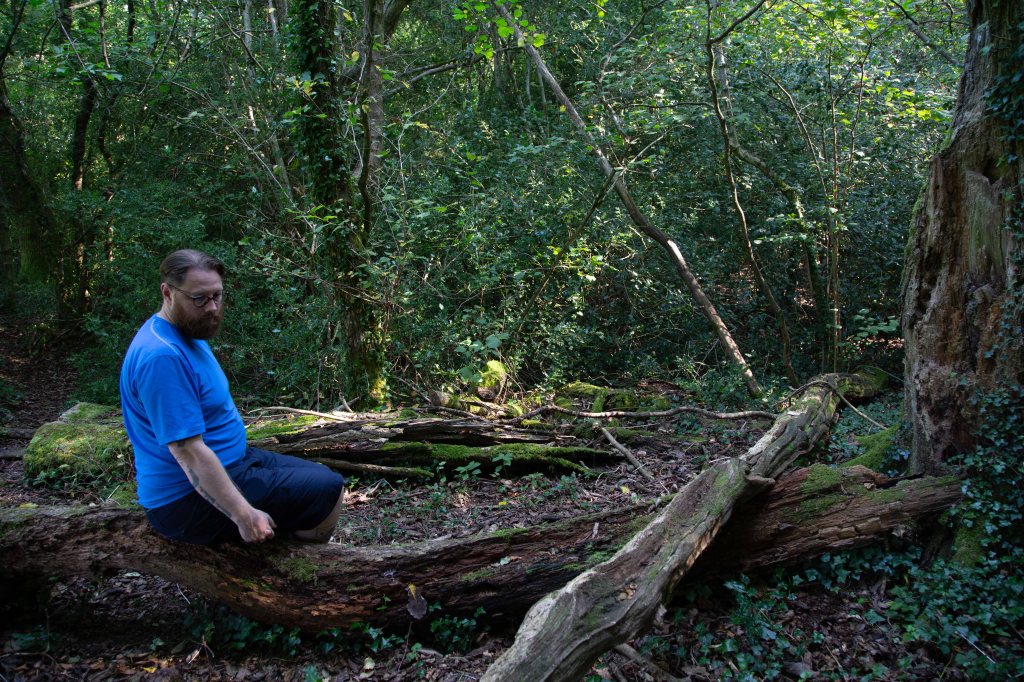
In my own imagery I have attempted to engage the view, giving them a glimpse of a story, just enough to leave them to create their own story. The choice of clothing colour was made prior to the shoot so as to achieve two factors, 1) not to overly blend in with nature and 2) not to stand out so as to distract the viewer’s gaze. The following images were used in my last WIP portfolio as I felt the to be reflect what I’d set out to achieve.
Fig 2. I come from a broken home, Tim Beale. 2020
Fig 3. Birth, Tim Beale. 2020
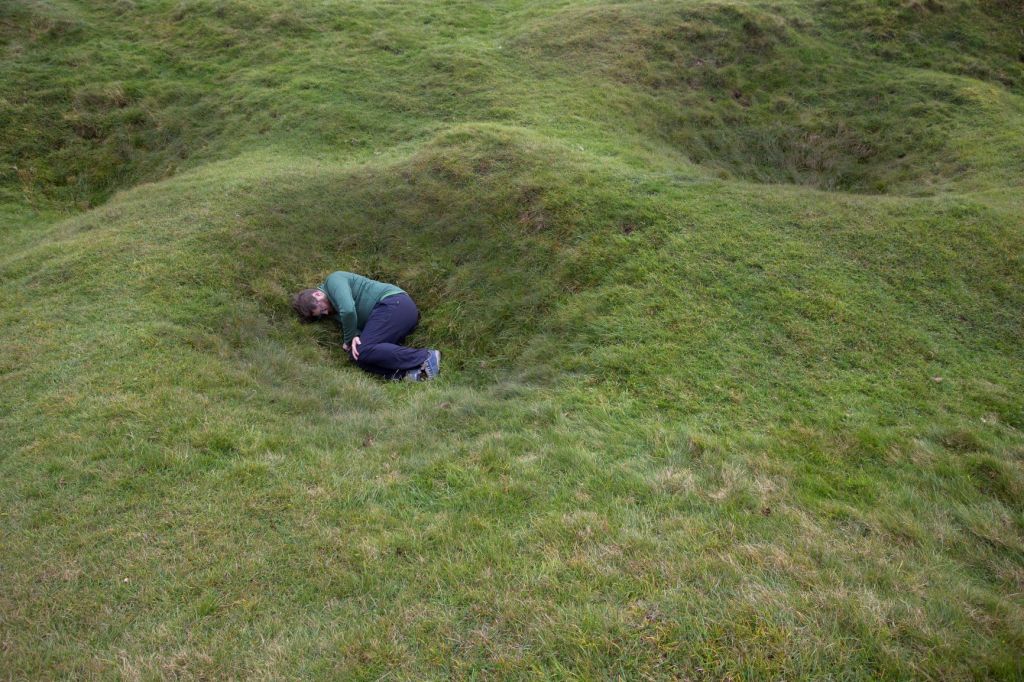
I felt that these images Figures 2 & 3 worked well as they have a stronger feel, the colours work, there is enough to tell a story without over complicating the image. Fig 2 was shot with 18th Century paintings in mind, particularly the work of Gainsborough. Making the undesirable landscape picturesque. Fig 3 uses the contours of the environment to create a womblike image.
Fig 4. Untitled, Tim Beale. 2020
Fig 5. Untitled, Tim Beale. 2020
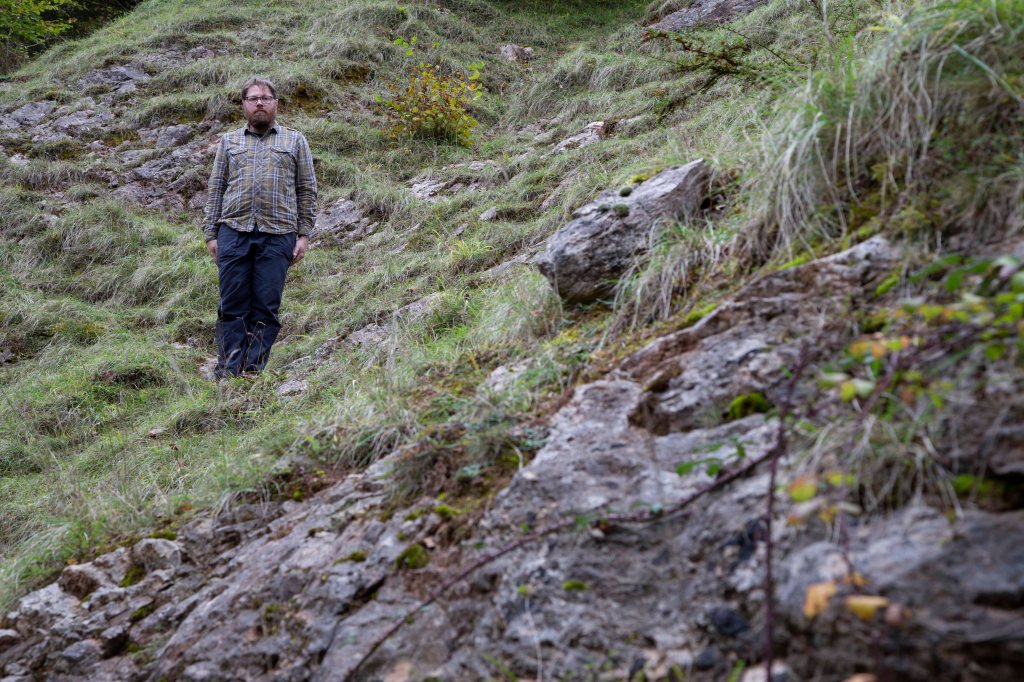
Fig 4 I feel didn’t quite work for me, the angle of looking up feels awkward and the distance from camera not quite right. Fig 5 the lighting was spot on as was the location, however the choice in clothing and colour pallet all wrong.
July 2020, shortly after the initial lockdown ended I took a trip back up to the midlands, Derby, to visit my Dad and step mum. This was also an opportunity to walk the streets, where I once played and visit some of the places that helped shape the person I am today. Then in September my dad died unexpectedly, this sudden loss has had a profound effect on me. My immediate response to the news was to try to escape and loose myself in the woods. I found this time spent, walking and thinking about my dad and my childhood has given me sense of clarity and focus.
I grew up in Derby, an industrial city made up of vernacular terraced housing and Victorian industrial buildings but surrounded by some of the most stunning landscapes in the country. The city was made for work and as such the people who live there are good practical, hard working people. Now some 20 years on after leaving Derby I find myself living in Bath, a city built for pleasure with grand Georgian houses. Two very different cities however each city has a communality (and like most UK towns and cities), the need to maintain something of nature. Walking the streets of our cities you can see nature given a space to flourish, gardens, parks or avenues of trees lining the roads. This notion of suburban nature is something I plan on exploring more during the next few months.
Fig. 6 George Shaw, Scenes from the Passion, 2002
Fig. 7 George Shaw, Scenes from the Passion, 2002
Fig. 8 George Shaw, Scenes from the Passion, 2002
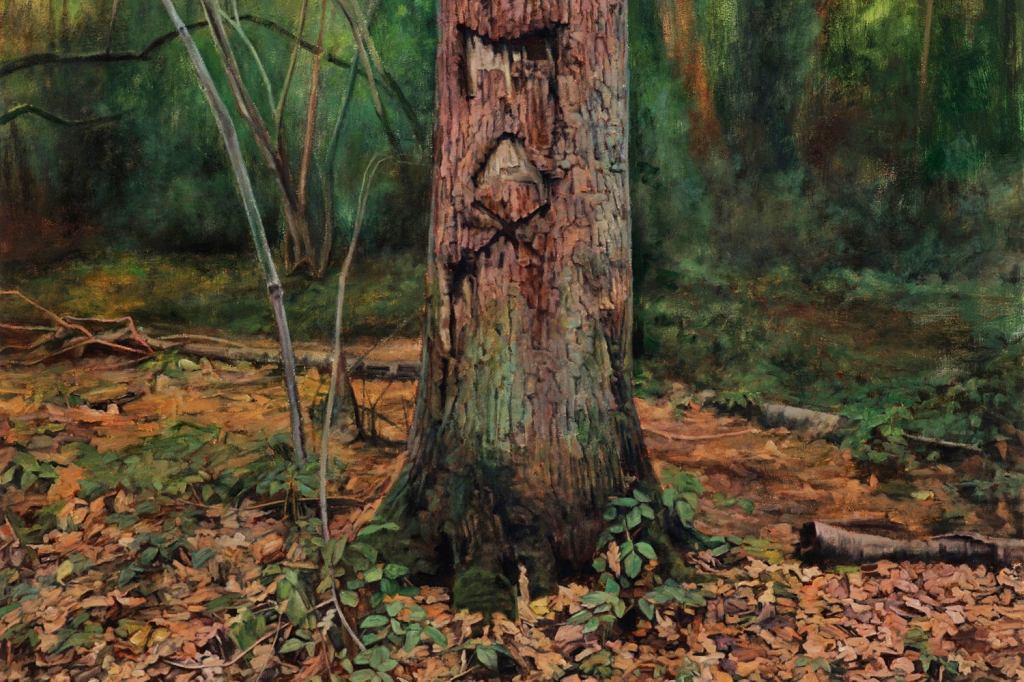
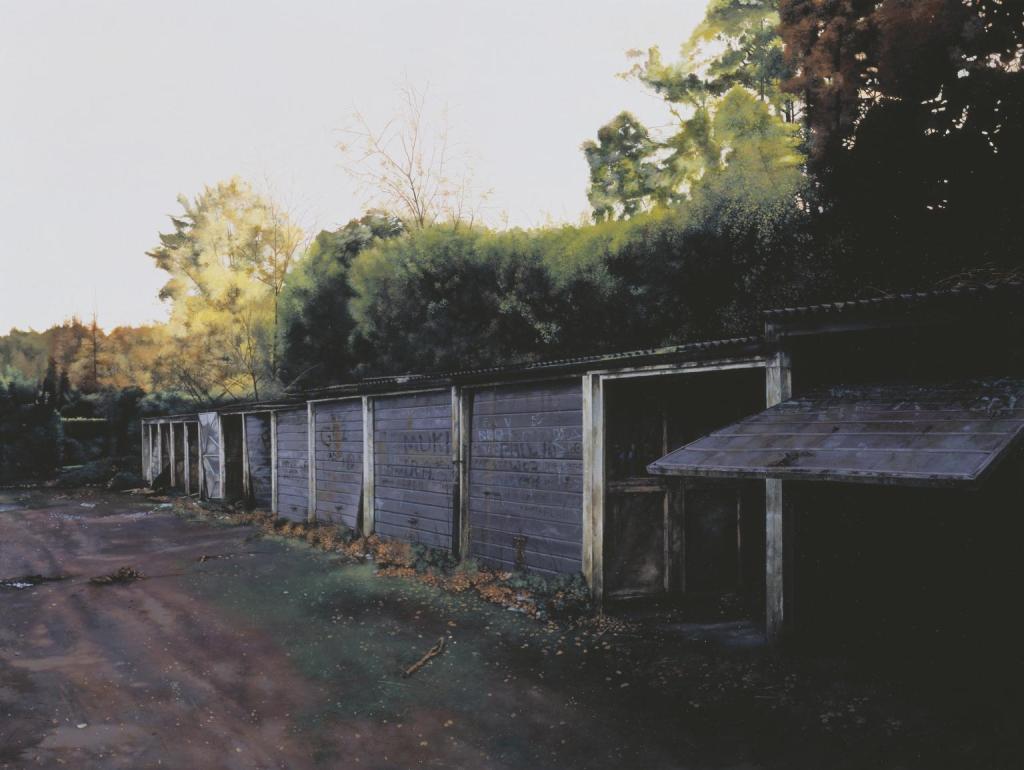
I was recently introduced to the work of a painter who also comes from the midlands George Shawafter sharing a number of my recent photographic works with a friend as he felt their were a number of striking similarities between our practices. Shaw who produces realistic images using humbrol paint on board, a paint I am familiar with from hours spent building airfix models as a kid with my dad. This unconventional medium for painting fits well with Shaw’s unconventional subject matter of council estates in the midlands. Again another similarity with my own upbringing in the midlands.
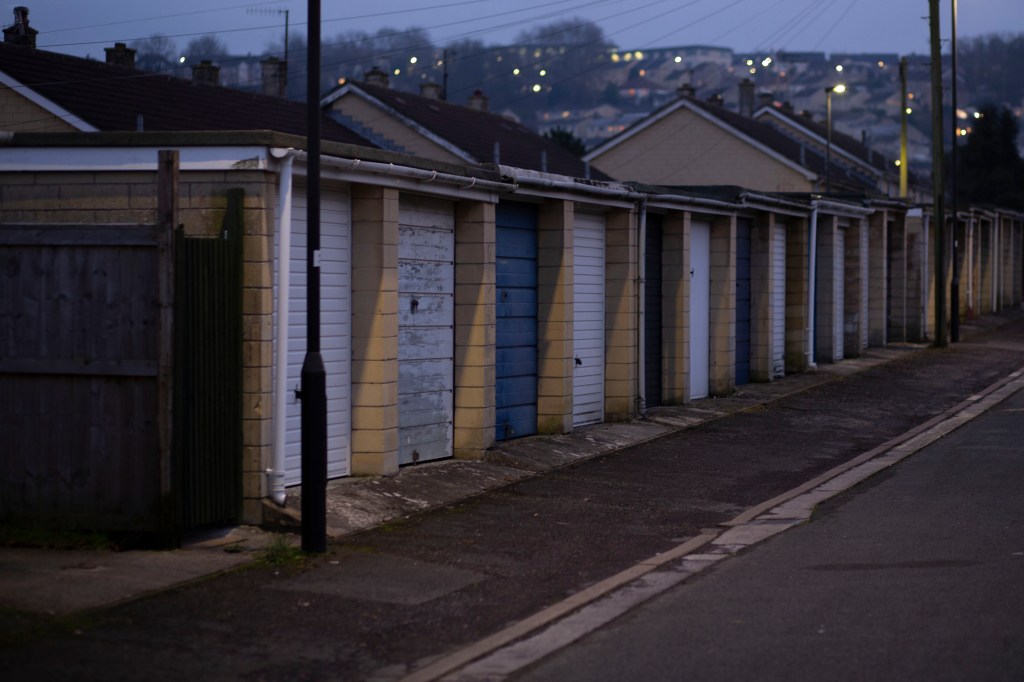
On first viewing Shaw’s paintings of middle England, I was struck with how the image, which has a photographic quality to it, seemed so familiar. Looking through a batch of recent images of alleyways and side streets I can across my own, unwitting, interpretation. Shaw’s images brought back memories of growing up in the midlands and as such the realisation hit me that this is why I have this odd fascination with alleyways and back streets.
“The drizzly visions of an empty, every man England transcend their bleak settings, inviting viewers to project on to them their own childhood ennui. A rope dangling from a tree, a lock-up garage left open, a broken goalpost: each one suggests possible youthful adventures – or traumas.” Tim Jonze (Jonze 2019:online)
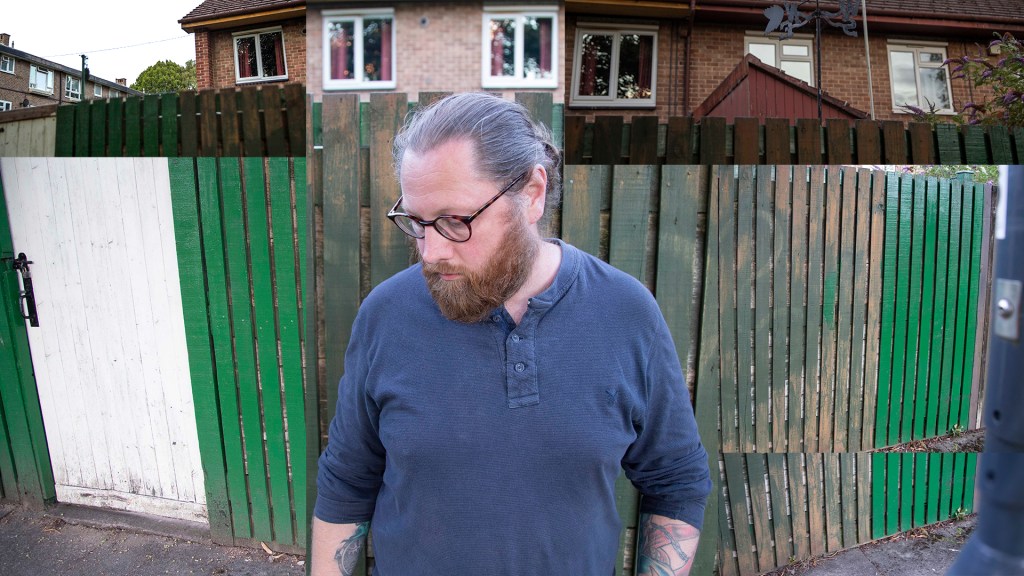
Fig 9. Self portrait behind Dad’s house. Tim Beale 2020
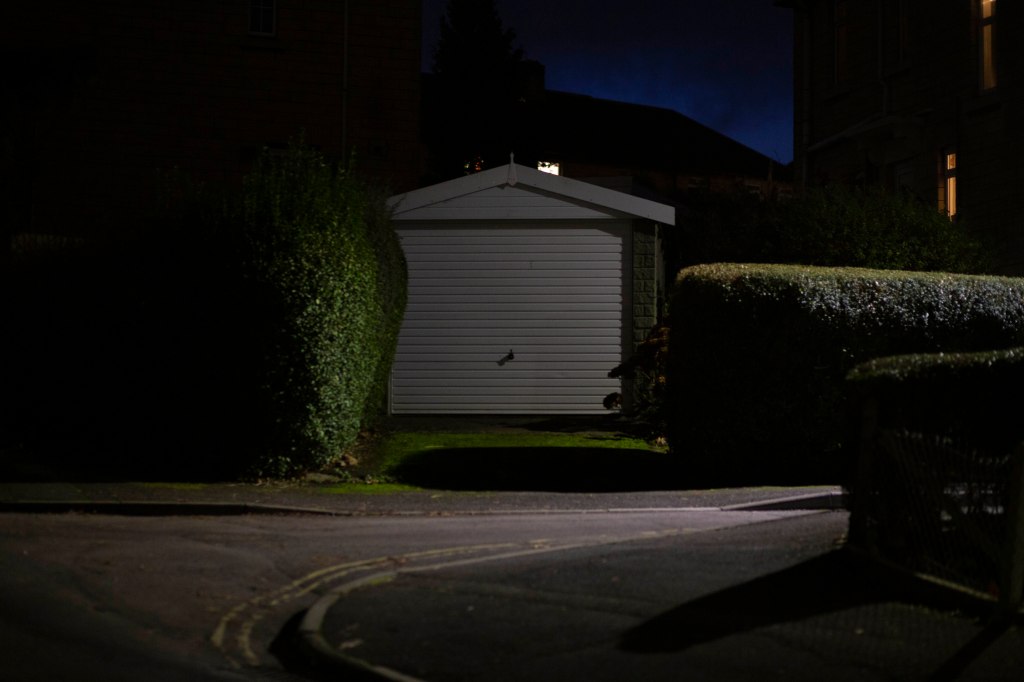
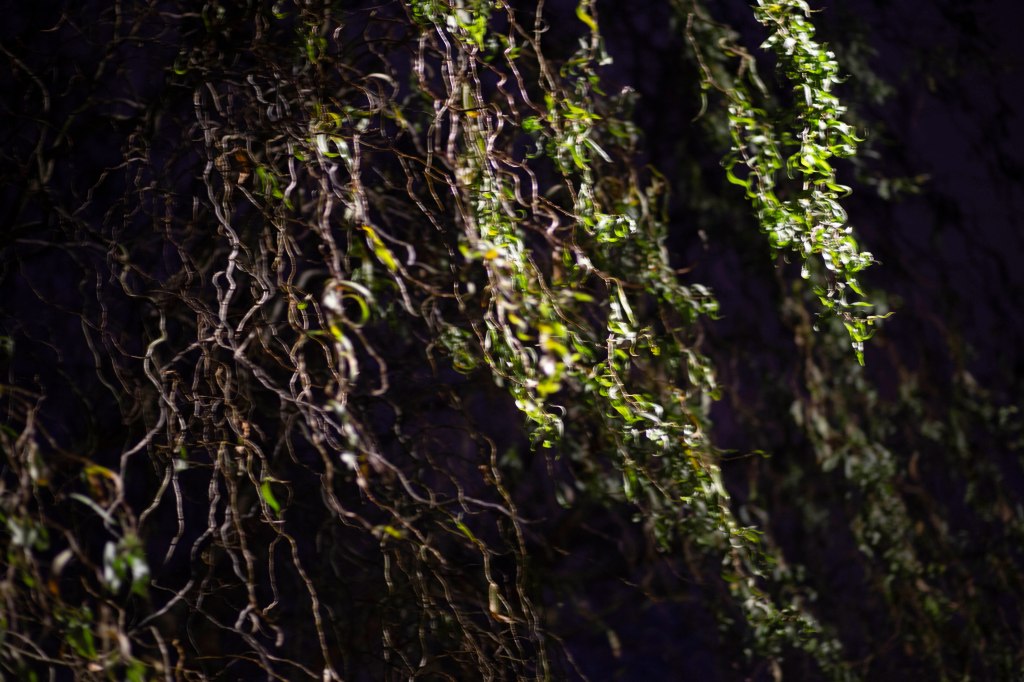
With a desire to explore city nature further,I took to the streets of Bath, not the grand Georgian city people are familiar with but the out of town suburban areas on the outskirts, my Bath.I want to remain true to the core concept of how nature influences our mental state, be it positive or negative, whilst documenting the use of nature in suburban places, such as those I grew up in.
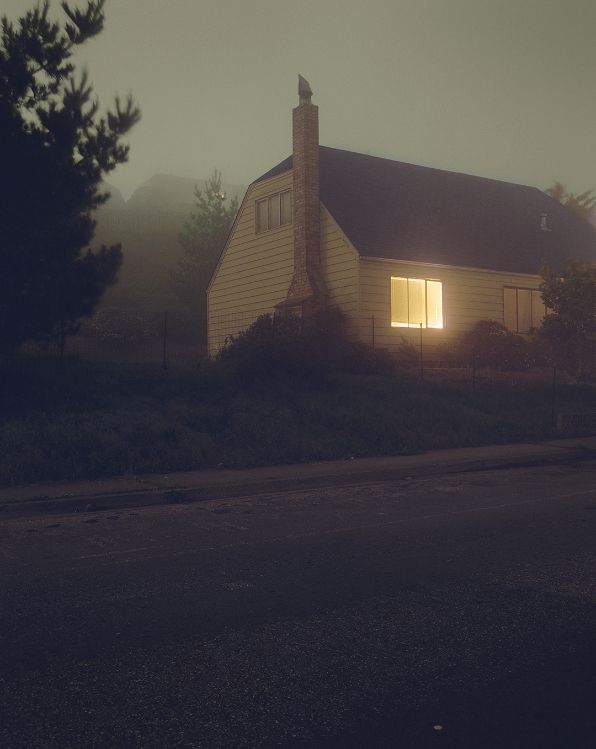
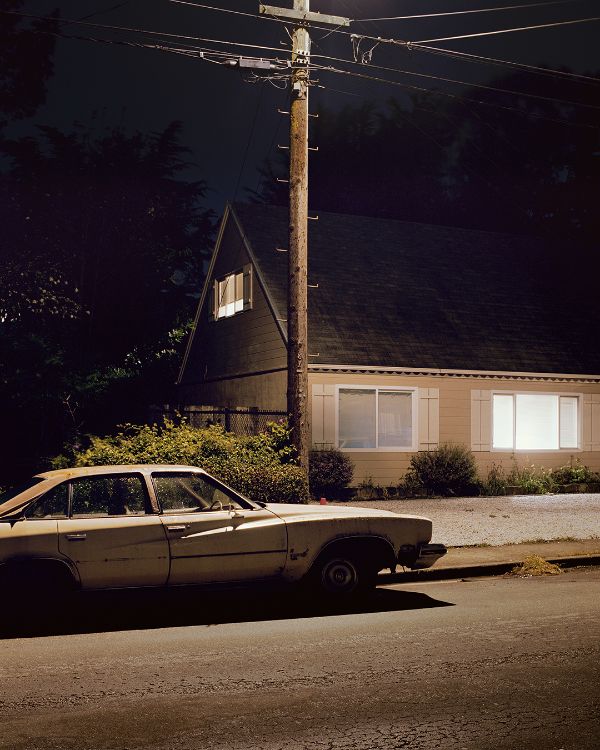
More recently I’ve been inspired by Todd Hido’s – House hunting series of images and have begun shooting at night. I saw in Hido’s images of suburban housing, a sense of mystery, suspense and just a little threat. Hido drives along ‘anonymous’ American streets, most likely in his home of San Francisco Bay area in the US, at night using the light from street lamps to capture images homes devoid of inhabitants.
‘I take photographs of houses at night because I wonder about the families inside them,’ ‘I wonder about how people live, and the act of taking that photograph is a meditation.’ Todd Hido (Christie’s 2017:YouTube)
Fig 10. Todd Hido, 1997. #2027-b
Fig 11. Todd Hido, 1997. #2027-a
I chose to photograph at night as the quality and effect street lighting can give offers something quite unique. I could have chosen to introduce lighting with flesh or lamp but this seemed unnatural, forced and unnecessary. Trees take on a more central role not having to compete with houses, as these recede into the background. Initially I dismissed the out of focus, blurred images but the more I looked at these the more they spoke to me. The fact that they are blurred not unlike our memories of growing up, some are clear and sharp whereas others are hazy and unfocused.
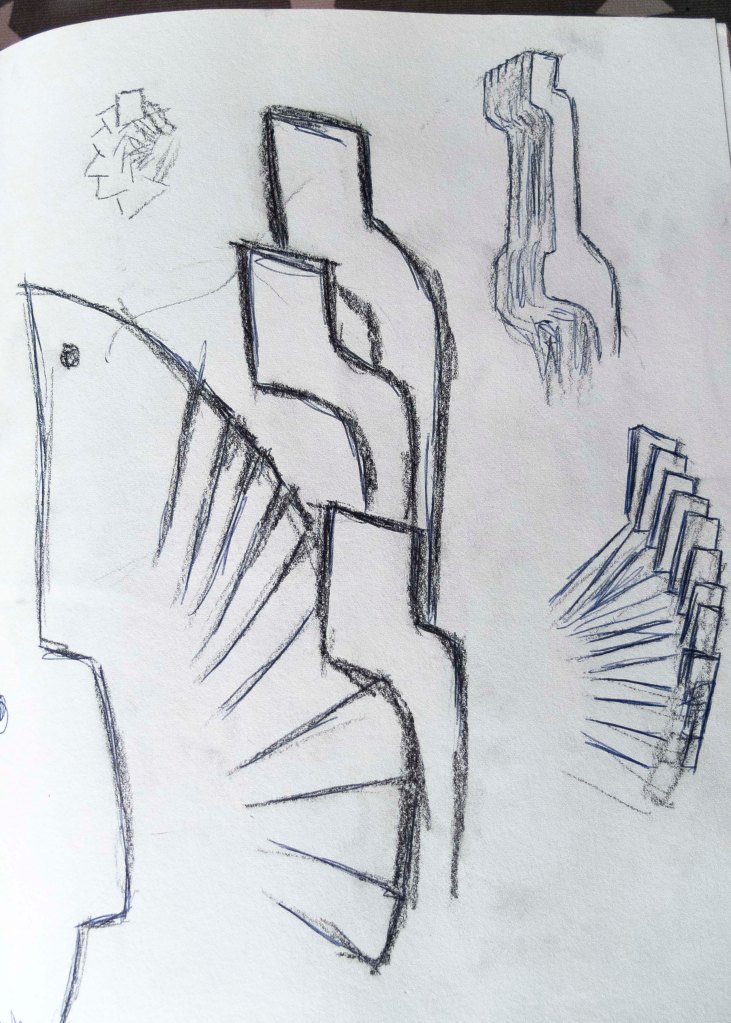
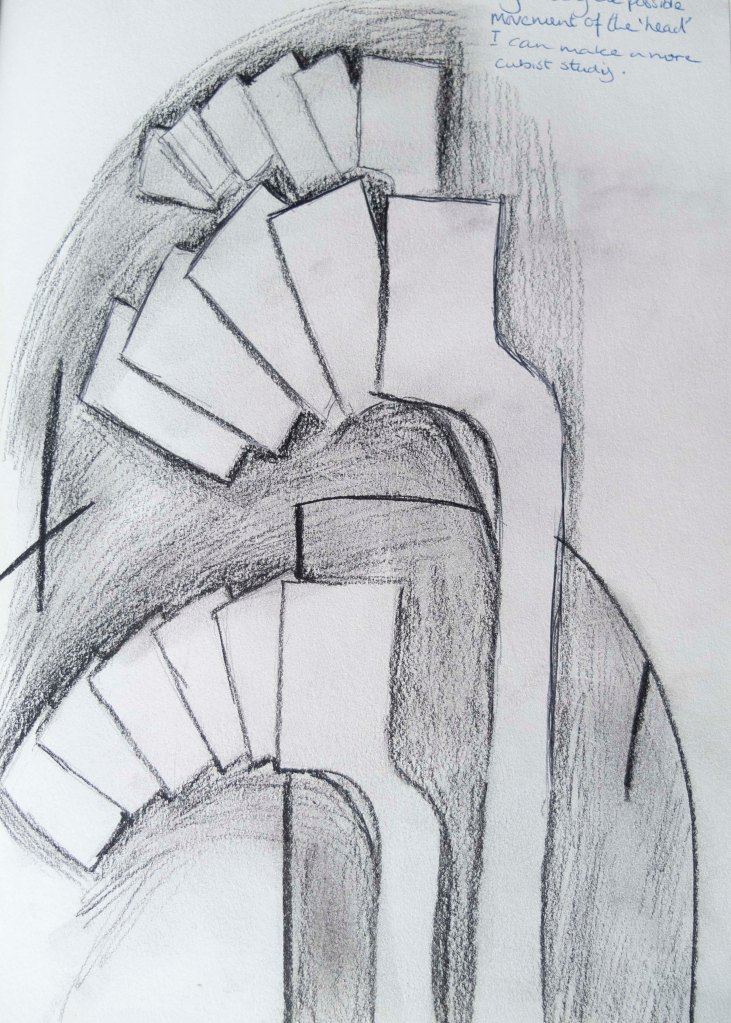
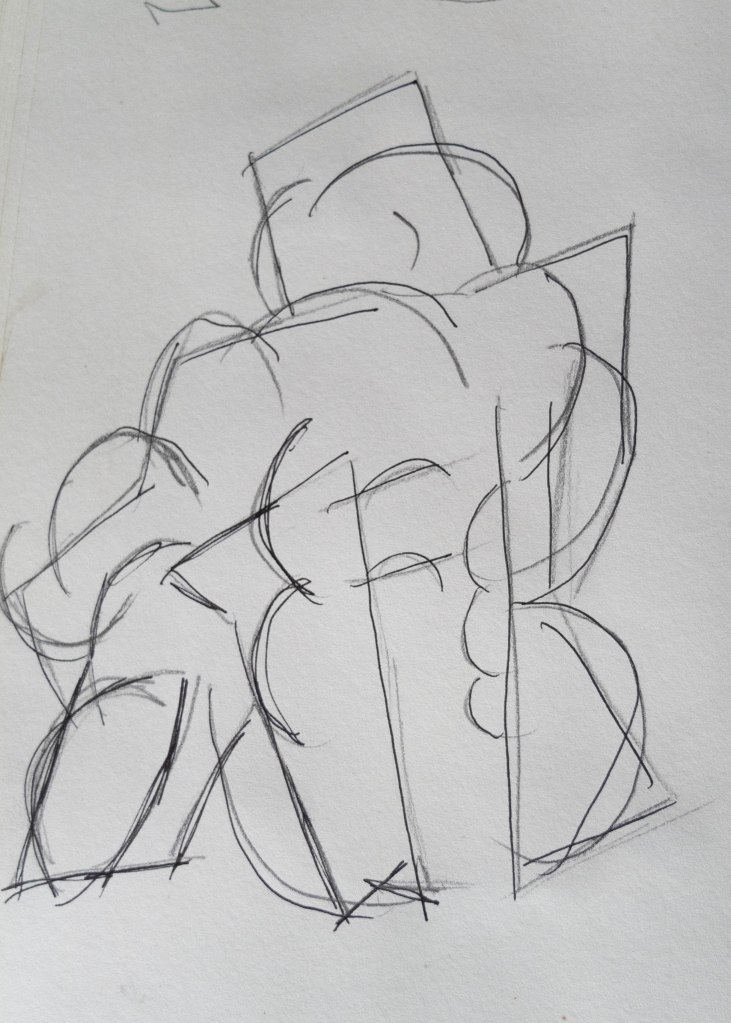
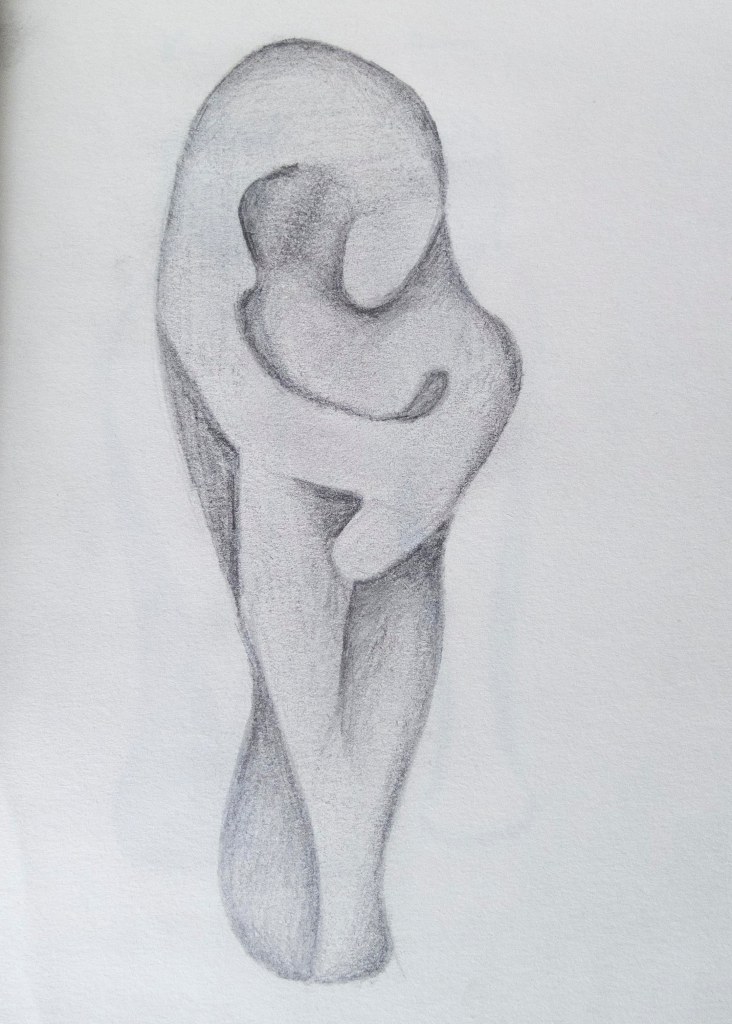
I find my practice being drawn back the influence of the cubist and futurist movements, either consciously or subconsciously. I recently rediscovered an old sketch book from my a-level ceramics course, some 28 years ago stored in my basement. Flicking through the pages it was very evident even back then I was drawn towards the way form is represented. The fracturing of 3D shapes so as to render 2D. Now realise that what first attracted me to these styles was the simplification and geometricisation of form that both the cubist and futurist produced in their practices.
A-level ceramics sketch book, T Beale 1992
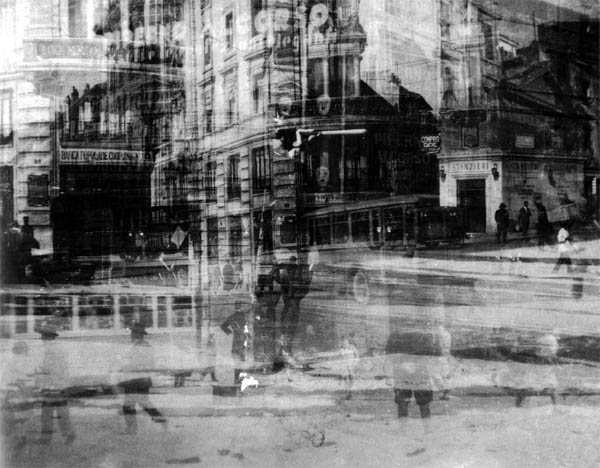
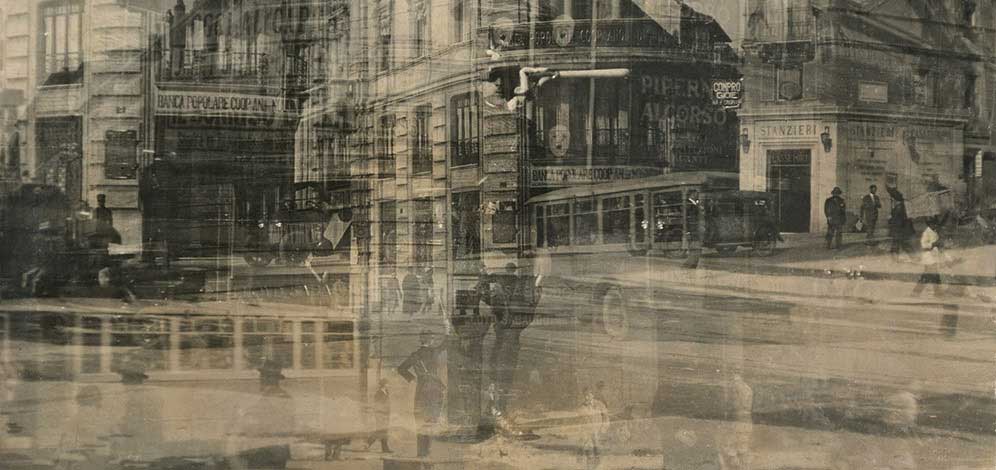
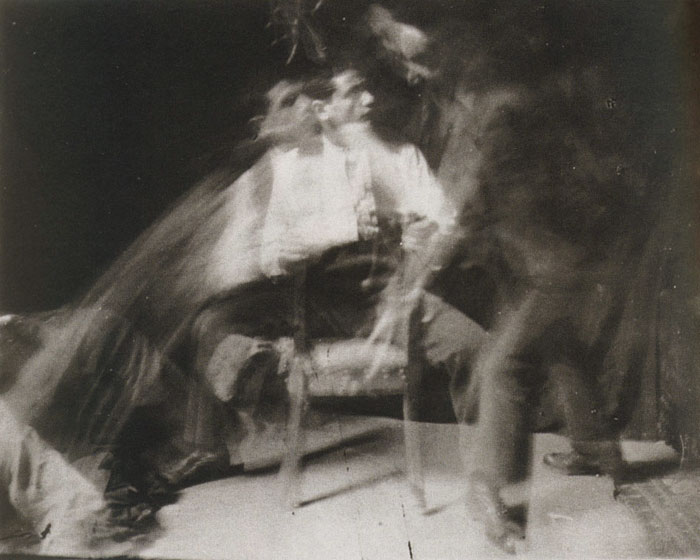
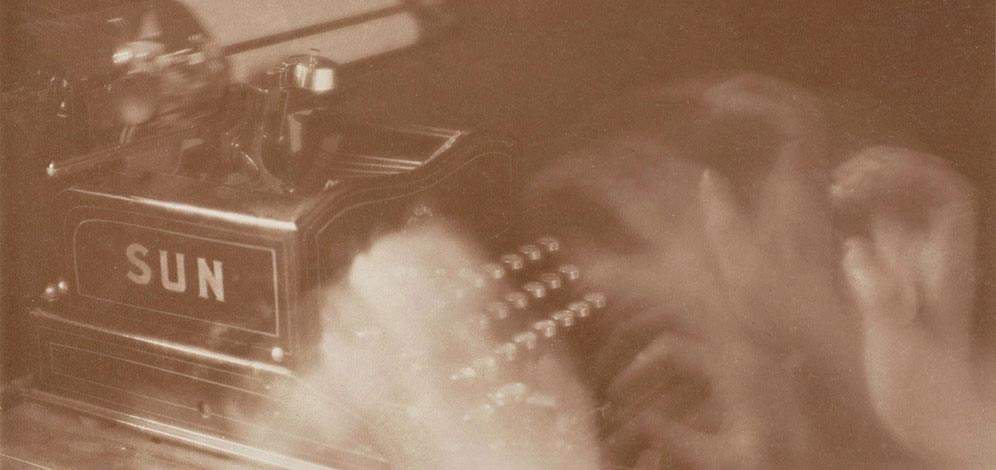
I remain interested in work by Picasso, Braque, Bellusi and Bragaglia, finding my current practice being influenced by their work. In particular the way in which they portray the dynamics of space, simplifying form, the use of multiple points of reference in an image to place it within its own space. In one hand the cubists looked to illustrate 3D space on 2D, wearas the futurists aimed to capture motion within a still image. When attempting to capture a feeling or something less tangible, the work of these two movements seems a good place to start.
Modern Traffic in an ancient city, Bellusi, 1919
Modern Traffic in an ancient city, Bellusi, 1919
Fotodinamica 4, Bragaglia, 1917
The typist, Bragaglia, 1920s
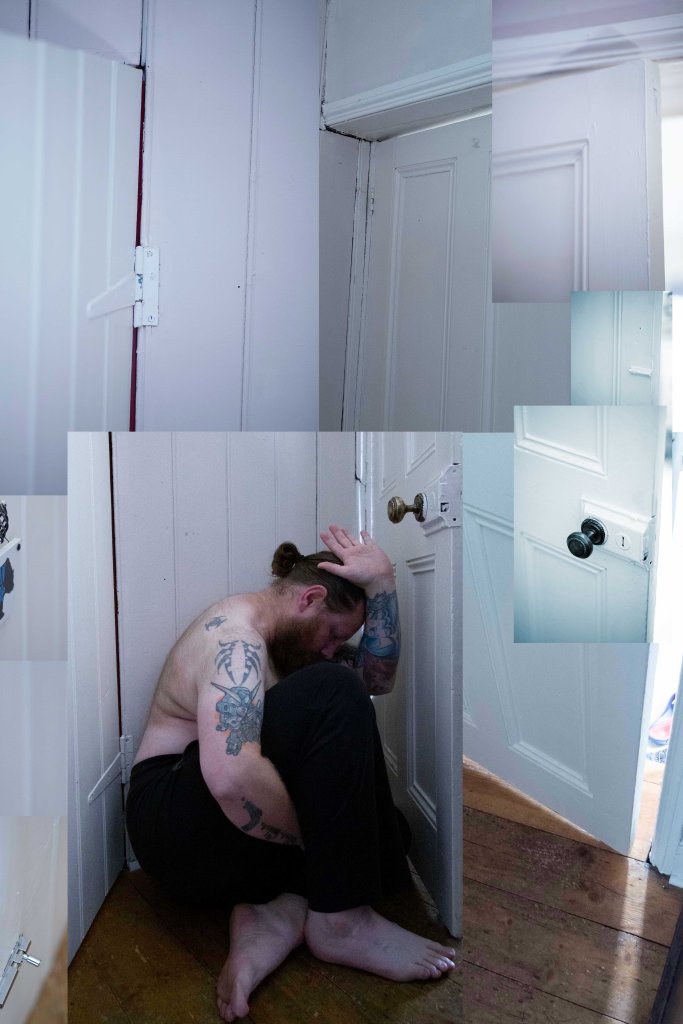
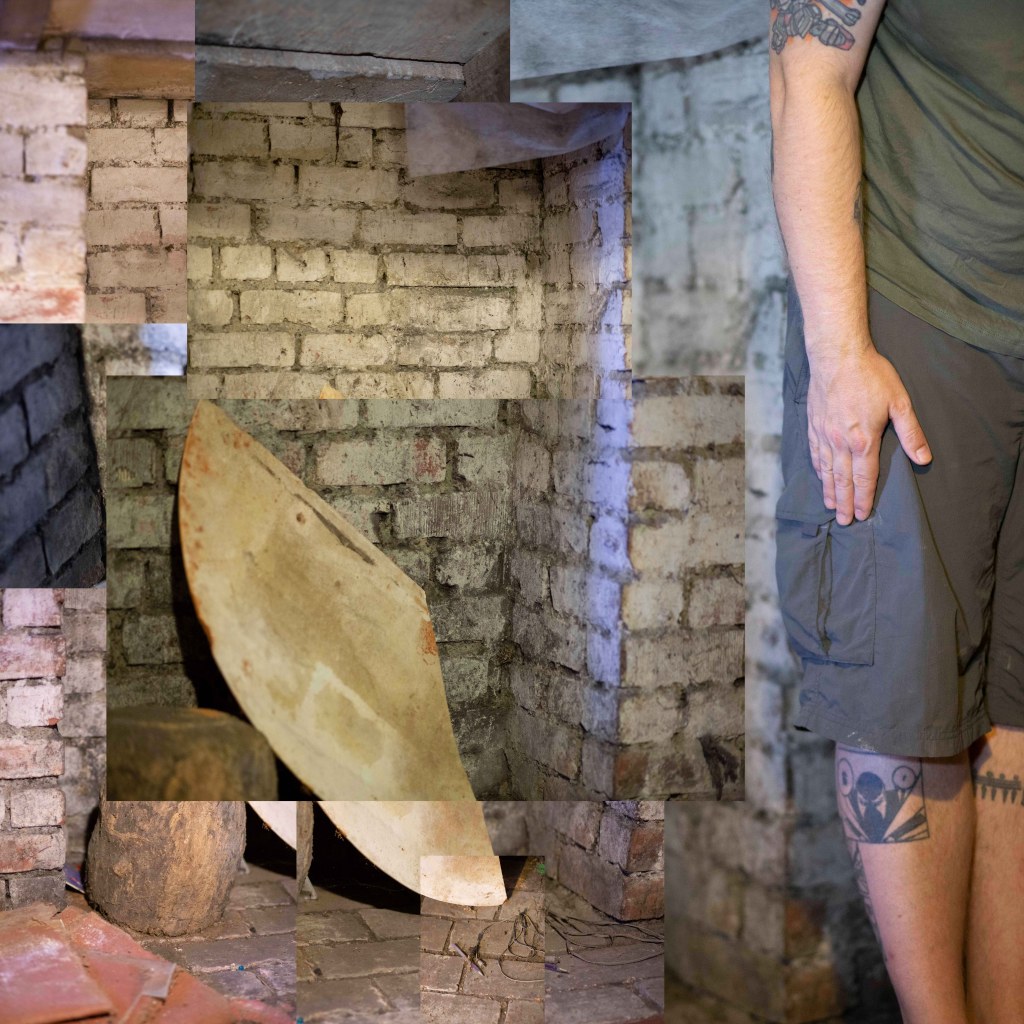
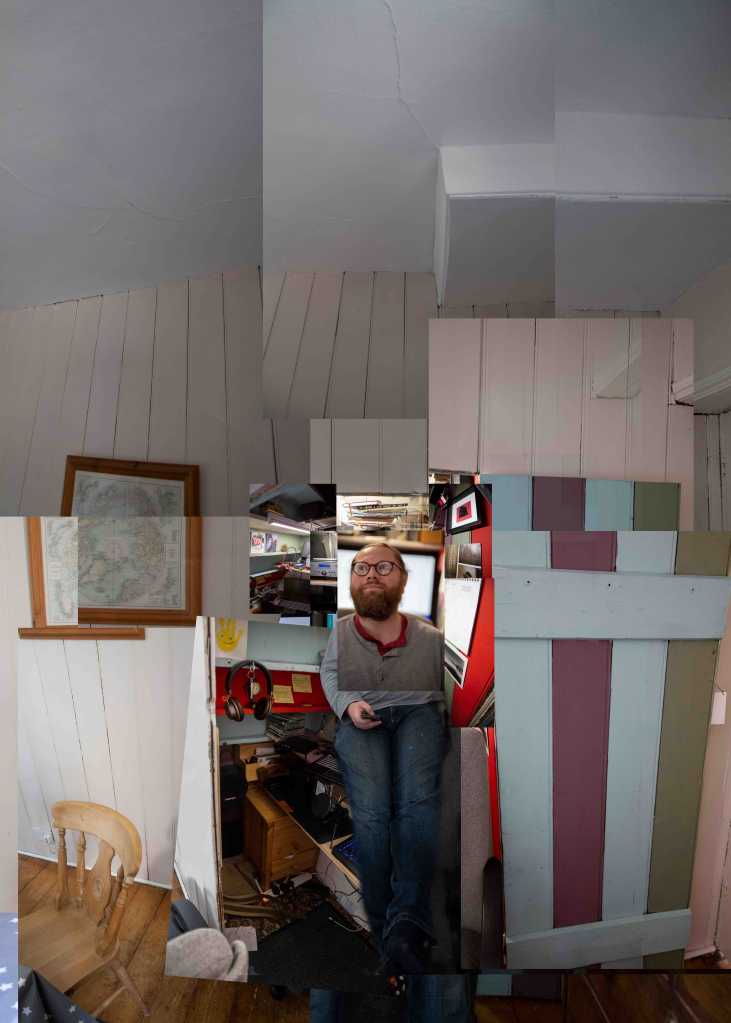
My more recent work uses this concept of multiple points of reference, moving the camera around different angles, giving a depth and texture to the two dimensional image, allowing the viewer to see the three dimensional space. Experimenting with styles and methods of image making with my own project I find myself taking on a more sculptural methodology of building up layers of images. Over the next few weeks I intend to look to rephotograph a number of these images so that I can refine the final image.
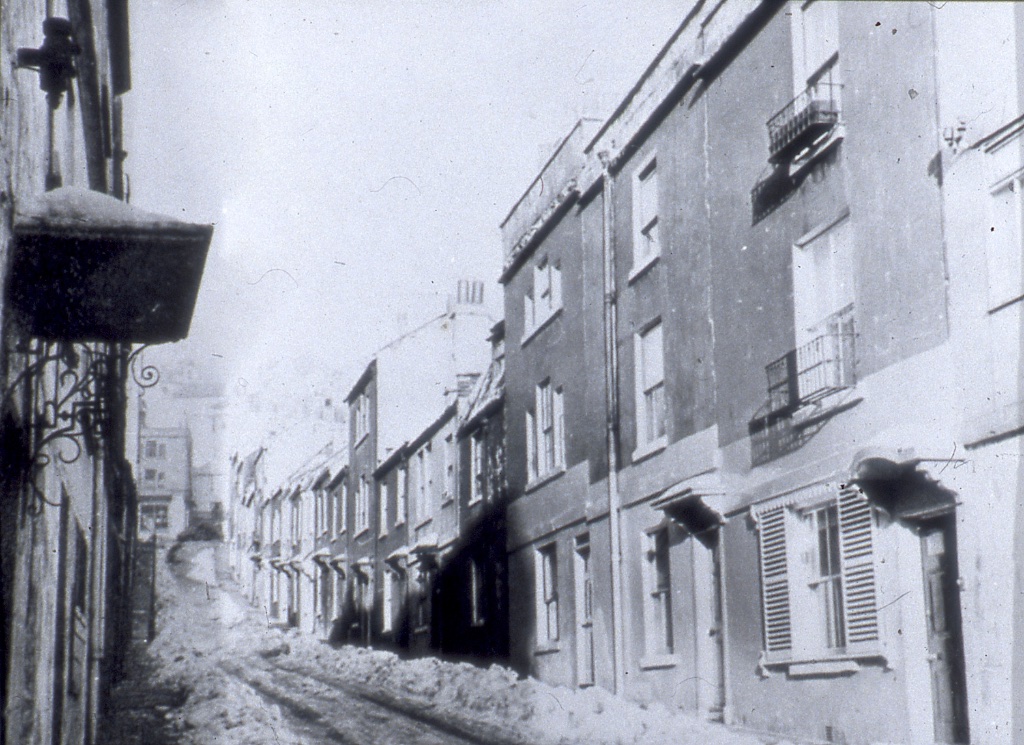
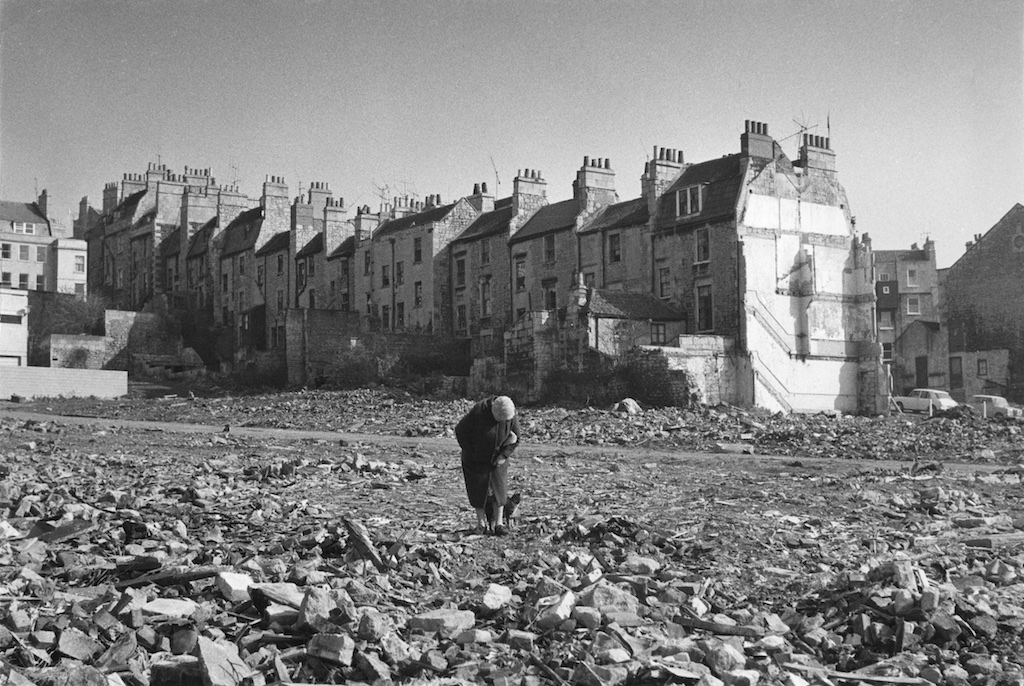
This weeks topics of Repeat and re-photography were both familiar concepts to me as I have used the process of re-photography in my work as the manager of the Museum of Bath Architecture, using archival images to research locations that have changed over time, visiting those places and re-photographing from the same vantage point. I have found this to be a very powerful tool in educating visitors about the loss of building from either bomb damage during the blitz or invasive developments in the late 1960s and early 1970’s (known as the sack of Bath).
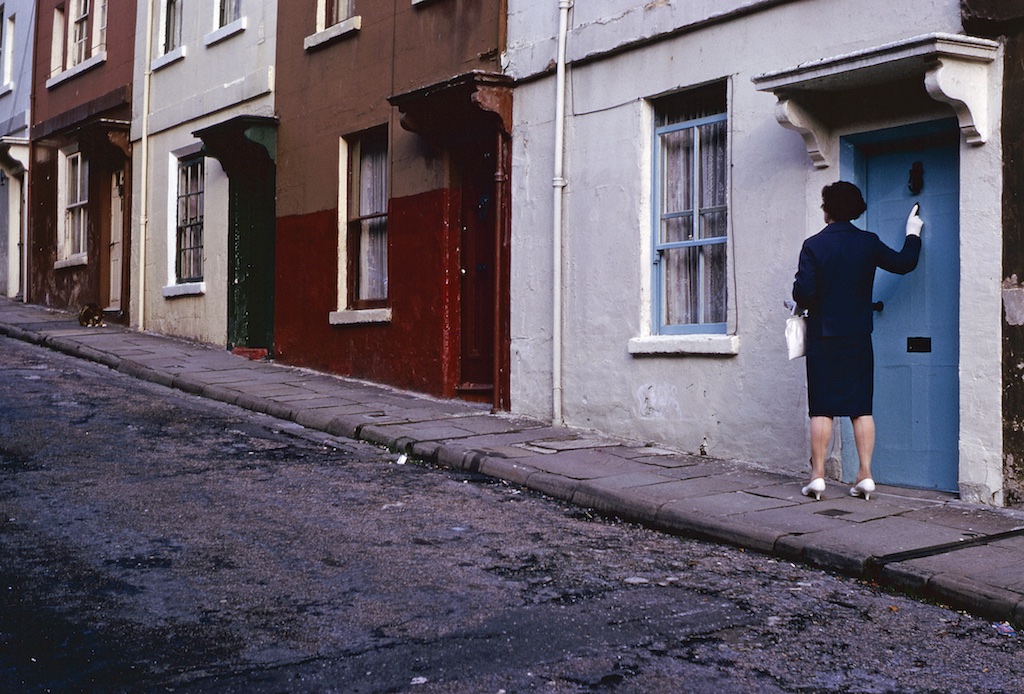
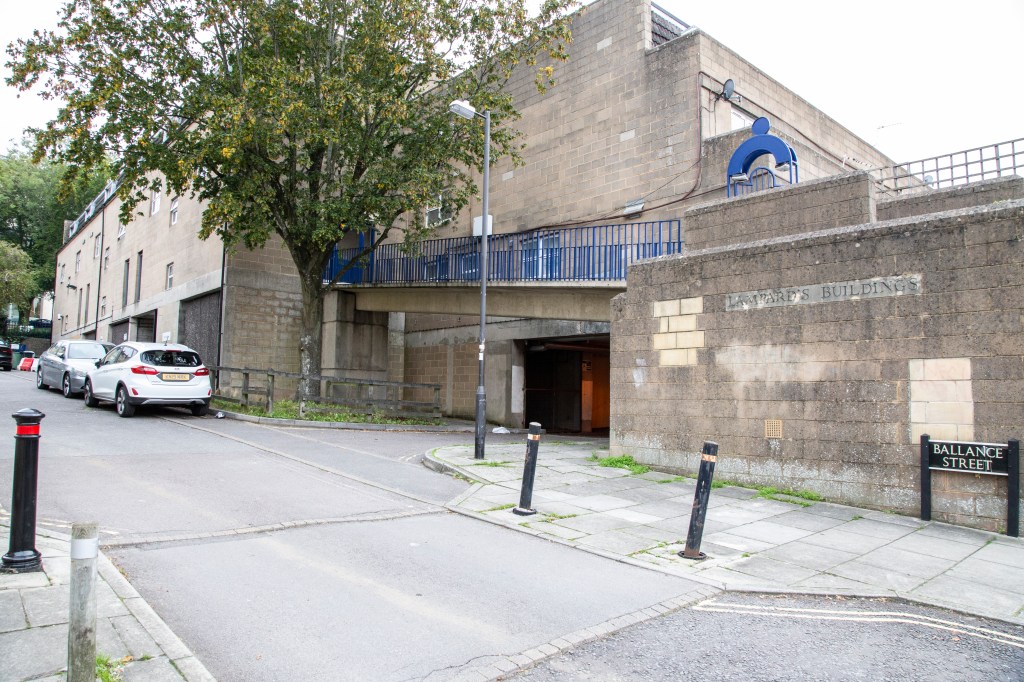
A street through time, was a talk I gave to a number of heritage societies, and looked at how the archival images held at Bath Preservation Trust could be used to document the changing topography of a city. The images of Balance Street in Bath show the various stages from an occupied Georgian terraced row of houses in 1963, a BPT researcher visiting resident prior to eviction in 1966, the demolished street in 1972 through to my image of what we have today. The street is almost unrecognisable.
Balance Street 1963, Jean Pratt. BPT archives
Balance Street 1966, LG Armatige. BPT archives
Balance Street 1972, Snowdon. BPT archives
Balance Street 2019, Tim Beale
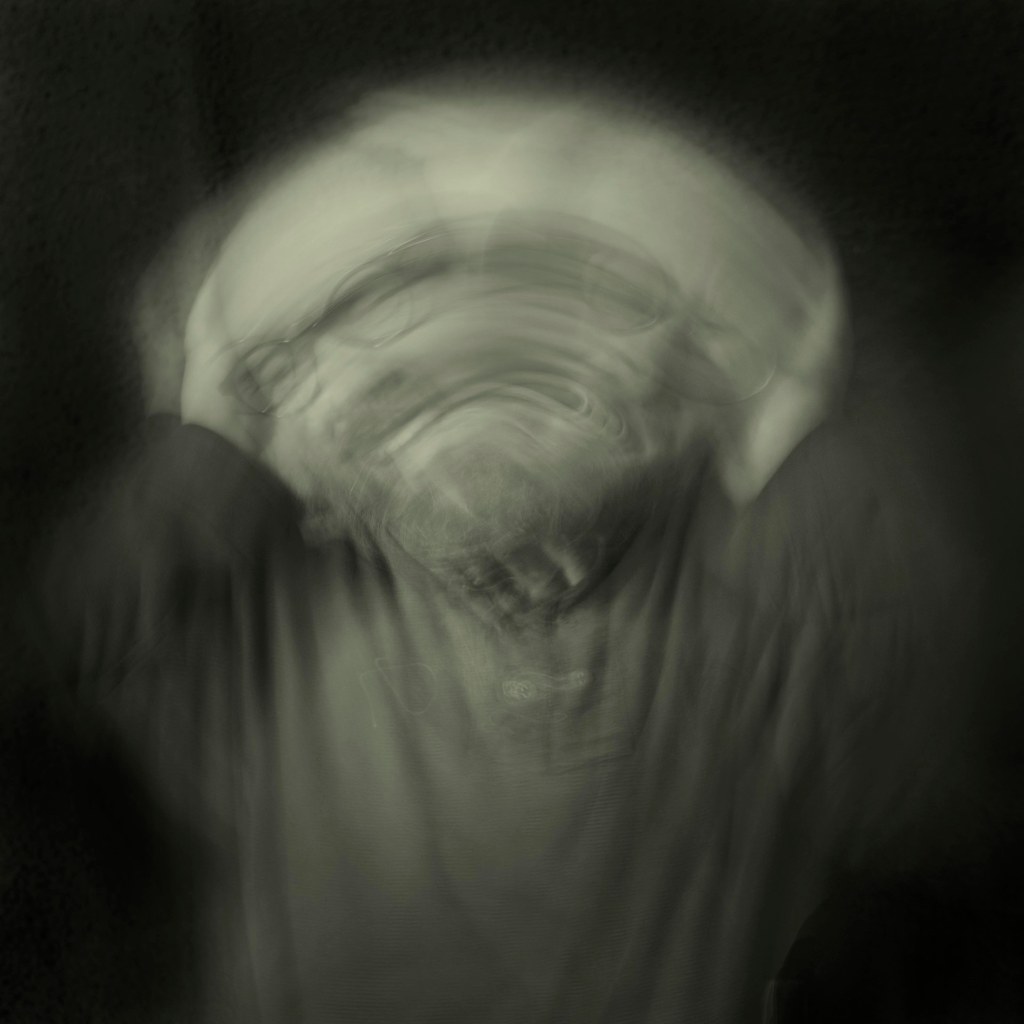
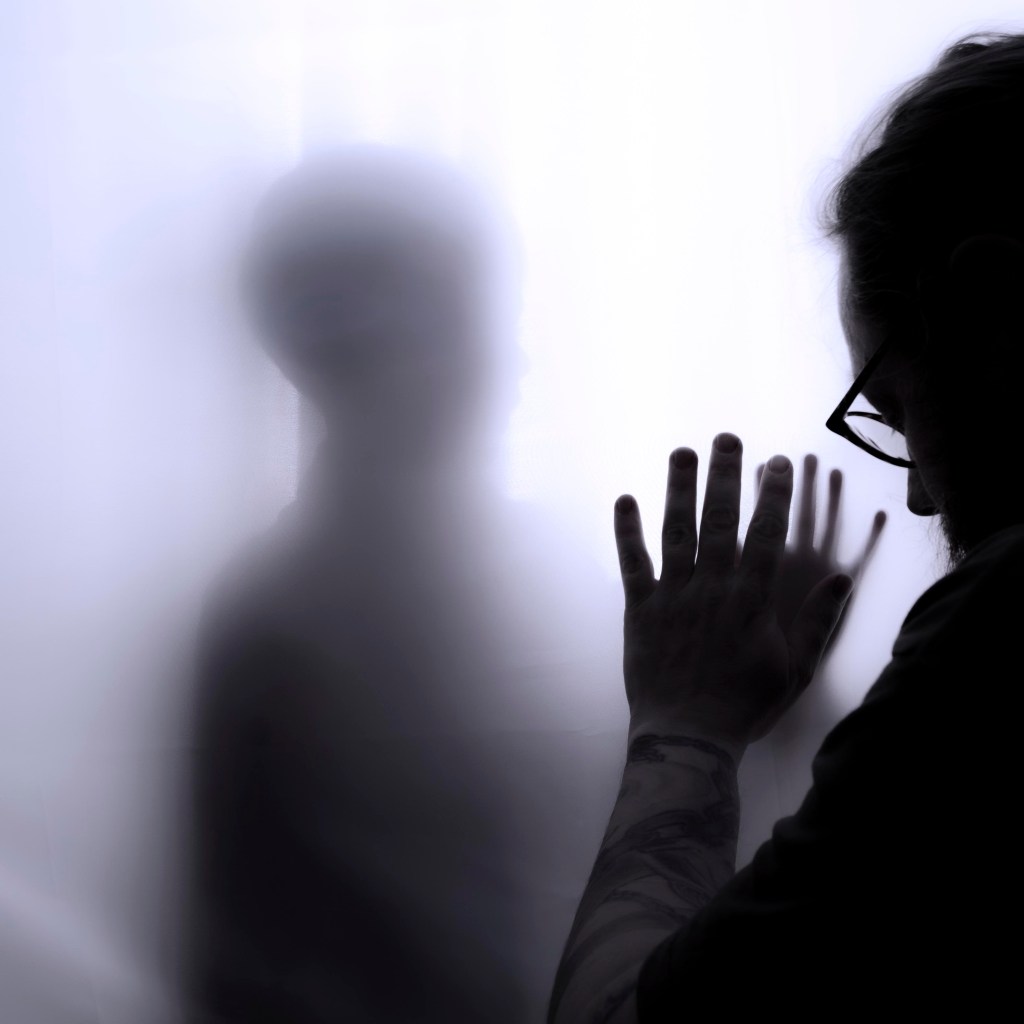
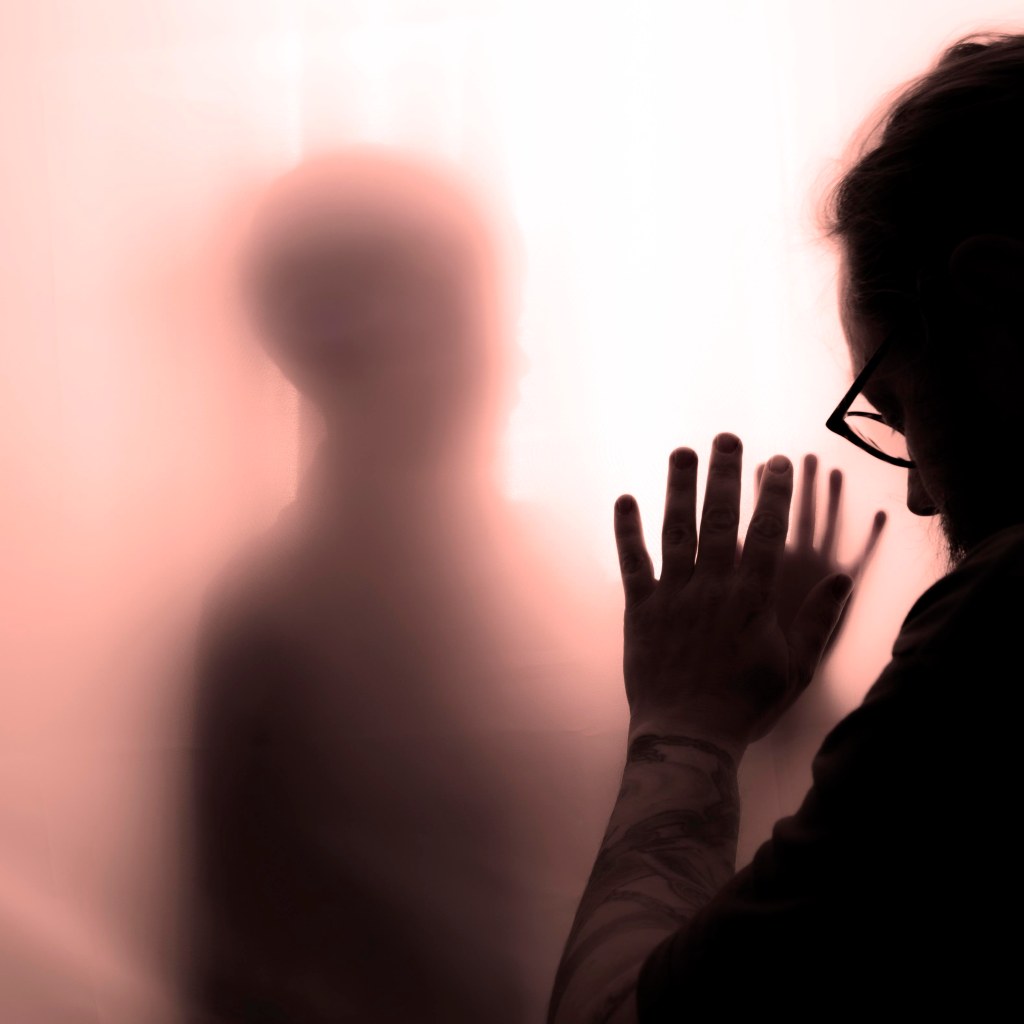
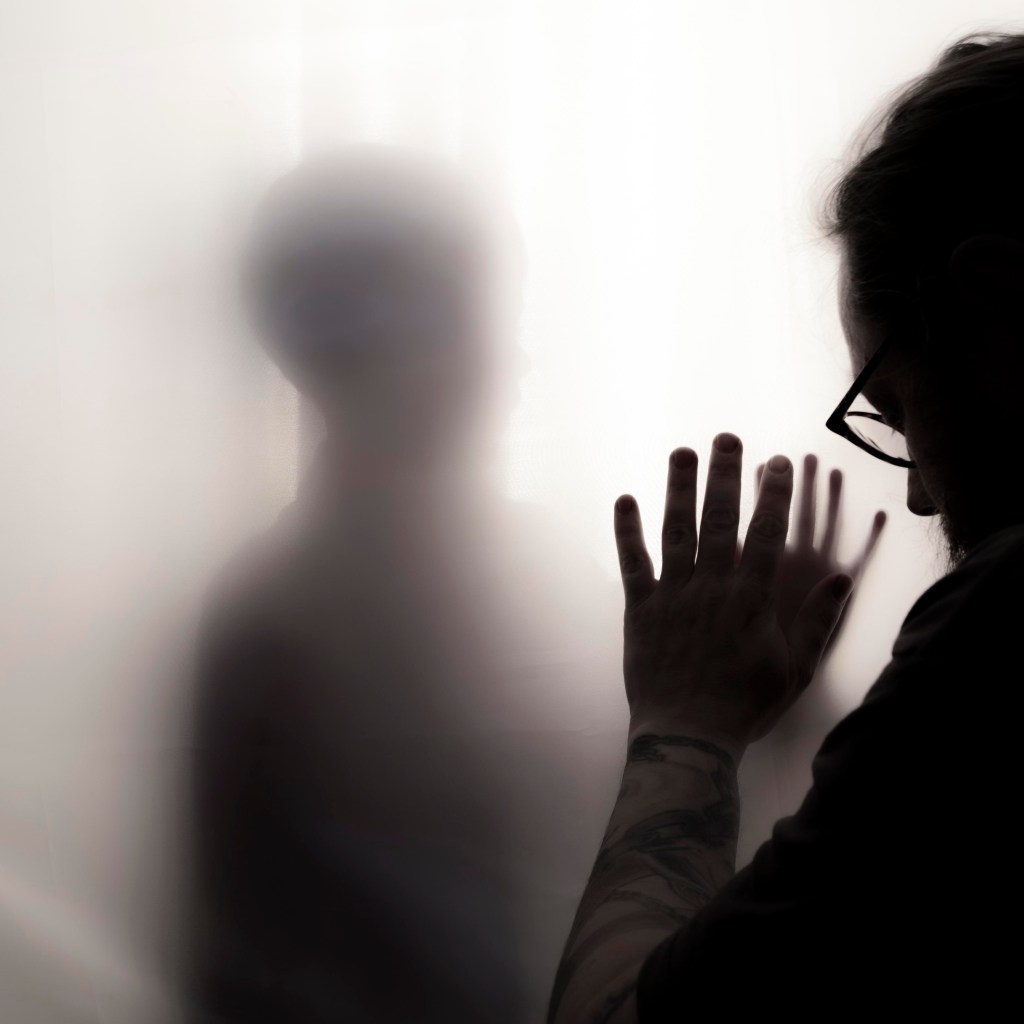
I have recently started to experiment with a number of images I took as part of my project, looking at emotion responses to isolation and separation. Each image uses a different colour filter applied that is representative of an emotional colour. At this stage I’m not sure if I will gone down this route, however what is evident though is that this process need further development by rephotographing certain portraits using alternative lighting methods, colour gels etc.
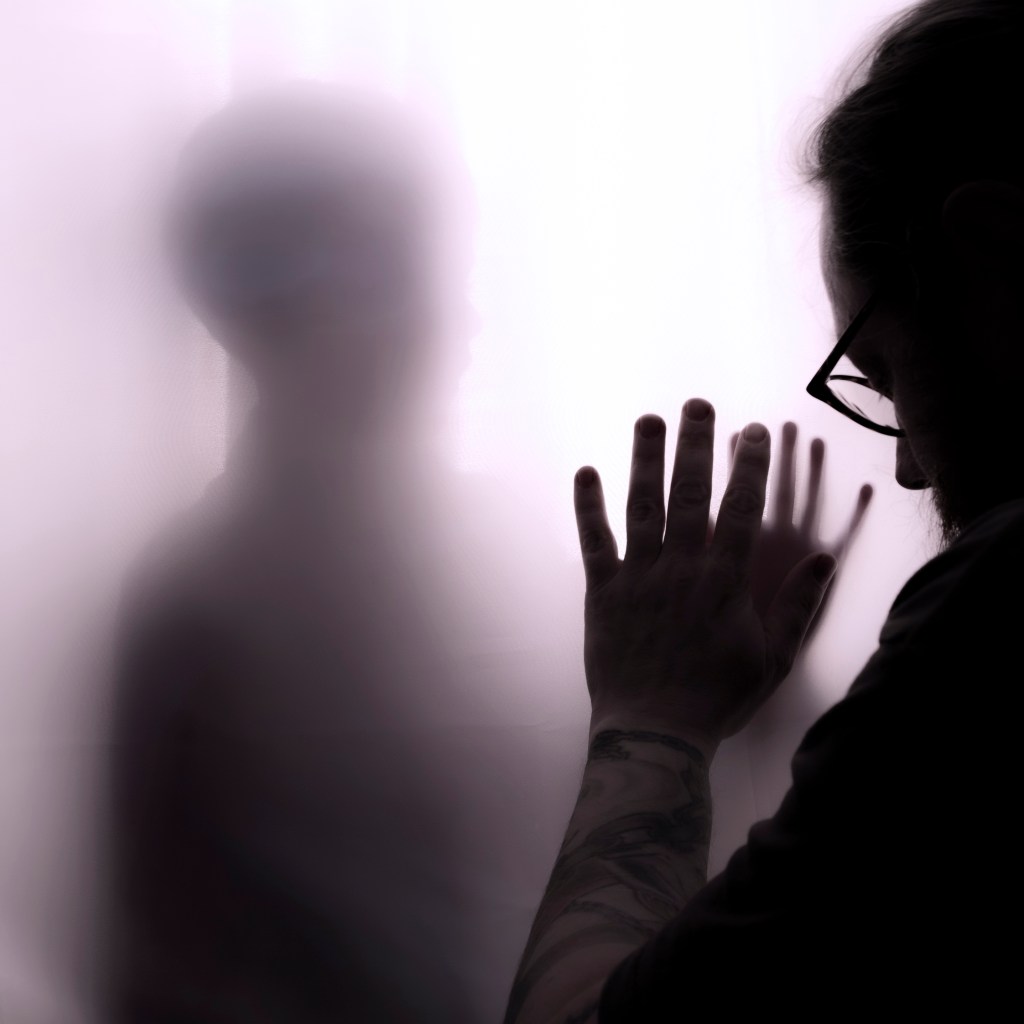
One of the challenges I have found with my project has been to isolate a specific idea as the context of “The Space Between” became so broad and almost unwieldy. My mind mapping of ideas generated more mind maps and more ideas. However, I feel that the current situation we find ourselves in today, thanks to COVID19, I have found that I am now drilling down to a core concept.
I began this journey looking at the negative space between buildings, how this had an affect upon the human psyche. This was as much in response to what I saw around me, as it was my own personal feelings towards the sense of space or lack of. I then began to place people within those spaces, filling the void as humans often feel the need to do.
Now with the restrictions on travel and imposed social distancing I have had to take these factors into account when planning shoots. This began a fresh thought process, considering how others may interpret their individual positions. Subsequently I looked inward to my own feelings of separation, especially having learnt that my father had been taken in to hospital. How I felt formidably distanced, powerless, unable to travel to see him. Understanding that my situation isn’t isolated and their are thousands dealing with the same feeling, I have decided to use this context in which to research my project. The Space Between now becomes that of the space between us, be it the 2 meter social distance or the vast number of miles apart.


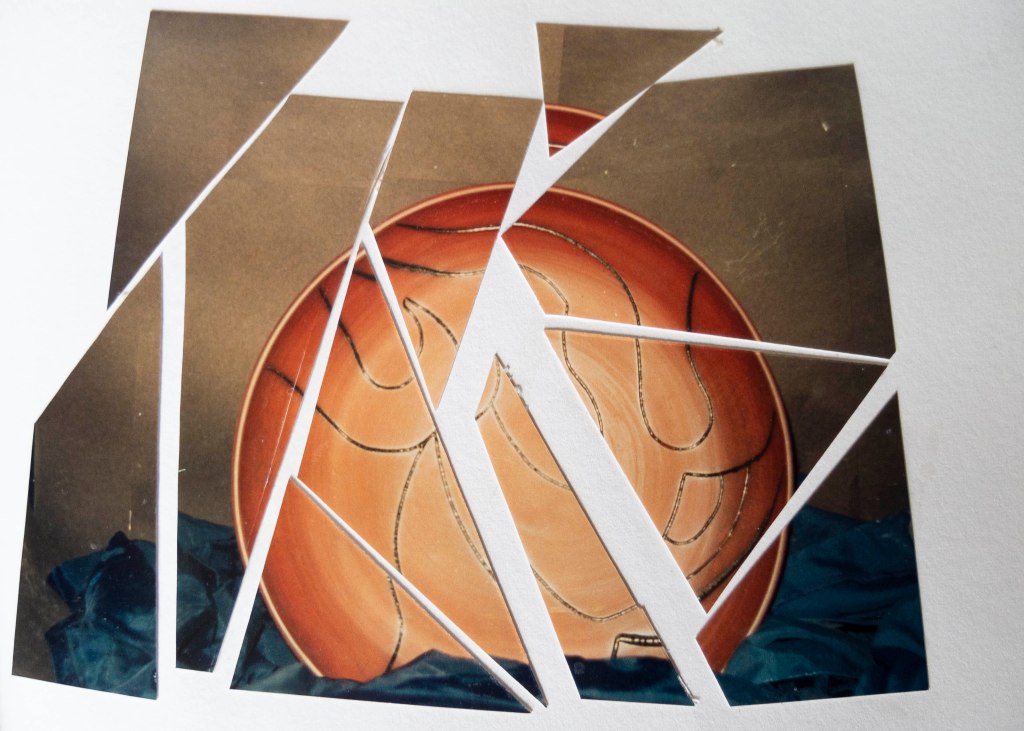
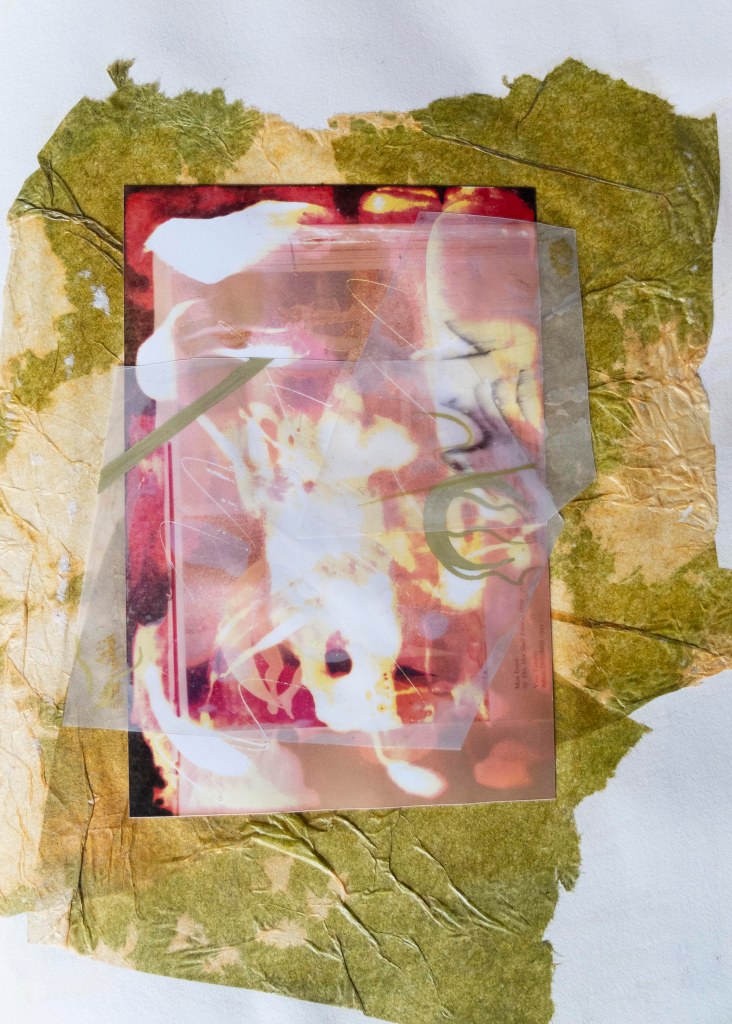
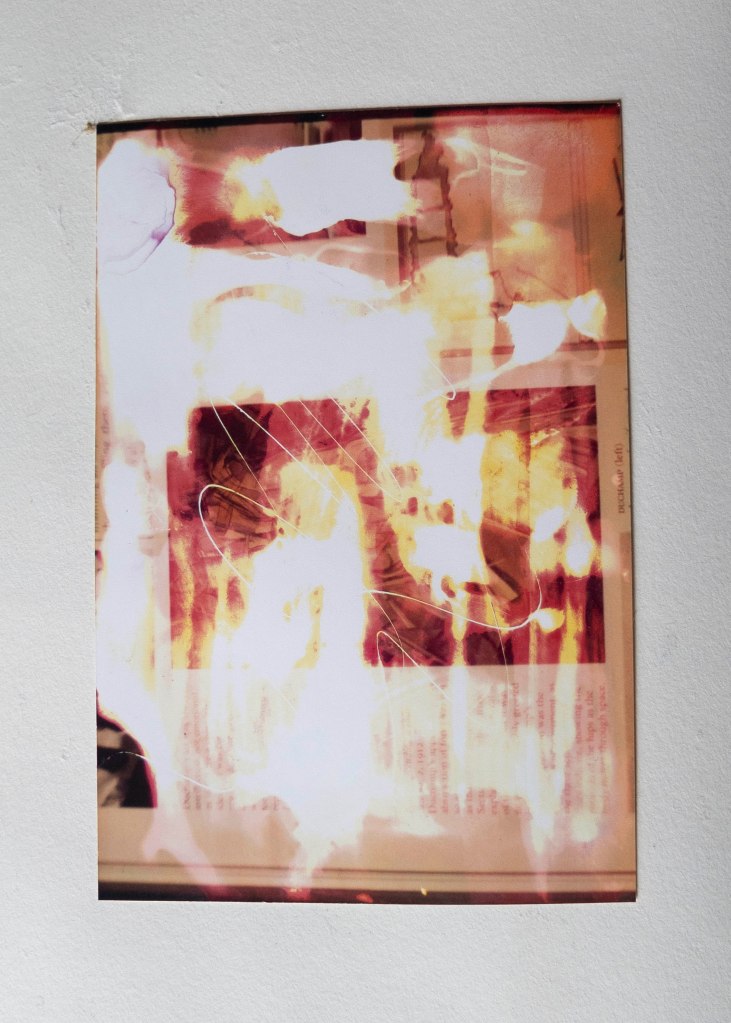
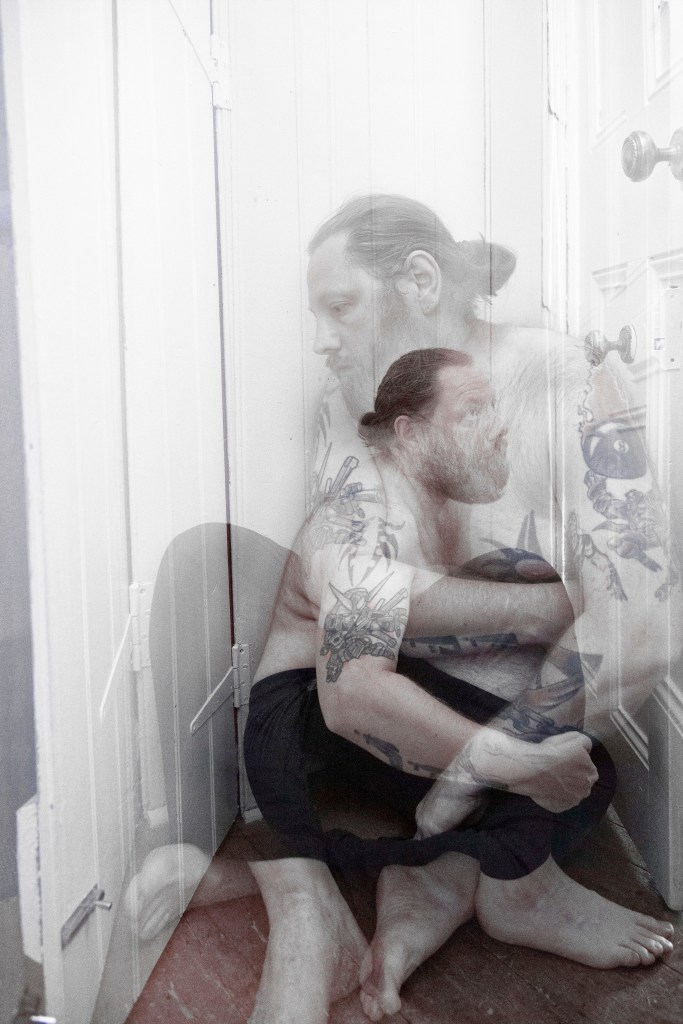
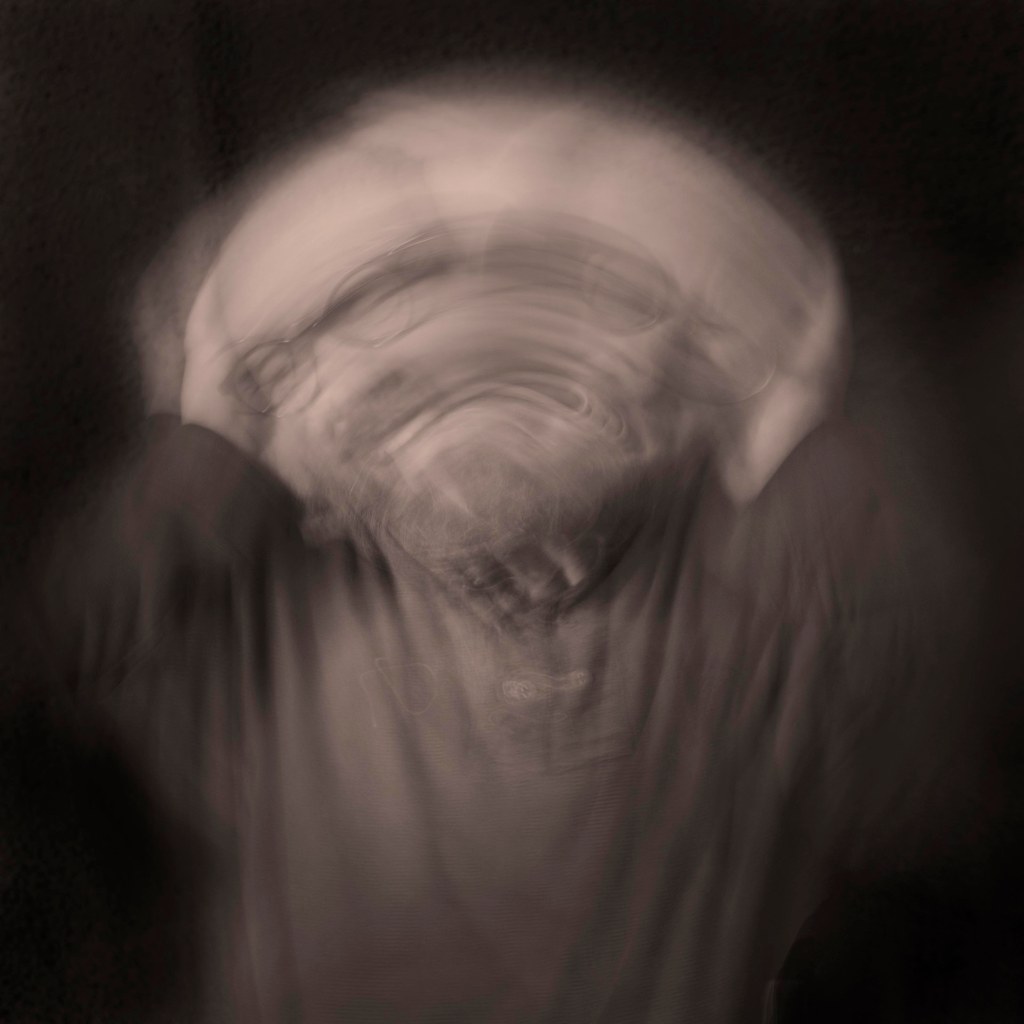
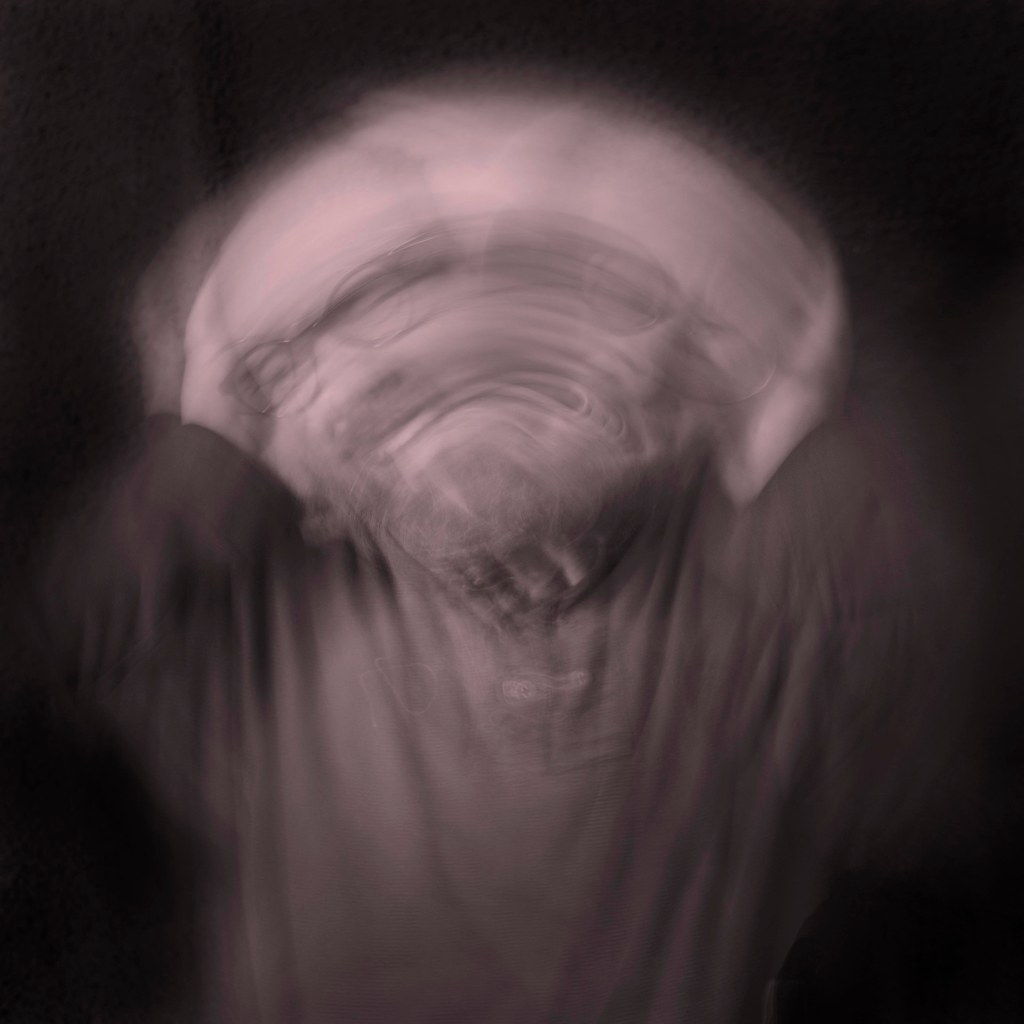
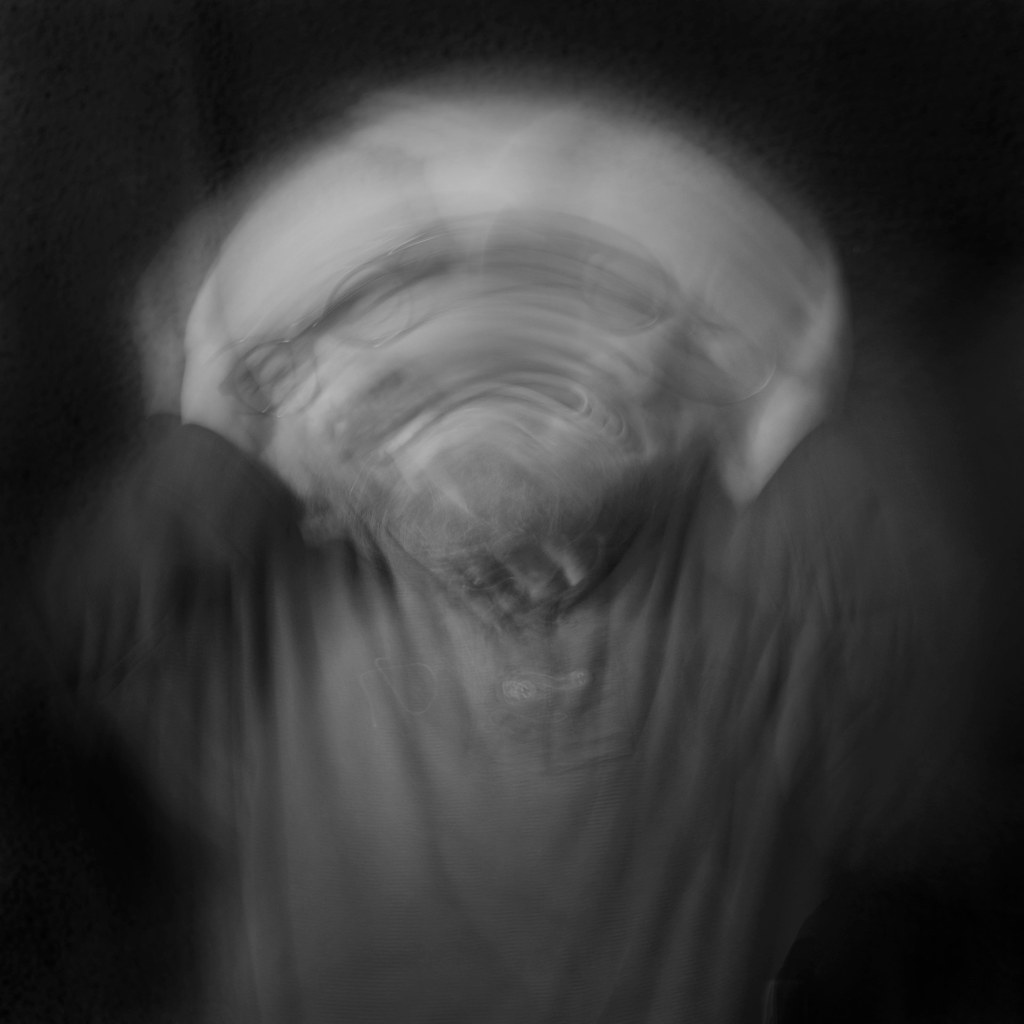
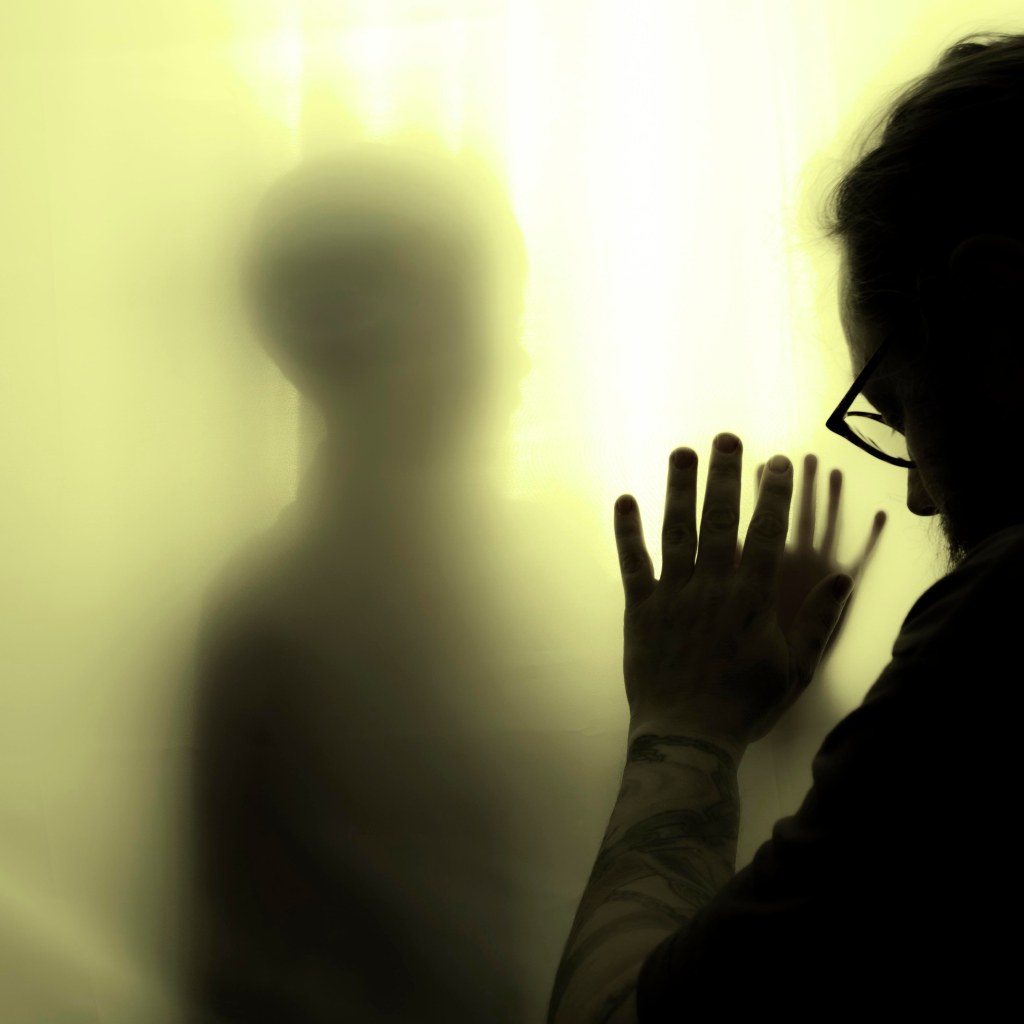




 The Space Between