Week 6 has benefitted from both a 1:1 session with my tutor and portfolio review with the exceptionally talented Jack Latham. This was a fantastic opportunity to discuss ideas for a new direction for my practice, building on the images I have created to date.
Much of my current practice has involved research and writing, looking at the human condition, what makes us tick, why do we make the choices we make and, more importantly are those choices imposed upon us. I am most interested in where we live, and by ‘we’ I talk about the classless, the people who fall between the cracks between absolute poverty and a comfortable living. Typically, this suburban landscape is home to teachers, nurses, supervisors, and middle managers; falling through the cracks to become a silent majority.
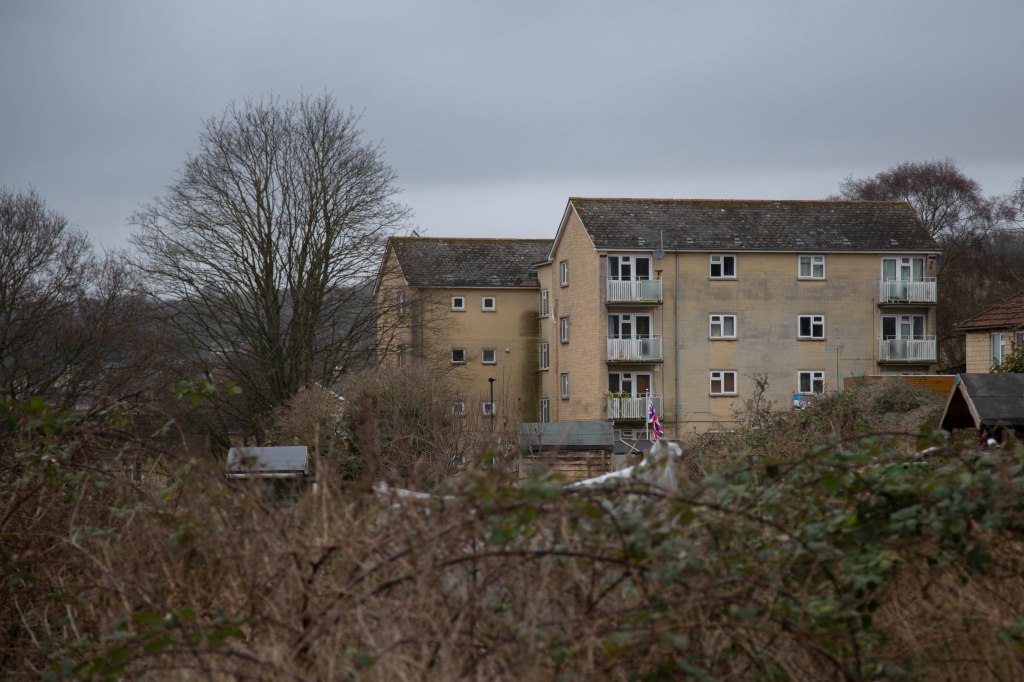
However, the built environs of suburban landscape hold a key to our national identity and as such social housing, blocks of flats and housing estates have become our woodland, hills, and mountains, meanwhile the allotment become the oasis in the concrete desert. Renting has created the modern nomad, moving from one house to another in search of affordable accommodation.
Inside out: Home and Landscape
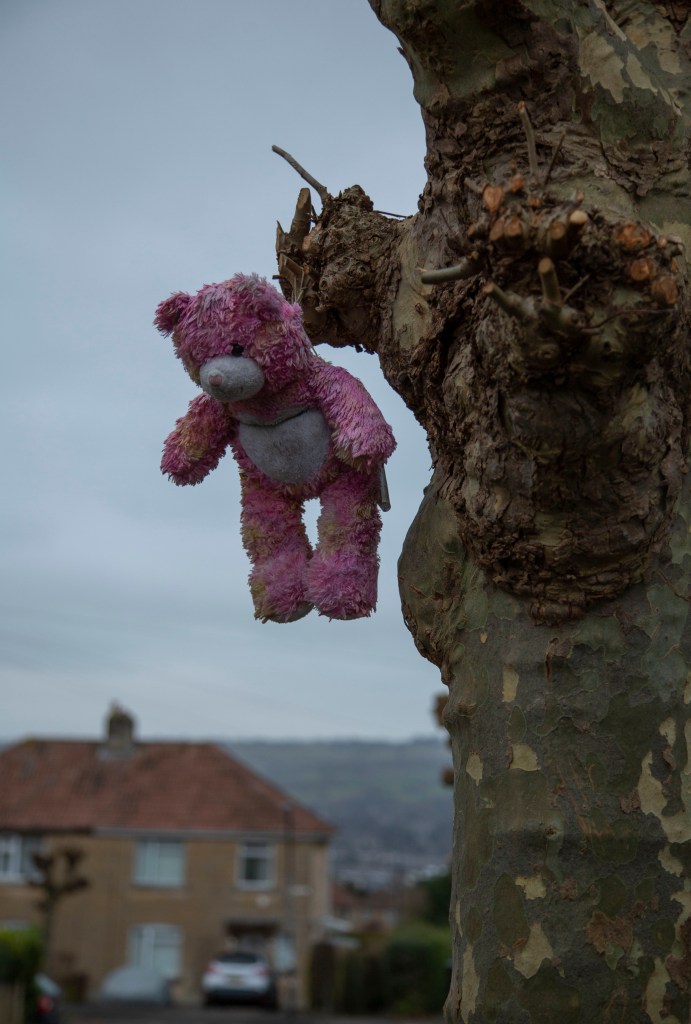
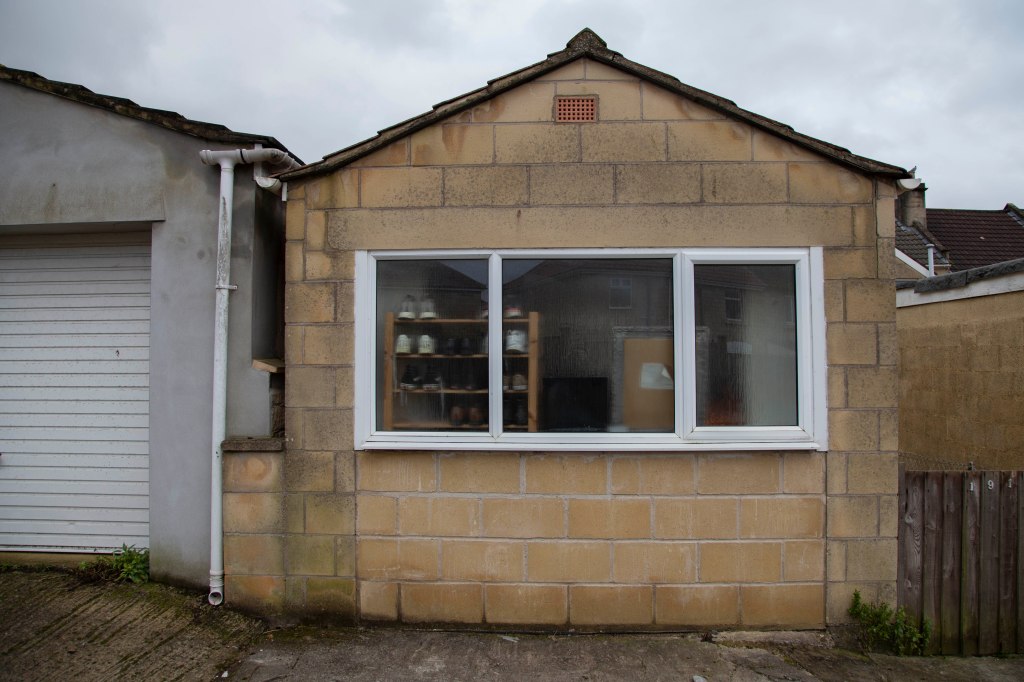
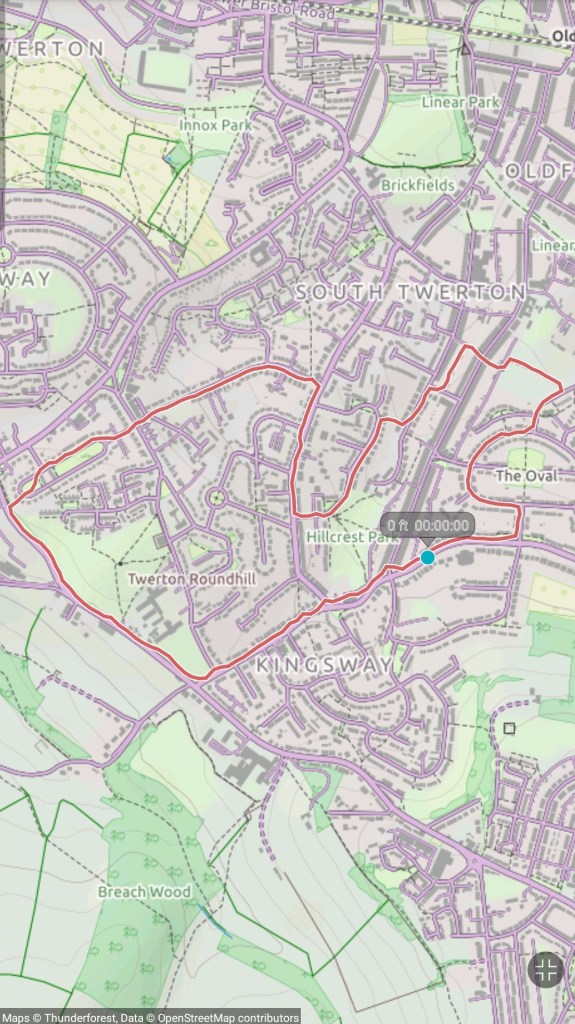
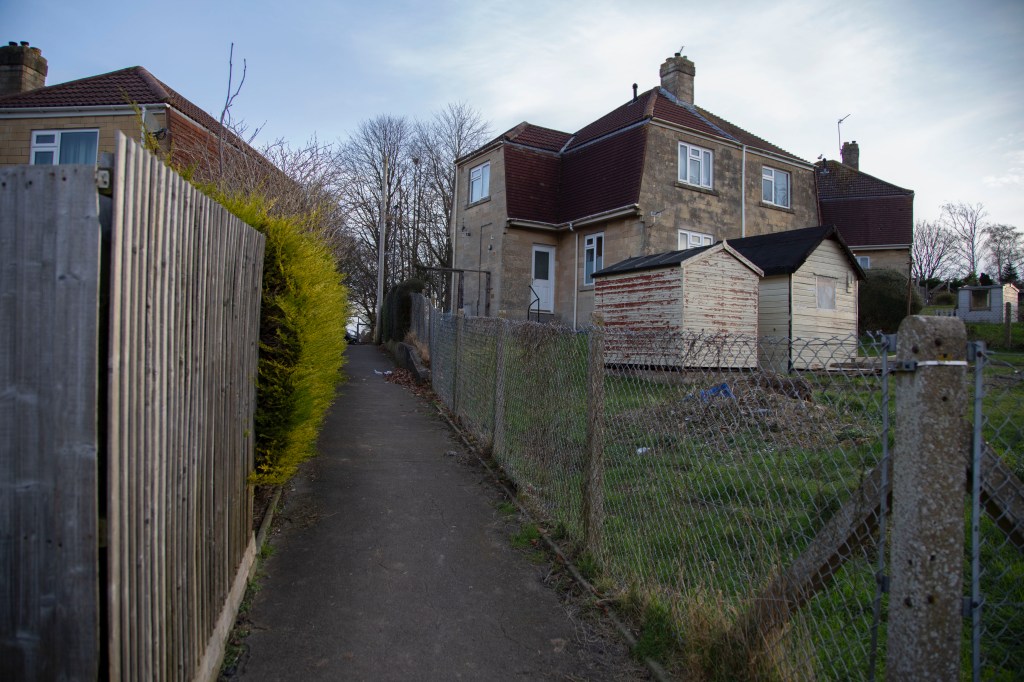
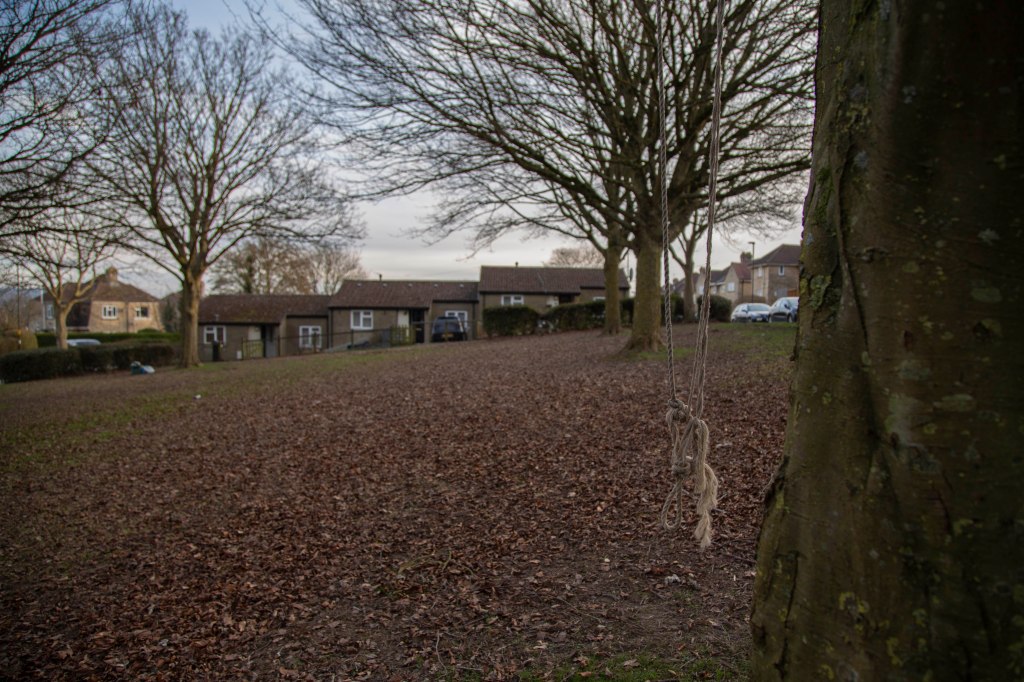
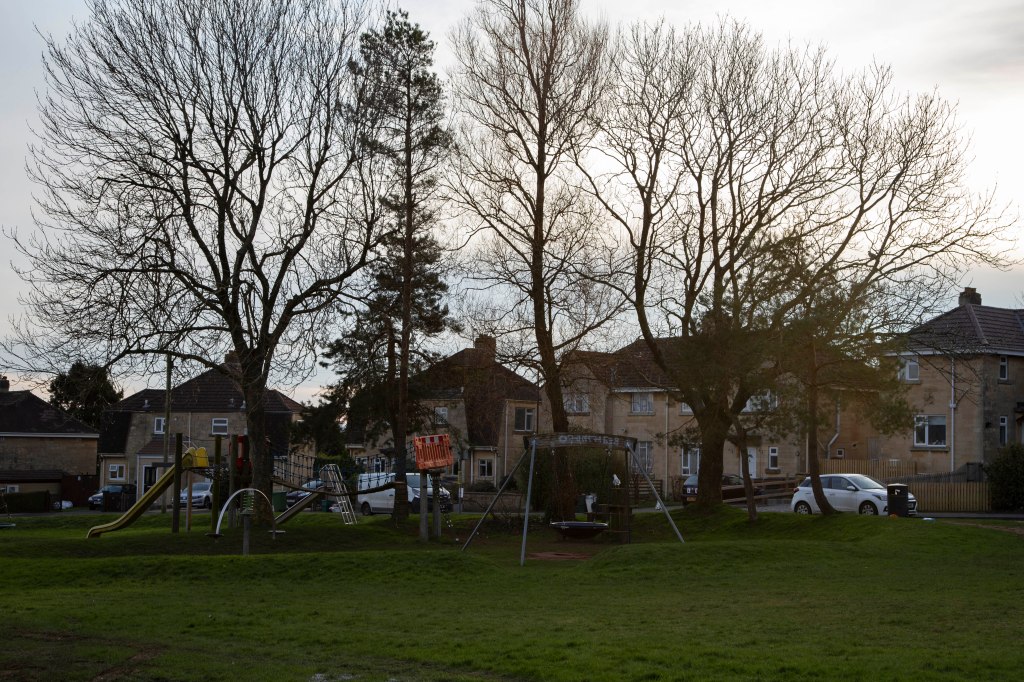
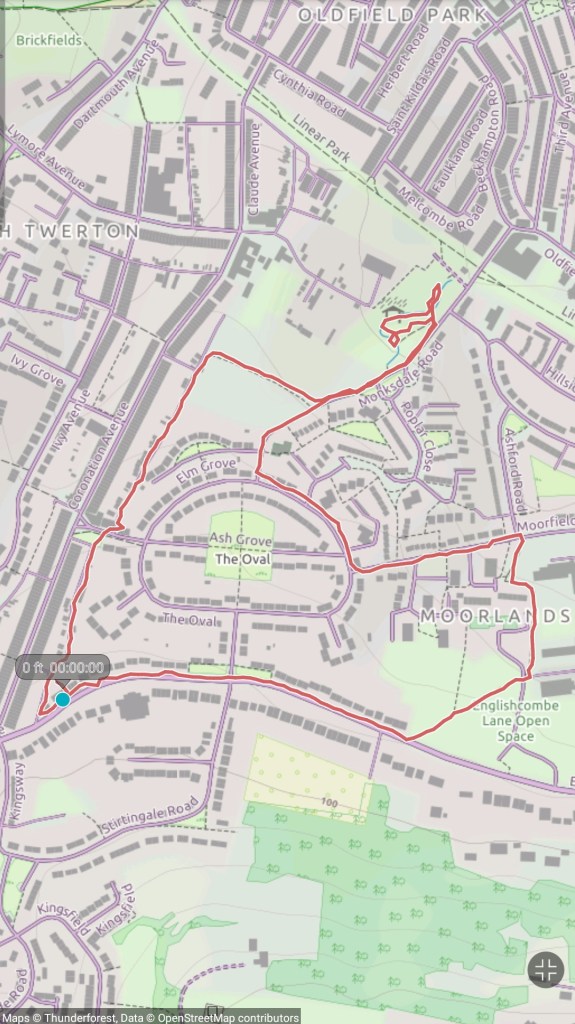
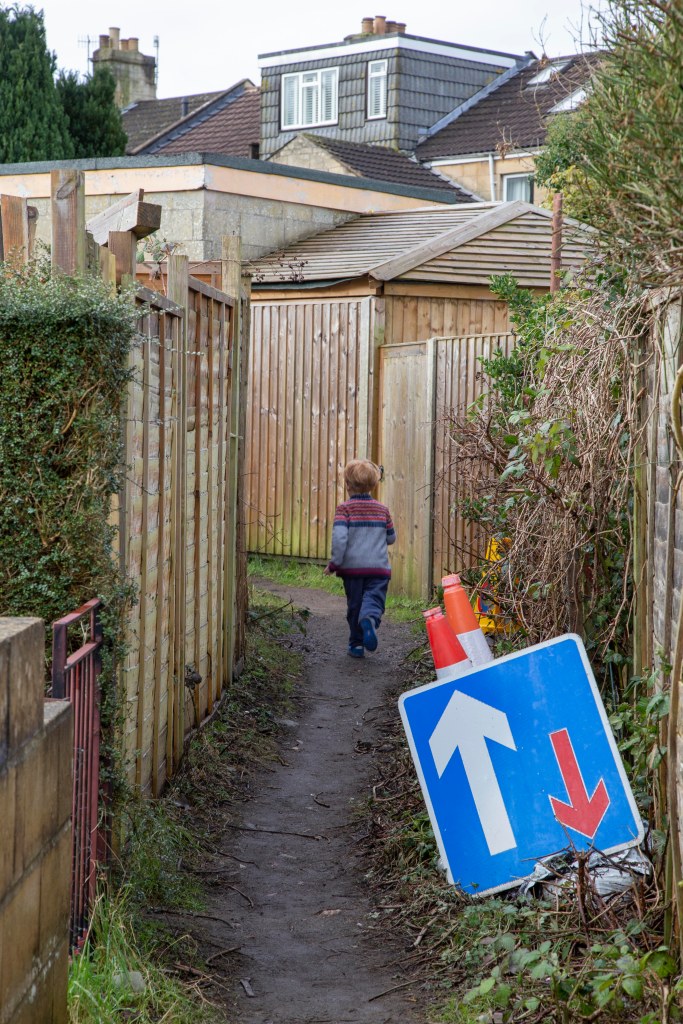
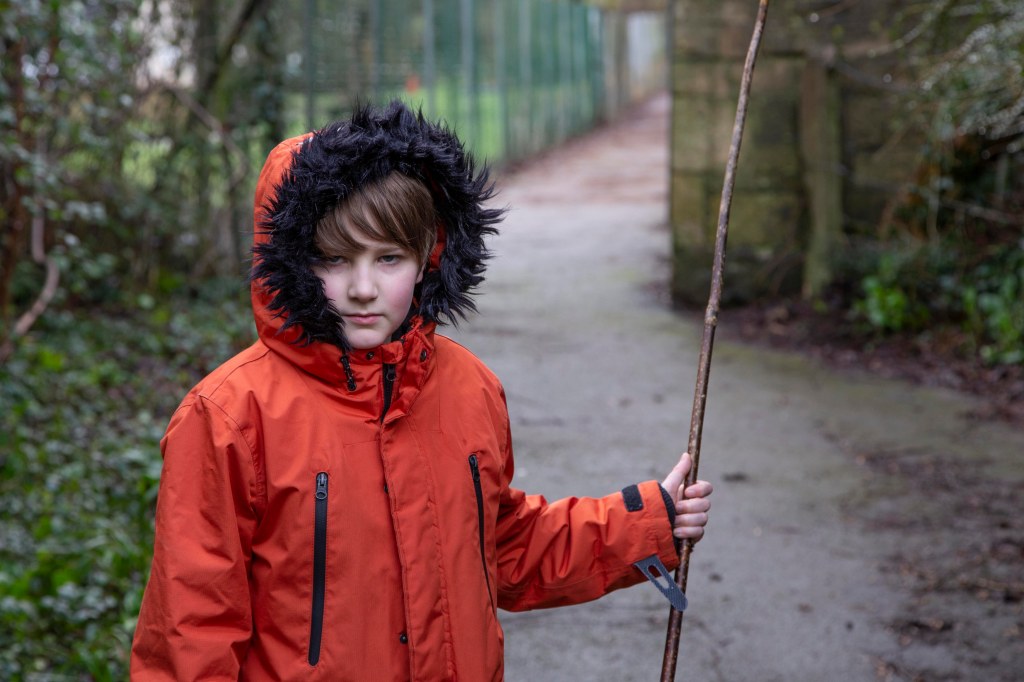
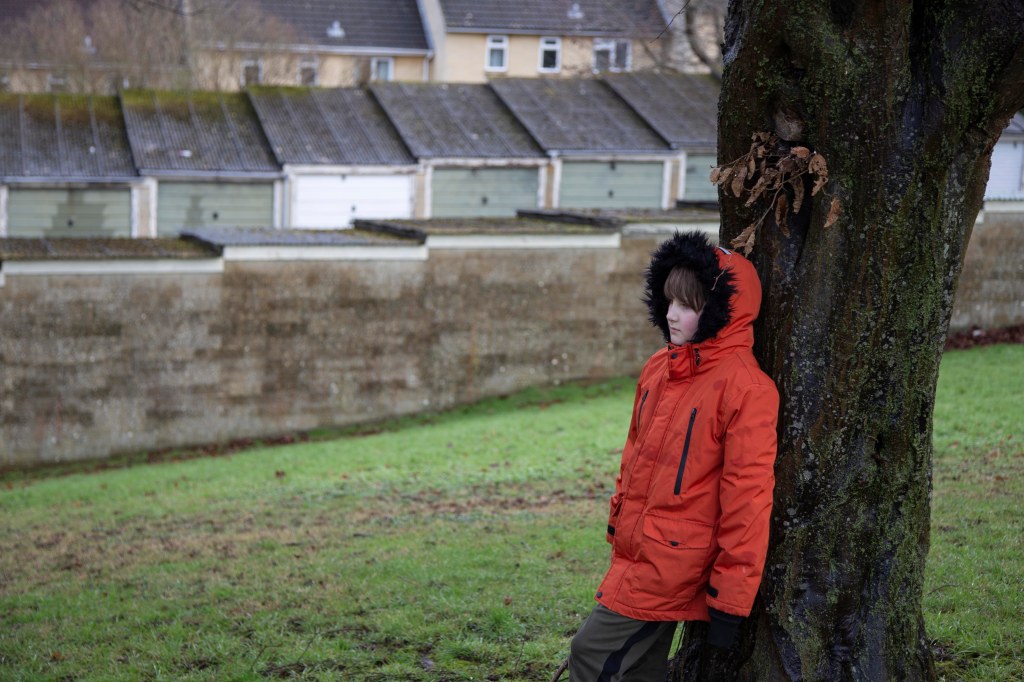
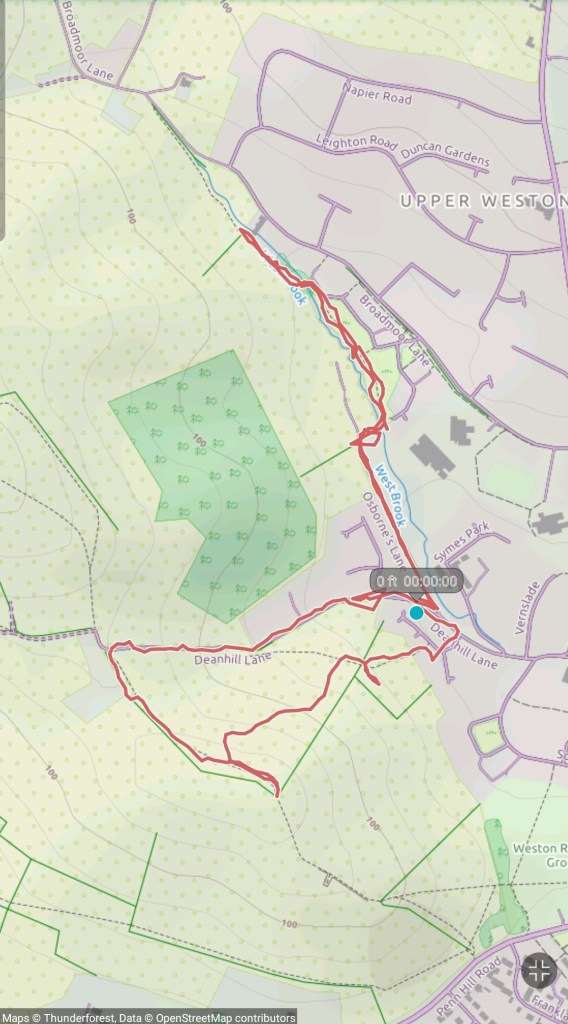
I have been creating topographical/architectural images of the suburban landscape in a three miles radius of my home. Images of vernacular housing, in sharp contrast to Bath’s stereotype of a grand Georgian city and tourist destination. However, my images are not just about the built environment but the people how make a home of this landscape. For me to tell the stories of the people it is important that I employ a method of documentary that does not employ working class tropes to belittle their socioeconomical status. I am proposing to construct a series of images that create a tangible link between the internal landscape of the ‘Home’ and the external suburban landscape. Using the self-portrayed figure as a simulacra of the home owner, I intend to represent the story of the inside, of the home.
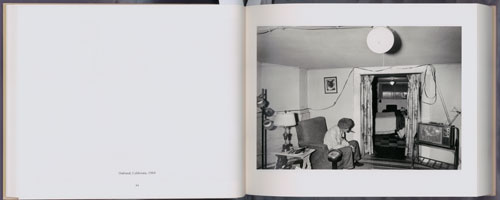
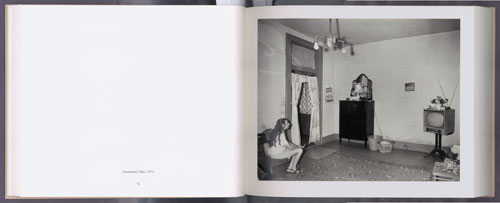
Protest Photographs by Chauncey Hare is a culmination of two decades of images production, the interiors of working-class homes and workplaces across America in the late 1960s and early 1970s. Hare worked as a factory employee for Standard Oil where he came into contact with many of his subjects. It is Hare’s images of the home place that strike true with me, these honest representations of working-class homes, often featuring the occupants relaxing in front of the TV after a day’s work. [Fig 1&2]
“Hare recounts how, over his years of production, he felt obliged to “Honour the reality of each person and their home” and speaks of a need to relate “the truth of people’s lives”. Yet this is not a measured, dispassionate process.” [Grant 2010:Online]
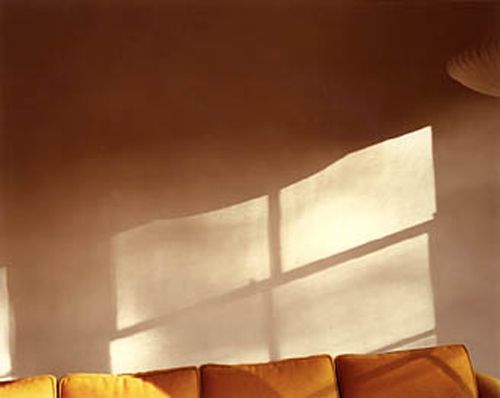
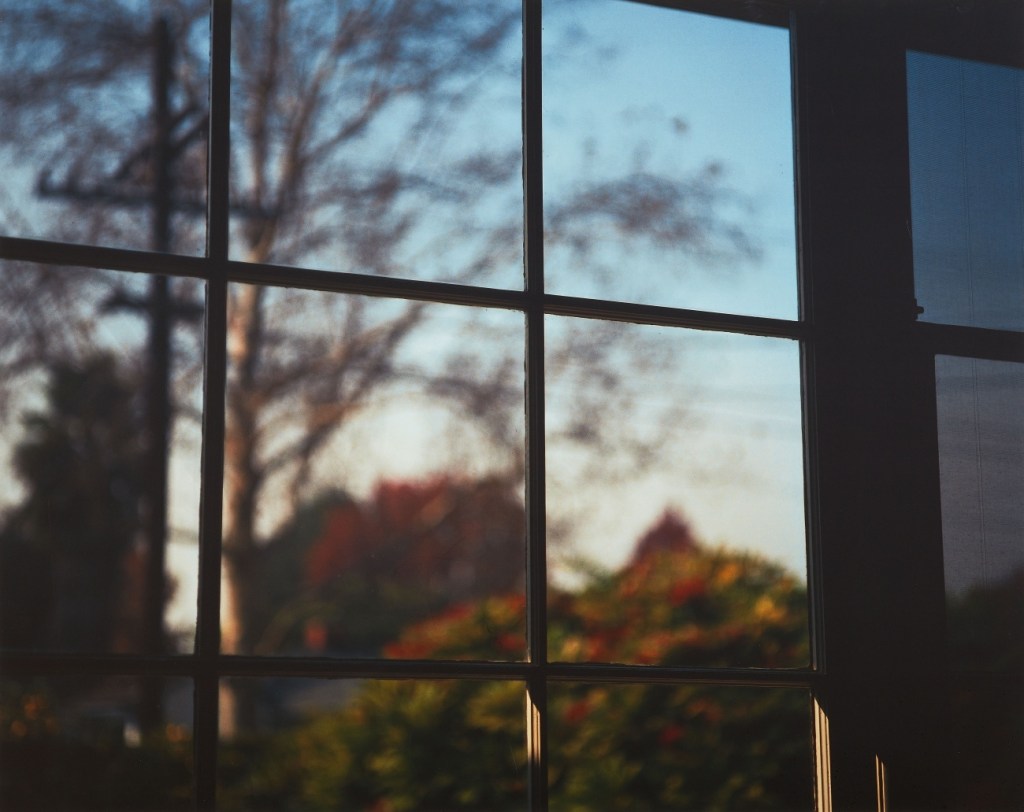
The context of looking out from the inside is one that Uta Barth explores in a less traditional way, in particular the series ‘Nowhere near’ presenting the space between objects, the seen and unseen. The use of window frames to focus the beholder, enticing to look outside beyond the frame. [Figs 3&4]
“Barth’s photographs, when installed in galleries, resonate phenomenologically. The space between the viewer and photographs become part of the interplay between space and subject, seeing and not seeing.” [Cotton 2009:133]
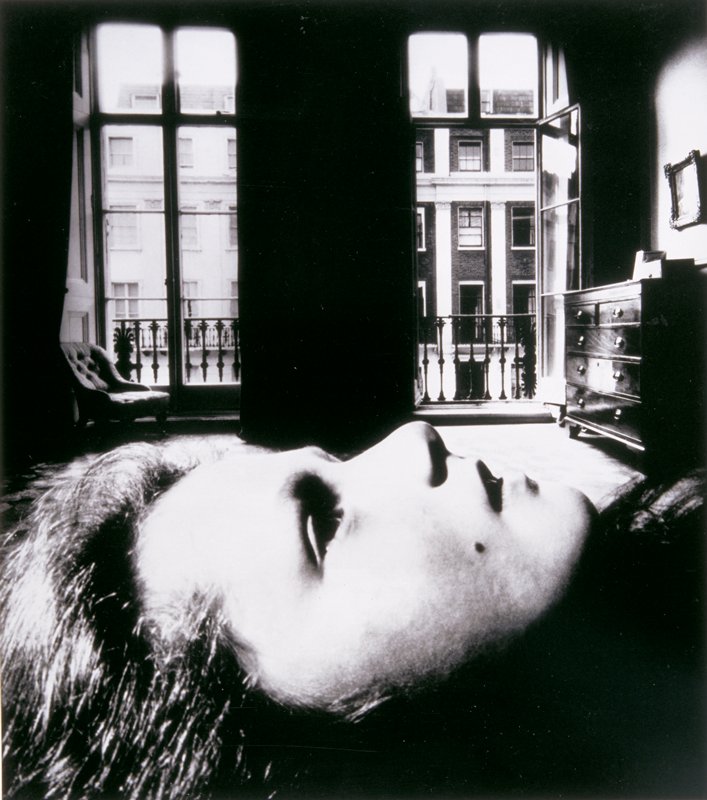
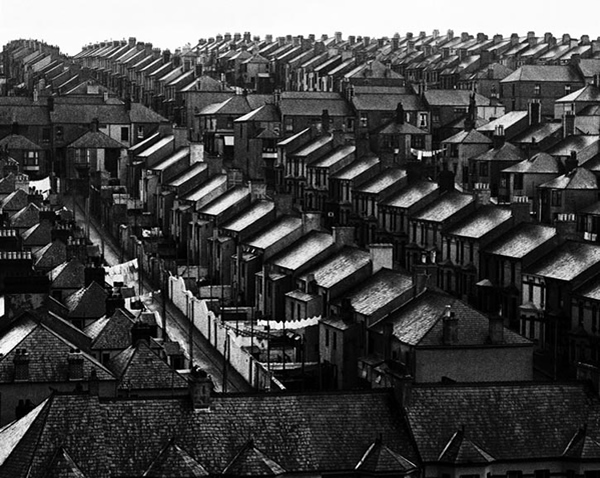
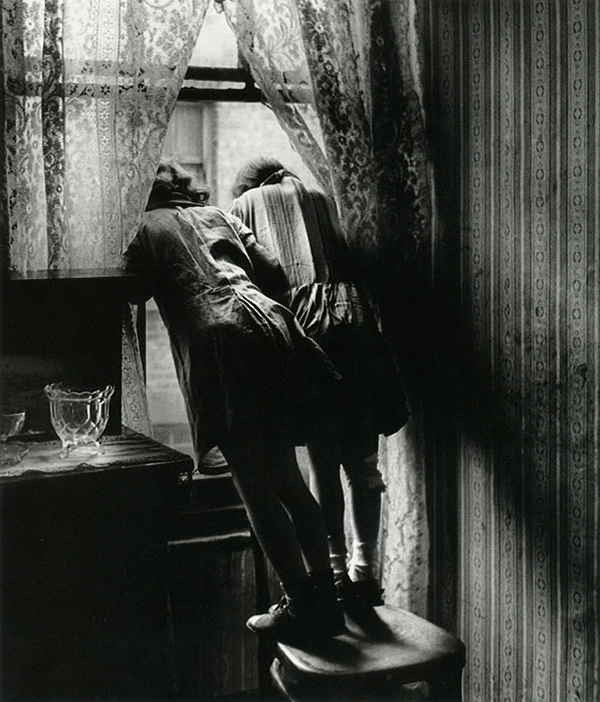
Bill Brandt is another photographer I have begun to look towards for inspiration in particular his imagery of industrial cityscapes and home interiors. [Figs 5&6] When looking through Brandt’s canon of work, I have started to pair images to obtain then type of images I want to achieve. Isolating the core concepts of interplay between the interior and landscape.
References
Cotton. C (2009), the photograph as contemporary art, Thames & Hudson.
Grant. K 2010, Hare, Chauncey (2009) Protest Photographs https://www.foto8.com/live/protest-photographs-by-chauncey-hare/ [Accessed 11.3.2021]
Images
Figures 1 & 2 Chauncey, Hare Protest Photographs (2009) https://www.foto8.com/live/protest-photographs-by-chauncey-hare/ [Accessed 11.3.2021]
Figures 3 & 4 Barth, Uta – Untitled 1999 (nowhere near) https://www.lempertz.com/en/catalogues/artist-index/detail/barth-uta.html [Accessed 11.3.2021]
Figure 5 Brandt, Bill London Child 1955 https://collections.artsmia.org/art/2047/london-child-bill-brandt [Accessed 11.3.2021]
Figures 6 & 7 Brandt, Bill https://121clicks.com/inspirations/bill-brandt-inspiration-from-masters-of-photography [Accessed 11.3.2021]
 The Space Between