As I continue to interview the residents of Bath, as I explore its suburban landscape, I met with Christine and Phil. A professional couple living with their two children in the south of Bath having moved here in 2017 from Canada. Having initially rented they now own their house and have become integral parts of active community in that area.
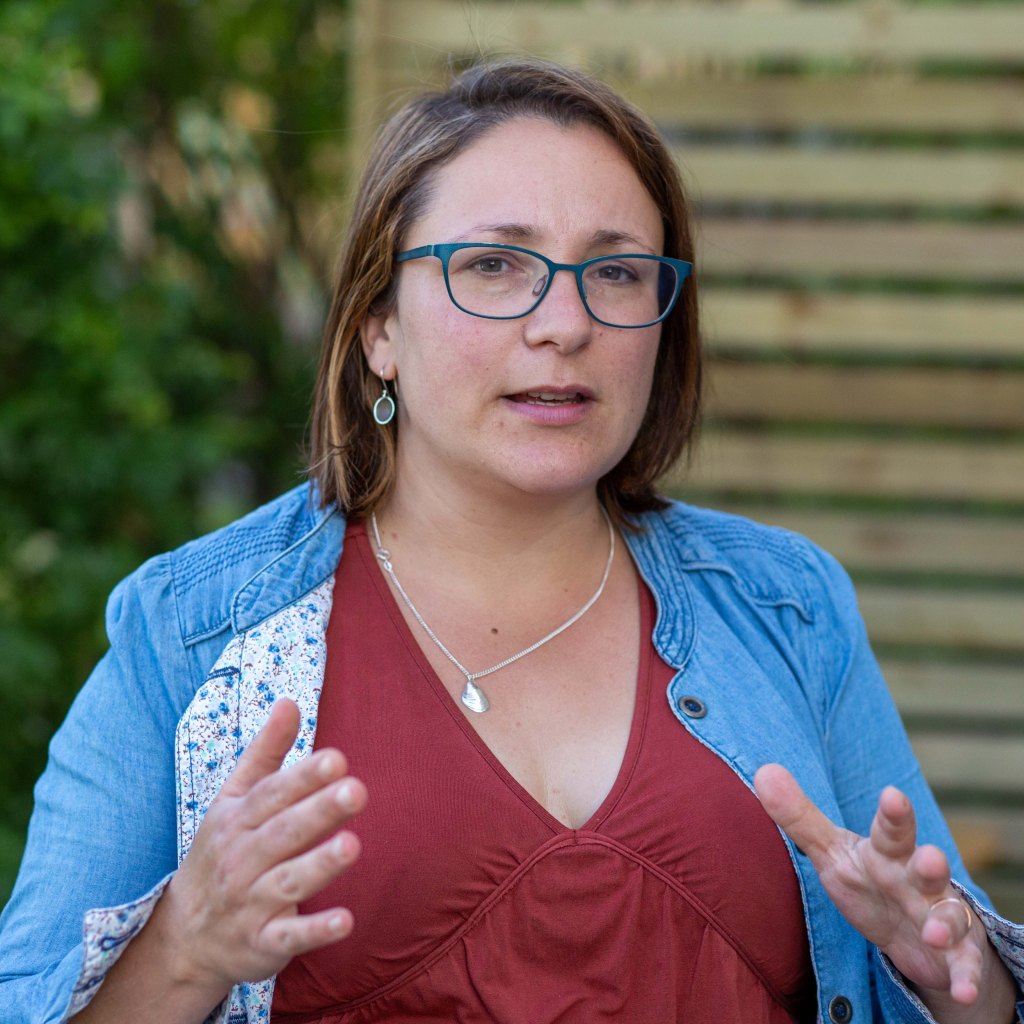
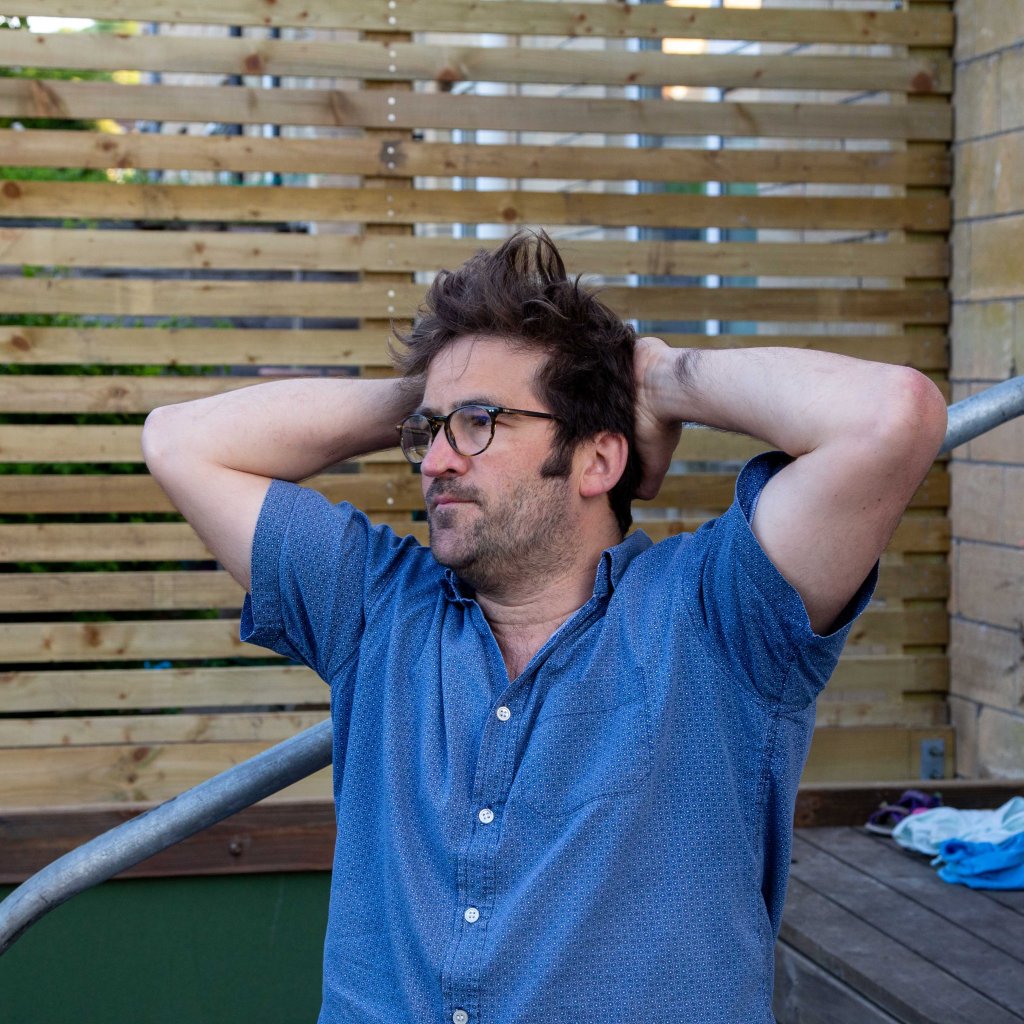
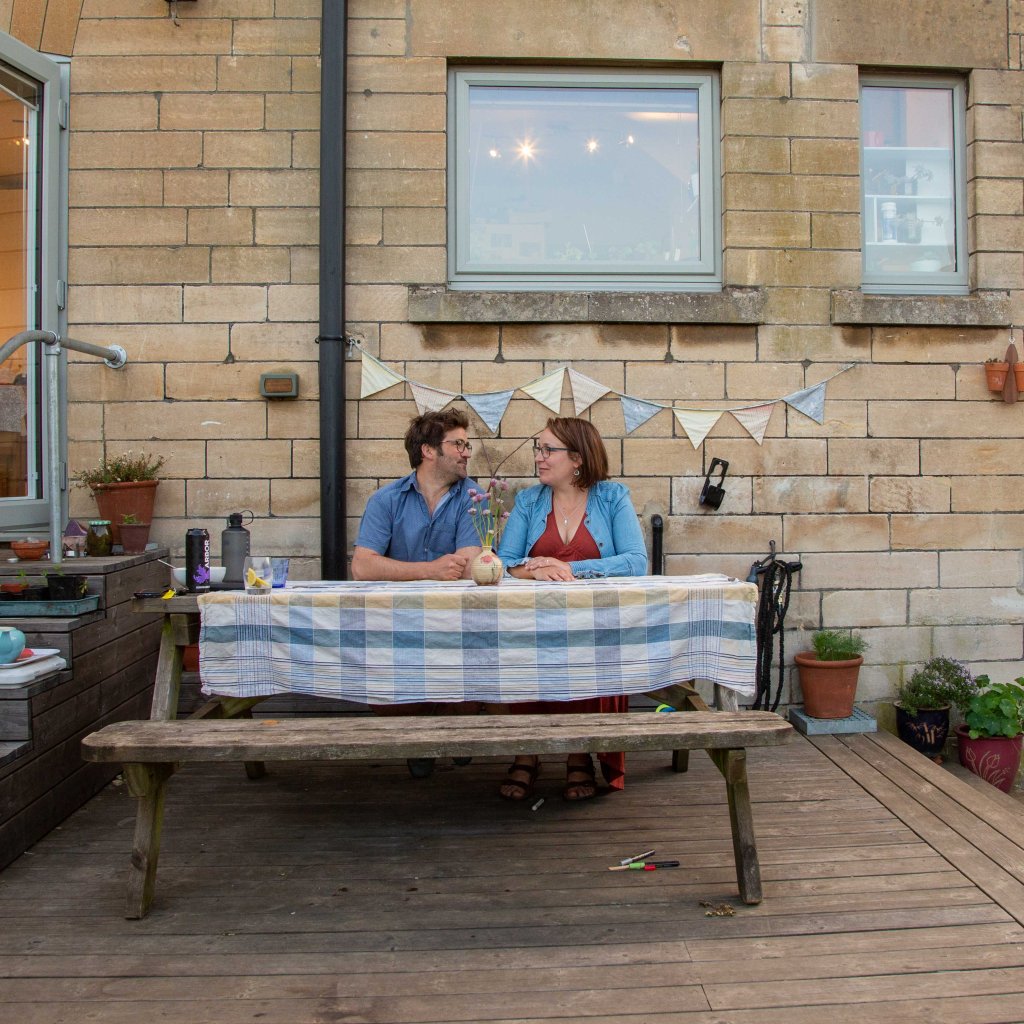
“We definitely are the ‘Gentrification wave’ of Bath. Of this area. I don’t want people, that don’t have the same resources we did, to just think we have money and that we can just spend it. [When we started out] I definitely had money from my dad, but we just worked a lot. It’s not been easy.” [Christine 2021:interview]
This part of Bath sits alongside some of the most socially deprived areas, and as such often sees an over spill of antisocial behavior and crime. However, despite this there is a real sense of community here, with active groups coming together to improve the neighborhood for everyone’s benefit.
“Its something that shocked me at first, in this neighborhood we have quite a few [whispers] ‘quite rough families around’. So, I wasn’t sure if we’d be happy here, lots of antisocial behavior. But then by meeting people from school and the community we really got on with, I realised that the antisocial people are like just 1%. 1% that make a lot of noise, but most people around here are so freaking nice.” [Christine 2021:interview]
“For me it’s much more about growing a network of friends in a community. That’s the strongest thing for me [about living in this area of Bath] trying to encourage this feeling of community and friendship, know that there’s a lot of opportunities, for friendship where we are.” [Phil 2021:interview]
The choice to live in the South of the city was one of economics, initially at least but now the location, close to the outskirts means a quick escape from the city into wilderness. As for many, Christine and Phill are planning an extension to their home. The prohibitive cost of property in Bath eliminates the option to sell up and move to a larger property.
“According to the National Housing Federation, average house prices are now 14 times the average earnings in Bath and north-east Somerset – a figure that has nearly trebled since 1999. A family must earn at least £87,106 to afford a mortgage in the area.” [Wall 2018:online]
Given that the average household income for Bath is £38,000 it is easy to see why so many struggle to get onto the property ladder. In an interview with Caitlin, an ex-Bath Spa student and recent resident to Bath, she discussed the fact that many people who live and rent in Bath will more often than not look to move to towns further afield when looking to buy:
“You get a lot of people that rent here but then when they look to buy, they have to look outside of Bath. They tend to migrate out rather than in.” [Caitlin 2021:interview]
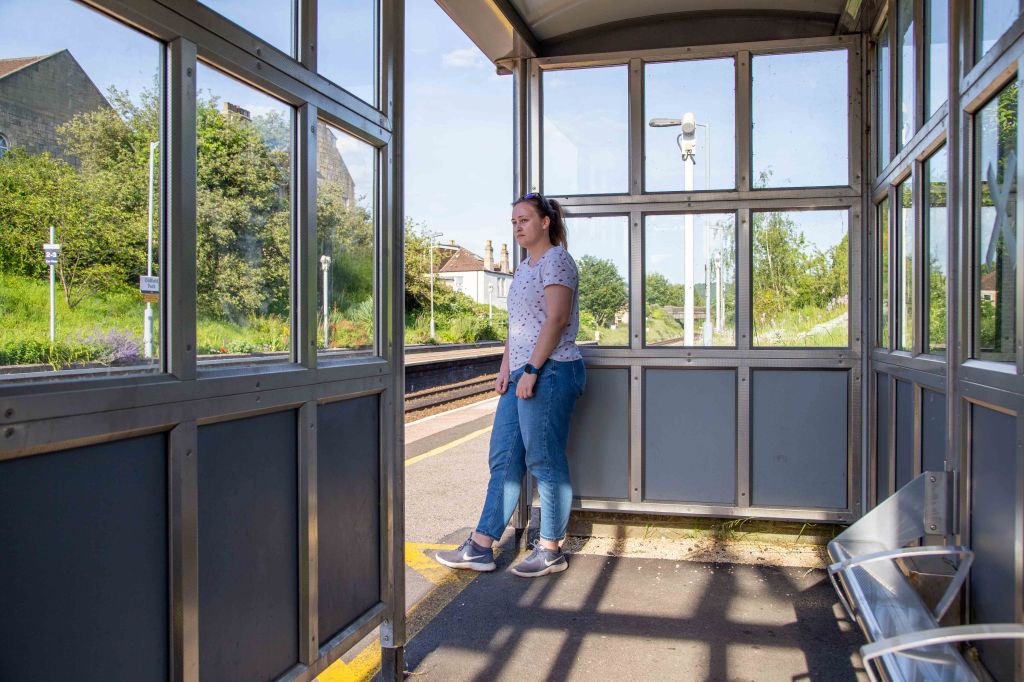
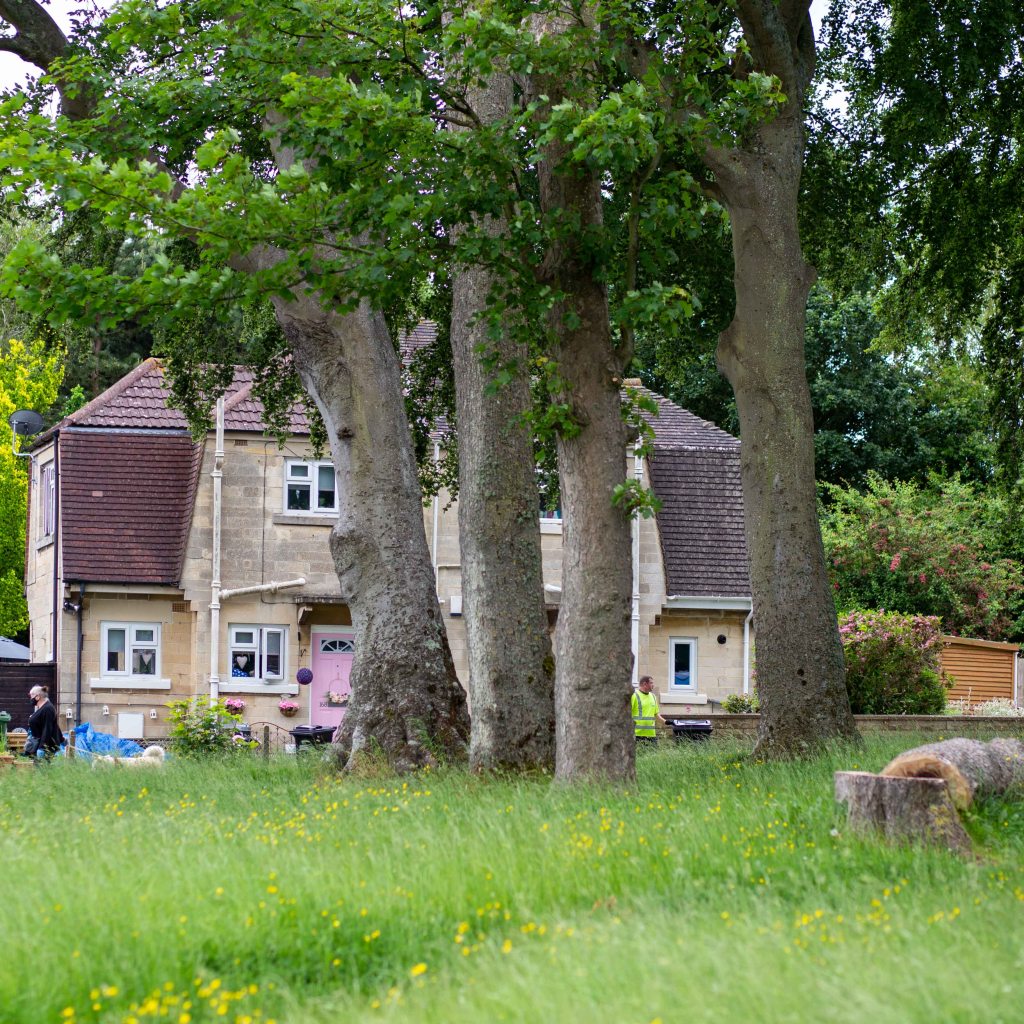
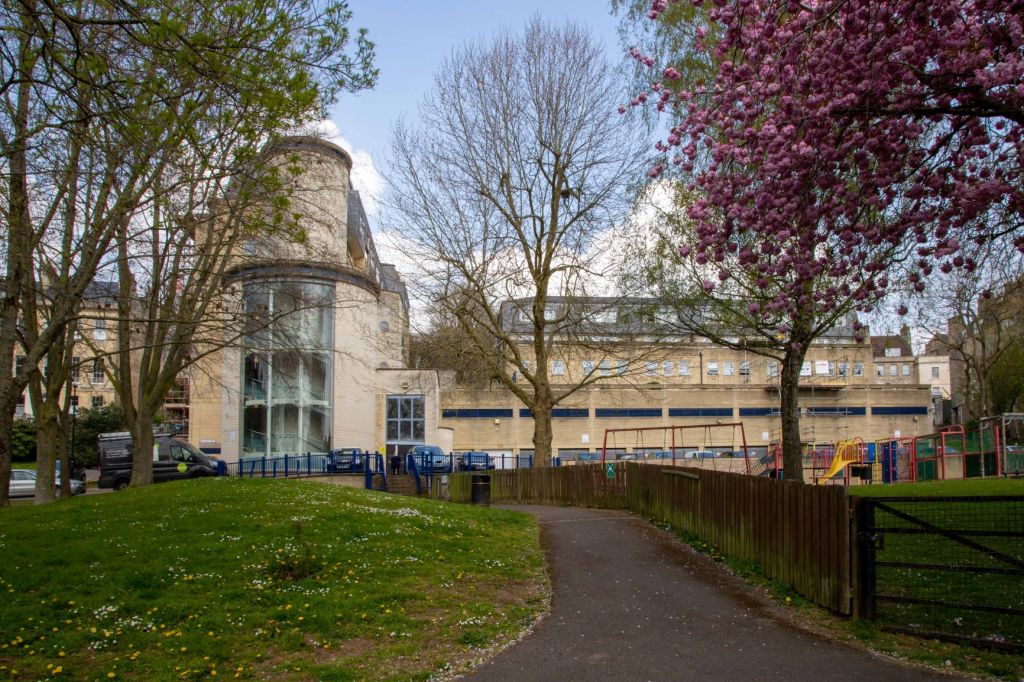
The cost of renting and buying in Bath seems to stem from two key issues, the influx of financially successful people from London and the southeast, and the lack of family homes due to the vast number of HMOs (House of Multiple Occupancy) such as student houses and holiday lets.
“People have gone from owning a property in London. The next step is to own a property in the countryside and still be close to London.” [Phil 2021:interview]
This issue of cost of living in the city has lead me to research the work of the French theorist Henri Lefebvre, who in 1968 published “Le Droit à la ville:The right to the city”, an influential piece of literature that has been used across the globe as a manifesto for city development and the wellbeing of its occupants. Lefebvre outlined that the right to the city meant, the right to affordable housing, a decent school for the young, accessible services, reliable public transport, but most of all the right to live and be happy in the city. Fifty years on it seems not a lot has progressed, certainly in Bath, where developers are only building luxury apartments. We find that inequalities are ever present in Bath with pockets of deprivation, mostly found in the outskirts to the Southwest city.
Despite Bath’s appearance as a wealthy city devoid of social issue this is far from the truth and sadly the same issues that all cities across the UK face, to a greater or lesser degree. As highlighted in a recent council report:
“Approximately 12% of children in Bath and Northeast Somerset were living in poverty in 2017/18, increasing to approximately 19% when housing costs had been taken into account.” [BathNES 2019:report]
Despite such harsh figures the local council and central government appear to be doing very little to solve these issues. Reviewing the 50 years since the publishing of “The Rights to the City” Anrea Gibbons writes about the Tory’s approach to housing:
“There is so much to say about a system that increasingly treats housing as a means to accumulate capital, never as a home. A creeping worldview that only understands the value of housing as a commodity, as something to be bought and sold, speculated in, land banked. To them, where you live is only a piece of property subject to global markets, real estate whose value is tied to location and status rather than its conditions, the wellbeing or stability of its tenants, its impact on the neighborhood.” [Gibbons 2018:48]
Over the past four years that I have lived in Bath I have seen a sizable number of developments across the city and see more in production as I write this. These have consisted of luxury two-bedroom apartments, student halls, hotels, and overpriced housing estates. Increasingly often developers attempt to get away with reducing the number of “affordable” housing they include in their new estates for few of loss of profits. So called “Affordable” housing in Bath is a fallacy given that the government requirements for a house to be classed as affordable is for it to be 20% below market value. The new housing coming onto the market has an average value of £600,000. This would place a so-called “affordable” house at £480,000. Incidentally, the last piece of social housing to be built in Bath was 1972.
In his series Suburbia Mexicana Alejandro Cartagena uses urban landscapes and portraiture as a medium to represent the Mexican urban sprawl and rapid development around the metropolitan area of Monterrey. His images tell of the inhabitants and the struggles they face in these new fragmented cities.
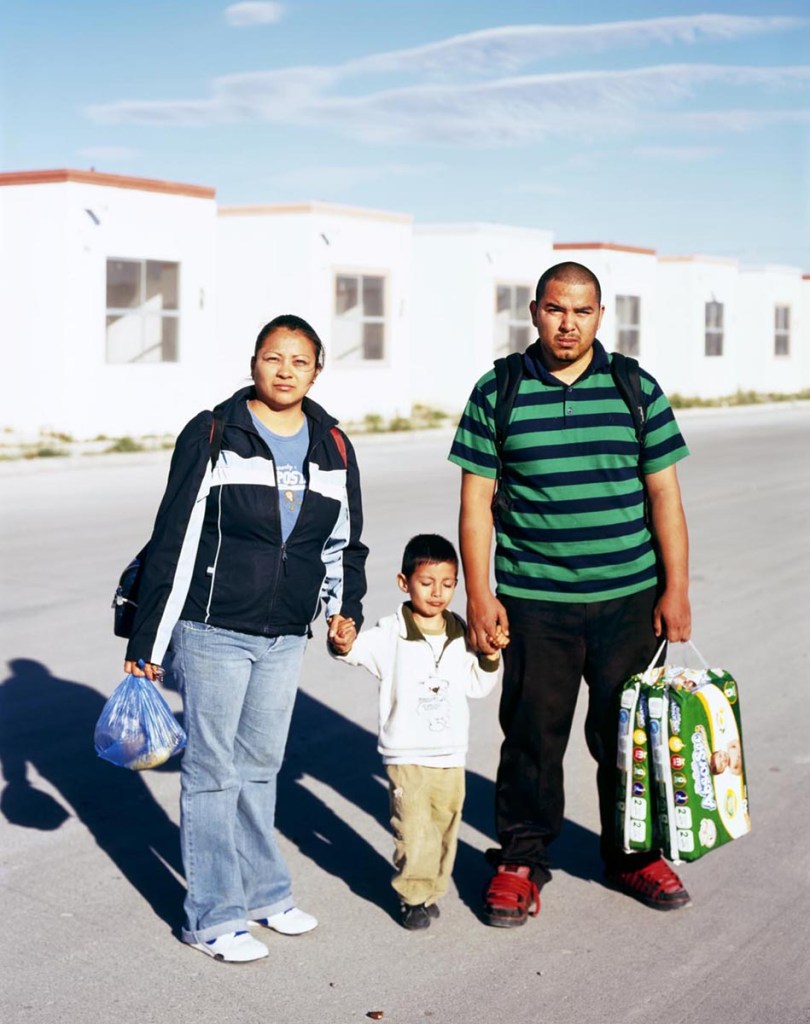

“The different aspects of Suburbia mexicana propose alternate narratives, which depict a global issue from a local perspective. Ii feel that my commitment as a photographer is not to denounce our need for a household, but rather to point out the struggle we face following the ideals of a capitalistic system while striving for fairer cities in which to live.” [Cartagena 2009:online]
Cartagena’s portraits are simple and hold a truth to them, the way his subjects stand or sit. The topographical images of the cities site alongside the portraits and offer the viewer a real sense of place. This body of work really resonates with my own practice as I stive to capture people in a naturistic way, avoiding the deadpan look of other contemporary documentarists. The architectural and topographic images I am aiming to capture are ones that do not dwell or exploit the dilapidation of socially deprived areas, capturing the simple beauty.
References
History of Social Housing http://museumofbatharchitecture.org.uk/wp-content/uploads/2012/08/Bath-History-of-Social-Housing-booklet.pdf [Accessed 15.06.21}
Bath and Northeast Somerset Council “Inequalities report” 2019 https://www.bathnes.gov.uk/services/your-council-and-democracy/local-research-and-statistics/wiki/socio-economic-inequality [Accessed 14/06/2021]
Gibbons A “The Right to the City: A Verso report” 2018 Verso Books
Wall T, 2018 Guardian online https://www.theguardian.com/society/2018/sep/02/tensions-rise-in-bath-exodus-of-londoners-prices-out-local-families [Accessed 14/06/2021]
Bath and Northwest Somerset Council https://www.bathnes.gov.uk/services/your-council-and-democracy/local-research-and-statistics/wiki/socio-economic-inequality [Accessed 14/06/2021]
Cartagena A “Suburbia Mexicana” https://alejandrocartagena.com/h/home/suburbia-mexicana-people-of-suburbia/ [Accessed 14/06/2021]
Images
Figures 1-6 Work in progress images 2021 Tim Beale
Figures 7&8 “Suburbia Mexicana” Alejandro Cartagena https://alejandrocartagena.com/h/home/suburbia-mexicana-people-of-suburbia/ [Accessed 14/06/2021]
 The Space Between