I had a really useful feedback session on my research project at this week’s webinar, after presenting my latest images and areas of research we then discussed how my project had evolved over the course of the MA. Having research such photographers as Jeff Wall, Rachel Harrison and Tom Hunter, I can now see a tangible style that my practice is moving towards. The use of tableauxs in my photography has been incredibly useful in enabling me to explore my own response to the environment around me. This is not without it’s challenges and risks. Whilst choreograph, direct oneself is infiltrate easier than using a module, controlling a shot becomes that more challenging, I use a spare mobile phone tethered to my DSLR to over come this. I have however had to be ever mindful of locations and the risk of theft or injury to myself (slipping down a hill side), as much as possible I’ve tried to go out with other family members or friends.
Reviewing my images from that last few weeks has been particularly enlightening as it is clear that there has been a substantial (subconscious) shift in context, from simply looking at the space around us, towards investigating the space between Birth and Death. I feel this shift in focus is ever more poignant to me now, having suddenly, just lost my father. Much of my current work reflects this transition in thinking and feeling, tangible motifs can be seen such as that of birth. Over the next few weeks I will begin to explore other aspects of that space between Birth and Death as I look to self reflection as my own way of dealing with grief.
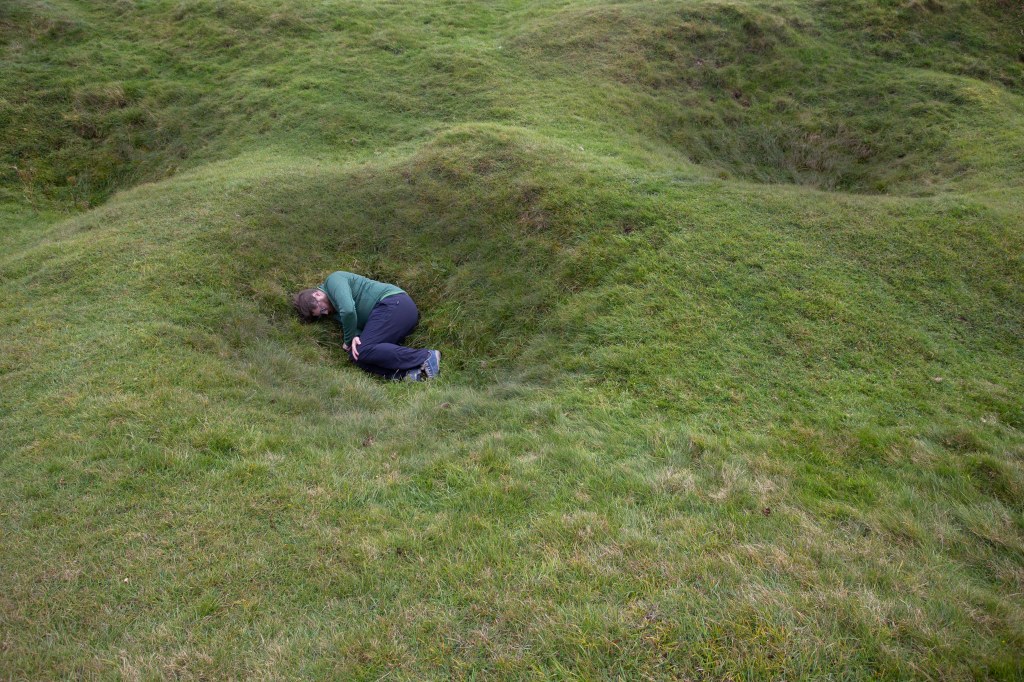
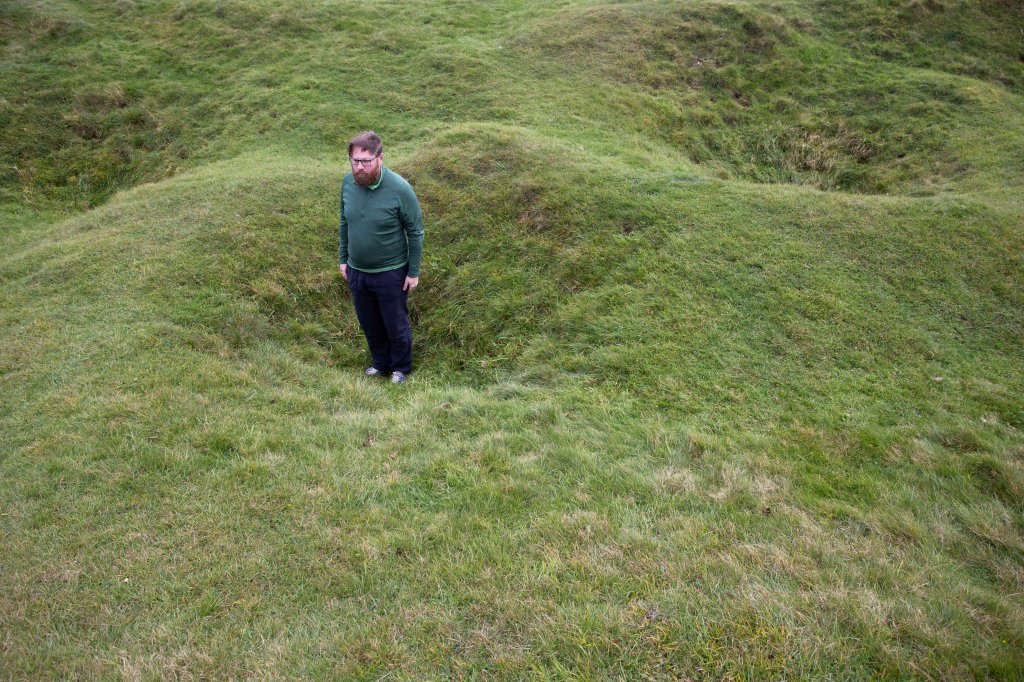
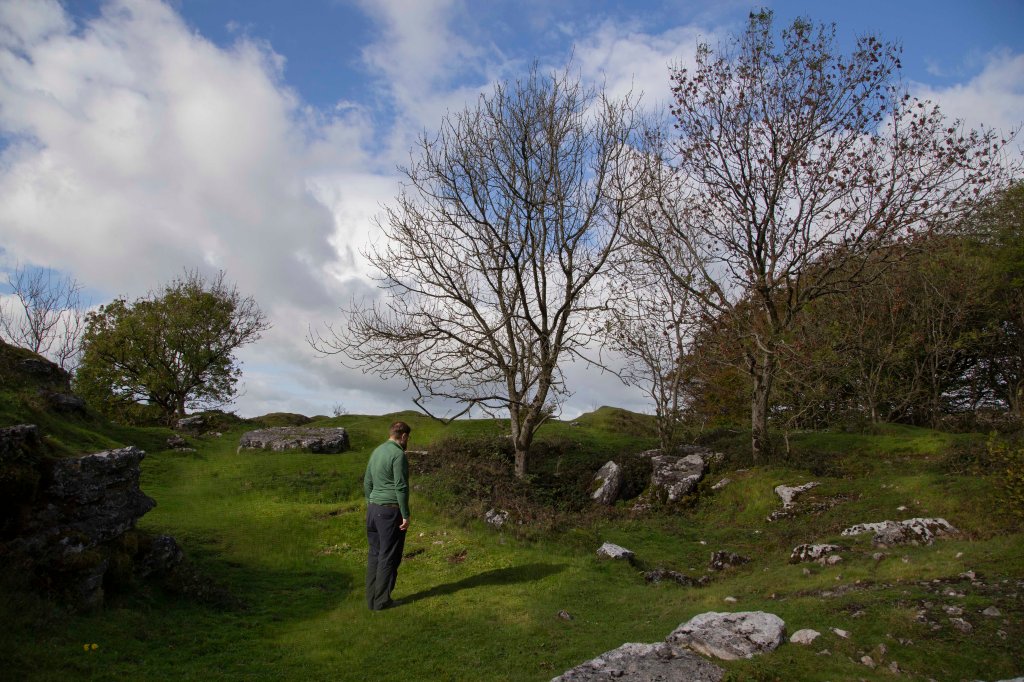
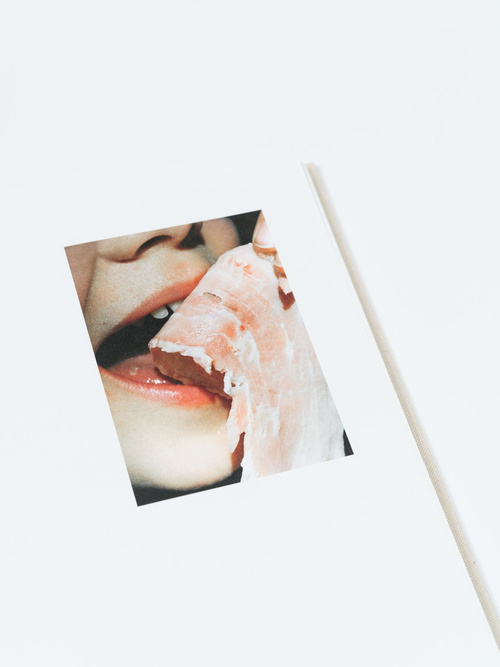
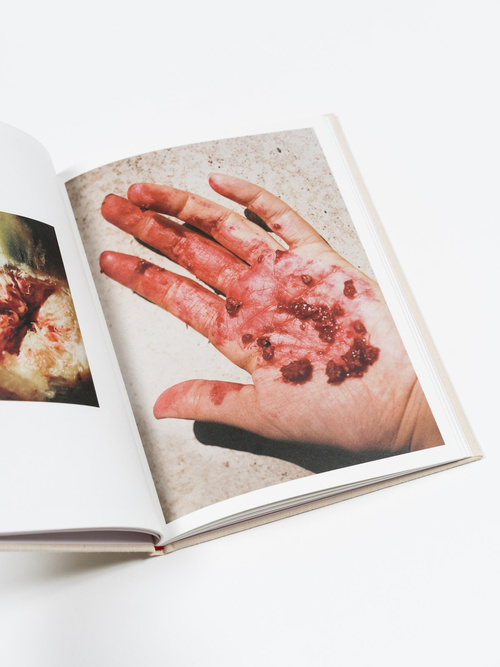
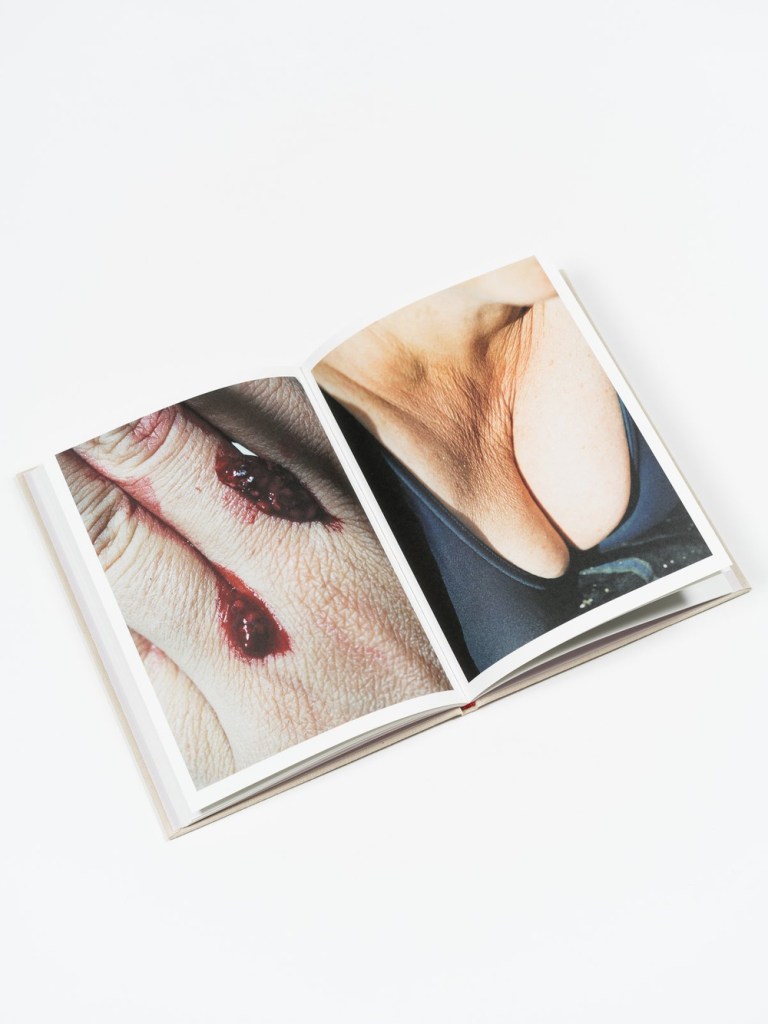
It was suggested I look to the work of Lucile Boiron’s book ‘Womb’ where she “explores and exhausts fragments of flesh, these moments when human nature appears for what it is, that is, perishable. Far from making an inventory of the feeling of revulsion, she questions the body’s biological truth, and attempts a photographic answer to the issue of good and bad taste.”1 The book is a well thought out and curated body of work with close up images often paired in such a way that makes the viewer uncomfortable, such as the use the flesh of fruit juxtaposed to images of blemished skin. Looking at more of Boiron’s work it is clear that the body itself is the focus with the environment being absent or playing a minor part in her imagery.
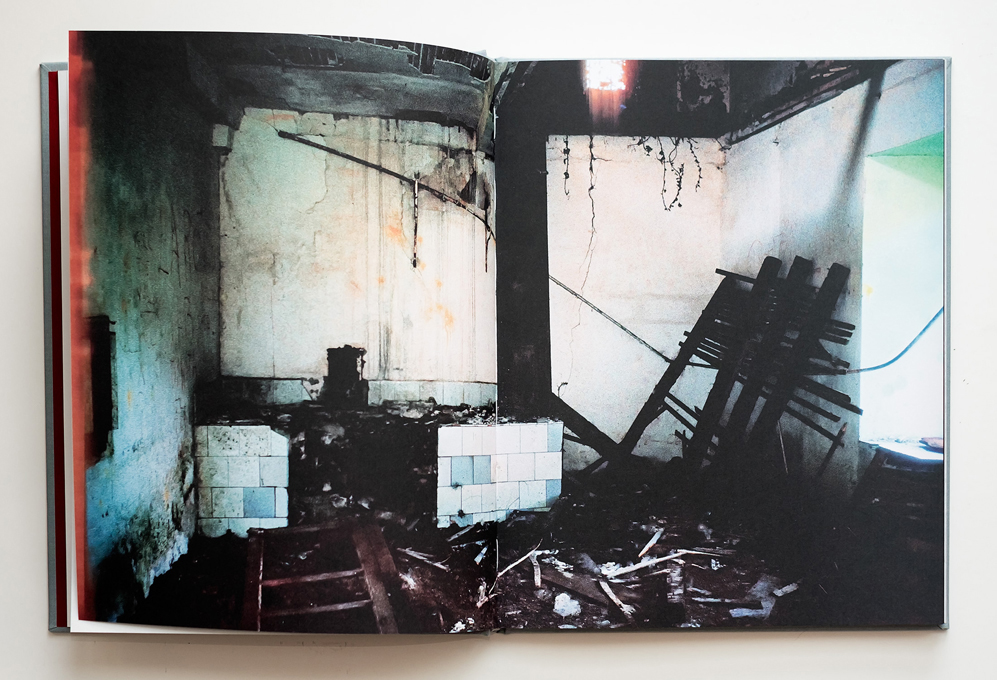
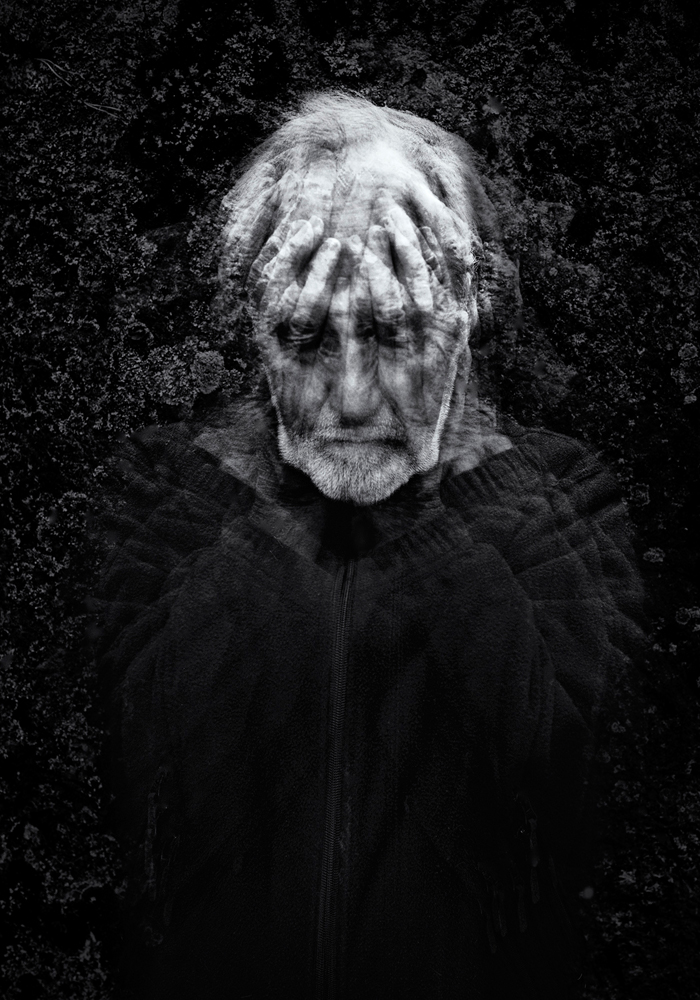
I also looked at the book ‘Endings’ by photographer Leif Sandburg, “About panic and getting old” as he describes it2. Sandburg then in his late ’60s he received the difficult news that he had cancer this led him to consider his mortality, six years later after extensive surgery and a great period of photography ‘Endings’ was produced. As opposed to Boiron’s work Sandburg uses the environment in his images to draw parables between the fragility of human existence by offering the viewer images of decaying structures and interiors, often in colour, set against stark monochrome images of figures (mainly self portraits of Sandburg). Sandburg’s use of techniques such as multiple exposer gives an ethereal, ghost like motion to the figures depicted therein.
“Death becomes palpable when it approaches, and the pictures contain questions of fear and uncertainty, but simultaneously the joy of ageing together with a life partner. The pictures have grown over a five-year period. Often a photo session with an original idea inspired new pictures created in the moment and the plan had to give way for intuition and guts feeling. Possibly a way to get close to who you and exploring your inner self.” –Leif Sandberg 2017-03-013.
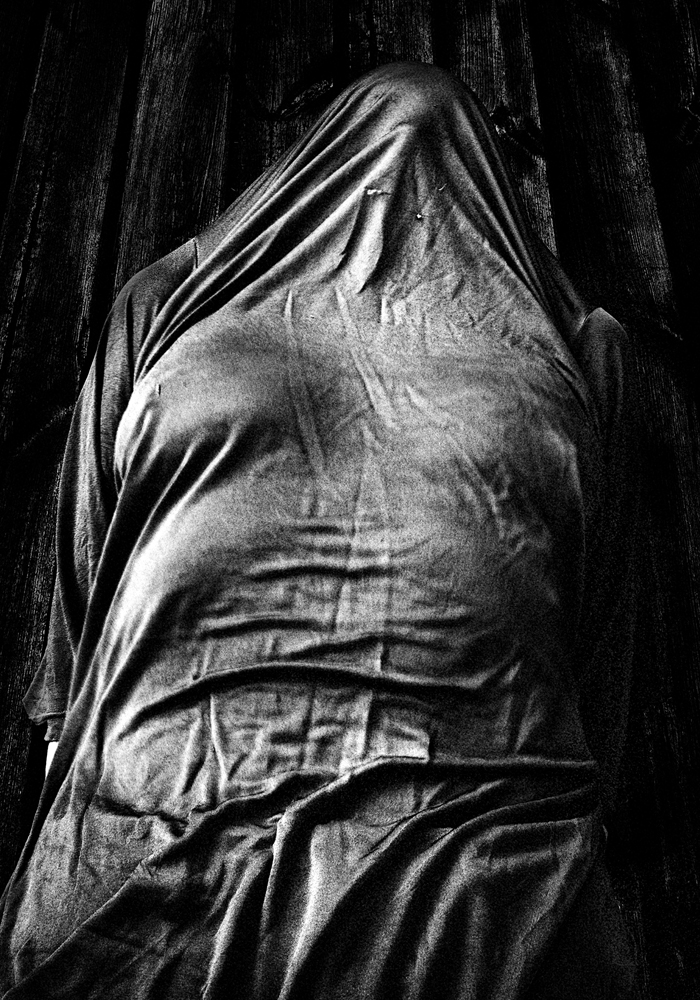
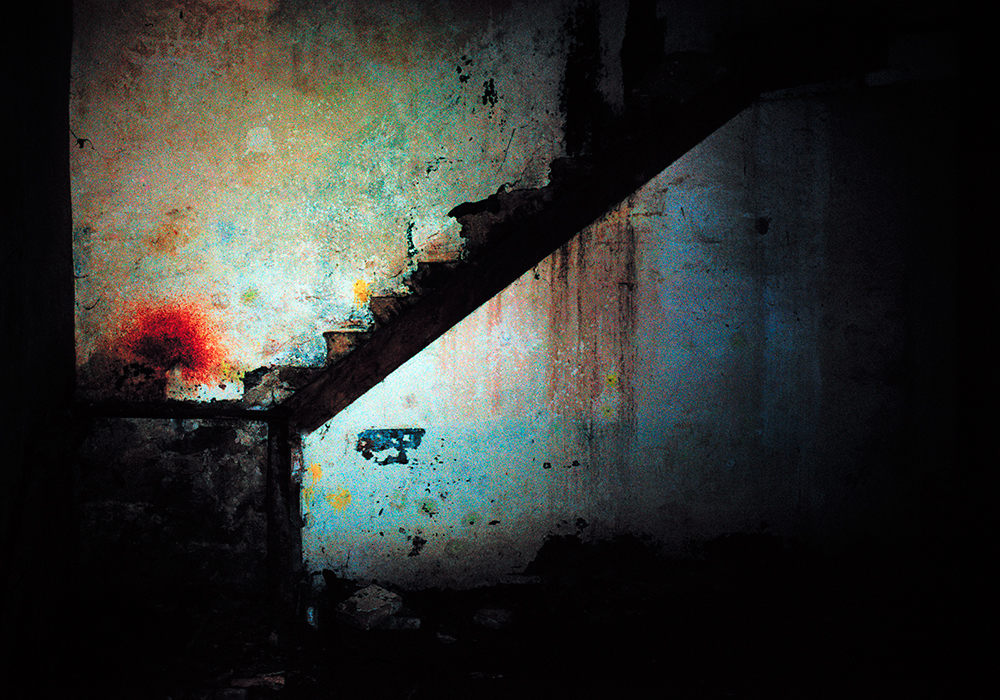
Of the two photographers Sandburg’s work has a certain resonance to my own current project. Whereas the brutal beauty and curation of Boiron’s book is truly inspiring, leaving me with questions about curating my own images and how they can be used to effect such strong reactions in the viewer.
Resources:
1 Boiron.L (2019), ‘Womb’ [online] https://www.libraryman.se/lucile-boiron-womb/ [Accessed 17.10.2020]
2 Sandburg. S (2017) ‘Ending’ [online] https://leifsandberg.com/ [accessed 17.10.2020]
3Smithson. A (2017) ‘Ending’ [online] http://lenscratch.com/2017/03/leif-sandburg-ending/ [accessed 17.10.2020]
 The Space Between