Week 5: Responsibilities

This week the questions of ethics and use of photographs were challenged, including examples of photos of Syrian refugees, that were used to differing ends. The photos of Alan Kurdi’s body on a beach that have been used to raise the plight of the Syrian refugees and the struggles they face in fleeing their homes. I found these to be hard hitting images that made me question as to the limits of photojournalism. This reminded how, in the 2013 documentary ‘McCullin’ when talking about the Congo conflict, McCullin describes how he chose certain scenes not to photograph. He effectively self censored the images accessible by the press. Certainly his description of the scene’s he didn’t photograph were of an extreme graphic nature, as such we have to speculate as to how (if) they would have been used by the media if he had shot those images.

We also looked at the Jeff Mitchell image of refugees crossing from Croatia to Slovenia in October 2015. In particular how the image was used by UKIP to (wrongly) illustrate refugees coming to the UK in their campaign material. This throw’s into question what control a photographer has over the photographs they release for commercial use. Very little it would seem.

I feel the best I can do in my practice is to be true and honest to the subject that I’m photographing. As such I have the following:

Statement of ethics
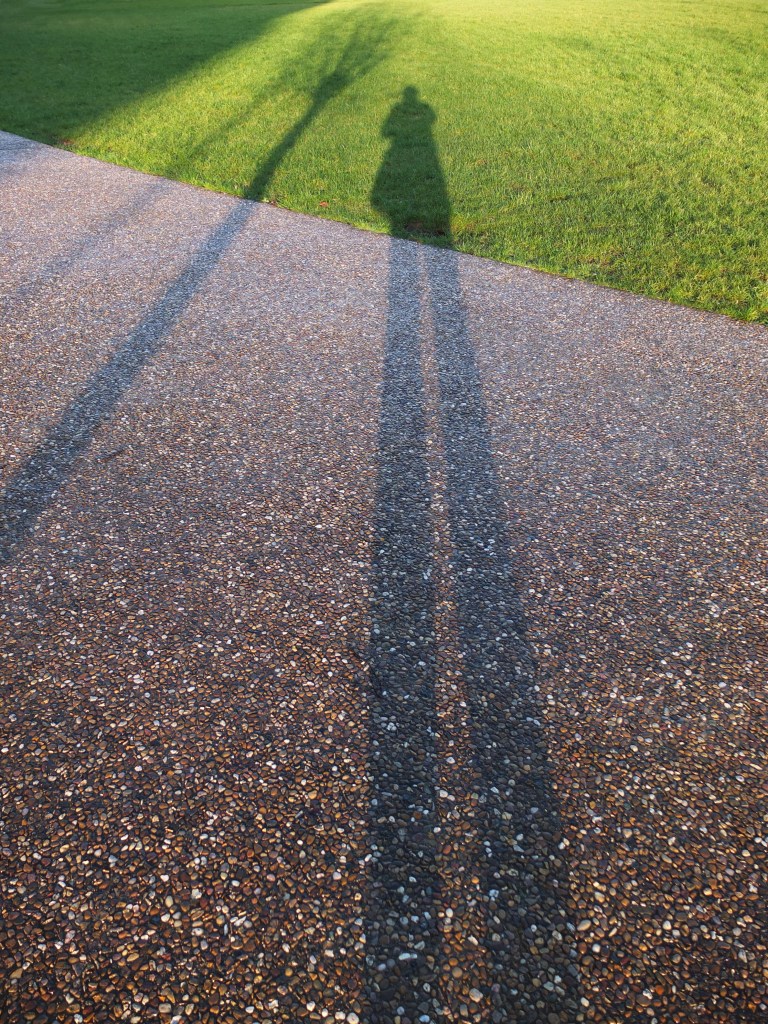
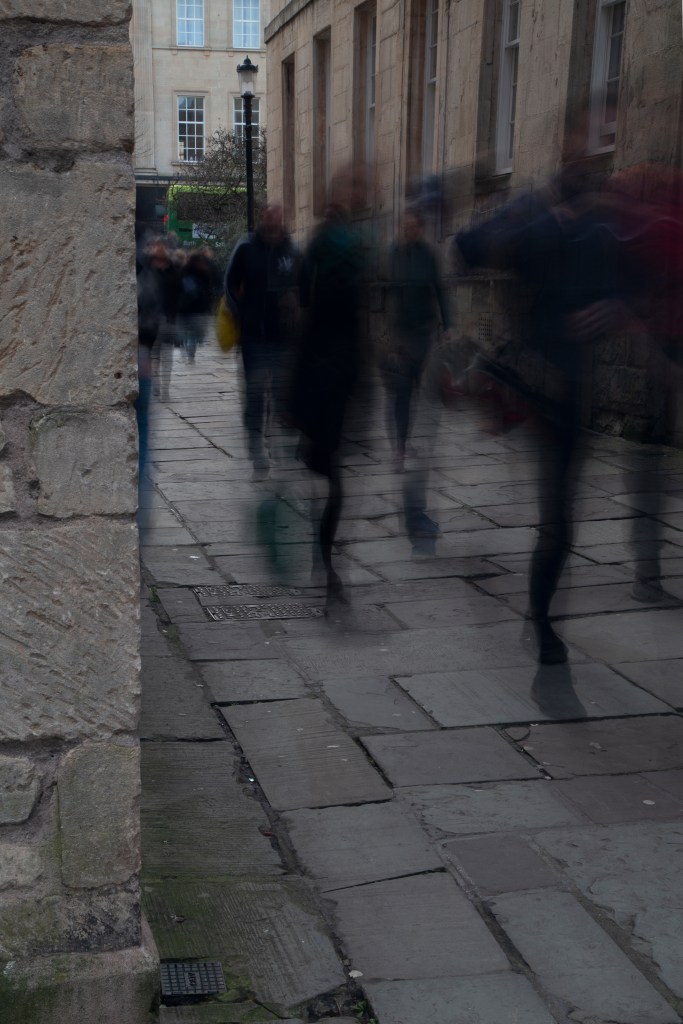
Standing Tall: Self portrait. Tim Beale 2020

I aim to produce creative, thought provoking images and in my photography I act responsibly, integrity and in an ethical manner:

People & places:

  • I seek consent before photographing an identifiable person.
  • I will seek consent if photographing on private land prior to shooting
  • I treat all people and property with respect and shall strive to portray in a respectful and appropriate way.
  • If someone wanders into my shot, I am courteous and will wait for them to
    move. I will consider adjusting my own position.
  • I will not knowingly miss-represent any person, persons or situation.
  • I treat models with courtesy, repaying professionals with prints or fees for their work.

Conduct:

  • I am respectful of boundaries, be it personal or physical.
  • I take time to talk about what I do as a photographer and what I am looking to achieve with a shot
  • I always welcome feedback.
  • I will be aware of my surroundings and weather conditions to ensure I do not put myself or other in harmful situations.
  • I am clear and open about post processing techniques used in my final pieces
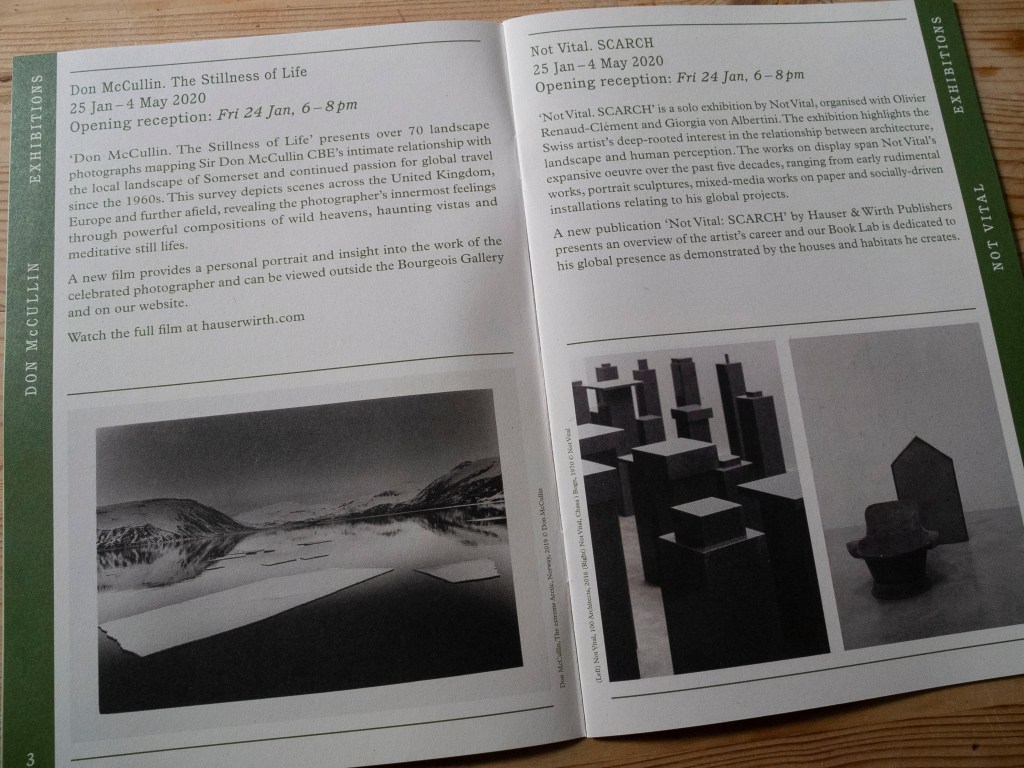
A visit to Hauser & Wirth.

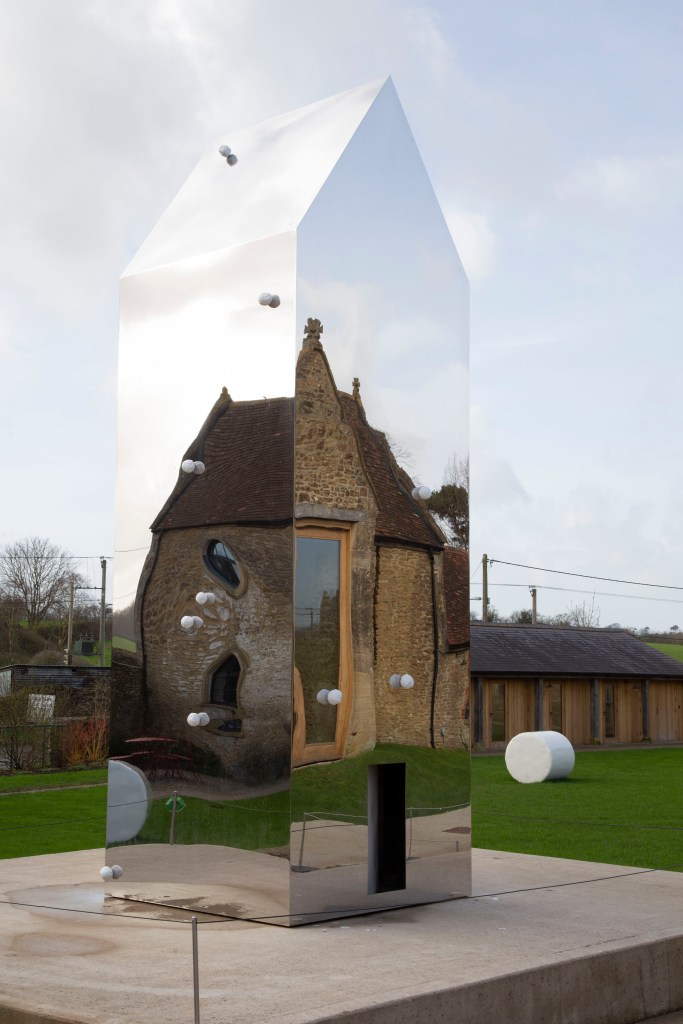
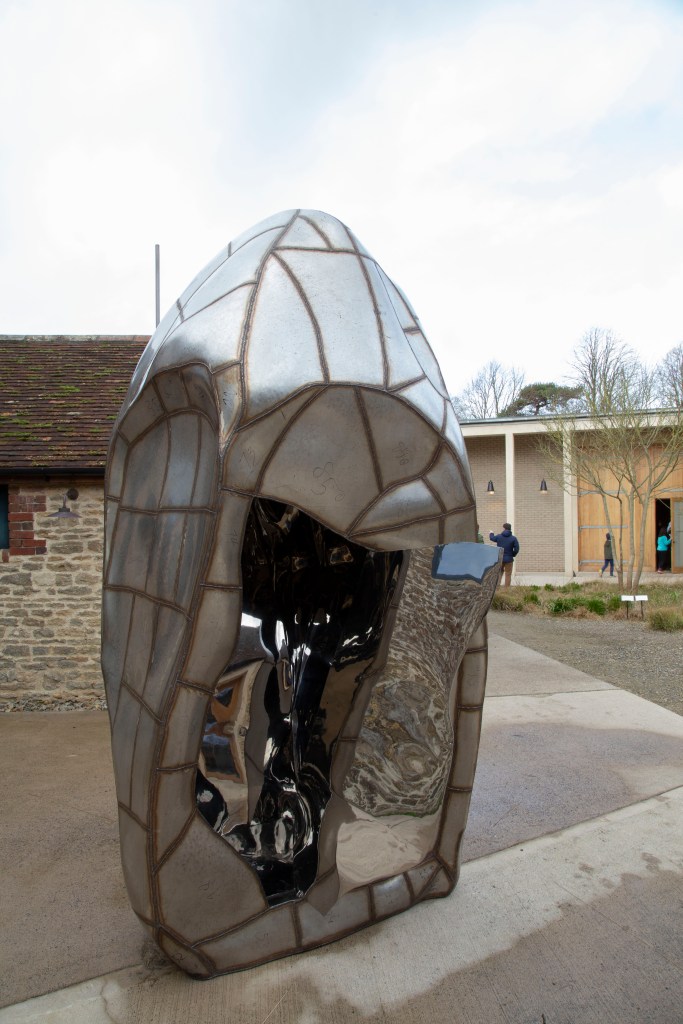
Not Vital: SCARCH

A visit to Hauser & Wirth gallery to see the Don McCullin ‘Stillness of life’ exhibition had the added bonus chance to see work by the Swiss artist Not Vital.

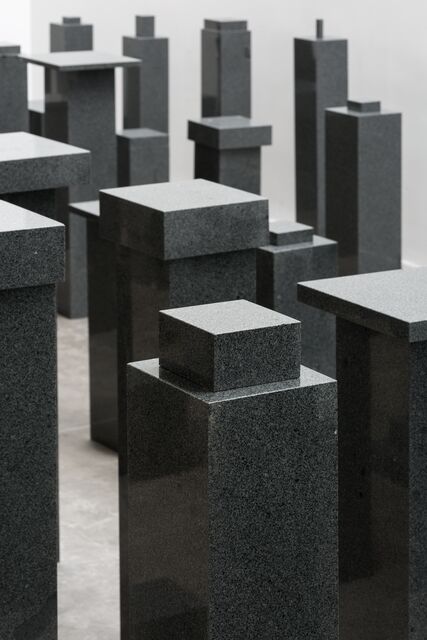
When walking from the car park to the main entrance visitors are greeted by Vital’s architectural sculpture (or ‘SCARCH’ as Vital refers) ‘Cannot Enter Cannot Exit”. A striking structure resembling a tall house made in highly reflective metal, at 3m high the piece has a monolithic presence that dominates the space. Once in the gallery space other earlier works by Vital dominate the space, such as ‘House to view the sunset’ entice the viewer to pause and walk around the sculpture viewing every aspect and angle to gain a sense of presence. I was immediately drawn to the fantastic ‘100 architects’ that was displayed in a long gallery space with 50 marble structures, of varying size, either side of central walkway. Each structure represents an architect by their year and month of birth. The large column the year and smaller top section the month (for example 15 Feb 1948 equates to 19x19x48cm and 15x15x2cm). Such a fascinating and cleaver concept that is both provocative and visually stunning. Sadly photography was not permitted in the gallery…

‘The multidisciplinary exhibition will highlight the Swiss artist’s deep-rooted interest in the relationship between architecture, landscape and human perception. A conflation of the two words sculpture and architecture, ‘SCARCH’ transcends the boundaries of both formal terms, creating immersive, site-specific structures that provide a sense of wonder by means of alternative perspectives. Vital has travelled and exhibited widely since the 1970s, living between the United States, Niger, Italy and China, as well as his native Switzerland. The works on display will span Not Vital’s expansive oeuvre over the past five decades, ranging from early rudimental works from the 1960s, portrait sculptures, mixed-media works on paper and socially-driven installations relating to his global projects.

Central to Vital’s practice is an exploration of the spatial and socio-cultural backdrop of his homes and workplaces. He is able to immerse himself in new contexts and cultures with astonishing ease, collaborating with local craftspeople and sourcing regional production in the most remote areas.’ [taken from the promotional material from:https://www.hauserwirth.com/hauser-wirth-exhibitions/26434-not-vitalscarch ]

Don McCullin: Stillness of life

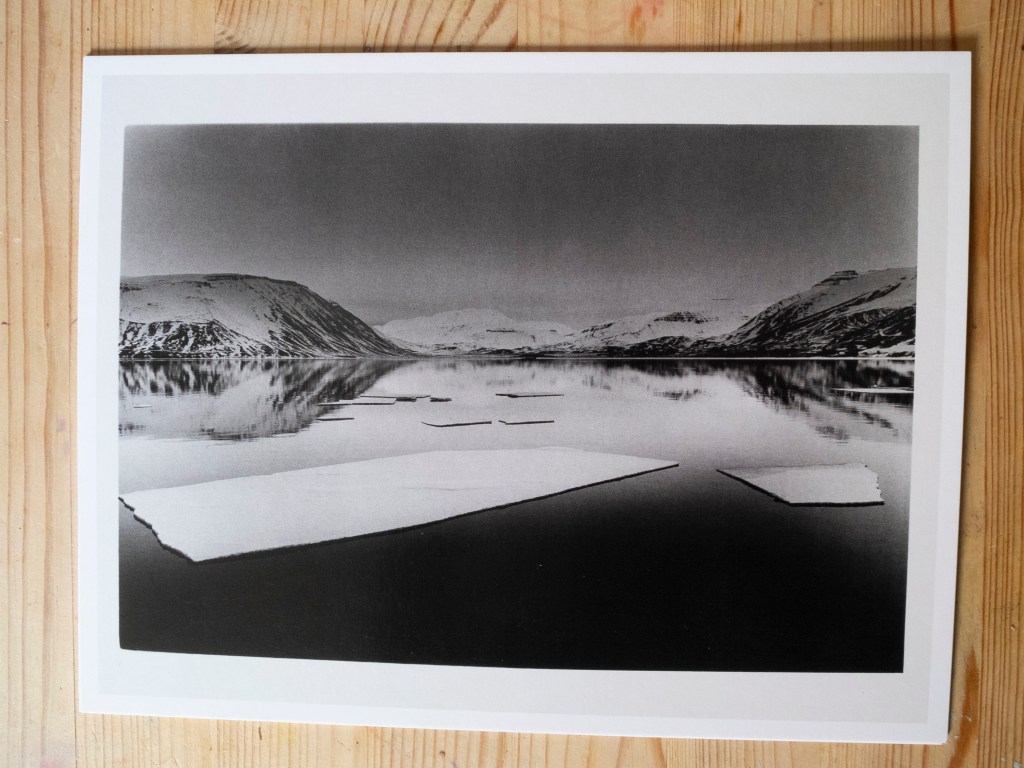
Reception invite featuring the photo ‘The extreme artic Norway’ Don McCullin,2019.

‘If you look again at McCullin’s landscapes, you start to sense the figure who made the pictures, invisible behind the lens, stepping forward with nothing but his own shadow – in the marsh, against the snow, along the causeway, over the brow. By now he is stripped of all superfluities. He is not a man in repose, who lingers lazily. He is striding into the wind, as always.’

Mark Holborn, 2018

I found Don McCullin’s landscapes to be representative of the bleak British winter landscape, with his use of monochrome to emphasise the stark contrasts in the texture of fields, tree line and sky. There’s a sense of impending doom in McCullin’s sky’s that tell of storm and rain and the cold harshness of these landscapes. Often the black in a photo would dominate in such a way that details became lost or meaningless. It was quite fitting then to see this exhibition during a stormy weekend, set in the same landscape that McCullin photographed. Many of these photos could have been taken in the field surrounding Hauser & Wirth.

Collaborative working

This past week I’ve been working with two of my fellow MA cohorts, Lucie & James, on a micro project. This has been my first piece of photo collaboration, having previously worked on graphic design and art projects with groups of people. One of the initial challenges was to navigate a way to communicate, using the universities’ ‘Canvas’ network allowed us to message and share images. With each of us working, time was a key issue, trying to kind time to email and respond reactively.

However only after a few emails we all settled on the technique of blurred motion as a common method to our photography. The next stage was an open discussion about how this would be used in context with a common theme and what that common theme would be. Ideas flowed quite naturally with us each adding a layer to the concept. We each set Wednesday as a target photo shoot day, each of us making photos in our various locations. These images were shared that evening and used to finalise the overall concept, context and project title “77 seconds” :

Having completed the project I look back at the process of collaboration and the challenges and benefits of working with other creatives. I found the biggest challenge was the lack of face to face contact and flow of communication that immediate contact can give. The main benefit to working collaboratively was being challenged to think a different way, taking into consideration another approach the same concept. As a result of this project I would welcome the opportunity to work collaboratively on a project in the future.

Reflection & Research

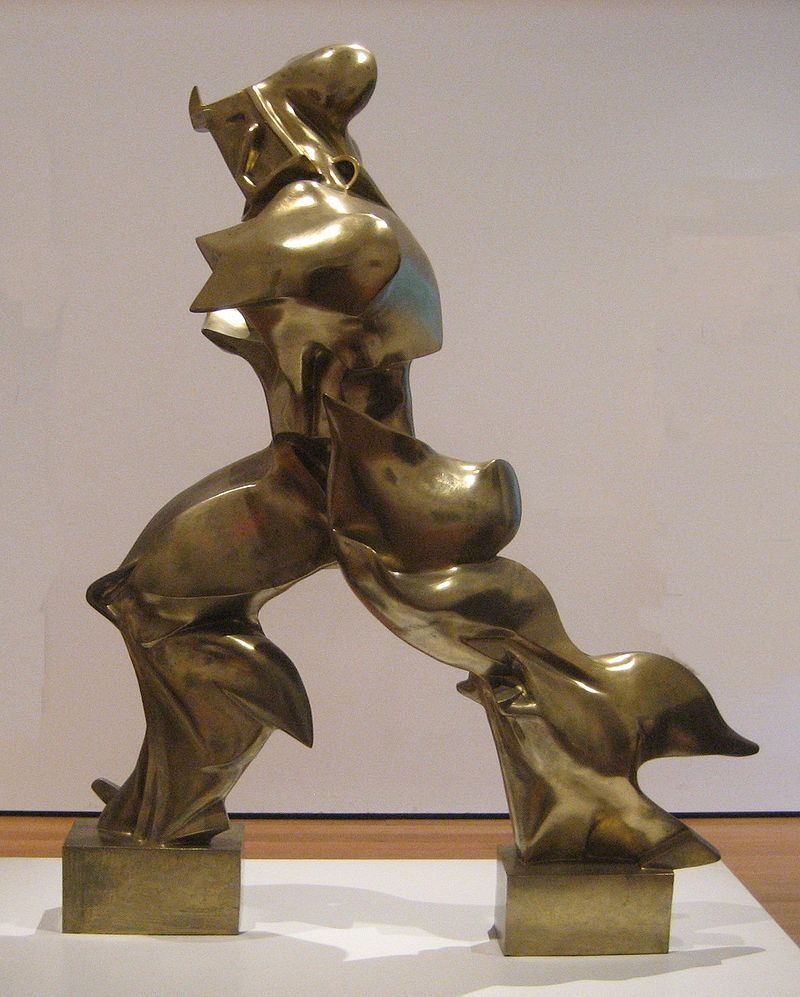
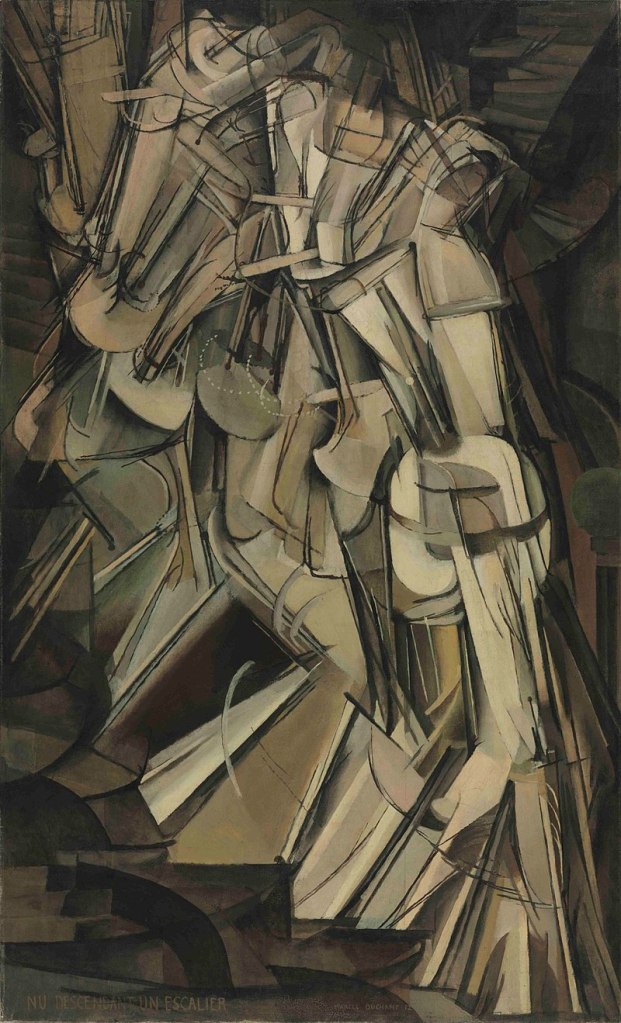
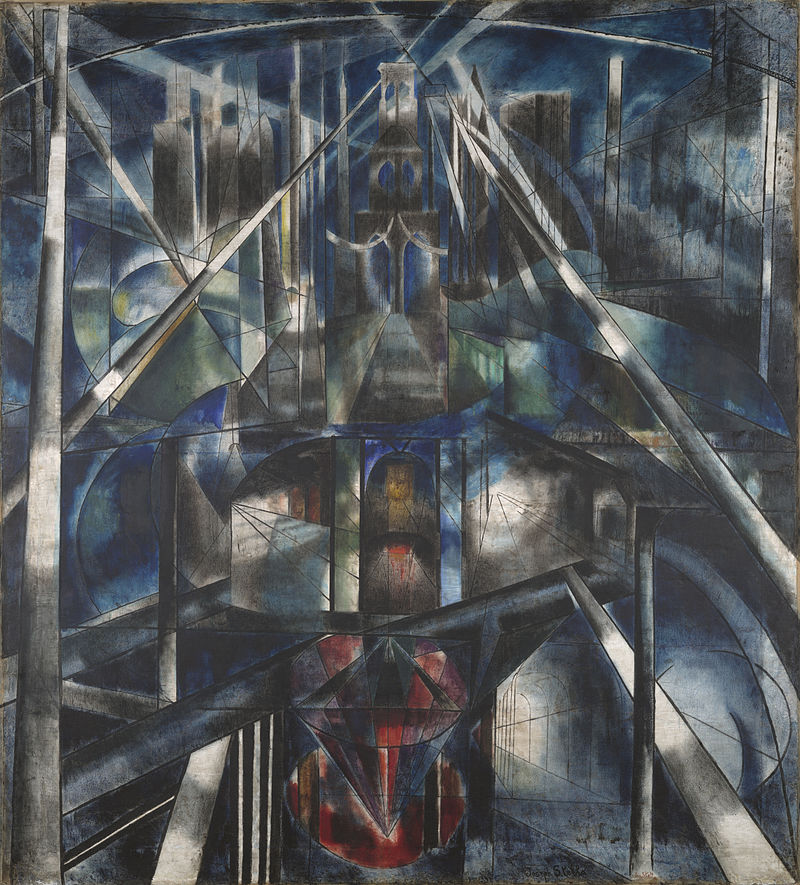
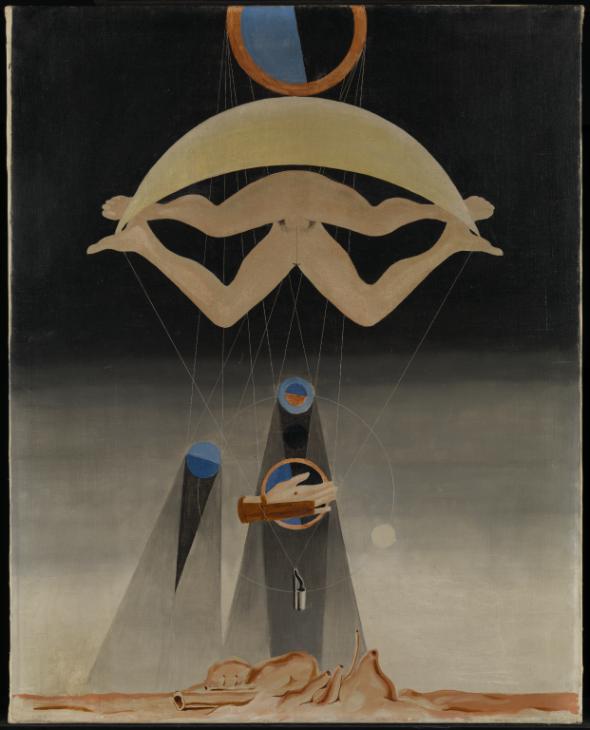
In reference to ideas that are forming for my project I started a process of reflecting back to what inspired me to start a creative journey. Back when studying for my Art Foundation I was pretty obsessed with the surrealist, cubist and futurist movements. In particular the works of Duchamp, Boccioni, Picasso and Ernst to name a few.

After discussing my project progress with my course tutors they helpfully pointed me in the direction of contemporary photographers that have worked on similar concepts to my ‘space between’ project.

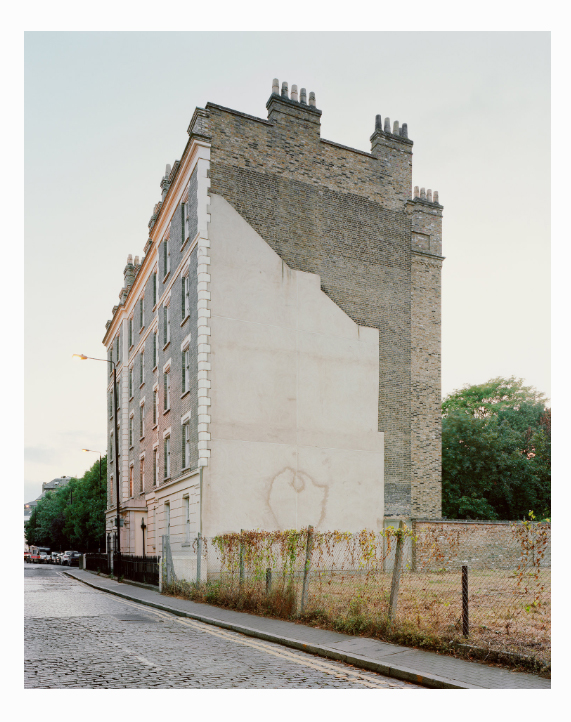
The first being Thom Atkinson’s ‘Missing Buildings’ a photo book collaboration with his sister, Beth Atkinson, brings together an extensive body of work documenting the physical and imaginative landscapes of the London Blitz.

‘Missing Buildings’ Thom Atkinson. Wapping High Street. https://www.thomatkinson.com/missing-buildings

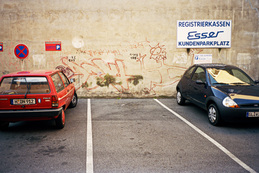
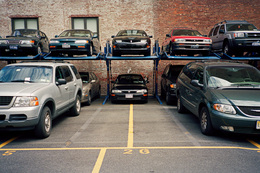
I then looked at Martin Parr’s ‘Parking Spaces’ project that looks at the global problem of where to park your car. Parr photographed the last car parking spaces in more than 28 different countries. Surrounded by a minimum of 2 other cars these photos inevitably tell us about the topography and cliches of the country depicted.

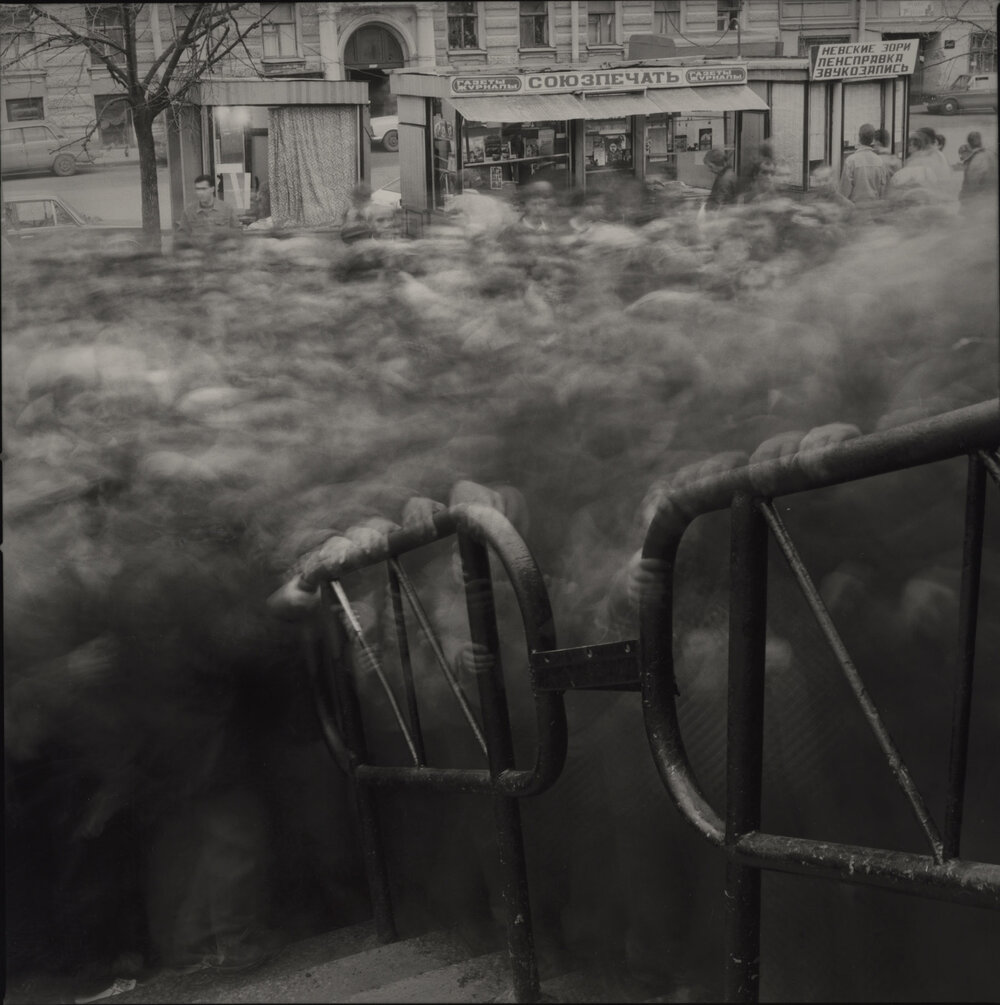
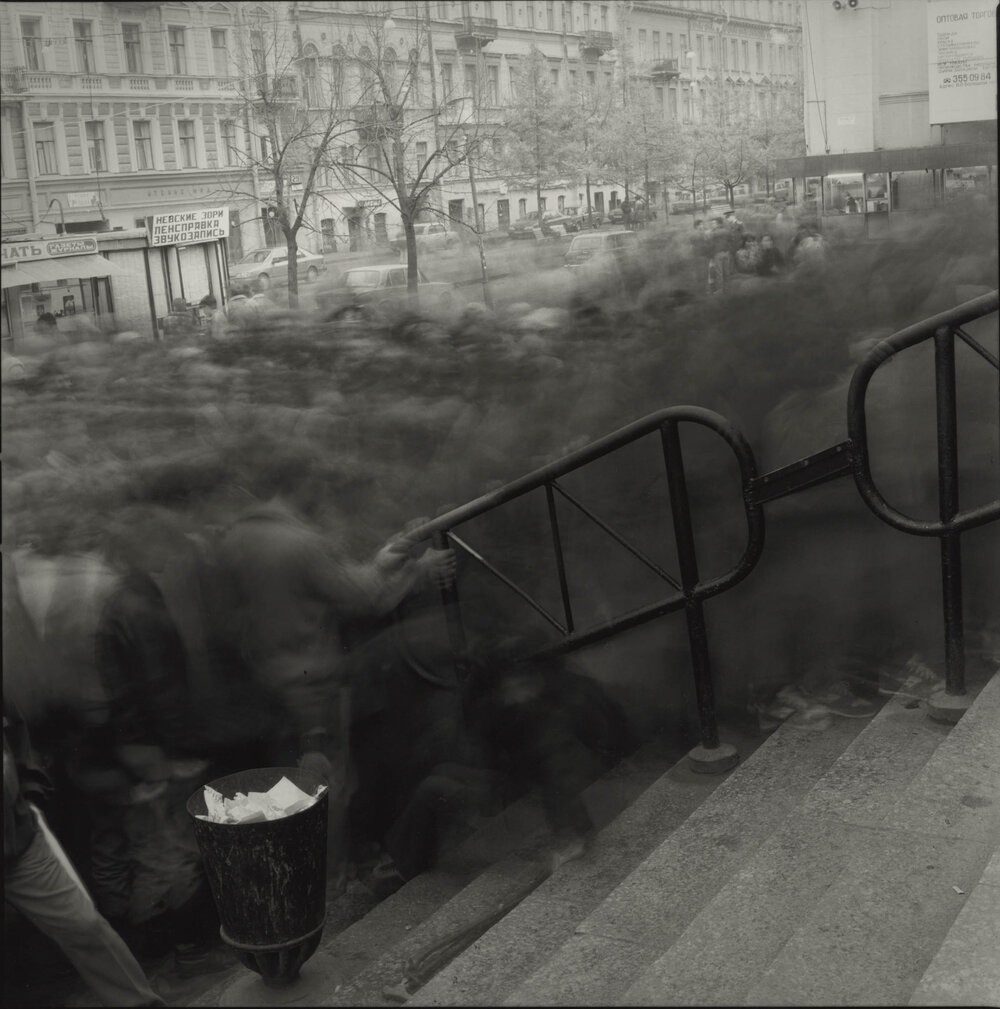
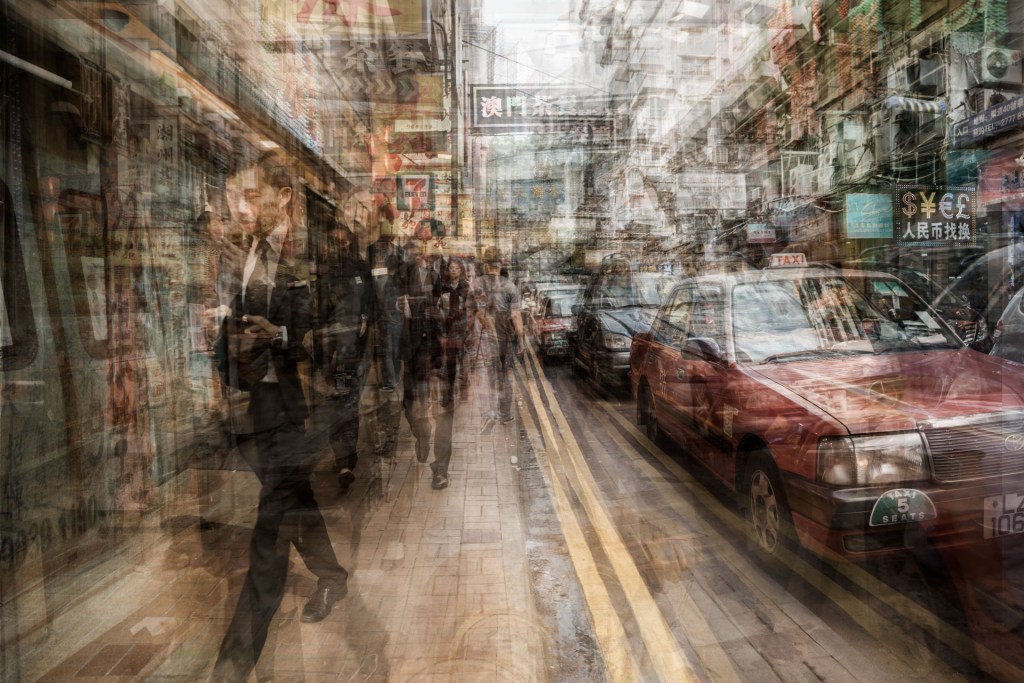
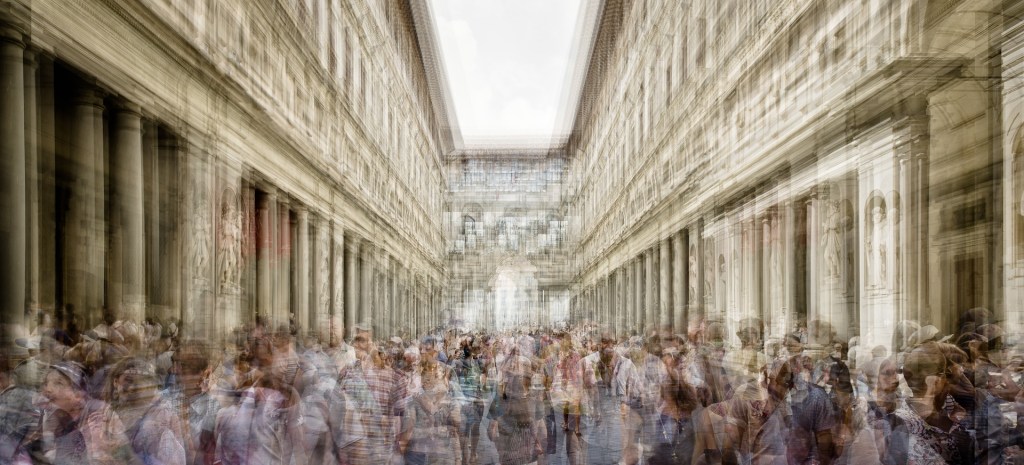
Further research into contemporary photographers who are working within the urban environment, akin to the style and ‘feel’ that I’m looking to achieve, came up with two names. Alexey Titarenko (who’s work I had seen some time ago) and Riccardo Magherini. The work of both these photographers really resonates with my passion for the cubist & futurist movements and seem to capture the type of movement I want to portray in my work.

Work in Progress

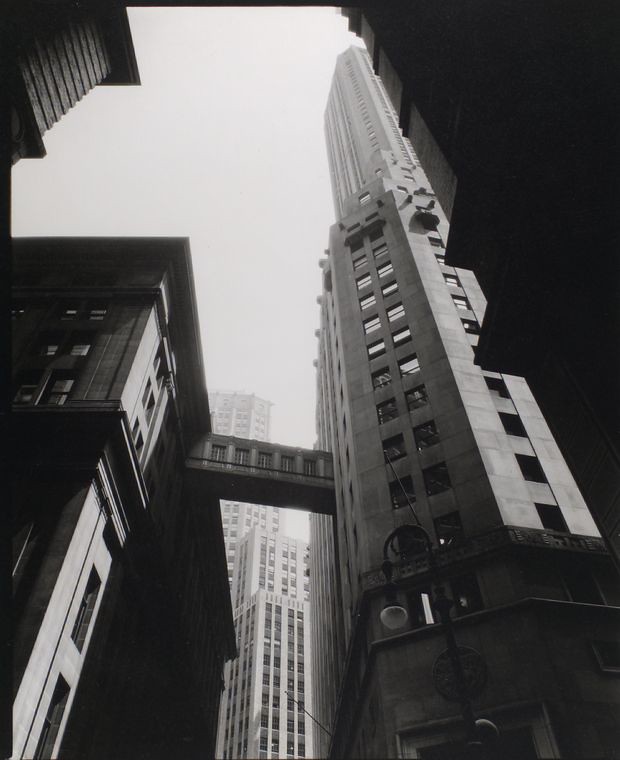
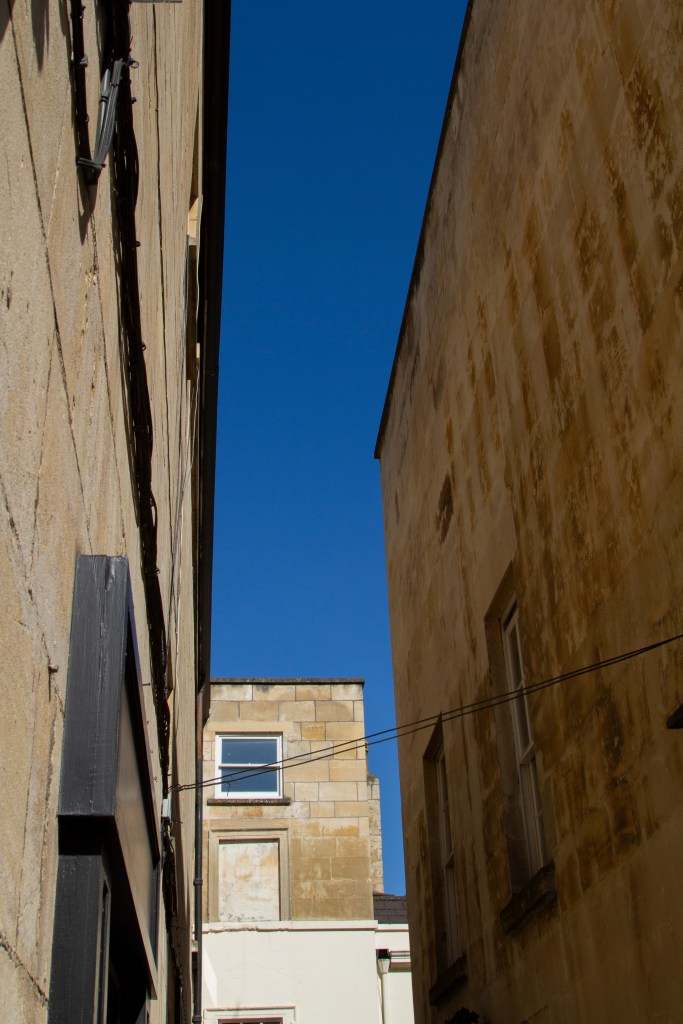
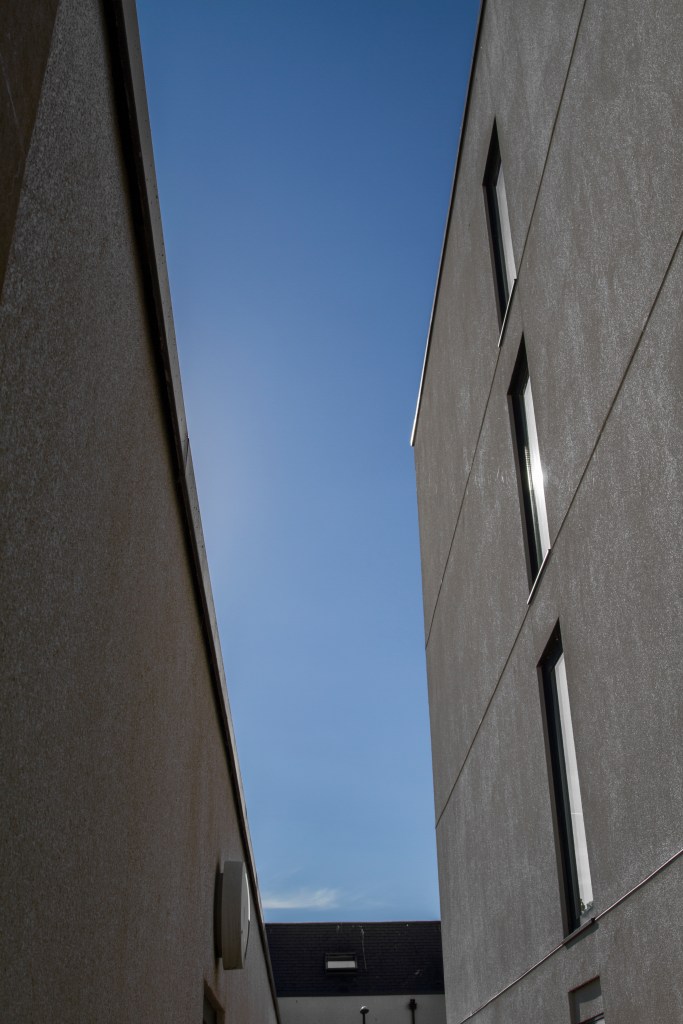
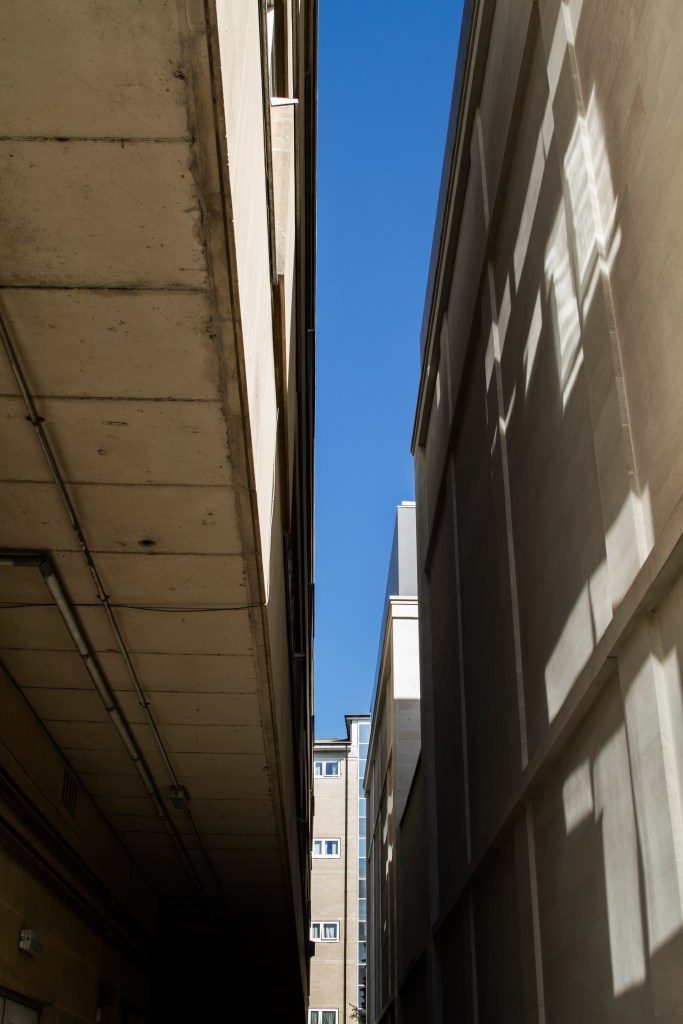
I’ve spent the last few weeks reviewing my work and work and in particular the project “Space between”. I’ve been fascinated by the negative space found between buildings, either intentionally (such as an alley way) or the unintentional space created when a new building is erected. My early work, influenced by Berenice Abbott’s New York skyscraper photos, concentrated on using the sky to illustrate the negative space.

Stone and William Street, Manhattan.

New York Public Library Digital ID: 482808. Abbott, Berenice — Photographer. May 12, 1936

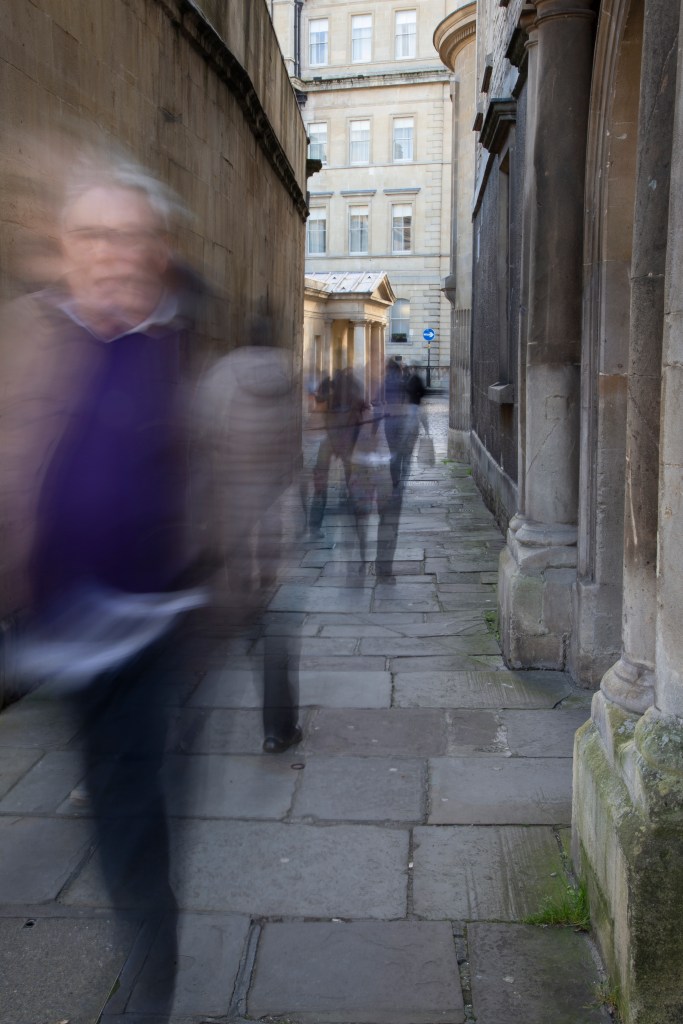
More recently I’ve started experimenting with the introduction of people into these spaces. I wanted to illustrate, in one sense, the lack of space and another the sense of movement; how the city is every moving forward and expanding.

Sugar Paper Theories

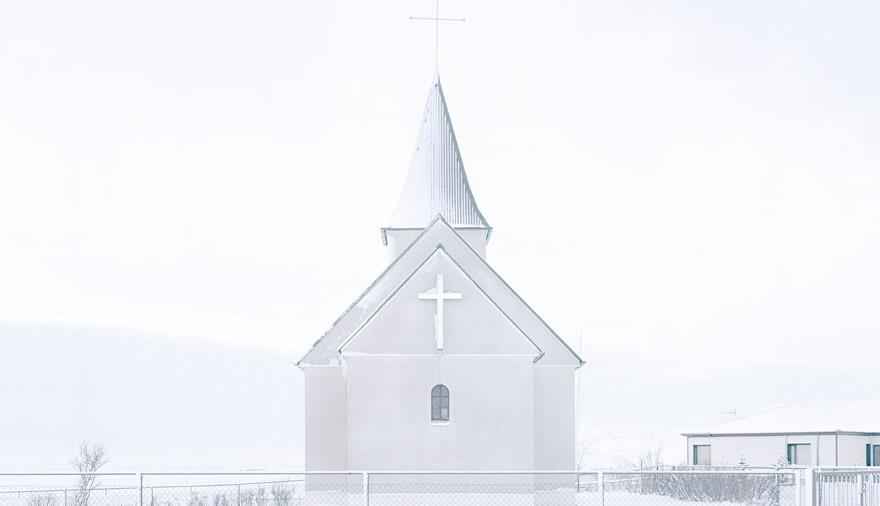
Guðjón’s Church #2 Jack Latham

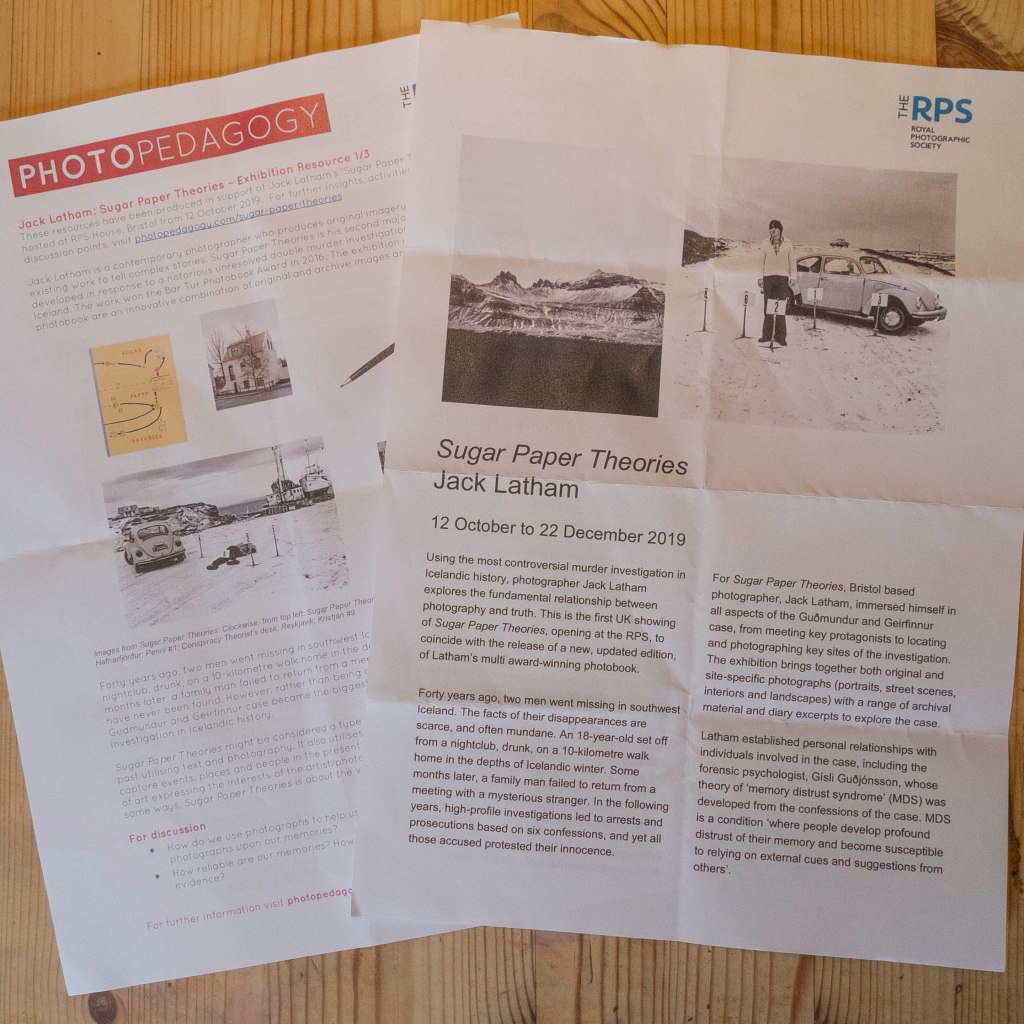
I managed to catch this fantastic exhibition at the Royal Photographic Society HQ in Bristol on it’s last day. Sugar Paper Theories sees Bristol based photographer Jack Latham, immerse himself in the most controversial murder investigation in Icelandic history, the Guðmundur and Geirfinnur case. From meeting key protagonists to locating and photographing key sites of the investigation, the project brings together original photographs with a range of archival and documentary materials to explore the fundamental relationship between photography and truth.

The exhibition featured a selection of the body of work and left you wanting more. Not only more imagery but the exhibition left you wanting to learn more about the case. The choice of using Latham’s own work alongside the photography from the case archive work extremely well, giving the view a sense of the place and time. The text and wall vinyls that went with the images gave a good account of the case without being too wordy or overly pretentious. Overall well worth the visit, great photos and well hung.

Exhibition literature from “Sugar paper theories” RPS House January 26th 2020

Interdisciplinary Practice

This weeks MA Photography topic set the challenge to look at work, other than photography, that has been influential on the work we do photographically. This really started me thinking and I found myself revisiting a book and paintings that I became aware of when living in London.

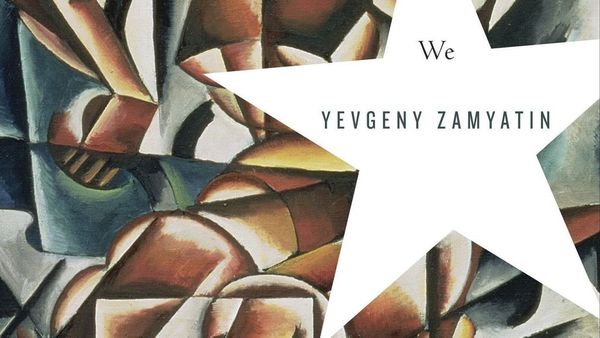
Firstly I looked at the distopian novel “We” by Yevgeny Zamyatin. Written in 1921 (first translated and published in English in 1924) the book was the precursor for novels such as Brave New World and 1984 , the book was the first to banned in Russia due to its open criticism of the communist regime. Zamyantin, a naval engineer, moved to Newcastle-Upon-Tyne to supervise ship building. Whilst there he was struck by the lack of living space and how industrial Britain seemed faceless with it’s row upon row of terraced housing, this would become the inspiration for his “One state”. Having grown up in Derby, a city of terraced housing, I found this reaction very interesting .

“We” by Yevgeny Zamyatin 1921

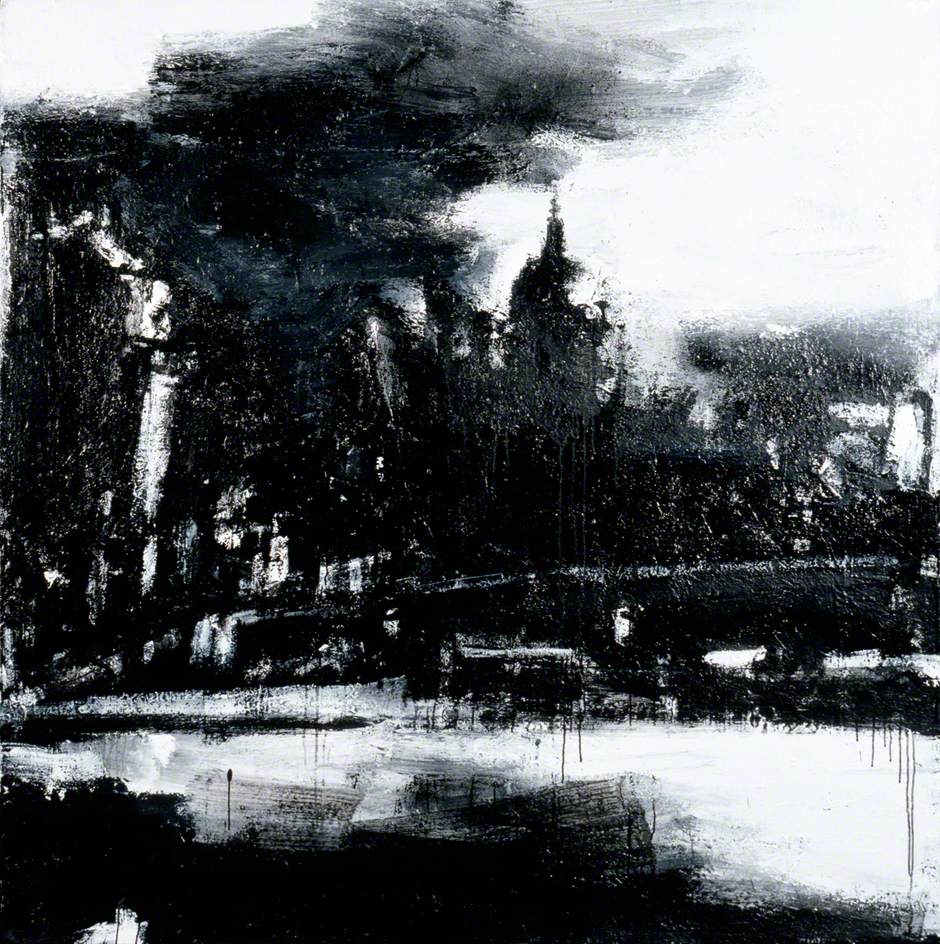
I then looked back to the work of John Virtue, who’s work I first saw back in 2005 (around the same time I read “We”). Virtue’s work is stark, using harsh contrasting tones of black and white on huge, heavy canvasses. He creates these paintings using thick brushes, feet and hands. The work I found most profound was the paintings of London, how the buildings seem to emerge from the darkness.

Virtue, John; Landscape No.664; Government Art Collection; http://www.artuk.org/artworks/landscape-no-664-29490

During a webinar with my tutor Cemre we discussed how these works play a part in my current project. The project I discussed was “The space between” where I have been looking at how people are affected by the built environment and the ever reducing of space. After some discussion it became apparent that I should begin to look more closely with my own relationship to space and cities and how I feel. I also talked about how I felt there was something lacking in my imagery and was given some great advice and pointed in the direction of some imagery research.

I’ve learned from the course work this week is that I should broaden my approach to external influences, not just photography or pictorial but anything. Also to re-assess my work and look at different approaches to apply my work.

And, why do I lean towards monochrome images? Is it the aesthetic or simply a personal preference? Lots to think about over the coming months….

And so it begins..

The day came when I received my acceptance onto the MA photography course at Falmouth Uni. This led to feelings of excitement and trepidation as the MA is something I’ve wanted to do for some time now. However knowing the level of work and commitment needed was certainly daunting especially holding down a pretty demanding full time job. But as people who know me know…I do like a challenge!