Often curated exhibitions showing multiple photographers are a result of a competition, festival, a retrospective of a style or period. There are also call outs for a specific topic such as the FFotogallery’s “A woman’s work”, as a way of engaging a wide range of practitioners to fit a preconceived idea.
In 2018 I curated the exhibition “Architecture through the lens”, an exhibition examining the intrinsic link between architecture and photography. As this was an exhibition based in Bath, UK it was appropriate to engage with local photographers. When putting the call out for photographers I had a clear idea of how I wanted the exhibition to look, and it’s aims. A core aim was to demonstrate the variety of architectural photography, as such it was imperative the show included interior, abstract, commercial and include buildings from both a historic and modern settings.
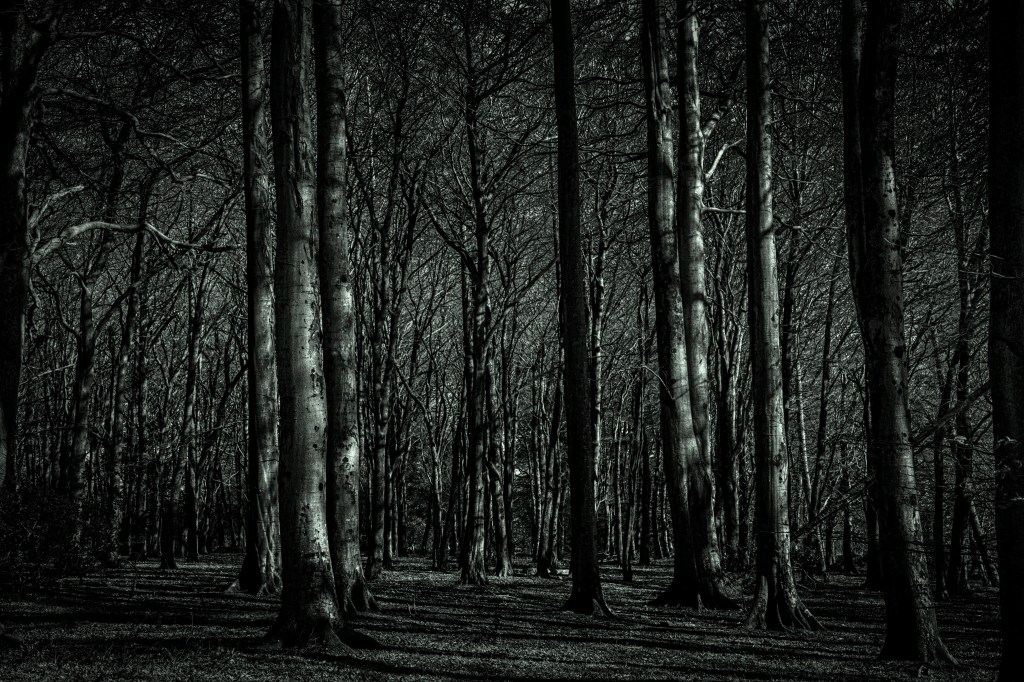
Figure 1 ‘Woodland visions’ part of Into the trees series 2018-2019 Tim Beale
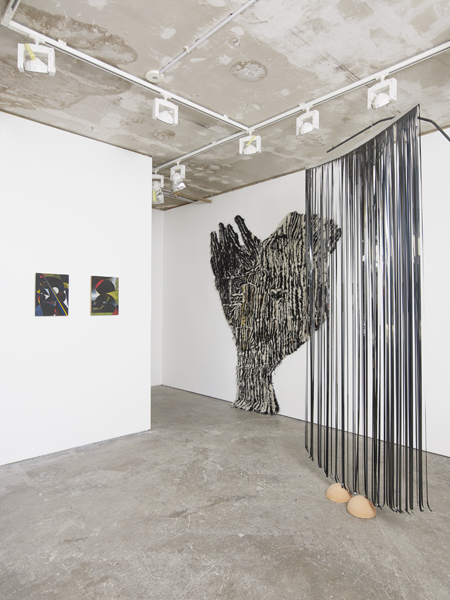
However, unlike a curated show, most collaborative exhibitions will begin at the creative stage well before reaching the gallery. An exhibition I would have enjoyed being part of would have been “A FOREST” (fig2)17.05 – 16.06.2018. Inspired by the lyrics of the Cure song by the same name, A forest was the collaborative exhibition of six artists comprising of Caroline Achaintre, Anna Barham, Chiara Camoni, Sarah Chilvers, Peggy Franck, Anne Hardy – a group of artists represented by the Arcade gallery, London. At around the same time as this exhibition was showing I was embarking on my own project inspired by the same song “Into the trees” (fig1). The inclusion of my work would have added a more literal element to the exhibition as the view navigates through the exhibition, they would act as anchorage to the more esoteric works of the other artists.
Figure 2 ‘A Forest’ image from the 2018 Arcade gallery exhibition
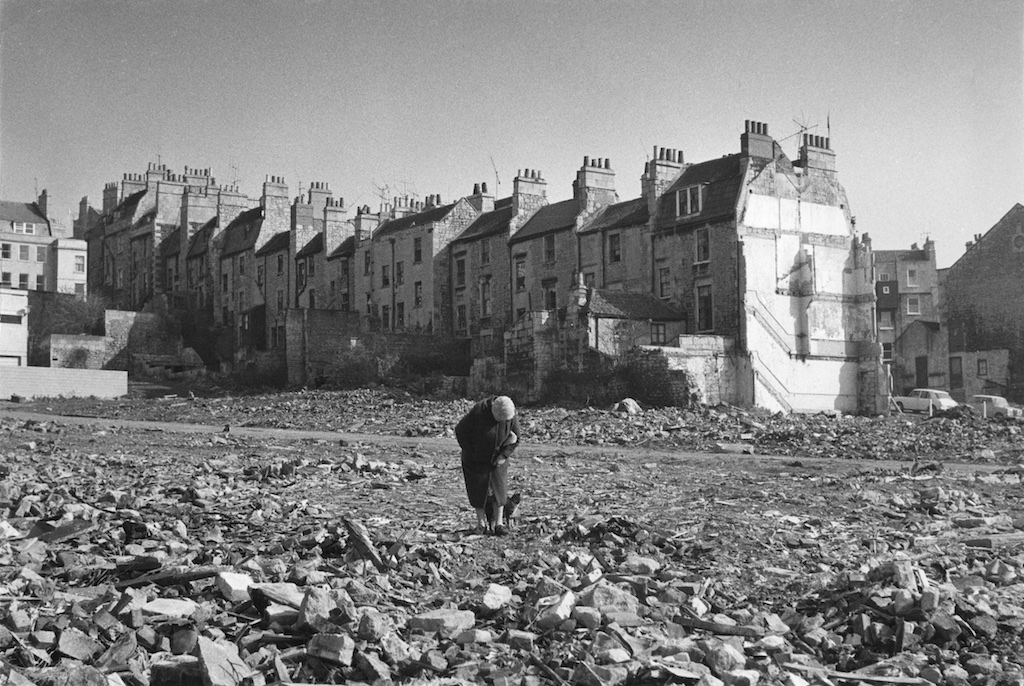
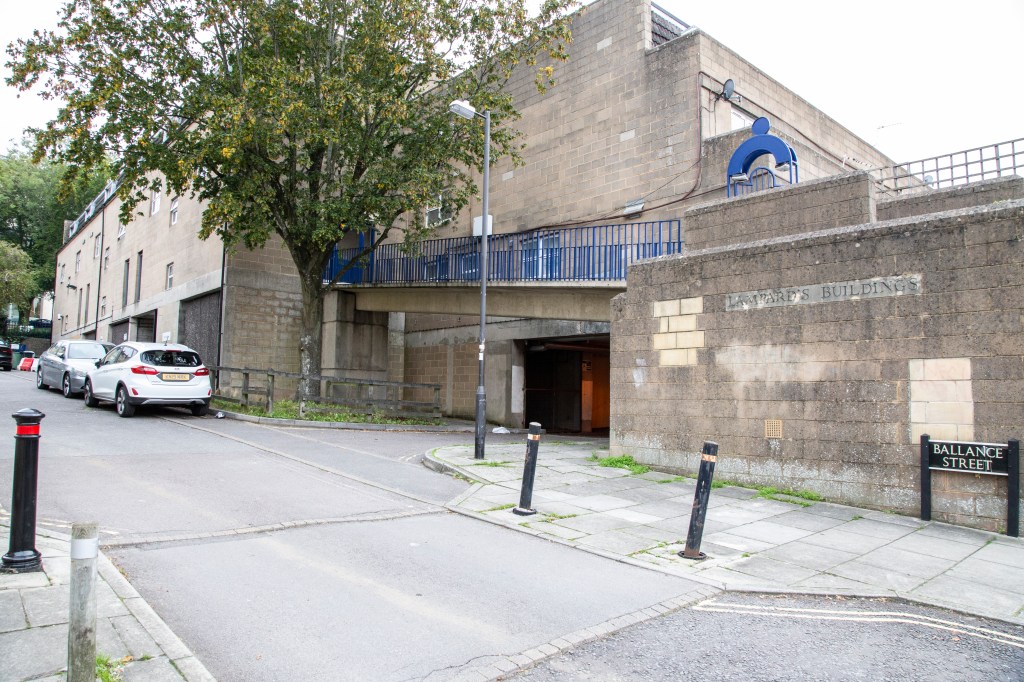
This weeks topics of Repeat and re-photography were both familiar concepts to me as I have used the process of re-photography in my work as the manager of the Museum of Bath Architecture, using archival images to research locations that have changed over time, visiting those places and re-photographing from the same vantage point. I have found this to be a very powerful tool in educating visitors about the loss of building from either bomb damage during the blitz or invasive developments in the late 1960s and early 1970’s (known as the sack of Bath).
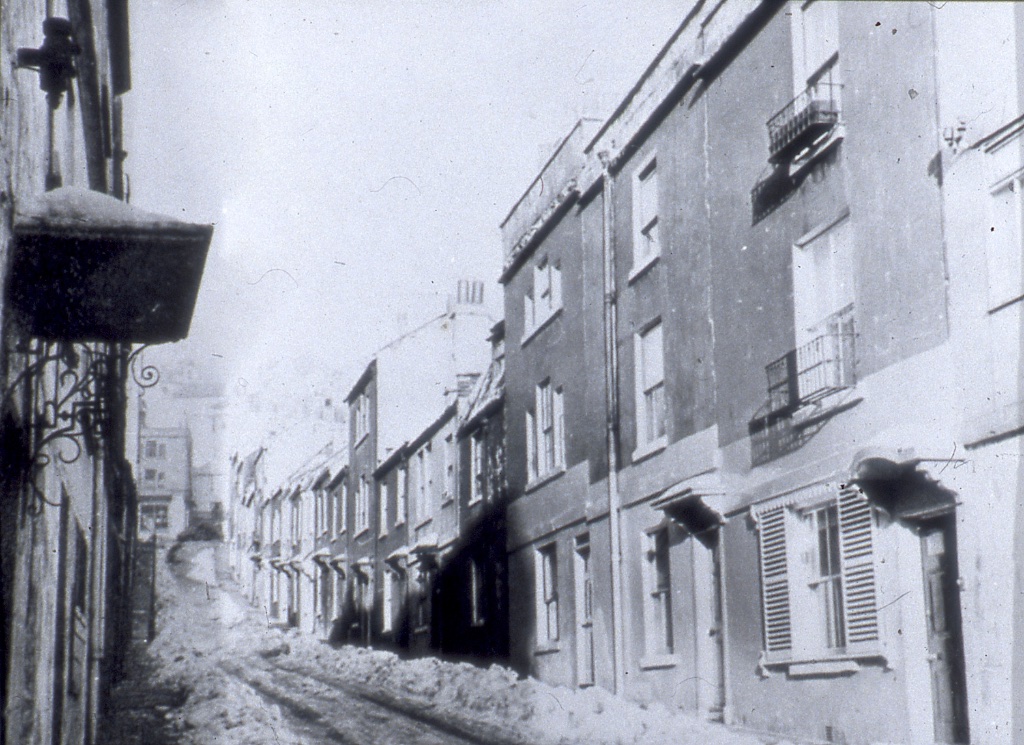
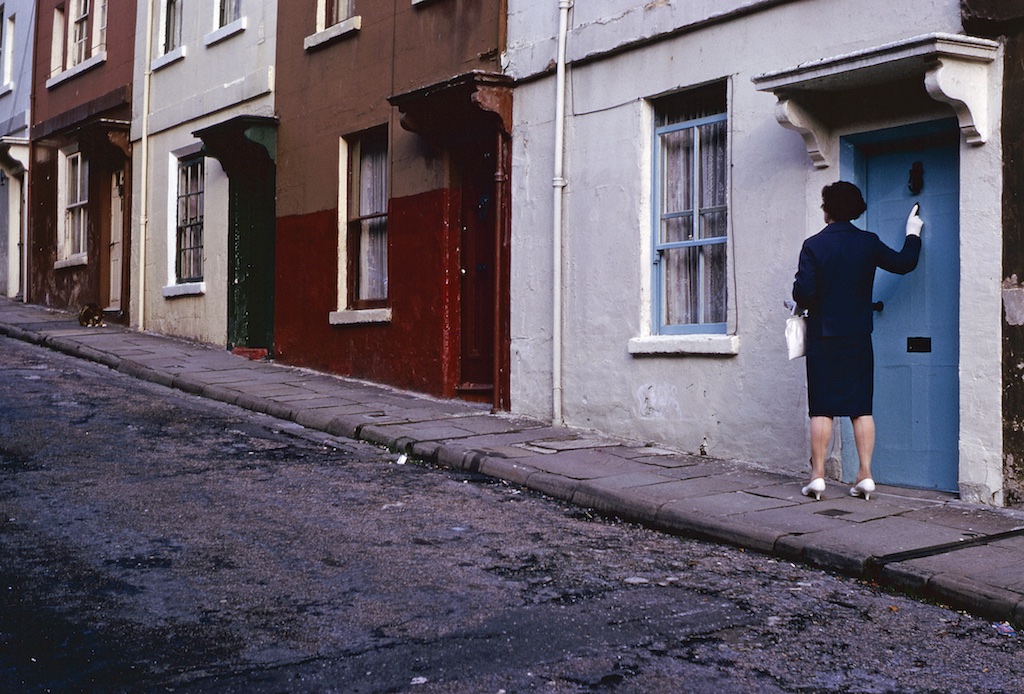
A street through time, was a talk I gave to a number of heritage societies, and looked at how the archival images held at Bath Preservation Trust could be used to document the changing topography of a city. The images of Balance Street in Bath show the various stages from an occupied Georgian terraced row of houses in 1963, a BPT researcher visiting resident prior to eviction in 1966, the demolished street in 1972 through to my image of what we have today. The street is almost unrecognisable.
Balance Street 1963, Jean Pratt. BPT archives
Balance Street 1966, LG Armatige. BPT archives
Balance Street 1972, Snowdon. BPT archives
Balance Street 2019, Tim Beale
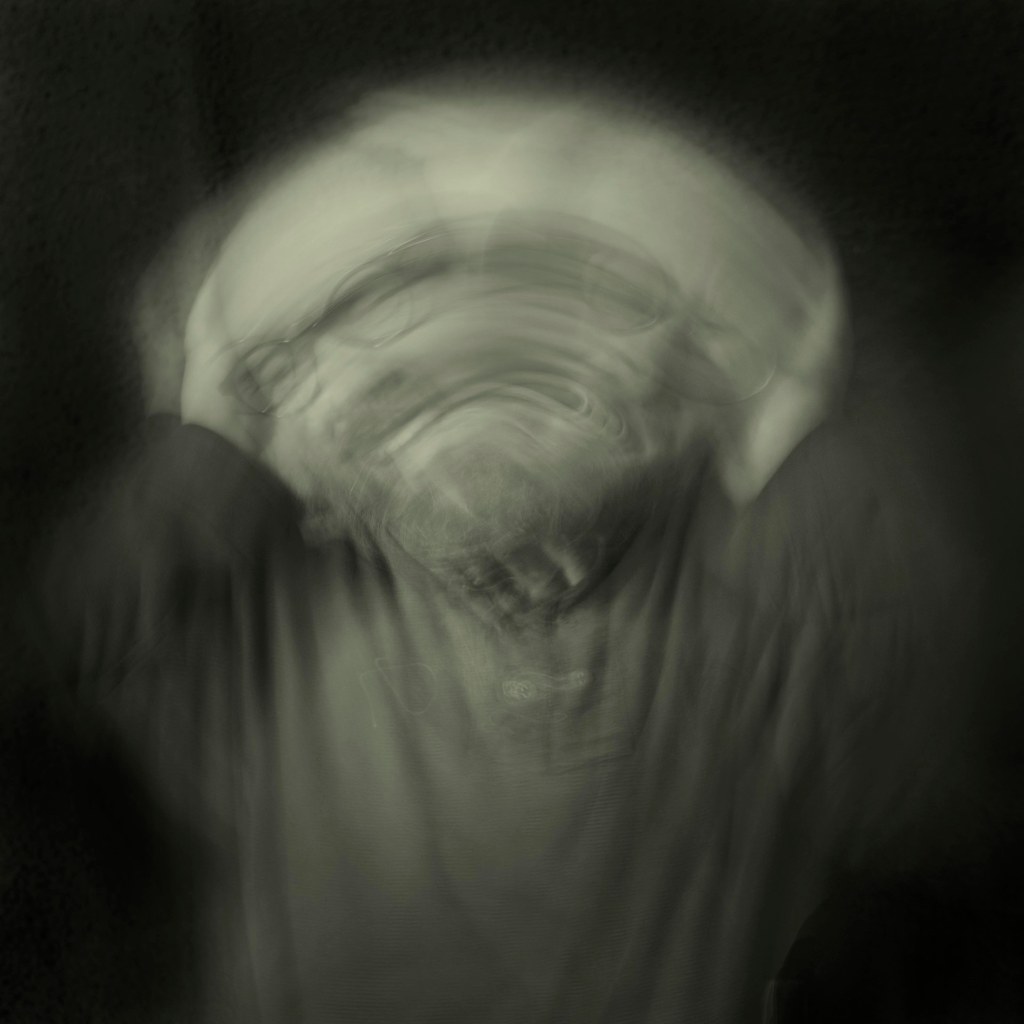
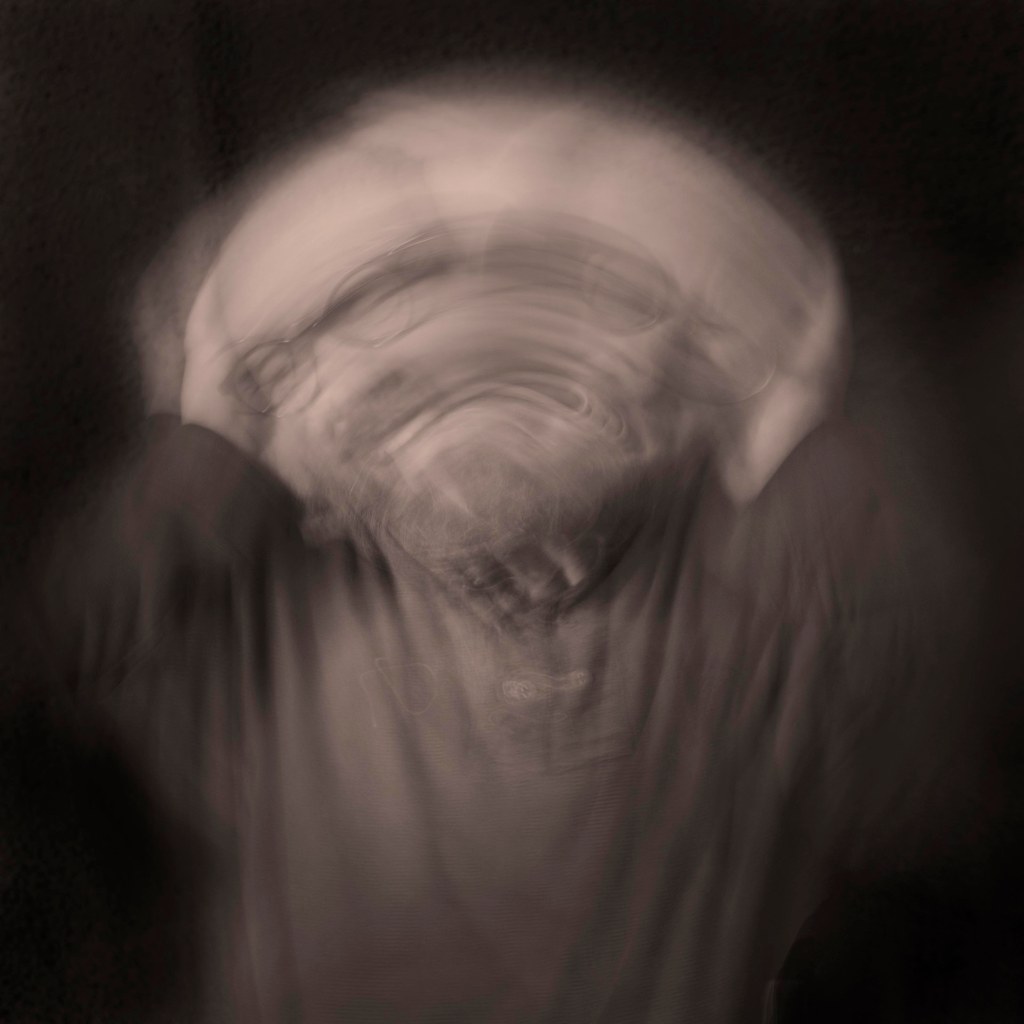
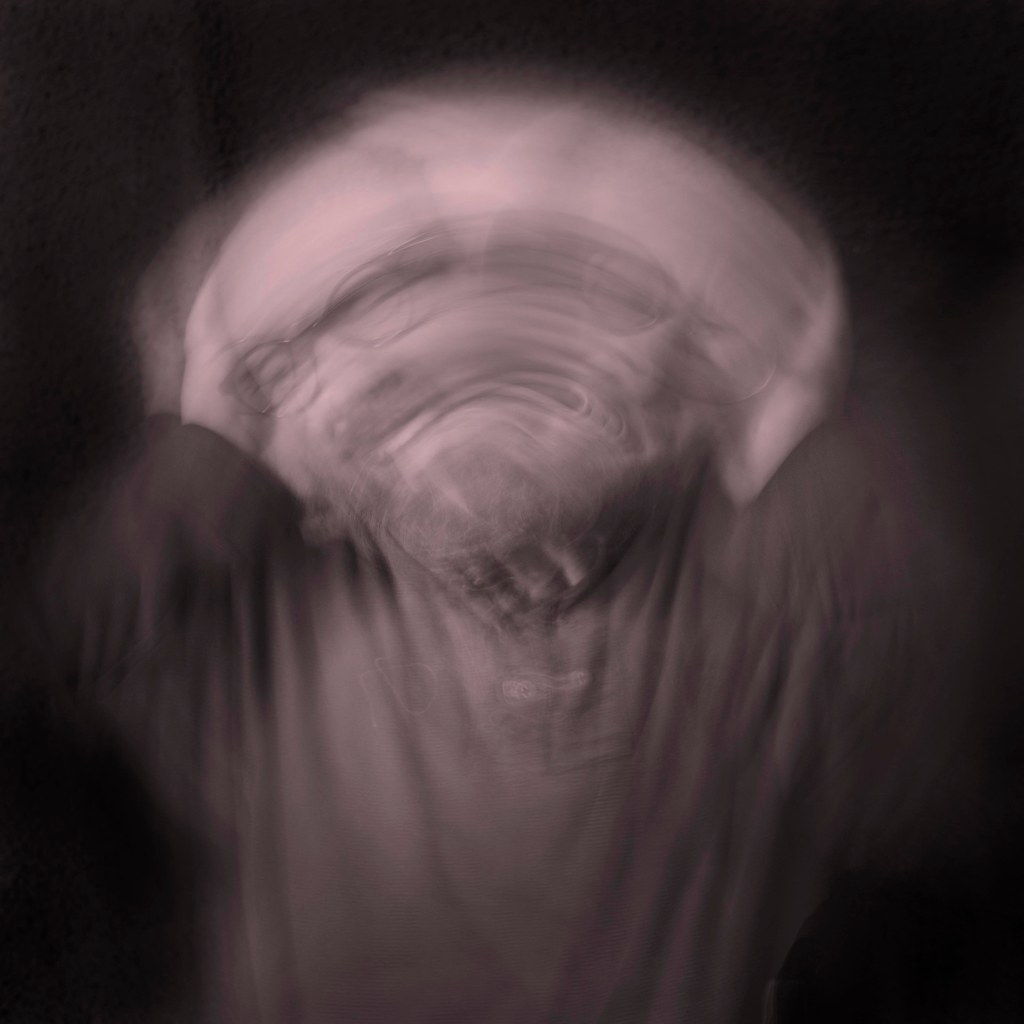
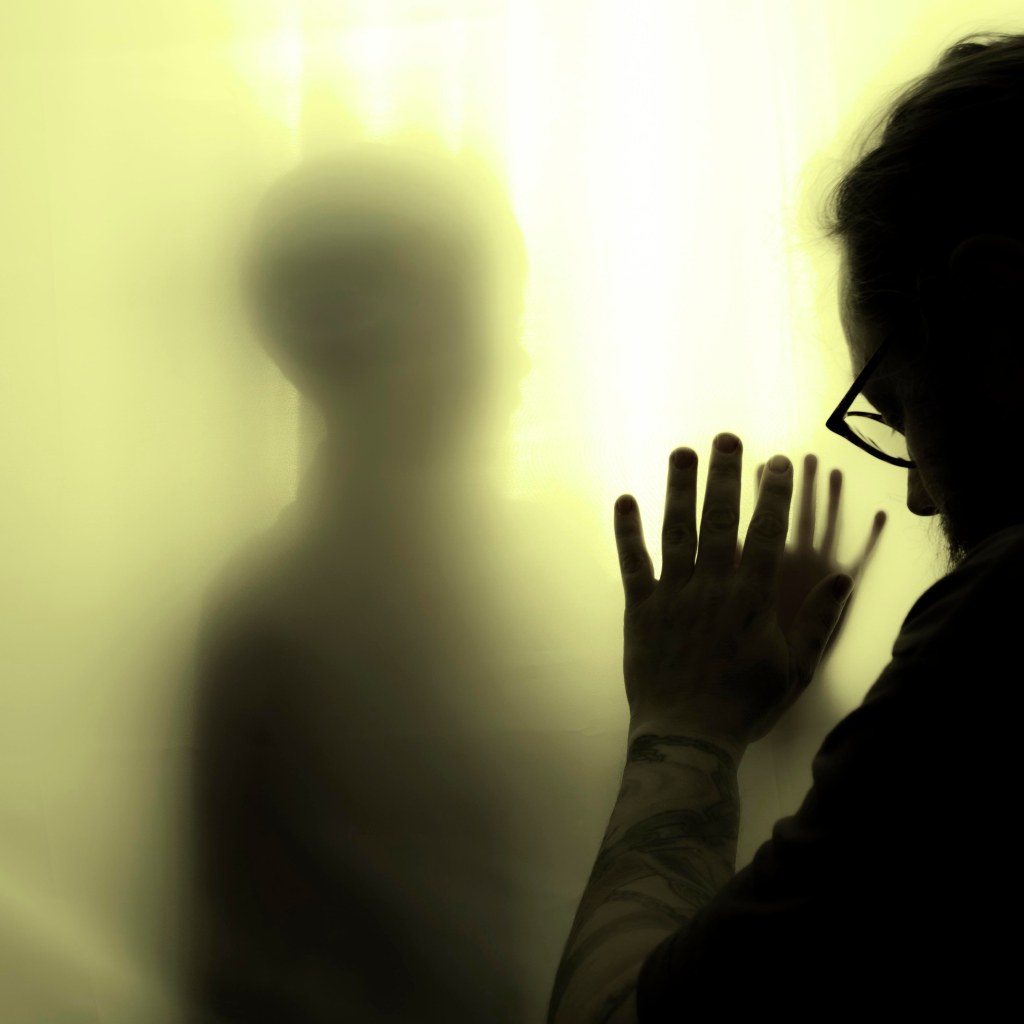
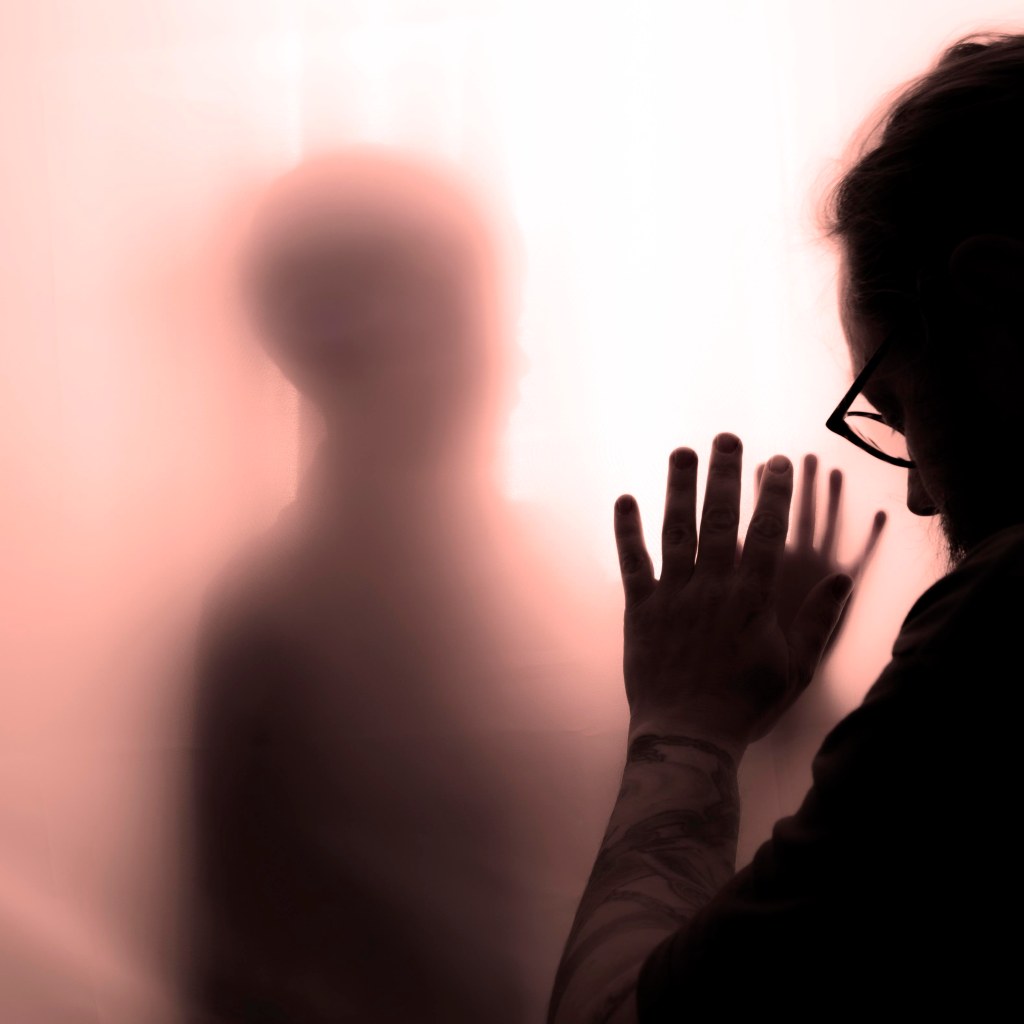
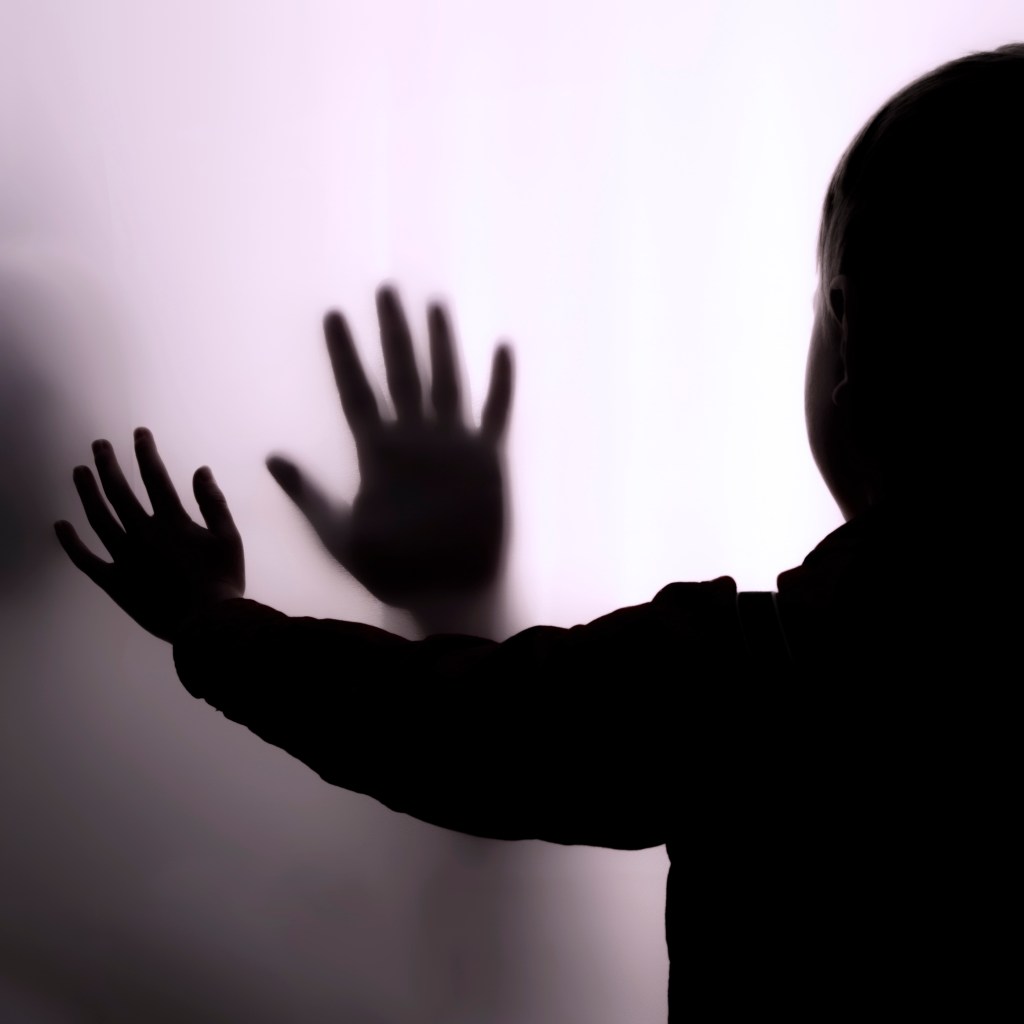
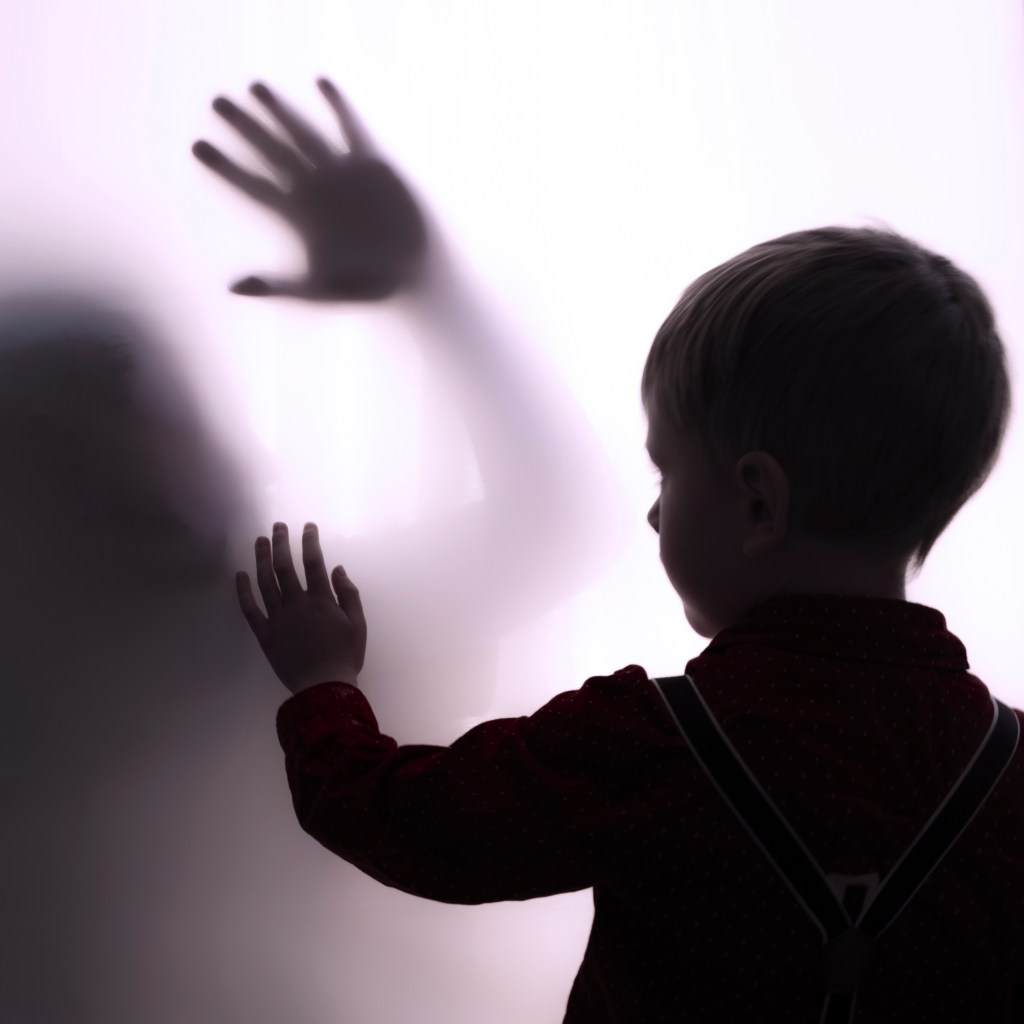
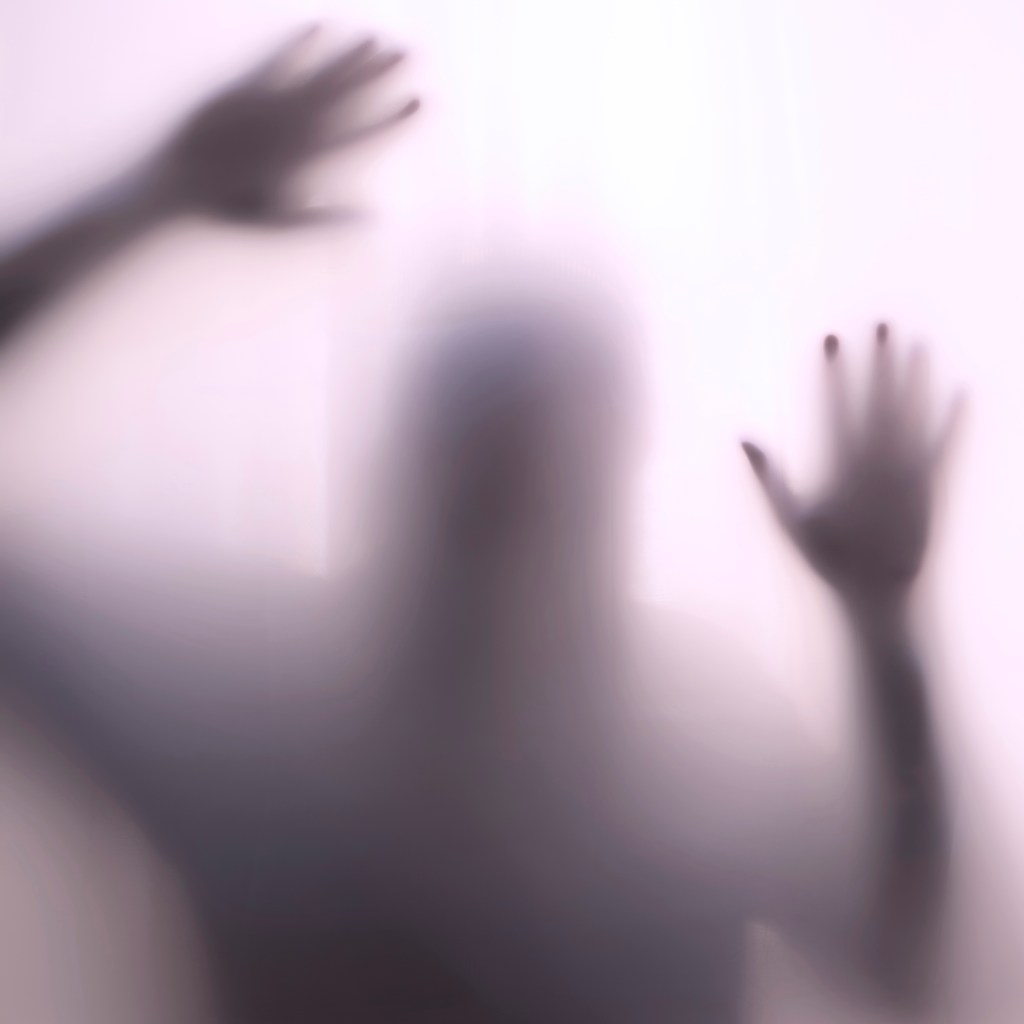
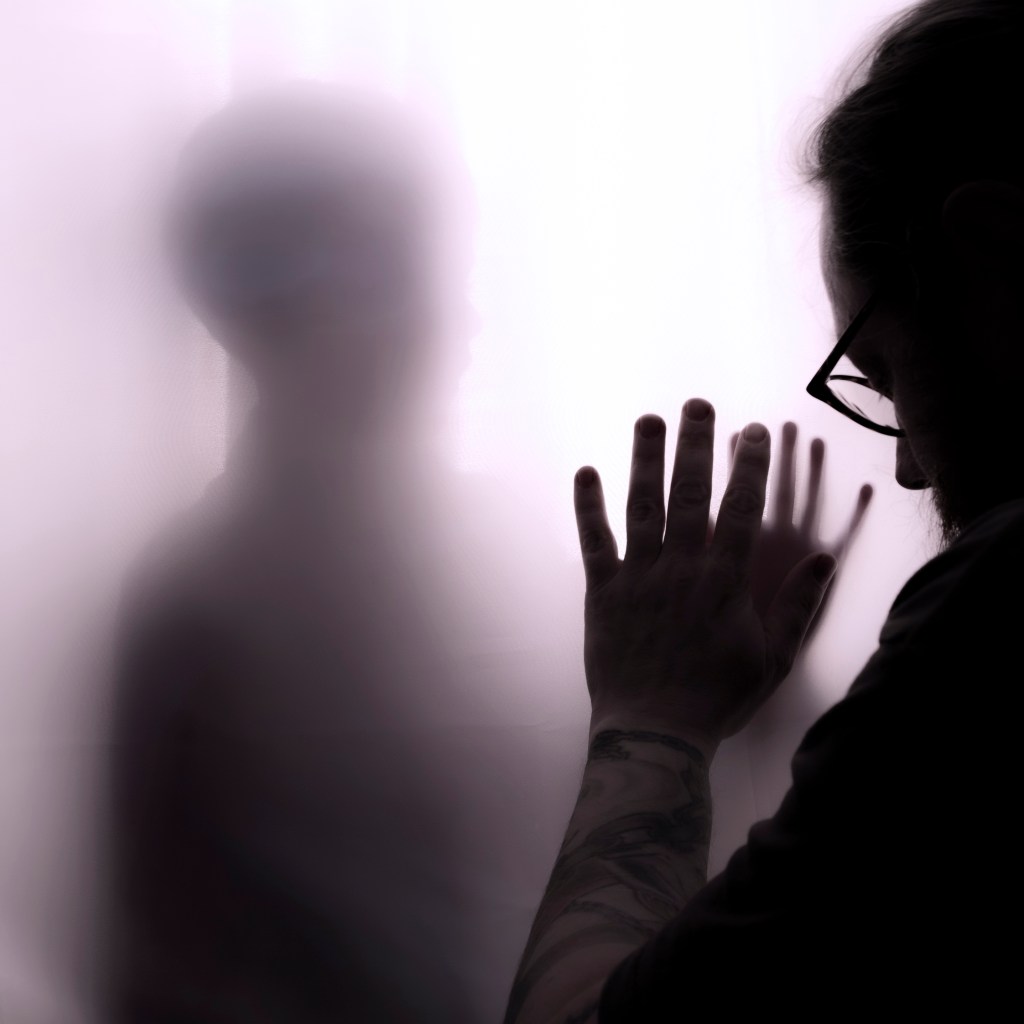
I have recently started to experiment with a number of images I took as part of my project, looking at emotion responses to isolation and separation. Each image uses a different colour filter applied that is representative of an emotional colour. At this stage I’m not sure if I will gone down this route, however what is evident though is that this process need further development by rephotographing certain portraits using alternative lighting methods, colour gels etc.
As my project continues and takes shape I have faced the challenge many photographers have faced these past six weeks, that of social distancing and portraiture. I have seen some really excellent work by fellow cohorts, who have utilised face time to set up shoots. For me this method lacked the control of lighting, scene setting and camera manipulation that I prefer.
Further research and recommendations from friend led me to articles about the trend of Porch Portraits. This practice seemed to start in the US and would typically see families sat for portraits outside their houses. Facebook soon became awash with porch portrait sites, either promoting the practice or photographers looking for commissions. I have to admit that this initially made me feel a little uncomfortable as it seemed to go against government recommendations and had the potential to put others at risk.
Not wishing to write this off as a way in which to continue my practice and further the research for my project I continued to internally battle with the concept of reaching out to locals to photograph. If I’m honest I’m still not entirely sure if I will do this, especially as in other countries photographers are being urged not to carry out this type of practice. We’re expecting a new set of regulations to be announced on Sunday 10th May by our PM, possibly relaxing the lock-down, I’ll wait to see.
One of the challenges I have found with my project has been to isolate a specific idea as the context of “The Space Between” became so broad and almost unwieldy. My mind mapping of ideas generated more mind maps and more ideas. However, I feel that the current situation we find ourselves in today, thanks to COVID19, I have found that I am now drilling down to a core concept.
I began this journey looking at the negative space between buildings, how this had an affect upon the human psyche. This was as much in response to what I saw around me, as it was my own personal feelings towards the sense of space or lack of. I then began to place people within those spaces, filling the void as humans often feel the need to do.
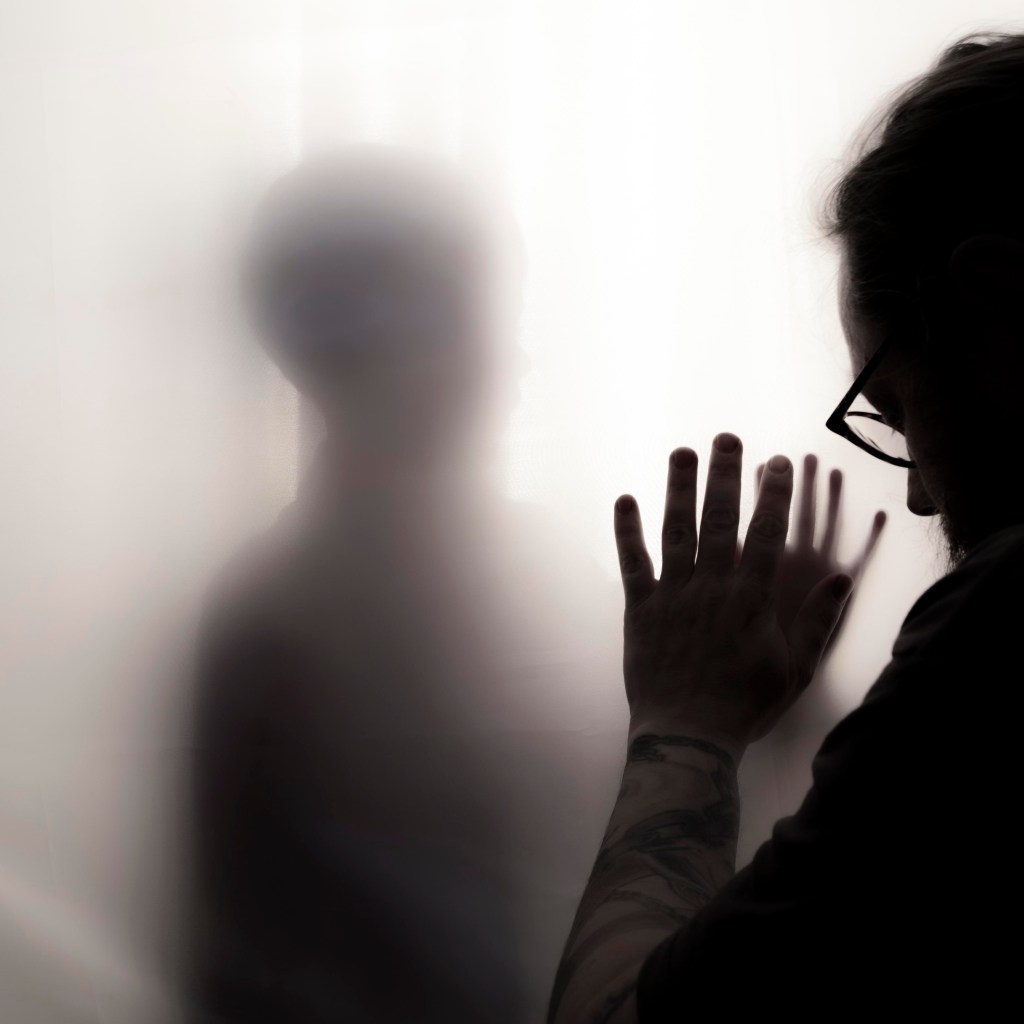
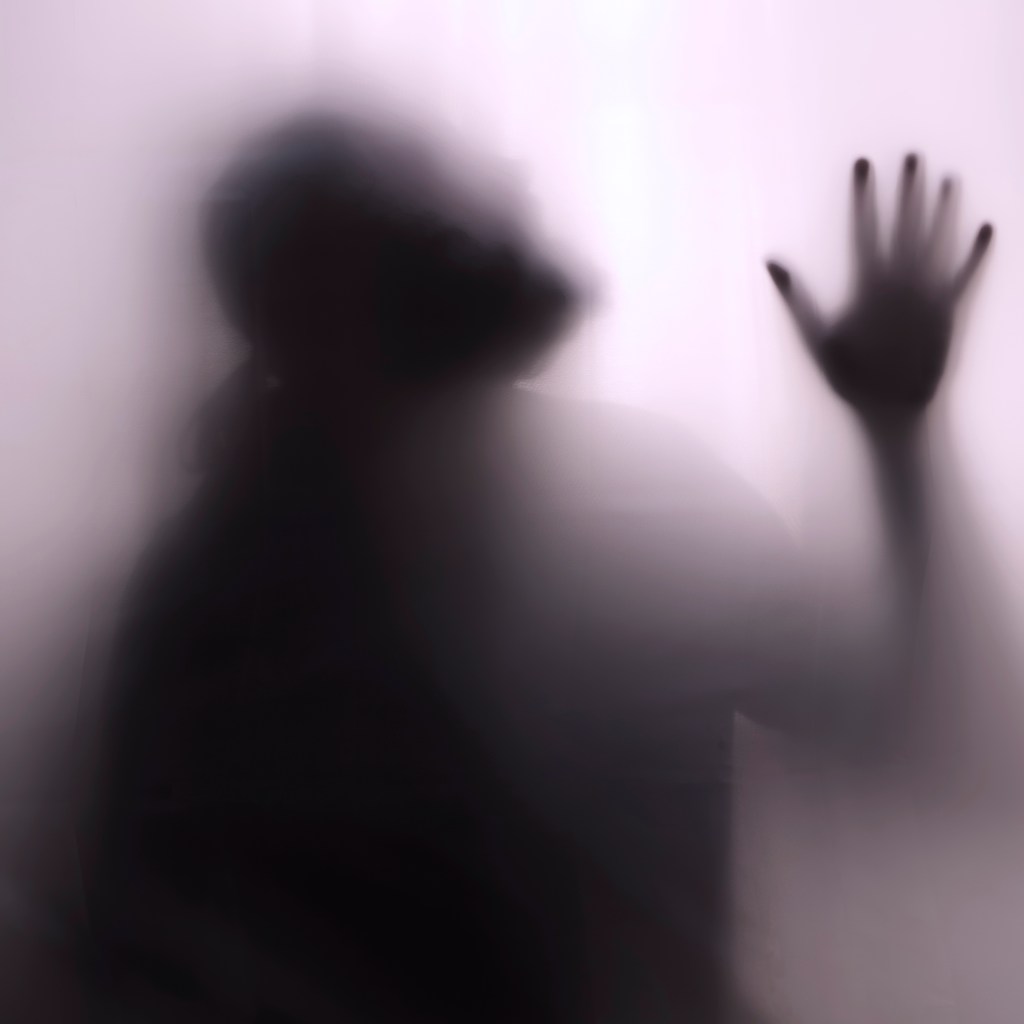
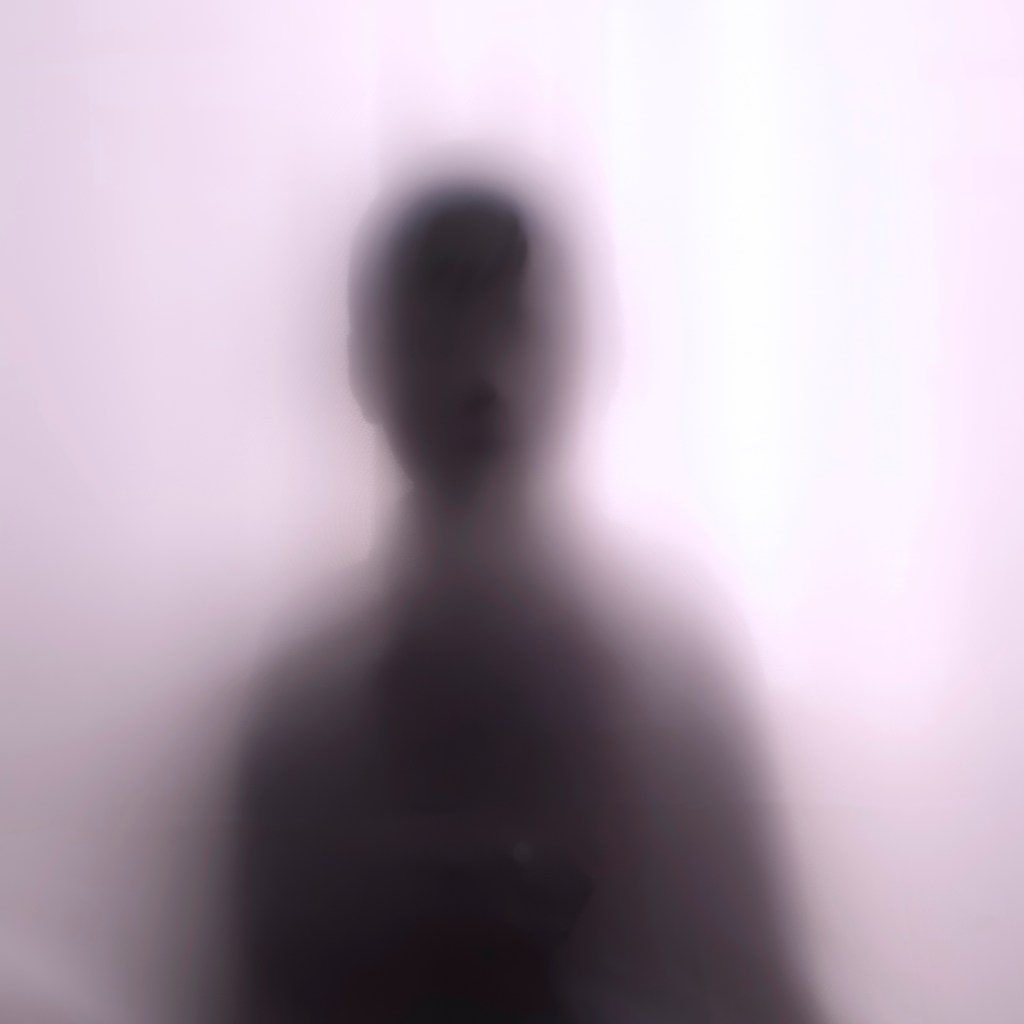
Now with the restrictions on travel and imposed social distancing I have had to take these factors into account when planning shoots. This began a fresh thought process, considering how others may interpret their individual positions. Subsequently I looked inward to my own feelings of separation, especially having learnt that my father had been taken in to hospital. How I felt formidably distanced, powerless, unable to travel to see him. Understanding that my situation isn’t isolated and their are thousands dealing with the same feeling, I have decided to use this context in which to research my project. The Space Between now becomes that of the space between us, be it the 2 meter social distance or the vast number of miles apart.
The past couple of weeks have been a challenging time given the pandemic, closure of the museums I manage and need to work from home due to the lock down. This have caused me to reflect and reassess my current project’s context. The potential shift towards including elements of the pandemic, social distancing and isolation. As a platform to reach new audiences and illustrate the projects progress I have created a dedicated website.
Over the next couple of weeks my intention is to reach out to people currently in isolation to gain a better understanding of how the lock down has effected them emotionally and physically. Never in my generation has there been such an isolating event, that has divided nations, families and individuals. One of the biggest challenges faced now is how to make pictures when there is very limited access to the outside and people.
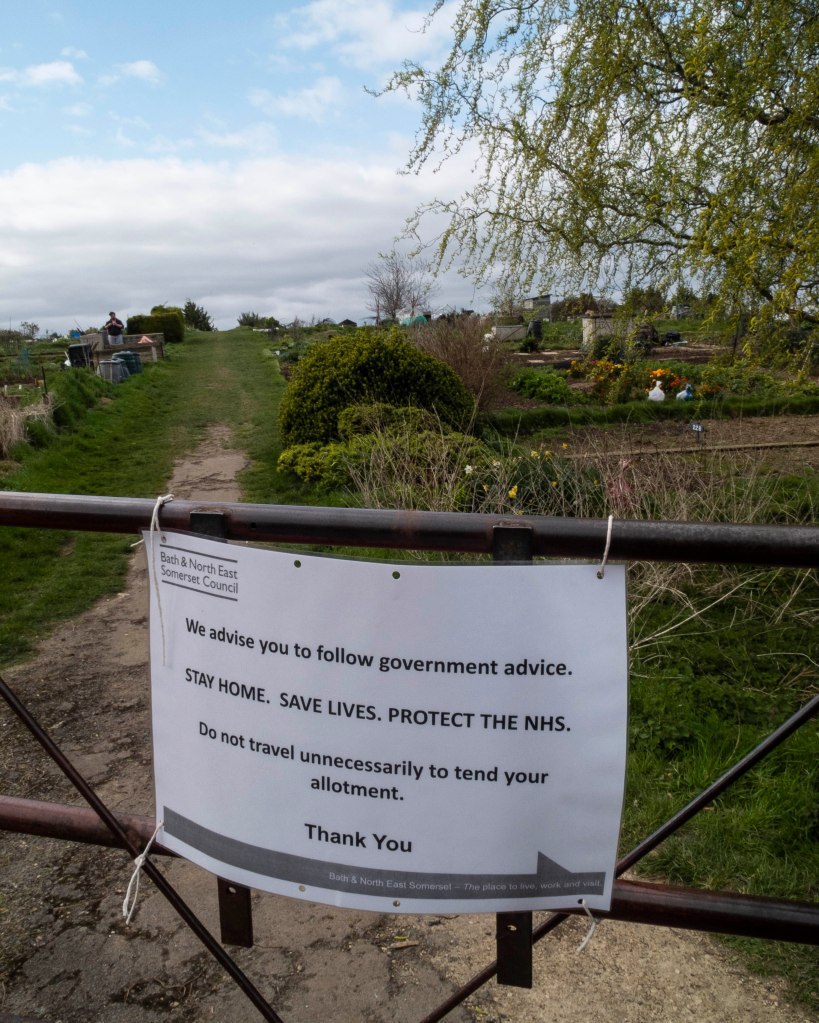
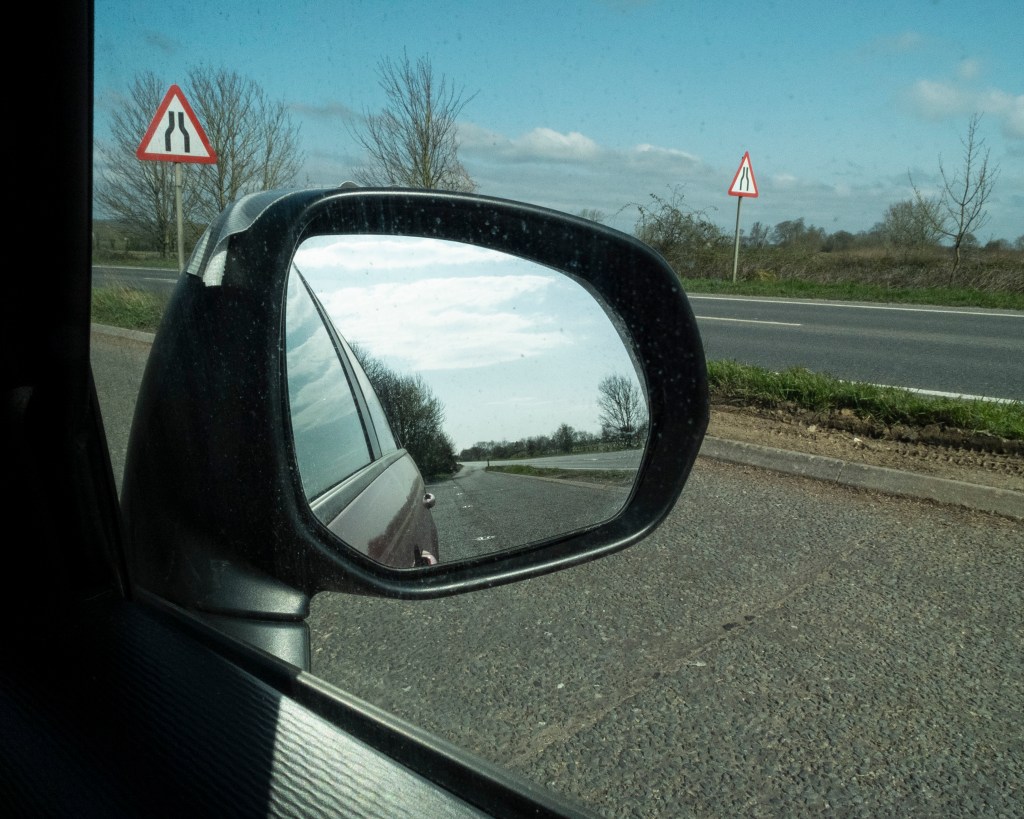
Saturday 28th March: Taking my allotted exercise of the day. TBA36 towards Bath Saturday 28th March 10:45am: No Cars. TB
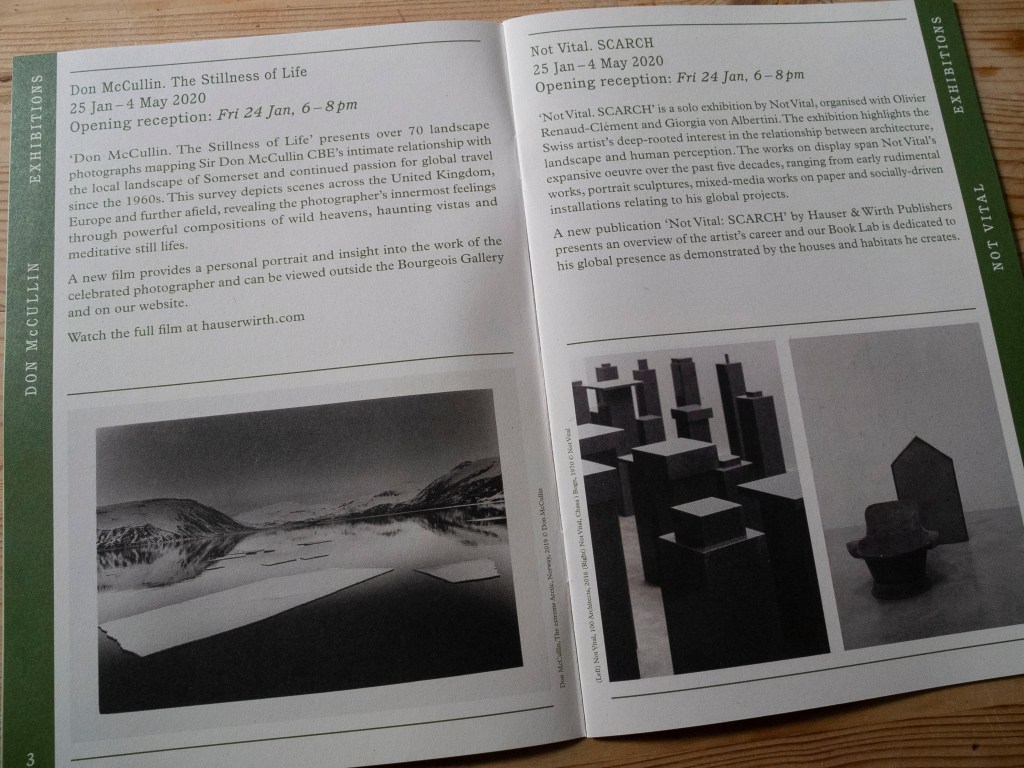
A visit to Hauser & Wirth gallery to see the Don McCullin ‘Stillness of life’ exhibition had the added bonus chance to see work by the Swiss artist Not Vital.
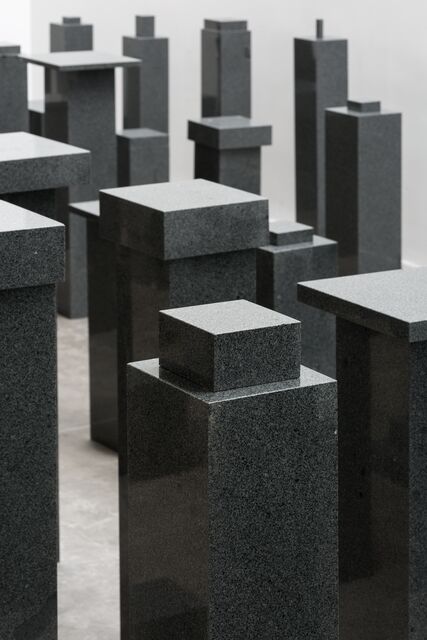
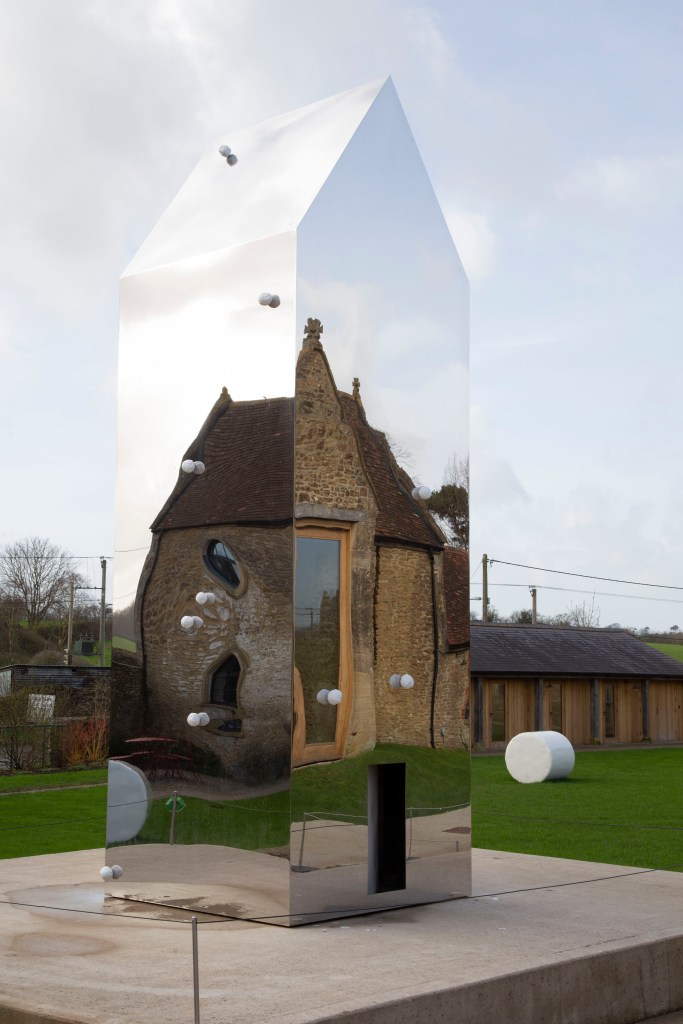
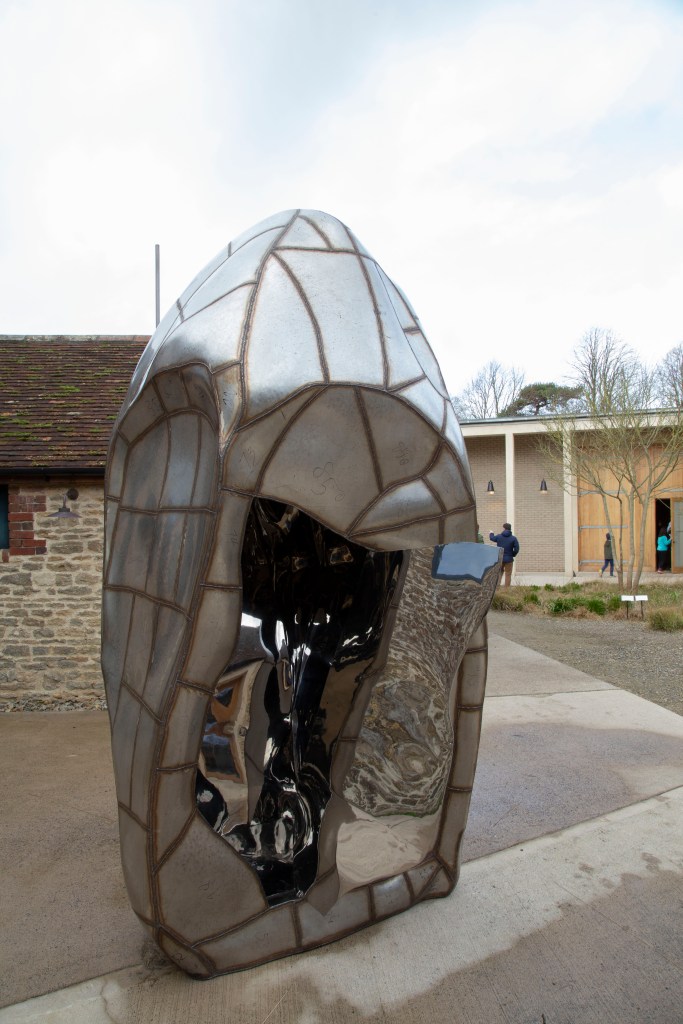
When walking from the car park to the main entrance visitors are greeted by Vital’s architectural sculpture (or ‘SCARCH’ as Vital refers) ‘Cannot Enter Cannot Exit”. A striking structure resembling a tall house made in highly reflective metal, at 3m high the piece has a monolithic presence that dominates the space. Once in the gallery space other earlier works by Vital dominate the space, such as ‘House to view the sunset’ entice the viewer to pause and walk around the sculpture viewing every aspect and angle to gain a sense of presence. I was immediately drawn to the fantastic ‘100 architects’ that was displayed in a long gallery space with 50 marble structures, of varying size, either side of central walkway. Each structure represents an architect by their year and month of birth. The large column the year and smaller top section the month (for example 15 Feb 1948 equates to 19x19x48cm and 15x15x2cm). Such a fascinating and cleaver concept that is both provocative and visually stunning. Sadly photography was not permitted in the gallery…
‘100 architects’ Not Vital photo courtesy of Hauser & Wirth website
‘Cannot enter Cannot exit’ Not Vital, 2020. Photo Tim Beale, 2020
‘Date’ Not Vital, 2020. Photo Tim Beale, 2020
‘The multidisciplinary exhibition will highlight the Swiss artist’s deep-rooted interest in the relationship between architecture, landscape and human perception. A conflation of the two words sculpture and architecture, ‘SCARCH’ transcends the boundaries of both formal terms, creating immersive, site-specific structures that provide a sense of wonder by means of alternative perspectives. Vital has travelled and exhibited widely since the 1970s, living between the United States, Niger, Italy and China, as well as his native Switzerland. The works on display will span Not Vital’s expansive oeuvre over the past five decades, ranging from early rudimental works from the 1960s, portrait sculptures, mixed-media works on paper and socially-driven installations relating to his global projects.
Central to Vital’s practice is an exploration of the spatial and socio-cultural backdrop of his homes and workplaces. He is able to immerse himself in new contexts and cultures with astonishing ease, collaborating with local craftspeople and sourcing regional production in the most remote areas.’ [taken from the promotional material from:https://www.hauserwirth.com/hauser-wirth-exhibitions/26434-not-vitalscarch ]
Don McCullin: Stillness of life
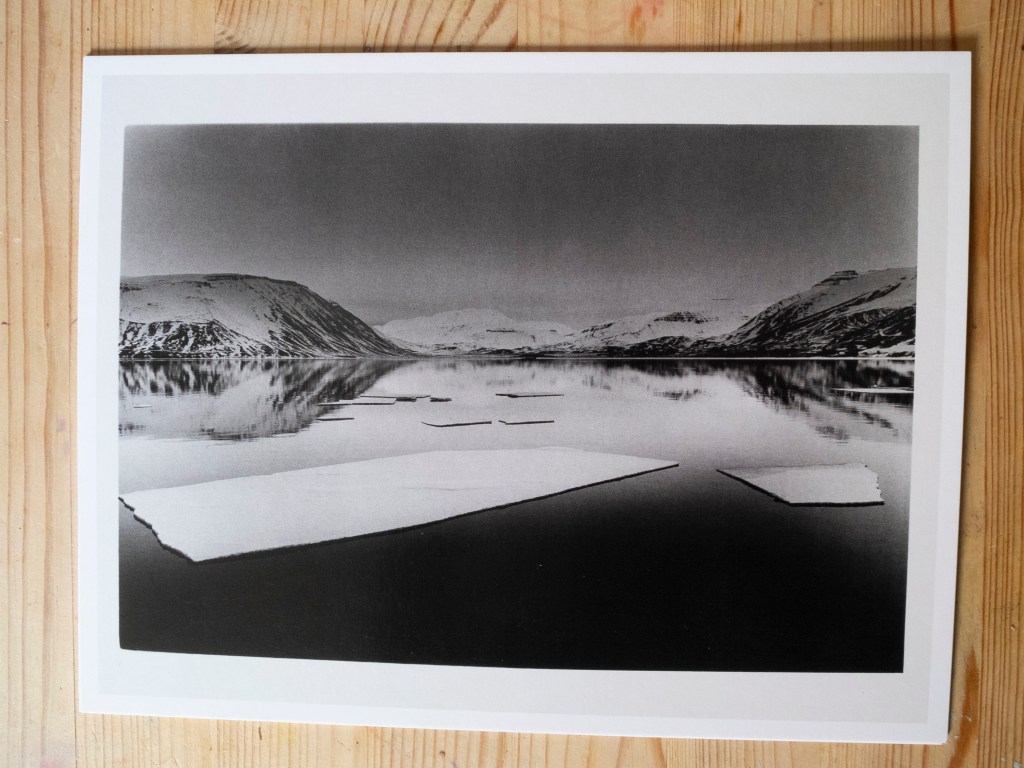
Reception invite featuring the photo ‘The extreme artic Norway’ Don McCullin,2019.
‘If you look again at McCullin’s landscapes, you start to sense the figure who made the pictures, invisible behind the lens, stepping forward with nothing but his own shadow – in the marsh, against the snow, along the causeway, over the brow. By now he is stripped of all superfluities. He is not a man in repose, who lingers lazily. He is striding into the wind, as always.’
Mark Holborn, 2018
I found Don McCullin’s landscapes to be representative of the bleak British winter landscape, with his use of monochrome to emphasise the stark contrasts in the texture of fields, tree line and sky. There’s a sense of impending doom in McCullin’s sky’s that tell of storm and rain and the cold harshness of these landscapes. Often the black in a photo would dominate in such a way that details became lost or meaningless. It was quite fitting then to see this exhibition during a stormy weekend, set in the same landscape that McCullin photographed. Many of these photos could have been taken in the field surrounding Hauser & Wirth.
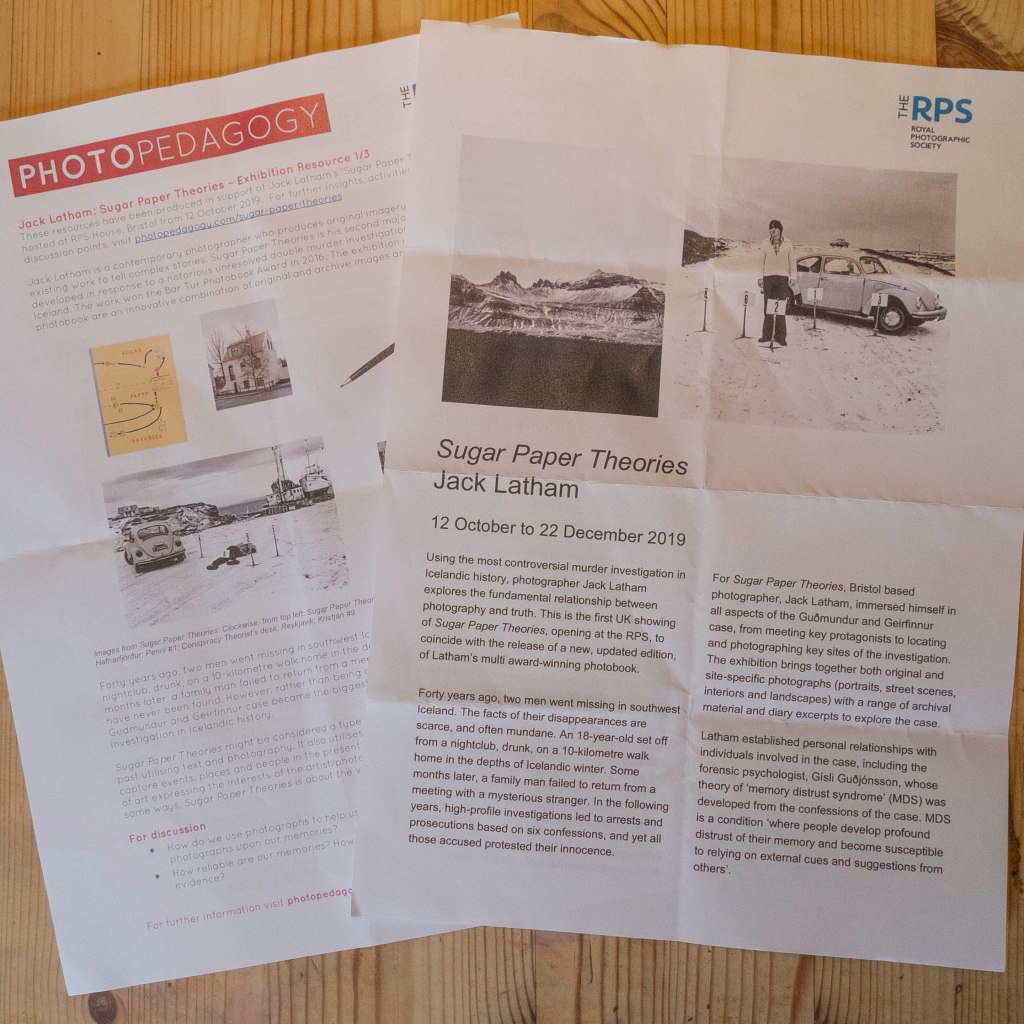
I managed to catch this fantastic exhibition at the Royal Photographic Society HQ in Bristol on it’s last day. Sugar Paper Theories sees Bristol based photographer Jack Latham, immerse himself in the most controversial murder investigation in Icelandic history, the Guðmundur and Geirfinnur case. From meeting key protagonists to locating and photographing key sites of the investigation, the project brings together original photographs with a range of archival and documentary materials to explore the fundamental relationship between photography and truth.
The exhibition featured a selection of the body of work and left you wanting more. Not only more imagery but the exhibition left you wanting to learn more about the case. The choice of using Latham’s own work alongside the photography from the case archive work extremely well, giving the view a sense of the place and time. The text and wall vinyls that went with the images gave a good account of the case without being too wordy or overly pretentious. Overall well worth the visit, great photos and well hung.
Exhibition literature from “Sugar paper theories” RPS House January 26th 2020
This weeks MA Photography topic set the challenge to look at work, other than photography, that has been influential on the work we do photographically. This really started me thinking and I found myself revisiting a book and paintings that I became aware of when living in London.
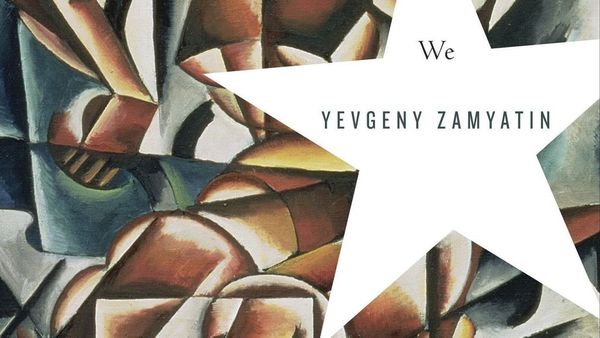
Firstly I looked at the distopian novel “We” by Yevgeny Zamyatin. Written in 1921 (first translated and published in English in 1924) the book was the precursor for novels such as Brave New World and 1984 , the book was the first to banned in Russia due to its open criticism of the communist regime. Zamyantin, a naval engineer, moved to Newcastle-Upon-Tyne to supervise ship building. Whilst there he was struck by the lack of living space and how industrial Britain seemed faceless with it’s row upon row of terraced housing, this would become the inspiration for his “One state”. Having grown up in Derby, a city of terraced housing, I found this reaction very interesting .
“We” by Yevgeny Zamyatin 1921
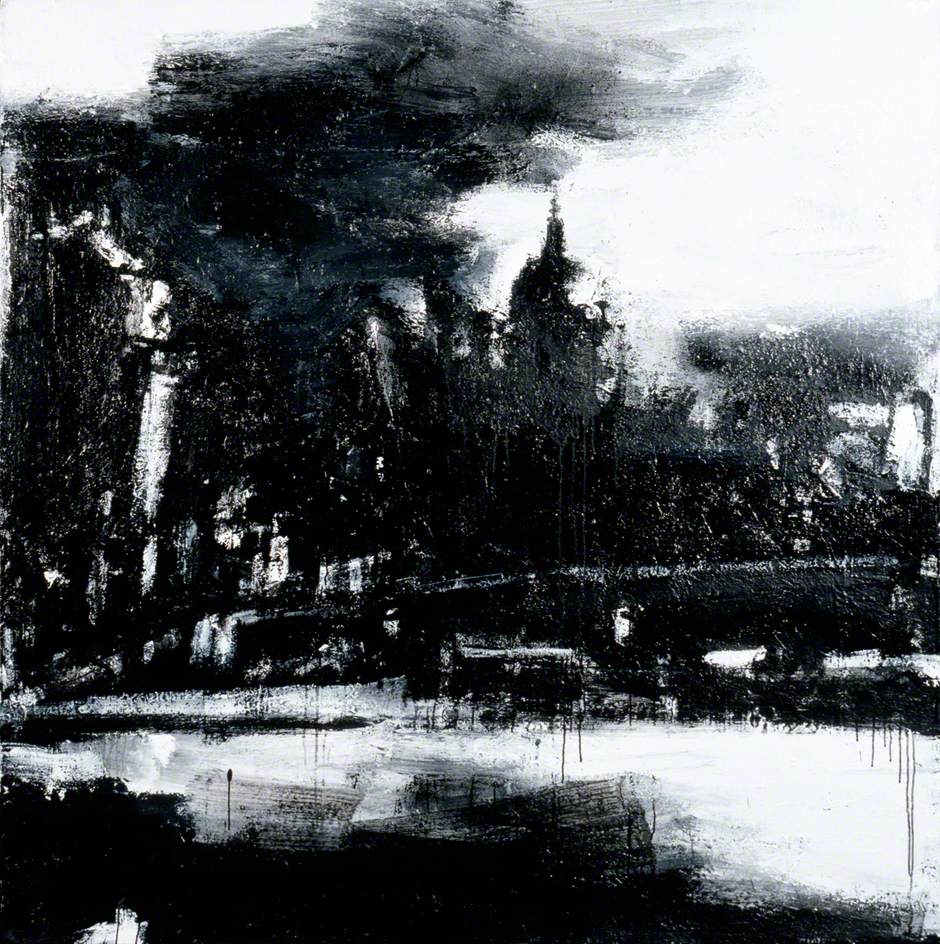
I then looked back to the work of John Virtue, who’s work I first saw back in 2005 (around the same time I read “We”). Virtue’s work is stark, using harsh contrasting tones of black and white on huge, heavy canvasses. He creates these paintings using thick brushes, feet and hands. The work I found most profound was the paintings of London, how the buildings seem to emerge from the darkness.
During a webinar with my tutor Cemre we discussed how these works play a part in my current project. The project I discussed was “The space between” where I have been looking at how people are affected by the built environment and the ever reducing of space. After some discussion it became apparent that I should begin to look more closely with my own relationship to space and cities and how I feel. I also talked about how I felt there was something lacking in my imagery and was given some great advice and pointed in the direction of some imagery research.
I’ve learned from the course work this week is that I should broaden my approach to external influences, not just photography or pictorial but anything. Also to re-assess my work and look at different approaches to apply my work.
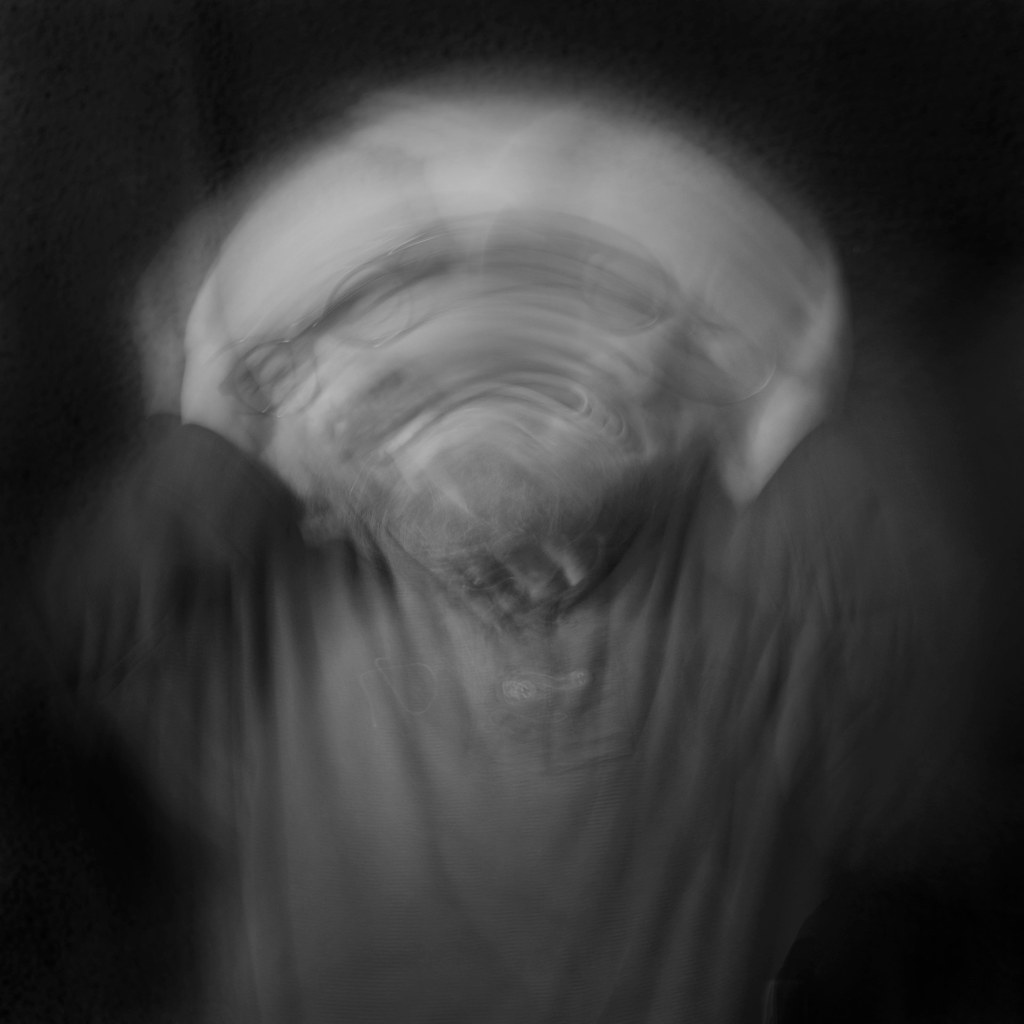
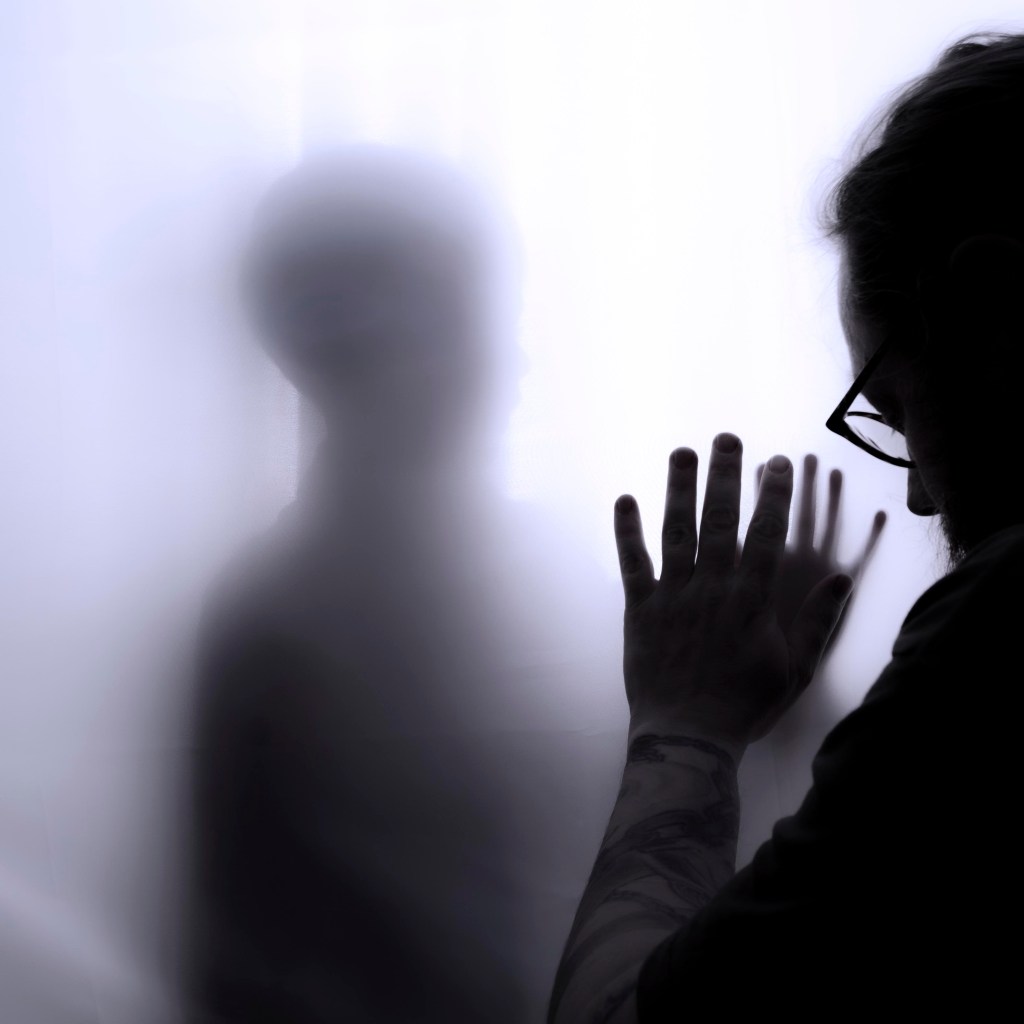
And, why do I lean towards monochrome images? Is it the aesthetic or simply a personal preference? Lots to think about over the coming months….
 The Space Between