When I first started to engage others with my project, by reaching out via social media, the initial direction I took was one of a participatory one. I aimed to collate shared experiences from each participant to then create a body of work illustrating a sense of used space. However after talking to a number of participants it soon became clear that each had a unique view point and story to tell. With the relaxing of lock down I have been able to meet a number of participants face to face. For these meetings I have had the participant choose date, time and location with minimal input from myself. As a result the participant became at ease much more quickly and discourse flowed my freely.
Although this is not totally collaborative due to the questioning I used to prompt and steer the conversation. However, by giving participants freedom to choose the objects, places and spaces that hold an emotional attachment for them, I hope to make my project more of a shared collaborative experience.
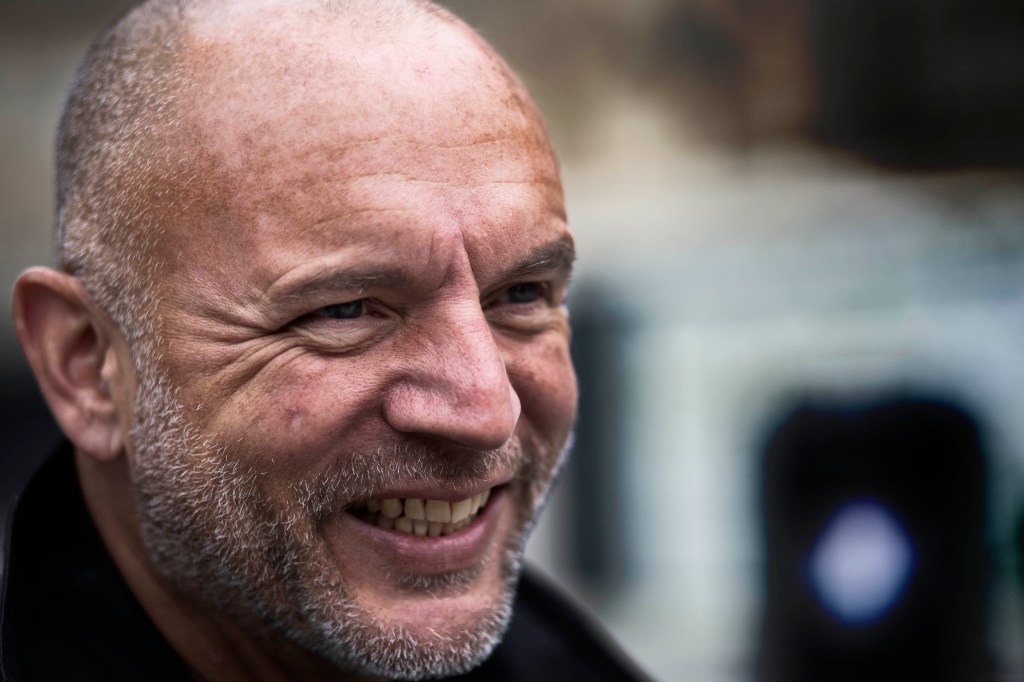
Ben Brain, outside Bath Abbey. Tim Beale June 2020.
This image of Ben Brain was taken outside of Bath Abbey. Whilst the location was chosen by Ben as a place of importance, I wanted to concentrate on capturing the emotions presented by Ben when discussing his space at home, working with a prime lens and shallow depth of field the location becomes secondary. The next stage will be to create images of the space he talks about.
The concept of using another’s work, photographic or other, seemed quite alien to be and not something I would have considered in my practice. However this thought process has been challenged by this week’s this topic. Looking at the controversy surrounding the work of Joy Garnett, in particular her painting the ‘Molotov Man’. Garnett’s painting’s typically use source material found on the internet, i.e. photos by others. These found images are then recreated in painted form, as with the ‘ Molotov man’. Garnett appropriated the photograph, originally taken by Susan Meiselas. The use of Meiselas’ photo without permission sparked controversy, creating what was to be nicknamed ‘Joywar’.
Whilst I would admit that once images are made available in the public domain, there is very little anyone can do to police the appropriation of them. Unless of course you are linked to a large establishment such as Magnum. However I do find myself siding with Meiselas, in this case because of the context of the image. It would have been clear to Garnett that the image of the ‘Molotov Man’ had been taken with the context of violent turmoil and any use of it would be to alter the context. For me it is more about my personal ethics and how I feel about using others work or the use of my work. Whilst I would welcome the use of my work I would, ideally, like to ensure either, the original context is respected or that my work plays only a part of a larger work. Of course all this is only possible through discourse between myself and the intended user.
We were also introduced to the concept of remixing work and the work of the artists and photographers such as; Candice Breitz, Robert Rauschenberg, Mishika Henner and Corinne Vionnet, to name a few. Looking at much of this work reminded me of an exhibition at the Barbican by photographer Thomas Dworzak of found portraits of Taliban fighters. None of the images were taken by Dworzak but purchased by the photographer whilst he was in Afghanistan from the few photography studios that had be allowed to remain open. The work of unknown photographers, appropriated and exhibited by Dworzak, as a way of promoting a side to the Taliban soldier’s that differed to the depiction of ruthless killers, as portrayed by mass media. Dworzak did not rework or claim any ownership to the images but simply presented them. I feel this method of using images to balance out how mass media writes history is invaluable and normally a role played by historian or curator. On this occasion Dworzak plays the part of historian and curator.
Photo Opportunities by Corrine Vionnet, is a collection of images of famous landmarks. Vionnet began to conduct online keyword searches of vernacular images of tourist landmarks from around the world after observing that most snapshots were either conscious or unconscious renderings of existing imagery of that location. A composite of these images was then created and exhibited, typically, outside where they would than become backdrops for more vernacular photos.
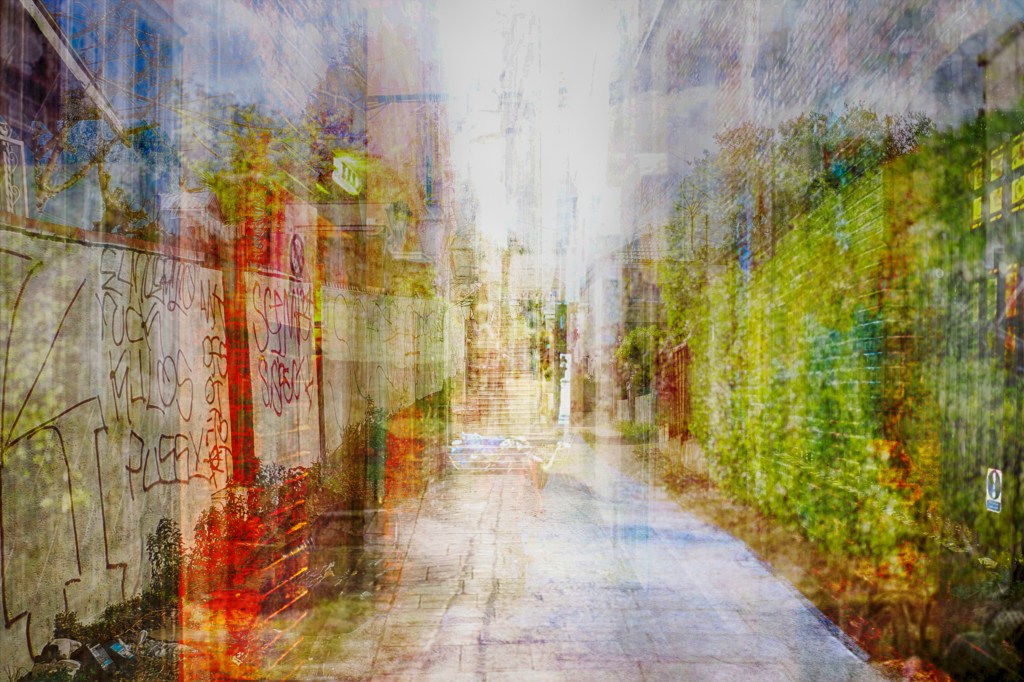
This use of public or vernacular images inspired me to look at my own project, the limitations of not being able to travel to a host of destinations and how to use appropriation/remixing to overcome this. I wanted to look at the common traits within built environments around the world. I’m often drawn towards the space between buildings and often photograph alleyways. Using this as a starting point I set out to search for images of alleyway from thirteen different countries to then combine with two images I created. I wanted to create an image that illustrates the common viewpoint different photographers use to photograph the same subject, ‘15 Alleyways’ is the end result.
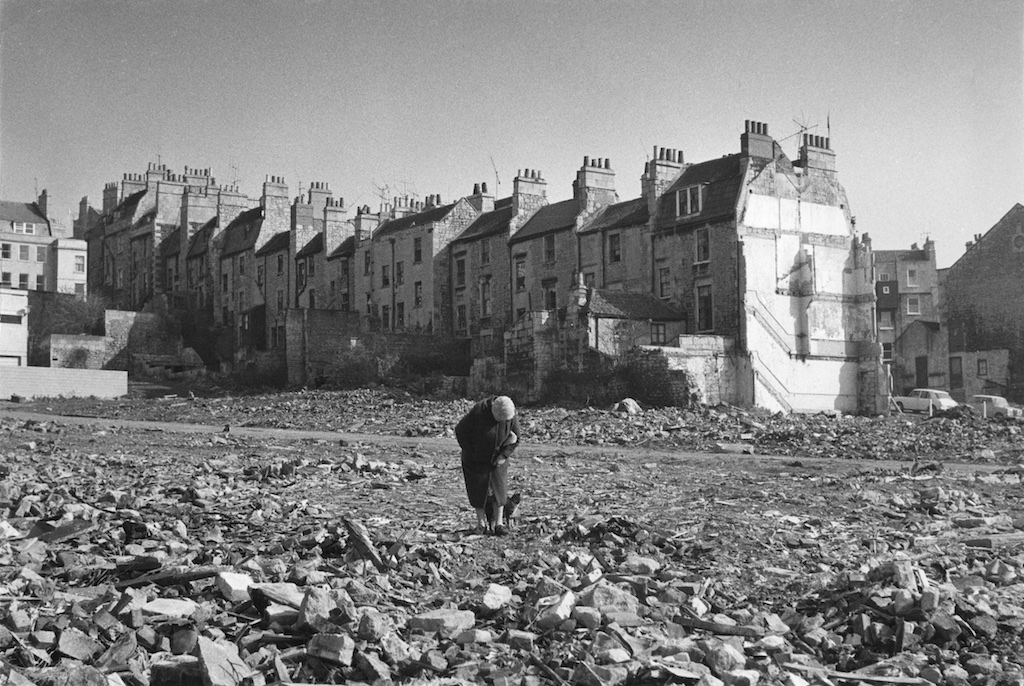
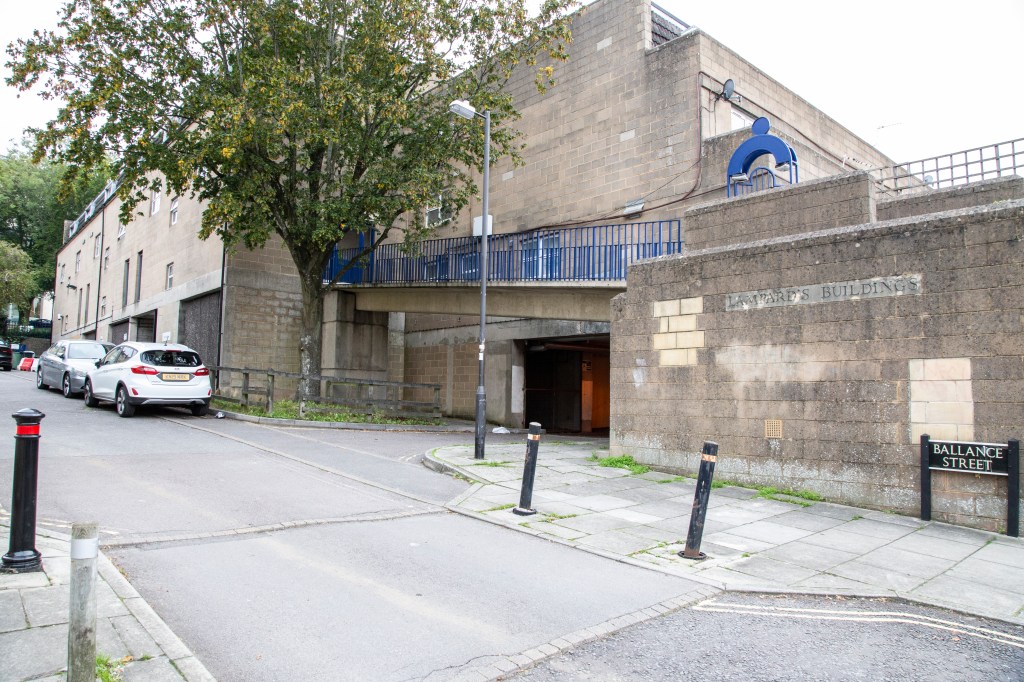
This weeks topics of Repeat and re-photography were both familiar concepts to me as I have used the process of re-photography in my work as the manager of the Museum of Bath Architecture, using archival images to research locations that have changed over time, visiting those places and re-photographing from the same vantage point. I have found this to be a very powerful tool in educating visitors about the loss of building from either bomb damage during the blitz or invasive developments in the late 1960s and early 1970’s (known as the sack of Bath).
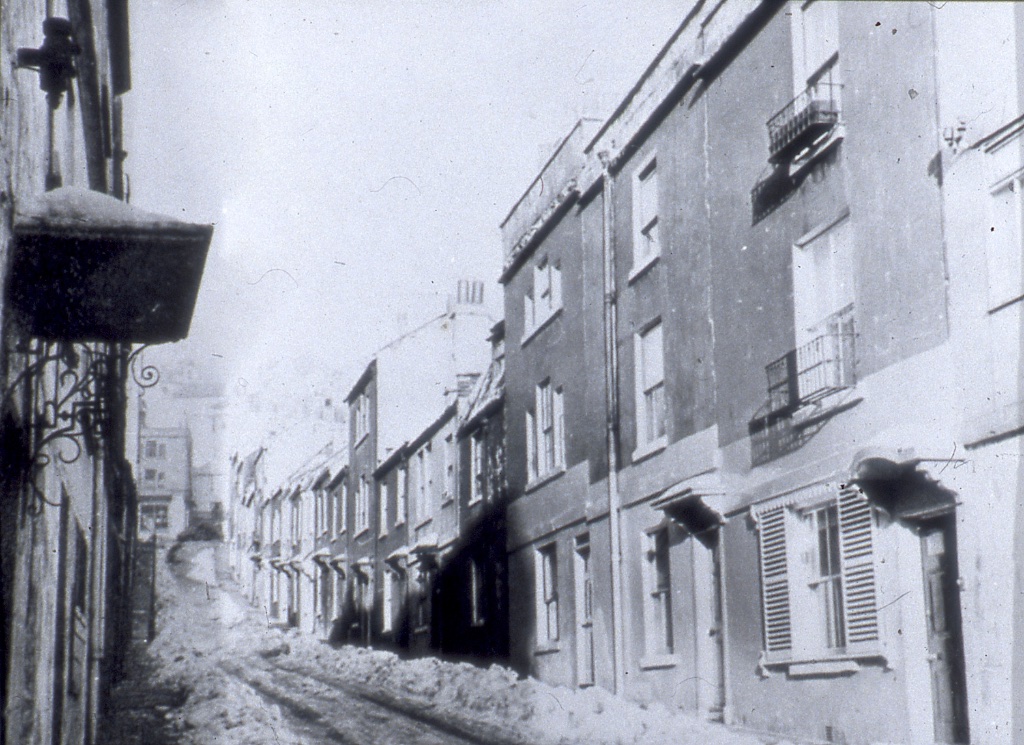
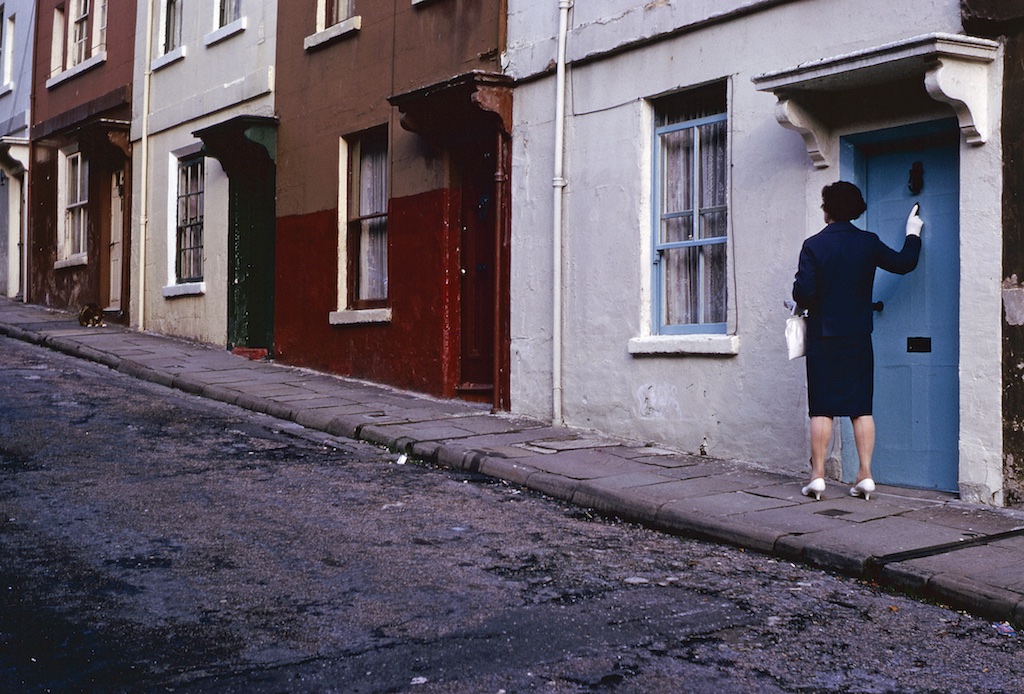
A street through time, was a talk I gave to a number of heritage societies, and looked at how the archival images held at Bath Preservation Trust could be used to document the changing topography of a city. The images of Balance Street in Bath show the various stages from an occupied Georgian terraced row of houses in 1963, a BPT researcher visiting resident prior to eviction in 1966, the demolished street in 1972 through to my image of what we have today. The street is almost unrecognisable.
Balance Street 1963, Jean Pratt. BPT archives
Balance Street 1966, LG Armatige. BPT archives
Balance Street 1972, Snowdon. BPT archives
Balance Street 2019, Tim Beale
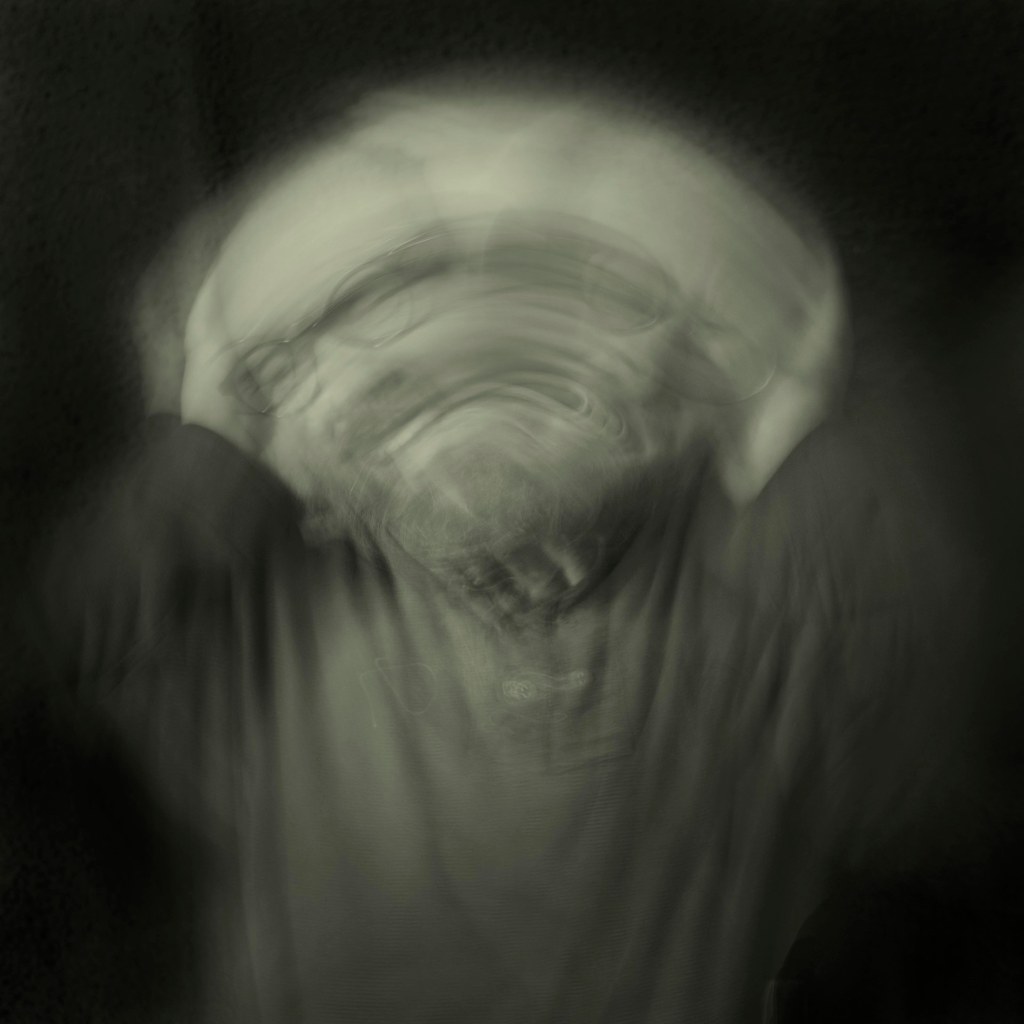
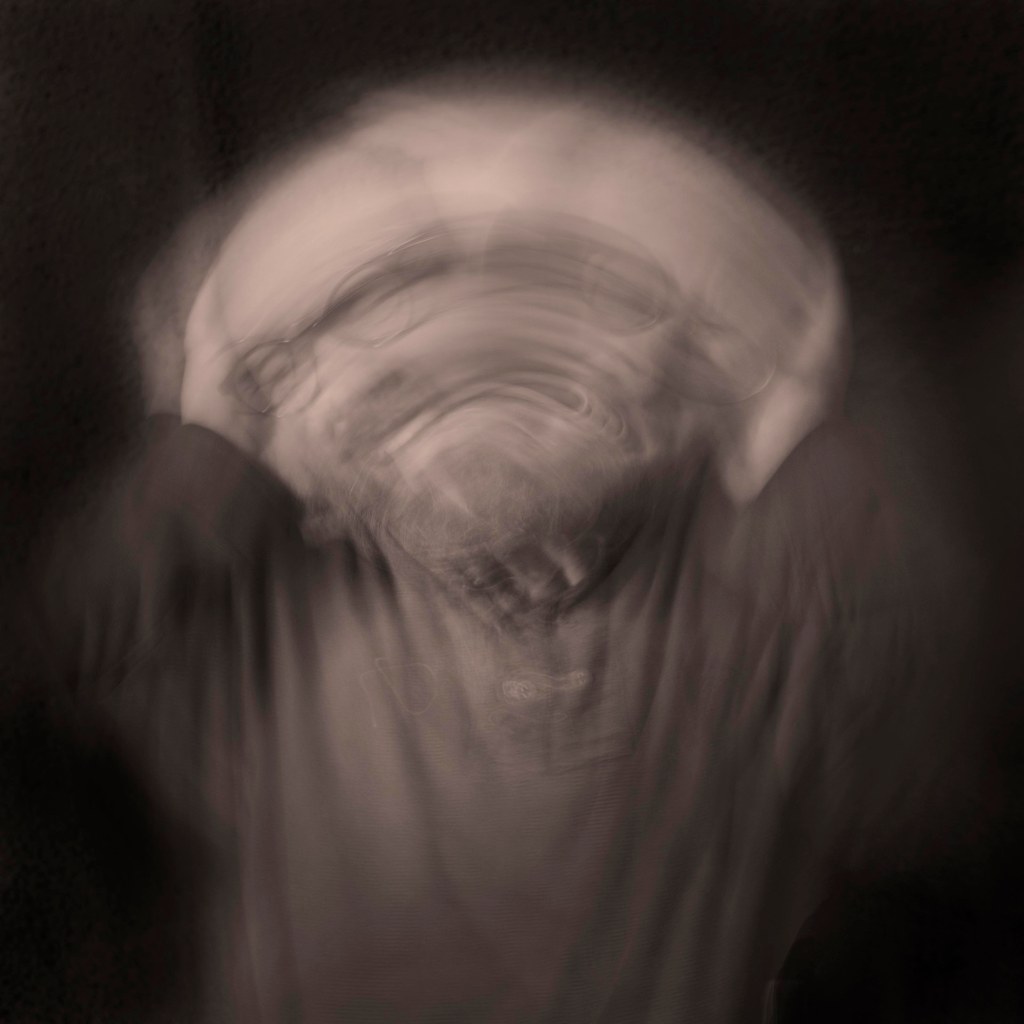
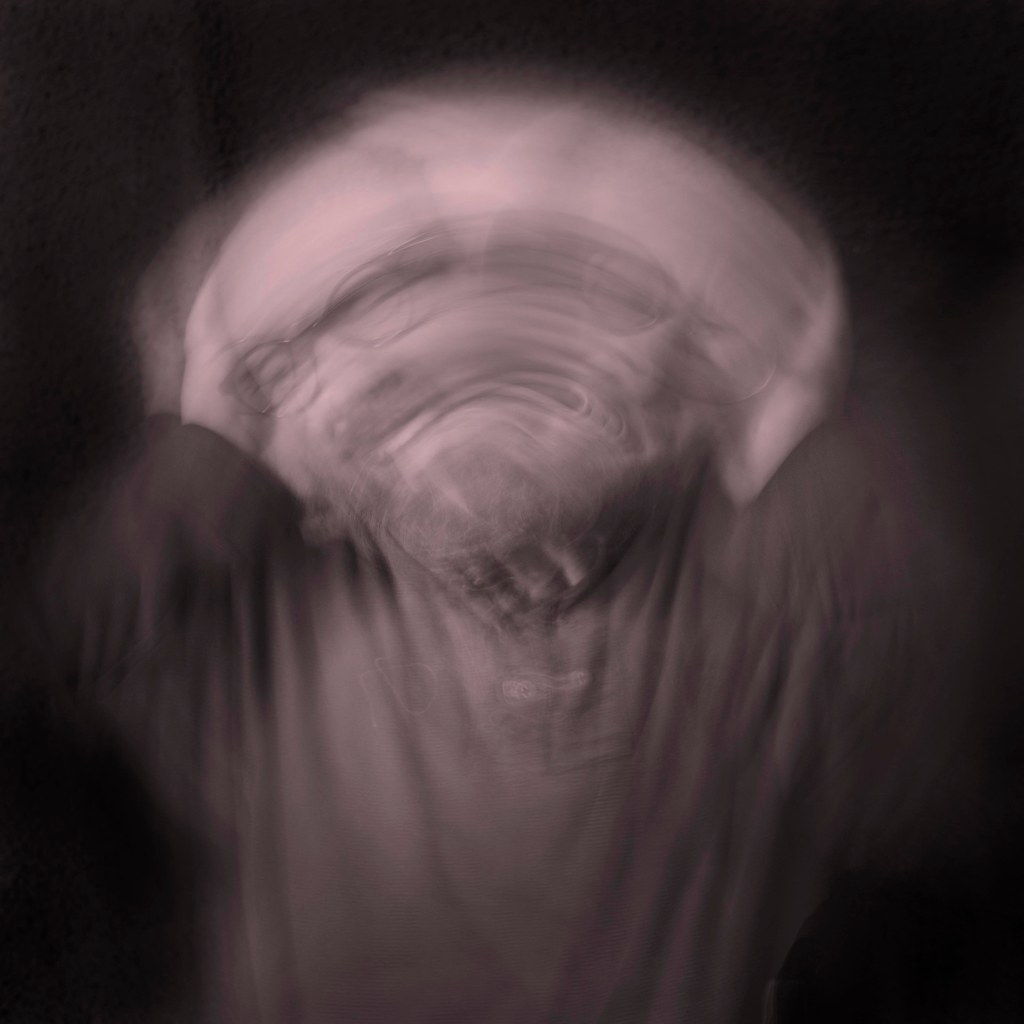
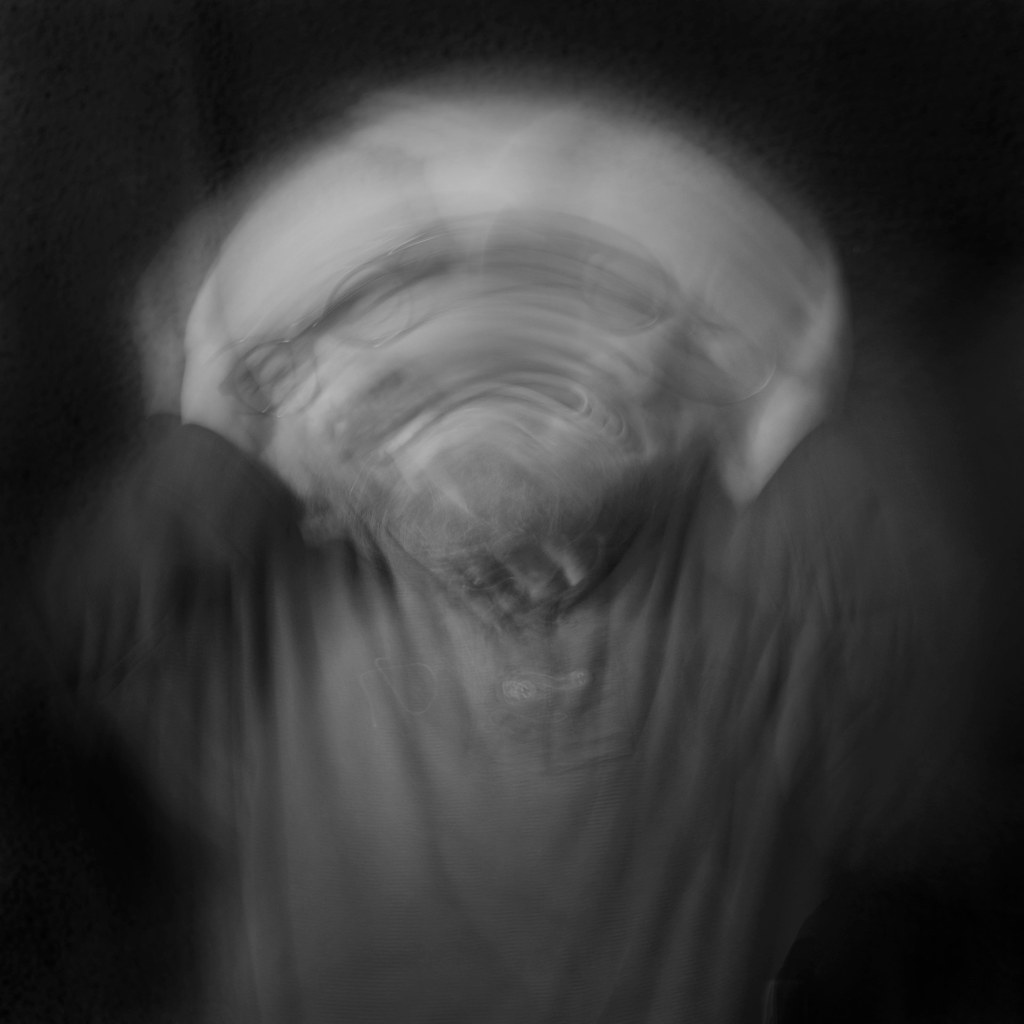
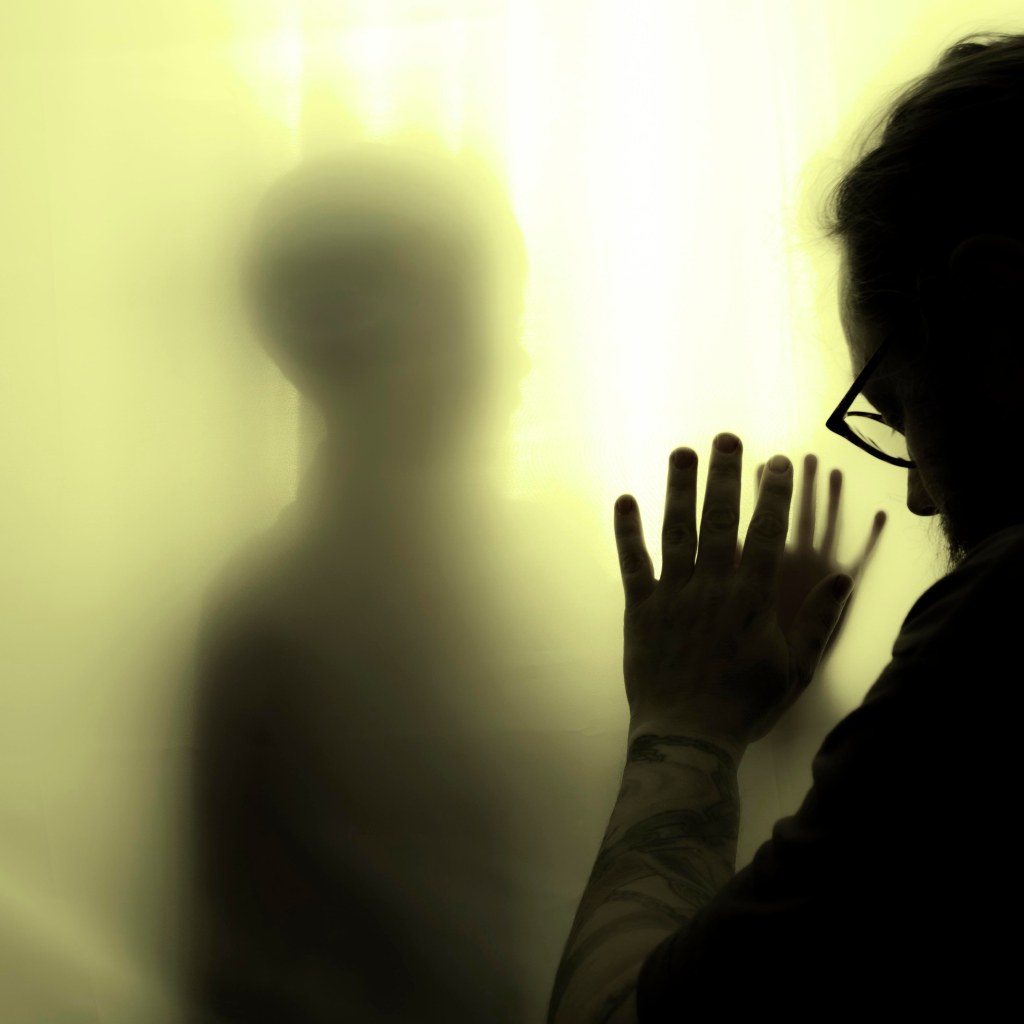
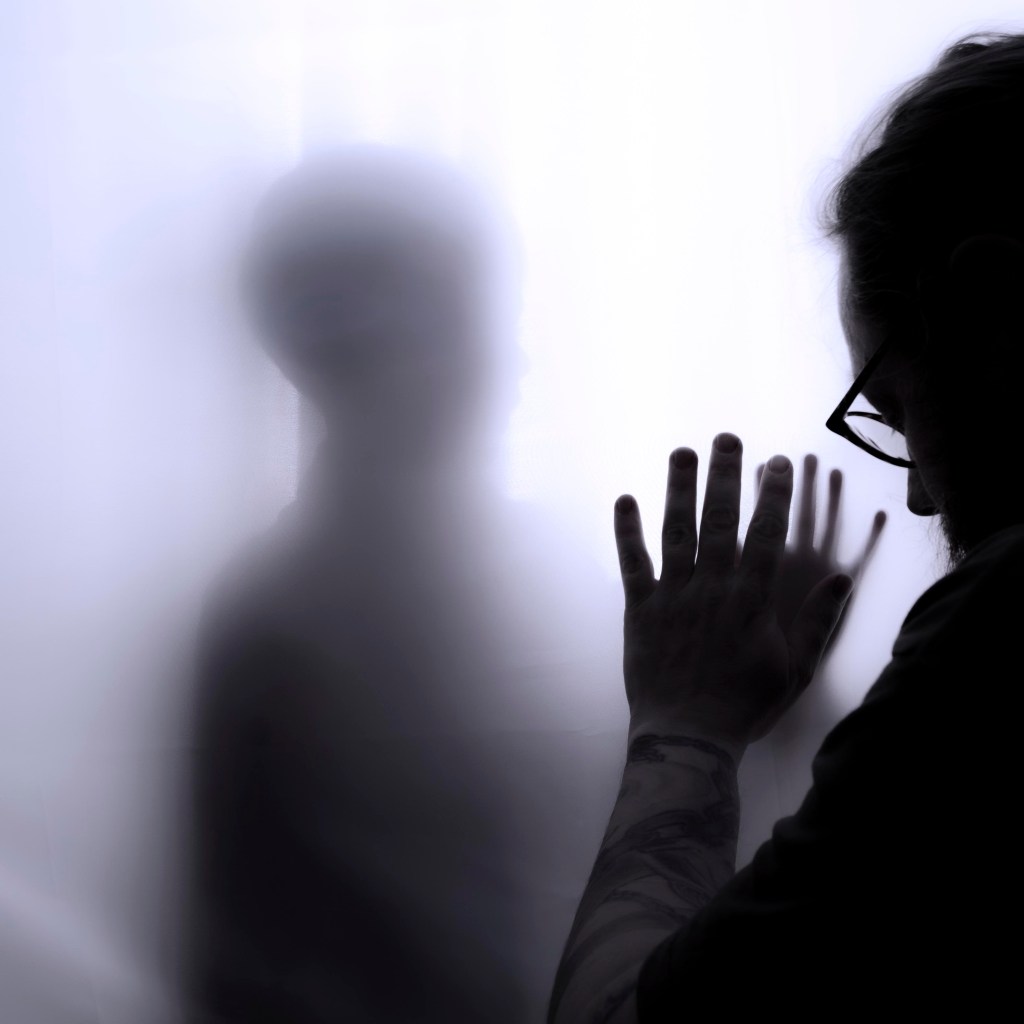
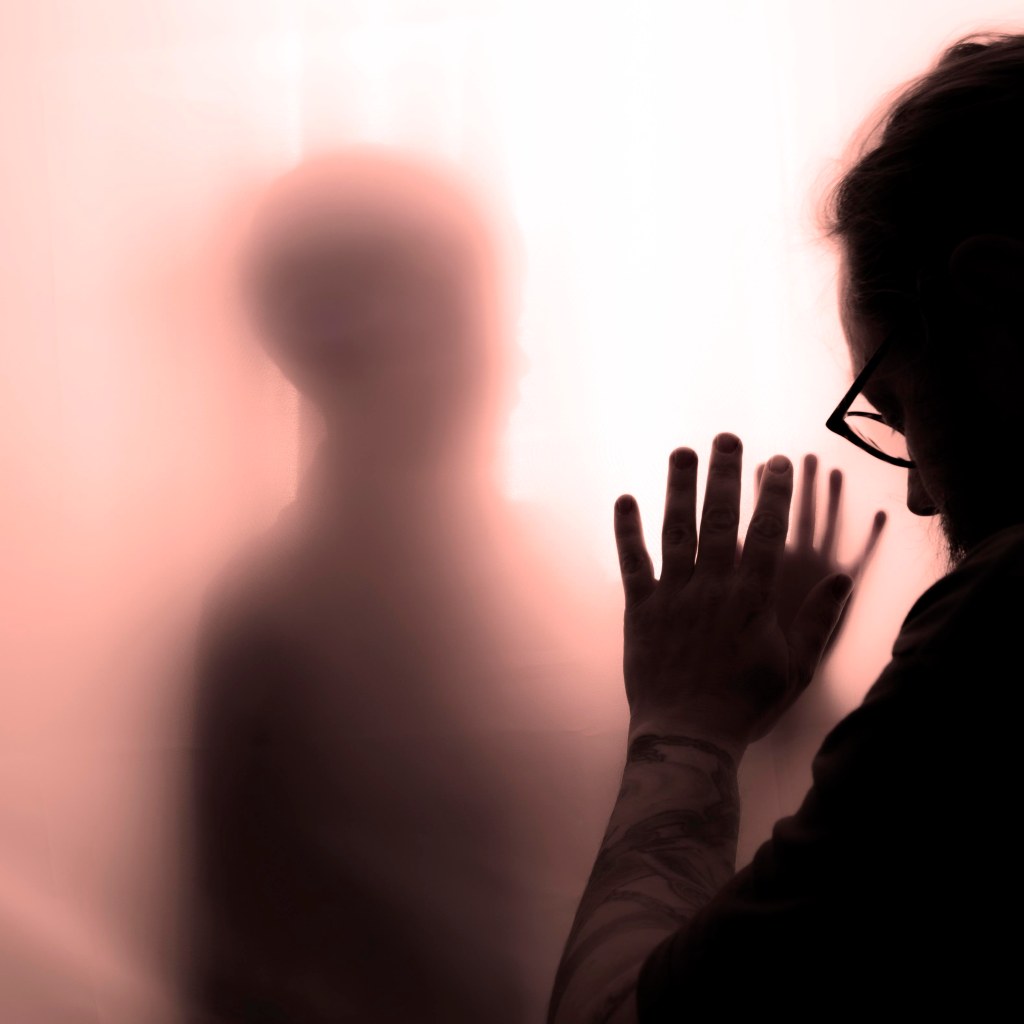
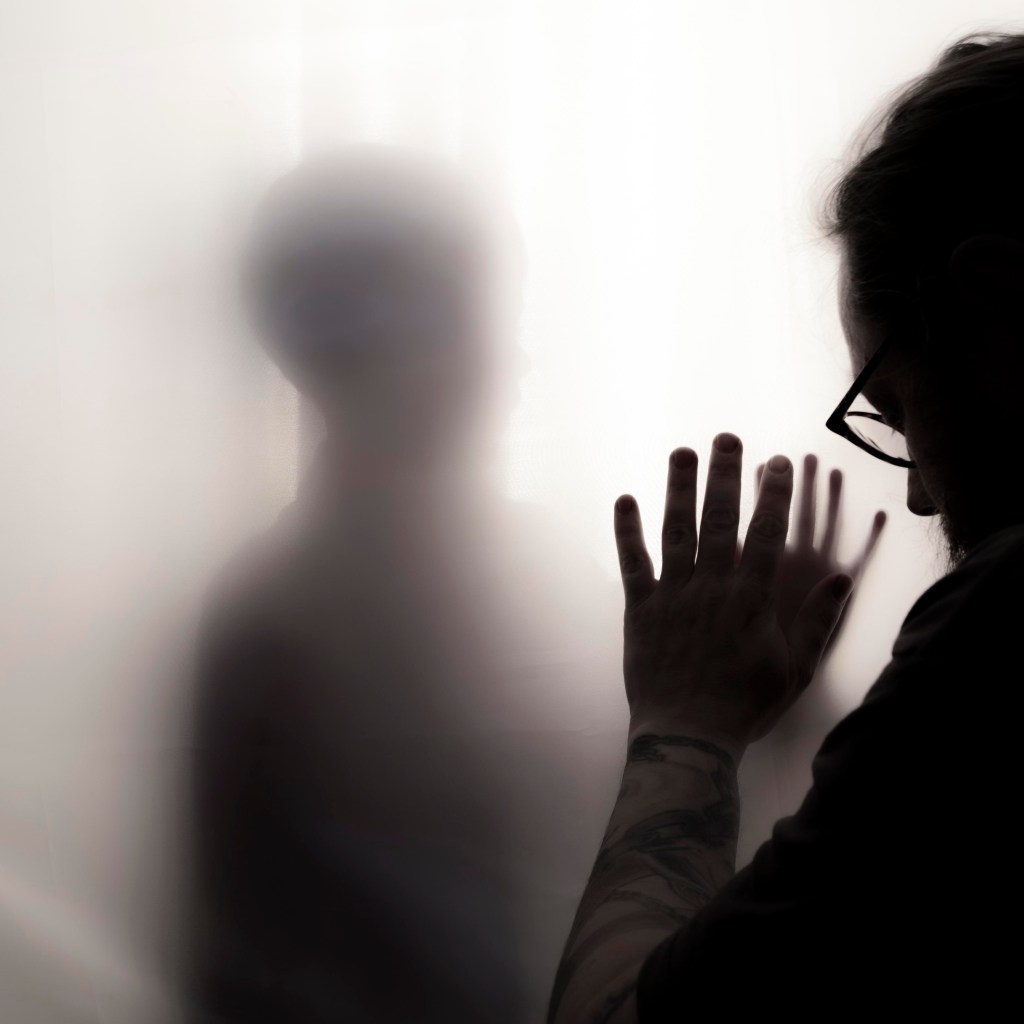
I have recently started to experiment with a number of images I took as part of my project, looking at emotion responses to isolation and separation. Each image uses a different colour filter applied that is representative of an emotional colour. At this stage I’m not sure if I will gone down this route, however what is evident though is that this process need further development by rephotographing certain portraits using alternative lighting methods, colour gels etc.
I became fascinated by the synergy of people within the built environment, how the abundance or lack of space effects a person psyche, making them feel claustrophobic or agoraphobic in the extreme.
My project sets out to explore the ubiquitous links between the human psyche, the built environment and the spaces we occupy. Through the medium of photography this project will illustrate individuals, responses to their unique experiences or emotional reactions to the environment they occupy. This project is an exploration of personal space and what that means to us.
I have started by looking at what makes up my space, the home and objects that are personal to me. This journey starts with the house, as the philosopher Gaston Bachelard says in his book Poetics of space:
“Of course, thanks to the house, a great many of our memories are housed, and if the house is a bit elaborate, if it has a cellar and garret, nooks and corridors, our memories have refuges that are all the more clearly delineated.”1
Through a series of interviews and questionnaires I will be working with people from differing backgrounds to establish what their ‘space’ means to them. Combining portraits with images of place, I aim to create a body of work that illustrates the impact of space on the human psyche.
[1 The poetics of space, Gaston Bachelard, Penguin books 2014 page 30 ‘The House’]
 The Space Between