This week has really challenged my way of thinking and operating within my practice, an I just a “button-pusher”, am I making the most creative choices or thinking ahead past the editing process. I’ve also recently been struggling with the direction to take my project and how to create images that represent my ambitions. I have often thought of my camera (apparatus) as being an extension of myself, a means to an end and integral part of my creative process. By stepping away I have been able to look at the bigger picture, by doing this, I can now see, that I have allowed my apparatus to dictate and limit my creativity.
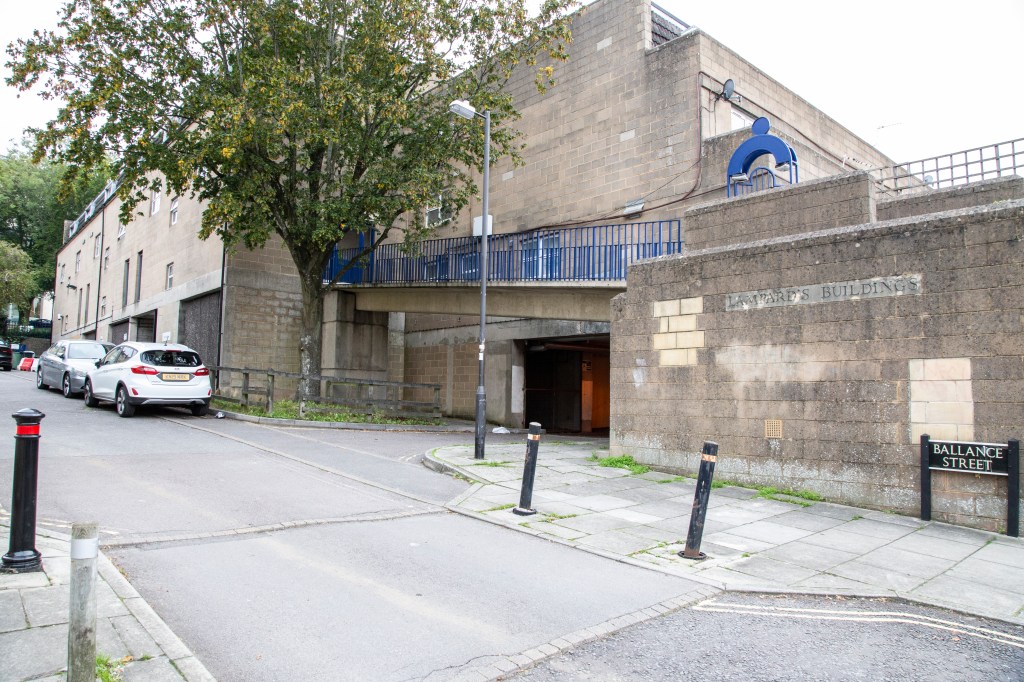
The main challenge I faced was how to illustrate the space of each participant and include them in my work. I aim to make a series of portraits which will incorporate architectural images and or landscapes (depending on their chosen place) and document the objects that hold an emotional attachment and help to create their personal space.
Watching the interview with David Hockey, in relation to his Pearblossom Highway, I was inspired by the way he chose to interpret the space, in particular the act of photographing each element close up so as to draw the viewer in and create a sense of space. Hockney was able to create an image that not only works as a whole, strong focal point, leading lines and an almost traditional perspective, but was also able to create something totally unique with its own identity. The details in each photo draws the viewer in and adds a warped sense of realism, each with its own context, cactus, street sign, sky, all within the context of the ‘bigger picture’. As such I have a much better idea of how my project will take shape and the areas of research I will now look at over the next few weeks.
Hands off: Cameraless photography
For this series of images I chose to try my hand at cyanotype printing (ironically if my museums were open now I would be running workshops on the at the Herschel Museum of astronomy).
I decided to revisit a number of images taken for my project, that represent my emotional response to the environment around me. From the peace if solitary exploration through to my dislike of crowds and close spaces. I created negatives using water slide paper and acrylic, then using these negatives exposed the image onto the cyanotype paper. The final images were scanned to digital files.
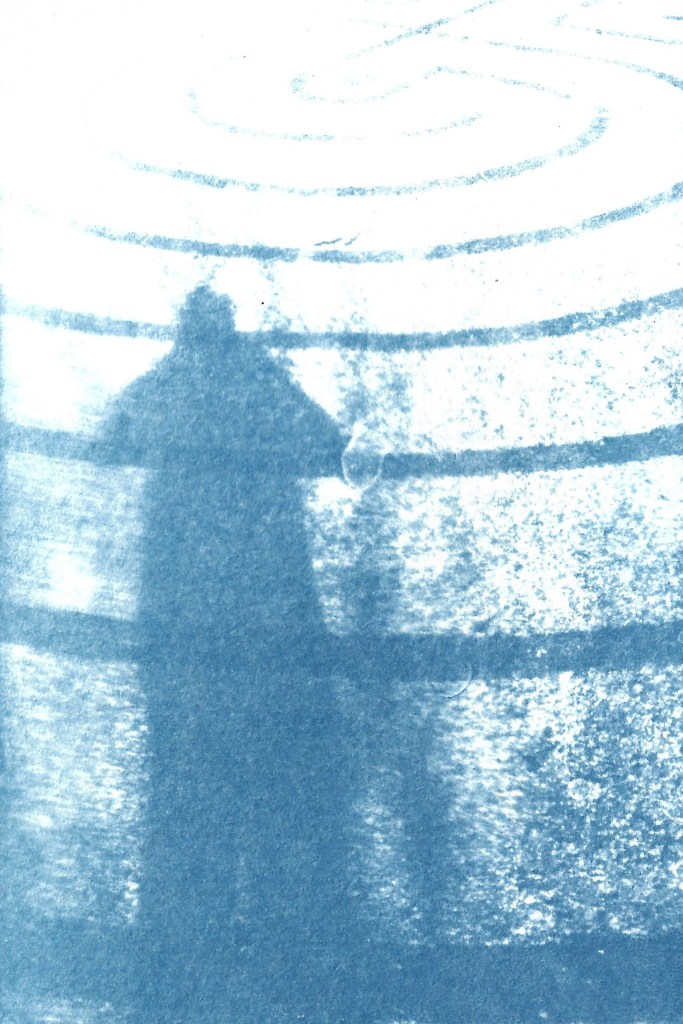
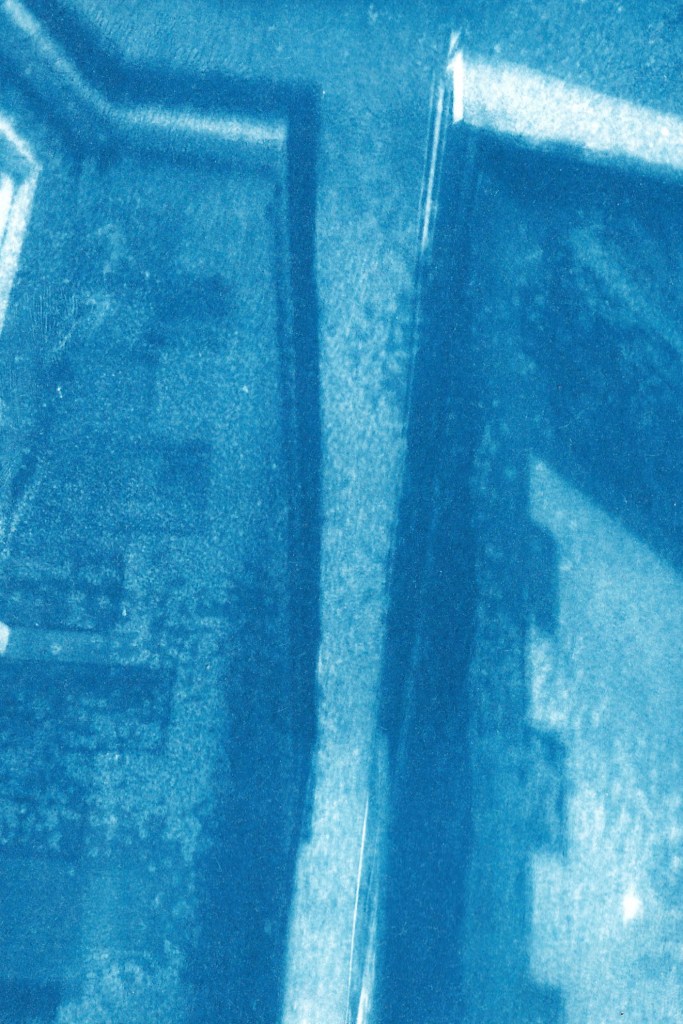
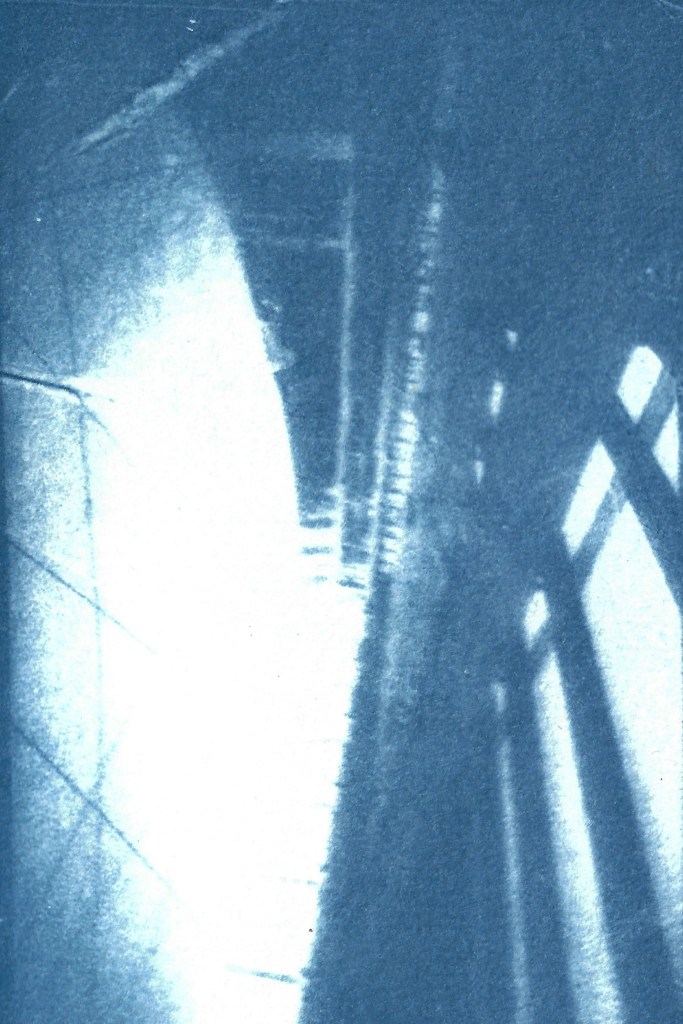
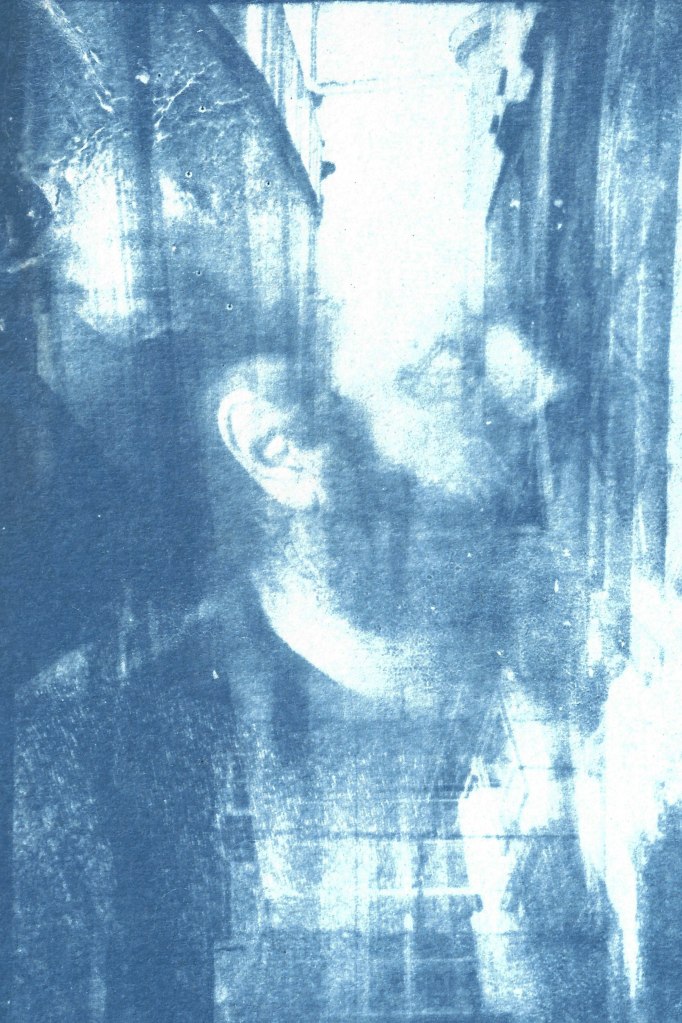
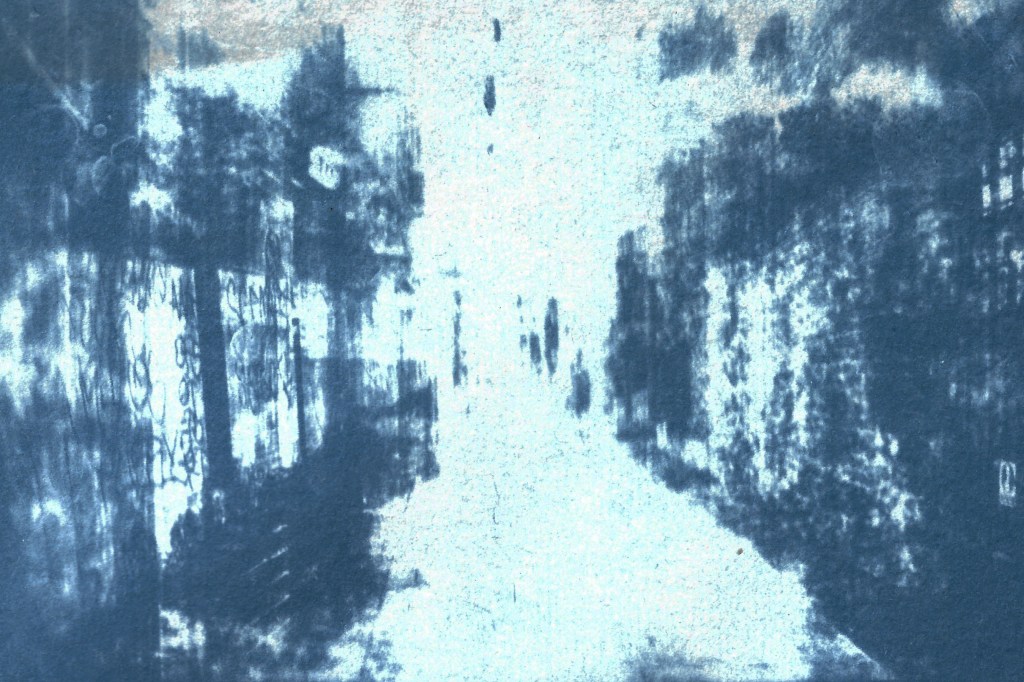
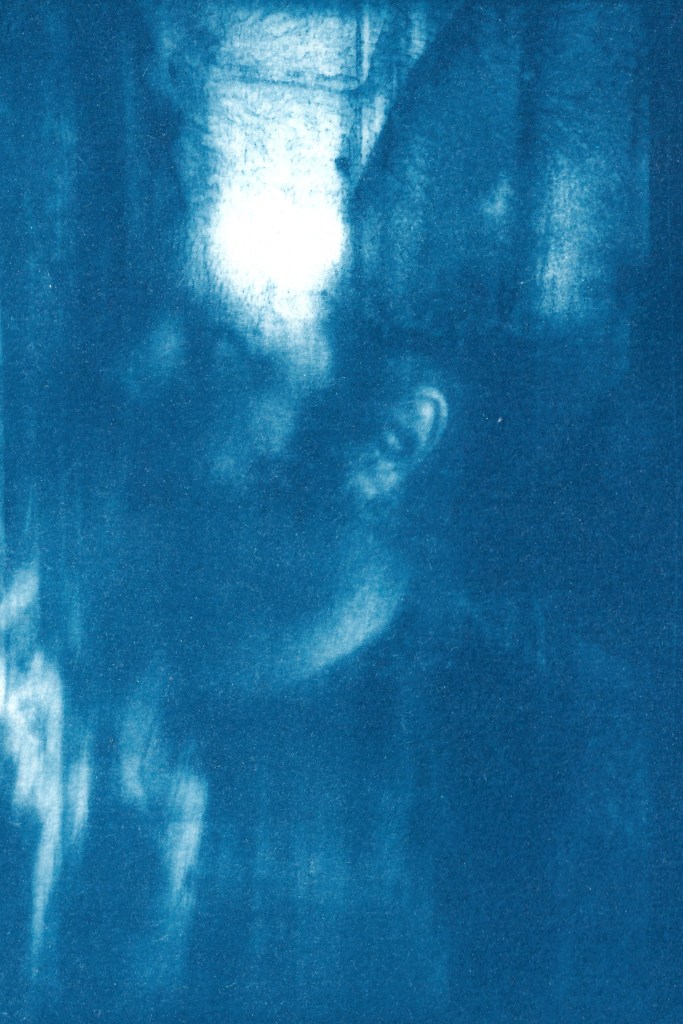
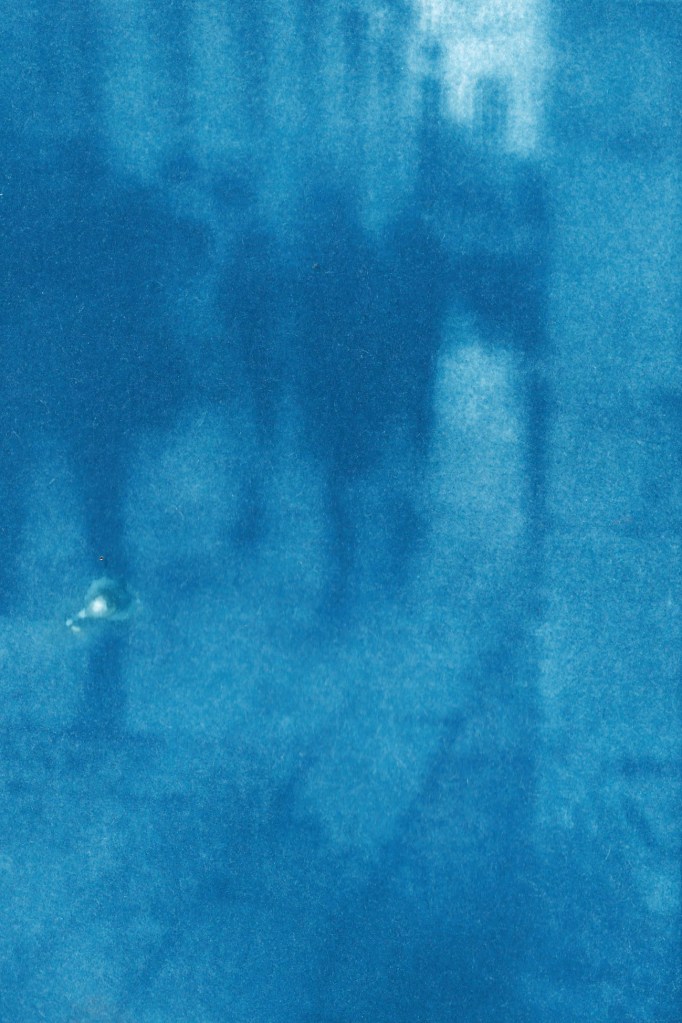
I found the process of selection of images, remixing/reworking, experimentation and printing a rewarding one. Looking at these images through a different medium has made me reassess my approach to the process of creating imagery. Prior to this exorcise, selecting and printing of images would be a final process and one that I would not have allocated my time to. This I feel will help with sifting and image choice as my project grows and act as a way to guide the context of my practice. The selecting, editing, printing, arranging and exhibiting of each participants contribution will be more of an over all process than simple button-pushing exercise.
As I now start to work more with the project participants, I can use my apparatus (camera and editing software) more as tools than limiting devices that they have been. In recording each person and their personal spaces I will have a better consideration towards the end product and how I want the viewer to interact with the project. My aim will be give importance to each element of the whole, be it portrait, object or place.
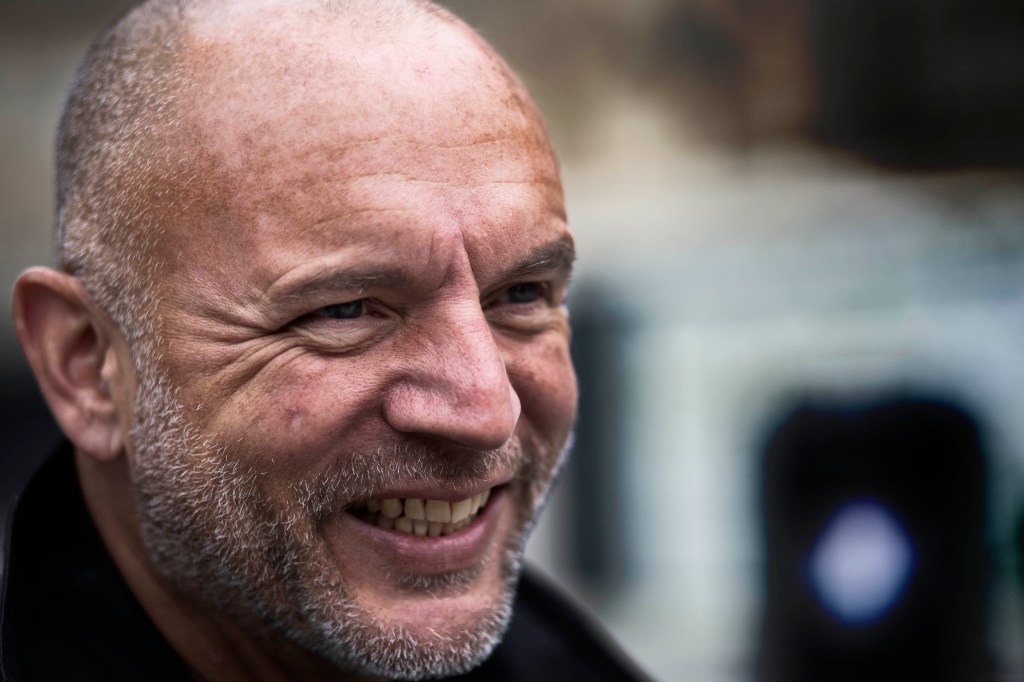
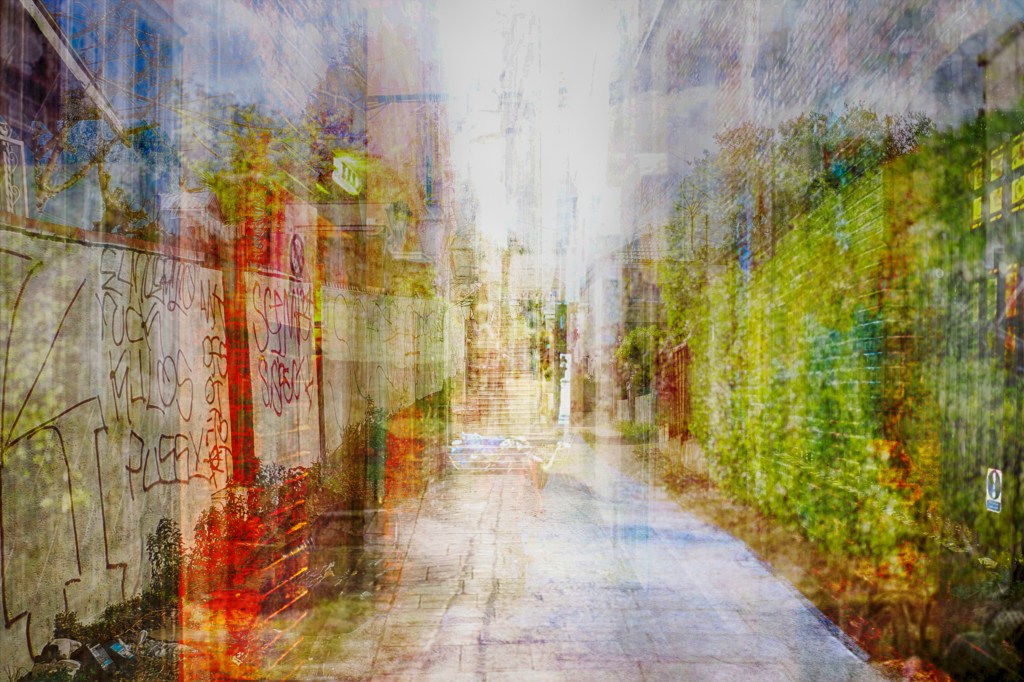
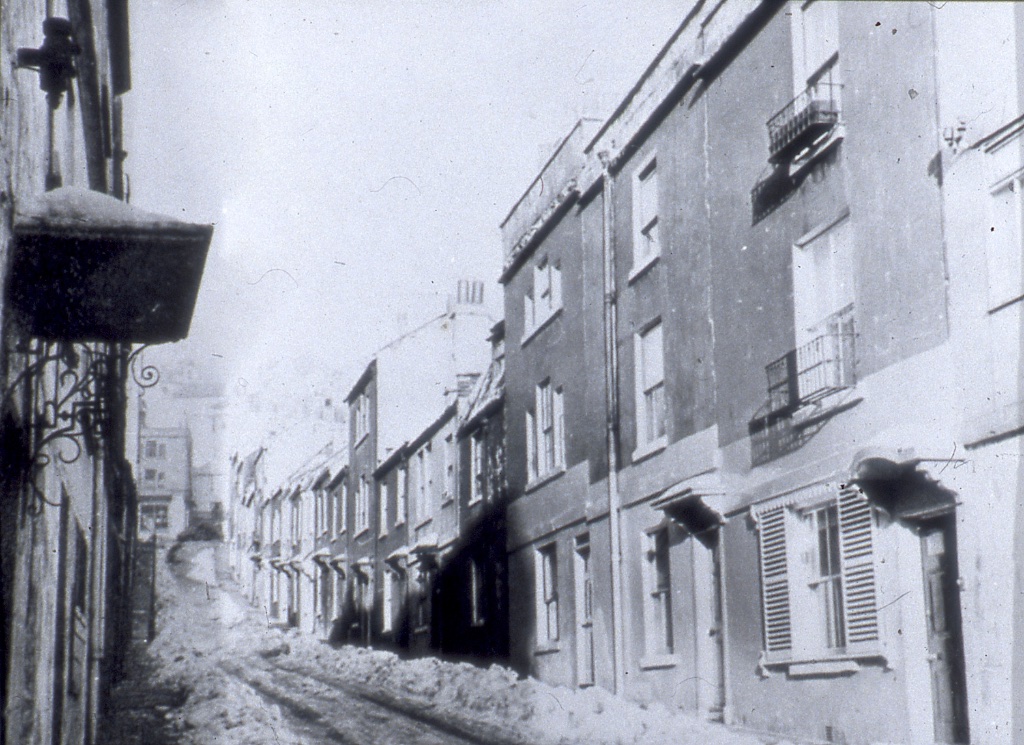
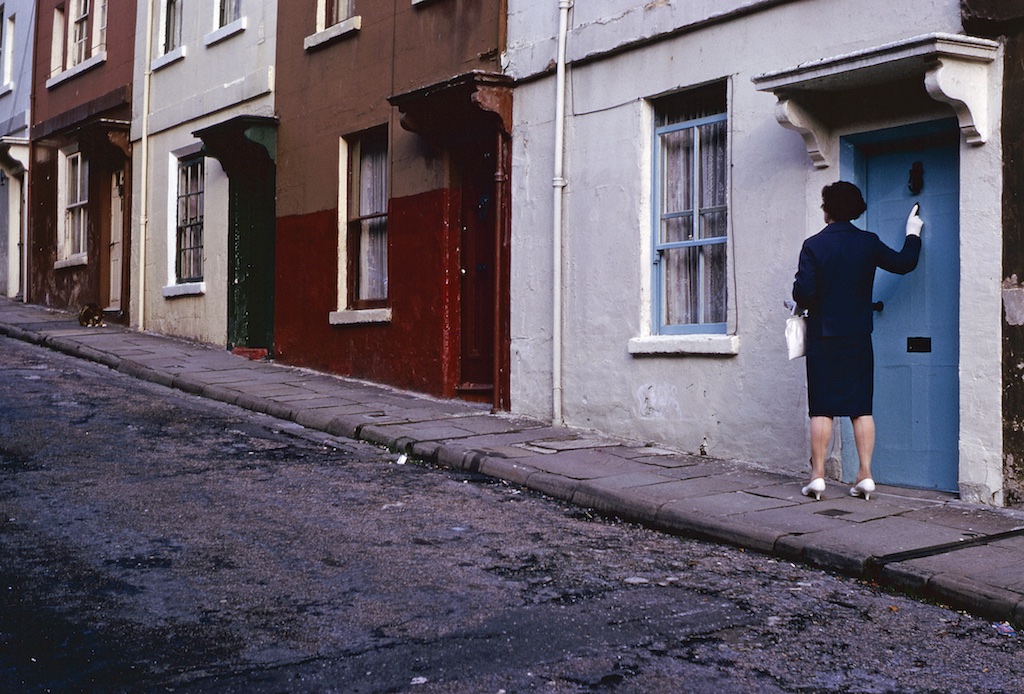
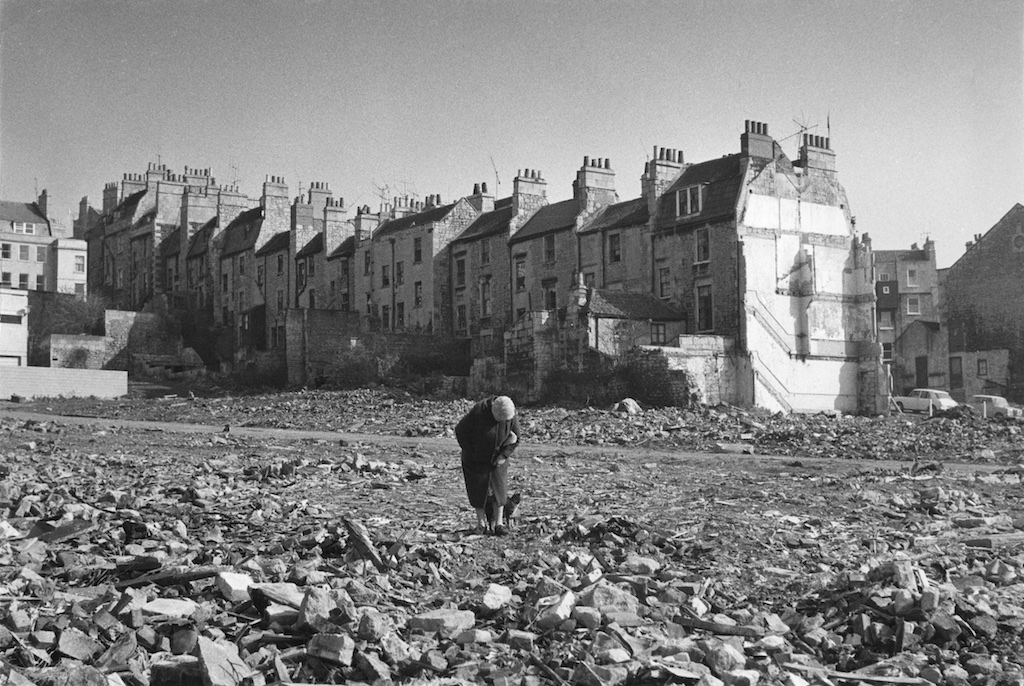
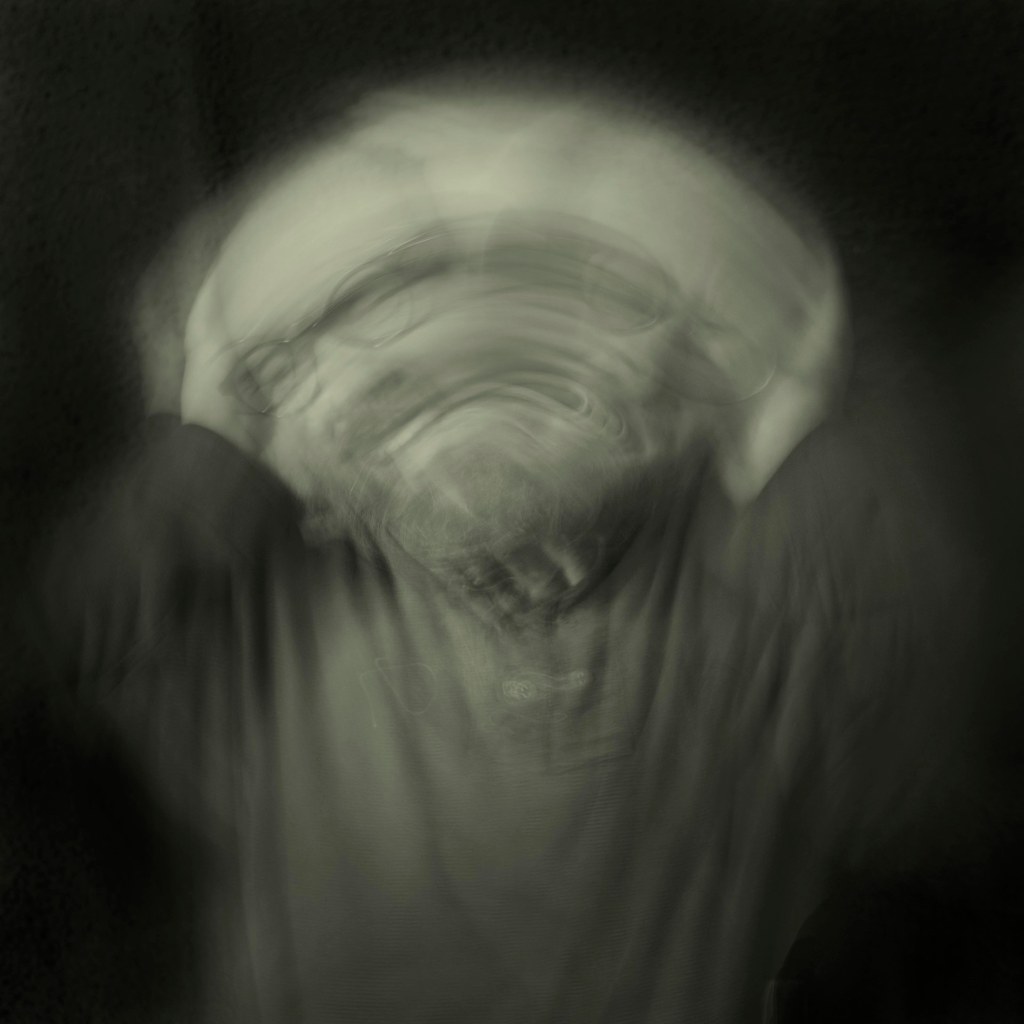
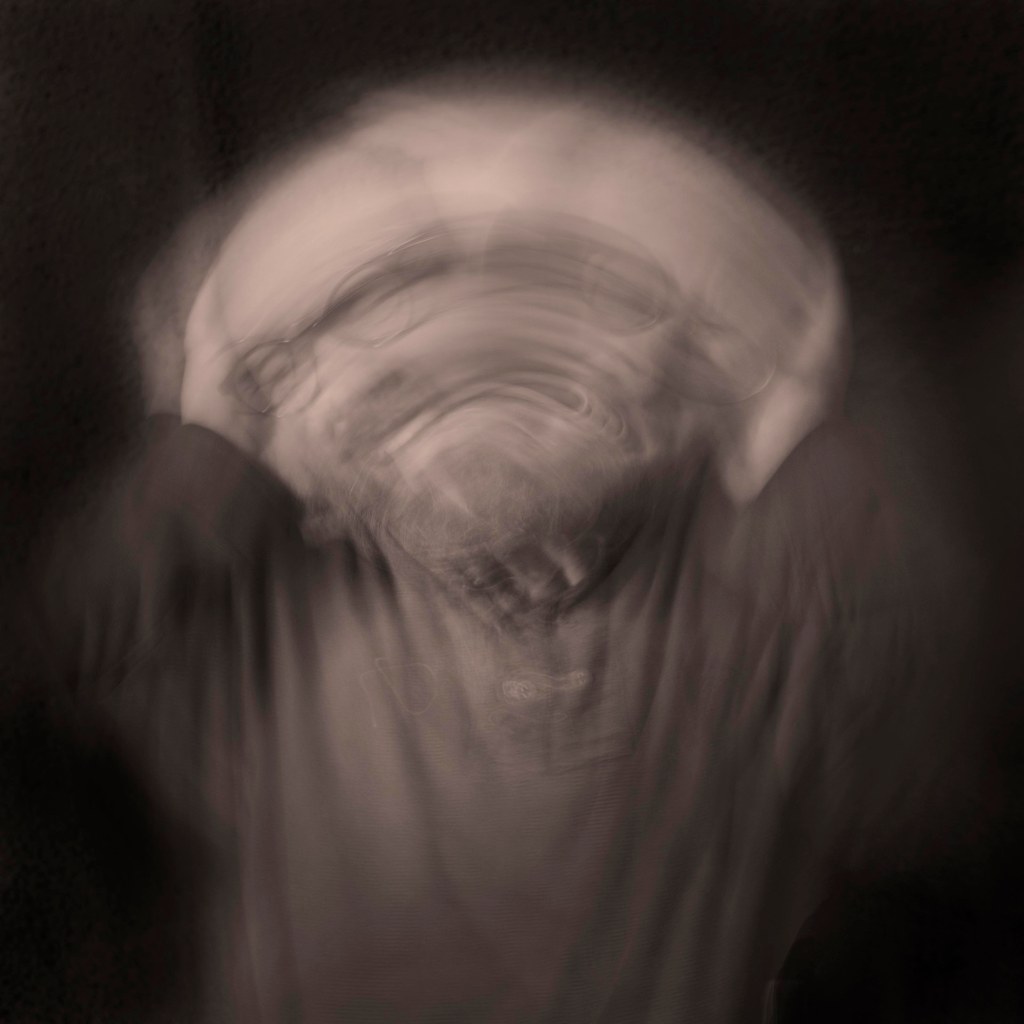
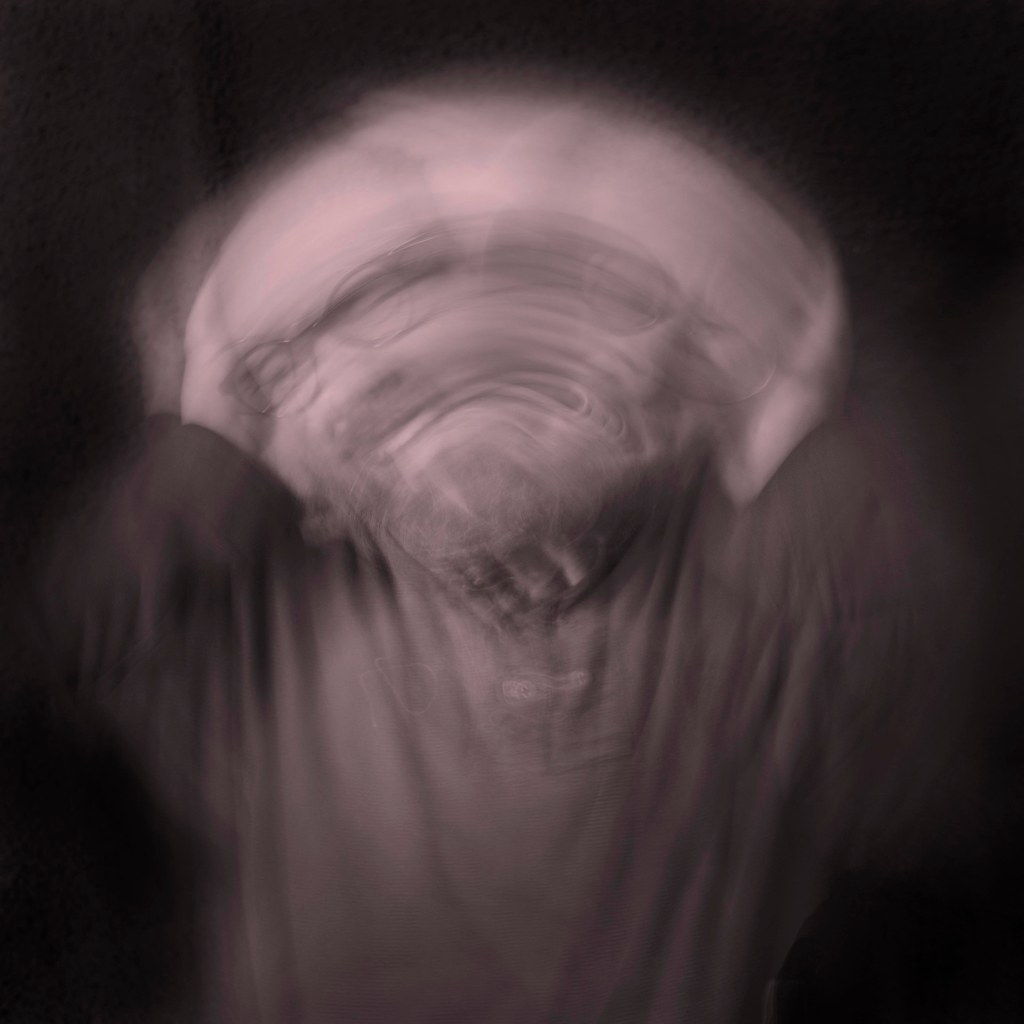
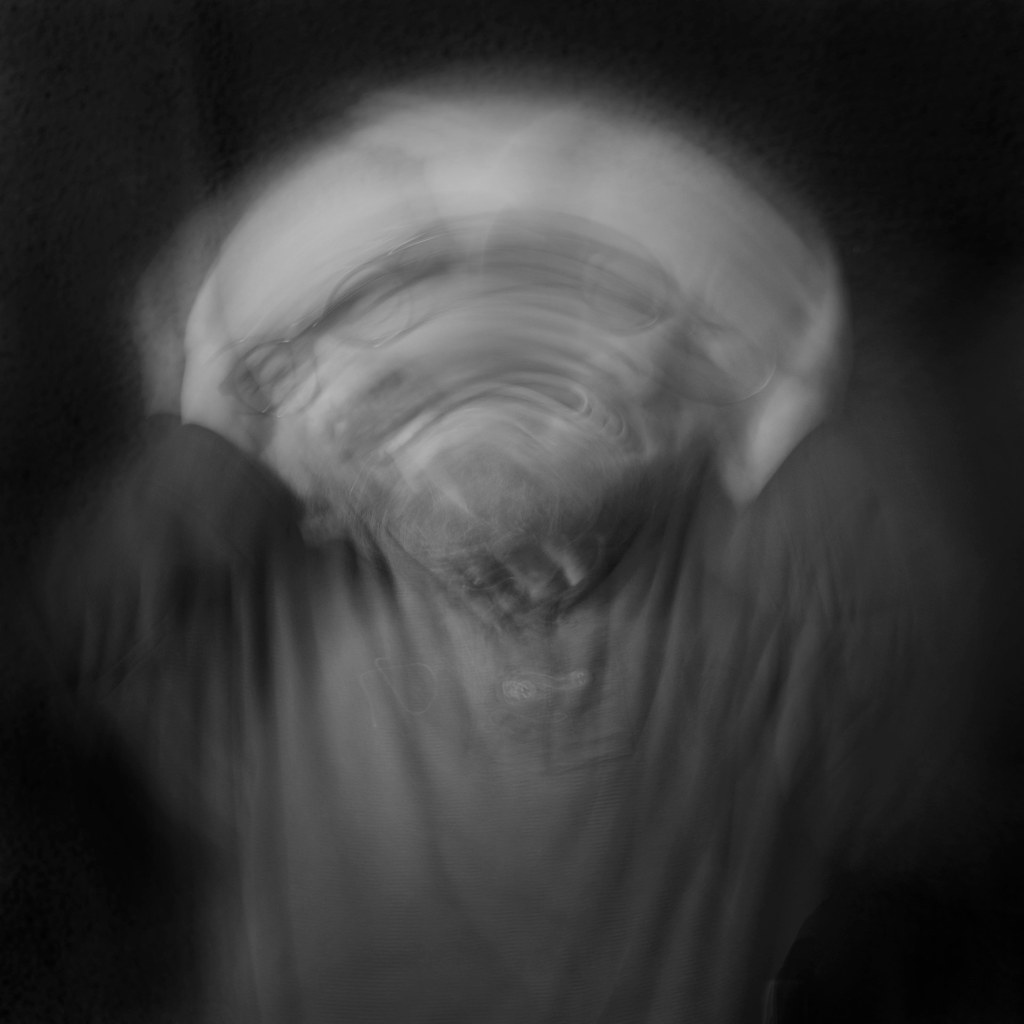
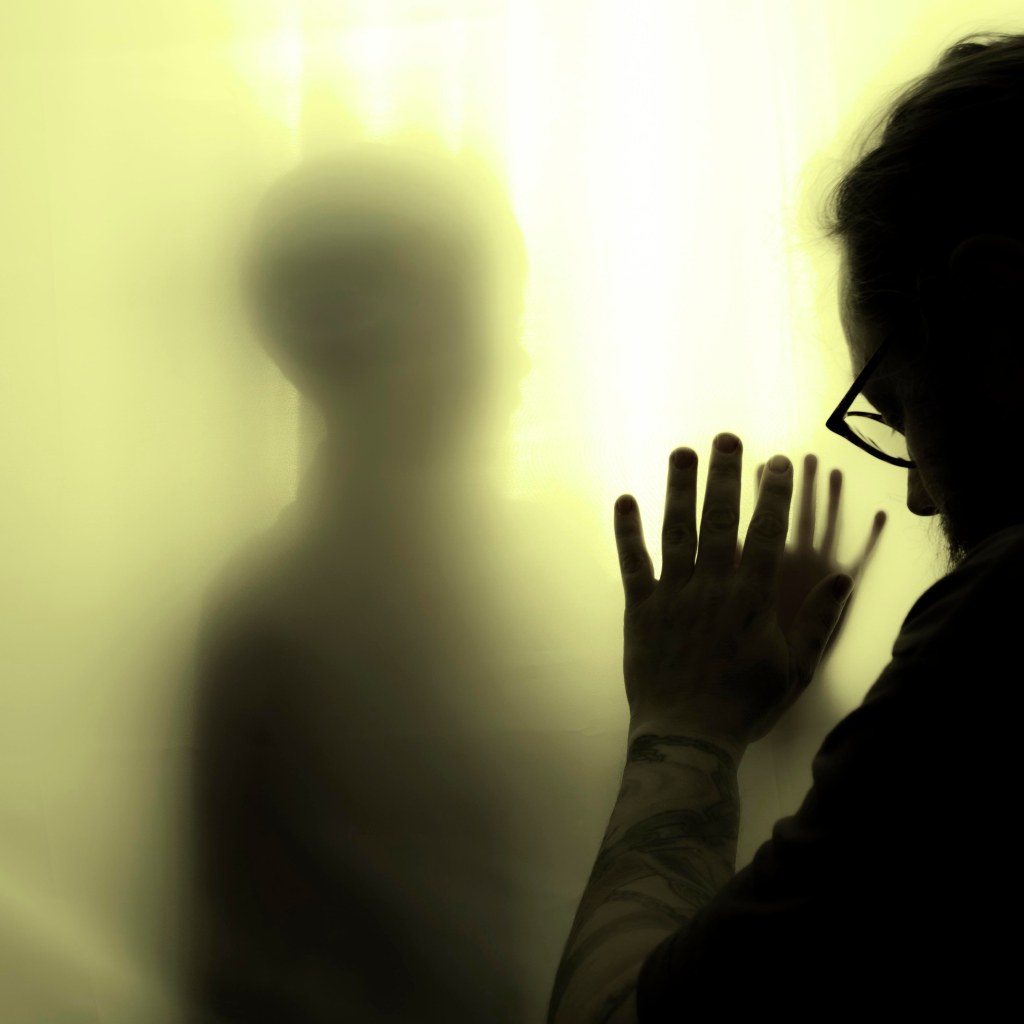
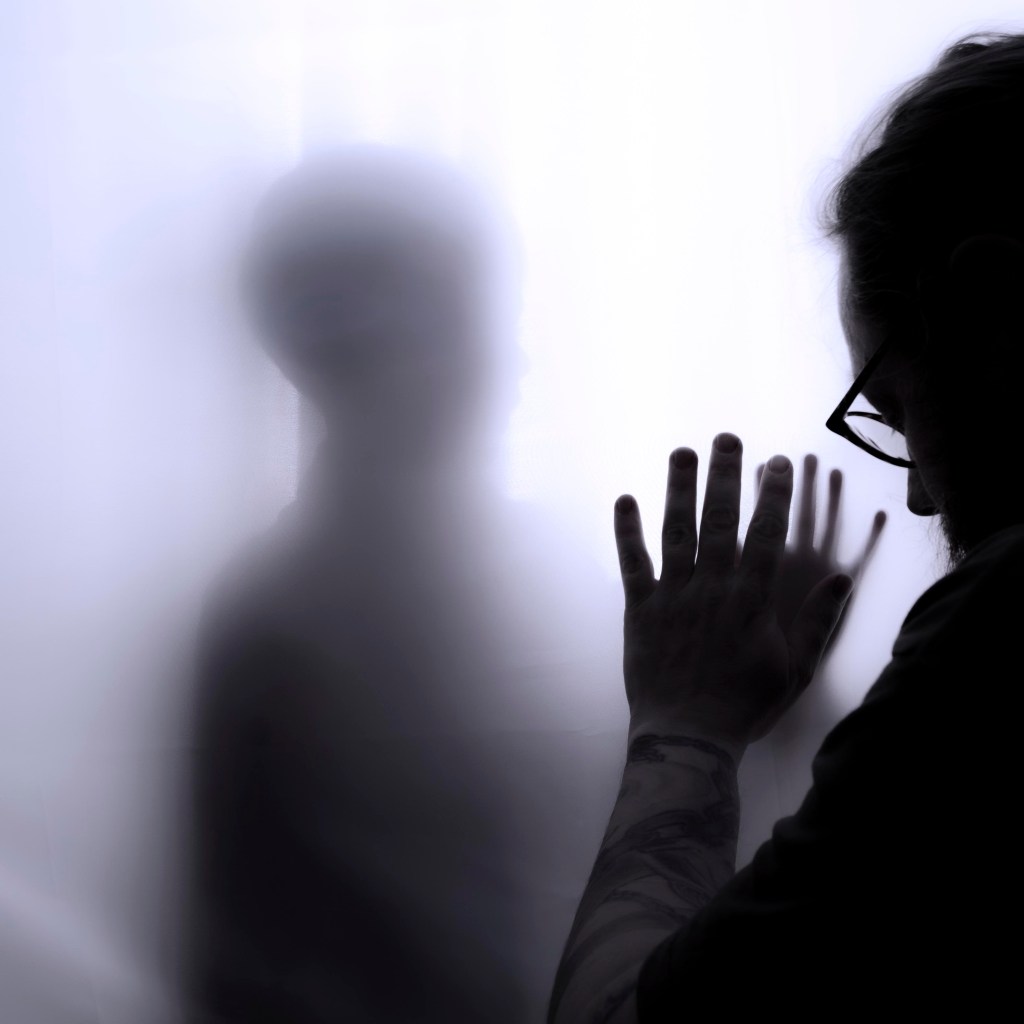
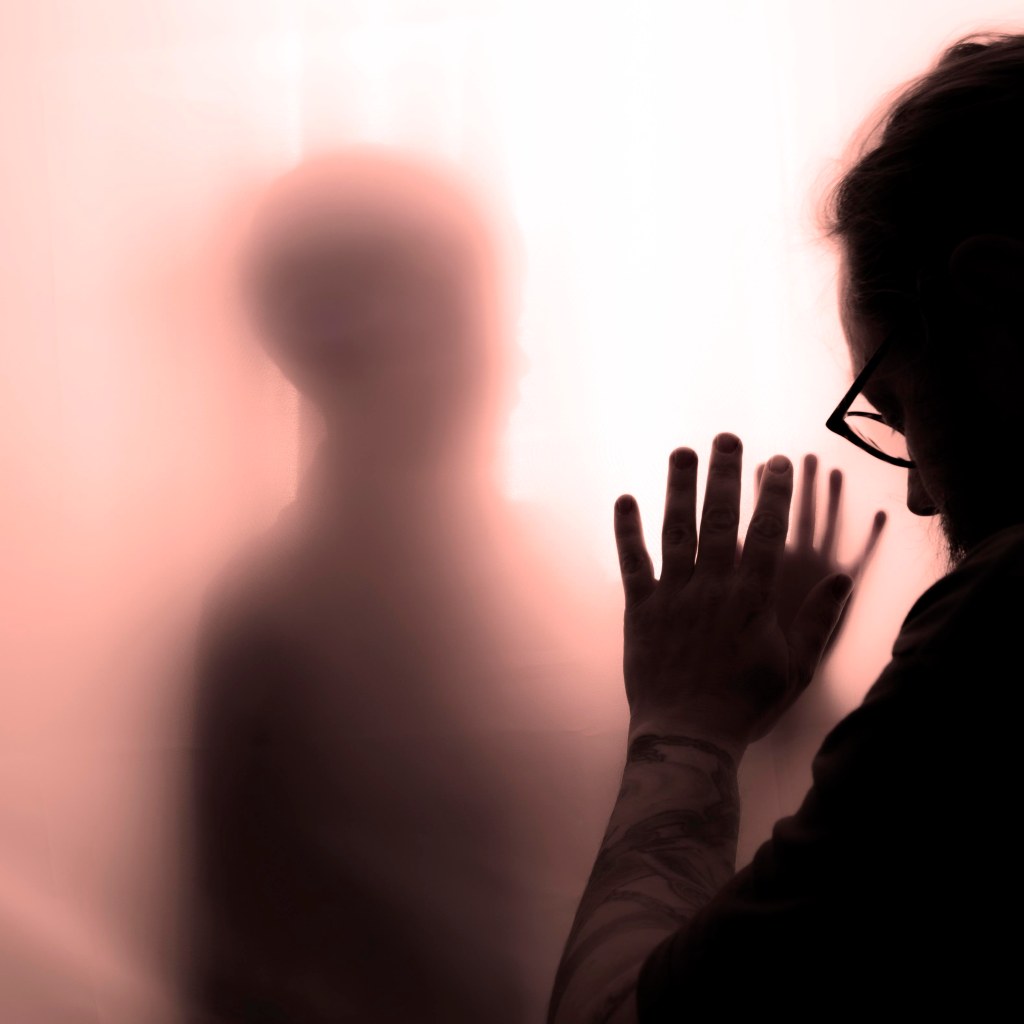
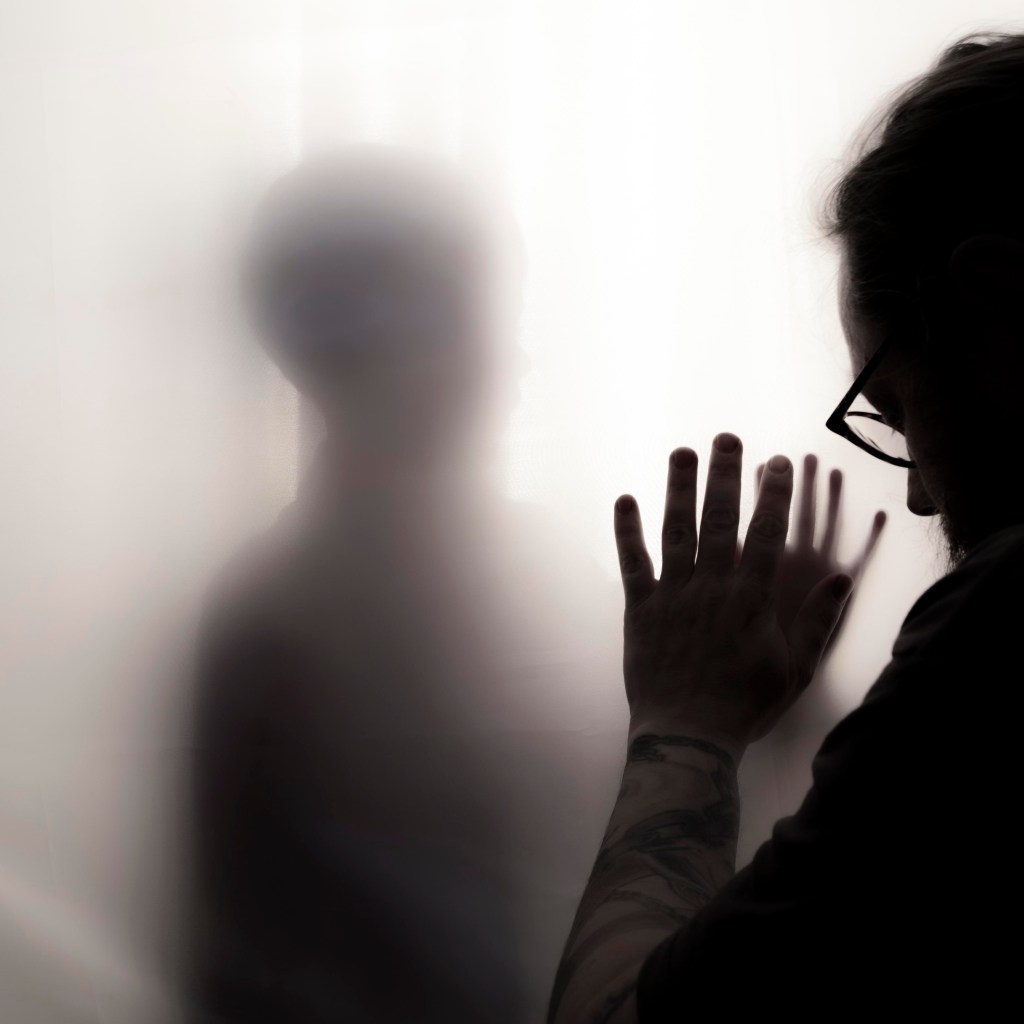
 The Space Between