Having submitted, and received feedback, for both my work in progress portfolio and research project proposal, I feeling more focused. I felt that my WIP portfolio wasn’t as strong as it could have been , mainly due to the wide scope of ideas that I have been sifting through and narrowing down. This came across to my tutors, however what also came across was the narrative of how the project has progressed.
There’s plenty of room for development and I’ve certainly gained a lot from the process of producing both WIP & RPP. This first module been both challenging, rewarding, enlightening and a great start on the MA journey.
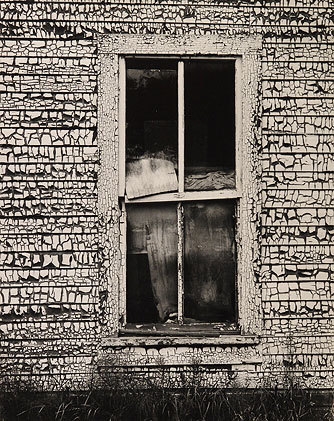
Finding my place within the world of photography has been quite a mission of self reflection, research and reassessment of my practice. Working within the heritage sector I am drawn towards historic research so naturally I initially found myself looking at photographers that have a style of work that I’m influenced by. Researching the work of Phyllis Dearborn Massar, an architectural photographer, most active in between the late 1930’s to 90’s, who’s work stood apart from the norm of AP. More interested in recording buildings at nightfall, the pattern and information of city blocks, store-fronts, architectural details and intimate interiors. It was through this research I became aware of the Group f/64, founded by the likes of Ansel Adams, Imogen Cunningham, Edward Weston to name a few. The group promoted photography as an art form. Group f/64 as a whole was committed to photographing ignored or mundane objects to which they brought new perspectives and meaning through their pursuit of the purest image. In short, the spectator was often invited to “take a second look” at what they might have otherwise taken for granted.
Phyllis Dearborn Massar. untitled 1940’s
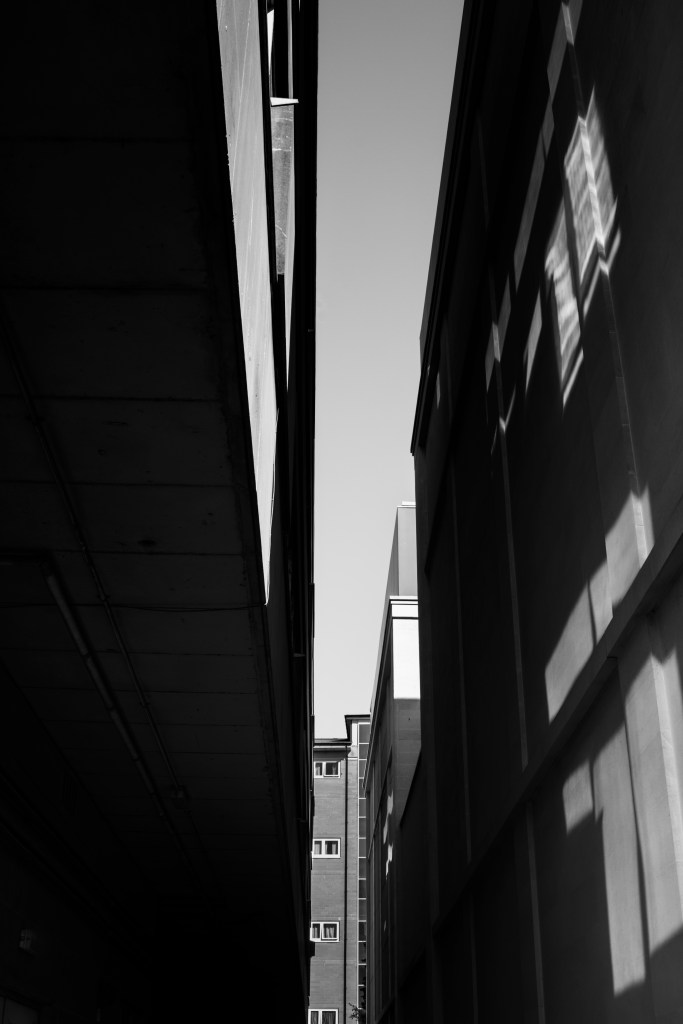
Looking at my own work with this new approach and ethos has helped me to contextualise what it is I have been creating in my practice. Much of my earlier images from this project had been a way of putting a mundane scene of space between buildings into a new context. At each stage of my project I have gone through a process of theorising how viewers may decode my images and questioning, will they understand or grasp the context of the image. Am I achieving what I set out to do? This has helped in finding the direction my project needs to take. Being able to read an image, either another photographers or my own, has been hugely beneficial in understanding the context and meaning behind that image.
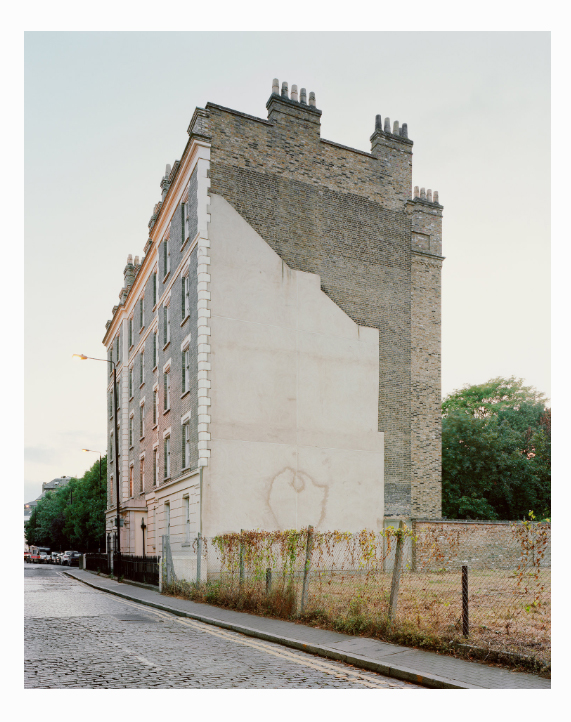
The space between buildings can be easily overlooked. [image Tim Beale]
From my historical research I then looked more closely at photographic genres, reading a number of articles and blogs. I have never taken the time to contextualise my practice and thought of myself as an a) Architectural Photographer or b) Documentary Photographer. However by being able to examine and properly look at the context in which I conduct my practice I find myself more aligned with Fine Art Photography or Contextual Photography. My practice is a three stage process:
Planning: coming up with an idea or message that I wish to convey.
Taking: the act of photographing a subject. creating the raw material to be worked on later
Creating: selection, post-production editing and moulding the image/s to create a final image.
Whilst there may occasionally be an element of capturing the decisive moment, more often it is about creating an image to convey a message or evoke an emotional reaction.
One of the challenges I have found with my project has been to isolate a specific idea as the context of “The Space Between” became so broad and almost unwieldy. My mind mapping of ideas generated more mind maps and more ideas. However, I feel that the current situation we find ourselves in today, thanks to COVID19, I have found that I am now drilling down to a core concept.
I began this journey looking at the negative space between buildings, how this had an affect upon the human psyche. This was as much in response to what I saw around me, as it was my own personal feelings towards the sense of space or lack of. I then began to place people within those spaces, filling the void as humans often feel the need to do.
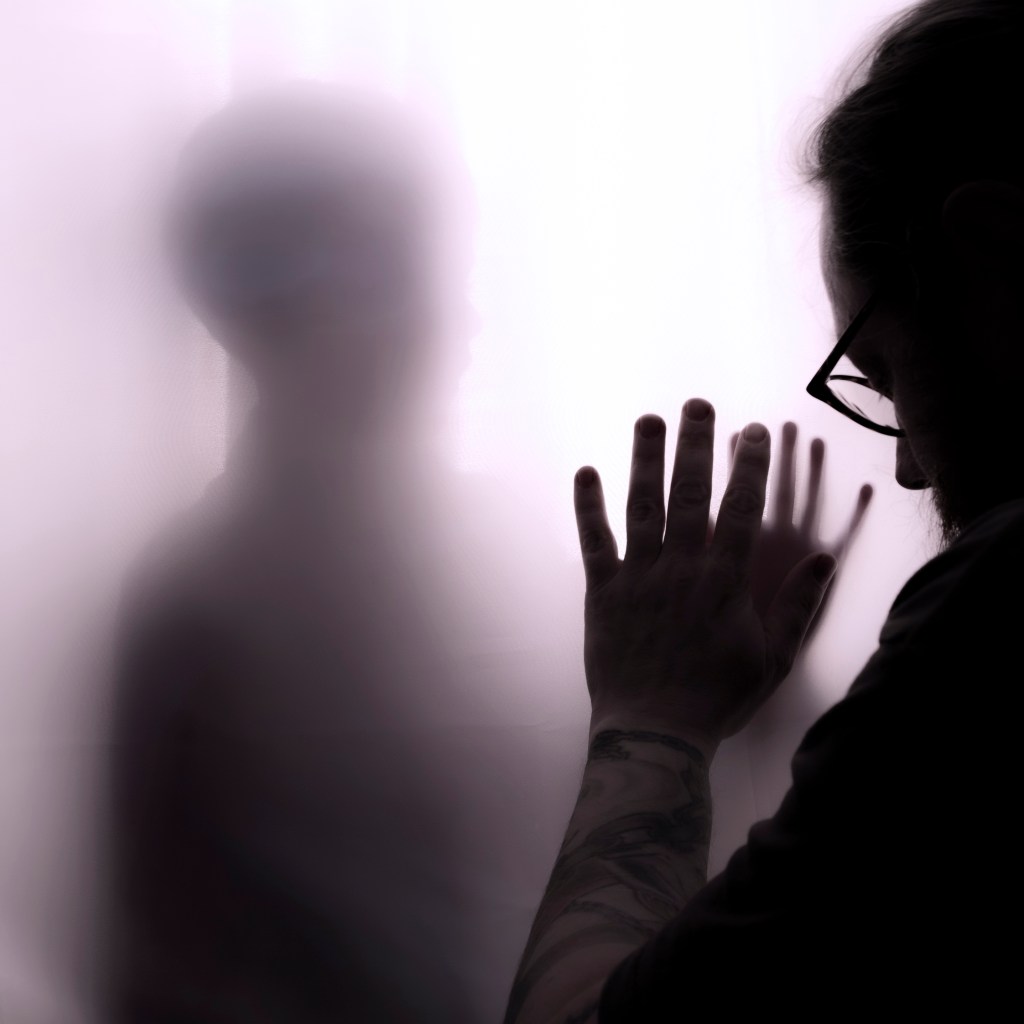
Now with the restrictions on travel and imposed social distancing I have had to take these factors into account when planning shoots. This began a fresh thought process, considering how others may interpret their individual positions. Subsequently I looked inward to my own feelings of separation, especially having learnt that my father had been taken in to hospital. How I felt formidably distanced, powerless, unable to travel to see him. Understanding that my situation isn’t isolated and their are thousands dealing with the same feeling, I have decided to use this context in which to research my project. The Space Between now becomes that of the space between us, be it the 2 meter social distance or the vast number of miles apart.
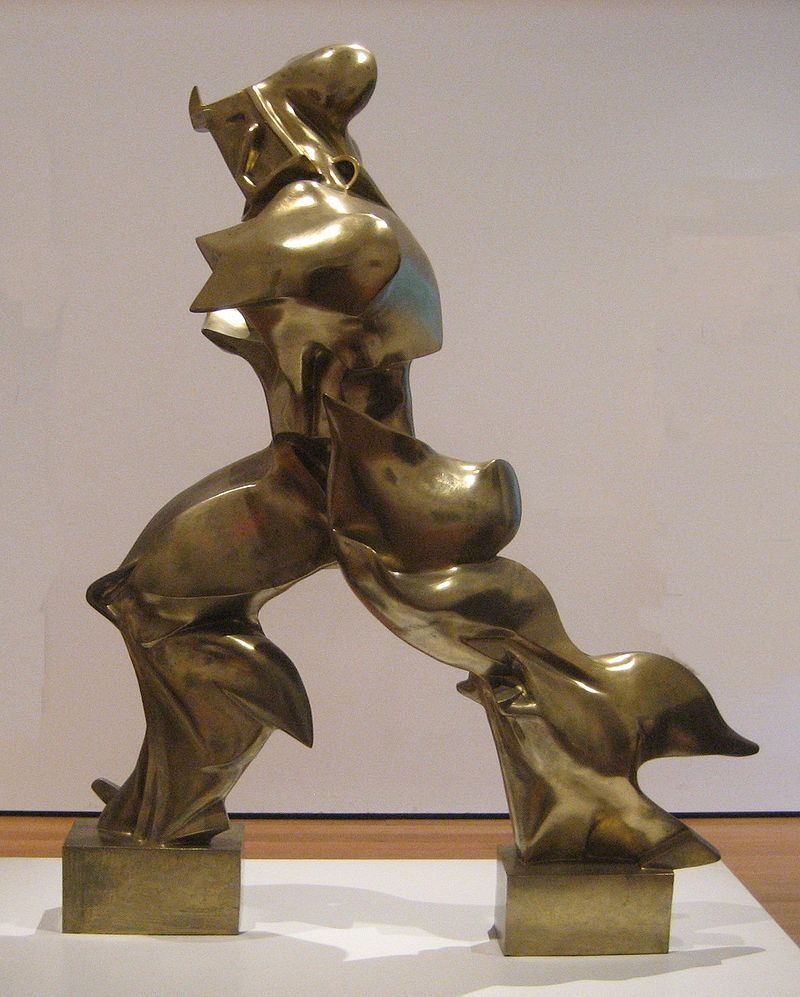
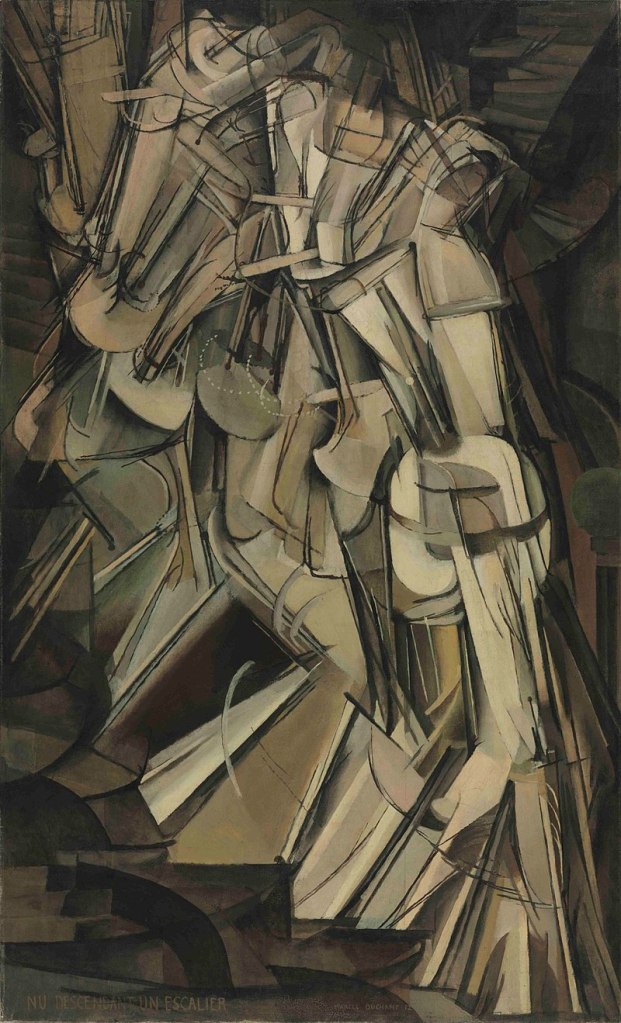
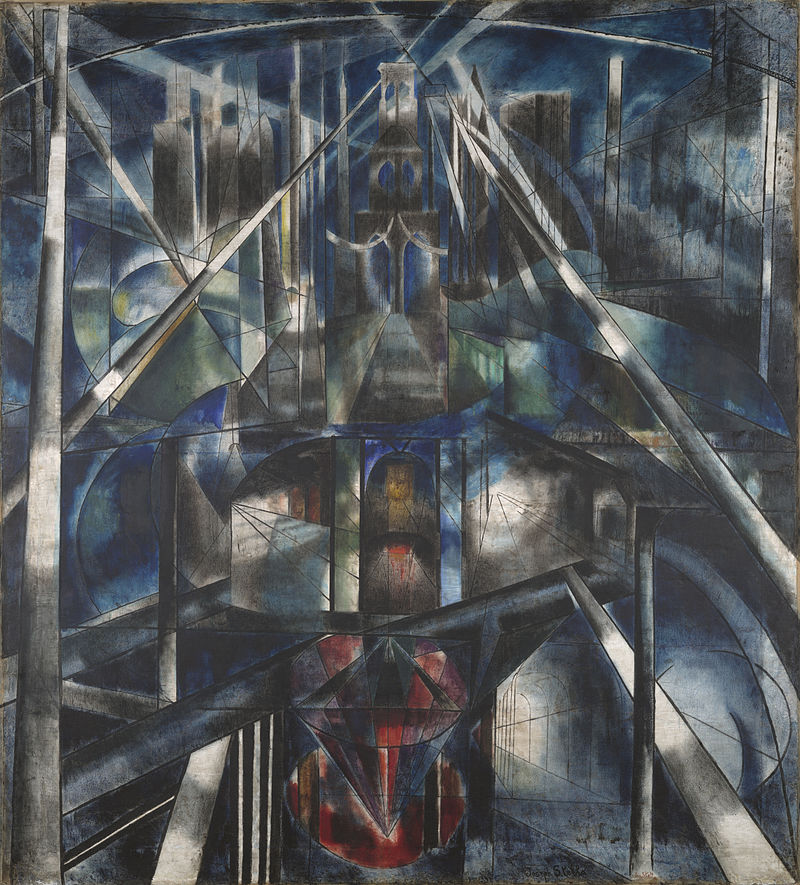
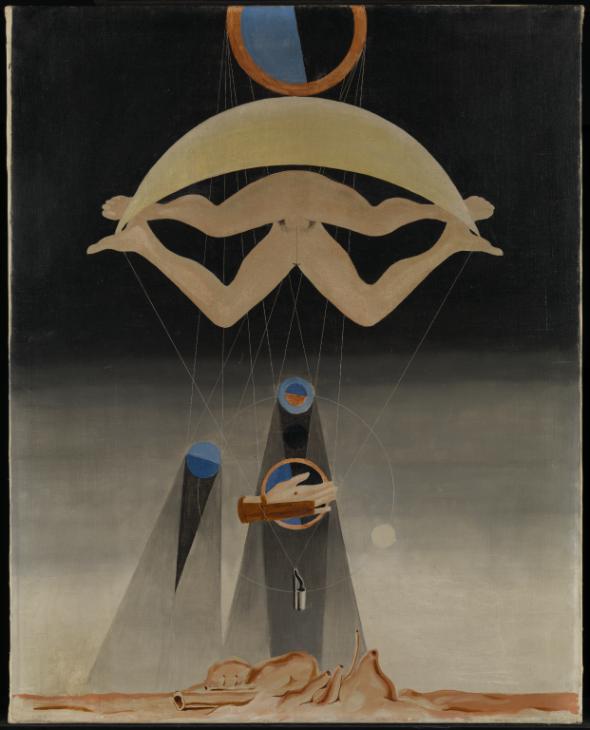
In reference to ideas that are forming for my project I started a process of reflecting back to what inspired me to start a creative journey. Back when studying for my Art Foundation I was pretty obsessed with the surrealist, cubist and futurist movements. In particular the works of Duchamp, Boccioni, Picasso and Ernst to name a few.
‘Unique Forms of Continuity in Space’, 1913 bronze by Umberto Boccioni
‘Nude Descending a staircase’ 1912 by Marcel Duchamp
Joseph Stella,1919-20,Brooklyn Bridge, Yale University Art Gallery
Pablo Picasso,1910, Girl with a Mandolin(Fanny Tellier), Museum of Modern Art New York.
After discussing my project progress with my course tutors they helpfully pointed me in the direction of contemporary photographers that have worked on similar concepts to my ‘space between’ project.
The first being Thom Atkinson’s ‘Missing Buildings’ a photo book collaboration with his sister, Beth Atkinson, brings together an extensive body of work documenting the physical and imaginative landscapes of the London Blitz.
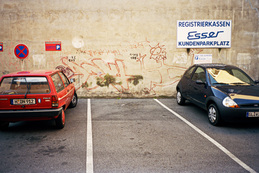
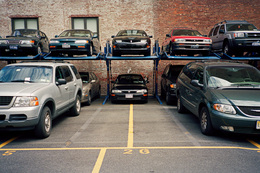
I then looked at Martin Parr’s ‘Parking Spaces’ project that looks at the global problem of where to park your car. Parr photographed the last car parking spaces in more than 28 different countries. Surrounded by a minimum of 2 other cars these photos inevitably tell us about the topography and cliches of the country depicted.
GERMANY. Cologne. From ‘Parking Spaces’. 2002. Martin Parr
USA. New York. From ‘Parking Spaces’. 2002. Martin Parr
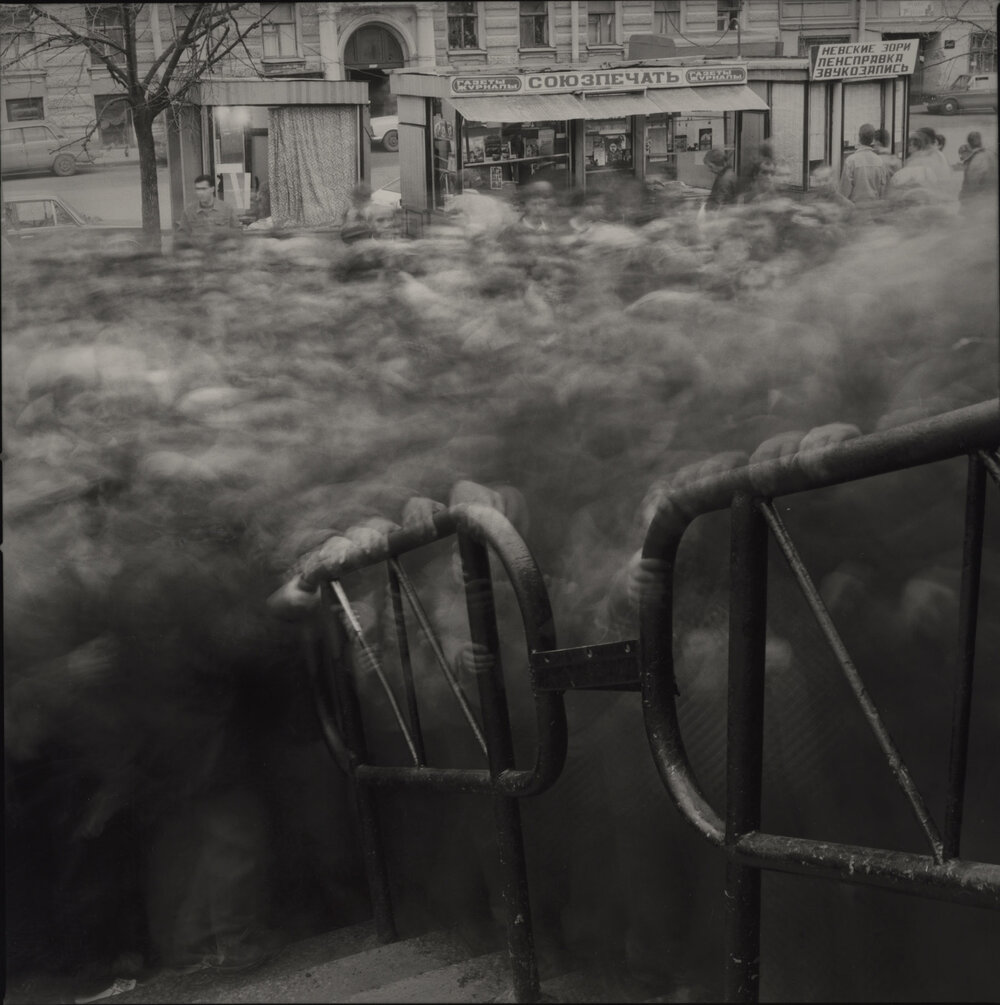
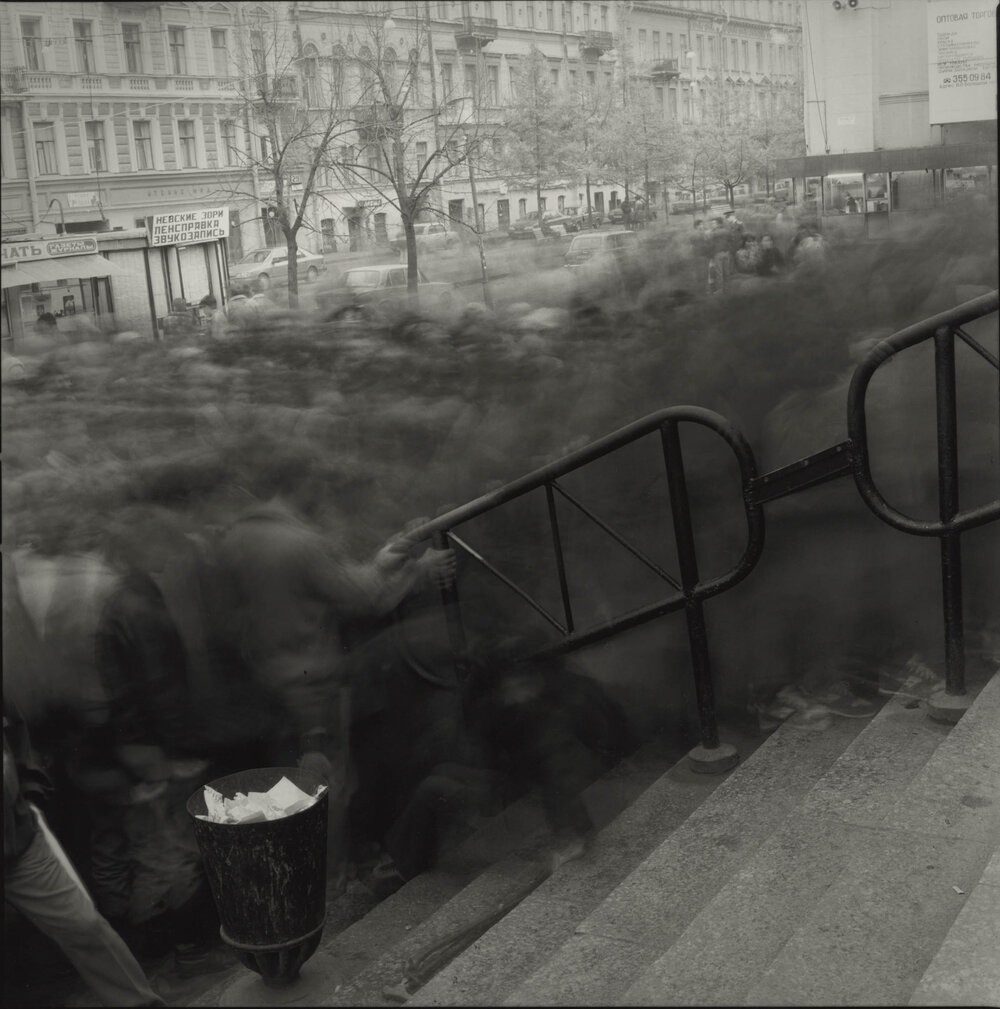
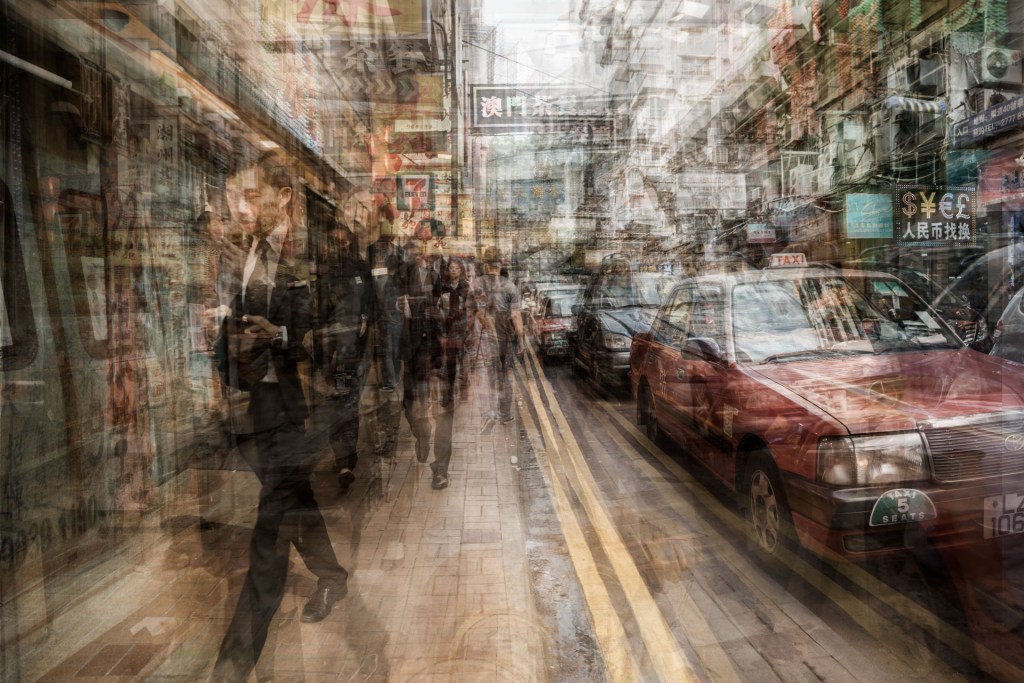
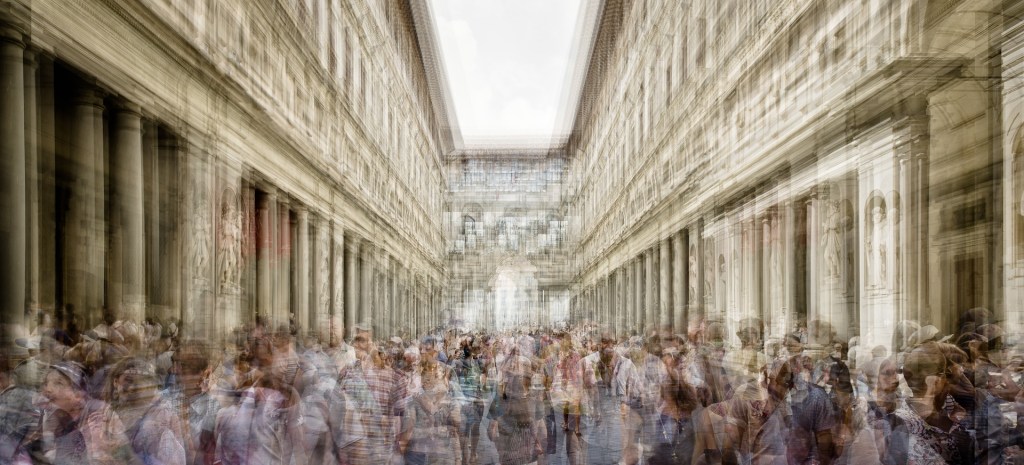
Further research into contemporary photographers who are working within the urban environment, akin to the style and ‘feel’ that I’m looking to achieve, came up with two names. Alexey Titarenko (who’s work I had seen some time ago) and Riccardo Magherini. The work of both these photographers really resonates with my passion for the cubist & futurist movements and seem to capture the type of movement I want to portray in my work.
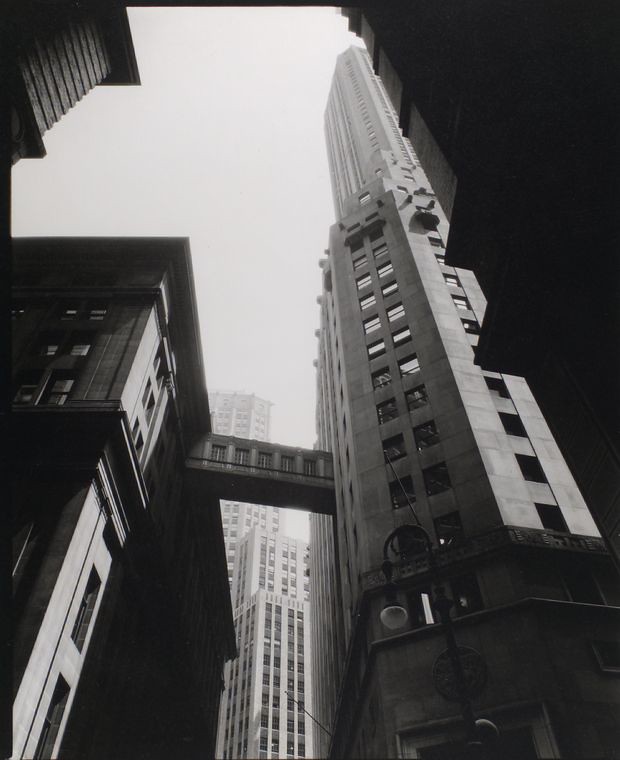
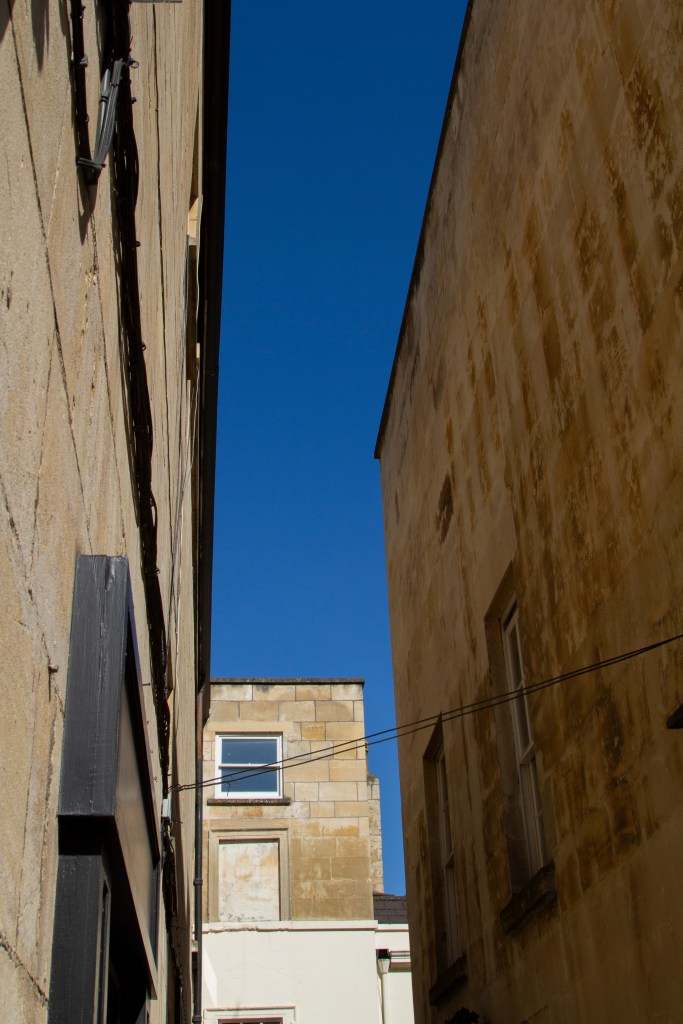
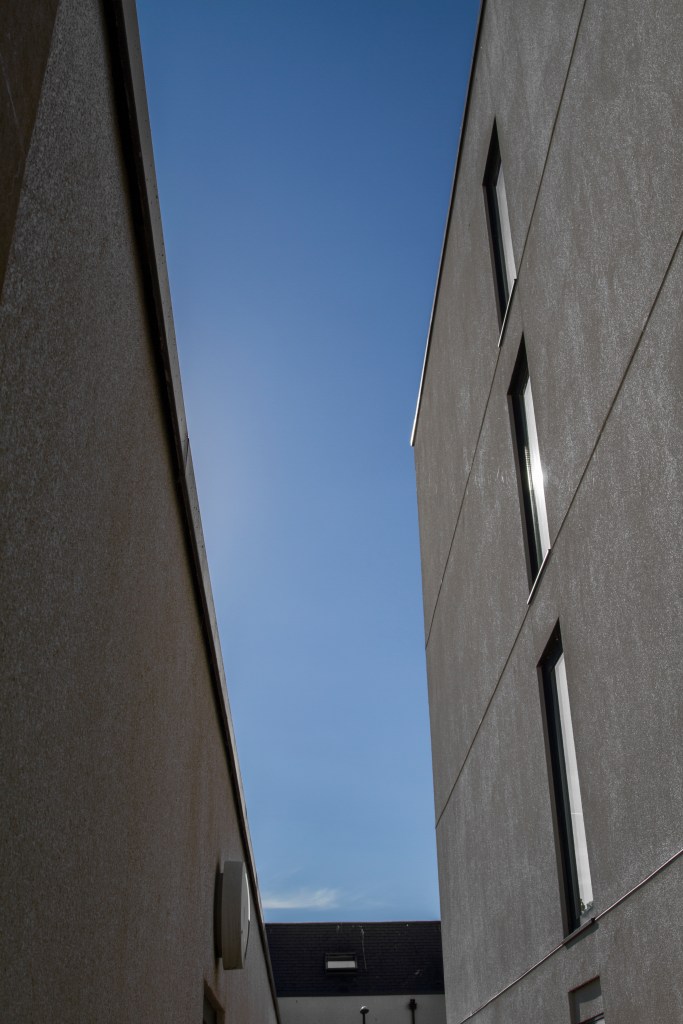
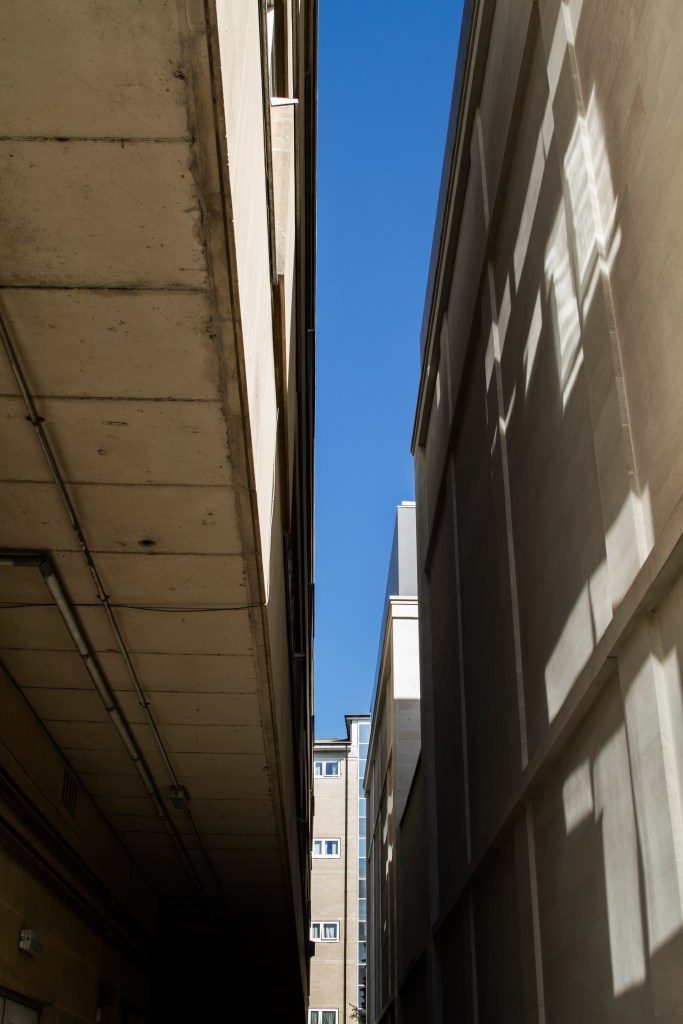
I’ve spent the last few weeks reviewing my work and work and in particular the project “Space between”. I’ve been fascinated by the negative space found between buildings, either intentionally (such as an alley way) or the unintentional space created when a new building is erected. My early work, influenced by Berenice Abbott’s New York skyscraper photos, concentrated on using the sky to illustrate the negative space.
Stone and William Street, Manhattan.
New York Public Library Digital ID: 482808. Abbott, Berenice — Photographer. May 12, 1936
No.1
No.2
No.3
The Space between. Tim Beale 2018/19
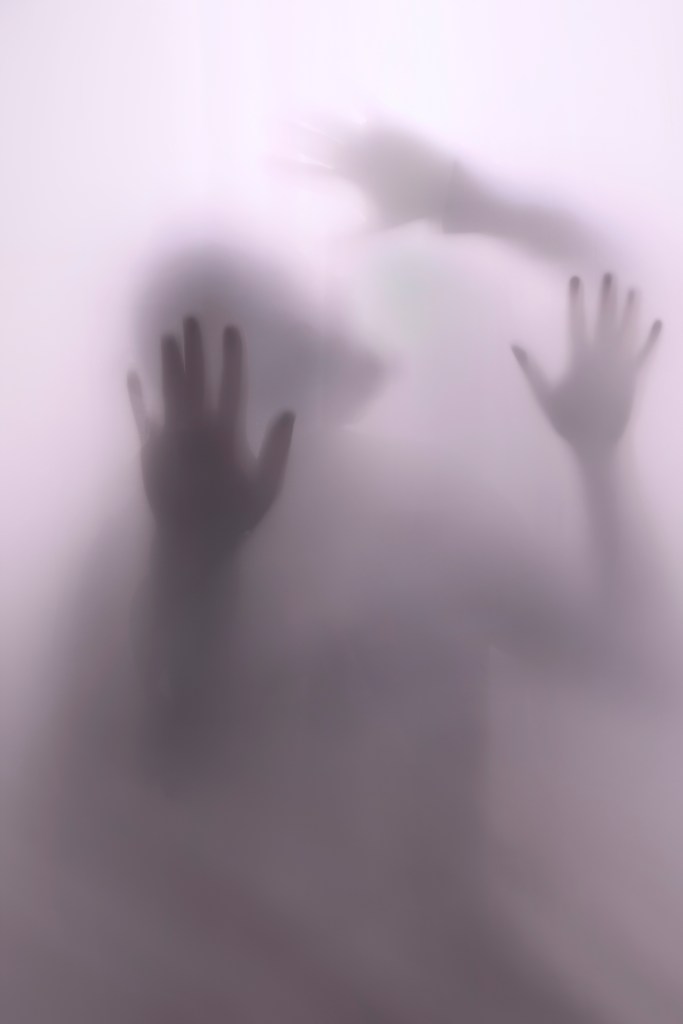
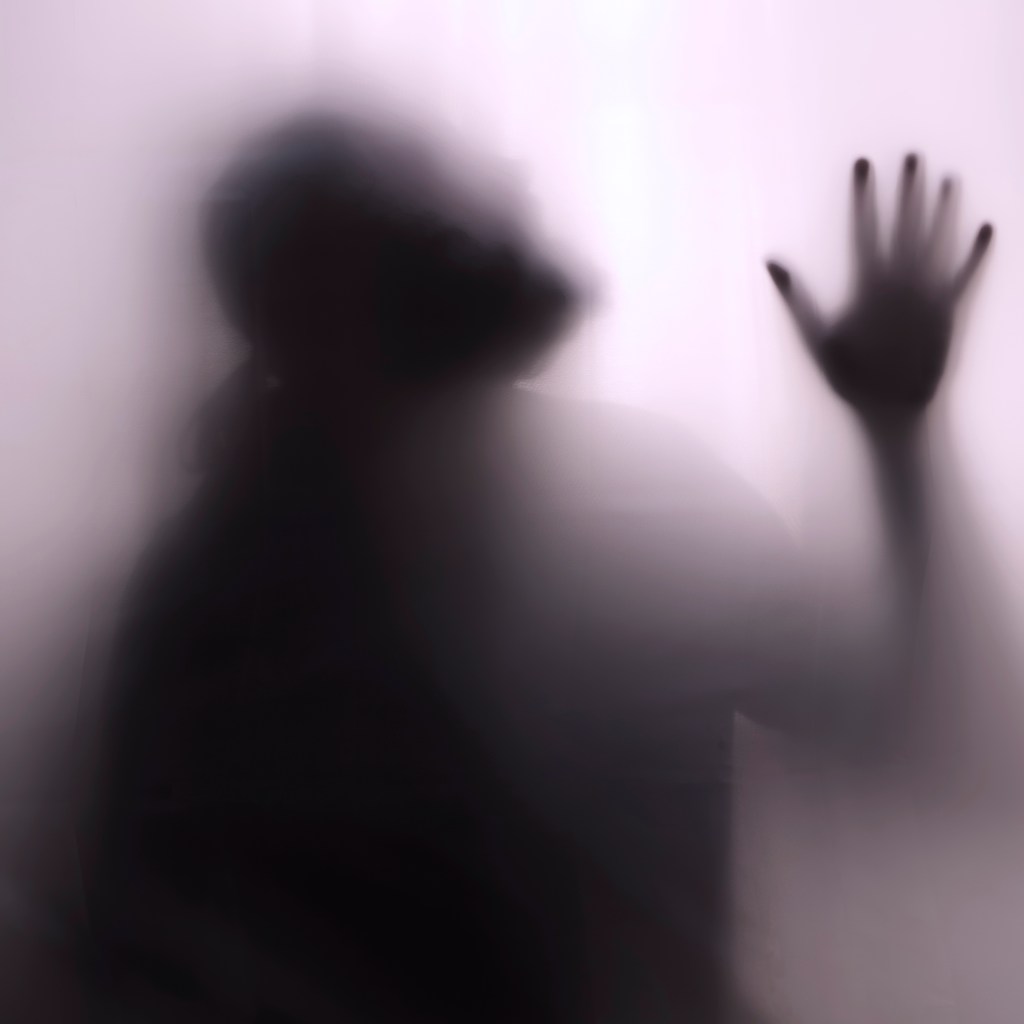
More recently I’ve started experimenting with the introduction of people into these spaces. I wanted to illustrate, in one sense, the lack of space and another the sense of movement; how the city is every moving forward and expanding.
No.1
No.4
The space between – used space No.1 & No.4. Tim Beale 2020

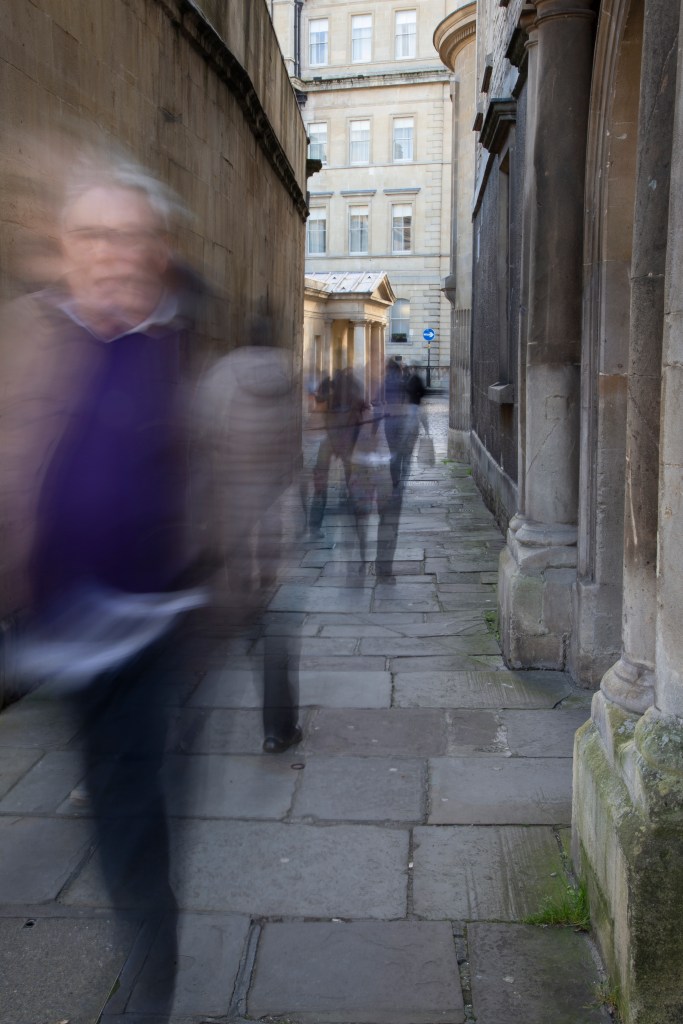
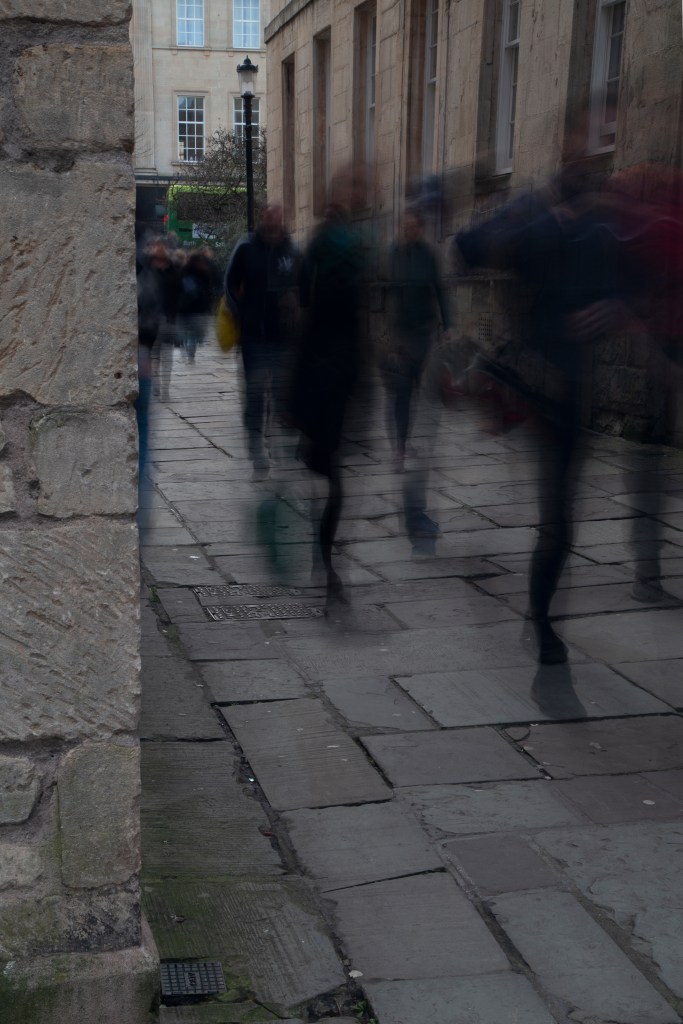
 The Space Between