Having submitted, and received feedback, for both my work in progress portfolio and research project proposal, I feeling more focused. I felt that my WIP portfolio wasn’t as strong as it could have been , mainly due to the wide scope of ideas that I have been sifting through and narrowing down. This came across to my tutors, however what also came across was the narrative of how the project has progressed.
There’s plenty of room for development and I’ve certainly gained a lot from the process of producing both WIP & RPP. This first module been both challenging, rewarding, enlightening and a great start on the MA journey.
Over the past couple of weeks I’ve reached out to colleagues and Bath residents to complete a questionnaire about their experiences of the COVID-19 pandemic; in particular social distancing and separation. Having read through a number of the the completed questionnaires it has been encouraging to find that people have been very open with their emotions and thoughts on the current situation.
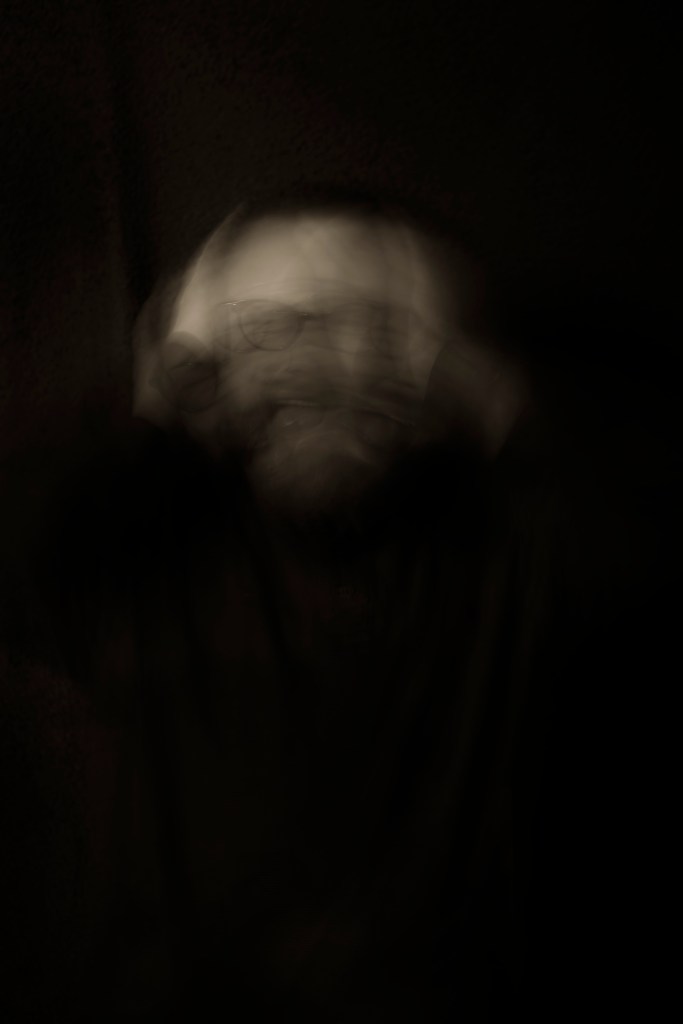
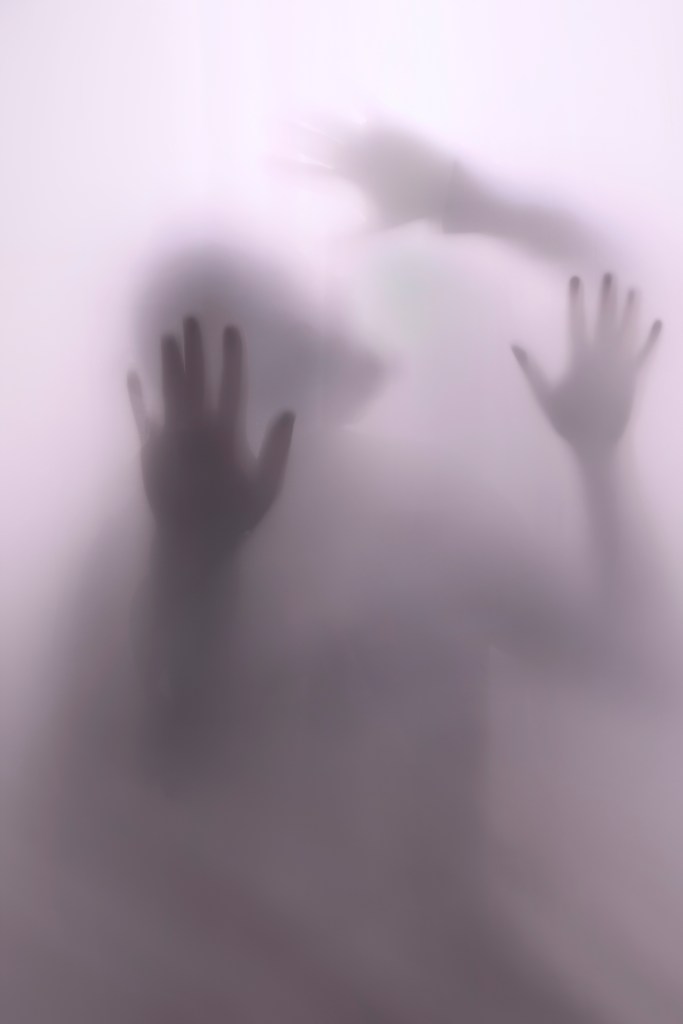
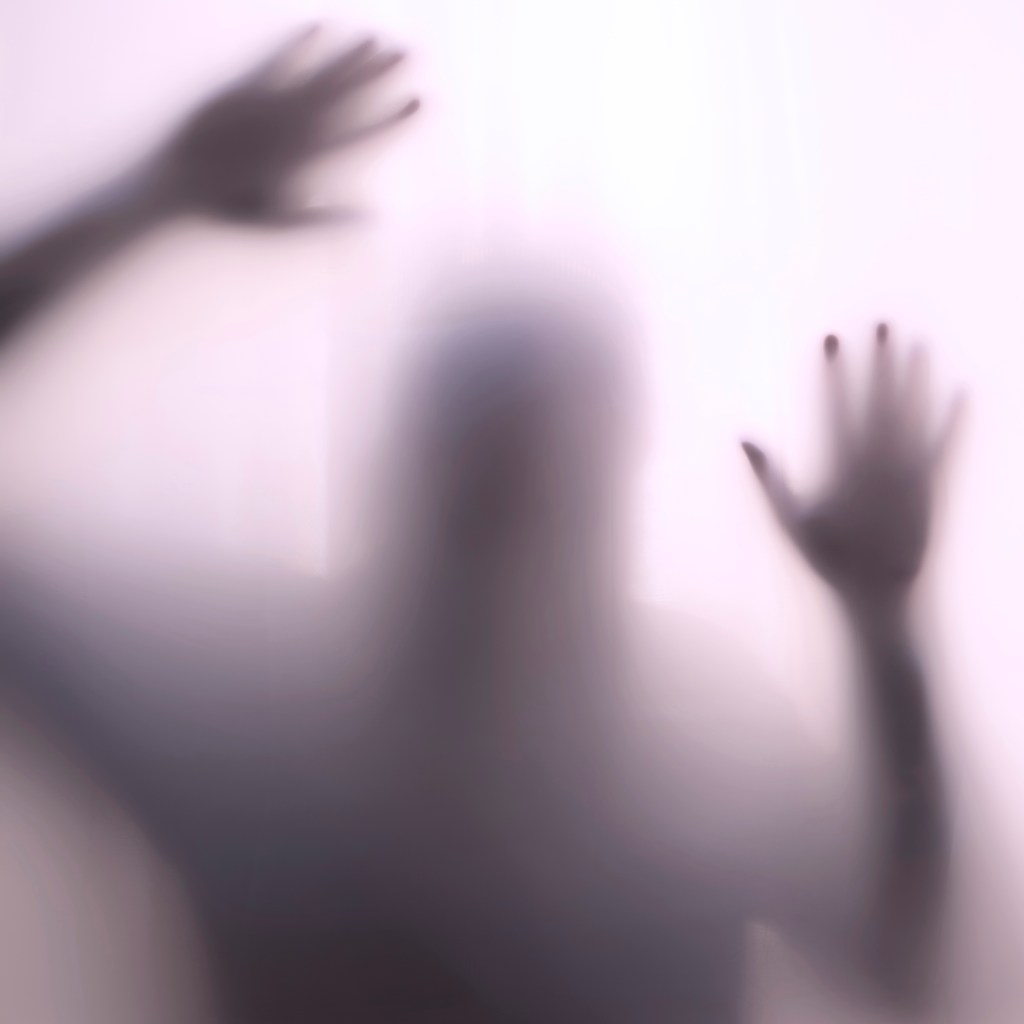
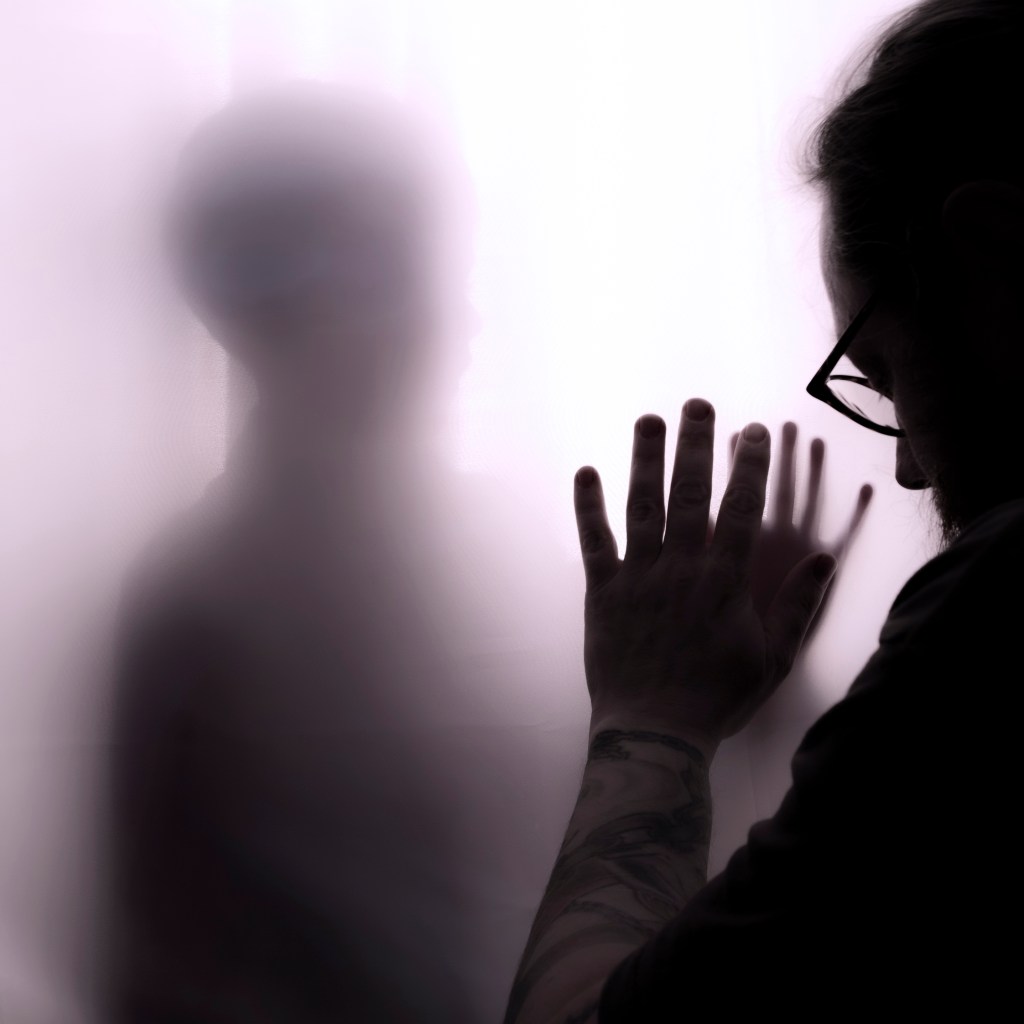
I thought it only fair to complete the questionnaire myself as honestly as I could. I also produced a number of self-portraits that attempt to capture my emotional response to the lock-down:
Finding my place within the world of photography has been quite a mission of self reflection, research and reassessment of my practice. Working within the heritage sector I am drawn towards historic research so naturally I initially found myself looking at photographers that have a style of work that I’m influenced by. Researching the work of Phyllis Dearborn Massar, an architectural photographer, most active in between the late 1930’s to 90’s, who’s work stood apart from the norm of AP. More interested in recording buildings at nightfall, the pattern and information of city blocks, store-fronts, architectural details and intimate interiors. It was through this research I became aware of the Group f/64, founded by the likes of Ansel Adams, Imogen Cunningham, Edward Weston to name a few. The group promoted photography as an art form. Group f/64 as a whole was committed to photographing ignored or mundane objects to which they brought new perspectives and meaning through their pursuit of the purest image. In short, the spectator was often invited to “take a second look” at what they might have otherwise taken for granted.
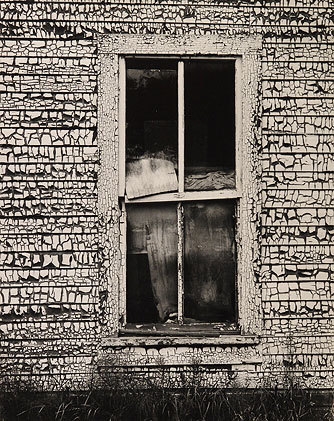
Phyllis Dearborn Massar. untitled 1940’s
Looking at my own work with this new approach and ethos has helped me to contextualise what it is I have been creating in my practice. Much of my earlier images from this project had been a way of putting a mundane scene of space between buildings into a new context. At each stage of my project I have gone through a process of theorising how viewers may decode my images and questioning, will they understand or grasp the context of the image. Am I achieving what I set out to do? This has helped in finding the direction my project needs to take. Being able to read an image, either another photographers or my own, has been hugely beneficial in understanding the context and meaning behind that image.
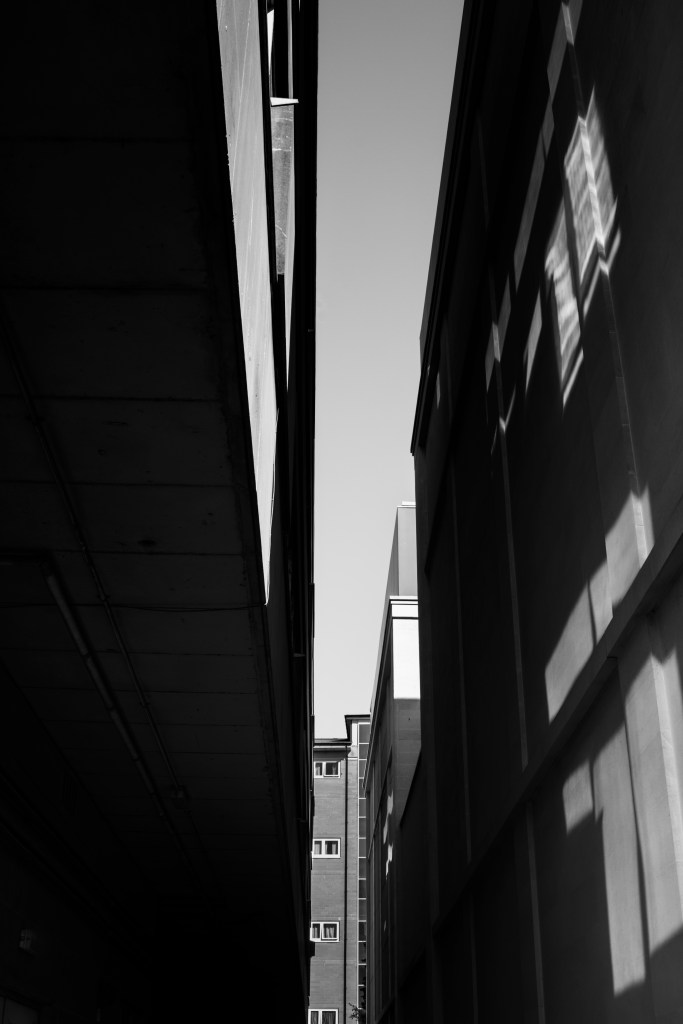
The space between buildings can be easily overlooked. [image Tim Beale]
From my historical research I then looked more closely at photographic genres, reading a number of articles and blogs. I have never taken the time to contextualise my practice and thought of myself as an a) Architectural Photographer or b) Documentary Photographer. However by being able to examine and properly look at the context in which I conduct my practice I find myself more aligned with Fine Art Photography or Contextual Photography. My practice is a three stage process:
Planning: coming up with an idea or message that I wish to convey.
Taking: the act of photographing a subject. creating the raw material to be worked on later
Creating: selection, post-production editing and moulding the image/s to create a final image.
Whilst there may occasionally be an element of capturing the decisive moment, more often it is about creating an image to convey a message or evoke an emotional reaction.
One of the challenges I have found with my project has been to isolate a specific idea as the context of “The Space Between” became so broad and almost unwieldy. My mind mapping of ideas generated more mind maps and more ideas. However, I feel that the current situation we find ourselves in today, thanks to COVID19, I have found that I am now drilling down to a core concept.
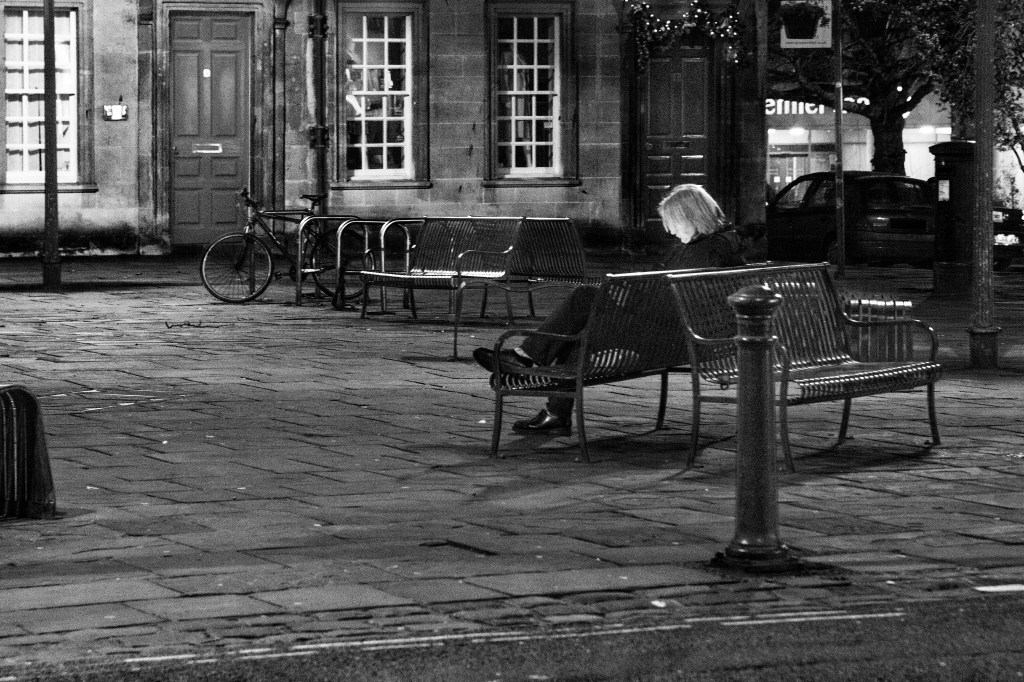
I began this journey looking at the negative space between buildings, how this had an affect upon the human psyche. This was as much in response to what I saw around me, as it was my own personal feelings towards the sense of space or lack of. I then began to place people within those spaces, filling the void as humans often feel the need to do.
Now with the restrictions on travel and imposed social distancing I have had to take these factors into account when planning shoots. This began a fresh thought process, considering how others may interpret their individual positions. Subsequently I looked inward to my own feelings of separation, especially having learnt that my father had been taken in to hospital. How I felt formidably distanced, powerless, unable to travel to see him. Understanding that my situation isn’t isolated and their are thousands dealing with the same feeling, I have decided to use this context in which to research my project. The Space Between now becomes that of the space between us, be it the 2 meter social distance or the vast number of miles apart.
The past couple of weeks have been a challenging time given the pandemic, closure of the museums I manage and need to work from home due to the lock down. This have caused me to reflect and reassess my current project’s context. The potential shift towards including elements of the pandemic, social distancing and isolation. As a platform to reach new audiences and illustrate the projects progress I have created a dedicated website.
Over the next couple of weeks my intention is to reach out to people currently in isolation to gain a better understanding of how the lock down has effected them emotionally and physically. Never in my generation has there been such an isolating event, that has divided nations, families and individuals. One of the biggest challenges faced now is how to make pictures when there is very limited access to the outside and people.
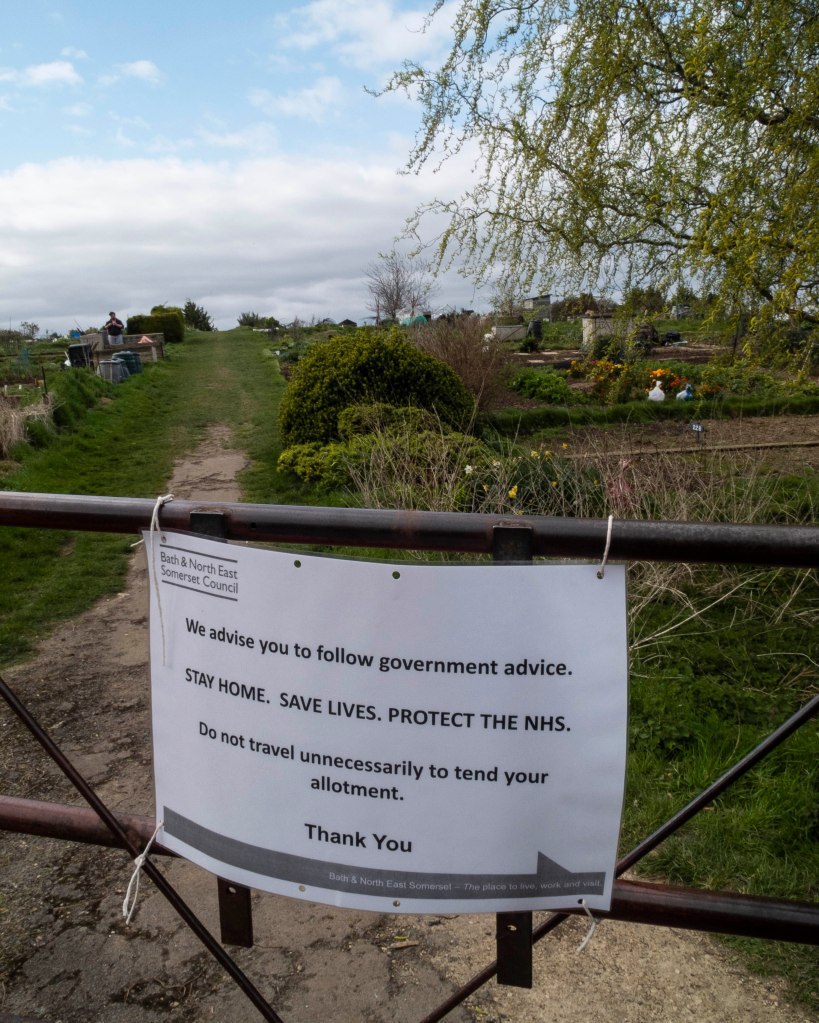
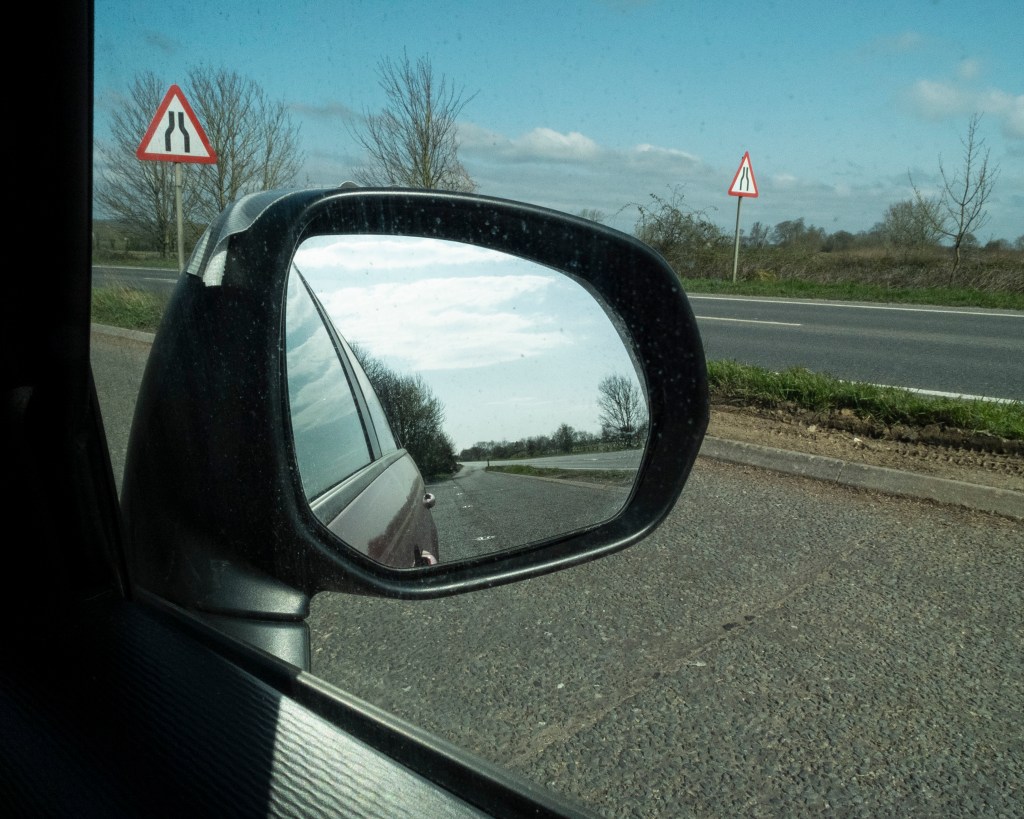
Saturday 28th March: Taking my allotted exercise of the day. TBA36 towards Bath Saturday 28th March 10:45am: No Cars. TB
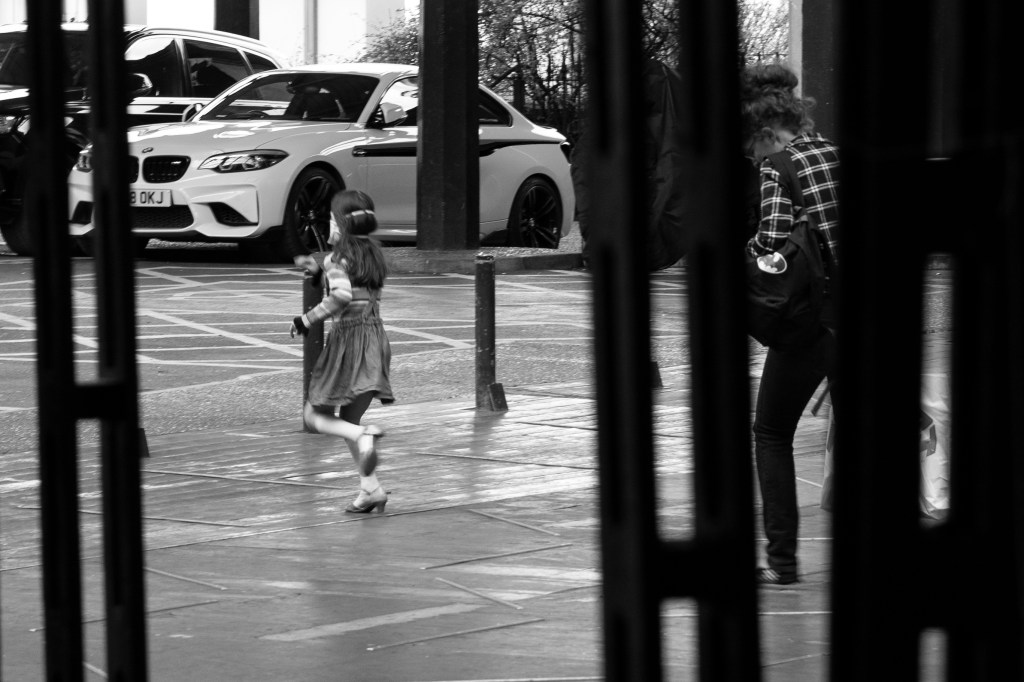
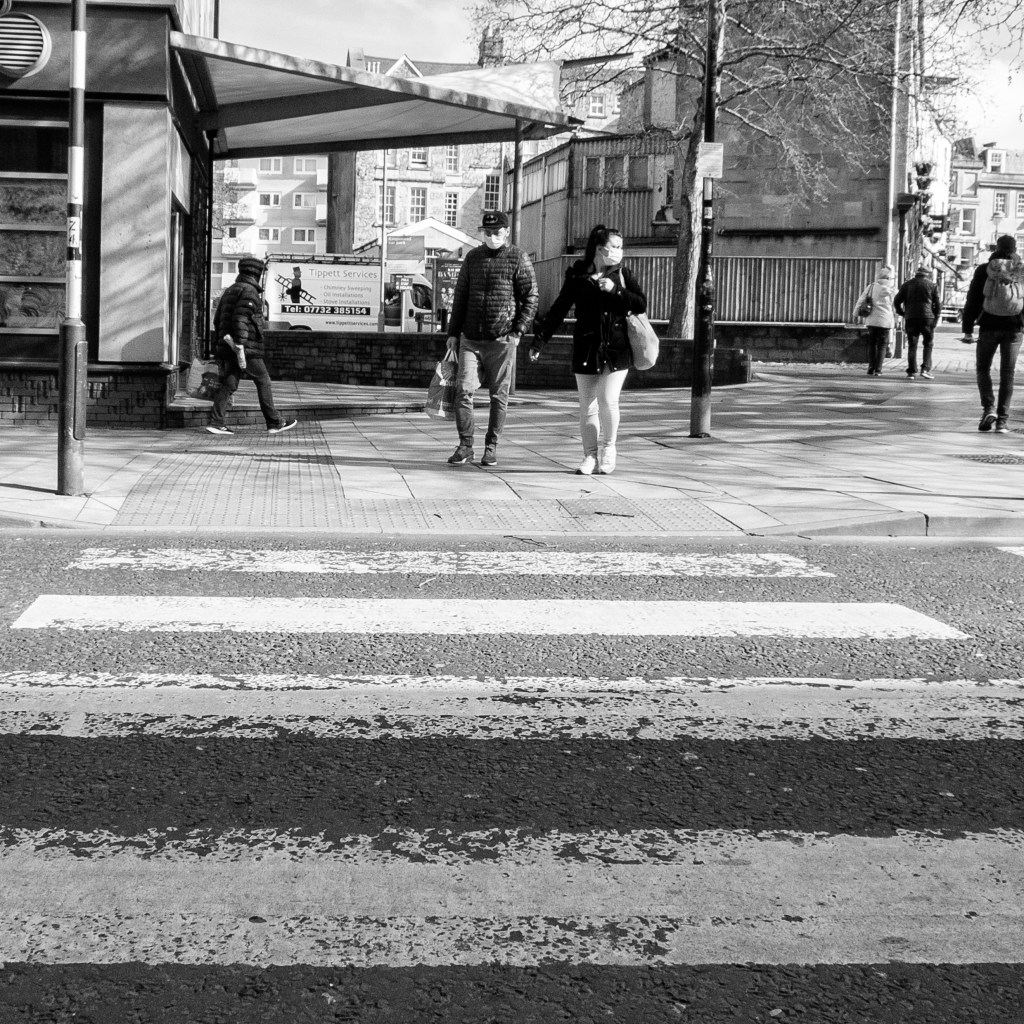
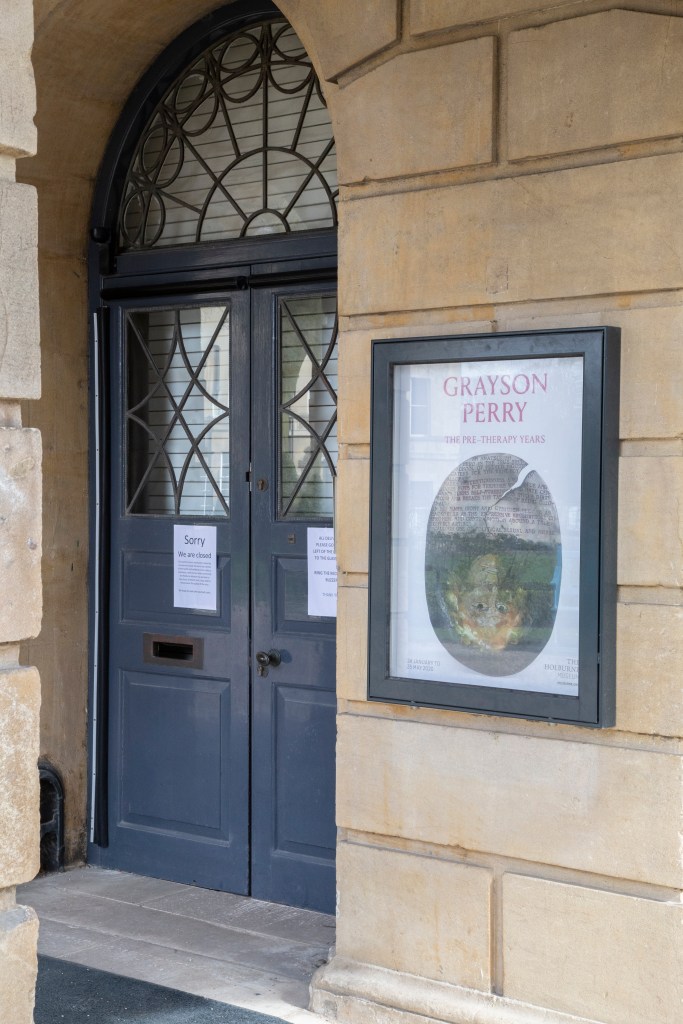
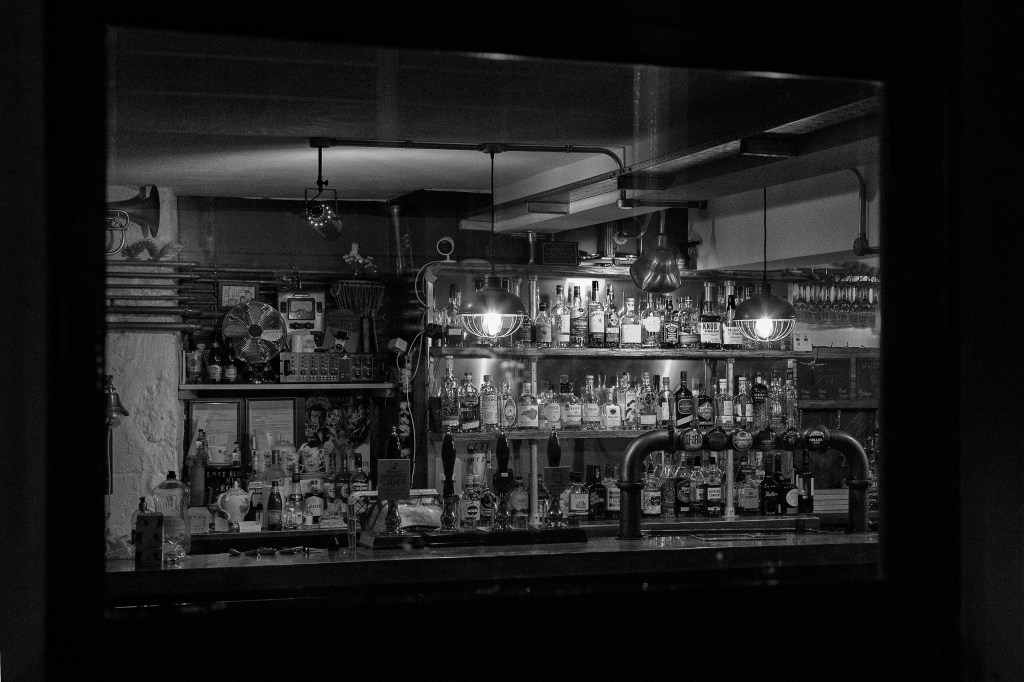
Using the title of my project ‘The Space Between’ as a natural link to the situation the UK finds itself in currently, I started looking at how to apply this to my practice. I had planned to re-visit a number of places that I had previously photographed. Mindful of my own personal safety and those around me I chose to make a couple of quick trips into the centre of Bath, observing social distance protocol.
The first of this trips was Friday 20th March as I had to go to work to pick up files for home working. The city, usually very busy this time of year with tourists, was extremely quiet and devoid of the usual tourists jostling for prime selfie spots. Whilst many conducted their business at a distance their were clearly those who had a disregard for others and a ‘carry on regardless’ attitude.
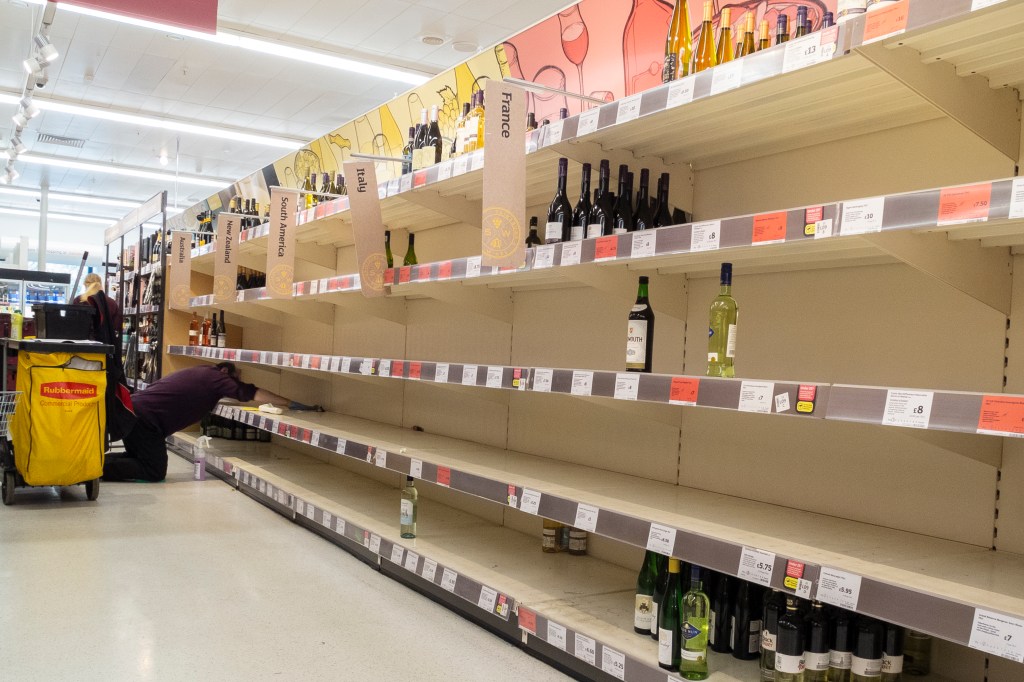
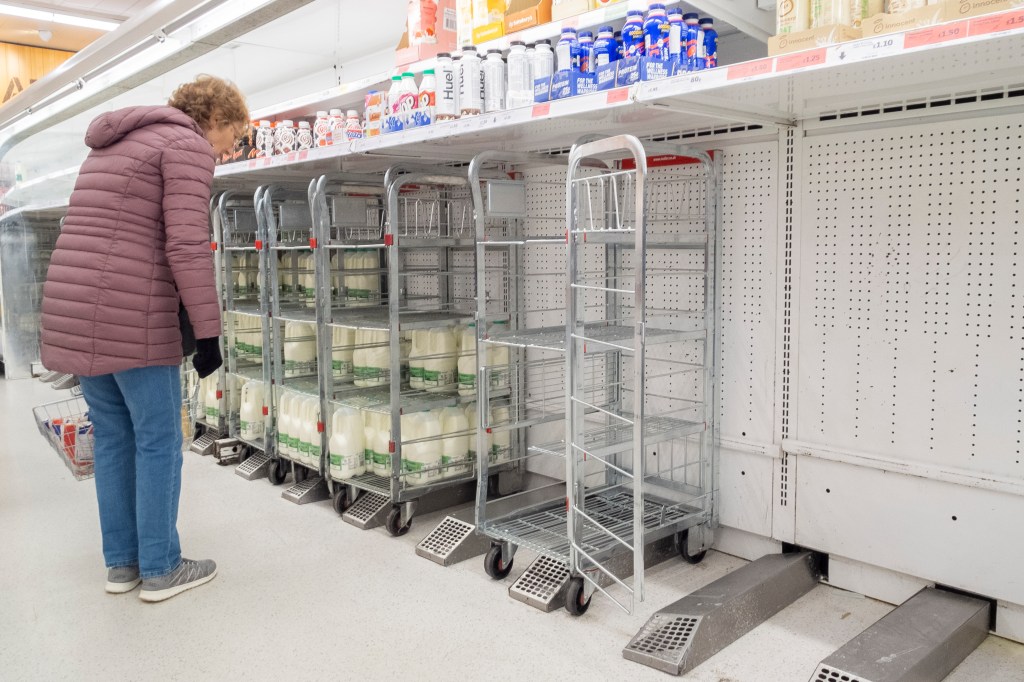
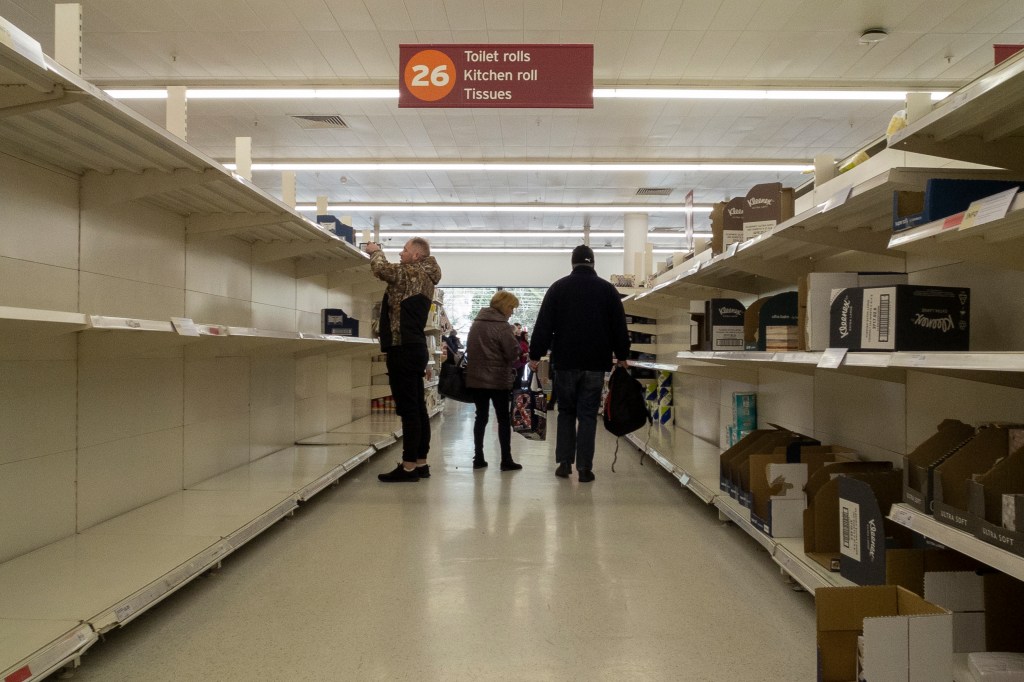
Panic had hit the supermarkets and the shelves had been cleared of toilet rolls, milk and wine.
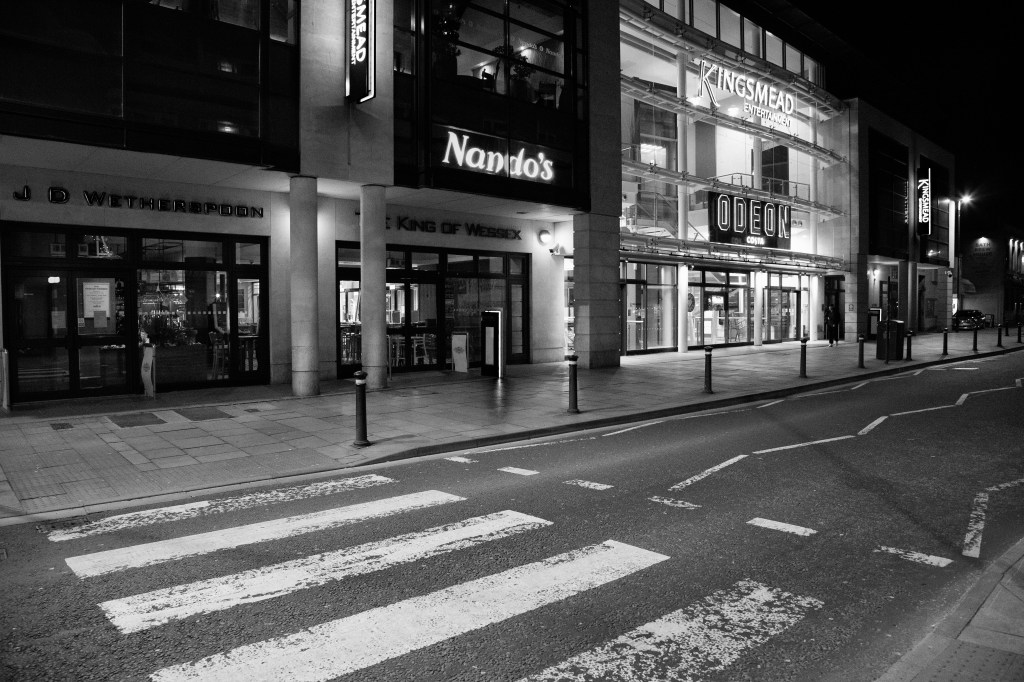
Later on that afternoon the government announced the forced closure of many public spaces such as pubs, cinemas, leisure centres and cafes. I then decided I would investigate the city the following night.
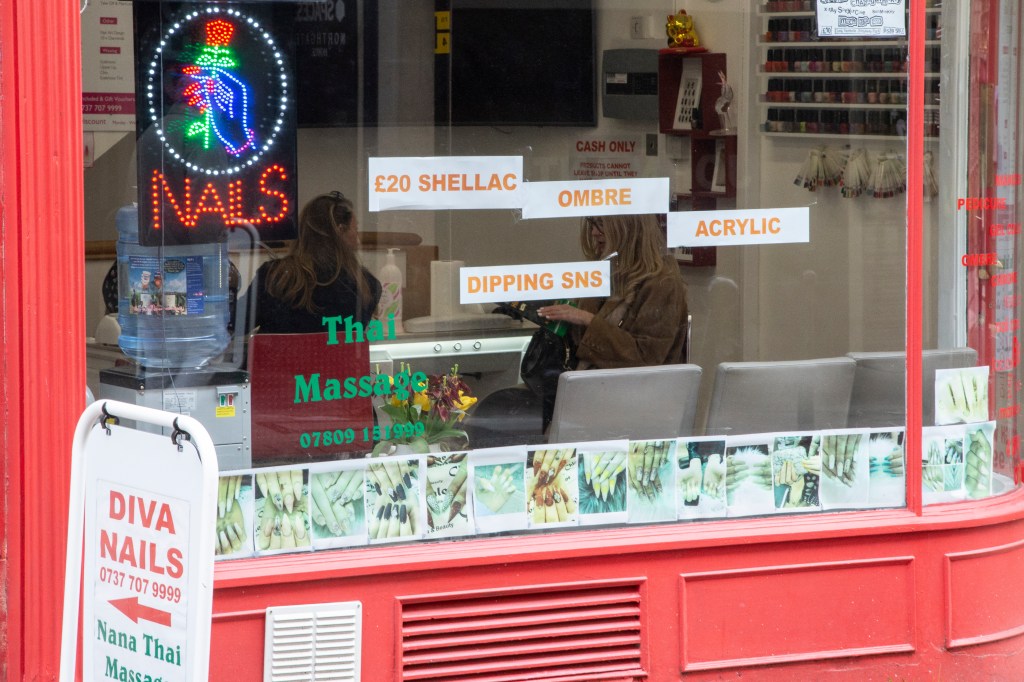
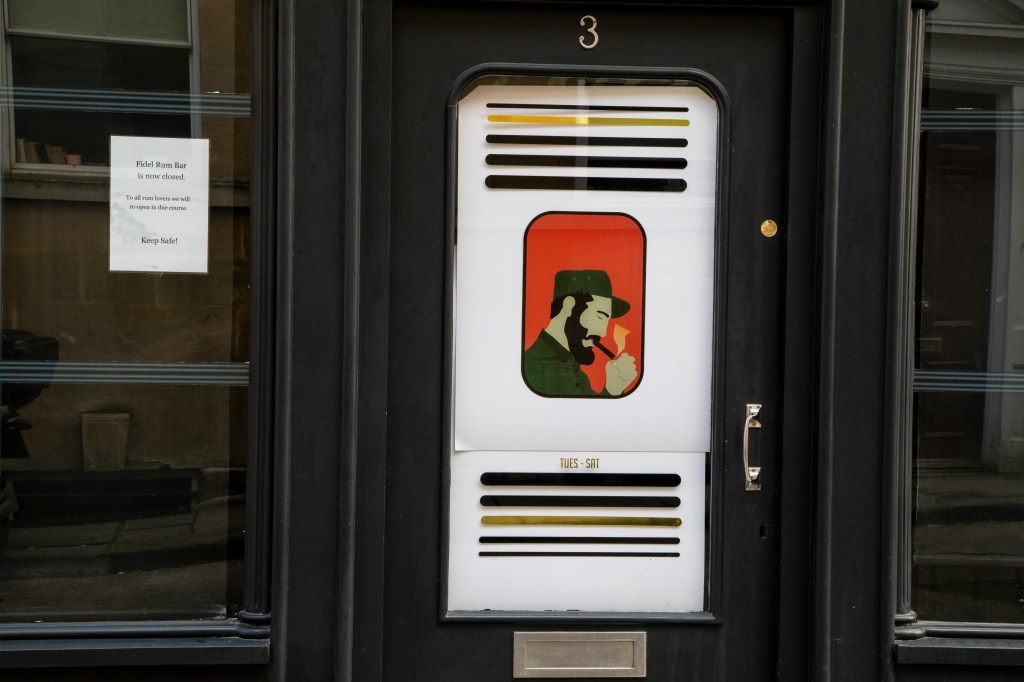
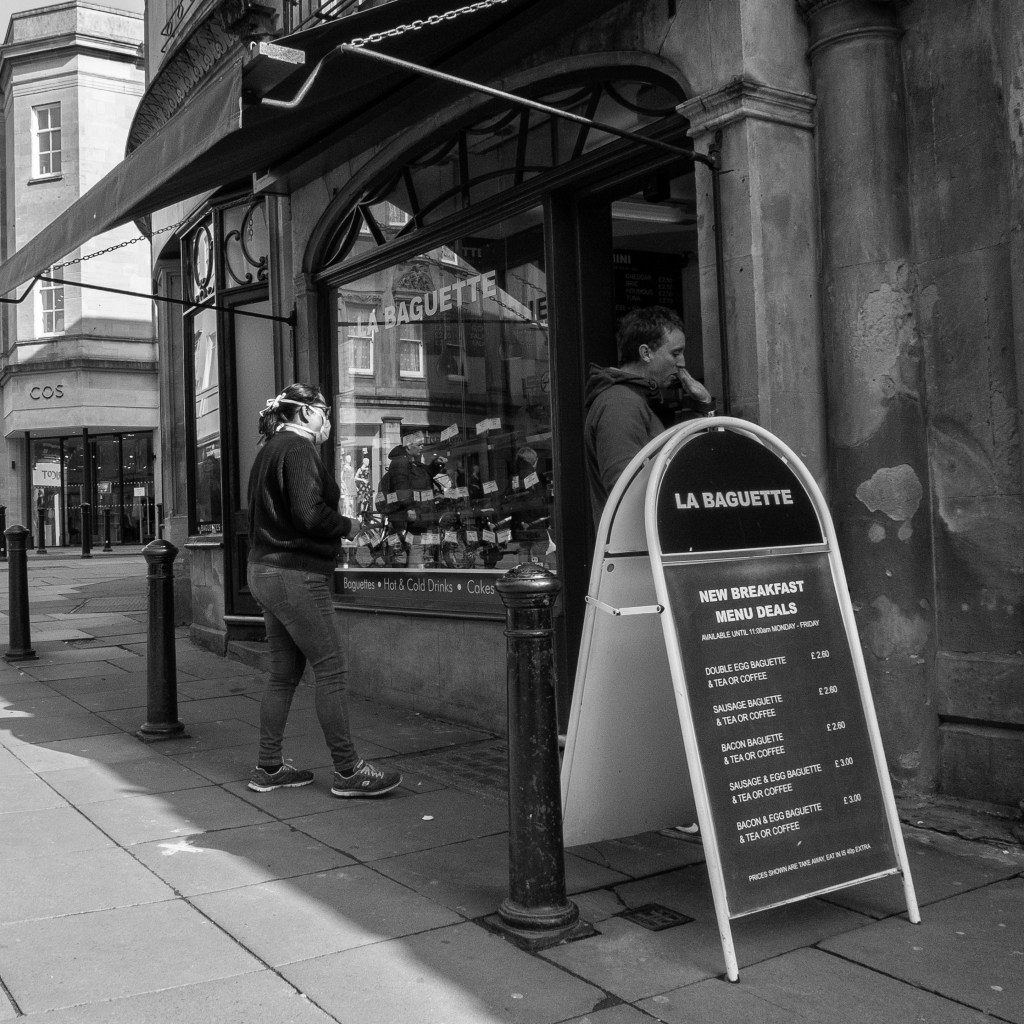
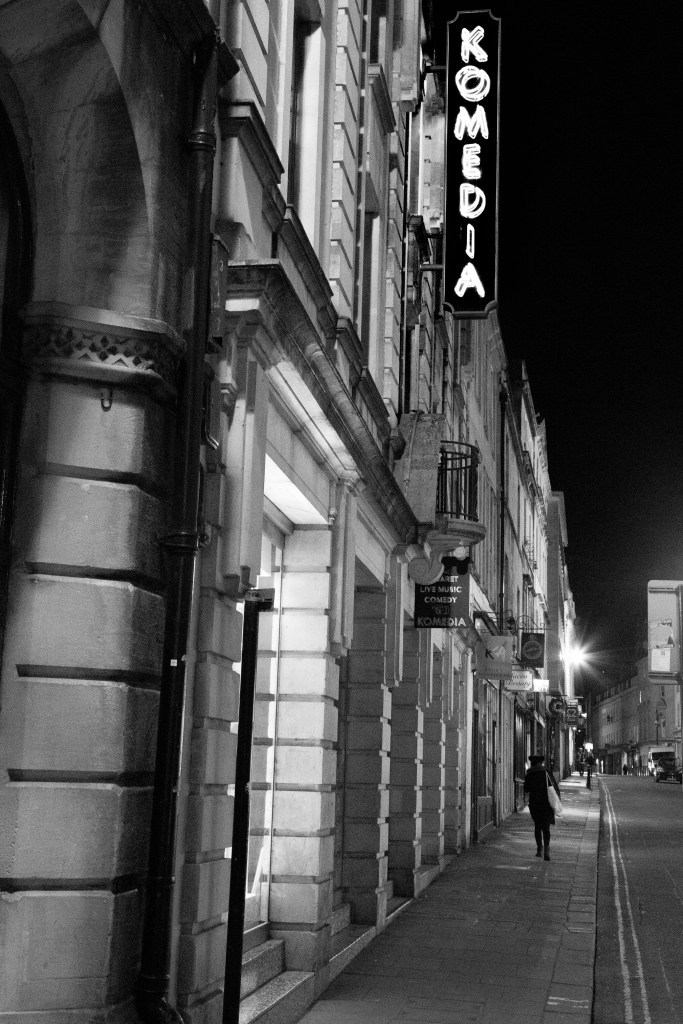
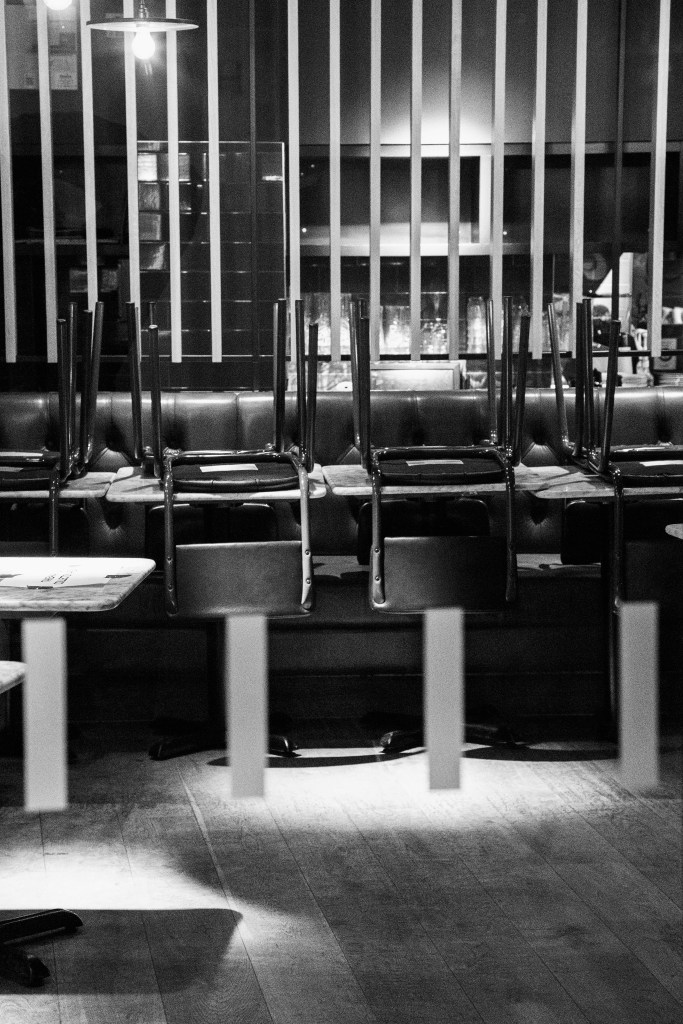
I took to the streets of Bath around 7pm, normally the busiest period for a Saturday night. As expected I found pubs closed, restaurants either closed or only serving take away food. There were a few people around, shopping, picking up take away food or simply out for a stroll. The streets were quiet and had a sense of waiting or anticipation, almost a pause.
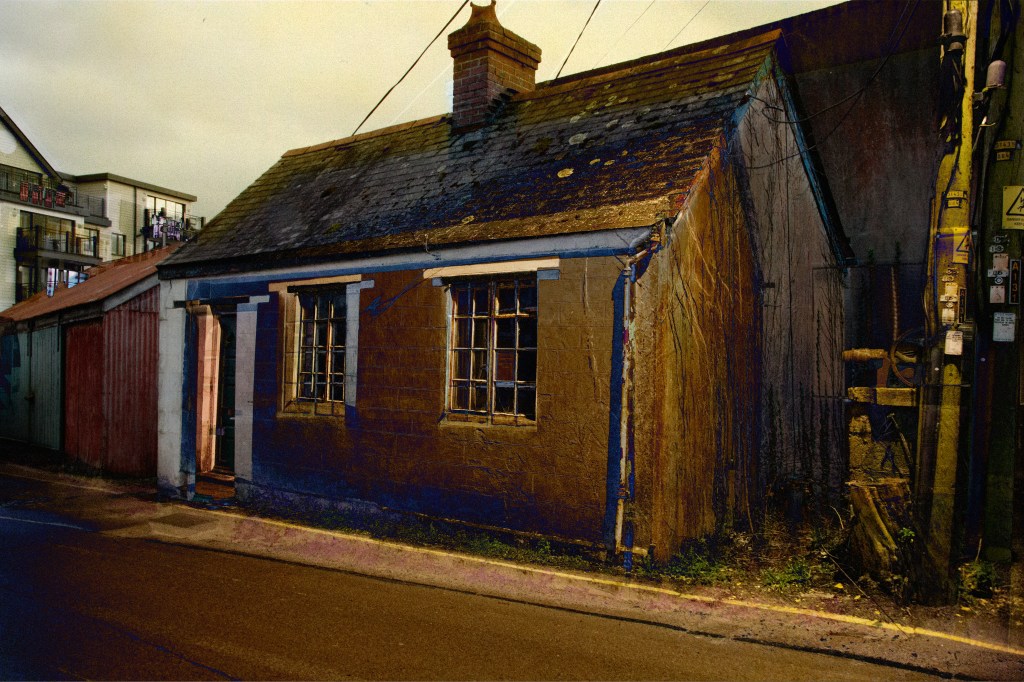
I came across this ‘Hut’ a small abandoned dwelling whilst exploring the back alleys and side streets of Wadebridge. You could call it a ‘psychogeographic’ wondering, amble or discovery. As I walked along this road I first came to a modern development of very well designed river fronted apartments. However the further along I walked the more industrial the setting became. This is where I found the hut. The stark contrast from the swanky new apartments to the run down hut made me feel quite vulnerable and uneasy. The initial image I took was during the day, I then returned at night to take the second. The image here is a composite of the two.
What a week it has been. Looking back at the P&P module we were set the challenge to create a brief for one of our peers to complete and likewise to complete a brief. I worked with Sam Fenton, who set me the brief:
‘Visit two places during the day and create images of each then revisit both at night to create images.’
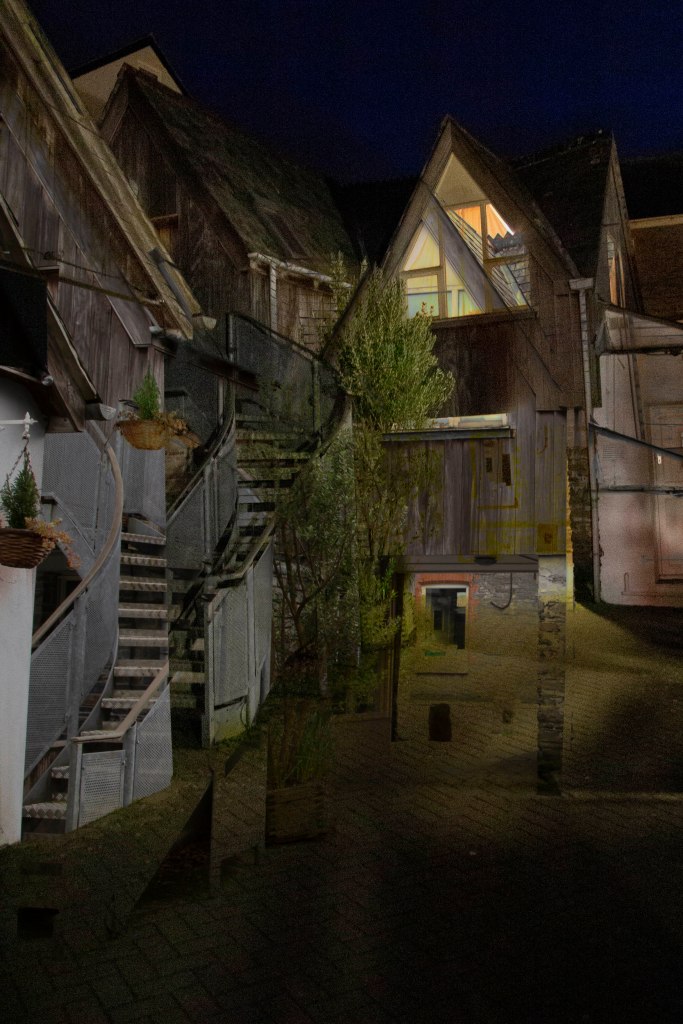
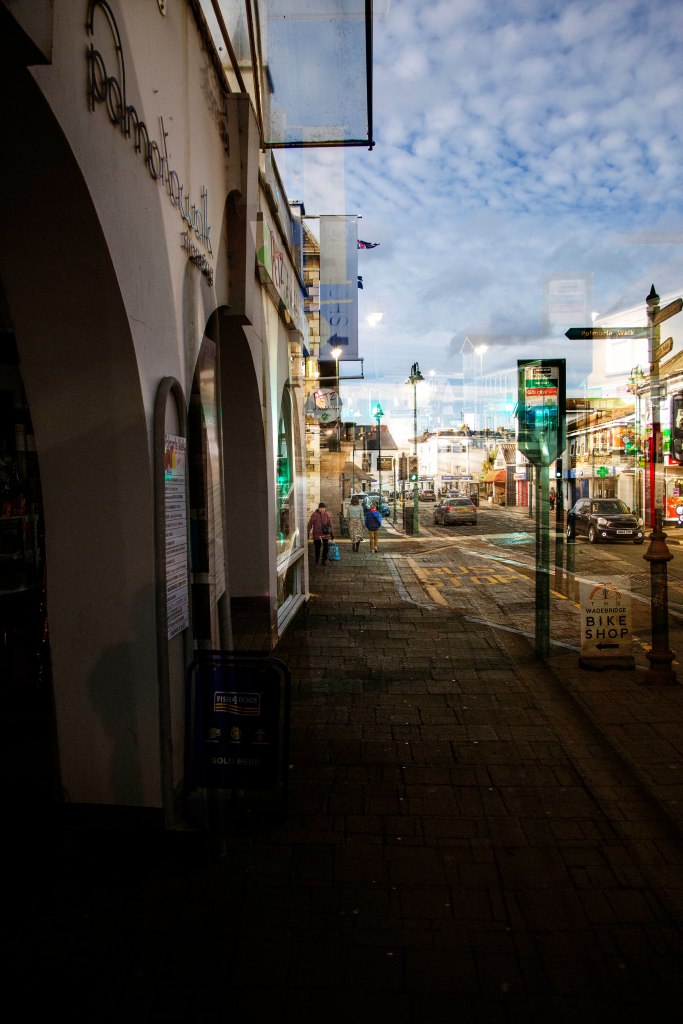
The concept I came up with was one of night vs day and day vs night. Over laying the night image over the day to create a surrealistic view of my chosen space. I enjoyed the opportunity to walk around Wadebridge, were I’d been staying for the Vision F2F seminar. I wanted to find a place that gave a sense of place other than the sleepy holiday town.
Night vs Day
Day vs Night
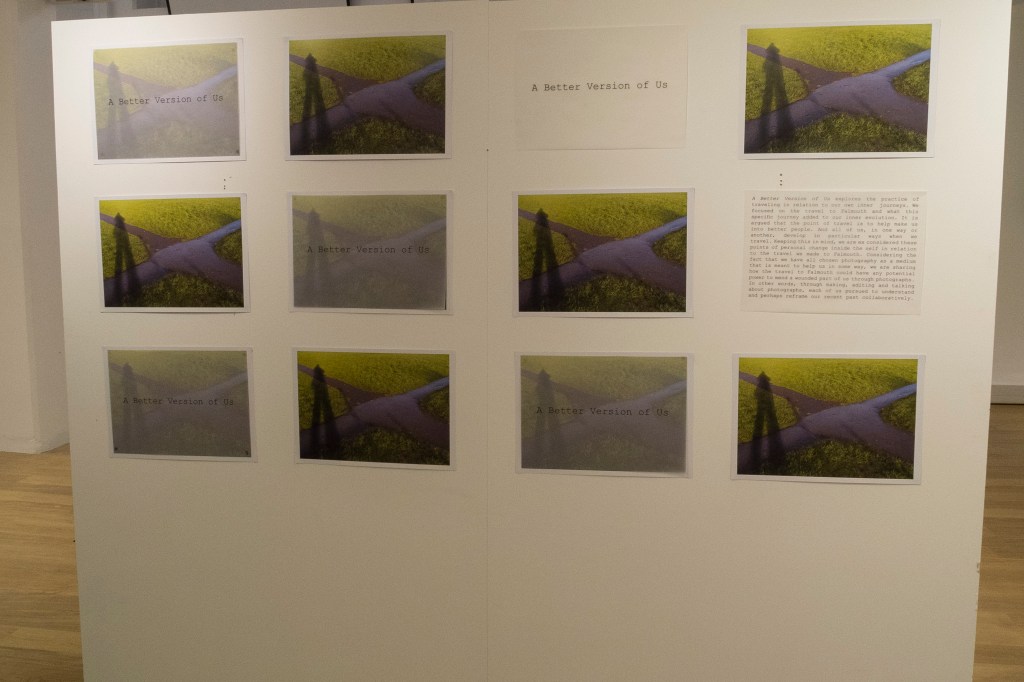
A better version of us
I was lucky enough to get down to the F2F this week and enjoyed meeting many of my ‘Humber’ cohort, who I’m really looking forward to working with over the coming months. The workshops were an excellent way to learn new techniques and play around with different kit.
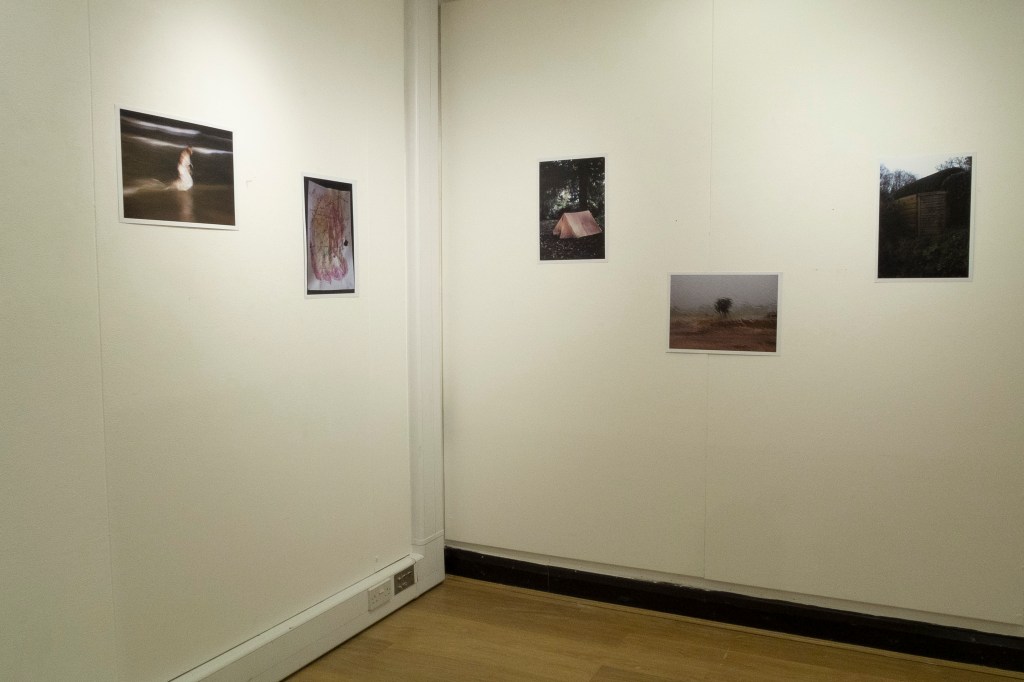
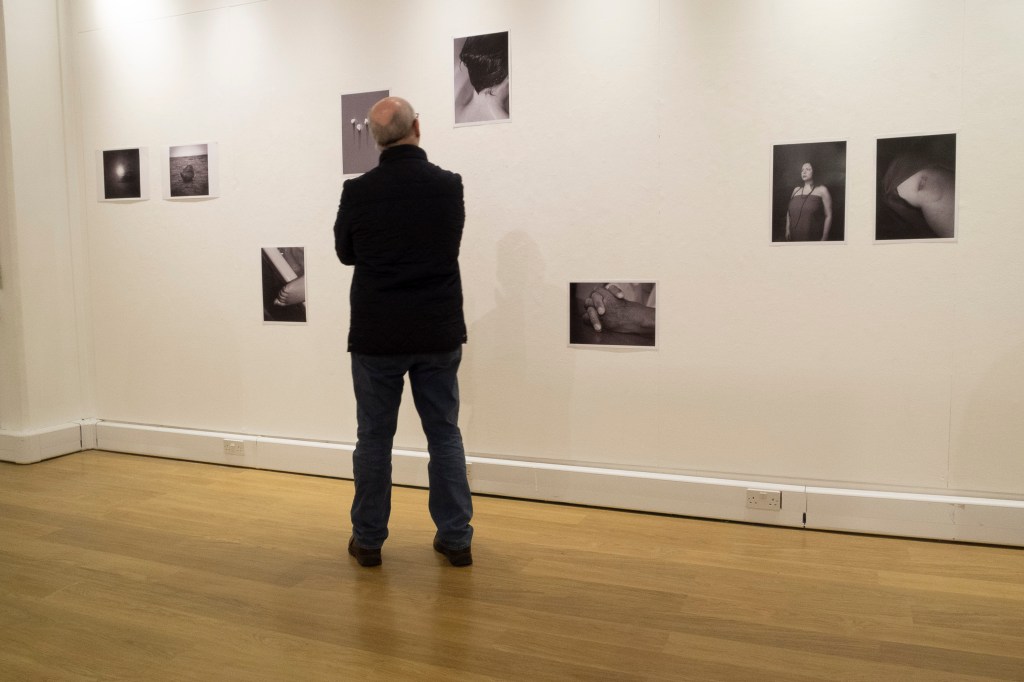
For me the highlight was working on the Pop up exhibition, ‘A better version of us’. Having experience of putting together and hanging exhibitions in museums this was a real eye opener. Having a more artistic, conceptual approach was particularly liberating. Camre was inspirational and supportive, she got us to think about the choices we made when selecting images to go into the show. Breaking the rules of having individual spaces on walls we mixed and matched images to fit the theme. We had all made our journeys (spiritual, internal and psychical) to get to Falmouth and the exhibition illustrated that perfectly.
Here is my oral presentation for the Positions & Practice module. In the video I talk about my journey from my early practice to my current project and what work has influenced my current practice.
This week we discussed the chance or accidental image and how a we can subconsciously ‘choose’ a shot. A surrealist notion. This was my introduction to ‘Psychogeography’ the study of the influence of geographical environment on the mind or on behaviour. Having walked, drifted or ambled through and around many cities with my camera, I was pleased to find that this is what I have been doing for many years.
I’ve never thought of myself as a ‘Street’ photographer, as I do enjoy making pictures in the city, I don’t tend to go for the candid shots of unsuspecting subjects. My work involves the city more as I balance the space with use of space.
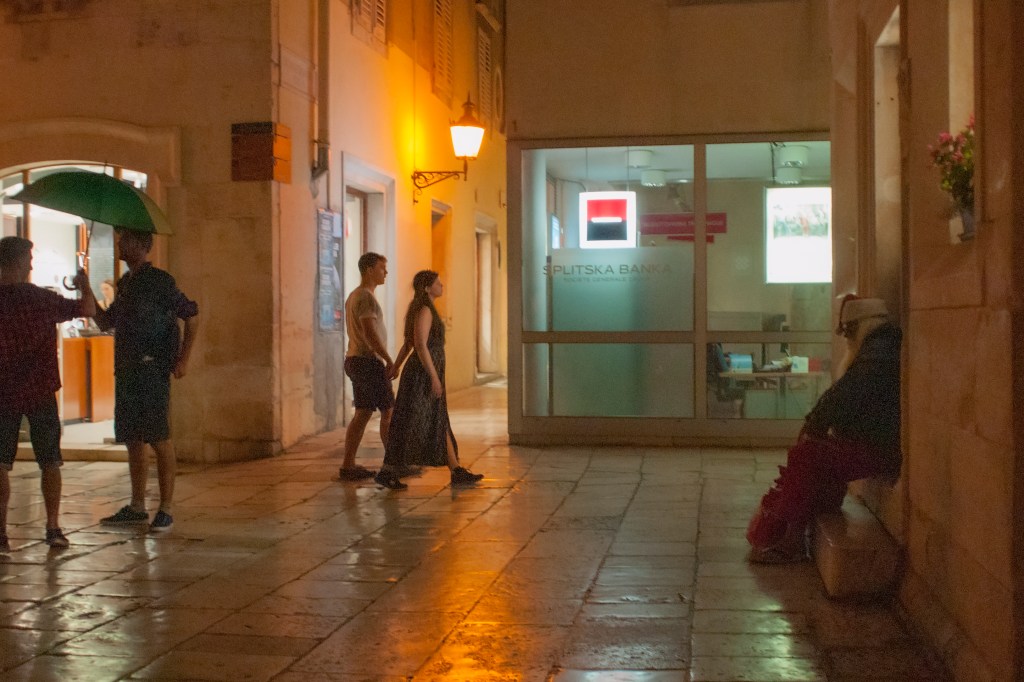
Split, Croatia, 2017. Tim Beale
This image, taken in the Croatian city of Split, depicts a man dressed as Santa, a couple out for an evening stroll and two men with an umbrella. This was shot at the beginning of September and there had been no rain (the stone streets are naturally this shiny). Each element begs a question, put together it makes for quite a bizarre image.
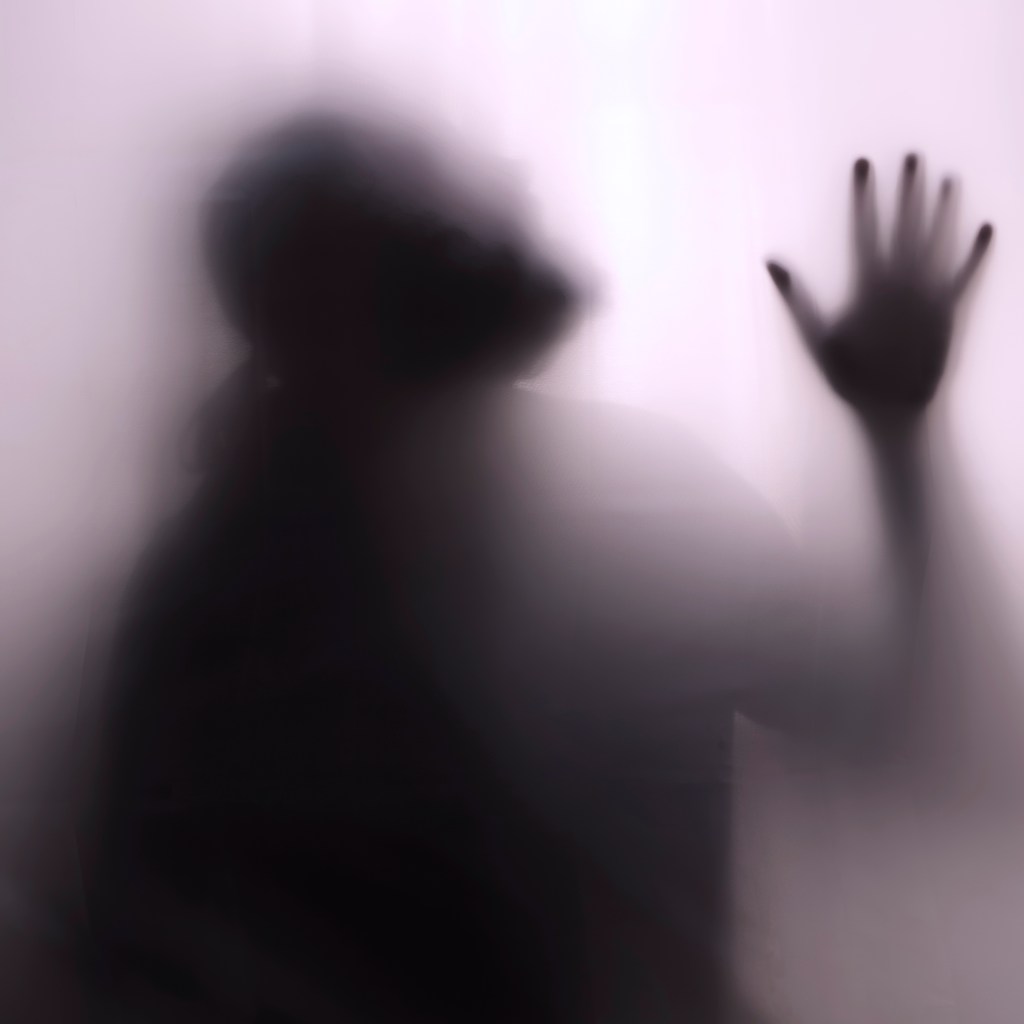
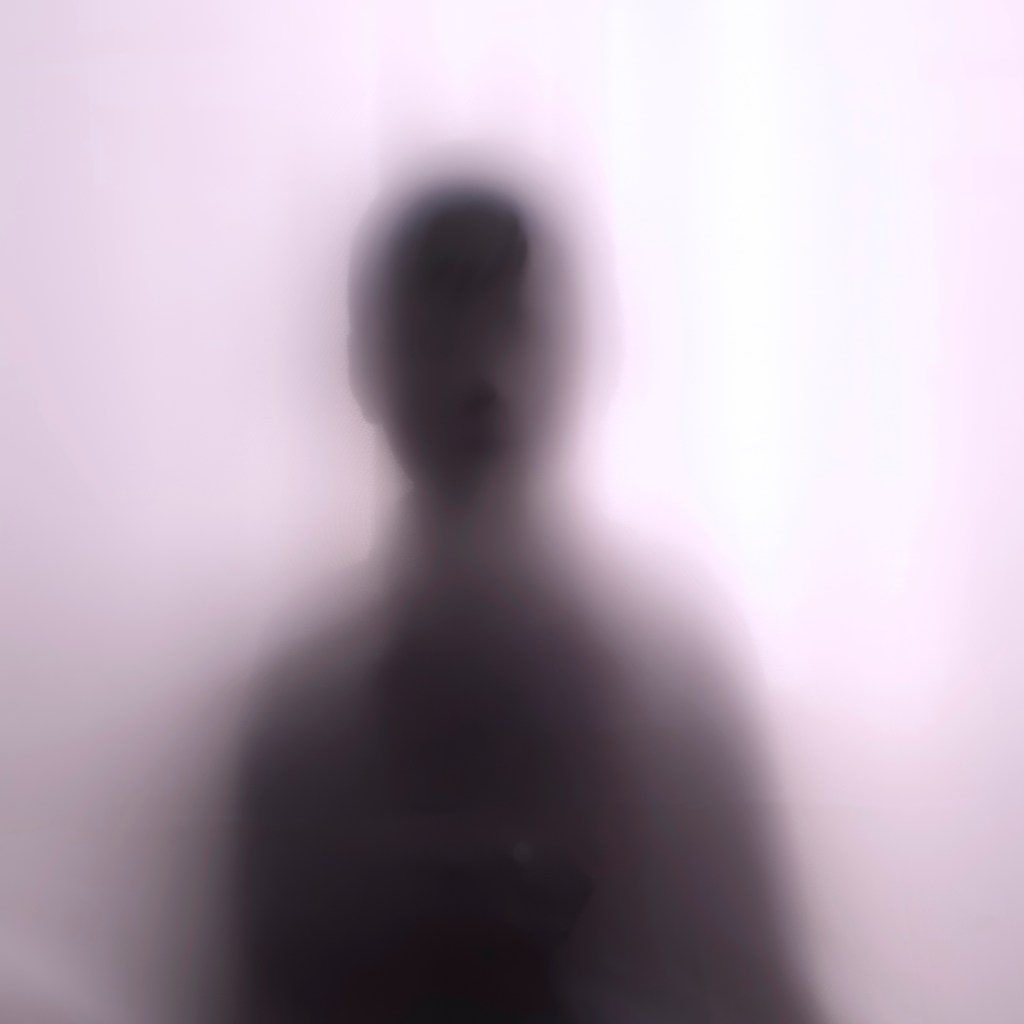
 The Space Between