What sort of truth does the photograph offer?
The ubiquitous nature of the photograph in todays social media based society place it above other forms of representation, including that of written and other visual media. The modern mechanics of the photograph means that an image can be taken and shared world wide quick than it takes to type this sentence. Further more the photograph has bridged the socioeconomic divide created by other means of artistic representation. Owning or creating a work of art, pre-photography, was often limited to those with enough wealth to commission, buy or study artistic practices. Advances in photographic technology has enabled people from across the socioeconomic spectrum.
The public perception of the photograph is often met with scepticism, born from the knowledge of the photographers ability to edit an image “Photoshopped”. The photograph’s indexical ability to prompt the spectator to look through the image, towards the meaning, goes in some way to elevate this learned scepticism. Our natural preference towards looking over reading, the photograph is often, at first glance, taken at face value, only later do we return to question the validity or truth of the image. Snyder & Allen make reference to the cameras ability to capture the ‘truth’ in the book “Photography, vision & representation” stating:
“a photograph may not show us a scene as we ourselves would have seen it, but it is a reliable index of what was.” [Snyder & Allen 1975:149]
In so much as the photograph is a mechanical extension of the photographer and as such a means to capture an image in a very specific way. The photography is not reality as we see and and cannot be but:
“It can be asserted, of course, that while photographs do not always show us a scene as we would have seen it, they are, because of their mechanical origin, an accurate record of the scene as it actually was.” [Snyder & Allen 1975: 157]
When defining the photograph Barthes too holds the view that the photograph is a way of seeing, not the thing itself, but rather the thing as the photographer has seen it at that moment and under those conditions:
“In the daily flood of photographs, in the thousand forms of interest they seem to provoke, ·it may be that the noeme “That-has-been” is not repressed (a noeme cannot be repressed) but experienced with indifference, as a fea ture which goes without saying.” [Barthes 1980:77]
As a way of defining the photograph, Snyder & Allen go on to discuss the many ways in which the photograph differs from view with the naked eye. How the photographer will have chosen a number variables in which to capture the final image, shutter speed, vantage point, depth of field.
“The camera position will determine whether one of two objects within the camera’s field of view will be to the right or the left, in front of or behind, another object.” [Snyder & Allen 1975: 151]
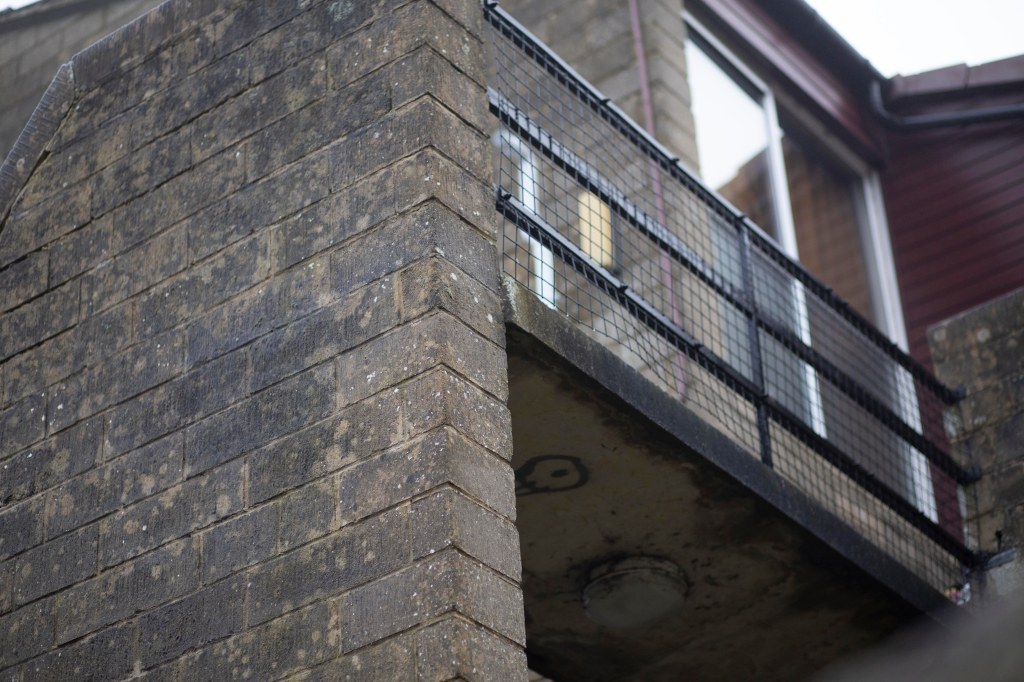
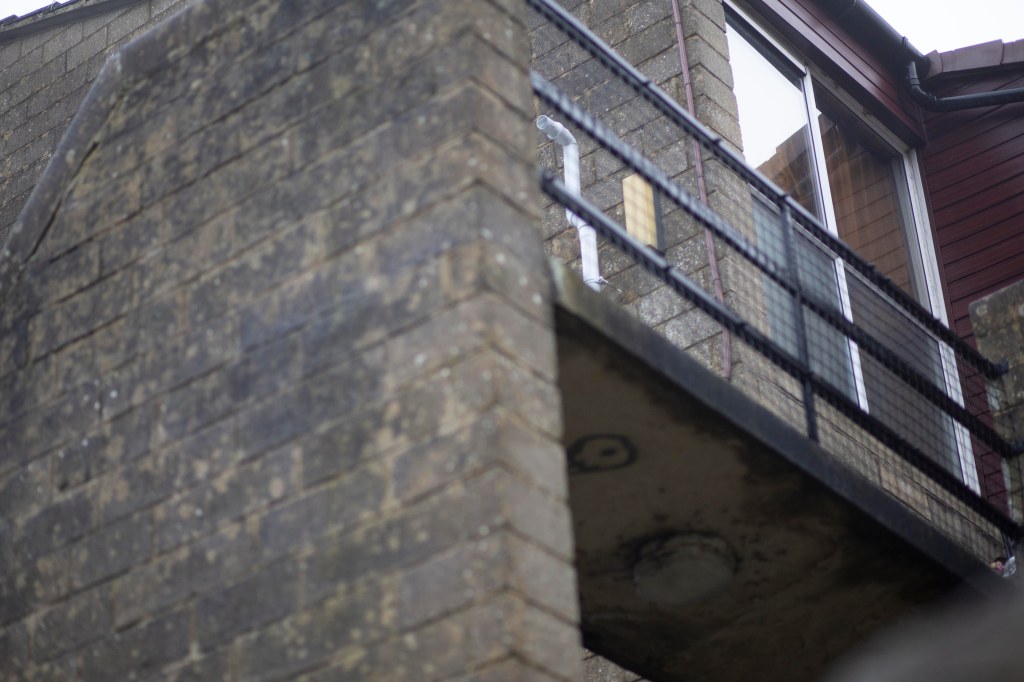
This illustrates the way in which despite the photograph looking very different to how we actually see we are conditioned to accept this representation as truth. The analogy of a moving horse is used to illustrate this difference and acceptance:
“We can keep the camera stationary and use a slow shutter speed: the horses will appear as blurs against a stationary background. We can “pan” the cam- era with the horses and use a somewhat faster shutter speed: the horses will be somewhat sharper and the background blurred. We can use an extremely fast shutter speed and “freeze” the horses against a stationary background. All these methods are commonly used and accepted ways of photographing moving things.” [Snyder & Allen 1975:156]
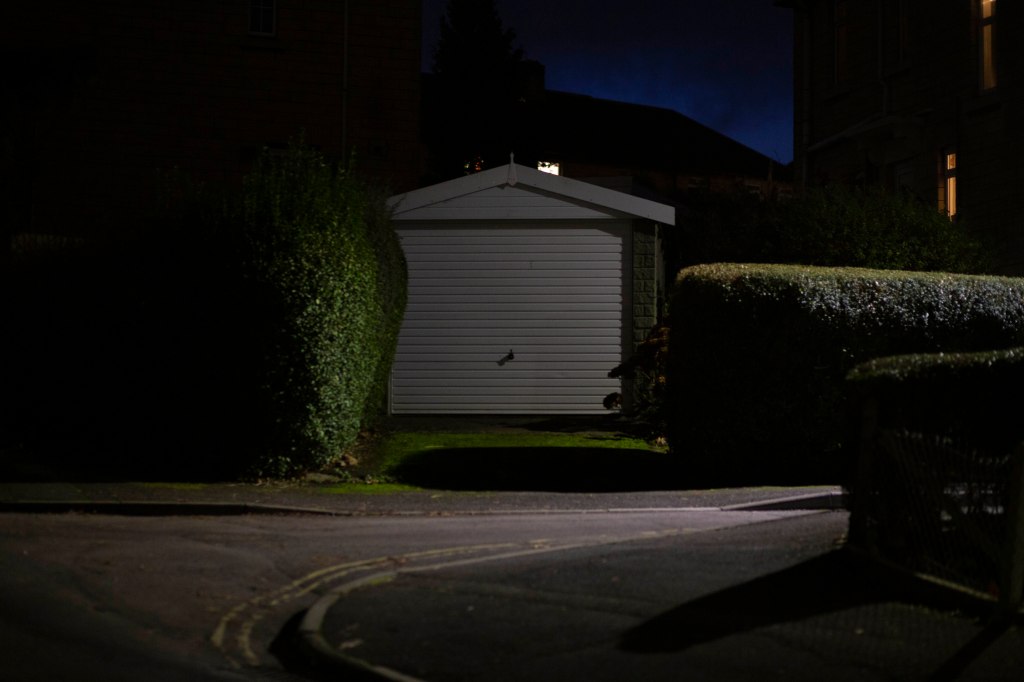
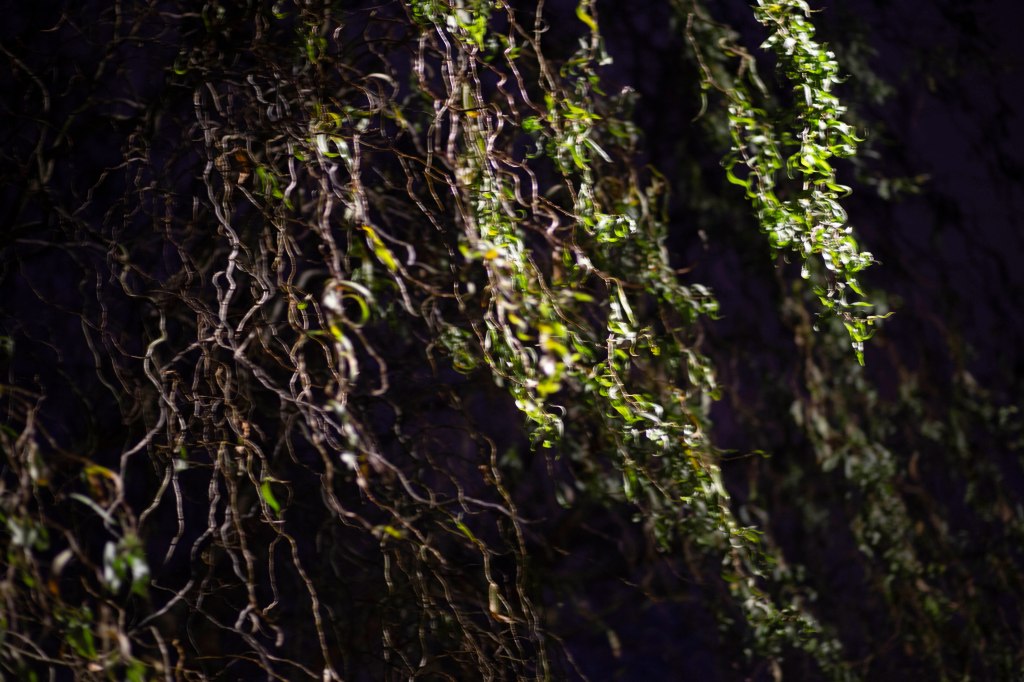
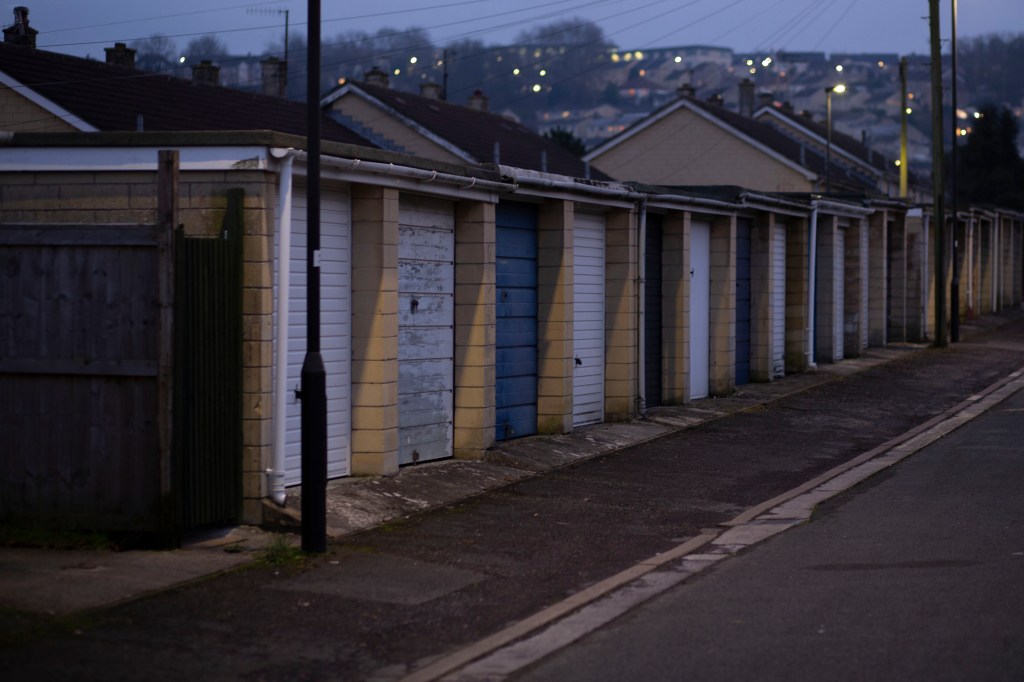
Within my own practice the human choices I make in terms of depth of field, shutter speed, lens type etc is a very conscious process based on perceived outcomes. In the tutor forum I talked about my recent images of alleyways:
“Through self reflection I have set out to create a series of images that represent the places where I grew up. In some instances I have been able to re-visit my childhood haunts back in the midlands, however much of the urban landscape from my earliest memories have since been demolished.
Most recently I have looked to my current home city of Bath as the backdrop to these earlier memories. My earliest memories, was as a child, running and playing in the alleyways that separated the houses in our streets. Being aware of the limitations of the means to turn three dimensional reality into a flat image is crucial for any artist, writer or photographer. Photography can be as creative or “artistic” as any other art form, in as much as it can manipulate what the views sees. For example my use of Bath’s alley ways to portray, those in the Midlands (some 120 miles away), it matter not that the buildings are made of a different material. It’s the essence. In terms of the written narrative I would write:
“I recall as a grubby faced boy of about five, using alleyways as a main method of getting from point a to point b. The alleyway was our adventure playground, labyrinth and our domain. Bath then (late 70s/ early 80s) we didn’t use front doors, we were told ‘come ‘round back’ and ‘take your muddy shoes off at the backdoor’. The front door was used for special guests.”
Some 40 years later and 120 miles south I have found an affinity with Bath’s alleyways as something akin to my childhood playground. In some ways its like I’ve changed the vantage point, however rather than moving a step to the left or right, I’ve moved in time.” [Beale 2021:forum text]
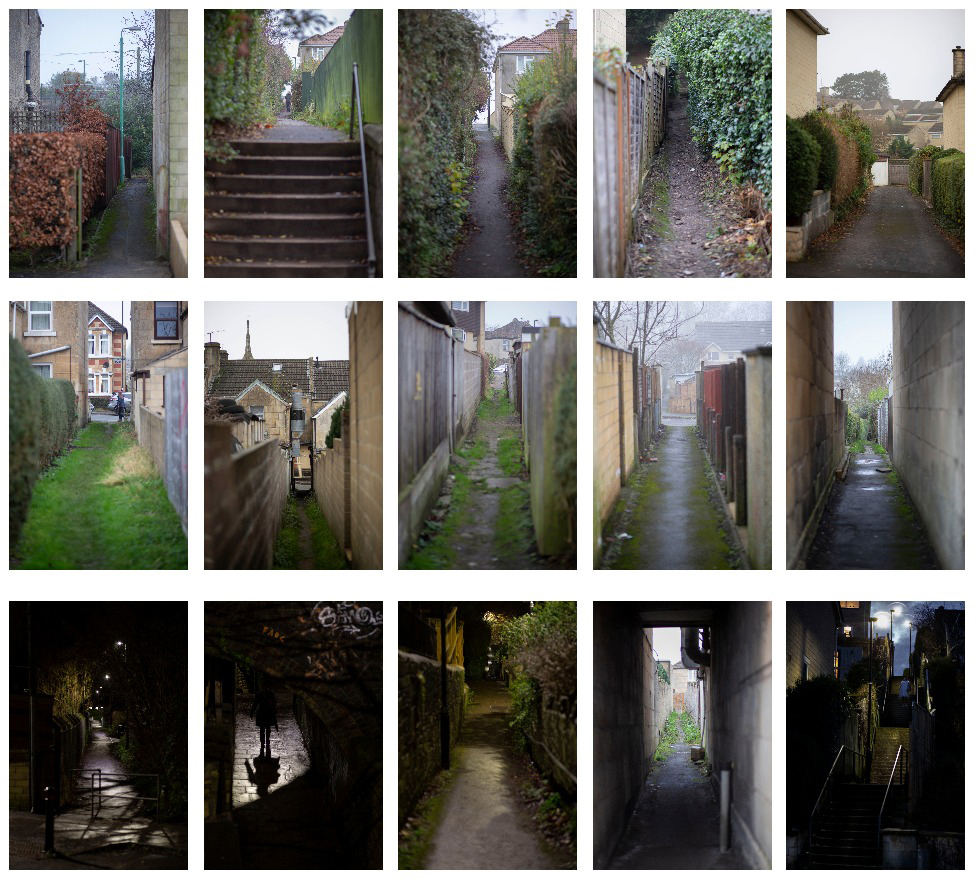
Feedback from my fellow cohort in the tutor webinar affirmed that my intention, of creating the essence of alleyways in the Midlands, was achieved.
“I grew up in Leicester and these images really reminded me of the alleyways I played in as a child too.” [Layla 2021:webinar]
Over the next tow weeks I will be continuing to photograph the suburban landscape around me, rephotographing many of the areas during different weather and lighting conditions. I will also be carrying out further research into urban landscapes, psychogeography and photographers working in a similar way.
References
Barthes. Roland 1980. Camera lucida; reflections on photography. Hill & Wang
Snyder. Joel & Allen. Neil Walsh 1975. Photography, Vision and Representation. The University of Chicago Press
Beale. Tim 3rd Feb 2021. Informing contexts tutor forum. Falmouth University
Perchal Neal. Layal 4th Feb 2021. Informing contexts tutor webinar. Falmouth University
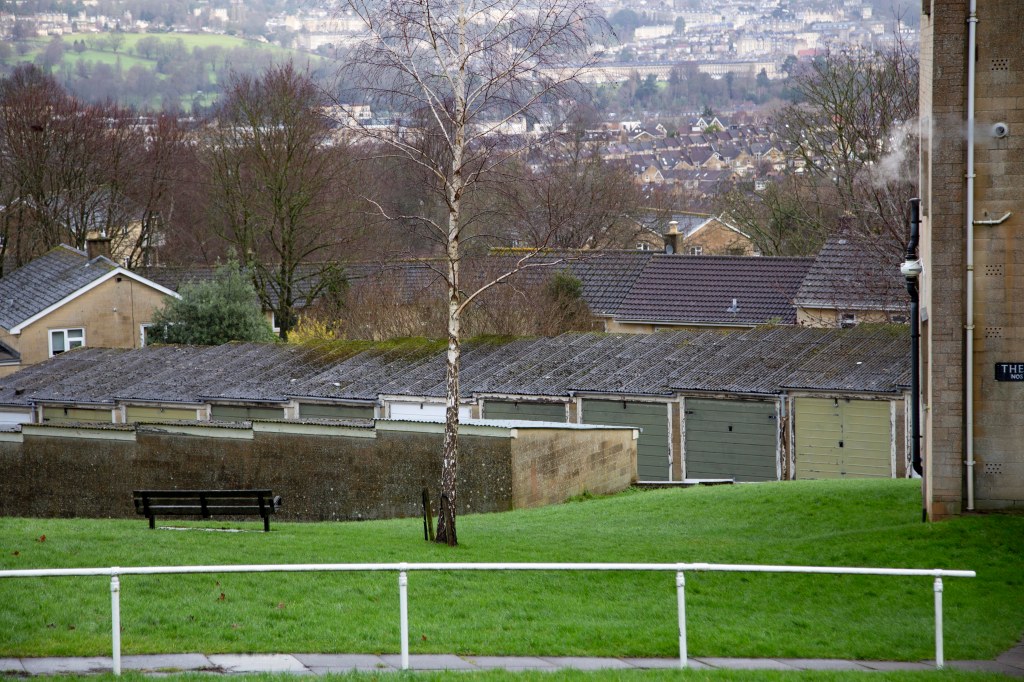

 The Space Between