“To value photography as art is not however to denigrate photography in the service of different ends. We owe a debt to the cameramen who worked in Vietnam, for example. Photographs like theirs encourage us to resist what evil it may be in our power to correct.” [Adams 71:1996]
Do environmental photographers, such as Edward Burtynsky and George Steinmetz produce meaningful images of protest or works of art that offer the viewer a means of escape? When looking at images of fauna in their natural habitats I find myself asking this question. By the simple act of exhibiting images in a gallery we now longer see them as referents for the evils of the world but art, and in doing so they lose their truth value.
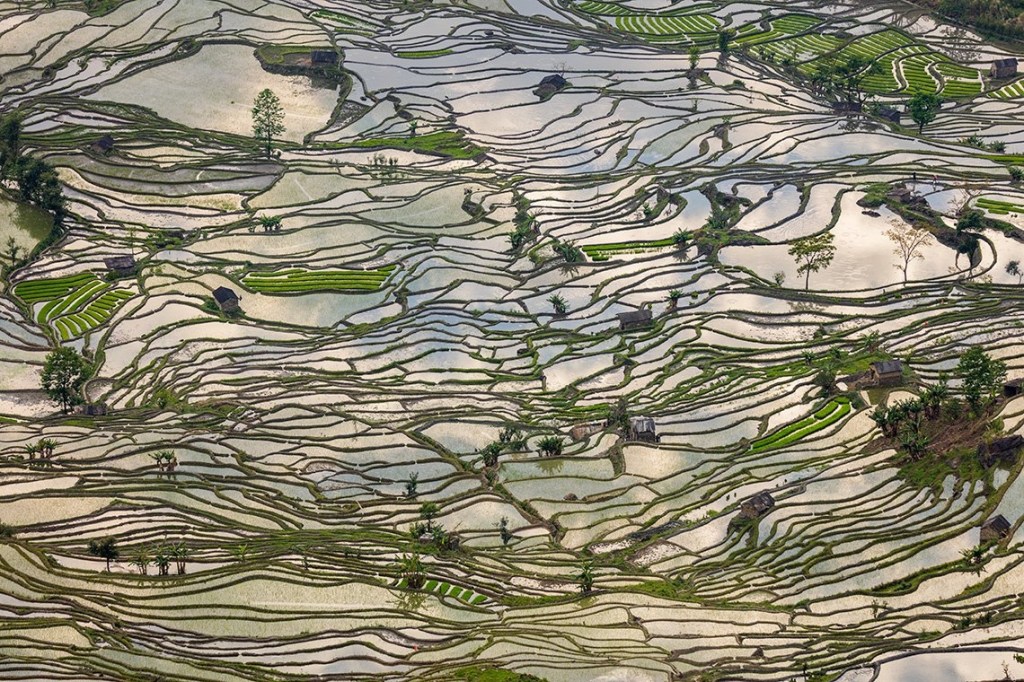
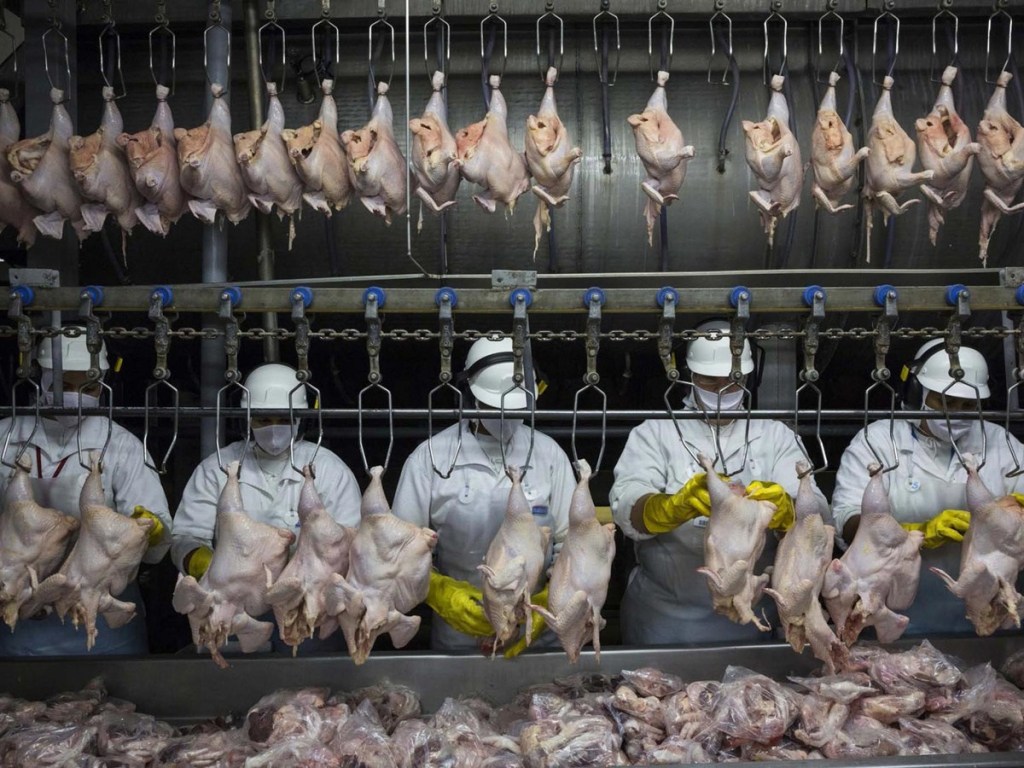
Steinmetz a photographer for the New York Times and National Geographic, who concerns himself with the subjects of remote landscapes, climate change, and humanity’s ever increasing need for food. Steinmetz’s practice is dominated by his aerial photography of grand landscapes, manufactured land, or agriculture in action. The impact of which one first viewing may appear picturesque, abstract or alien but rarely disturbing. More impactful and immediate are Steimetz’s images we see from inside industrial complexes or farm facilities, workers in action or live stock in distress (figure 2). The presence of humans and their involvement in the distress of other, brings home the reality and truth value of the photograph. Without the accompanying text the aerial landscape do not hold the same weight as those that are more environmentally engaged, the obvious human intervention on the landscape or brutality towards livestock. There are two sides to Steinetz’s work, a disjoint, that of the commercial and the concerned.
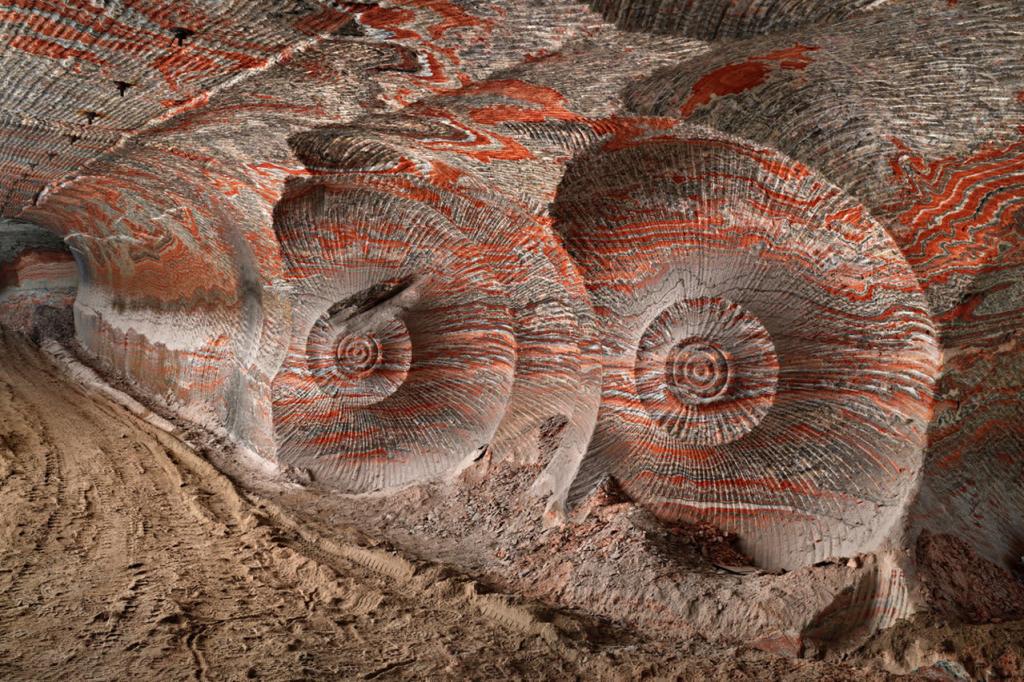
Meanwhile Edward Burtynsky offers us a more abstract of the world around us, as his concern for the world we are leaving behind us is that of a stripped landscape. These images offer us a alternative view of the world, something alien and yet there is something familiar. There is no question here that these are not photographs of protest, they do not shout at the viewer. What they do is offer the view the space to reflect, to stop and think. I his own words Burtynsky reflects on the impact of globalism and the needs of humankind:
“But all these things have one thing in common, which is that this is the world that is necessary – in the background, humming away – to allow us to live the lives we do. When you buy that new thing, where does it come from? And where does it go when you’ve thrown it away? Because there’s no such place as away” [Burtynsky in Davies 701:2020]
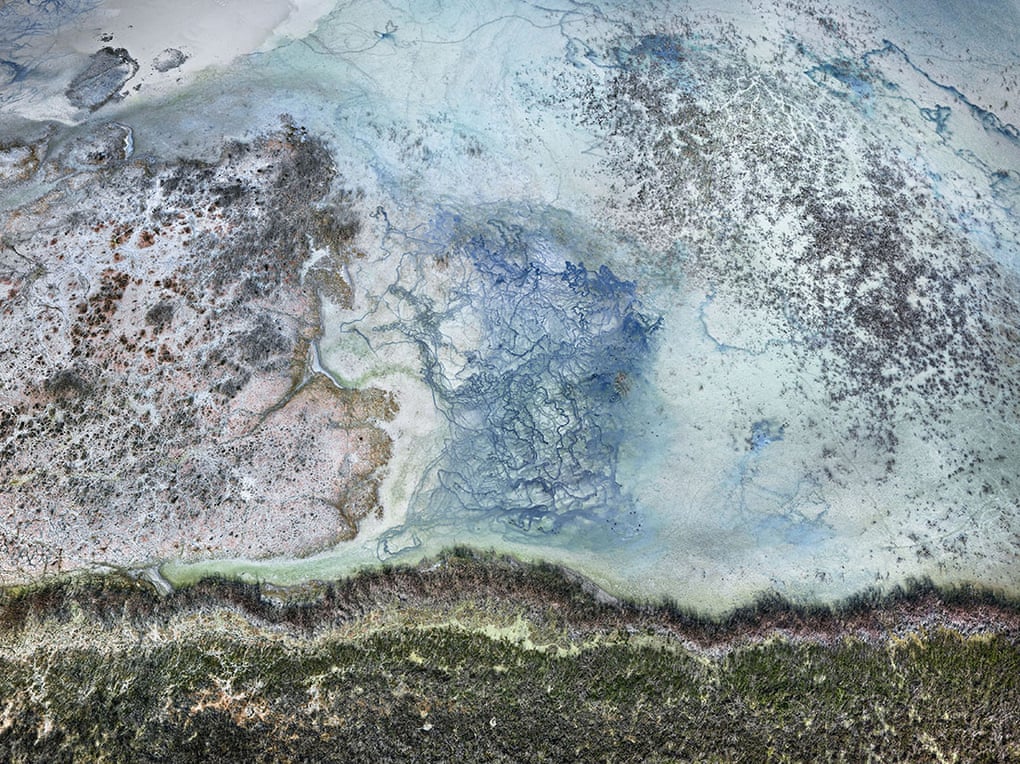
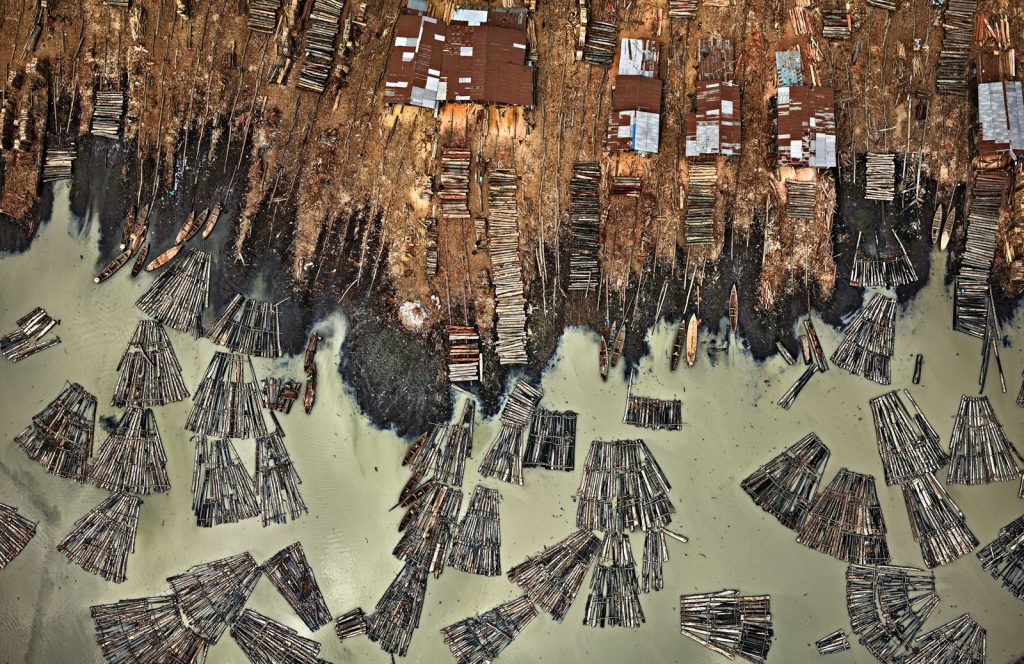
The work of Burtynsky reminds me of what Robert Adams states, in his essay “Photographing evil”:
“Art can convincingly speak through form for significance bears upon the problem of nihilism and is socially constructive. Restated, photography as art does address evil, but it does so broadly as it works to convince us of life’s value; the darkness that art combats is the ultimate one, the conclusion that life is without worth and finally better of ended.” [Adams 70:1996]
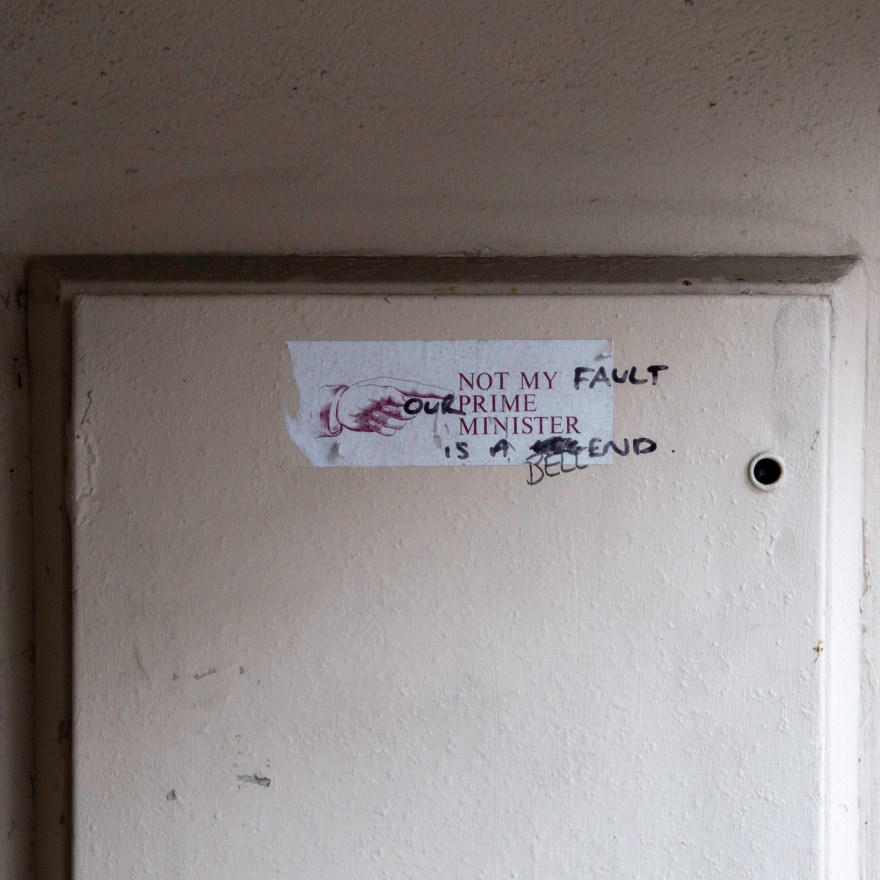
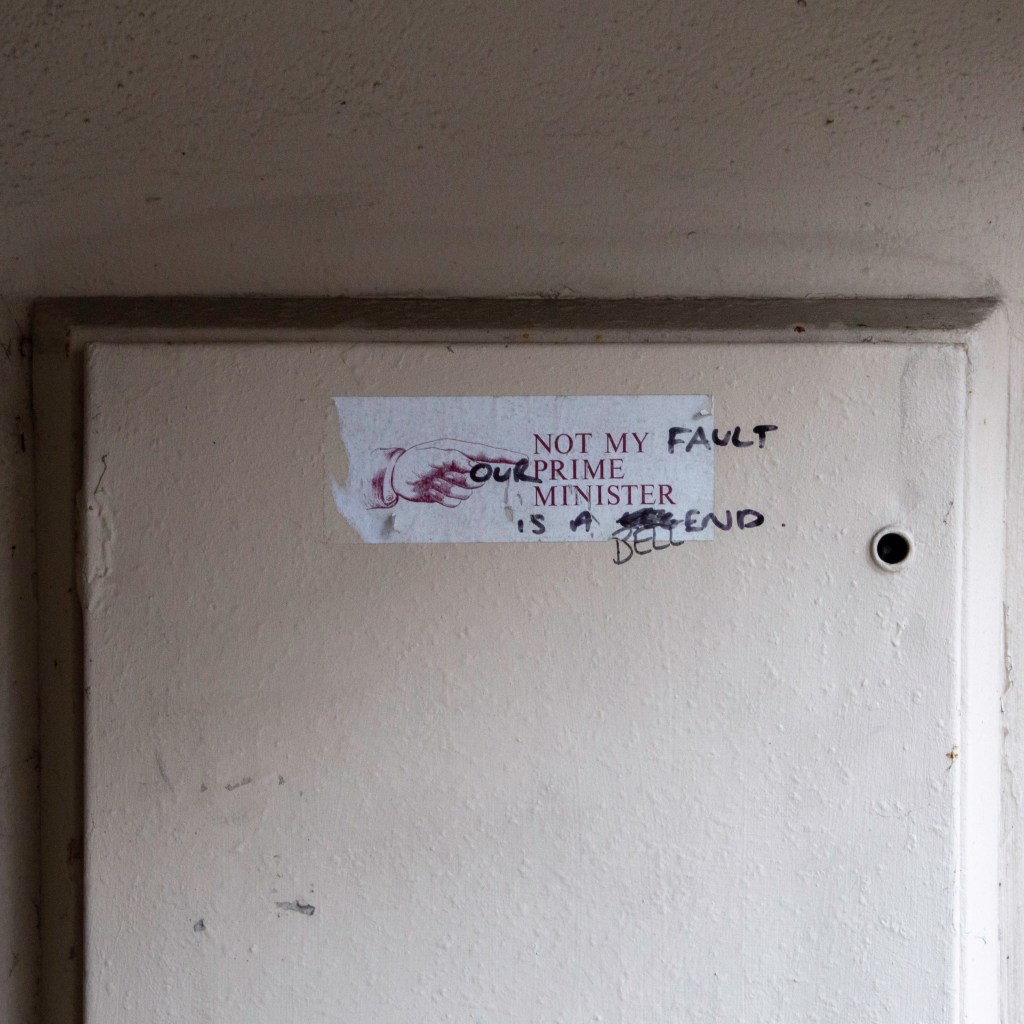
What makes for a greater impact when gazing on environmental photographs, landscapes, is when there is human presence. This give a scale to the thing; we can see and compare our reality against what we are being shown. Within my own practice the familiar landscape of vernacular buildings are used as metaphor for socioeconomic discord. I do not show off Bath’s grand Georgian architecture but the homes of the people who service the city and the millions who visit. When viewed I know that this is not art but documentary, it is a quiet kind of protest.
References
Adams, R “Beauty in photography” 1996 Aperture
Davies, L “Edward Burtynsky” The journal of The Royal Photographic Society Nov/Dec 2020 Vol 160/No.9
Images
Figure 1 Steinmetz, G “The terraced Yuanyang rice fields in Yunnan province, China” https://www.canon-europe.com/pro/stories/george-steinmetz-storytelling-aerial-photography/
Figure 2 Steinmetz, G “Feed the planet” https://georgesteinmetz.photoshelter.com/gallery/Feed-the-Planet/G0000lrER6EZBBQA/
Figure 3 Burtynsky, E “Uralkali Potash Mine #4, Russia” 2017 https://www.format.com/magazine/features/photography/edward-burtynsky-photography-anthropocene-project
Figure 4 Burtynsky, E “Phosphorus Tailings Pond, Florida” https://www.theguardian.com/artanddesign/2016/sep/15/edward-burtynsky-photography-interview
Figure 5 Burtynsky, E “Saw Mills #1, Lagos” https://www.newyorker.com/magazine/2016/12/19/edward-burtynskys-epic-landscapes
Figure 6 Beale, T “Not our Prime Minister” from The Right to this City series, 2021
 The Space Between