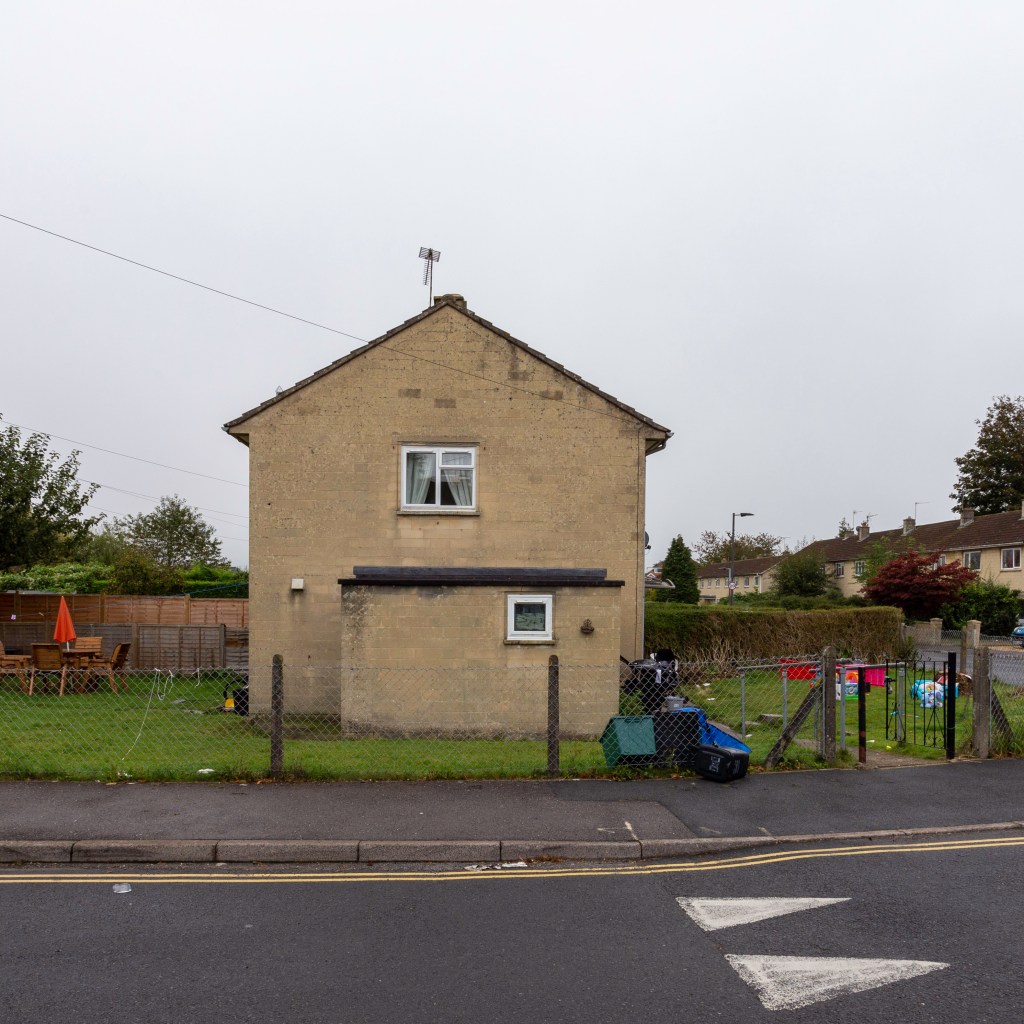
The very nature of photography lends itself to the documentation of the city, its structure, people and essence. Whether it comes from psychogeography or documentary the form of capturing a two dimensional representation of the space around us is one that is familiar, from the Parisian scenes of Eugene Atget to the bustling streets of Riccardo Magherini’s Hong Kong. The photograph provides a document of social, cultural and political concepts of the city.
“Photographs display attitudes, agency and vision in the way a city is documented and imagined.” [Tormey xiv: 2013]
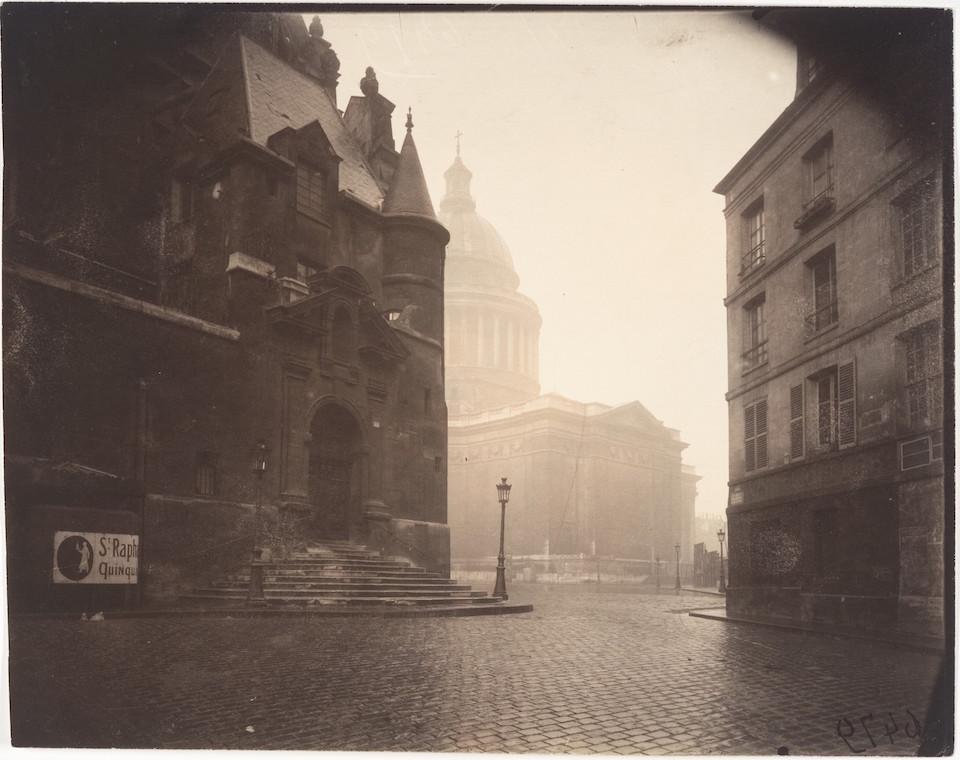
Fig 2 “Rue de la Montagne Sainte Genevieve” Eugene Atget 1924 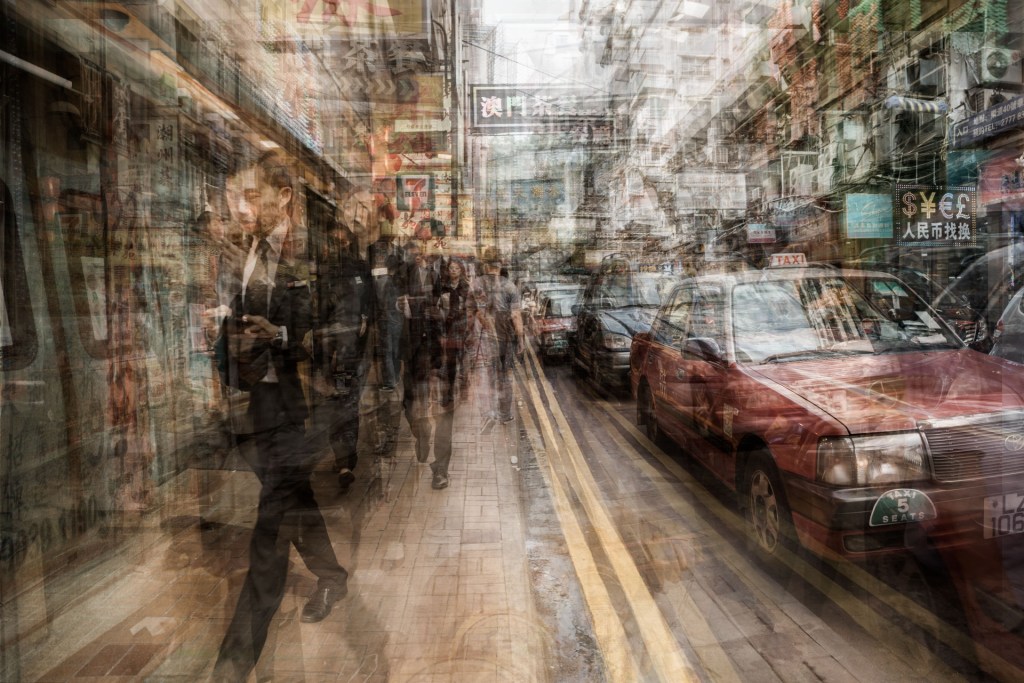
Fi3 “Tsim Sha Tsui” HK series Riccardo_Magherini
The city is a social space, dominated by city structures that effect they way people live, interact and form social communities. Within my own practice I concentrate on the evolution of the city and how social and political changes influence the evolution of the manufactured space. Highlighting Urban and Suburban issues to engage and encourage cultural, social and political discussion. Framing and rendering the three dimensional city, in a two dimensional representation that conveys its culture, society, emotion and aesthetics.
“Photographs can celebrate or critique presiding ideology and privilege. More specifically focused views can adopt metaphoric frames that serve to emphasise particular aspects of experience: the ‘institutional city’ and the place of power; the ‘everyday city’ of the street; the city of social practice or the site of diaspora’; the ‘hybrid or global city’; the ‘engendered city’; the ‘network’ or psysogeographic. Just as the city can be theorised in different ways, so it can be presented photographically in different ways: geographically – describing the evidence of its economies in the buildings and infrastructure; anthropologically in describing evidence of its culture; sociologically in describing examples of interaction.” [Tormey 26:2013]
I am trying to convey an unexaggerated portrayal of the everyday city and its suburbs, the dwelling places of the everyday worker. The structures that create a city are also the structures that shape and define the people who live in them. As such, my practice concentrates on the simplest of dwellings, the mundane or overlooked. These spaces are no less important than the grand stately homes, treasured by the nation, in fact they are of greater importance as they are a fixed point of reference when we map social and political history. When we look at these dwellings we start to see, not only, the decay but also the pride and sense of community. There is something about a common struggle that brings people together, reading the details in a home can tell this story. As with Robert Adams photographs that featured in the exhibition “New Topographic: Photographs of a Man-Altered Landscape” there is a simplest style and beauty to be read in these images.
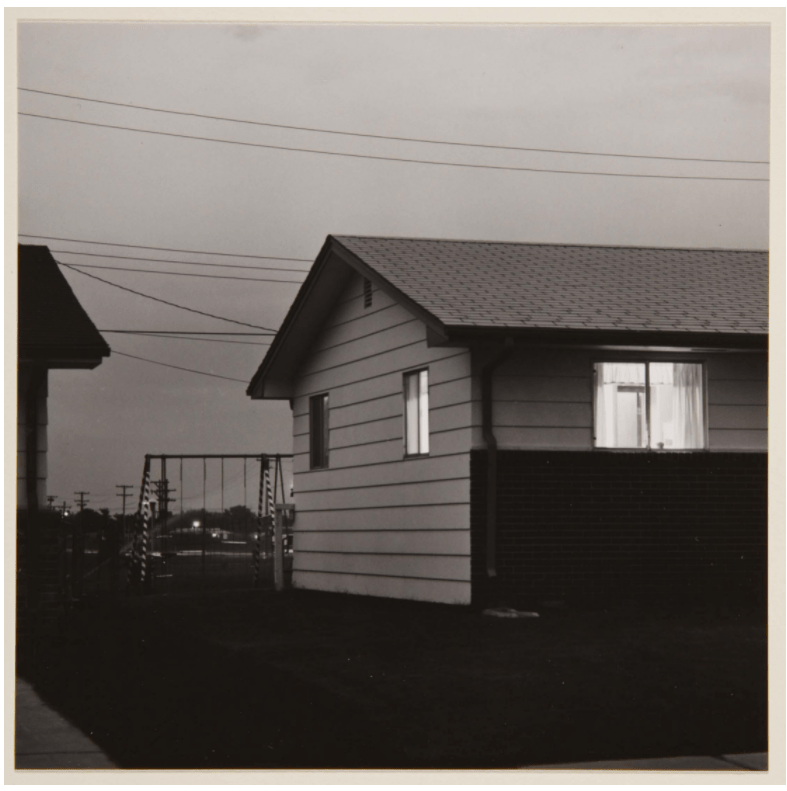
When we look at his photograph “Denver, Colorado” we see a dwelling, in the early evening as the sky is not fully dark, we can see there is a light on so can assume the home is occupied. We are also given a clue that there are children given the presence of the swing set. We only see a section of the dwelling but it is clear this is a single storey building, no fence delineates a front or back garden, in fact there appear to be no boundaries between properties. We can then imagine that this is not the home of wealthy occupants.
As photographers we strive to tell stories in our two-dimensional images, we create seeds that we then plant into the minds of the viewer. Reducing a city down to a flat image of dwellings, challenges the viewer to create a mind map of the city, to follow the trail, join the dots and engage with the space presented by the photographer. This is what I aim to achieve in photographing the city.
References
Tormey, Jane “Cities and photography” Abingdon : Routledge 2013
Images
Figure 1 “Untitled” Tim Beale 2021
Figure 2 Eugene Atget https://www.moma.org/artists/229
Figure 3 Riccardo Magherini “HK” http://www.riccardomagherini.com/fineart/portfolio/hk-series/
Figure 4 Robert Adams “New Topographics: Photographs of a Man-Altered Landscape” (1975) https://www.pierremm.com/architecture-photographer/architecture-photography-famous-artists.php
 The Space Between