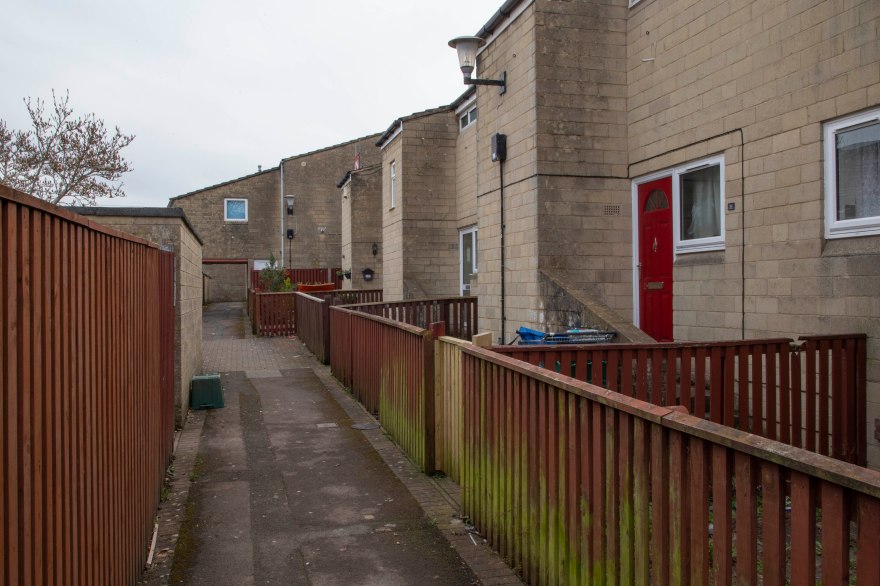
As I walk the streets of Bath, I find myself asking; what is the future of suburbia? Where I’m standing can it be described as the suburbs?
“The nearer we get to the present day, the harder it is to define suburbs precisely. The increasing mobility after the Second World War and the collapse of distinctions between classes, jobs and styles of life make it increasingly hard to generalise accurately about suburbs. So we are left with vaguer concepts such as suburbia, subtopia and now also exurbia.” [HELM 6:2007]
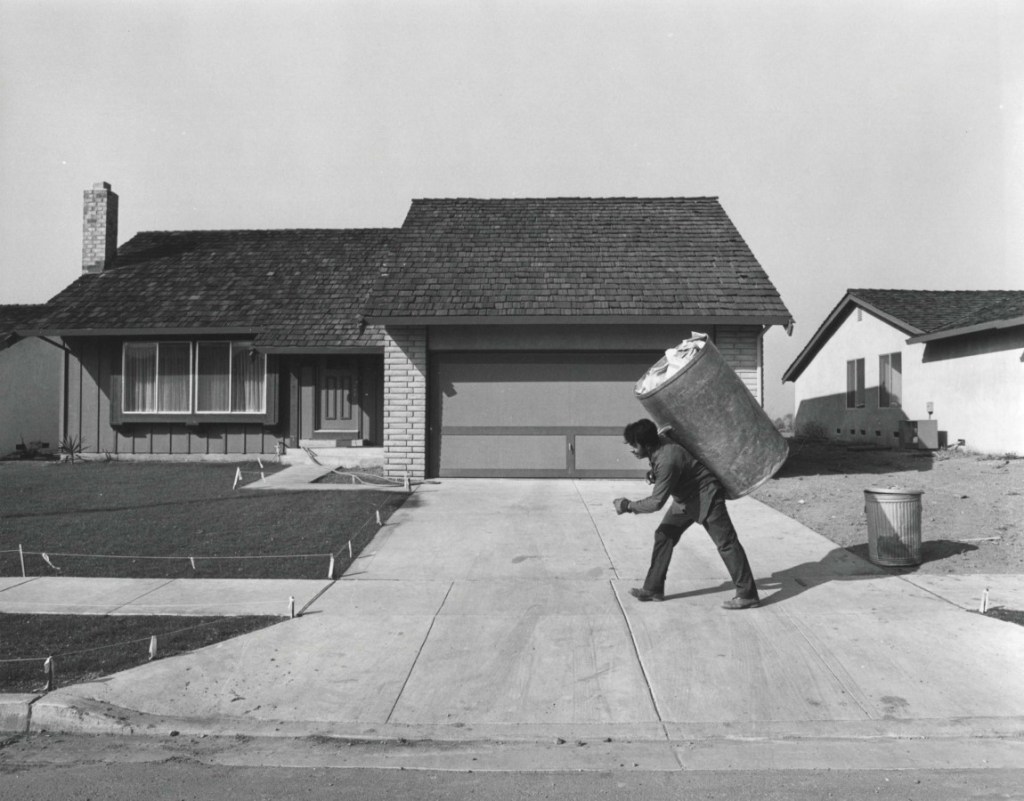
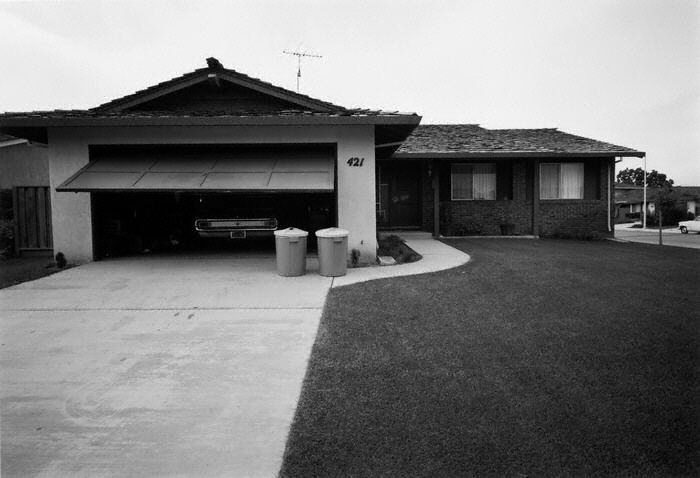
Often when we think of the suburban environment, we bring to mind the images of America and those by photographers such as Gregory Crewdson, Todd Hido and, Bill Owens to name but a few who have chosen this environment as their subject. But what of the British suburb? Who do we have representing our suburb? Certainly, the likes of Martin Parr, Chris Killip, and Richard Billingham, have been creating images of the people of the suburbs with little consideration for the architecture that creates the environment that influences the lives of these people. We can now look to artists such as Andy Feltham with his “Incidental View” series and Daniel Stier’s “London Fringes” & “Frontier House” capture the environmental make-up of the country.
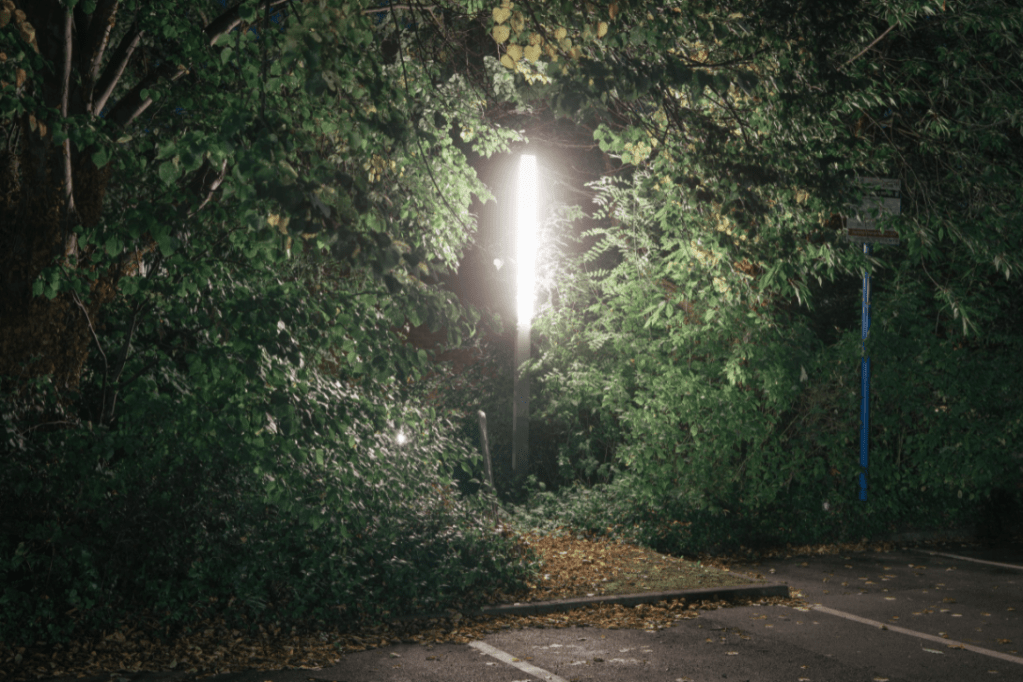
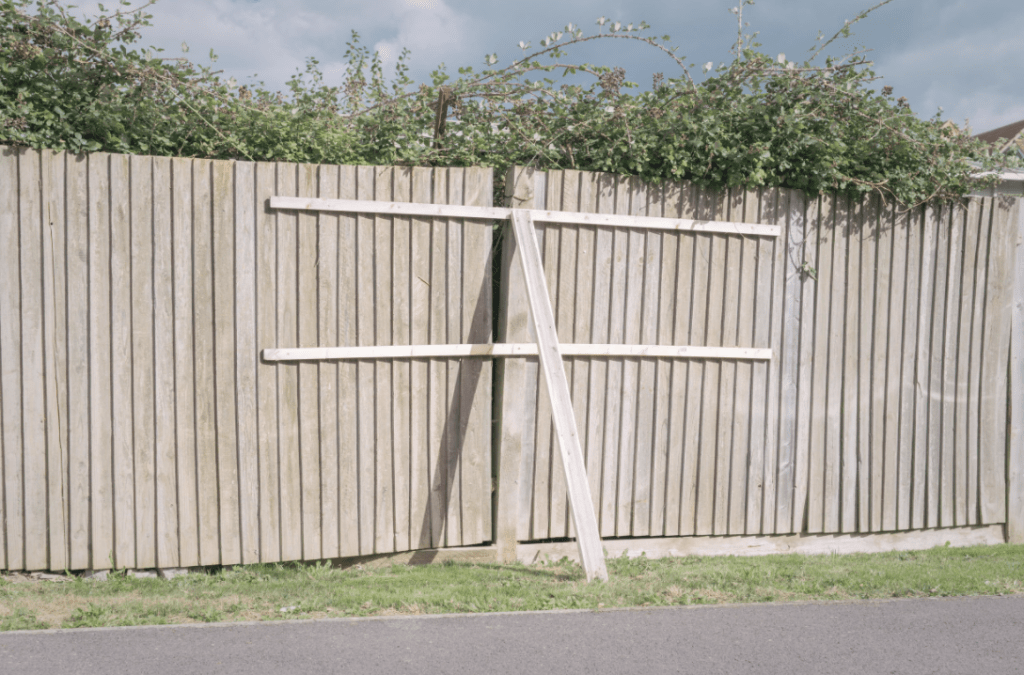

Andy Feltham’s statement for “Incidental view” speaks of the mundane and the ability to isolate and identify the small wonders we often take for granted or simply do not take notice:
“This series of images was born from my desire to re-examine the common place; to confront and question the monotonous. Each piece aims to celebrate the incongruous marriage of perceived isolation with an overriding sense of wonder.” [Feltham online]
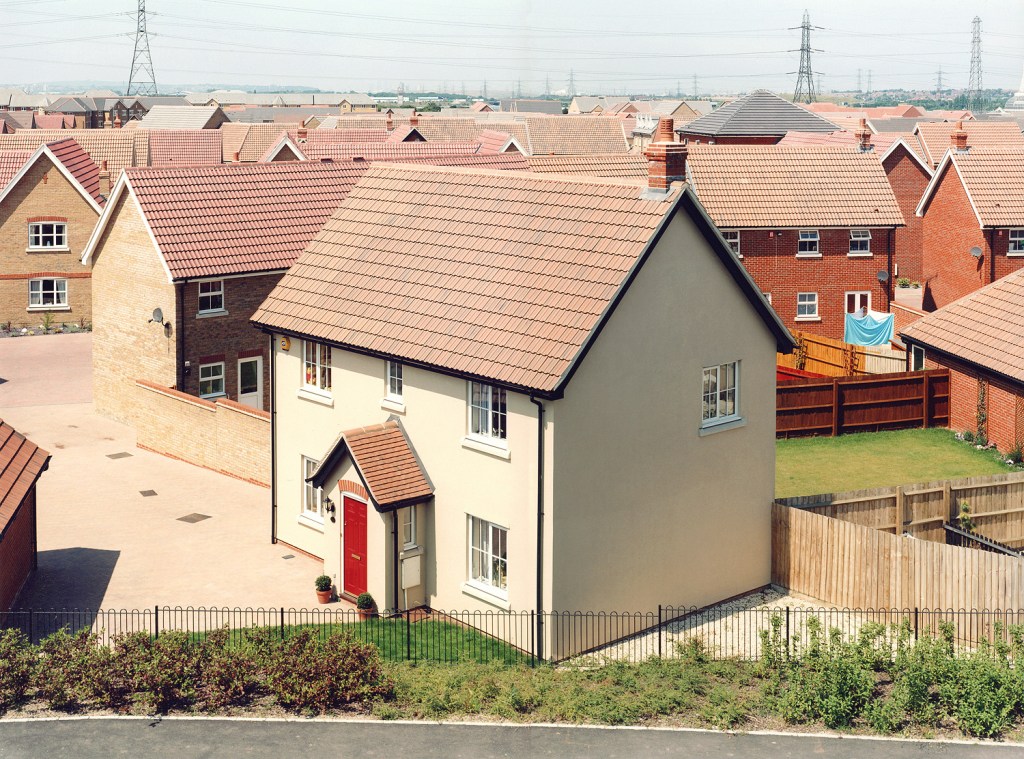
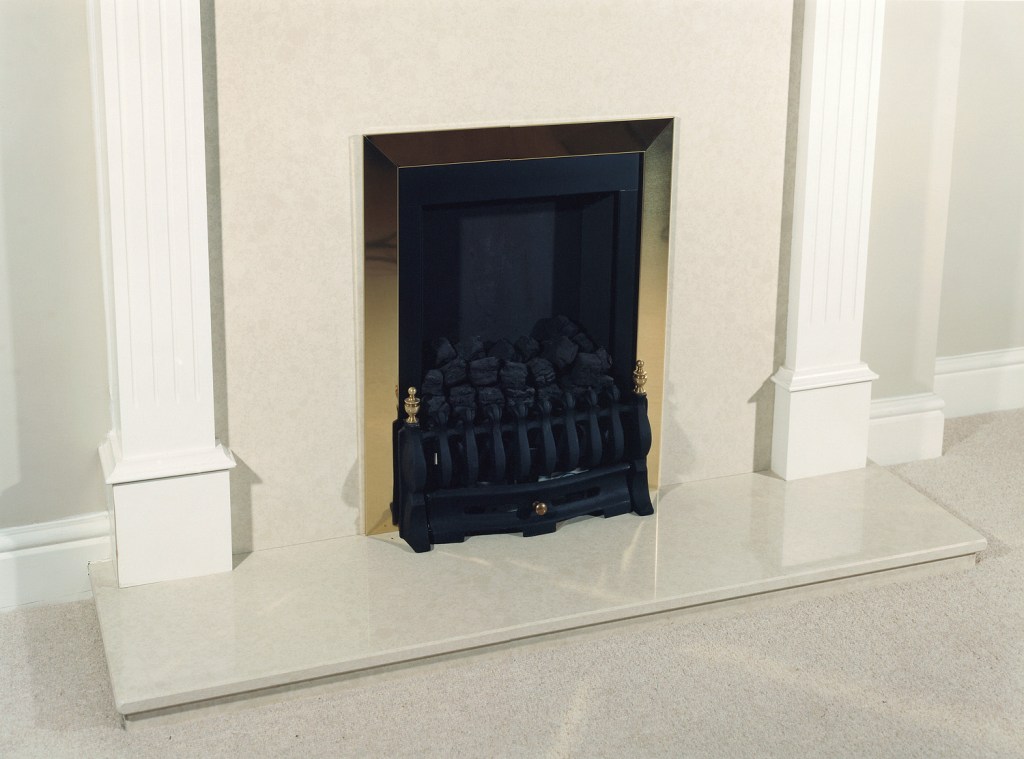
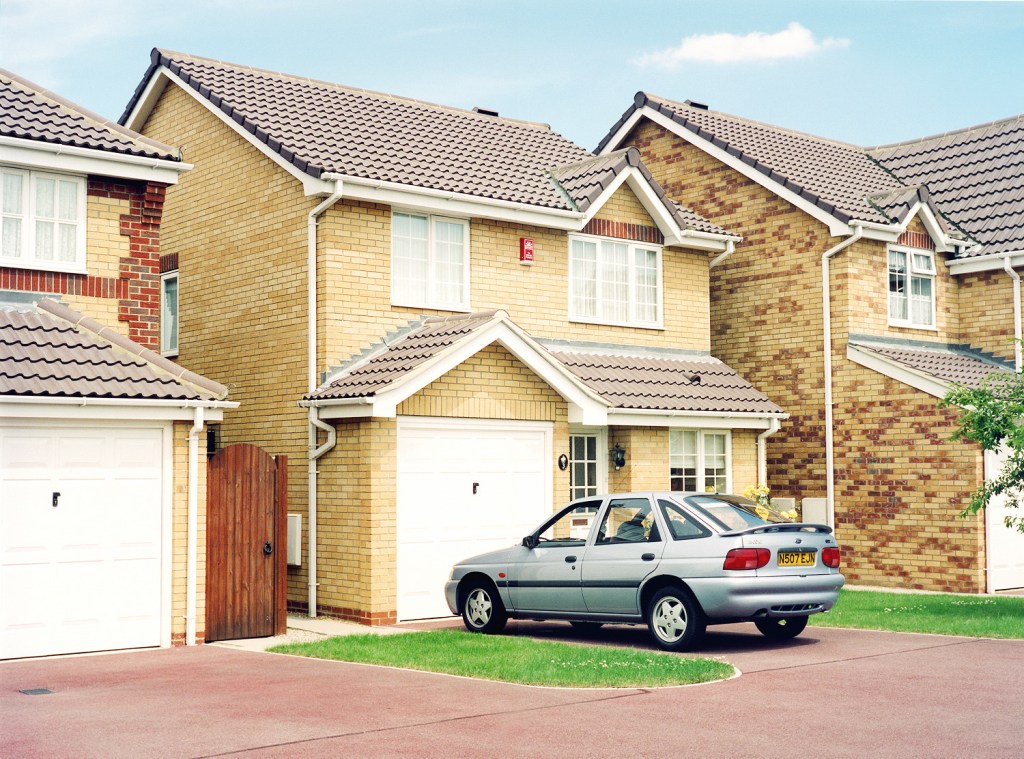
And with both his series London Fringes and Frontier House, Stier is similarly interested in the banal, the unseen and overlooked. The new estates growing beyond the suburb and into “Subtopia” or “Exurbia”. The show houses and soon to be show houses in “Frontier House” typify those of the Exurbanites, the middleclass and commuters.
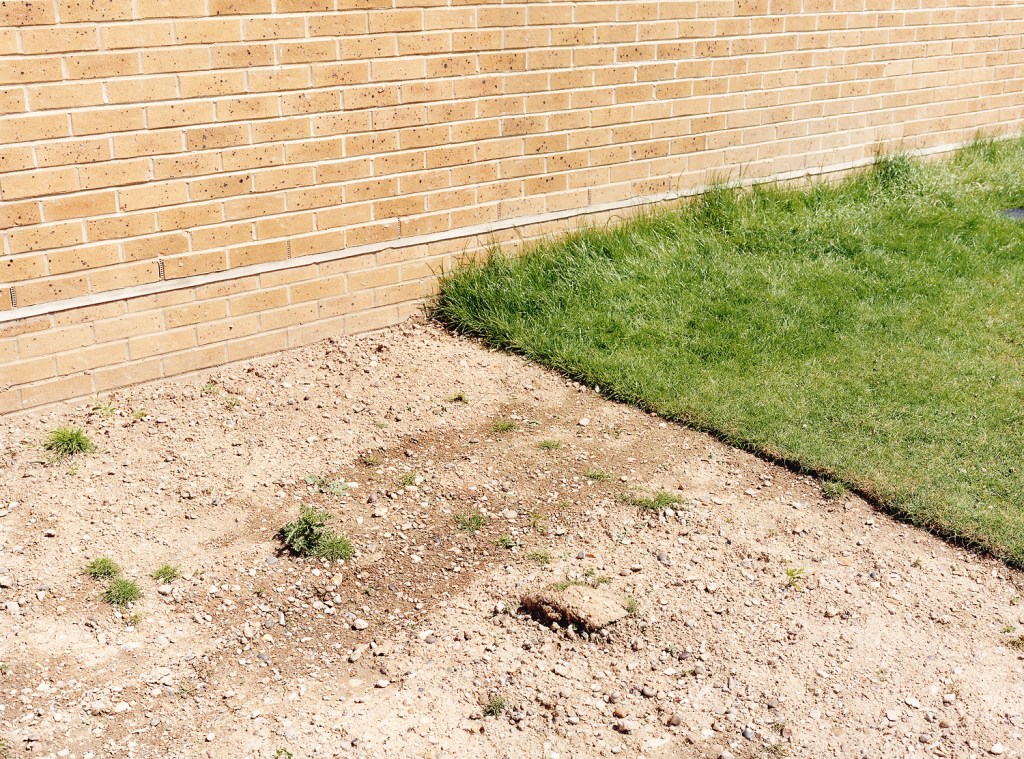
Subtopia
The British suburban can be looked at in two defined terms the Subtopia and the Exurbia. As towns and cities extend past the boundaries of pre-war suburbia, we start to see a class divide of those who have a little and those who have more. The term “Subtopia” was coined in the 1955 by the architectural journalist Ian Nairn, in response to a road trip from the south of Britain to the north. Nairn was reacting to the newly developed estates and how he felt the generic architectural blandness had produced “off the peg” developments, thus removing any sense of identity the town or city once had. Nairn goes on to set out in his manifesto:
“Places are different: Subtopia is the annihilation of the difference by attempting to make one type of scenery standard for town, suburb, countryside and wild. So what has to be done is to intensify the difference between places. This is the basic principle of visual planning – sociology, traffic circulation, industry, housing hygiene – are means. They all attempt to make life more rewarding, more healthy, less pointlessly arduous.” [Nairn 1955:Architecture review]
Exurbia
The migration of high earning workers from large cities such as London, has seen the growth of Exurban estates of larger houses, semi-dethatched or dethatched properties with ample parking (drive and garage) and good-sized front and rear gardens. A far cry from the new “affordable” estates and housing association-built dwellings that have reduced in size over the years. Exurbia is home to the commuters, bank managers, politicians, surgeons and company directors. Nestled into the British countryside the exurbanites can spend weekends walking the dogs emulating the country gent or landowner.
Exurbia – another phrase created in 1955 but this time by the author Augusta Comte Spectorsky in the seminal book “The Exurbanites”, which acts as a social documentary of post-war US and the middleclass populating the environs beyond suburbia.
Urbantopia
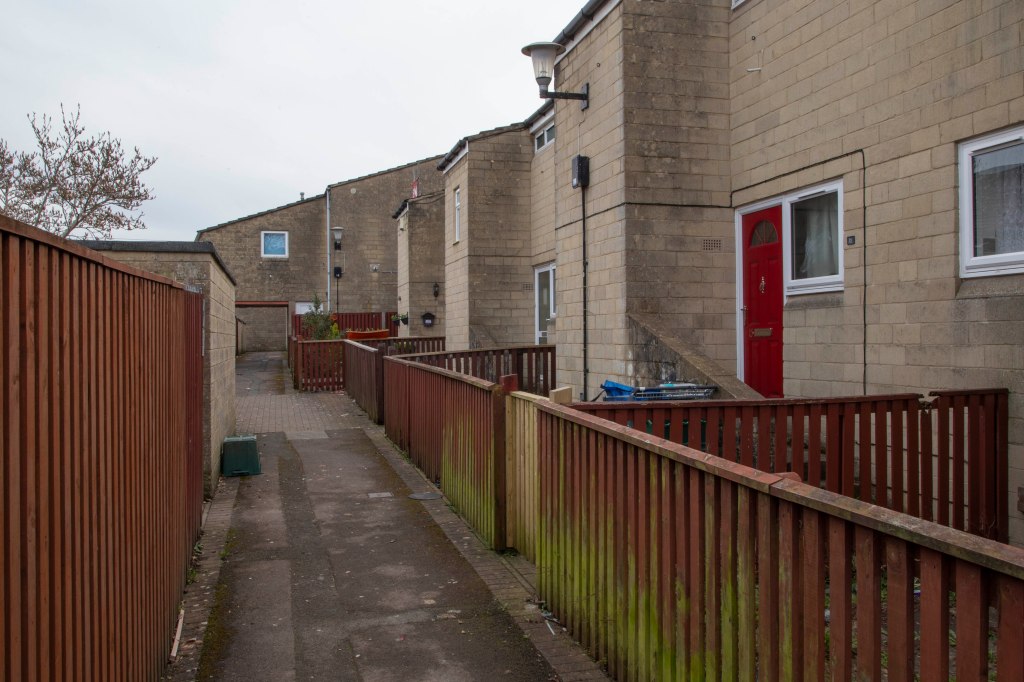
I find these two terms fascinating especially when applying them to the context of the images I make of the outskirts of Bath. There are clear distinctions between Subtopia and the Exurbs. The 1970’s estates in Twerton in the South, with as many small dwellings crammed in like a maze, compared to the spacious homes created at the same time to the North in Weston. I feel however that I’m drawn more towards subtopia, perhaps because I feel a kinship with the people who live on the fringes, I am kind of an outsider too. There is a familiarity to the space that reminds me of where I can from and who I am. Exurbia is an alien place to me and as such I feel out of kilter making images of such places. However, there is a space that occupies the space between the urban and suburban; I call it Urbatopia, the developed spaces of the 60s & 70s, blocks of flats, maisonettes, and sheltered homes. Maybe it’ll catch on..
References:
https://danielstier.com/London-fringes-1
Nairn, I ‘Outrage’ The Architectural Review 1 June 1955
Unnamed author “The Heritage of Historic Suburbs”, HELM – English Heritage
Images
Figure 1 – Bill Owens “Suburbia” 1972
https://www.picassomio.com/bill-owens/18674.html [Accessed 11/08/2021]
https://americansuburbx.com/2010/01/theory-bill-owens-suburbia-2000.html [Accessed 11/08/2021]
Figure 2 – Andy Feltham “Incidental Views”
https://andyfelthamphotography.com/incidentalview/6e3q6jury27k4o8l03ghrrxv3jjmvn [Accessed 11/08/2021]
Figure 3 – Daniel Stier “Frontier House”
https://www.aint-bad.com/article/2015/07/09/daniel-stier/ [Accessed 11/08/2021]
Figure 4 – Tim Beale “Urbantopia” 2021
 The Space Between