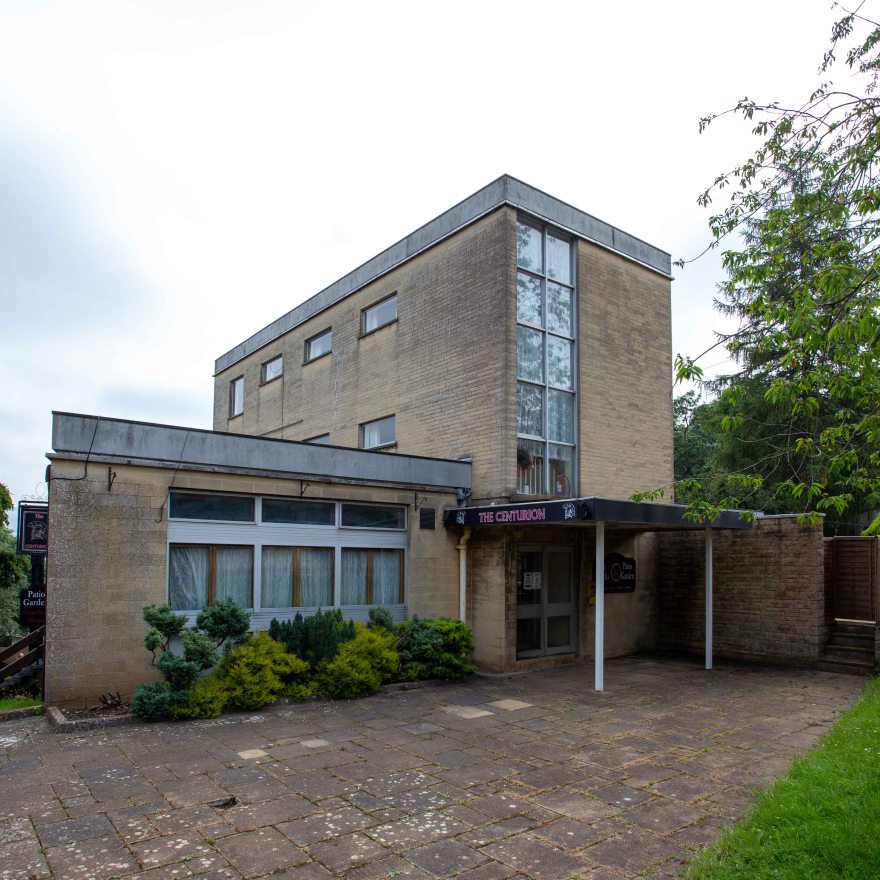
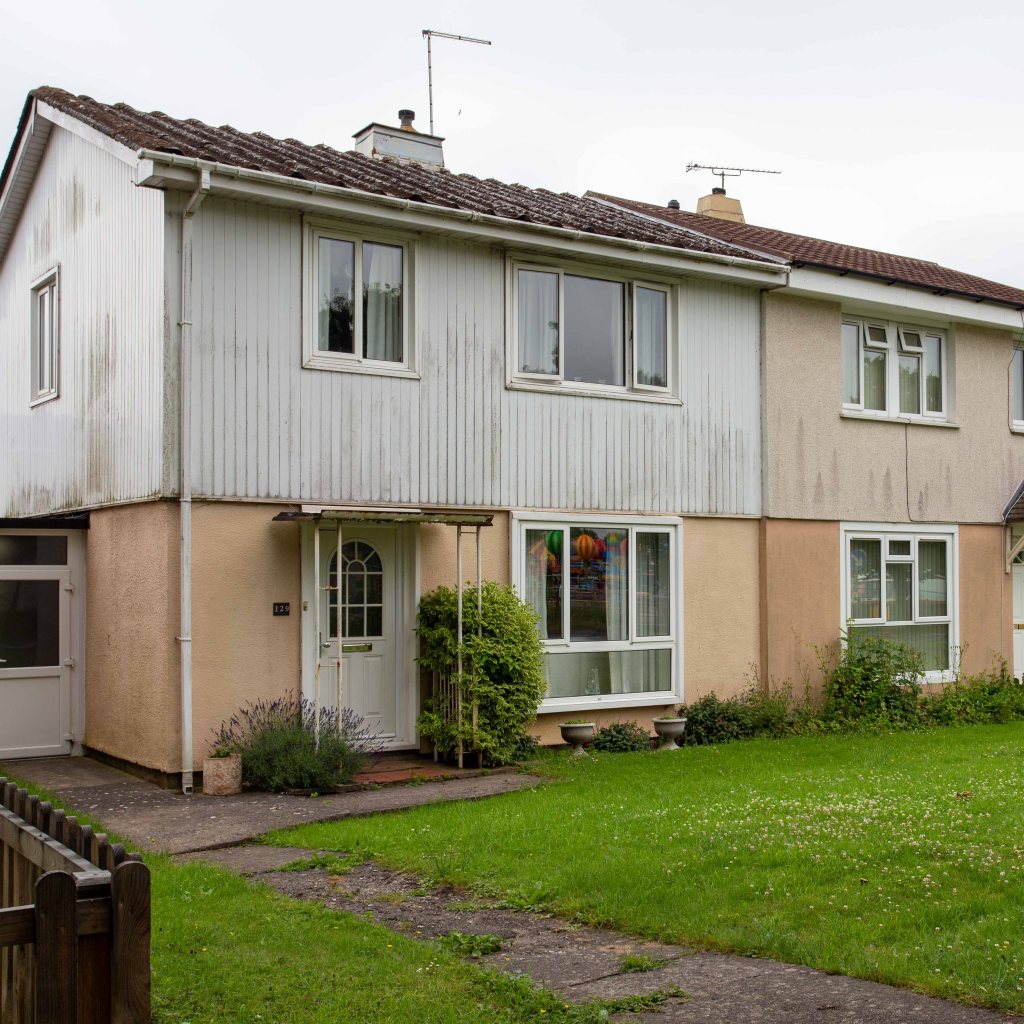
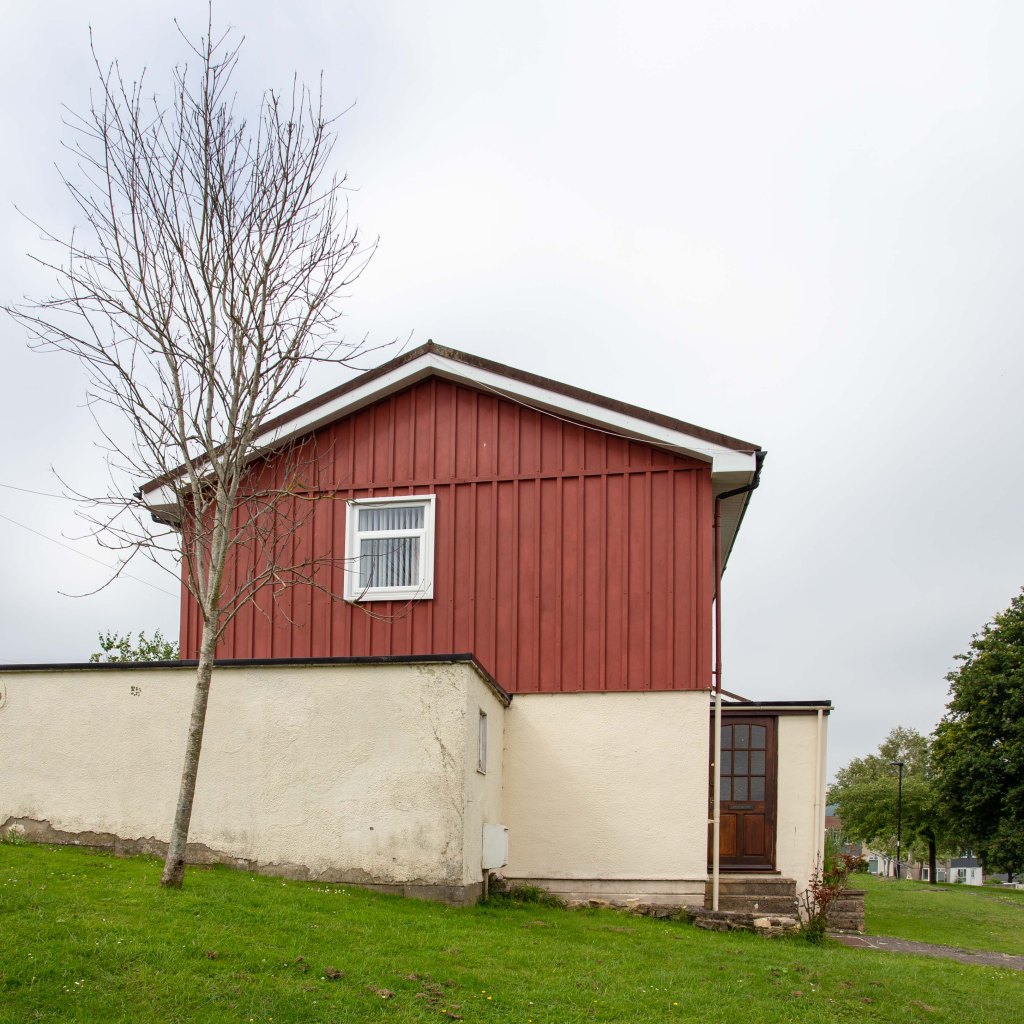
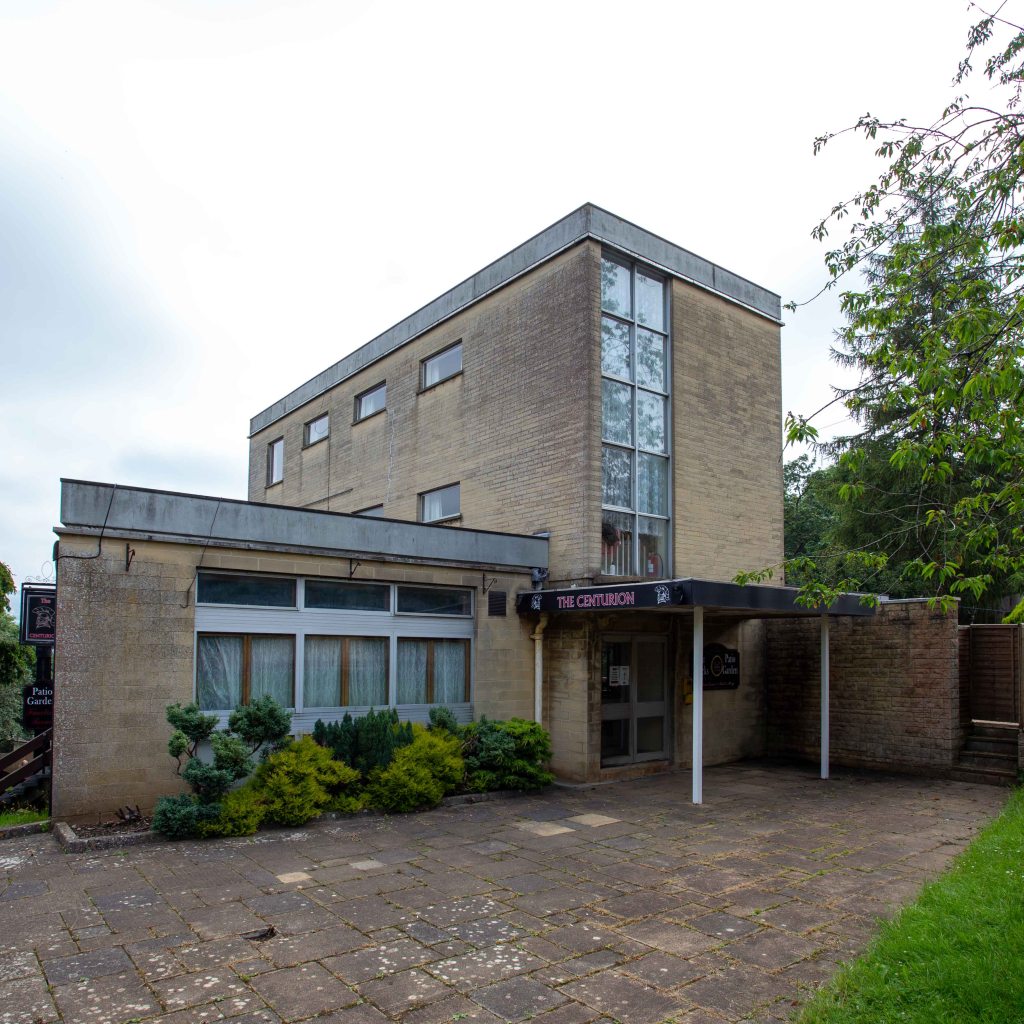
There is something to travelling the same route or visiting the same spot time and time again. You start to see things other may miss, the little details, the way light hits the side of a building at a specific time of day or year, the progress of the developing world, or its slow decay. As I move across Bath, from grand Georgian town houses in the centre, out to the grey monochrome of 1960’s Brutalist cramped estates, I am drawn to these less well of areas. There is a greater sense of community here, I think because people have to work harder to live here, they value what is around them more. Often though the well-manicured front gardens of suburban homes are juxtaposed next to poorer dilapidated homes. Like many photographers before me I feel drawn to what is familiar and having grown up in social housing, I feel a kinship to the people of areas such as Twerton, Southdown and Moorfields. I record the places I find as a way of building up a social history of a city that is famed for its tourist hotspots, rather than its many struggling residents.
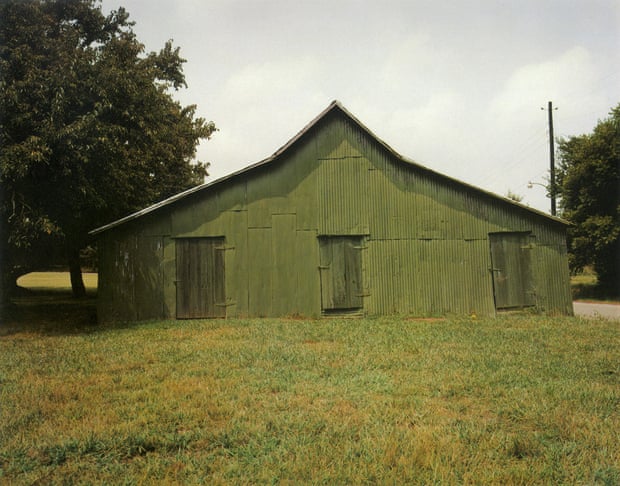
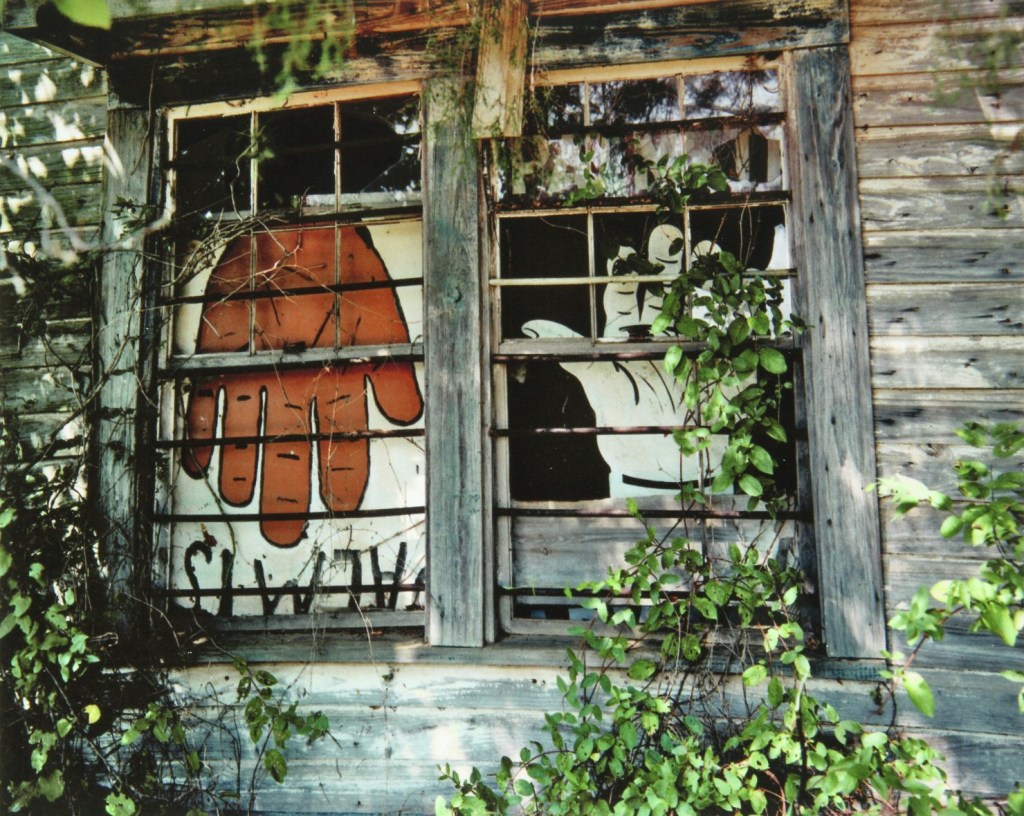
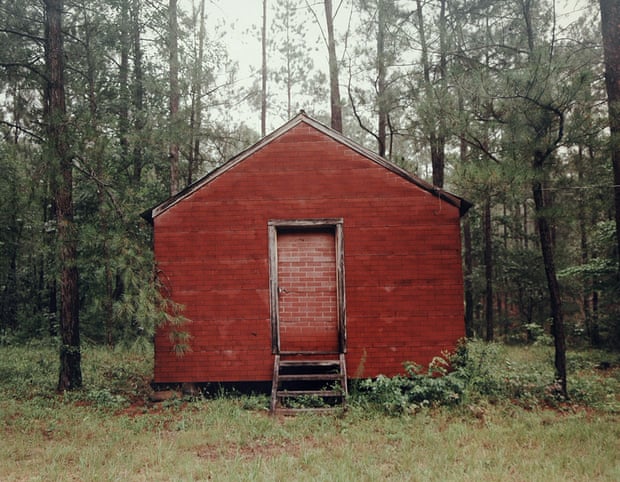
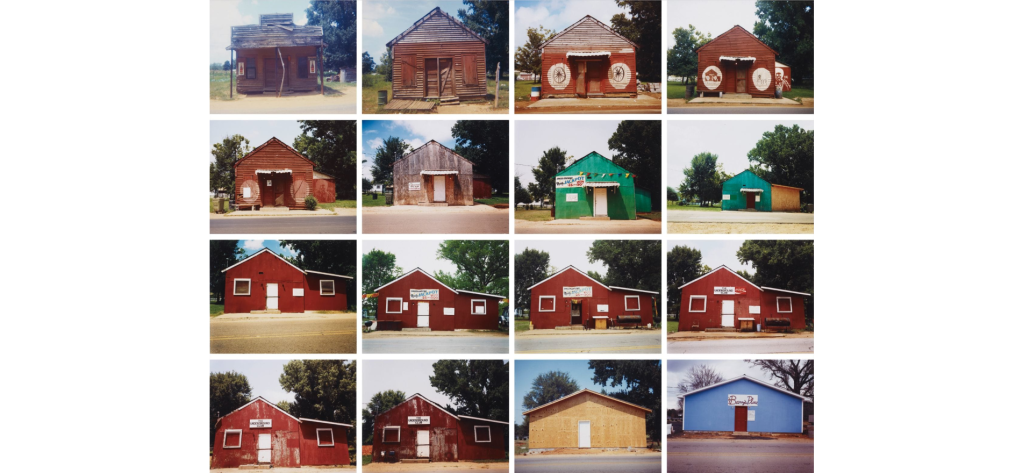
A fellow Falmouth University student put me onto the work of American artist William Christenberry, who has recorded the changing appearance of the deep south’s natural landscape and vernacular architecture in diverse formats and media since the early 1960s. His color photographs of loan dilapidated houses, rusted signage, winding dirt roads, and weathered exteriors present, prolonged studies of place that chronicle the passage of time. We can see in Christenberry’s imagery the influence of Walker Evans, in the way he documents the social landscape in all its grit and detail. When talking about photographing Hale county, one of the poorest areas in the American south Christenberry says:
“This is and always will be where my heart is,” “It is what I care about. Everything I want to say through my work comes out of my feelings about that place – its positive aspects and its negative aspects.” [Christenberry 2005:Guardian online]
Much of what Christenberry shows the viewer is in isolation to its surroundings, a warehouse, church, or detail of a window, is shown alone and devoid of human interaction. His images are simple things, often using a box brownie and occasionally an 8×10, there is a softness to the finished image, almost avoiding the technical constraints of image making we know today. Many of these images were later used by Christenberry as source material, to create sculptures, painting and collages.
In sharp contrast on the other side of the pond we had the photographer Chris Killip photographing the industrial landscape of northern England. Almost in polar opposition to Christenberry, Killip’s images are in sharp monochrome and feature people within their social landscape. Killip was also heavily influenced by Walker Evans and states:
“It was Evan’s coolness, about surviving McCarthyism, and all the things that Evans survived; and still you knew he had a distinct political position: it was in the work. Evans gave me a great heart about that. He had navigated much more difficult circumstances that I had. In America, he had to live through a much more charged political situation than the liberalism of England. In America, it’s much more of a minefield for people who are not of the Right.” [Killip 2012:aperture magazine]
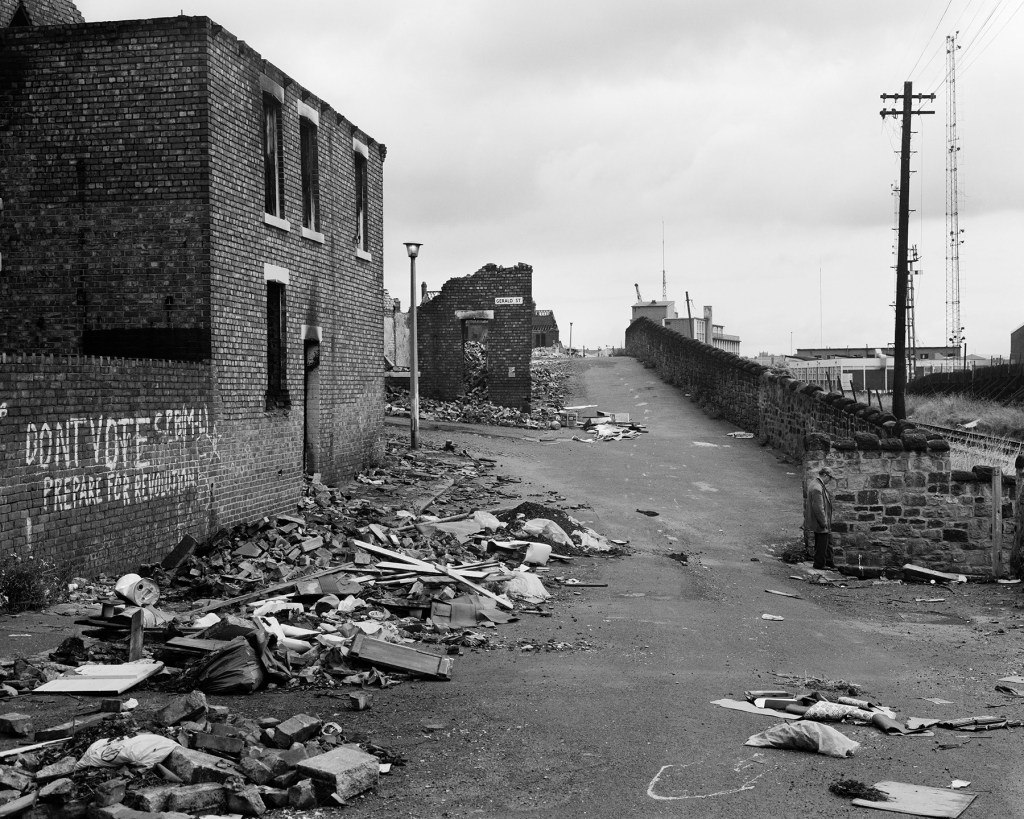
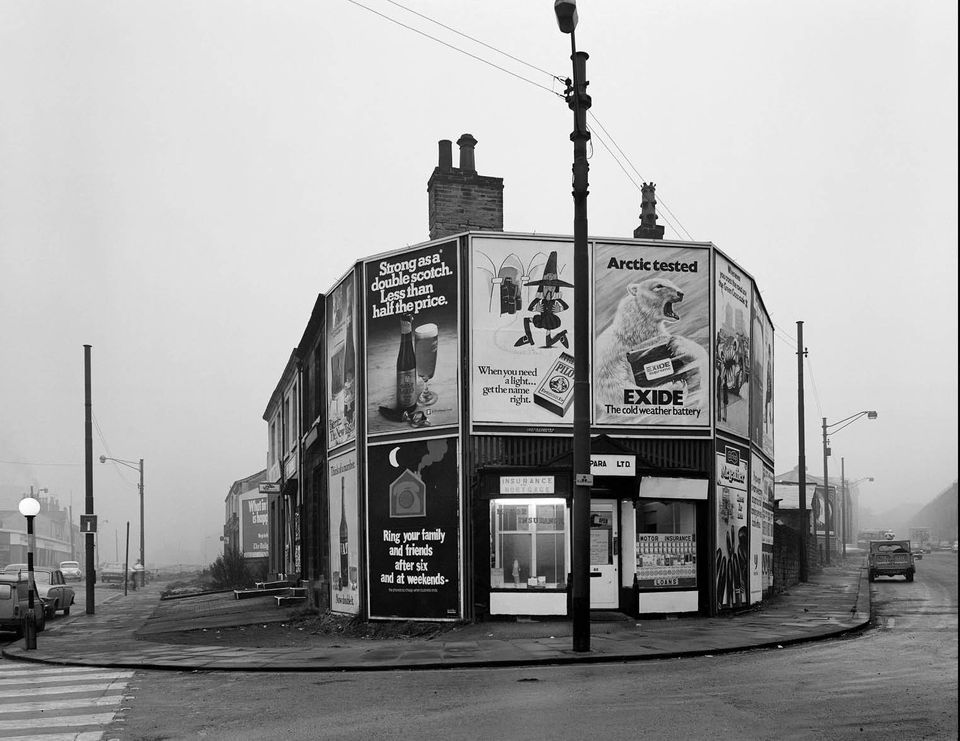
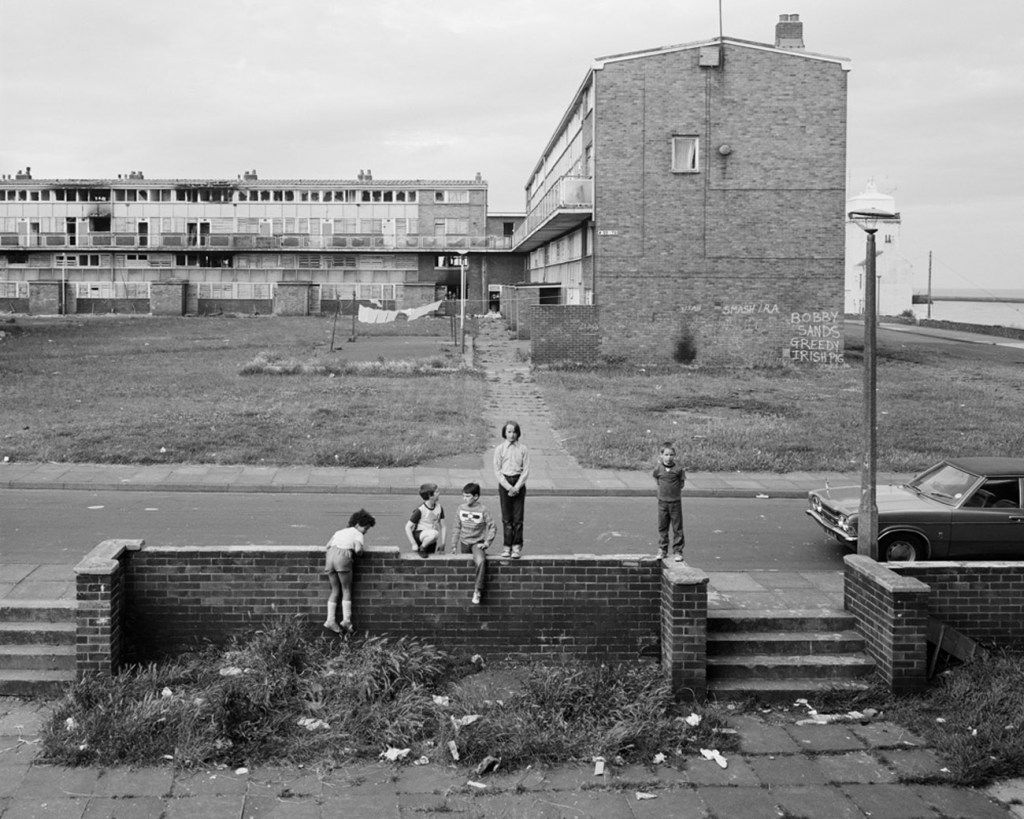
But its Killips images of the urban landscape that speak to me, the use of deep contrasted black and white adds to the bleakness of the subject matter. Unlike Christenberry, there’s little mystery to Killips images, all is laid bare for all to see. The harsh reality of homes crammed in with industrial units and yet the sense of unity of the people who dwell there. Not unlike the residents of the outskirts of Bath, these are people doing the best with what they have.
I feel that my own practice sits in a place somewhere in-between that of Killip and Christenberry, using a mix of isolated images of place alongside those of communities to create a contemporary view of the reality of living in the UK today.
References
https://www.lensculture.com/articles/william-christenberry-william-christenberry
https://www.theguardian.com/artanddesign/2016/dec/04/william-christenberry-obituary
https://www.phillips.com/detail/william-christenberry/UK040213/70
https://www.galleriesnow.net/shows/william-christenberry-summer-winter/
https://chriskillip.com/interviews.html
https://www.x-traonline.org/article/photography-at-the-end-of-industry
Images
Figure 1 William Christenberry “Green warehouse” 1978, “Palmist building” 1961, “Red Building in forest” 1983 various buildings of the south.
Fgure 2 Chris Killip “Demolished housing Wallsend” 1977, “Shop fronts, Huddersfield” 1974, “housing Estate, North shields, Tyneside” 1981
 The Space Between