In a world saturated in images can one image have an impact on the viewing public in such a way as images did some thirty or more years ago? When we recall the Live Aid campaign of the 1980’s we draw up images of extreme famine and that of starving children. Many, if not all these images were brought to use through newspapers, TV news and bill boards, taken by the photographer Sebastiao Selgado [fig 1]. I recall these images and the shock of seeing humans in such a condition at the brink of death, and I recall the shock I felt. Jumping forward a decade, as these images became more common place, the shock we felt became numbed and we are left desensitized. We then see a new global catastrophe in the first Gulf War, in Kuwait, again via the lens of Salgado. Gone are the starving children, replaced by dirty, hard faced oil workers and fire fighters, fighting fires and wrestling with oil erupting from the ground [fig 2]. This form of concerned photography had an impact at the time of these world events, particularly raising public awareness to the war or plight of third world countries.
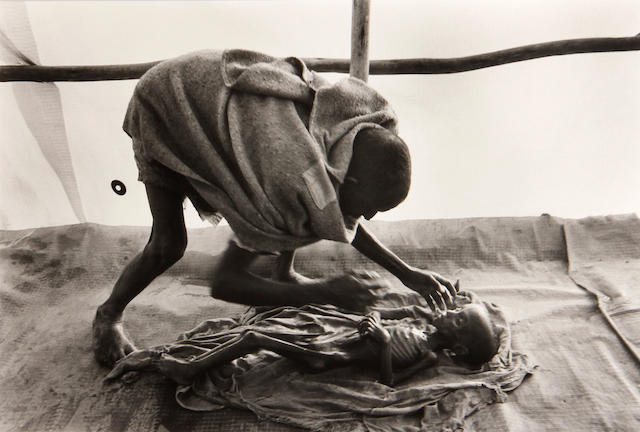
Fig 1 Salgado ‘Preparing a child for burial’ 1984 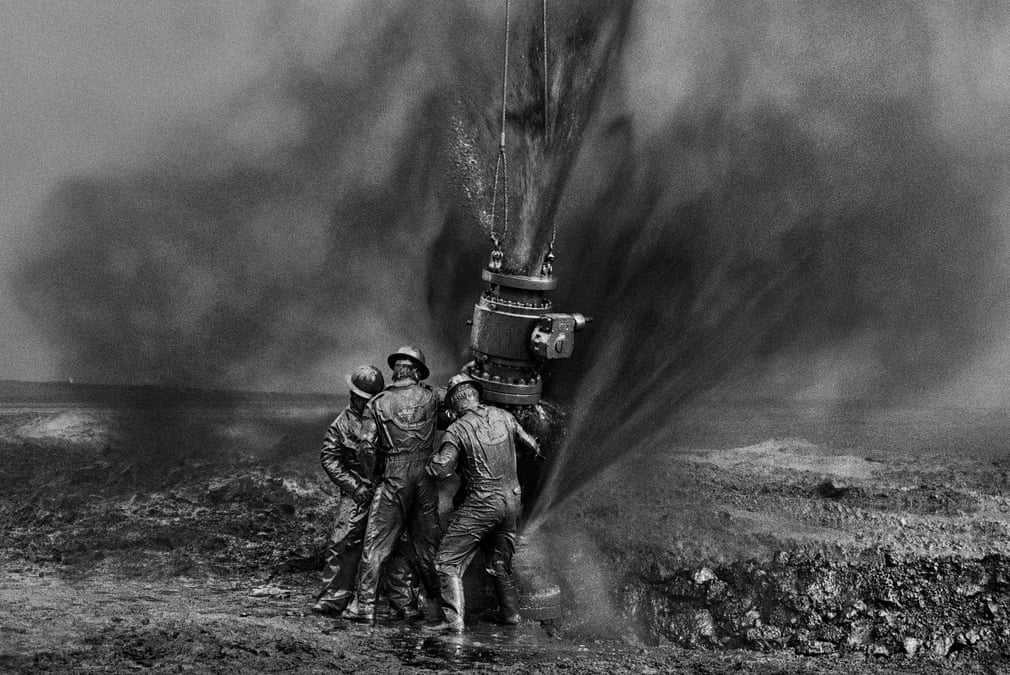
Fig 2 Salgado ‘Capping oil rig in Kuwait’ 1991
However, Salgado has come under criticism for his images, in particular form Ingrid Sischy in her review of Salgado’s 1991 exhibition at New York’s International Center of Photography. Sischy argues that Salgado was more concerned with the composition of an image, and not in fact capturing the truth of the events unfolding in front of him. Sischy also makes reference to Salgado’s attempts to draw out religious motifs from his constructed images:
“His compositions, crops, lighting, angles and toning stand in sharp contrast to the usual lack of insistent style in photojournalism. He goes in for Aura. What’s more, many of his photographs suggest both religious art and the kitsch product resulting from the commercialization of religion…It is work that is sloppy with symbolism.” [Sischy 1991:NY Times]
Perhaps the one aspect of Salgado’s practice that can be questioned is his commercialization of the work he produces. Certainly, in the 80s and 90s Salgado would create books and exhibitions to run in parallel to media coverage of the global events he photographed as with the 1991 ICP exhibition featuring the oil wars in Kuwait. Was this level of promotion and commercialization a useful tool for engaging an audience as a method of educating the public of these events or merely a tool for self-promotion? One can argue for the latter case given the limited audience that exhibitions and the expensive photo books attract, that of the wealthy and upper middle class. Either way, what we can say is that Salgado’s images worked at that time but the cost may have been a desensitization of the viewing public eye.
Shocking images now come from a different source; the days of the photojournalist are pretty much over as we see the rise of the Citizen journalist. The advent of the camera on the mobile phone and events of 9/11 were pivotal in securing the future for citizen journalism. Never before could video or photographs be presented by the media ‘as it happened’ in real time. The footage taken by the public presented us with a new form of shock as we saw the story unfold. With 24hr news broadcasts and near instantaneous updates via social media access to images, footage of an event is presented straight to the devices in our hand. Rarely do we question the truth of these images, after all is a thousand people post images of the same event happening at the same time there can be no question of clever editing by media sources. Or can there?
I feel the days of a single image making the same impact as Salgado’s images from Ethiopia and Kuwait are now past. We have become cynical and desensitized to such images through over saturation, the media have all but stopped using them. 9/11 and footage since has given us a new perspective of the world, that of the first player in a video game, our own action movie. One could ask where has the ‘real world’ gone?
References
Sischy, Ingrid (1991) ‘Good Intentions’ in The New Yorker (9th September 1991).
Images
Figure 1 Salgado, S “A Body Being Prepared for Burial, Korem Camp, Ethiopia”, 1984 https://www.bonhams.com/auctions/22398/lot/5051/ [Accessed 22.03.2021]
Figure 2 Salgado, S “Concerted efforts to bring the fires and other damage under control” 1991 https://www.theguardian.com/environment/gallery/2016/nov/21/kuwait-a-desert-on-fire-by-sebastiao-salgado [Accessed 25.03.2021]
 The Space Between