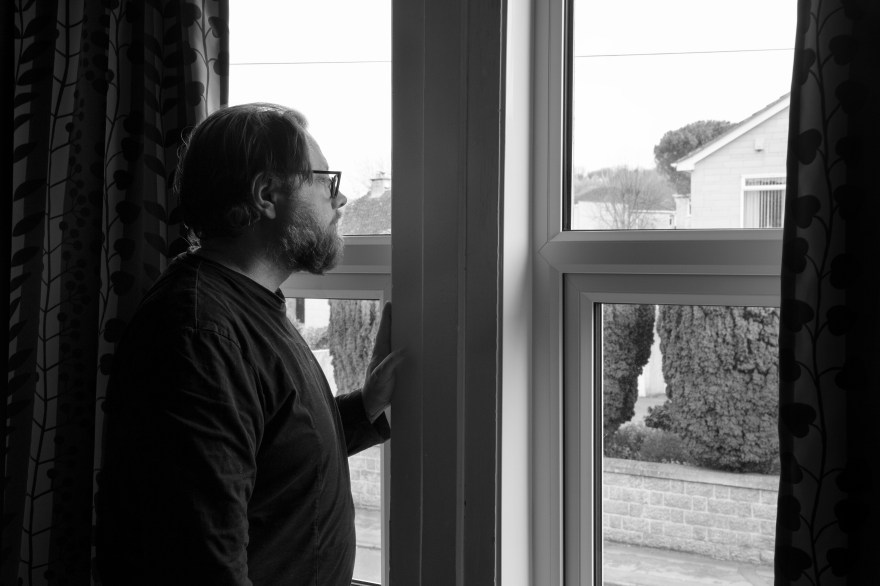

When reflecting upon my own practice, in particular when travelling, I have always tended to feel uncomfortable with taking photos of ‘local’ with a tendency towards making images of tourists. This reluctance, clear to me now, directly links to my own ethics and a desire for truth within my images. I felt that by not truly knowing the ‘locals’ or their life stories I was not in a position to represent them. The images from media sources such as National Geographic have delivered the world to our doorsteps for decades and often we see these edited images as objects of the exotic. Rarely do we challenge these images as misrepresentative, but they clearly are and as such give us, the viewers, a skewed ideology of the world beyond our economic borders.
Talking about early British, European and American photography, Liz Wells uses the writing of Sylvia Harvey to describe early representational images as “Generally, it was photographers from the middle and upper classes who sought images of the poor for the purposes which included curiosity, philanthropy and sociology, but also policing and social control.” [Harvey in Wells 2010:252]
Clearly this first world misrepresentation is not something new and has gone unchallenged for some time.
In my practice now, I look to use self-portraiture to place myself in the footprint of those I seek to represent as way of mitigating the risk of misrepresentation. Wishing to avoid what can be seen a stereo type of working class image, that of the ruddy faced, hard done by family. Karin E. Becker discusses tabloid press images of ordinary people in terms of socioeconomic tropes, the labourer, bricklayer, or factory worker:
“Most photographs in the tabloid are in fact very plain. They present people who appear quite ordinary, usually in their everyday surroundings: a family sitting around a kitchen table or on their living room sofa, couples and friends embracing, children with their pets. Sometimes the people in the photographs are holding objects that appear slightly out of place, so that we see the objects as ‘evidence’ : a women hugging a child’s toy, or presenting a photograph to the camera, for example. Sometimes the setting itself is the evidence behind the formal pose: a woman standing next to a grave, or a man sitting in the drivers seat of a taxi. Their faces often express strong emotion, easy to read as joy or sorrow.” [Becker in Wells 2010:298]
Headlines or further words act as anchorage linking the image to the story, Becker gives examples to this:
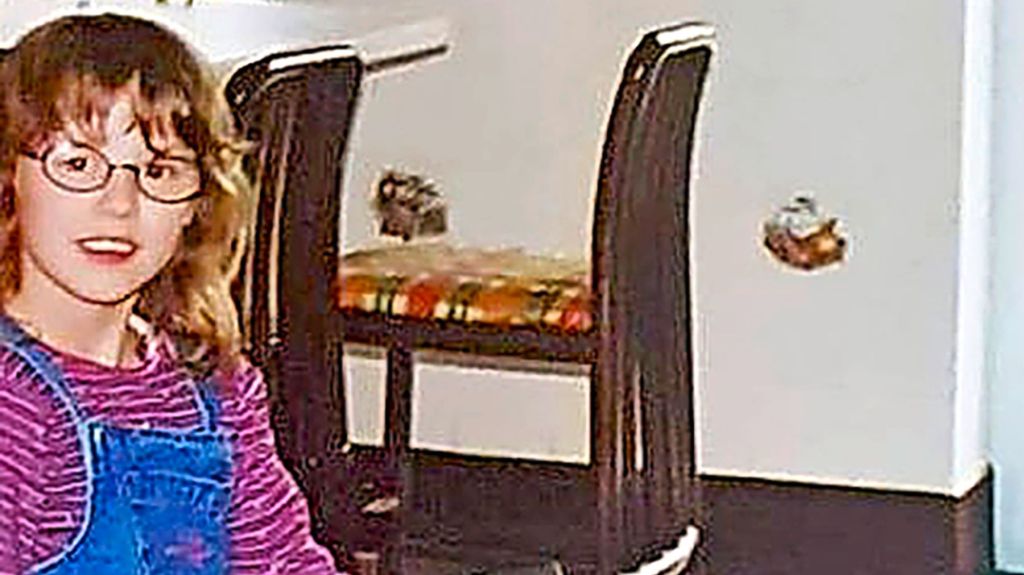
Fig 1. I was forced to watch Mum being murdered, Take a break magazine 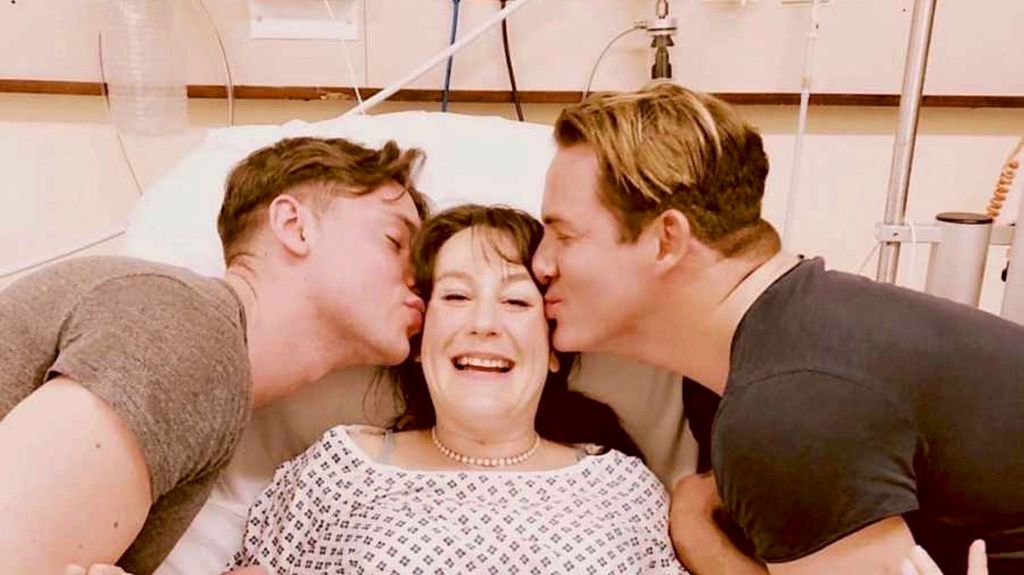
Fig 2. Drama at the birth, Take a break magazine
“‘Pals for years’, the two happy embracing women never dreamed that they were lost sisters who had been separated at birth.” [Beker in Wells 2010:298]
Without this anchorage the photograph loses context and becomes another vernacular photograph from the family album. However, the deliberate construction of these images resonates with the reader, the straight on, eye to eye level positioning mirror the less formal approach more familiar with the ordinary person.
Targeting the working class families with it’s competitions, and ‘Real’ life stories juxtaposed with the latest celebrity scandal, Take a break magazine is a platform that describes itself as: [Figures 1&2]
“Take a Break not only delivers the sharpest, most original and entertaining magazine in the market, but also an unrivalled sense of community and loyalty that places it at the heart of the family.” [Greatmagazines.co.uk accessed 15.3.2021]
Take a breaks use of subject supplied images and constructed vernacular photographs further instils a magazine that talks to the ordinary person, the family and working class.
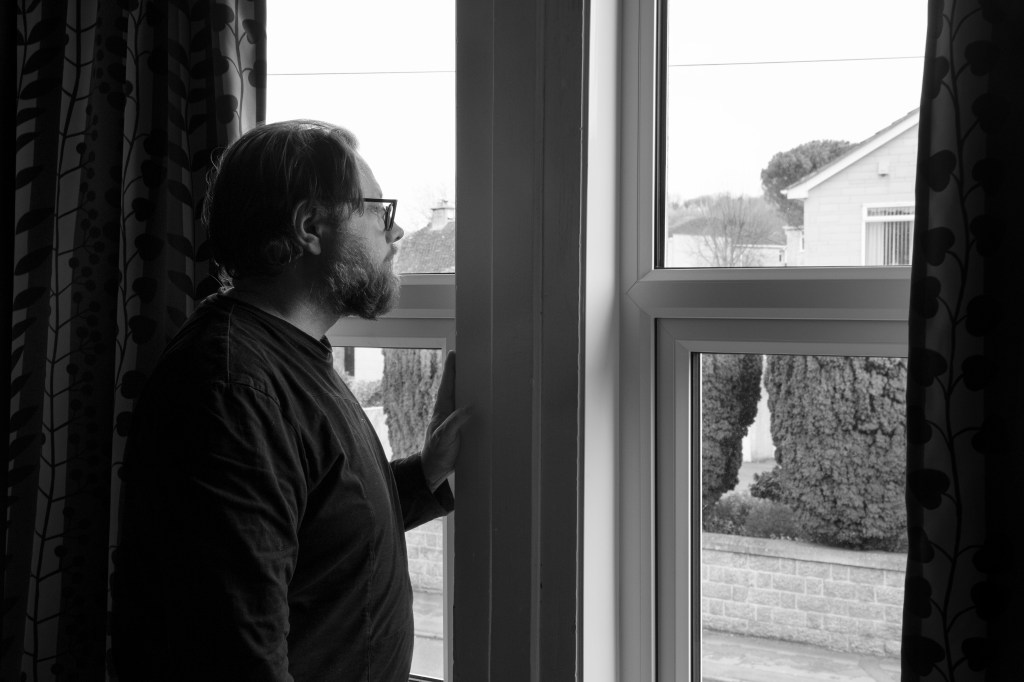
I have chosen to explore the socioeconomic sector that is familiar to me, having grown up and find myself living in today. I see myself as observer seeking a neutrality and truth to my images. I am aiming to create images that are both artistic and anthropological. This can only be achieved by interaction and collaboration between myself and subject, exploring social locality and the essence of home by building up a relationship off mutual trust. Use of tabloid wording will challenge the viewer with an opposing reading [Figure 3] as a metaphor for social documentary norms.
References
Becker E. Karin. Photojournalism and the tabloid press, in Wells, Liz (2010) The photography Reader, Routlidge
Harvey, S. Who wants to know what and why?, in Wells, Liz (2010) The photography Reader, Routlidge
Images
Figures 1&2 Take a Break magazine articles, https://takeabreak.co.uk/magazine/latest-issue/4/ [Accessed 15/03/2021]
Figure 3 Trapped in the house for 360 days, Tim Beale 2021
 The Space Between