“The space between” is a project born out of my exploration of how the natural and built environment has helped to shape the person I am. This project was born out of my fascination of the emotional bonds we have with our environment, how those bonds and links strengthen during the course of our lives. Often when we recall a memory of a key life event we will associate that memory with place, the house we grew up in, the school we went to, church we married or graveyard are parents are buried.
“Biophilia is idea that humans possess an innate tendency to seek connections with nature and other forms of life.” (Rogers 2019).
Within my images I set out on a personal journey to explore the places of nature that I have a subconscious bond. From an early age I would often spend much of my time escaping to nature, even skipping school so that I could go for long walks in the woods and planning imaginary journeys to Sherwood Forest. Jeff Wall’s tableau photography has been a source of inspiration for my practice so I looked to adopt a similar style to my own work for this project.
As one of the most prolific users of the tableau is Jeff Wall who’s images are created from scenes he has witnessed or memories, these he meticulously recreates. Wall’s exhibition ‘Tableau Pictures Photographs’ 1996-2013 we see images such as ‘Flooded Grave’ in which an open grave has been filled with water and sea life, such as star fish and sea urchins. This is typical of the way in which Wall plays with the tension between the real and the unreal. For Wall it is the way in which we fill voids with our daydreams, in our daydreams we see what isn’t there (Poel & Schweiger 2014). When exhibiting his work, Wall uses large light boxes to display his colour images, giving them a luminosity that adds a hyper real quality to them which is turn confronts the viewer with the drama in front of them. The images become more than a photo and more akin to a lit stage. Wall a post graduate in art history has a deep understanding of how space is full of relationships and how to construct a visual scene for the viewer.
“they [Wall’s images] are evidence of a detailed comprehension of how pictures should work and are constructed.” (Cotton 2004:51)
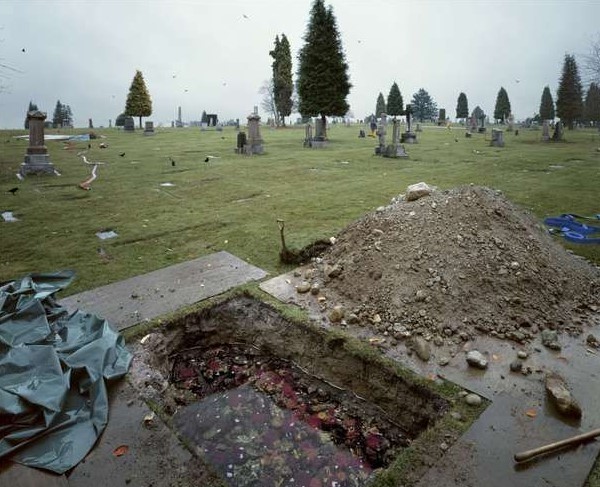
In my own imagery I have attempted to engage the view, giving them a glimpse of a story, just enough to leave them to create their own story. The choice of clothing colour was made prior to the shoot so as to achieve two factors, 1) not to overly blend in with nature and 2) not to stand out so as to distract the viewer’s gaze. The following images were used in my last WIP portfolio as I felt the to be reflect what I’d set out to achieve.
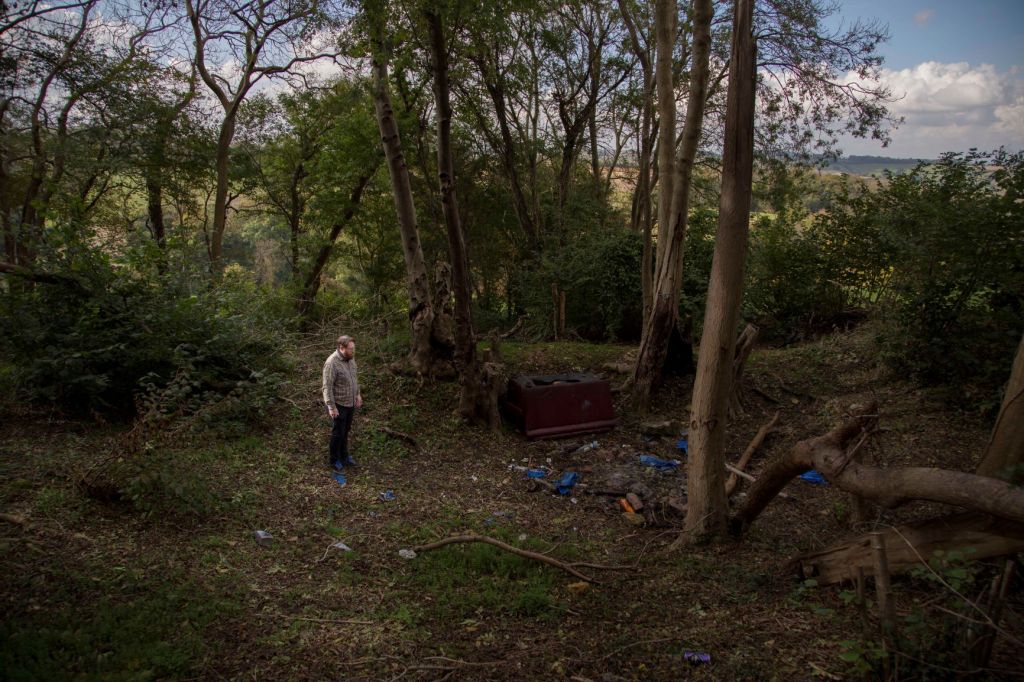
Fig 2. I come from a broken home, Tim Beale. 2020 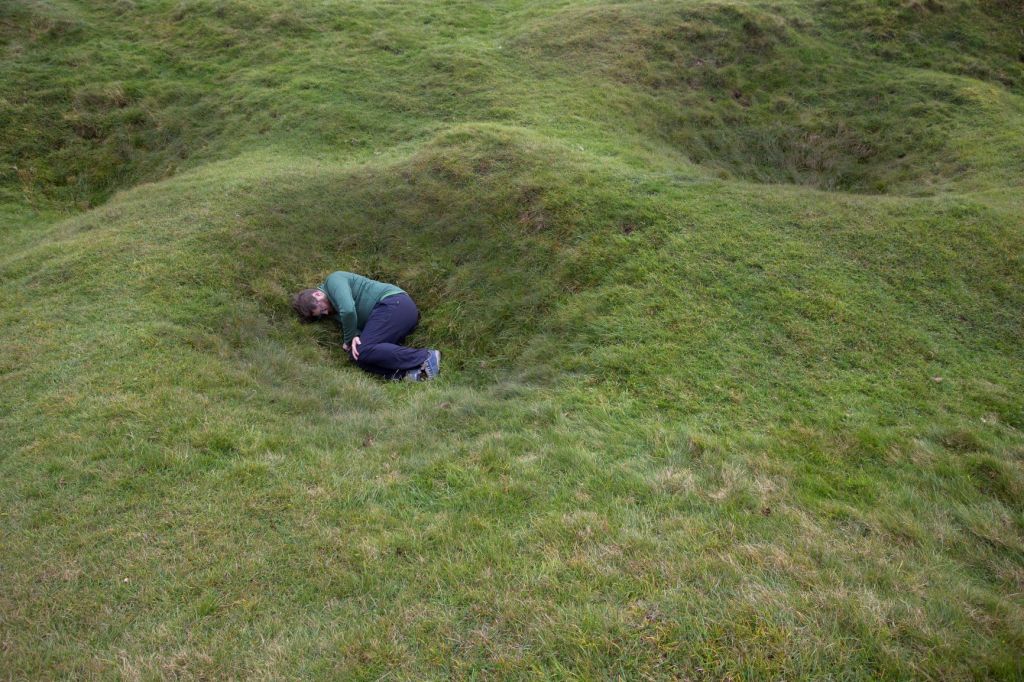
Fig 3. Birth, Tim Beale. 2020
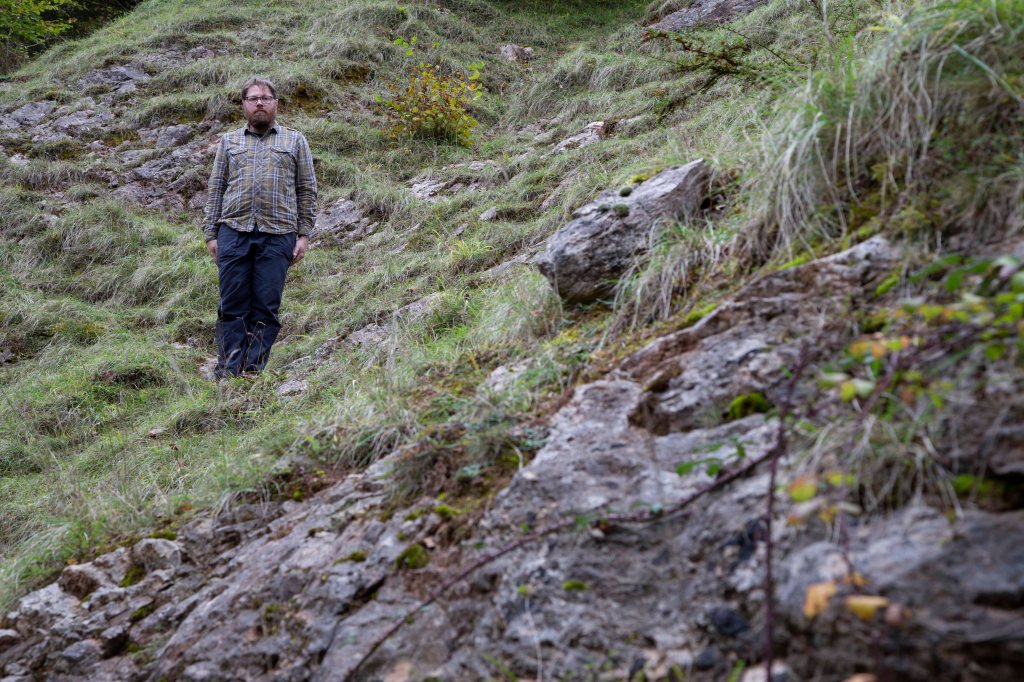
Fig 4. Untitled, Tim Beale. 2020 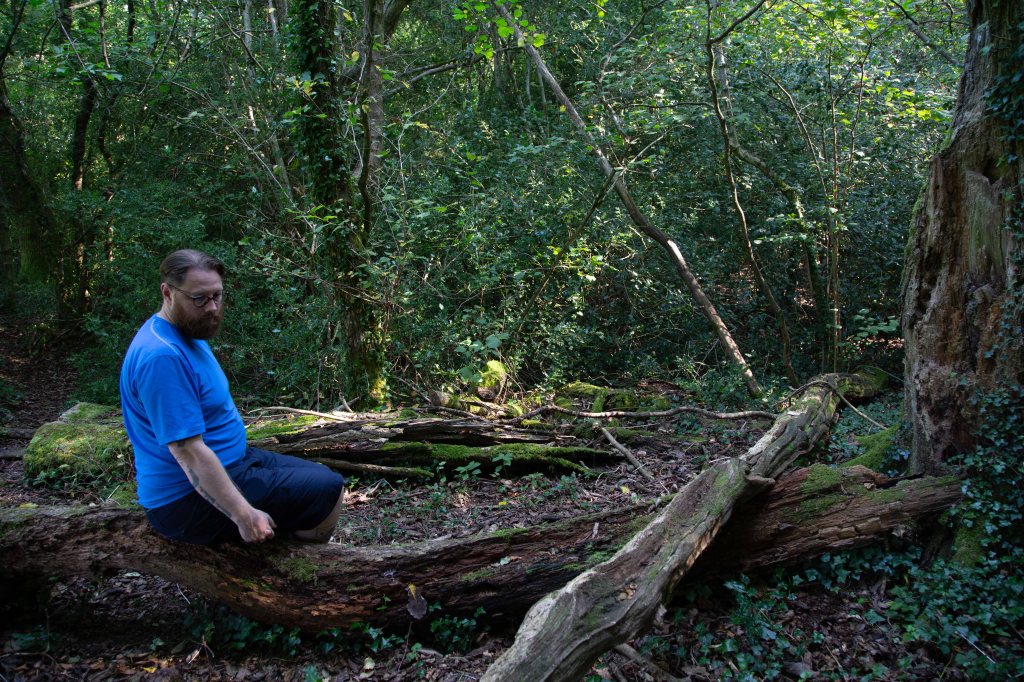
Fig 5. Untitled, Tim Beale. 2020
July 2020, shortly after the initial lockdown ended I took a trip back up to the midlands, Derby, to visit my Dad and step mum. This was also an opportunity to walk the streets, where I once played and visit some of the places that helped shape the person I am today. Then in September my dad died unexpectedly, this sudden loss has had a profound effect on me. My immediate response to the news was to try to escape and loose myself in the woods. I found this time spent, walking and thinking about my dad and my childhood has given me sense of clarity and focus.
I grew up in Derby, an industrial city made up of vernacular terraced housing and Victorian industrial buildings but surrounded by some of the most stunning landscapes in the country. The city was made for work and as such the people who live there are good practical, hard working people. Now some 20 years on after leaving Derby I find myself living in Bath, a city built for pleasure with grand Georgian houses. Two very different cities however each city has a communality (and like most UK towns and cities), the need to maintain something of nature. Walking the streets of our cities you can see nature given a space to flourish, gardens, parks or avenues of trees lining the roads. This notion of suburban nature is something I plan on exploring more during the next few months.
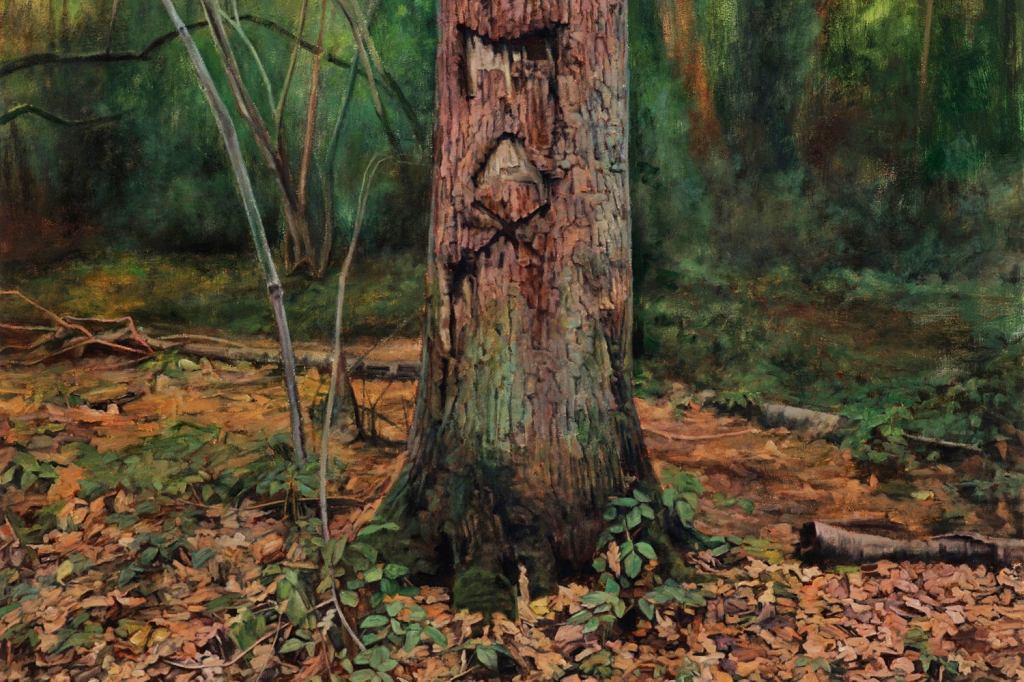
Fig. 6 George Shaw, Scenes from the Passion, 2002 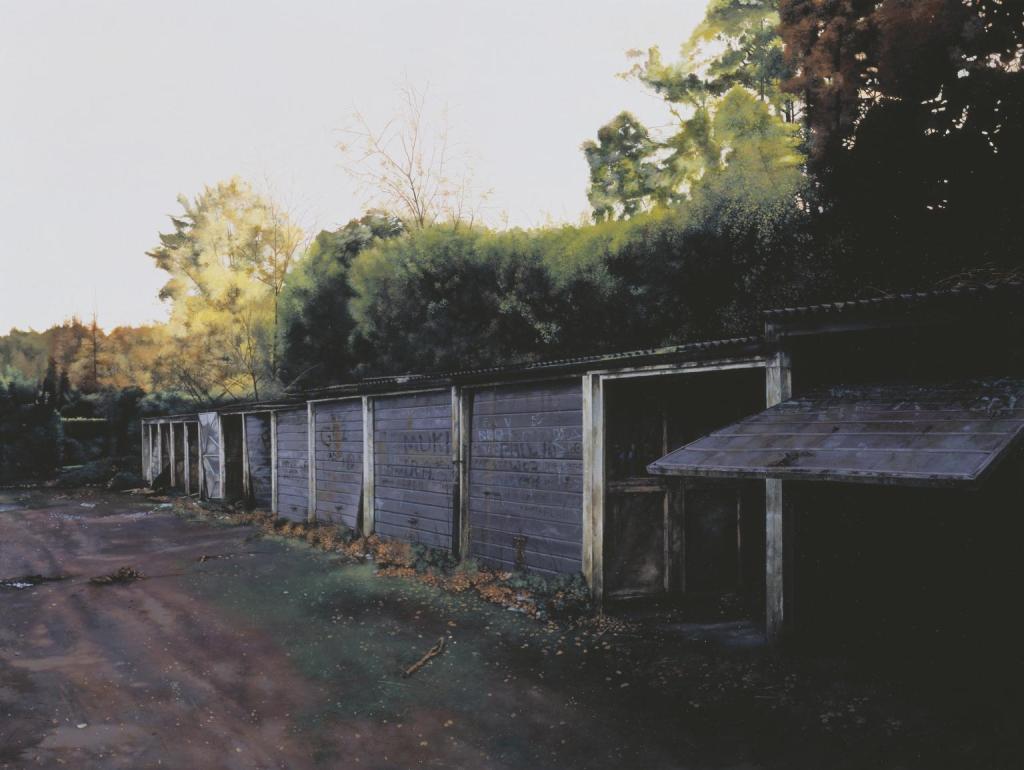
Fig. 7 George Shaw, Scenes from the Passion, 2002 
Fig. 8 George Shaw, Scenes from the Passion, 2002
I was recently introduced to the work of a painter who also comes from the midlands George Shawafter sharing a number of my recent photographic works with a friend as he felt their were a number of striking similarities between our practices. Shaw who produces realistic images using humbrol paint on board, a paint I am familiar with from hours spent building airfix models as a kid with my dad. This unconventional medium for painting fits well with Shaw’s unconventional subject matter of council estates in the midlands. Again another similarity with my own upbringing in the midlands.
On first viewing Shaw’s paintings of middle England, I was struck with how the image, which has a photographic quality to it, seemed so familiar. Looking through a batch of recent images of alleyways and side streets I can across my own, unwitting, interpretation. Shaw’s images brought back memories of growing up in the midlands and as such the realisation hit me that this is why I have this odd fascination with alleyways and back streets.
“The drizzly visions of an empty, every man England transcend their bleak settings, inviting viewers to project on to them their own childhood ennui. A rope dangling from a tree, a lock-up garage left open, a broken goalpost: each one suggests possible youthful adventures – or traumas.” Tim Jonze (Jonze 2019:online)
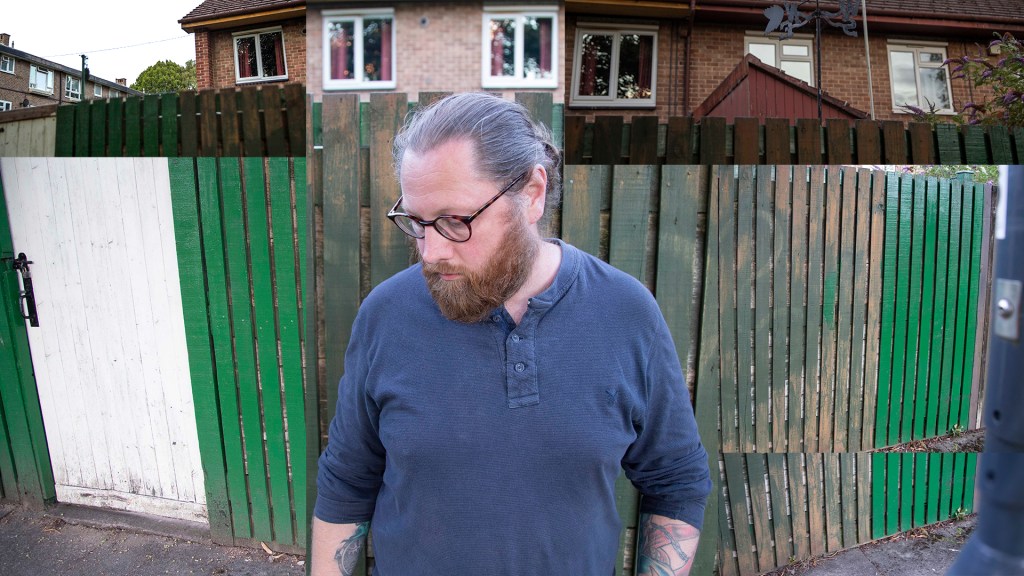
With a desire to explore city nature further,I took to the streets of Bath, not the grand Georgian city people are familiar with but the out of town suburban areas on the outskirts, my Bath.I want to remain true to the core concept of how nature influences our mental state, be it positive or negative, whilst documenting the use of nature in suburban places, such as those I grew up in.
More recently I’ve been inspired by Todd Hido’s – House hunting series of images and have begun shooting at night. I saw in Hido’s images of suburban housing, a sense of mystery, suspense and just a little threat. Hido drives along ‘anonymous’ American streets, most likely in his home of San Francisco Bay area in the US, at night using the light from street lamps to capture images homes devoid of inhabitants.
‘I take photographs of houses at night because I wonder about the families inside them,’ ‘I wonder about how people live, and the act of taking that photograph is a meditation.’ Todd Hido (Christie’s 2017:YouTube)
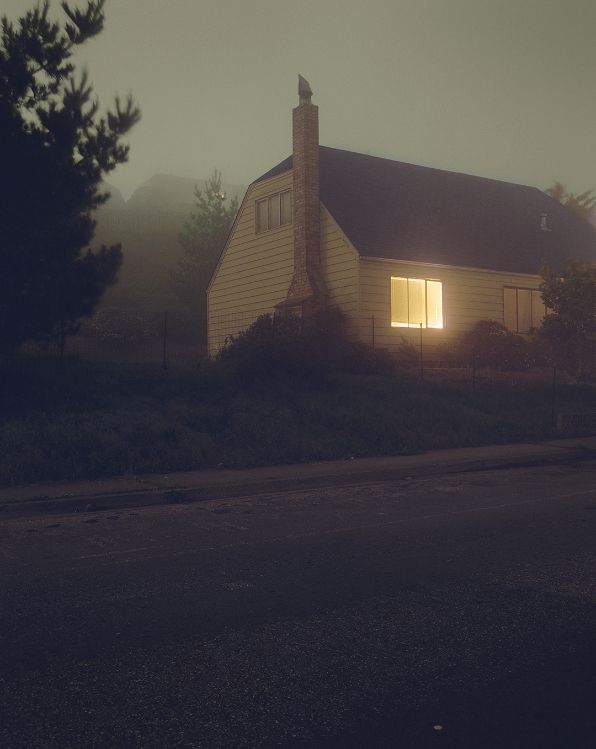
Fig 10. Todd Hido, 1997. #2027-b 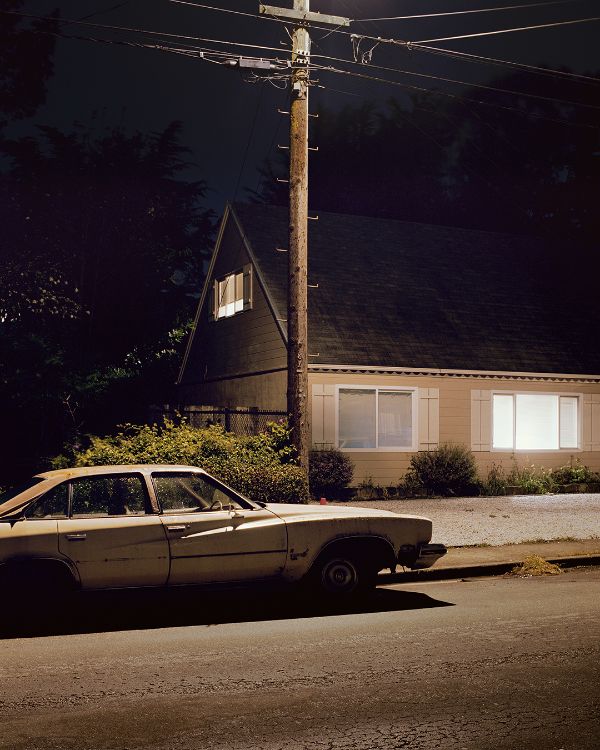
Fig 11. Todd Hido, 1997. #2027-a
I chose to photograph at night as the quality and effect street lighting can give offers something quite unique. I could have chosen to introduce lighting with flesh or lamp but this seemed unnatural, forced and unnecessary. Trees take on a more central role not having to compete with houses, as these recede into the background. Initially I dismissed the out of focus, blurred images but the more I looked at these the more they spoke to me. The fact that they are blurred not unlike our memories of growing up, some are clear and sharp whereas others are hazy and unfocused.
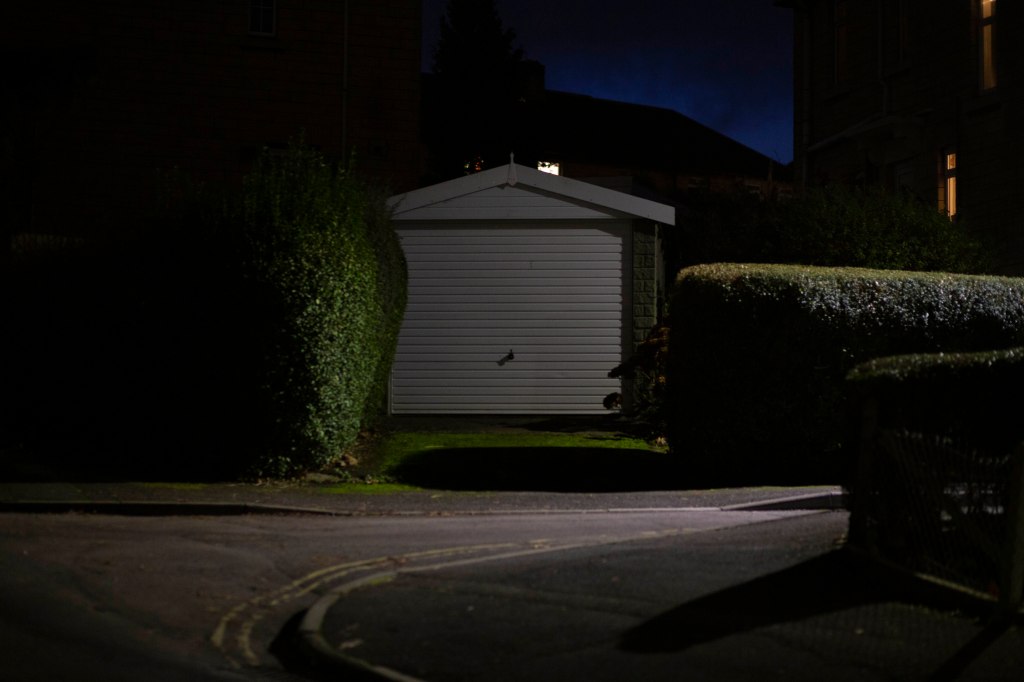
Fig 12. Tim Beale 2021. Untitled 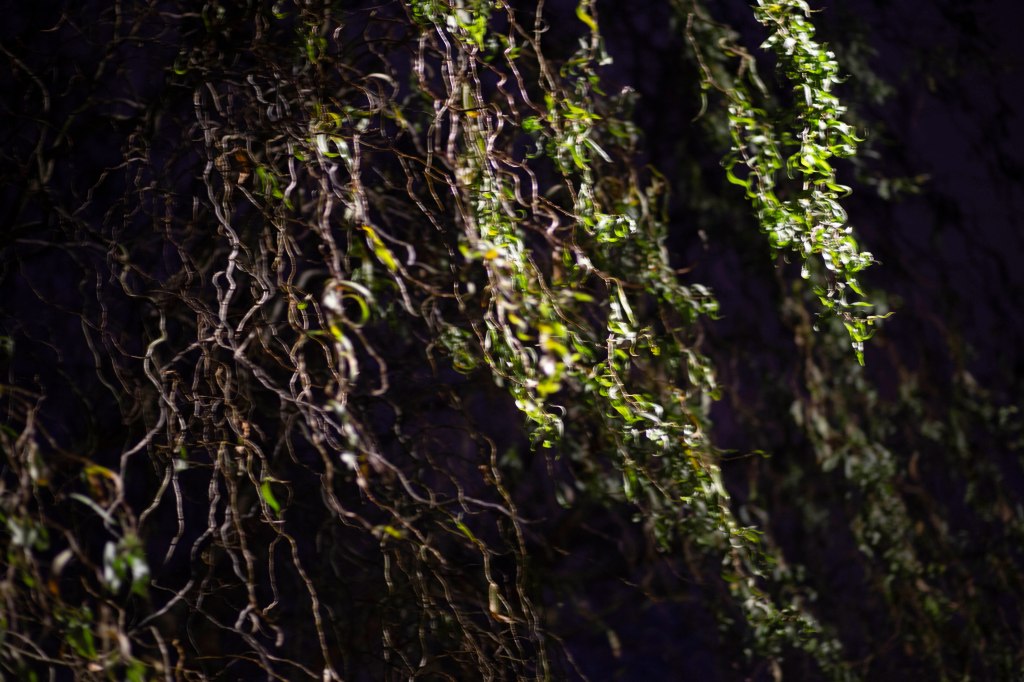
Fig 13. Tim Beale 2021. Untitled 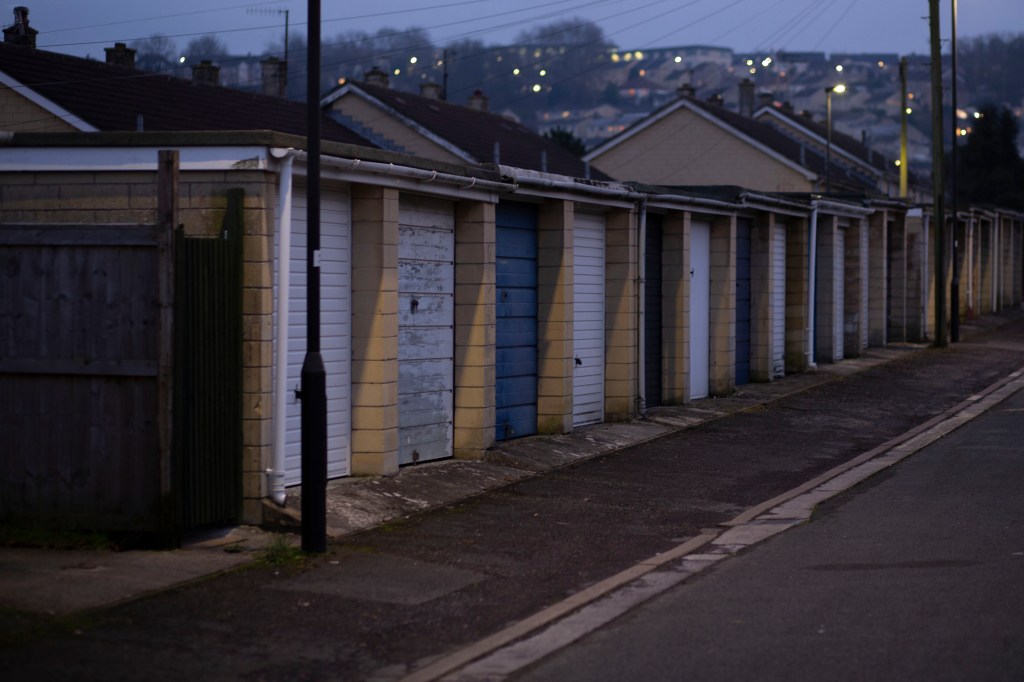
Fig 13. Tim Beale 2021. Untitled
References
1Rogers.K, Biophilia hypothesis. Encyclopedia Britanica, 2019. https://www.britannica.com/science/biophilia-hypothesis [accessed Jan 20 2021]
2 Poel.J & Schweiger.R, Commisioned, 2014. “Jeff Wall: Tableaux Pictures 1996-2013” (video interview) commissioned for the Education Department Stedelijk Museum. ARTube channel: YouTube https://youtu.be/tNWWrKXNeBA [accessed Jan 19 2021]
3Cotton. C, 2004. “ The photograph as contemporary art”: Thames & Hudson
4 Jonze.T “Interview Anarchy in Coventry: George Shaw’s greatest hits”, Guardian online https://www.theguardian.com/artanddesign/2019/feb/13/rembrandt-british-housing-estate-george-shaw-coventry-tile-hill-greatest-hits [accessed Jan 6 2021]
5 Hido “.T 2017, Christies YouTube channel, “I use photography to express myself” video short https://youtu.be/vTnmO6UXFUc [Accessed Jan 6 2021]
Images
Fig 1. Wall. J ‘Flooded Grave’ 1998-2000. https://www.artic.edu/artworks/157160/the-flooded-grave [accessed 20 Jan 2021]
Figs 2-5 Beale.T work in progress 2020
Figs 6-8 Shaw. G ‘Scenes from the Passion’ 2002. http://www.tate.org.uk/art/work/T07945 [accessed 20 Jan 2021]
Fig 9. Self portrait behind Dad’s house. Tim Beale 2020
Figs 10-11 Hido.T ‘House Hunting’ 1997. https://huxleyparlour.com/artists/todd-hido/ [accessed 20 Jan 2021]
Figs 12-13 Beale.T work in progress Jan 2021
 The Space Between