Following a very constructive 1:1 with my course tutor I have had time to reflect upon our discussions around my project and look at next steps forward.
- Looking at close up / details of the objects that make up a particular space
- What are the finer details that make that space special, what am I drawn to when visiting it?
- Do all images need to have a figure in order to tell the same story
- Further research into the bond between the human psyche and the natural environment
The key discussion was a round how my project has become the Space between birth and death (from womb to tomb), is a psychogeographical journey through life exploring the environment that shapes our life. From the biophilic desire to seek out nature as healer to the genetically imprinted need for a safety. We associate places with memories and often key events in our lives are linked to a specific place. This entry for my CRJ has taken a long time to right as during the past few weeks I have been coming to terms with loosing my father, who died suddenly on the day he was due to come home from hospital. Since my fathers passing a few weeks ago I have been reassessing my connection with life and how this impacts on my project. There are so many key moments in my life that are connected with a place. When thinking back to an experience so much of that is the where. I want to convey this in my project. For me nature is my salvation, where I escape to, where I feel safe away from everyone else. Into natures welcoming embrace.
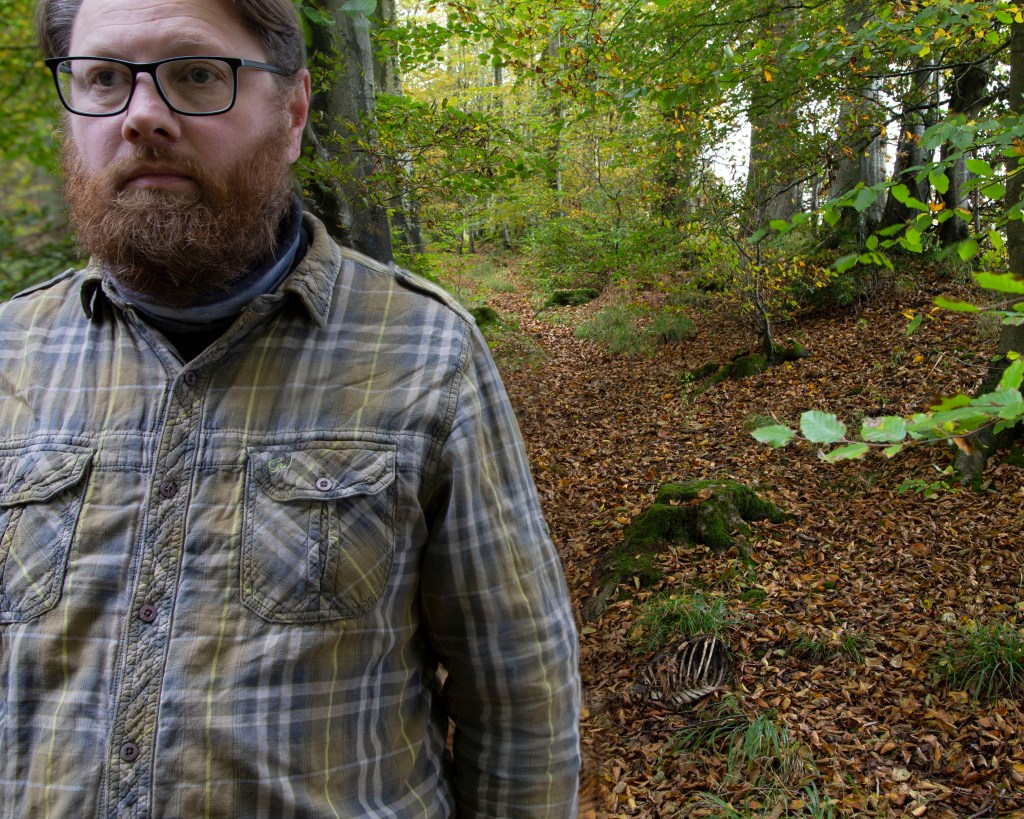
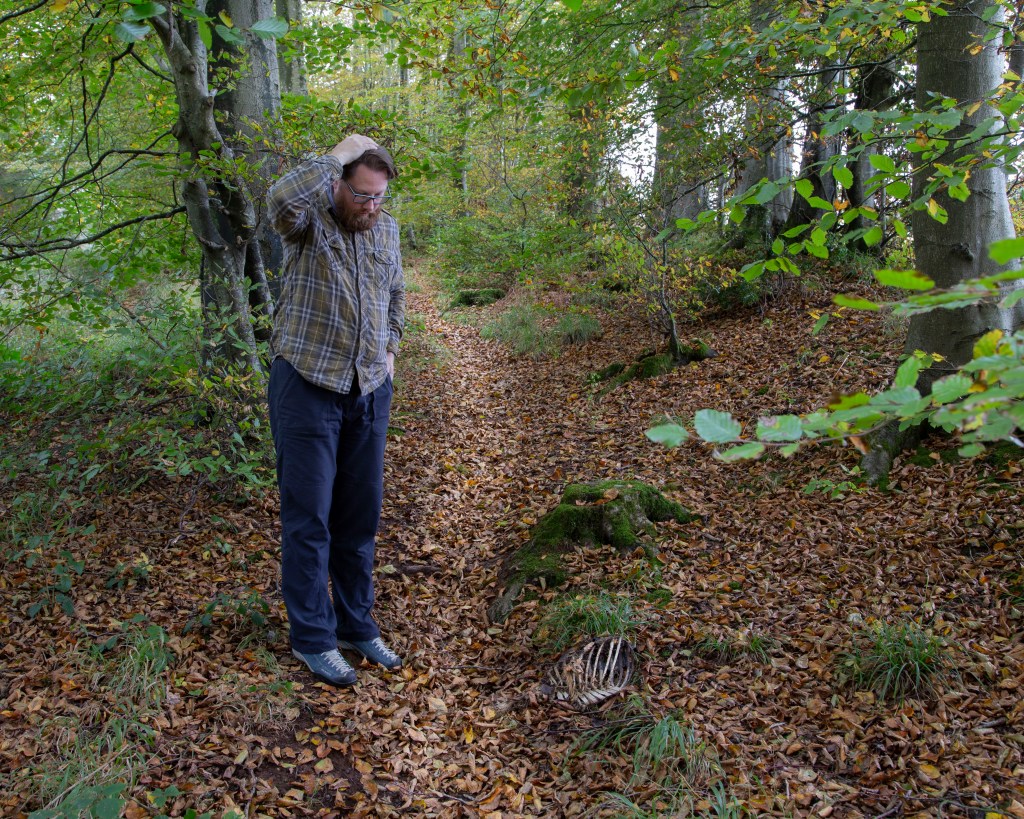
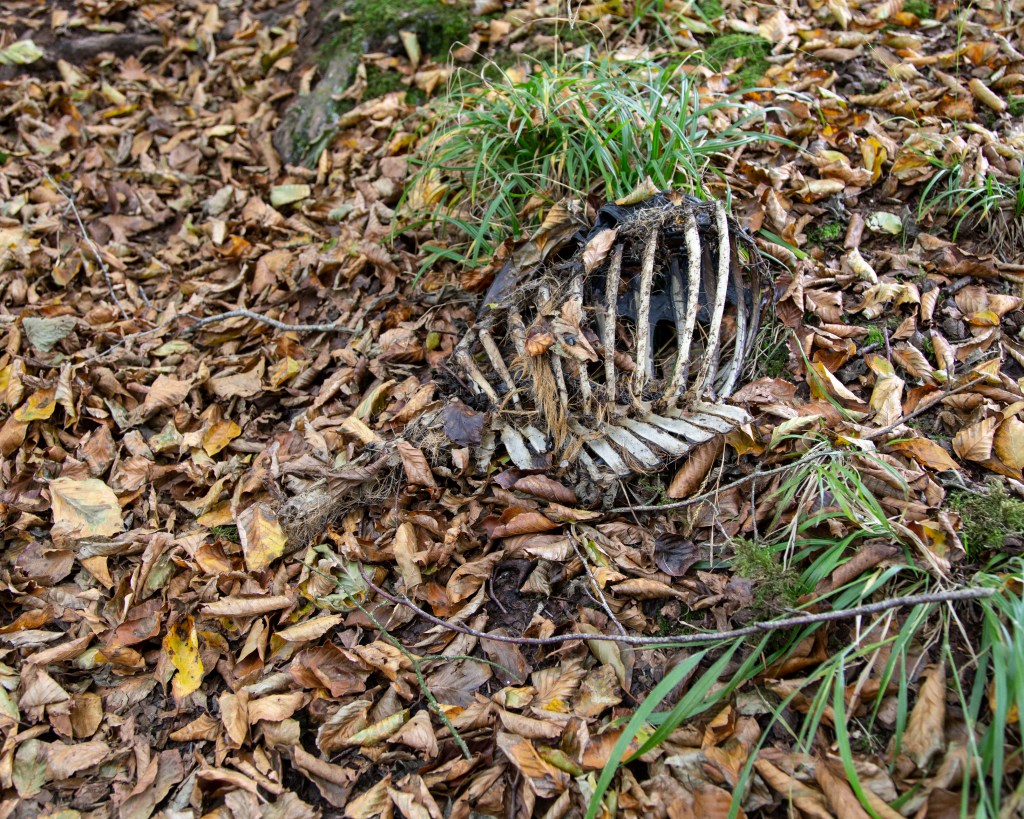
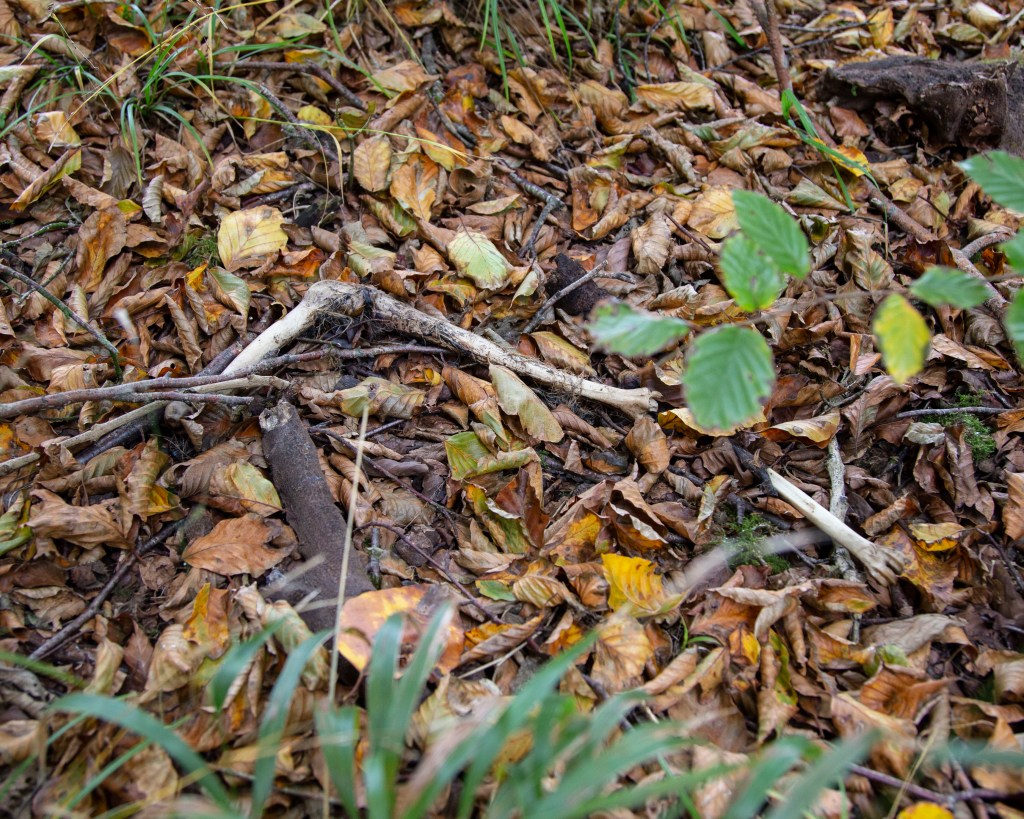
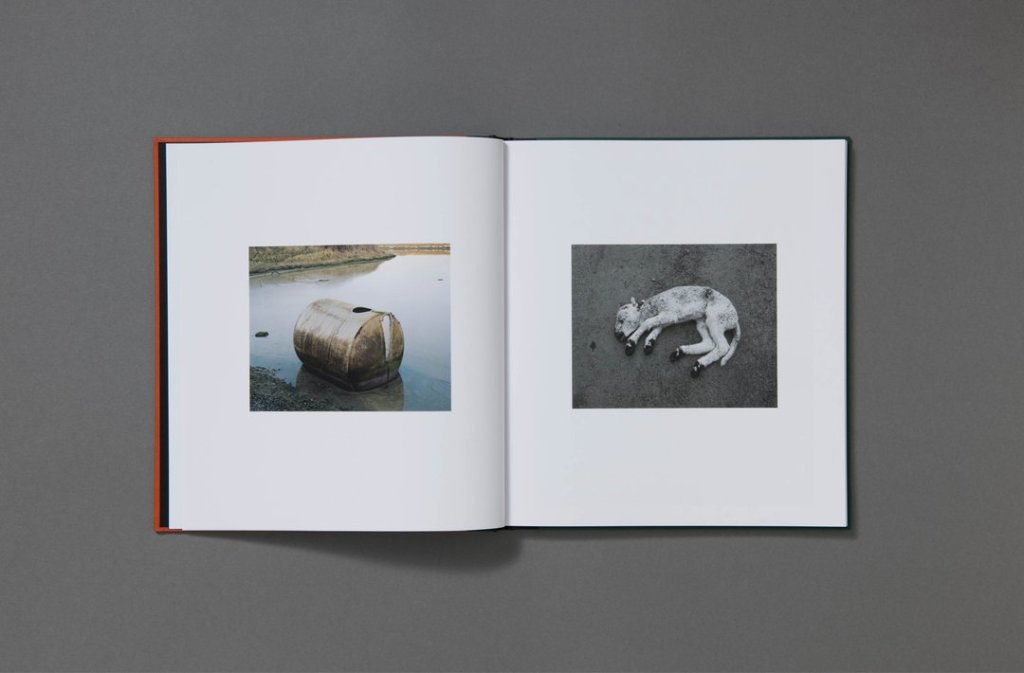
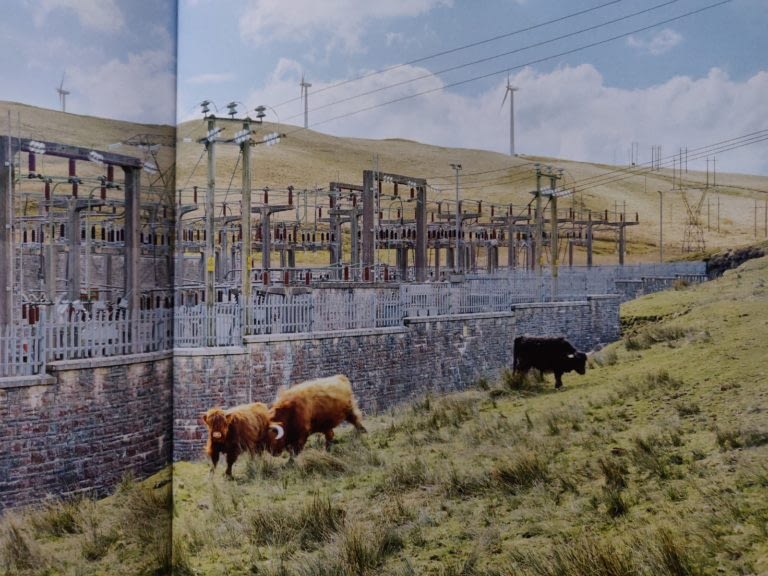
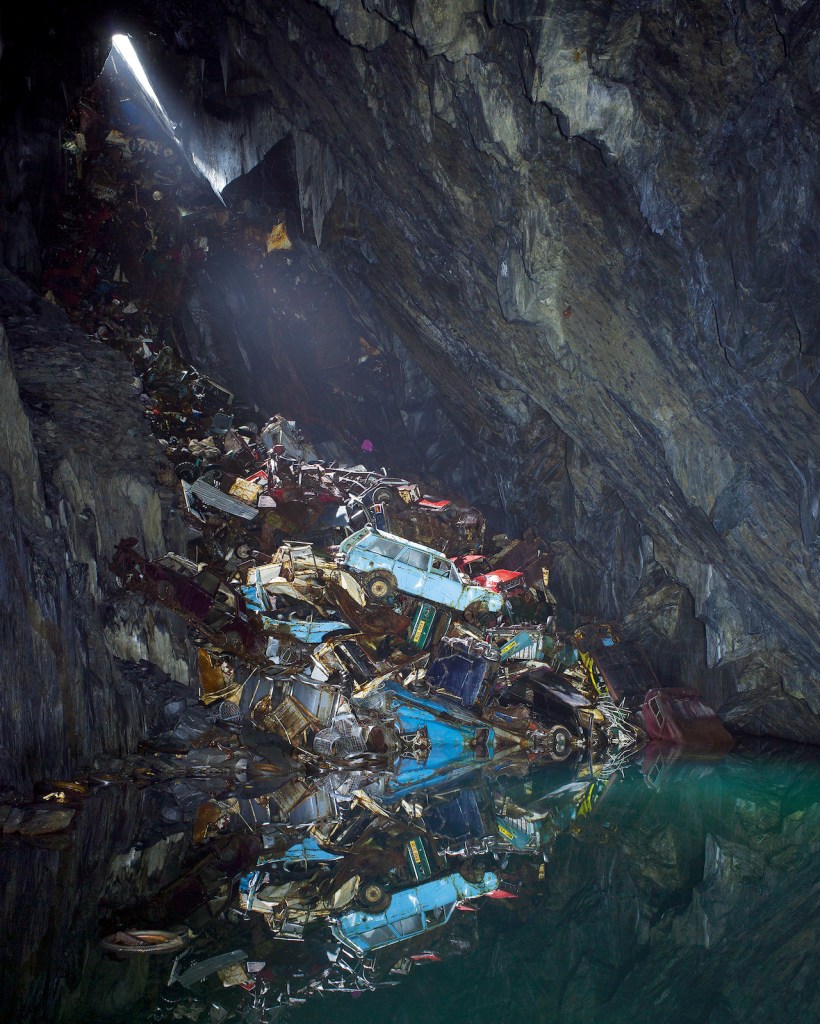
After my tutor’s feedback two pieces of work that I have started look at are Robin Friend’s ‘Bastard Countryside’ and Sam Taylor-Wood’s ‘Still Life’, both very different practices to look at but hold a certain resonance for me. Friend’s book ‘Bastard Countryside’ is a collection of images taken over a fifteen year period and influenced on what Victor Hugo called the ‘bastard countryside’: “somewhat ugly but bizarre, made up of two different natures”. With many images having the appearance of a classical landscape these are off set by the depiction of dilapidated or stark industrial architecture, these images are then paired with detailed shots of industrial waste, obscure debris and the discarded. Overall this appears a bleak representation of the British landscape, however is all the more refreshing for it. Having grown up in the Midlands, an industrial landscape scattered with the lost a forgotten structures of a long gone industry. I enjoy the use of images of the details that are to be found within these landscapes, almost evidence of lives lived.
Sam Taylor-Wood’s video-graphical ‘Still Life’ holds a different level of fascination, where Friend looks to capture something of the lost or past, Taylor-Wood looks to depict the transition of time. The use of stop motion photography show’s the decay of fruit, perhaps five weeks or so, over the space of around 4 minutes. The lighting and scene are reminiscent to the early Flemish still life’s of the 17th Century. However as the Flemish painters desire was to show the viewer the wealth and abundance of nature, whereas Taylor-Wood’s videos show us the fragility and mortality of nature. This is a really interesting concept and has peaked my interest but for me I want the viewer to take each image or collection of images and interpret each as a moment in life, rather than the passage of time.
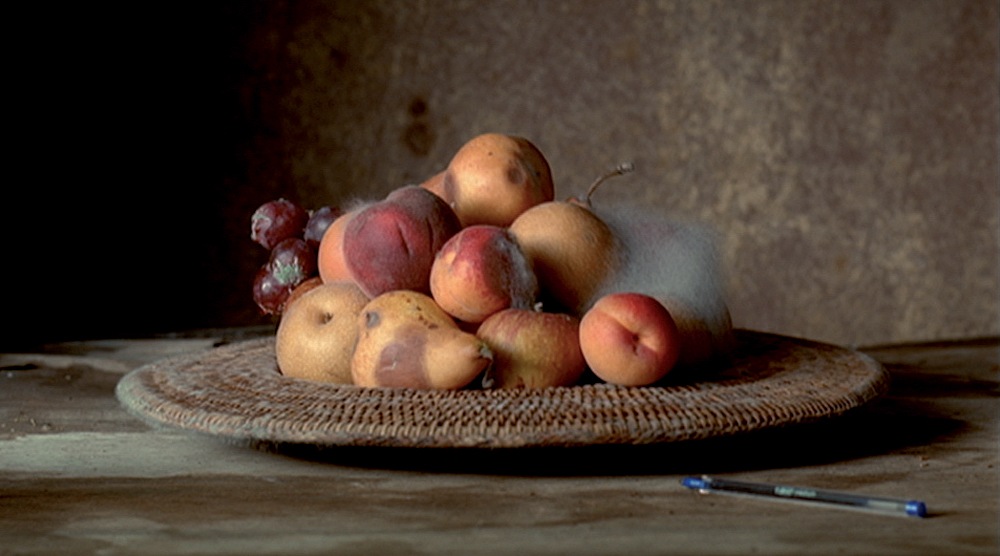
Sam Taylor-Wood ‘Still Life’ 2001, Film Still2 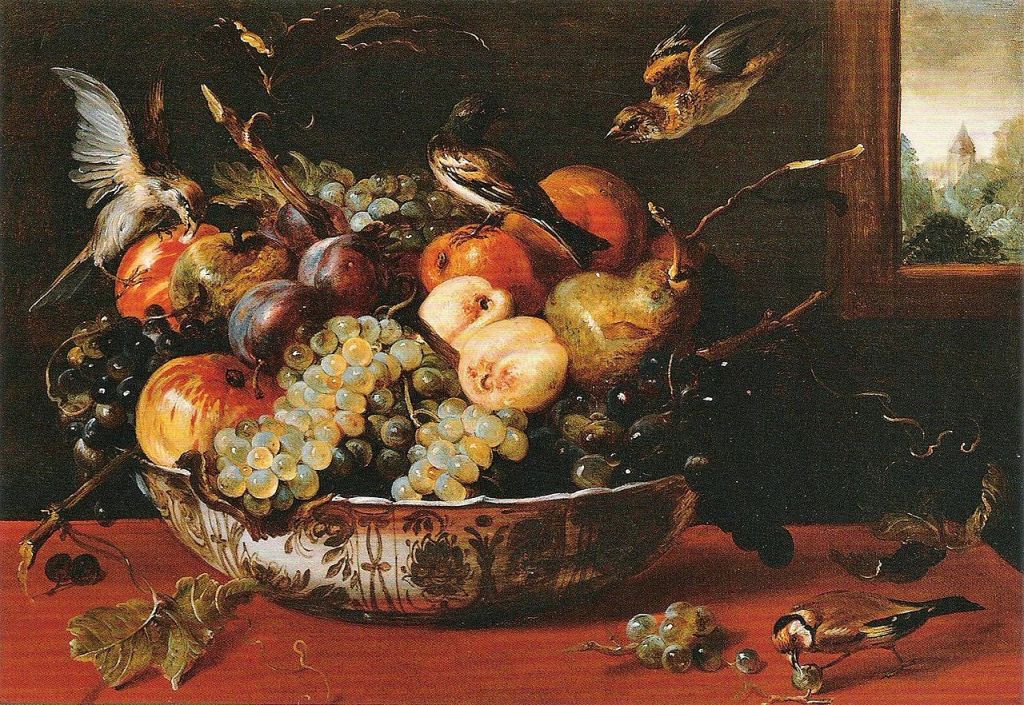
Frans Snyder, Still Life 16253
Resources
References
1 Friend.R (2018), [Online] ‘Bastard Countryside‘ [Accessed 1.11.2020]
2 Demos. T.J (2007) [Tate Online] ‘A matter of time’, Taylor-Wood. S (2001) ‘Still Life’, Film, ttps://www.tate.org.uk/tate-etc/issue-9-spring-2007/matter-time [Accessed 1.11.2020]
3 Snyders. F (1625), ‘Still life’ [Image online] https://commons.wikimedia.org/wiki/Category:Still_life_paintings_by_Frans_Snyders [Accessed 1.11.2020]
 The Space Between